
Are you looking to transform those leftover pieces of wood cluttering your workshop into a thriving source of income? In 2026, the demand for unique, handcrafted home goods and personalized gifts continues to soar, making it the perfect time to monetize your woodworking skills, even if you primarily work with scraps. This comprehensive guide will reveal 3 Profitable Scrap Wood Projects That Sell in 2026, demonstrating how simple hand tools and a keen eye for design can turn discarded lumber into high-demand items.
Many woodworkers accumulate a collection of offcuts, small boards, and exotic wood remnants, often deemed too small for larger projects but too valuable to discard. These forgotten pieces hold immense potential. With a strategic approach, you can create beautiful, functional, and highly marketable products. This article will walk you through the specifics of each project, offer insights into pricing strategies, and provide actionable tips for selling your creations, ensuring your efforts translate into genuine profit.

Key Takeaways
- High Demand for Handcrafted Goods: Consumers in 2026 continue to prioritize unique, sustainable, and handmade items, making scrap wood projects particularly appealing.
- Minimal Investment, Maximum Return: Utilizing existing scrap wood significantly reduces material costs, leading to higher profit margins.
- Versatile Projects for All Skill Levels: The featured projects range from simple to moderately complex, allowing both beginners and experienced woodworkers to find success.
- Effective Pricing and Marketing: Strategic pricing, compelling product photography, and targeting the right sales channels are crucial for maximizing sales.
- Sustainability as a Selling Point: Emphasizing the eco-friendly nature of upcycled wood products resonates strongly with environmentally conscious buyers.
Project 1: Elegant Wooden Serving Trays and Organizers
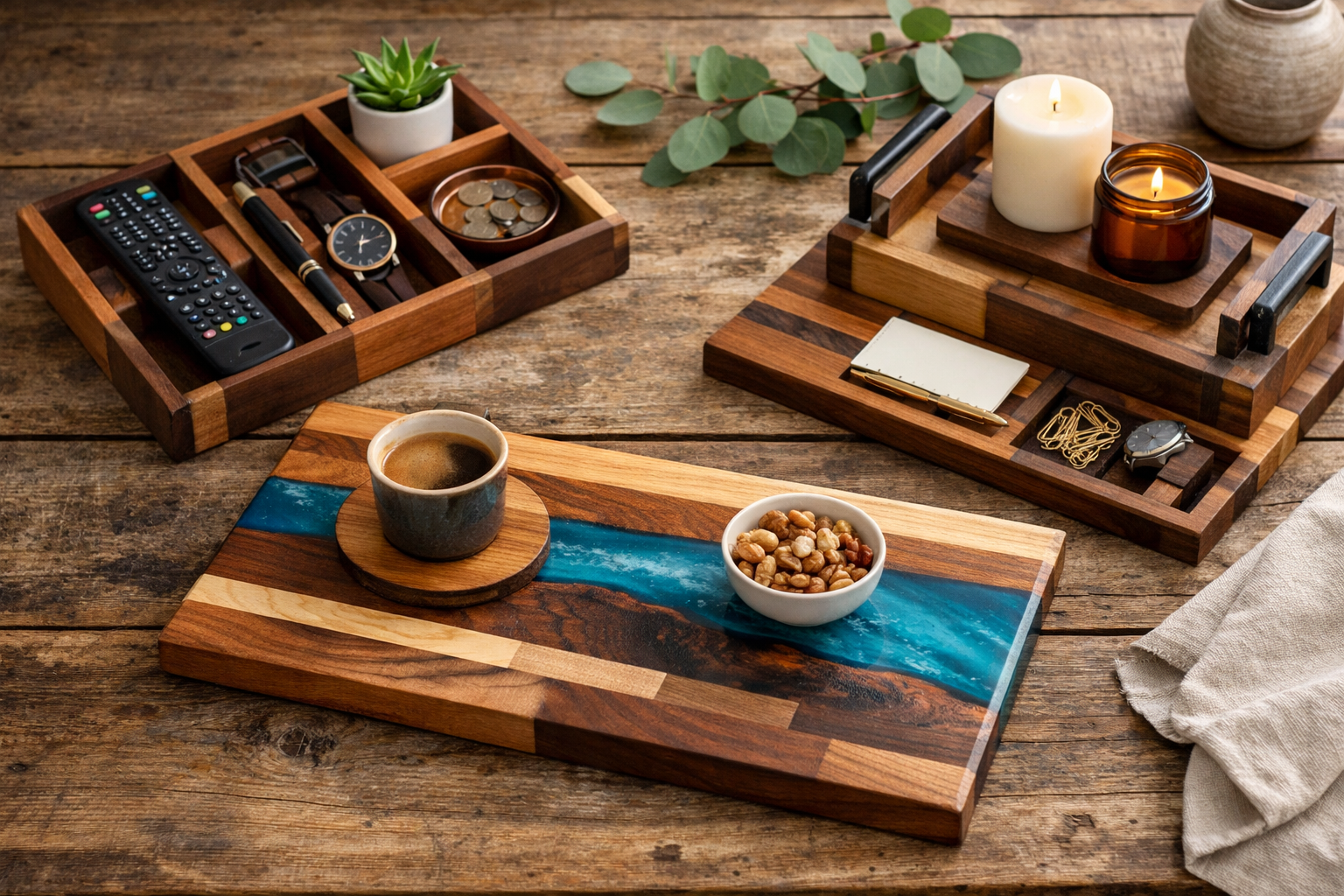
One of the most consistently popular and profitable scrap wood projects that sell in 2026 involves creating elegant wooden serving trays and versatile organizers. These items are in high demand for both home decor and practical utility. They appeal to a wide range of customers, from those seeking rustic charm to those desiring modern minimalist designs. The beauty of these projects lies in their adaptability to various wood types, sizes, and finishes, making them ideal for utilizing diverse scrap pieces.
Why Serving Trays and Organizers are Profitable in 2026
The appeal of wooden trays and organizers stems from several factors. Firstly, they are incredibly functional. People use trays for serving food, organizing coffee tables, displaying decorative items, or even as catch-alls on entryways. Organizers, whether for desks, kitchens, or bathrooms, help declutter spaces, a perennial need in modern households.
Secondly, the aesthetic value is significant. A well-crafted wooden tray or organizer can elevate the look of any room. Consumers are willing to pay a premium for items that combine utility with artisan craftsmanship. Furthermore, the sustainable aspect of using reclaimed or scrap wood resonates strongly with today’s environmentally conscious buyers.
Design Considerations and Construction Tips
To maximize profitability, focus on designs that are both attractive and relatively simple to construct using basic hand tools.
- Material Selection: Collect various hardwood scraps like oak, maple, walnut, cherry, or even exotic woods. Different wood species offer unique grain patterns and color variations, which can be a significant selling point. Consider incorporating contrasting wood types for a striking look, perhaps using a light maple base with dark walnut accents. If you have some exotic pieces, “Blue Wood Natural: Exploring the Phenomenon, Species, and Uses – Wood Craft Wiz” could inspire some unique color combinations.
- Dimensions: While you’re working with scraps, aim for popular sizes. Common serving tray dimensions range from 12×18 inches to 16×22 inches. For organizers, consider smaller sizes like 6×9 inches for desk tidies or 4×12 inches for remote control holders.
- Joinery: Simple butt joints reinforced with screws, dowels, or even biscuits can be very effective. For a more refined look, small finger joints or dovetails (if your skill set allows) can add significant perceived value. Even basic dados and rabbets can create strong, clean connections for interior dividers in organizers.
- Handles: Handles are a key feature for trays. You can route integrated handholds into the side pieces, attach decorative metal handles, or create simple wooden handles that complement the design.
- Finishing: The finish is crucial for enhancing both aesthetics and durability. For items that might come into contact with food, a food-safe finish like mineral oil or a beeswax finish is essential. For purely decorative or organizational pieces, consider a durable finish such as polyurethane or lacquer. Explore various options like “oak wood finishing techniques” or “mahogany wood finishing techniques” for inspiration. A smooth, well-sanded surface and a flawless finish significantly increase perceived value. For unique effects, you might even consider “unique wood finishing techniques”.
Project Variations and Market Appeal
- Charcuterie Boards: Slightly thicker wood scraps can be transformed into beautiful charcuterie or cutting boards. These are consistently popular items, especially when presented with unique shapes, live edges, or contrasting wood inlays.
- Desk Organizers: Multi-compartment organizers for pens, clips, and small gadgets are always in demand. These can be made from surprisingly small offcuts.
- Vanity Trays: Smaller, more elegant trays often with a lighter finish, perfect for jewelry, perfumes, or toiletries in a bathroom or bedroom.
- Remote Caddies: A specialized organizer designed to hold multiple remote controls neatly.
“In 2026, consumers aren’t just buying products; they’re investing in stories and sustainability. Handcrafted scrap wood items, especially those with a clear purpose like serving trays or organizers, resonate deeply with this market trend.”
Pricing and Sales Strategy
When pricing your trays and organizers, consider the cost of your time (even if materials are free), the complexity of the design, the quality of the finish, and market demand. A good rule of thumb is to factor in your hourly rate for labor, plus a percentage for overhead and profit. Research similar items on platforms like Etsy or local craft markets to get a sense of competitive pricing.
To sell effectively:
- High-Quality Photography: Showcase your pieces with excellent lighting, clear backgrounds, and lifestyle shots that demonstrate their use.
- Compelling Descriptions: Highlight the type of wood, the craftsmanship, the unique features, and the sustainable aspect of using scrap materials.
- Targeted Marketplaces: Online platforms (Etsy, Shopify), local craft fairs, boutiques, and even social media (Instagram, Pinterest) are excellent channels.
- Offer Customization: Allowing customers to request specific sizes or wood types can be a significant draw.
Project 2: Stylish Wall-Mounted Shelving and Spice Racks
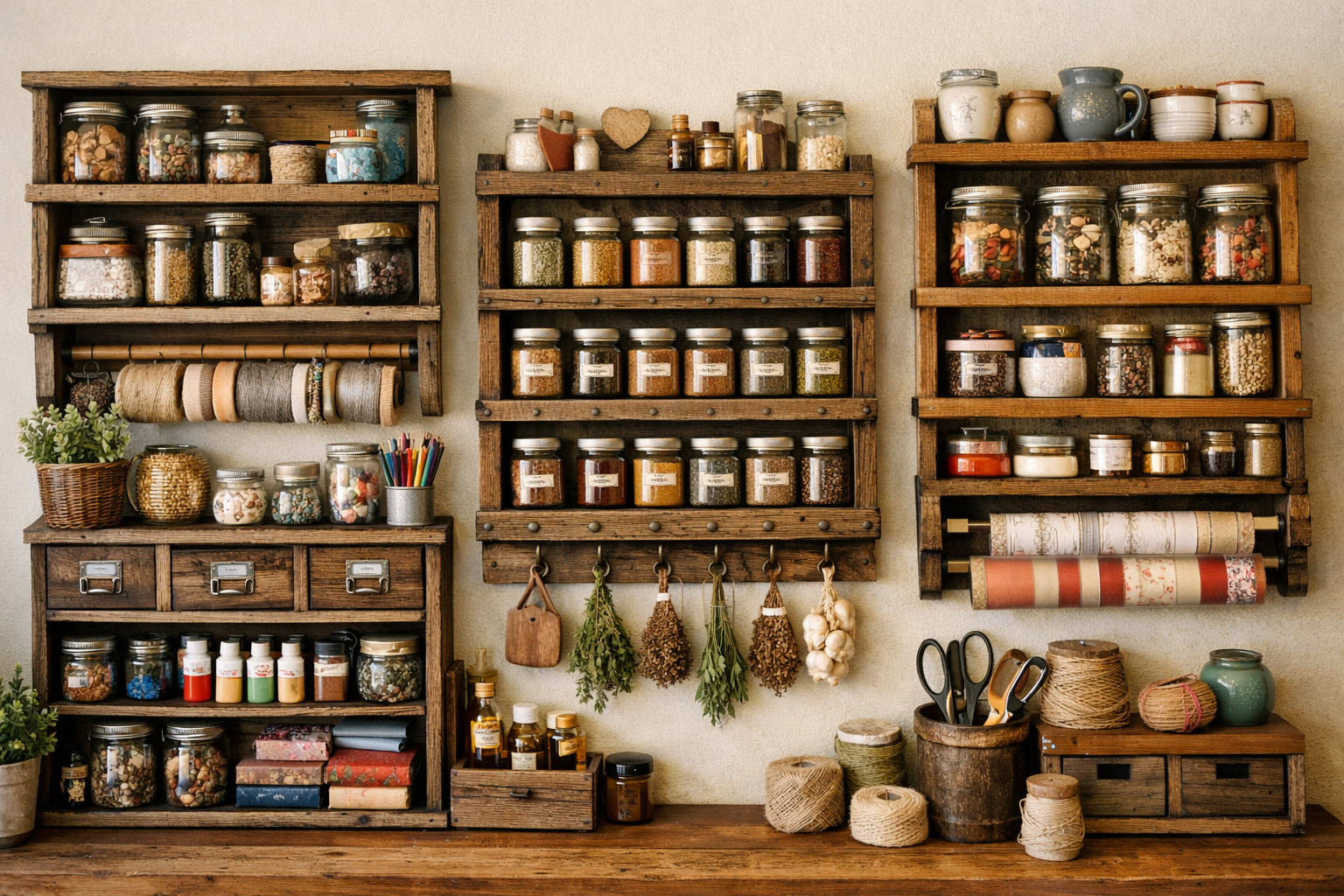
The second highly profitable category of scrap wood projects that sell in 2026 includes stylish wall-mounted shelving and specialized spice racks. These items are not only practical space-savers but also powerful decorative accents that homeowners seek to personalize their living spaces. Utilizing smaller, narrower pieces of scrap wood, these projects offer excellent profit margins due to low material costs and relatively straightforward construction.
Why Wall Shelves and Spice Racks are in Demand
In 2026, urban living often means smaller spaces, and the need for clever storage solutions remains high. Wall-mounted shelves and spice racks address this directly by utilizing vertical space. Beyond mere functionality, these pieces can add warmth, character, and a touch of artisan craftsmanship to any room. They are particularly popular in kitchens, bathrooms, and home offices, where clutter management is a constant challenge.
The beauty of scrap wood for these projects is that slight imperfections or variations in wood grain can enhance their “handmade” appeal, rather than detract from it. This allows for the use of pieces that might not be suitable for larger, more uniform furniture.
Construction Techniques and Design Variations for 3 Profitable Scrap Wood Projects That Sell in 2026
These projects can range from very simple floating shelves to multi-tiered spice racks with guard rails. The key is clean construction and a refined finish.
- Floating Shelves: These are perhaps the simplest to make. A single piece of attractive scrap wood can be sanded, finished, and fitted with hidden mounting hardware. Even short lengths of attractive hardwood can be sold as minimalist display shelves for small items like succulents, candles, or collectibles. For example, a beautiful piece of reclaimed oak, expertly finished, can fetch a good price.
- Picture Ledges: Similar to floating shelves but with a shallow groove or lip to hold picture frames, small artwork, or books. These are incredibly popular for creating gallery walls.
- Spice Racks: These can be simple single-tier shelves with a front lip to prevent jars from falling, or multi-tiered units. Consider variations like:
- Tiered Wall Racks: Multiple narrow shelves mounted one above the other, perfect for a collection of spices or small craft supplies.
- Cabinet Door Racks: Slim racks designed to mount on the inside of cabinet doors, maximizing otherwise unused space.
- Rustic Farmhouse Style: Using distressed wood or a matte finish to appeal to the popular farmhouse aesthetic.
- Material Utilization: Think creatively about different scrap wood sizes. Wider pieces are perfect for the shelf surface itself, while narrower strips can be used for the front lip of a spice rack or the side supports. Even small blocks can be turned into decorative shelf brackets.
- Finishing Touches: As with trays, the finish is vital. For kitchen items, ensure a durable, easy-to-clean finish. For decorative shelves, a rich stain followed by a clear topcoat can highlight the wood’s natural beauty. For those interested in finishing techniques, our guide on “unique wood finishing techniques” could be very helpful.
Tools and Skills
These projects are very accessible, often requiring only basic hand tools, though power tools can speed up the process.
- Measuring and Marking Tools: Tape measure, ruler, square, pencil.
- Cutting Tools: Hand saw, miter saw, or table saw. A vintage Craftsman table saw could be perfect for accurately cutting pieces for these projects, or a more modern Performax Table Saw.
- Sanding: Sandpaper of various grits (from 80 to 220 or higher) and a sanding block, or an orbital sander.
- Assembly: Wood glue, clamps, screws, drill/driver. “Does Super Glue Work on Wood? The Ultimate Guide for Woodworkers 🧰” might offer additional bonding insights for smaller, decorative elements.
- Mounting Hardware: Keyhole hangers, D-rings, or French cleats for secure wall mounting.
Marketing Your Shelving and Racks
Emphasize the practical benefits alongside the aesthetic ones. Showcase lifestyle photos of the shelves in actual use – a spice rack organized with attractive jars, a floating shelf displaying cherished photos.
- Bundle Options: Offer sets of matching shelves in different lengths or configurations.
- Custom Orders: Allow customers to specify dimensions or finishes for their unique spaces.
- Seasonal Appeal: Highlight how shelves can be used for seasonal decor, like displaying holiday ornaments or spring flowers.
- Sustainability Story: Reinforce that these items are made from recycled or upcycled wood, appealing to eco-conscious buyers.
Project 3: Creative Small Planters and Succulent Holders
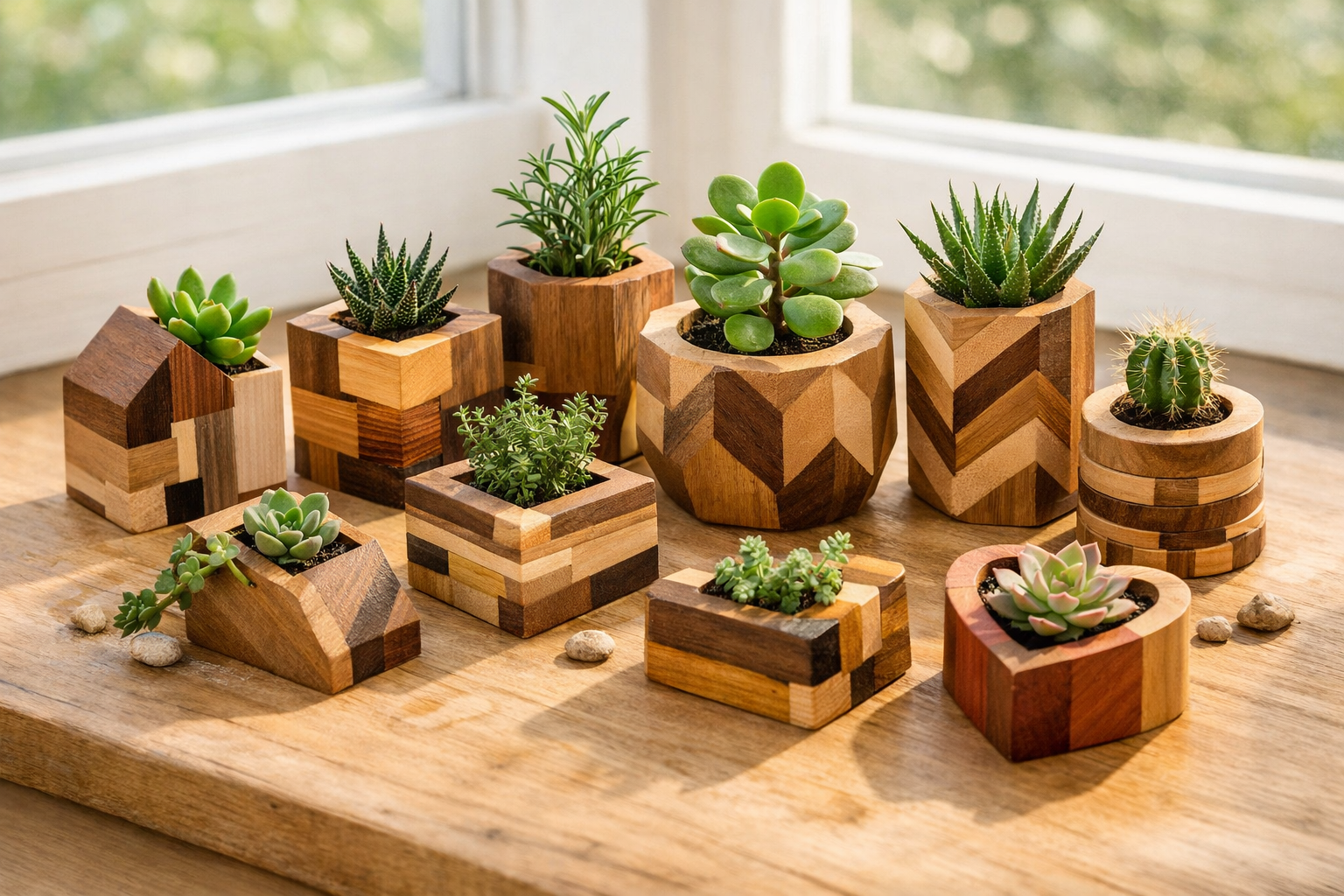
The third incredibly profitable scrap wood project that sells in 2026 involves crafting creative small planters and succulent holders. The houseplant trend continues to flourish, with succulents and air plants being particularly popular due to their low maintenance requirements. Unique, handcrafted wooden planters offer a distinctive way to display these plants, appealing to urban dwellers, gift-givers, and plant enthusiasts alike.

The Growing Market for Small Planters in 2026
Small, decorative planters capitalize on several strong market trends:
- Houseplant Boom: The love for indoor plants remains strong, with people seeking unique ways to display their green companions.
- Gift Market: Small planters with a succulent make excellent, affordable, and thoughtful gifts for various occasions.
- Sustainable Decor: Using scrap wood for planters aligns perfectly with the eco-friendly home decor movement.
- Aesthetic Appeal: Wooden planters add a natural, organic touch to any interior space, complementing various decor styles from bohemian to minimalist.
These items require relatively small pieces of wood, making them perfect for those tiny offcuts that seem otherwise unusable.
Design Ideas and Crafting for Maximum Appeal
The design possibilities for small planters are endless, allowing for significant creativity and personalization. The key is to create appealing, well-finished pieces that are functional for plant life.
- Simple Block Planters: Hollow out a solid block of wood to create a cavity for a small pot or direct soil. These can be cube-shaped, rectangular, or even irregularly shaped to showcase unique wood grains.
- Geometric Planters: Combine smaller triangular or rectangular pieces of scrap wood to create multi-faceted, modern geometric designs. This is a great way to use very small, oddly shaped offcuts.
- Wall-Mounted Planters: Design small wooden pockets or frames that can hold air plants or tiny succulents and be hung on a wall. This combines the appeal of wall decor with greenery.
- Tiered or Stacked Planters: Create a small system where multiple mini-planters can be stacked or arranged to form a larger display.
- Material Selection: Hardwoods like oak, maple, walnut, or even cedar (known for its rot resistance) are excellent choices. The natural variations in grain and color found in scrap wood add character. Consider using contrasting wood for accent pieces or bases. If you have various species, explore combining them for visually striking pieces.
- Waterproofing: This is critical for the longevity of your planters. The interior of any planter designed to hold soil directly must be waterproofed. Options include applying multiple coats of a waterproof sealant (like epoxy resin or a non-toxic liquid rubber), or lining the cavity with plastic sheeting. Alternatively, design planters to simply hold a small plastic pot, avoiding direct contact with soil.
- Drainage: For planters that hold soil directly, include a small drainage hole at the bottom to prevent root rot. This requires drilling a precise hole.
- Finishing: A smooth finish is essential. Consider natural oils like mineral oil or tung oil for a rustic look, or a clear polyurethane for a more polished finish. Remember that the finish should ideally be non-toxic if it’s in direct contact with the plant’s environment. Our guides on various finishing techniques, such as clear finish for maple or red oak plywood stain, can provide deeper insights.
Tools for Planter Projects
Many small planters can be made with surprisingly few tools:
- Cutting Tools: Hand saw, jigsaw, miter saw for basic cuts.
- Shaping/Hollowing Tools: Chisel, gouge, drill with a large Forstner bit (e.g., 3/16 Forstner bit) for creating cavities. A drill press can greatly assist with precise hollowing.
- Sanding: Essential for a smooth finish.
- Assembly: Wood glue, clamps for multi-piece designs.
Pricing and Selling Your Planters
Since these are generally smaller items, they often fall into the impulse buy or affordable gift category. Price them competitively, considering your material acquisition cost (likely very low), labor time, and the uniqueness of your design.
- Package with Plants: Consider selling your planters pre-planted with a small succulent or air plant. This adds significant value and makes them an immediate gift option.
- Display Ideas: Show your planters in appealing arrangements – on windowsills, desks, or shelves. Highlight how they can brighten up a small space.
- Seasonal Themes: Offer specific finishes or wood types that align with seasonal trends (e.g., darker woods for fall/winter, lighter woods for spring/summer).
- Workshops: If you’re looking for an additional revenue stream, consider hosting small workshops where people can learn to make their own scrap wood planters. Our guide on “Unleash Your Inner Artisan: Your Guide to Finding the Perfect Woodworking Class 🪚” might offer insights into setting up such an offering.
Remember, the story behind your scrap wood – its journey from offcut to artisan creation – can be a powerful sales tool. Emphasize the unique nature of each piece and its positive environmental impact.
General Tips for Monetizing Scrap Wood Projects in 2026
Beyond the specifics of each project, several overarching strategies will help you succeed in selling your scrap wood creations in 2026.
Sourcing Scrap Wood Ethically and Effectively
While the goal is to use your own workshop scraps, continuously sourcing new, interesting scrap wood can keep your inventory fresh.
- Local Lumber Mills/Sawmills: Often have bins of offcuts or imperfect pieces they sell for cheap or even give away.
- Cabinet Shops and Furniture Makers: These businesses generate a lot of hardwood offcuts. Build relationships and offer to take their scraps.
- Construction Sites: Look for discarded hardwood flooring, trim, or framing pieces that can be salvaged. Always ask permission.
- Online Forums/Marketplaces: Check Craigslist, Facebook Marketplace, or local woodworking groups for free or cheap wood.
- Pallets: While processing pallets can be labor-intensive, they offer a free source of wood. Just be cautious about potential chemical treatments.
Quality Over Quantity
Even though you’re using scrap wood, the final product must be of high quality. Poor craftsmanship will deter buyers.
- Precise Cuts: Take your time with cuts, even if using hand tools. Accuracy makes a huge difference in the final look.
- Thorough Sanding: This is non-negotiable. Smooth surfaces feel good to touch and accept finishes beautifully.
- Flawless Finishing: A well-applied finish protects the wood and enhances its natural beauty. Invest time in learning various finishing techniques.
- Strong Joinery: Ensure your products are durable and will last.
Branding and Storytelling
In a crowded market, your unique brand and the story behind your creations can set you apart.
- Develop a Brand Identity: Choose a name, logo, and aesthetic that reflects your style.
- Tell Your Story: Share how you source your wood, your passion for woodworking, and the environmental benefits of upcycling. This connection can be powerful for buyers.
- Packaging: Simple, attractive packaging can elevate the perceived value of your items. Consider eco-friendly options.
Marketing and Sales Channels
- Online Presence: A professional online store (Shopify, Etsy) and active social media profiles (Instagram, Pinterest) are crucial. Use high-quality photos and engaging captions.
- Local Markets: Craft fairs, farmers’ markets, and local boutiques offer direct interaction with customers and a chance to build a local following.
- Collaborations: Partner with local plant shops, coffee shops, or interior designers to cross-promote your products.
- SEO Optimization: Use keywords relevant to your products in your online listings and social media posts to help customers find you. For example, when listing a cutting board, don’t just say “wood board,” but specify “handmade hardwood charcuterie board” or “sustainable red oak cutting board” (relevant to our guide on red oak for cutting board).
Pricing Your Work Strategically
Pricing is often the biggest hurdle for makers. Don’t undersell yourself.
- Cost of Materials: Even if the wood is “free,” factor in the cost of glue, screws, sandpaper, finish, and any hardware.
- Time (Labor): Assign an hourly rate to your time. This is your skill and expertise.
- Overhead: Account for electricity, tool maintenance, marketing costs, and platform fees.
- Profit Margin: Add a healthy profit margin to ensure your business is sustainable.
- Market Research: Look at what similar items are selling for. Don’t be the cheapest; aim for value.
Conclusion
Transforming scrap wood into profitable, high-demand products is an achievable and rewarding endeavor in 2026. By focusing on the 3 Profitable Scrap Wood Projects That Sell in 2026 – elegant serving trays and organizers, stylish wall-mounted shelving and spice racks, and creative small planters and succulent holders – you can tap into thriving markets with minimal material investment.

The key to success lies in combining your passion for woodworking with smart design, meticulous craftsmanship, and effective marketing. Remember that consumers are increasingly looking for unique, handcrafted items with a story, and the sustainable aspect of upcycled wood is a powerful selling point. By paying attention to detail, showcasing your work professionally, and understanding your market, you can turn those workshop offcuts into a significant source of income.
Actionable Next Steps:
- Inventory Your Scraps: Categorize your existing scrap wood by type, size, and potential use.
- Choose Your First Project: Select one of the three projects that best fits your current skill level and available materials.
- Refine Your Skills: Watch tutorials, practice cuts, and experiment with different finishing techniques.
- Create Prototypes: Build a few versions of your chosen project to refine your design and process.
- Develop Your Brand Story: Think about what makes your creations unique and how you can communicate that to potential buyers.
- Plan Your Sales Strategy: Decide on your initial sales channels – whether online, local markets, or a combination.
- Start Selling: Don’t wait for perfection. Launch your first products and learn from customer feedback.
The journey from scrap pile to profitable enterprise is not only financially rewarding but also deeply satisfying, allowing you to breathe new life into discarded materials and share your artistry with the world.