
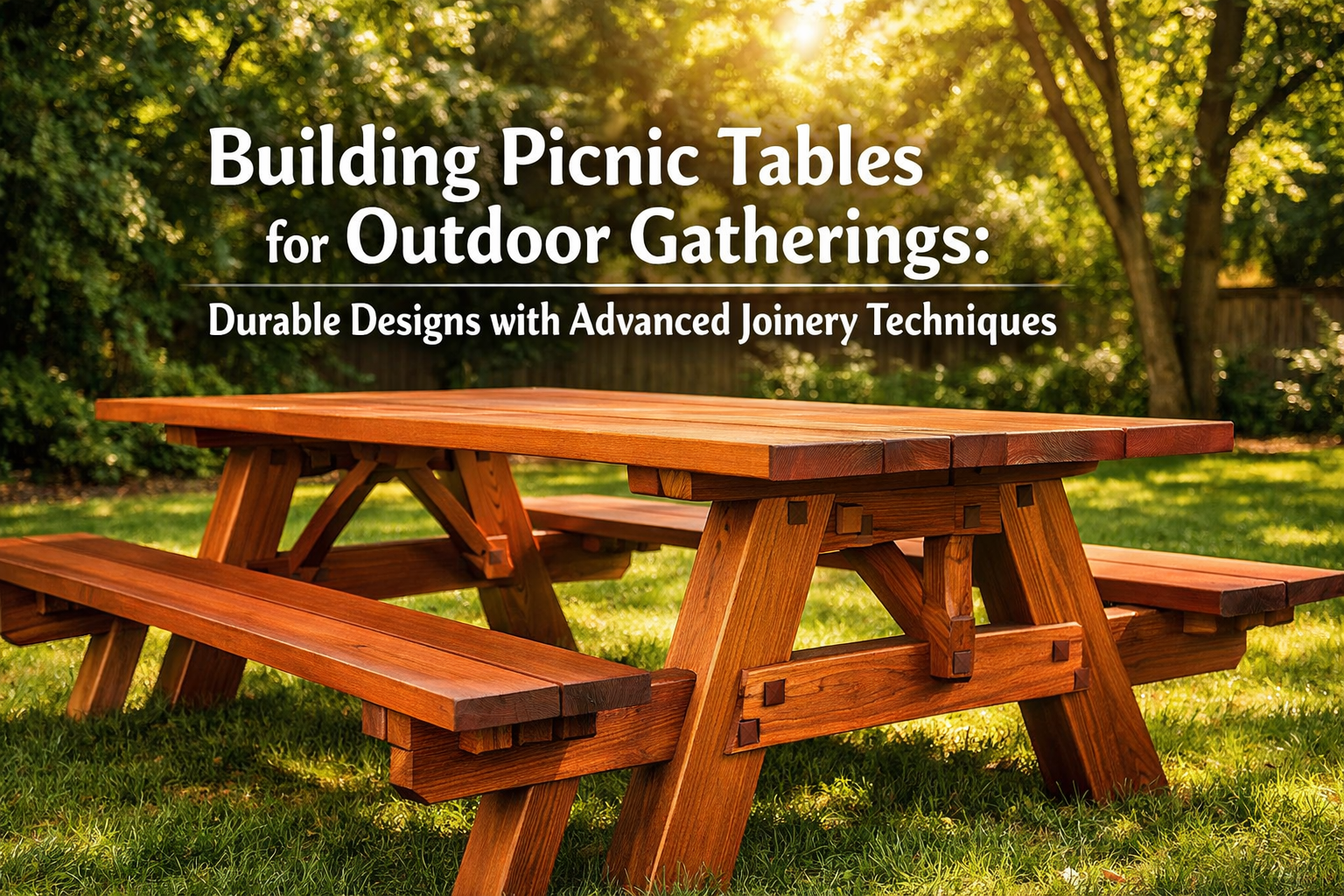
Crafting a picnic table isn’t just about assembling a few boards; it’s about creating a lasting centerpiece for outdoor enjoyment, a hub for family meals, and a sturdy platform for memorable gatherings. For makers looking to create profitable outdoor furniture or homeowners seeking a truly resilient addition to their backyard, Building Picnic Tables for Outdoor Gatherings: Durable Designs with Advanced Joinery Techniques offers an unparalleled opportunity to blend robust construction with aesthetic appeal. In 2026, with a growing emphasis on outdoor living and durable goods, understanding how to build a weather-resistant picnic table using rot-resistant woods and advanced joinery like mortise-tenon joints, coupled with protective finishes, is more valuable than ever.
This comprehensive guide will delve into the critical aspects of designing and constructing picnic tables that stand the test of time and the elements. We’ll explore material selection, focusing on woods renowned for their outdoor performance, elaborate on sophisticated joinery methods that enhance structural integrity, and discuss the essential finishing touches that ensure longevity and beauty.
Key Takeaways
- Material Selection is Paramount: Choose naturally rot-resistant woods like redwood, cedar, or cypress for superior outdoor performance, considering durability, aesthetics, and maintenance.
- Advanced Joinery for Strength: Incorporate traditional woodworking joints such as mortise and tenon, dado, and through-dovetails to create incredibly strong and stable structures that resist racking and wear.
- Robust Design Principles: Plan for proper drainage, use angled bracing, and ensure adequate fastener protection to maximize the lifespan and stability of your picnic table.
- Essential Weather Protection: Apply high-quality outdoor finishes like spar varnish, marine-grade oils, or penetrating sealers to protect against moisture, UV rays, and biological decay.
- Profitability for Artisans: By focusing on durable designs and advanced techniques, woodworkers can craft premium picnic tables that command higher prices and satisfy discerning customers.
Selecting the Right Materials for Outdoor Longevity 🌳
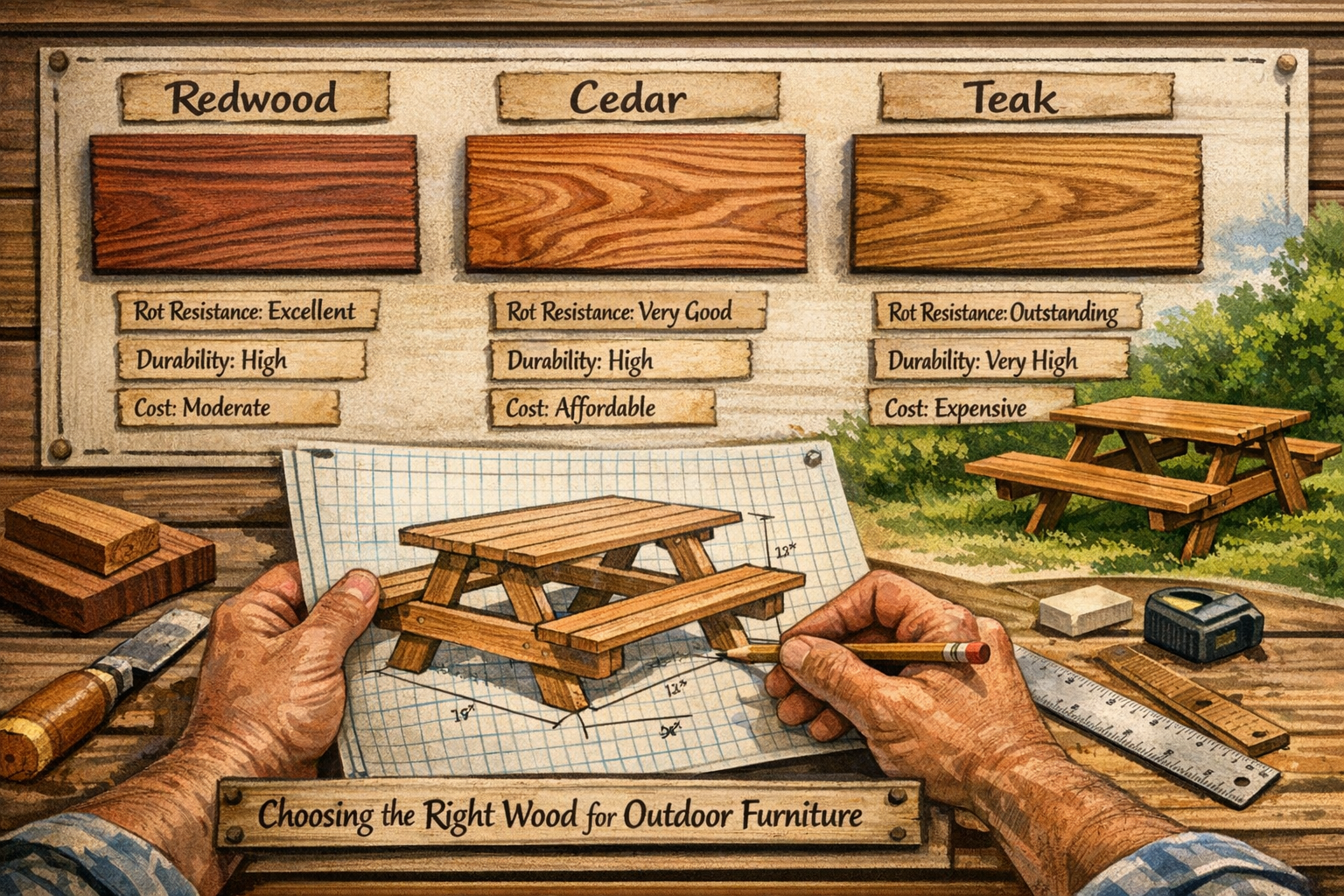
The foundation of any durable outdoor furniture, especially a picnic table, lies in the intelligent selection of materials. When considering Building Picnic Tables for Outdoor Gatherings: Durable Designs with Advanced Joinery Techniques, the wood species chosen is arguably the most critical decision, directly impacting the table’s resistance to rot, insects, and weathering. Beyond wood, the fasteners and adhesives used also play a crucial role in ensuring a long-lasting structure.
High-Performance Wood Species for Outdoor Use
For outdoor applications, woods that naturally resist decay and insect infestation are preferred. These species contain natural oils and compounds that act as preservatives, making them ideal for furniture exposed to varying weather conditions.
Table: Comparison of Popular Rot-Resistant Woods
| Wood Species | Rot Resistance | Durability | Cost (Relative) | Key Characteristics | Maintenance |
|---|---|---|---|---|---|
| Redwood | Excellent | Good | High | Beautiful grain, stable, lightweight | Medium |
| Cedar | Excellent | Good | Medium | Aromatic, stable, lightweight, soft | Medium |
| Cypress | Excellent | Good | Medium | Water-resistant, hard, stable | Medium |
| Teak | Exceptional | Excellent | Very High | Oily, dense, incredibly durable | Low (ages to silver) |
| White Oak | Good | Excellent | Medium-High | Strong, dense, attractive grain | High (needs good finish) |
- Redwood: Renowned for its natural resistance to decay and insects, redwood is a top choice for outdoor furniture. Its beautiful reddish-brown hue and straight grain make it aesthetically pleasing. It’s also relatively lightweight and stable, resisting warping and checking.
- Cedar (Western Red Cedar): Similar to redwood, cedar boasts excellent natural rot and insect resistance due to its aromatic oils. It’s lighter in weight and softer than many hardwoods, making it easier to work with. Cedar weathers to a charming silvery-gray if left unfinished.
- Cypress: Often found in wetlands, cypress wood has evolved to resist moisture and decay. It’s durable, stable, and has a unique grain pattern that ages gracefully.
- Teak: While expensive, teak is the gold standard for outdoor furniture. Its high oil content makes it exceptionally resistant to water, rot, and insects, requiring minimal maintenance.
- Treated Lumber: Pressure-treated lumber, typically pine, is chemically treated to resist rot and insects. It’s an economical option but can be prone to warping and requires careful handling due to the chemicals. Ensure it’s rated for ground contact if necessary.
When choosing wood, consider both its properties and how it will complement your outdoor space. For a project like Building Picnic Tables for Outdoor Gatherings: Durable Designs with Advanced Joinery Techniques, investing in quality, rot-resistant wood will pay dividends in the table’s longevity.
Fasteners and Adhesives for Outdoor Use
Even the strongest wood needs appropriate fasteners and adhesives to hold it together in an outdoor environment.
- Fasteners:
- Stainless Steel: The best choice for outdoor furniture. Stainless steel screws, bolts, and washers resist rust and corrosion, preventing unsightly streaks and structural weakening over time.
- Hot-Dipped Galvanized: A more economical option than stainless steel, galvanized fasteners have a zinc coating that provides good corrosion resistance. However, they may not last as long as stainless steel in harsh conditions.
- Avoid: Do not use plain steel or electro-galvanized fasteners, as they will rust quickly outdoors.
- Adhesives:
- Waterproof Wood Glue (Type III): Essential for outdoor joinery. These glues are formulated to withstand exposure to moisture and temperature fluctuations. Leading brands offer excellent bond strength and durability.
- Epoxy: For extreme conditions or specific structural repairs, marine-grade epoxy offers superior waterproofing and filling capabilities.
Pull Quote: “The integrity of a picnic table, especially one designed for years of outdoor gatherings, is directly tied to the quality of its components – from the wood itself to every fastener and drop of glue.”
Mastering Advanced Joinery Techniques for Enhanced Durability ✨
While screws and nails might suffice for simple projects, Building Picnic Tables for Outdoor Gatherings: Durable Designs with Advanced Joinery Techniques demands a commitment to joinery that goes beyond the basic. Advanced joints not only provide superior strength and stability but also lend an air of craftsmanship and sophistication to the finished piece. These techniques help the table resist the stresses of heavy use, seasonal expansion and contraction, and exposure to the elements.
The Power of Mortise and Tenon Joints
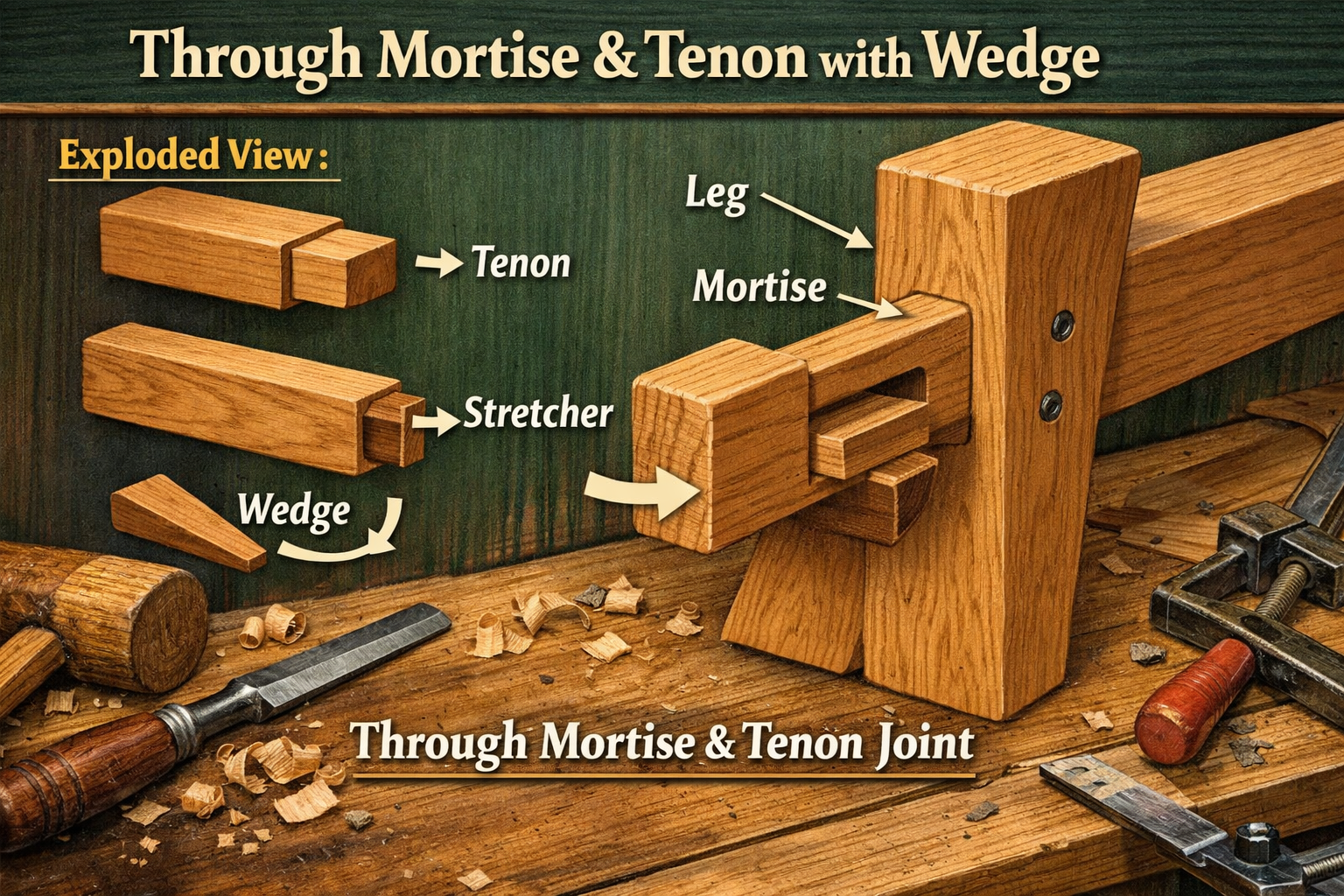
The mortise and tenon joint is a cornerstone of traditional woodworking, renowned for its incredible strength and resistance to racking. It involves cutting a slot (mortise) into one piece of wood and a corresponding projection (tenon) on another, which then fits snugly into the mortise.
- Through Mortise and Tenon: The tenon passes completely through the mortise and is often visible on the exterior. This joint can be reinforced with wedges or pegs (tusk tenons) driven through the tenon, making it even stronger and sometimes demountable. This is particularly effective for leg-to-apron connections or stretcher joints on a picnic table.
- Blind Mortise and Tenon: The tenon does not pass entirely through the mortise, creating a cleaner, hidden joint. While still strong, it relies more on glue for its ultimate strength.
Pro Tip: When cutting mortise and tenon joints for outdoor use, ensure a slight shoulder on the tenon and a tight fit. The addition of waterproof glue within the joint will significantly increase its strength and resistance to moisture intrusion. Tools like a hollow chisel mortiser craftsman can make creating precise mortises much more efficient.
Other Robust Joinery Options
Beyond the mortise and tenon, several other advanced joints contribute significantly to the durability of a picnic table:
Dado and Rabbet Joints:
- Dado: A rectangular channel cut across the grain of a board, into which another board fits. Excellent for supporting table aprons or seat supports, preventing sag and providing strong load-bearing surfaces.
- Rabbet: A recess cut along the edge or end of a board, often used to create a strong corner joint or to house a panel.
- These joints increase glue surface area and prevent movement in critical load-bearing areas. A Performax Table Saw or a similar quality table saw can make cutting accurate dadoes and rabbets much easier.
Bridle Joints: A variation of the mortise and tenon where both components are open, typically used for corner joints or where a strong, aesthetically pleasing end-grain connection is desired. It offers significant glue surface and resistance to racking.
Dovetail Joints (Half-Blind or Through): While often associated with drawers and fine cabinetry, through dovetails can be adapted for highly visible, strong connections in a picnic table, particularly for aprons to legs, where their interlocking tails and pins provide immense resistance to pulling apart. For an even more professional look, mastering various wood finishing techniques will be essential after your joinery is complete.
Pull Quote: “Advanced joinery is not merely about construction; it’s about engineering longevity. Each precisely cut tenon and tightly fitted dado contributes to a table that laughs in the face of heavy use and harsh weather.”
Design Considerations for Durability
Incorporating advanced joinery also means designing the table to maximize its benefits.
- Angled Bracing: Diagonal braces, often secured with mortise and tenon or lap joints, significantly reduce racking, making the table much more stable. This is crucial for the legs and stretcher assembly.
- Adequate Bearing Surfaces: Ensure that all load-bearing joints, especially where seats connect to the frame, have ample wood-on-wood contact, ideally with a dado or tenon for support rather than just screws.
- Water Drainage: Design the tabletop with slight gaps between boards (typically 1/8″ to 1/4″) to allow water to drain, preventing pooling and subsequent wood rot. Consider a very slight crown or slope to the tabletop.
- Wood Movement: Account for seasonal wood expansion and contraction, especially with wider boards. Loose tenons or slotted screw holes can accommodate this movement without stressing the joints. For further exploration of woodworking, consider enrolling in a woodworking class.
Finishing and Maintenance for Long-Term Performance 🛡️
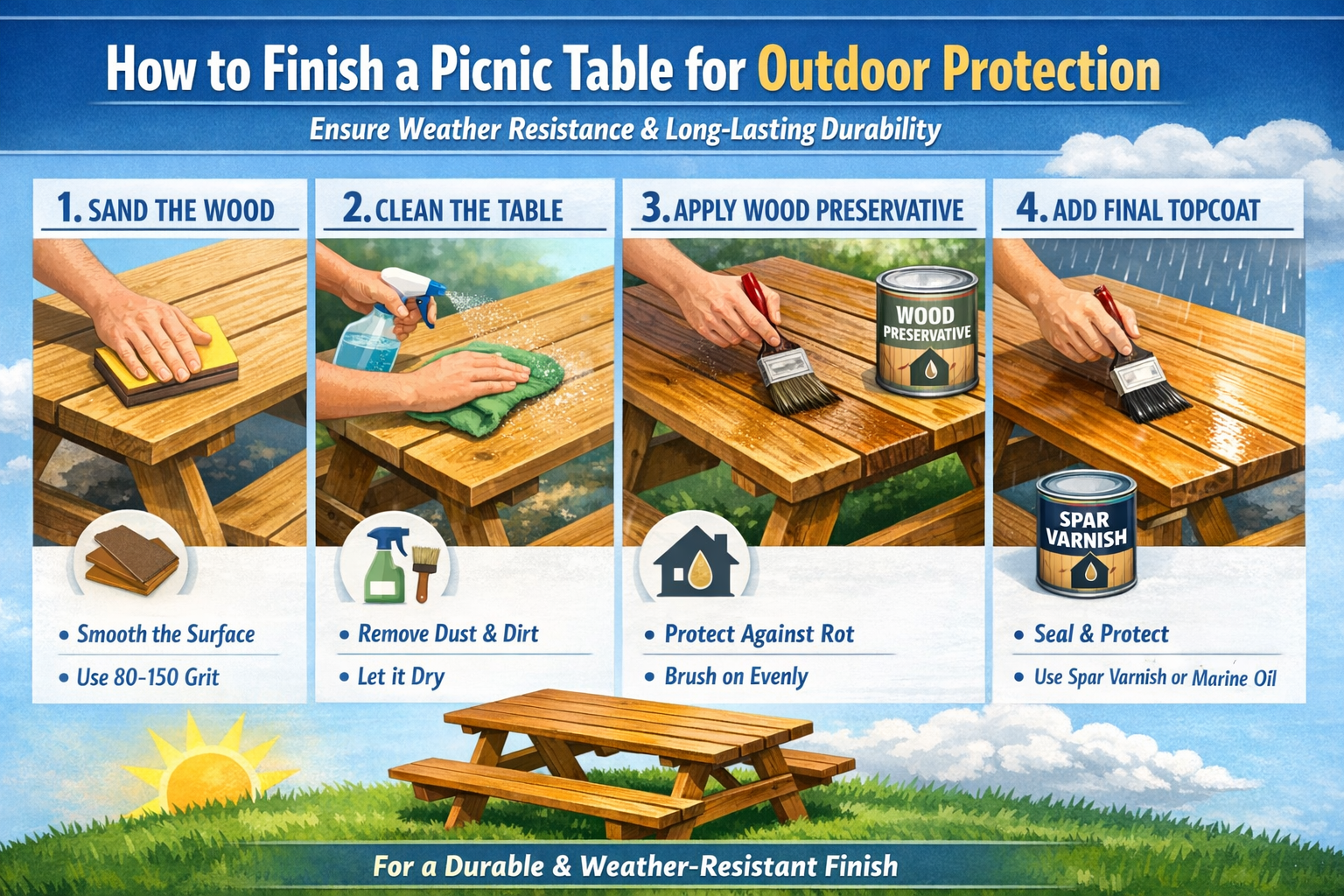
After dedicating time to Building Picnic Tables for Outdoor Gatherings: Durable Designs with Advanced Joinery Techniques, the final step—finishing—is crucial for protecting your investment. An appropriate finish shields the wood from moisture, UV radiation, and mildew, extending the table’s lifespan and maintaining its aesthetic appeal.
Choosing the Right Outdoor Finish
The best outdoor finishes penetrate the wood or form a durable, flexible film that resists cracking and peeling.
- Penetrating Oils (e.g., Marine-Grade Oil, Tung Oil, Linseed Oil):
- Pros: Penetrate deeply into the wood fibers, nourishing and protecting from within. They highlight the natural beauty of the wood, are easy to reapply, and don’t crack or peel. Excellent for maintaining woods like teak or cedar.
- Cons: Require more frequent reapplication (typically annually) compared to film-forming finishes. May not offer as much abrasion resistance. Learn more about different oils in our guide on Danish oil vs. boiled linseed oil.
- Spar Varnish:
- Pros: Forms a thick, flexible film that offers excellent UV protection and water resistance. Designed for marine environments, it can handle extreme weather. Available in various sheens.
- Cons: Can be more challenging to apply without brush marks. Requires thorough sanding between coats. If the film is breached, moisture can get underneath, leading to peeling.
- Exterior Stains/Sealants:
- Pros: Offer a combination of color and protection. Many exterior stains contain a sealer, providing good water repellency and UV protection. They are easier to apply than varnish.
- Cons: Less durable than spar varnish in terms of film thickness. Color fading can occur over time.
- Paint:
- Pros: Provides complete opaque coverage and strong protection. Offers a wide range of colors for customization.
- Cons: Hides the natural wood grain. Can chip or peel over time, requiring more intensive prep work for repainting.
Table: Recommended Finishing Schedule for Picnic Tables
| Step | Product Type | Purpose | Notes |
|---|---|---|---|
| Preparation | Sandpaper (120-220 grit) | Smooth surface, open pores for finish adhesion | Thorough sanding is critical for finish longevity |
| 1. Preservative | Borate-based wood preservative | Deters rot, fungi, and insects | Optional, but highly recommended for softwoods and maximum protection |
| 2. Sealer/Primer | Wood Sealer / Exterior Primer | Enhances adhesion, provides initial protection | Especially important if staining or painting |
| 3. Topcoat(s) | Spar Varnish, Marine Oil, Exterior Stain | UV protection, water repellency, abrasion resistance | Apply 2-3 coats, sanding lightly between coats (if film-forming) |
Application Techniques for a Lasting Finish
Proper application of the finish is just as important as the finish itself.
- Preparation is Key: Start with a clean, dry, and smoothly sanded surface. Sand with the grain, progressing through grits (e.g., 120, then 180, then 220). Remove all sanding dust with a tack cloth or vacuum. For more on surface prep, see our guide on sanding marks after staining.
- Apply Evenly: Apply finishes in thin, even coats. Avoid drips and puddles, especially with film-forming finishes like varnish, as these can lead to cracking.
- Follow Manufacturer Instructions: Adhere strictly to the product’s recommended drying times, temperature ranges, and number of coats. This ensures optimal performance and durability.
- Cover All Surfaces: Pay special attention to end grain, which absorbs moisture more readily. Apply extra coats or a thicker application to these areas to seal them effectively.
- Reapplication: Regularly inspect your table for signs of wear, fading, or moisture penetration. Reapply oil finishes annually or as needed, and re-varnish or re-stain every 2-5 years, depending on exposure and product.
Ongoing Maintenance
Even with the best finish, a picnic table requires some ongoing care:
- Regular Cleaning: Wash the table periodically with mild soap and water to remove dirt, pollen, and mildew.
- Winter Storage (Optional but Recommended): If possible, store the table in a sheltered area during harsh winter months to minimize exposure to extreme conditions.
- Damage Repair: Address any chips, scratches, or areas where the finish has worn through promptly to prevent water from penetrating the wood.
By carefully selecting materials, employing advanced joinery techniques, and applying a robust finish, you can create a picnic table in 2026 that is not only a functional piece of outdoor furniture but a durable heirloom for countless future gatherings.
Conclusion
Building Picnic Tables for Outdoor Gatherings: Durable Designs with Advanced Joinery Techniques is a rewarding endeavor that combines craftsmanship with practicality. By understanding the nuances of wood selection, mastering advanced joinery, and applying appropriate finishing techniques, woodworkers can create outdoor furniture that stands as a testament to quality and longevity. In 2026, with a renewed appreciation for handcrafted, durable goods, the demand for such robust and aesthetically pleasing picnic tables remains strong, offering significant opportunities for both personal satisfaction and commercial success.
The journey from raw lumber to a finished picnic table is one of precision, patience, and thoughtful execution. It’s about more than just a place to eat; it’s about crafting memories, building community, and creating a focal point for outdoor living that will endure for years to come.
Actionable Next Steps
- Plan Your Design: Sketch your picnic table, carefully considering dimensions, seating capacity, and the specific joinery techniques you plan to incorporate.
- Source Quality Materials: Select a rot-resistant wood species that fits your budget and aesthetic preferences. Purchase high-quality stainless steel fasteners and waterproof wood glue.
- Invest in Your Skills: Practice your mortise and tenon or other advanced joints on scrap pieces before cutting into your primary lumber. Consider resources like “Craft Your Dream Farmhouse Dining Table: The Ultimate 2025 DIY Guide” for inspiration on robust table construction.
- Execute with Precision: Take your time with each cut and assembly step. Precision in joinery is critical for the table’s overall strength.
- Finish Strong: Apply multiple coats of a high-quality outdoor finish, paying close attention to preparation and application techniques to ensure maximum protection.
- Maintain Regularly: Establish a routine for cleaning and re-finishing to keep your picnic table looking its best and performing admirably for generations of outdoor gatherings.
References
- Hoadley, R. B. (2000). Understanding Wood: A Craftsman’s Guide to Wood Technology. Taunton Press.
- Klausmeier, G. (2012). The Workbench Book. Taunton Press.
- Petersen, S. (2008). Taunton’s Complete Illustrated Guide to Sharpening. Taunton Press.
- Wood Magazine. (Various Issues). Wood Magazine. Meredith Corporation.