
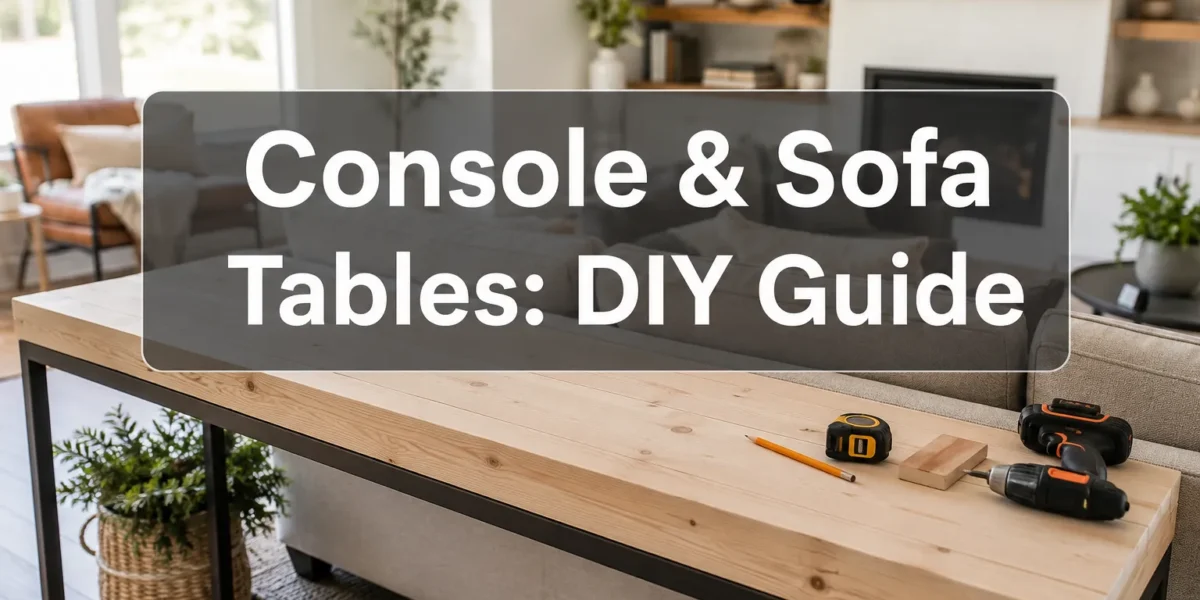
For many homeowners in 2026, the prospect of custom furniture might seem daunting, conjuring images of intricate joinery and specialized workshops. However, a significant trend has emerged: customizing off-the-shelf console and sofa table bases with bespoke wooden tops. This approach allows for personalized style without the complexity of a full build, offering a perfect blend of convenience and craftsmanship. This guide, “Console and Sofa Tables: Buyer’s Guide for DIY-Friendly Bases and Tops You Can Customize,” delves into selecting the ideal components to create unique pieces tailored to your aesthetic and functional needs.
Key Takeaways
- DIY-friendly console and sofa tables involve pairing pre-made bases with custom wooden tops for personalized style.
- Base selection prioritizes stability, material (metal, wood, mixed), and design to match the desired aesthetic.
- Top materials range from common hardwoods and plywood to live edge slabs, each offering unique visual and structural properties.
- Consider dimensions, intended use, and existing decor to ensure your customized table integrates seamlessly into your space.
- Finishing is crucial for durability and aesthetics, protecting the wood and enhancing its natural beauty.
Selecting the Right Base for Your Console and Sofa Tables: Buyer’s Guide for DIY-Friendly Bases and Tops You Can Customize
The foundation of any sturdy and stylish console or sofa table is its base. When embarking on a DIY project, choosing an off-the-shelf base that is both robust and aesthetically pleasing is paramount. This section will guide you through the critical considerations for selecting the perfect base that will support your custom top and integrate seamlessly into your home.
Stability and Material Considerations
The primary function of a table base is to provide unwavering support. Prioritize bases known for their stability.
- Weight Capacity: Ensure the base can comfortably bear the weight of your chosen top, plus any items you intend to place on the table. Heavy live-edge slabs, for instance, require exceptionally sturdy support.
- Footprint and Balance: A wider footprint generally translates to greater stability. Consider bases with adjustable feet to compensate for uneven floors.
Materials for off-the-shelf bases vary widely, each offering distinct advantages:
- Metal Bases (Steel, Iron, Aluminum):
- Pros: Highly durable, excellent weight-bearing capacity, available in various finishes (powder-coated, brushed, polished). Steel and iron offer industrial aesthetics, while aluminum is lighter and often seen in modern designs.
- Cons: Can be heavy; some finishes may scratch.
- DIY Hack Potential: Metal bases often come with pre-drilled holes, making it easy to attach a wooden top. Look for bases with flat mounting plates for simple, secure attachment.
- Wooden Bases:
- Pros: Warm, traditional aesthetic, can be painted or stained to match decor. Offers a cohesive look if your top is also wood.
- Cons: May be less stable than metal for very heavy tops, depending on construction. Susceptible to moisture and temperature changes.
- DIY Hack Potential: Easy to drill into for mounting. You can also reinforce joints if necessary.
- Mixed Material Bases (Metal and Wood, Metal and Glass):
- Pros: Offers unique design flexibility and combines the strengths of different materials. A metal frame with wooden accents, for example, can be both strong and visually interesting.
- Cons: Can sometimes be pricier; attachment methods might be more specific.
Design Styles and Price Ranges
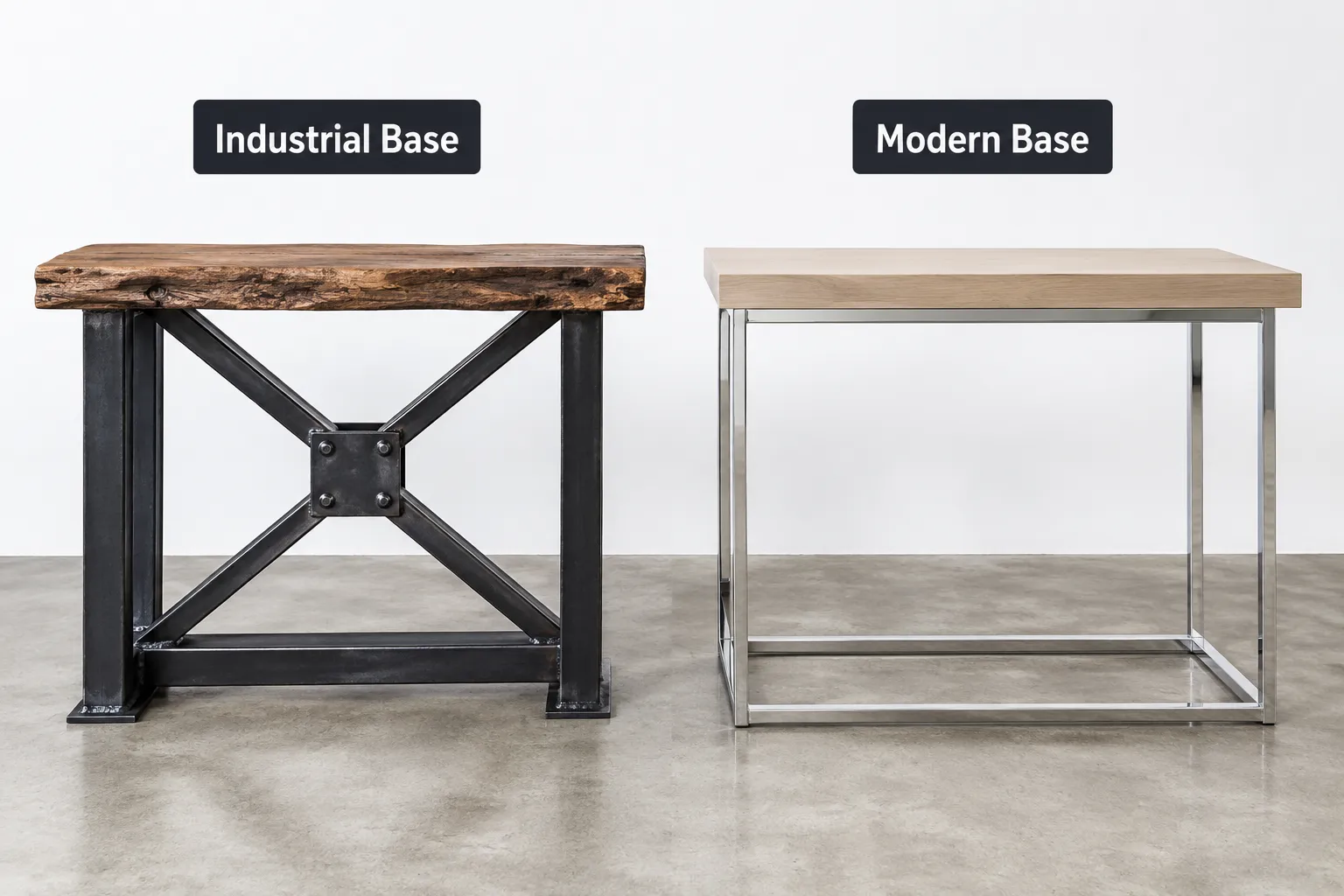
The design of the base significantly influences the overall aesthetic of your console or sofa table.
| Style | Characteristics | Typical Materials | Price Range (Approximate) |
|---|---|---|---|
| Industrial | Raw, utilitarian, exposed fasteners, robust forms | Black steel, iron | $80 – $250 |
| Modern | Clean lines, minimalist, often geometric shapes | Polished chrome, brushed steel | $100 – $350 |
| Farmhouse | Distressed, rustic, turned legs, substantial presence | Solid wood, distressed metal | $90 – $300 |
| Mid-Century | Tapered legs, organic shapes, often angled | Wood, sometimes brass accents | $120 – $400 |
| Minimalist | Sleek, understated, often open frameworks | Thin metal tubing, simple wood | $70 – $200 |
(Note: Price ranges are estimates for off-the-shelf bases in 2026 and can vary widely based on brand, quality, and supplier.)
When considering price, balance your budget with the quality and stability required. A higher-quality base will offer better longevity and support for your custom top. Look for bases from reputable furniture hardware suppliers or even consider repurposing existing furniture bases if they meet your stability and aesthetic requirements. You might even find inspiration for a fully custom build in resources like Building a Custom Wood Workbench: Design Considerations and Step-by-Step Plans, adapting some of those principles to a smaller scale.
Crafting the Perfect Top: Materials, Dimensions, and Finishes for Your DIY Console and Sofa Tables
Once you’ve selected a suitable base, the creative journey shifts to designing and crafting the table top. This is where your personal style truly shines, transforming a functional piece into a statement of individuality.
Choosing Your Top Material
The material you select for your table top will dictate its appearance, durability, and the tools required for its preparation.
- Solid Hardwoods:
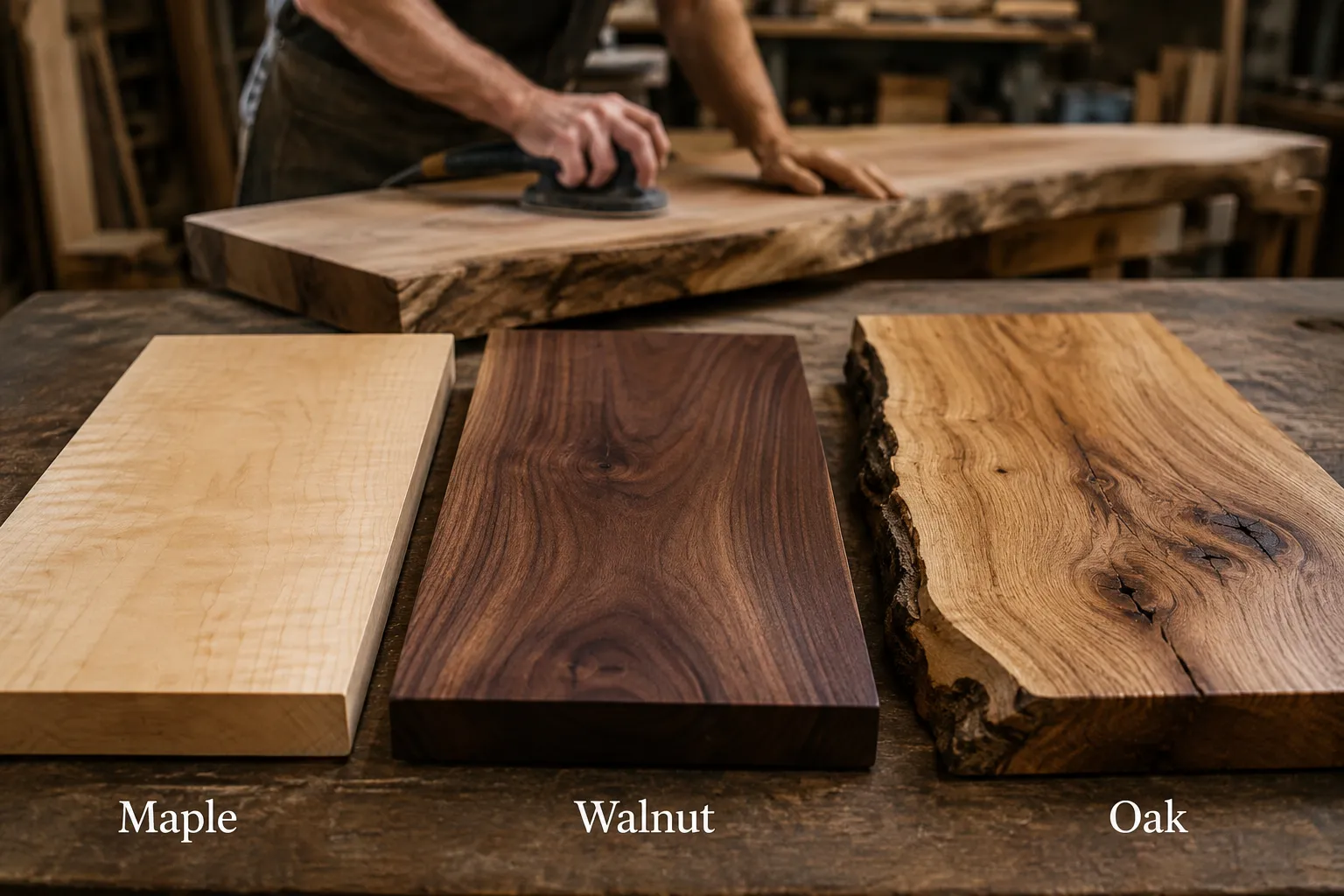
- Types: Walnut, Oak, Maple, Cherry, Ash, Sapele.
- Pros: Exceptionally durable, beautiful natural grain, can be sanded and refinished multiple times, high-end aesthetic.
- Cons: Can be expensive, especially larger pieces or exotic species. Requires more advanced woodworking skills to mill and flatten.
- Considerations: Look for kiln-dried wood to minimize warping. Live edge slab selection and preparation offers a unique, organic aesthetic but requires careful flattening and finishing.
- Plywood (Cabinet-grade Birch, Baltic Birch):
- Pros: More affordable than solid wood, stable (less prone to warping), available in large sheets.
- Cons: Edges need to be finished (edge banding, solid wood trim), less natural aesthetic than solid wood.
- Considerations: Choose high-quality, cabinet-grade plywood with multiple thin plies for strength and a smooth finish.
- MDF (Medium-Density Fiberboard):
- Pros: Very inexpensive, perfectly smooth surface ideal for painting, stable.
- Cons: Heavy, very susceptible to moisture damage, not suitable for staining, prone to chipping edges.
- Considerations: Best used for painted tops in low-moisture environments. Requires careful edge treatment.
- Reclaimed Wood:
- Pros: Unique character, environmentally friendly, often budget-friendly.
- Cons: Can be challenging to work with (nails, inconsistent thickness, old finishes), may require extensive cleaning and preparation.
- Considerations: Ensure the wood is sound and free of pests. For inspiration, explore sourcing and selecting reclaimed urban lumber for high-end projects.
Sizing and Edge Profiles
Precision in sizing is crucial for a professional finish.
- Dimensions:
- Length: Console tables typically range from 30 to 60 inches, and sofa tables from 48 to 72 inches. Measure your space carefully.
- Width: Usually 12 to 18 inches for console tables, 14 to 20 inches for sofa tables. Ensure it’s proportional to your chosen base.
- Thickness: Generally 3/4 inch to 1.5 inches for solid wood, or two layers of 3/4-inch plywood laminated for a substantial look.
- Edge Profiles: The edge treatment significantly impacts the table’s style.
- Square Edge: Clean, modern, and simple.
- Rounded Edge (Roundover): Softer, more traditional, and safer for homes with children.
- Chamfered Edge: Adds a subtle angle, often seen in contemporary designs.
- Router Table Usage: A router table is indispensable for achieving clean, consistent edge profiles.
Finishing for Durability and Aesthetics
The right finish protects your wood and enhances its natural beauty.
- Sanding: Begin with coarse sandpaper (80-100 grit) and progressively move to finer grits (150-220 grit) for a smooth surface.
- Stains: Applied before a topcoat to alter the wood’s color. Test stains on scrap wood of the same type to ensure the desired outcome.
- Topcoats: Provide protection against moisture, scratches, and wear.
- Polyurethane (Oil-based or Water-based): Very durable, available in various sheens (matte, satin, gloss). Oil-based offers a warmer amber tone, while water-based is clearer. For application advice, see spray vs brush polyurethane.
- Varnish: Extremely durable, often used for marine applications due to its water resistance.
- Lacquer: Dries quickly, creates a smooth, hard finish, but requires specific spray equipment.
- Oil Finishes (Tung Oil, Linseed Oil): Penetrates the wood, enhancing its natural look and feel. Less protective than film-forming finishes, but easy to repair.
Assembling and Styling Your Custom Console and Sofa Tables: Buyer’s Guide for DIY-Friendly Bases and Tops You Can Customize
With your base selected and top prepared, the final steps involve assembly, attachment, and integrating your new custom piece into your home. This section will guide you through best practices for a seamless finish.
Secure Attachment Techniques
Ensuring a secure connection between your custom top and the chosen base is critical for stability and longevity.
- Wood Screws: The most common method. Use screws appropriate for the thickness of your top and the material of your base (e.g., self-tapping screws for metal bases). Pre-drill pilot holes to prevent splitting the wood, especially near edges.
- Z-Clips (Table Top Fasteners): These allow for wood movement, which is essential for solid wood tops that expand and contract with humidity changes. They fit into a kerf (slot) routed into the apron of a wooden base or can be attached to metal brackets on metal bases.
- Figure 8 Fasteners: Similar to Z-clips, these metal fasteners allow for wood movement while securely holding the top in place. They are screwed into both the top and the base frame.
- Slotted Brackets: For metal bases, especially those with flat rails, you can often drill holes into the top and use bolts or screws through slotted brackets to allow for slight movement.
Pro Tip: Always avoid rigidly screwing a solid wood top directly into a wooden base or frame without allowing for seasonal wood movement. This can lead to cracking or warping of the top.
Placement and Styling
The beauty of a custom console or sofa table lies in its ability to perfectly fit your space and reflect your personal aesthetic.
- Console Table Placement:
- Entryway: An ideal spot for a console table. It provides a landing strip for keys, mail, and decorative accents. Consider adding a mirror above for a grander entrance. For smart home integration, you could even hide tech within it, similar to concepts in DIY Smart Home Integration with Custom Woodwork.
- Hallway: A narrow console table can break up a long hallway, offering display space for art, plants, or books.
- Dining Room: Against a wall, it can serve as a buffet server or a display surface for decorative items.
- Sofa Table Placement:
- Behind a Sofa: Elevates the sofa from the wall, providing a convenient surface for lamps, drinks, or decor. Ensure the table height is roughly level with or slightly below the top of the sofa back.
- Against a Wall (Versatile): Can function similarly to a console table in other rooms, offering flexible styling options.
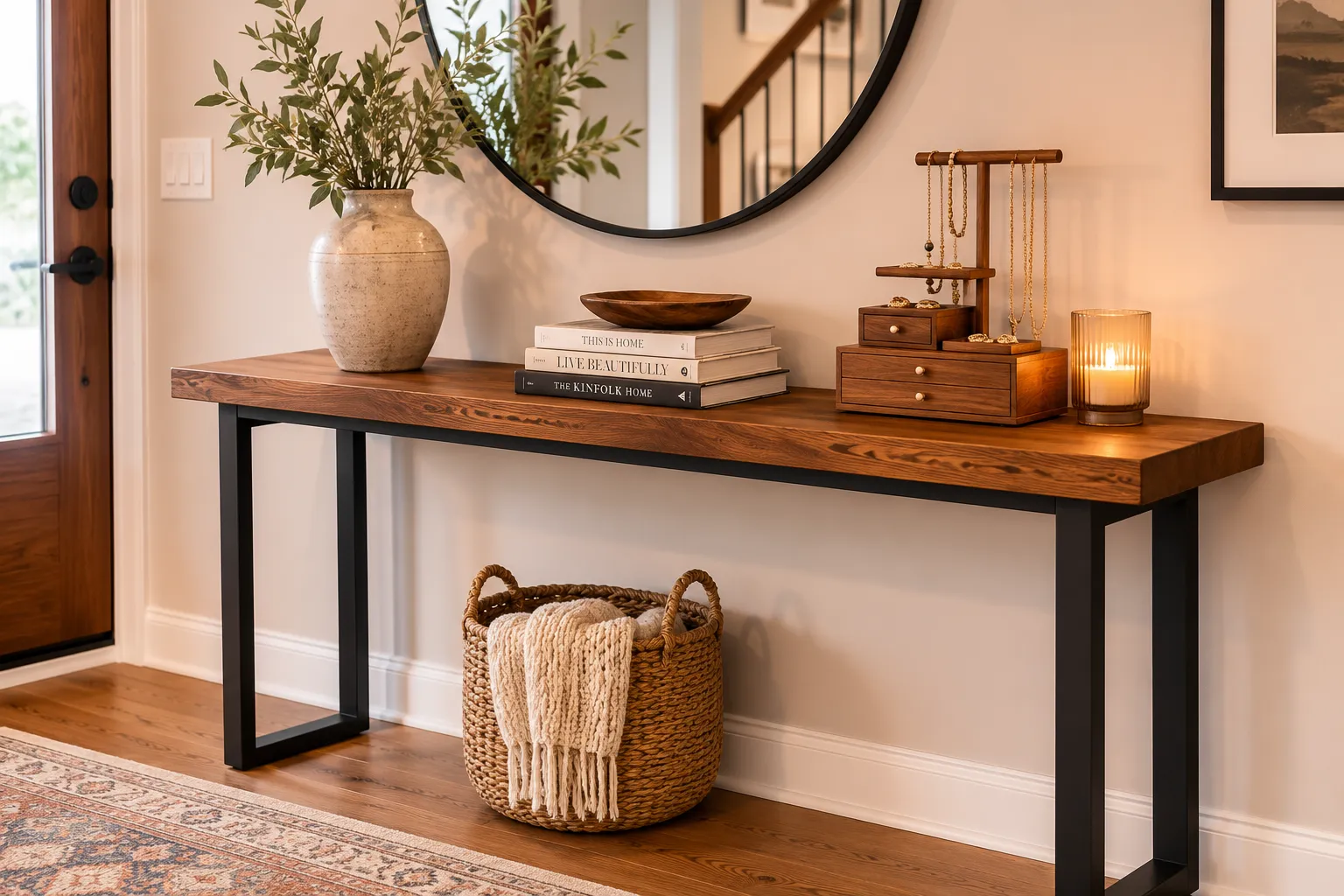
- Styling Tips for Your Custom Piece:
- Balance: Aim for visual balance without making the table look cluttered. Use items of varying heights and textures.
- Layering: Combine larger anchor pieces (like a lamp or framed art) with smaller accessories (books, engraved wooden coasters, small sculptures).
- Functionality: If in an entryway, include a small bowl or tray for keys. If behind a sofa, ensure there’s space for drinks.
- Personal Touch: Incorporate elements that reflect your personality, heirlooms, travel souvenirs, or wooden candle holders you’ve made. For more ideas on infusing personality into your space, check out Narrative Interiors Through Woodworking.
The beauty of customizing your own console and sofa tables in 2026 is the freedom it offers. You are not limited by mass-produced designs but can create a piece that perfectly complements your home and meets your specific needs, all while enjoying the satisfaction of a DIY project.
Conclusion
Creating custom console and sofa tables by pairing DIY-friendly bases with bespoke tops is an accessible and rewarding woodworking endeavor in 2026. This approach empowers you to craft furniture that perfectly aligns with your aesthetic preferences, functional requirements, and budget, sidestepping the limitations of off-the-shelf options.
By carefully considering the stability and material of your chosen base, selecting the ideal wood for your top, and applying a suitable finish, you can achieve professional-grade results. Whether opting for the rugged appeal of an industrial metal base topped with a live-edge slab or the refined elegance of a polished chrome base paired with a finely finished hardwood, the possibilities for personalization are extensive.
Your custom-built table will not only serve a practical purpose but also stand as a unique expression of your creativity and craftsmanship. Embrace the journey of selection, creation, and finishing, and enjoy the satisfaction of adding a truly personalized piece to your home.
Next Steps:
- Assess Your Space: Measure the intended location for your table to determine optimal length, width, and height.
- Research Bases: Explore online retailers and local hardware suppliers for bases that match your desired style and stability needs.
- Source Wood: Visit local lumberyards, sawmills, or even reclaimed wood suppliers to find the perfect material for your top.
- Gather Tools: Ensure you have the necessary tools for cutting, sanding, and finishing your chosen wood.
- Start Building: Take your time, follow best practices for wood preparation and finishing, and enjoy the process of bringing your vision to life.
SEO Meta Title: Custom Console & Sofa Tables: DIY Base & Top Buyer’s Guide SEO Meta Description: Explore our 2026 buyer’s guide for DIY-friendly console and sofa tables. Discover how to customize bases with unique wooden tops for personalized home decor.