
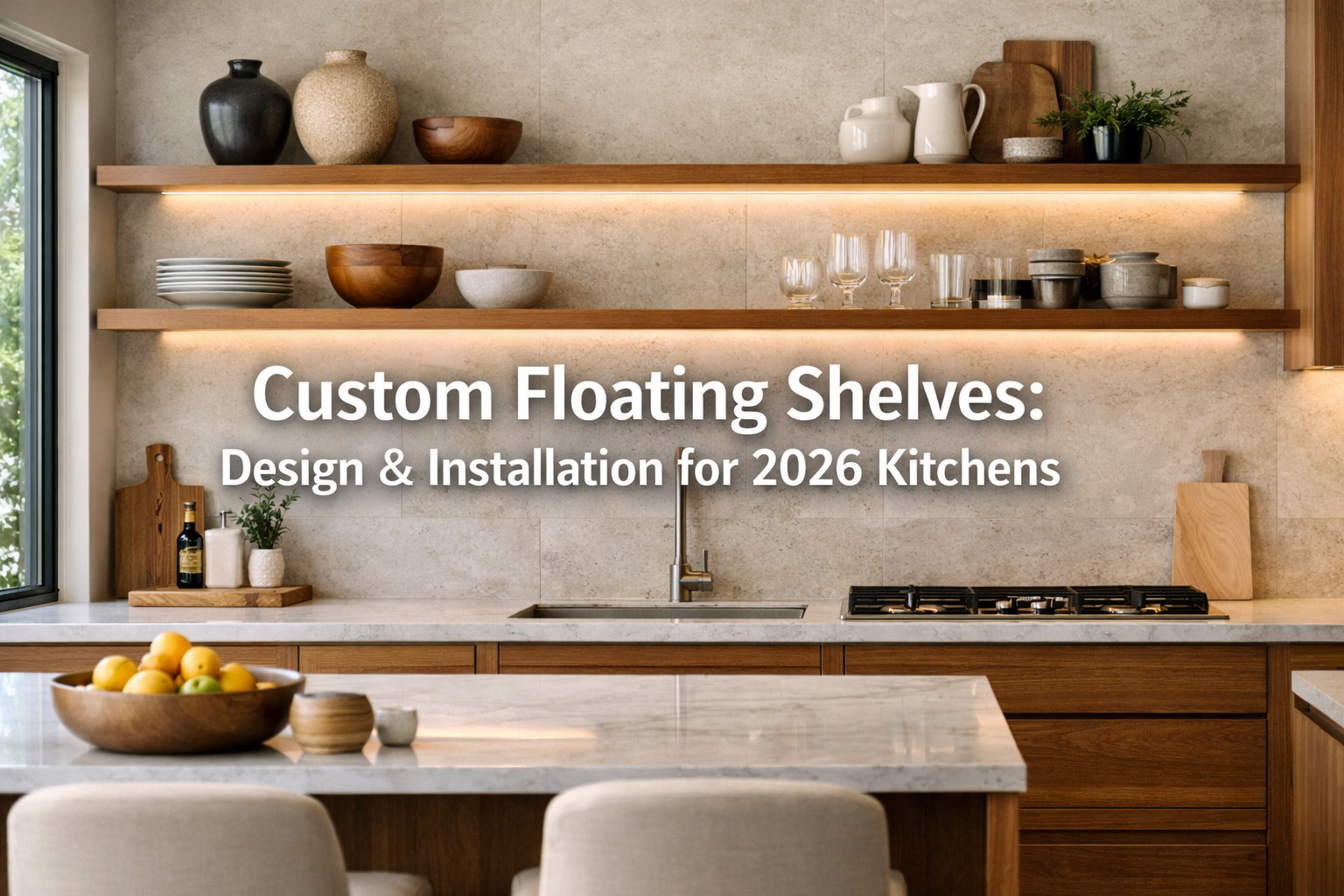
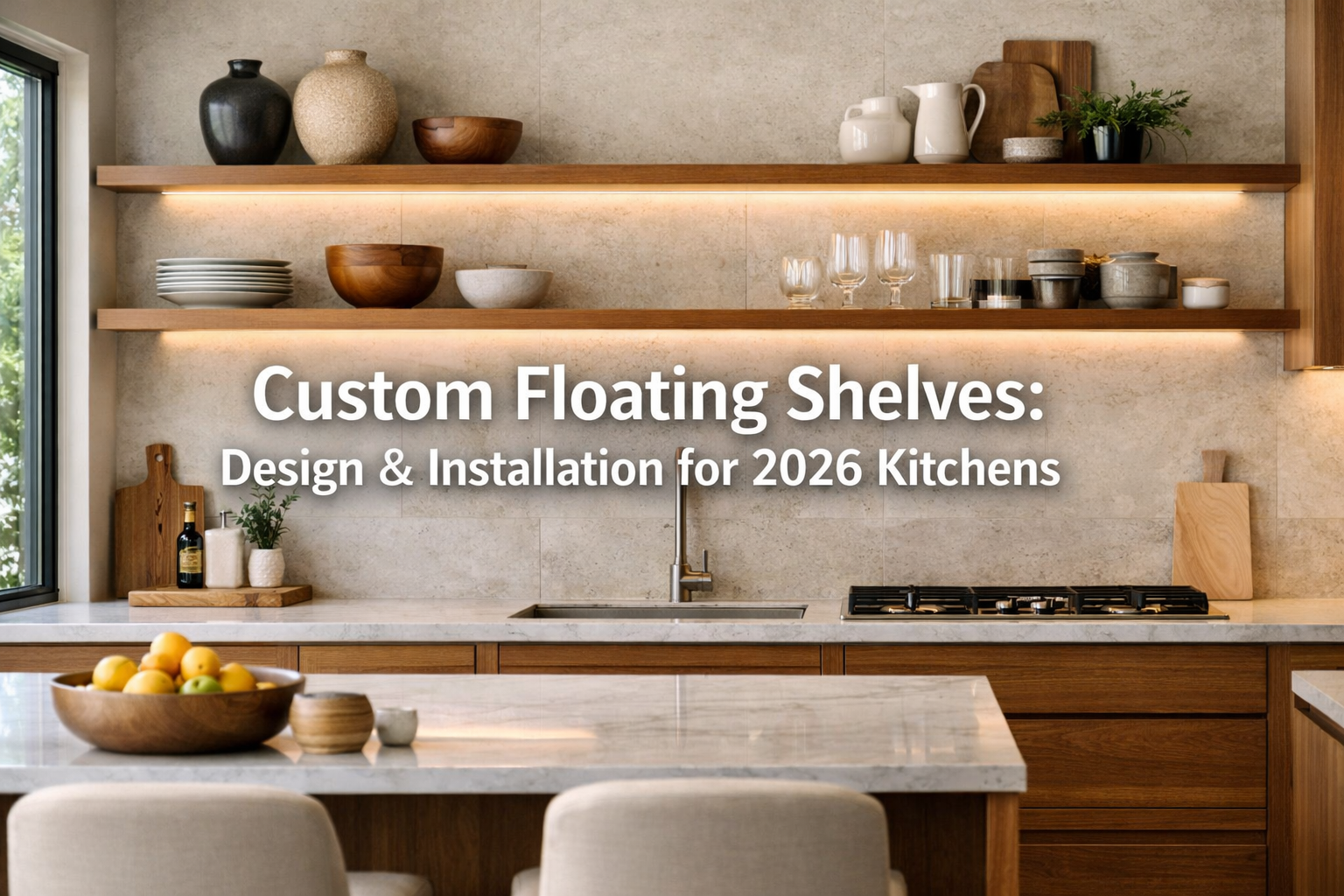
In the ever-evolving world of interior design, the kitchen remains the heart of the home, a space where functionality meets aesthetic appeal. As we look to 2026, the demand for personalized, sophisticated, and highly functional kitchen solutions is at an all-time high. Among the most impactful design elements emerging are custom floating shelves, transforming ordinary walls into statement pieces and practical storage. This comprehensive guide will walk you through the journey of integrating “Custom Floating Shelves: From Design to Installation in Modern Kitchens,” exploring the latest trends, material considerations, and installation best practices to help you create a kitchen that is both stunning and supremely efficient.
Key Takeaways
- Custom floating shelves offer unparalleled aesthetic versatility and functional benefits, from expanding visual space to providing practical storage.
- Modern kitchen trends for 2026 emphasize biophilic integration, backlit translucent materials, and color drenching techniques.
- Sustainable materials and appliance-specific deep shelving are key innovations.
- Design involves careful planning of materials, dimensions, finishes, and weight capacity.
- Professional installation is often recommended to ensure structural integrity and a flawless finish for custom, weight-bearing applications.
Designing Your Dream Kitchen with Custom Floating Shelves
The design phase for custom floating shelves is where your vision truly comes to life. It’s about more than just placing planks on a wall; it’s about creating a harmonious extension of your kitchen’s aesthetic and optimizing its functionality. In 2026, the trends for “Custom Floating Shelves: From Design to Installation in Modern Kitchens” are leaning towards innovative materials, integrated features, and a seamless blend with the overall architectural style.
Embracing 2026 Design Trends for Floating Shelves
Modern kitchens in 2026 are all about smart design and natural elegance. Custom floating shelves are at the forefront of this movement, offering opportunities for unique expression and enhanced usability [1, 4].
Biophilic Integration: Bringing Nature Indoors 🌿
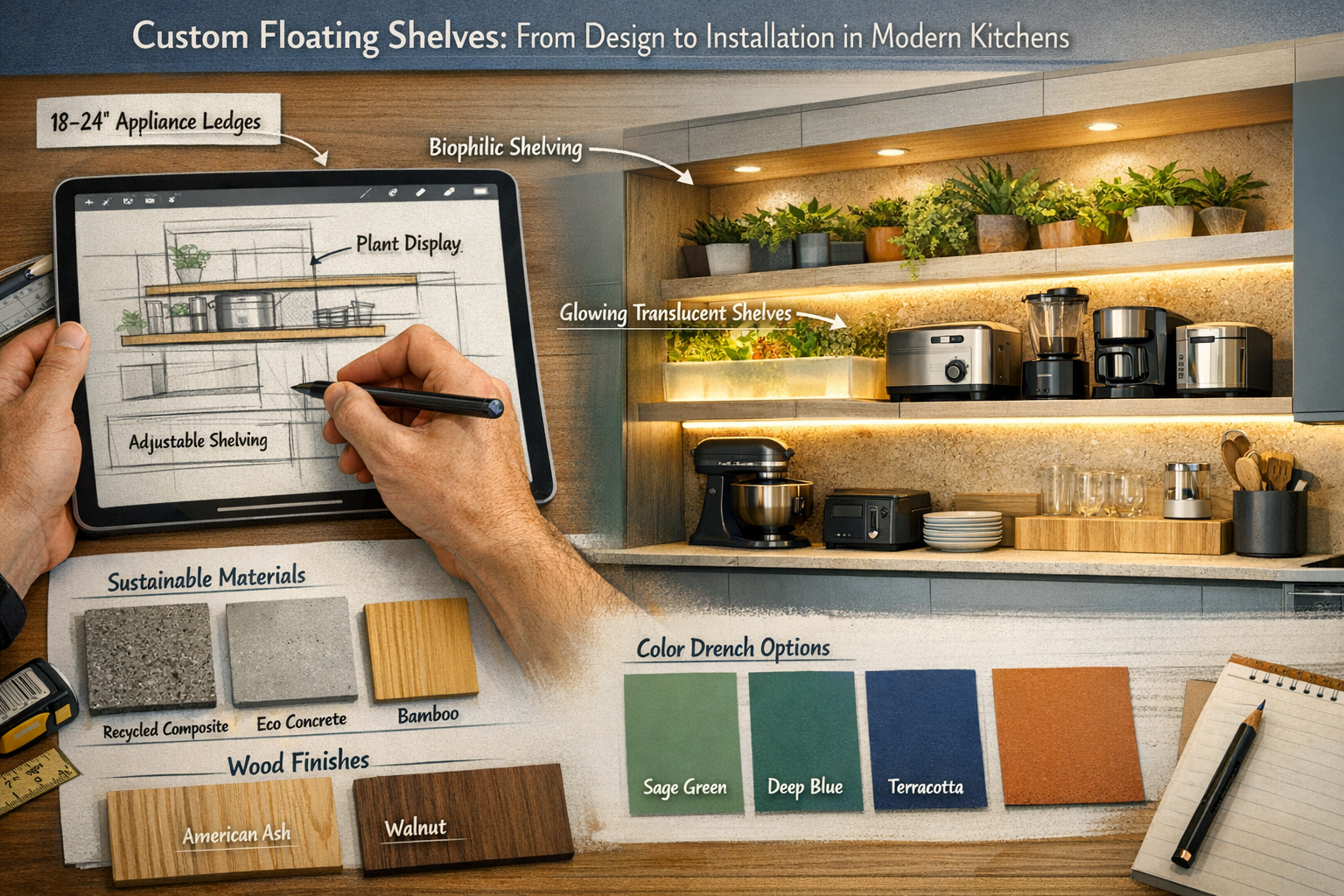
One of the most exciting trends is biophilic integration. Imagine shelves with custom-routed pockets designed specifically to house trailing pothos vines, vibrant succulents, or fragrant fresh herbs. This isn’t just about adding a plant to a shelf; it’s about the shelf itself becoming a living part of your kitchen’s ecosystem [1]. Under-shelf LED lighting can illuminate these botanical displays, adding both aesthetic appeal and practical growth support. This trend connects your interior space with nature, promoting well-being and a refreshing atmosphere.
Backlit Translucent Materials: Ethereal Illumination ✨
For those seeking a touch of luxury and sophistication, backlit translucent materials are commanding attention. Floating shelves crafted from materials like alabaster, onyx, or high-grade frosted acrylic, paired with integrated, dimmable LED systems, create an ethereal glow [1]. These shelves transform into gallery-worthy displays, making your kitchenware or decorative items truly pop, while providing subtle ambient lighting. This trend elevates the perception of space and adds a unique focal point.
Color Drenching: Seamless Architectural Continuity
A powerful visual strategy trending in 2026 is the “color drench” monochromatic approach. By painting your custom floating shelves in the exact shade as the surrounding walls, you create an illusion of seamless architectural continuity [1]. This makes the shelves appear as natural extensions of the wall, allowing the items displayed on them to become the true focal points. It’s a sophisticated way to achieve a minimalist yet impactful look, making your kitchen feel larger and more cohesive.
Sustainable Composite Materials: Eco-Conscious Elegance
As environmental consciousness grows, so does the demand for sustainable options. Eco-conscious floating shelves are now being manufactured from innovative composite materials. Think recycled plastic chips, glass fragments, or stone particles set in eco-friendly binders, creating unique terrazzo-like surfaces [1]. These materials offer inherent pattern variations, making each shelf a one-of-a-kind piece, while significantly reducing environmental impact. This choice reflects a commitment to both style and sustainability.
Appliance Ledges: Maximizing Countertop Space
Modern living often means maximizing every inch of space, and kitchen countertops are prime real estate. Appliance ledges are a brilliant solution, featuring extra-deep floating shelves, often measuring 18-24 inches in depth [1]. These are specifically designed to house everyday appliances such as coffee machines, stand mixers, and blenders, freeing up valuable countertop space for food preparation. This functional innovation is a game-changer for busy kitchens, marrying convenience with sleek design.
Integrated Backsplash Shelves: Sophisticated Details
The trend of shelves seamlessly merging with backsplash materials creates sophisticated architectural details that feel truly custom-designed. This integration ensures material continuity, making the shelves appear to be an intrinsic part of the kitchen’s structure rather than an add-on [1]. It’s a subtle yet powerful design choice that speaks to a high level of craftsmanship and attention to detail.
Material Selection: The Foundation of Your Floating Shelves
The material you choose is paramount, influencing not only the look and feel but also the durability and weight capacity of your custom floating shelves.
Premium Wood Varieties
For a timeless and robust option, premium wood is a perennial favorite. Many custom manufacturers offer choices like American Ash wood veneer on solid poplar cores [2]. This combination provides excellent stability and a beautiful grain, often finished with a low-sheen clear varnish to highlight its natural beauty. When considering wood, remember that the quality of the core material, such as 1/2 plywood for cabinets, significantly impacts the shelf’s strength and longevity [https://woodcraftwiz.com/12-plywood-for-cabinets-strength-durability-and-design-considerations/].
Table 1: Popular Wood Types for Custom Floating Shelves
| Wood Type | Characteristics | Aesthetic | Durability Rating (1-5) |
|---|---|---|---|
| American Ash | Strong, flexible, distinct grain | Light to medium brown, often used for modern/farmhouse | 4 |
| Poplar Core | Stable, takes veneer well, cost-effective base | Not typically seen (covered by veneer) | 3 (as core) |
| Oak | Very hard, prominent grain, durable | Light to dark brown, classic, rustic | 5 |
| Maple | Hard, fine grain, takes stain well | Creamy white to reddish-brown, contemporary | 4 |
| Walnut | Rich, dark color, strong, luxurious | Deep brown, elegant, modern | 5 |
Other Material Options
Beyond wood, consider the trending translucent materials like alabaster or frosted acrylic for a modern, ethereal look. For a more industrial or minimalist aesthetic, options like steel, concrete composites, or even solid surface materials can be customized to fit your design vision. The choice of material should align with your kitchen’s overall style and the functional demands you place on the shelves. For example, if you plan to display heavy items, a more robust material and mounting system will be essential.
Dimensions and Weight Capacity: Practical Considerations
When designing, minimum dimensions typically start around 3″ deep by 9″ long, extending to maximums like 16″ deep by 93″ long for custom applications [2]. The depth is crucial; consider how much you intend to place on the shelves. For decor, standard depths (6-10 inches) are often sufficient, but for appliance ledges, you’ll need those deeper 18-24 inch shelves [1].
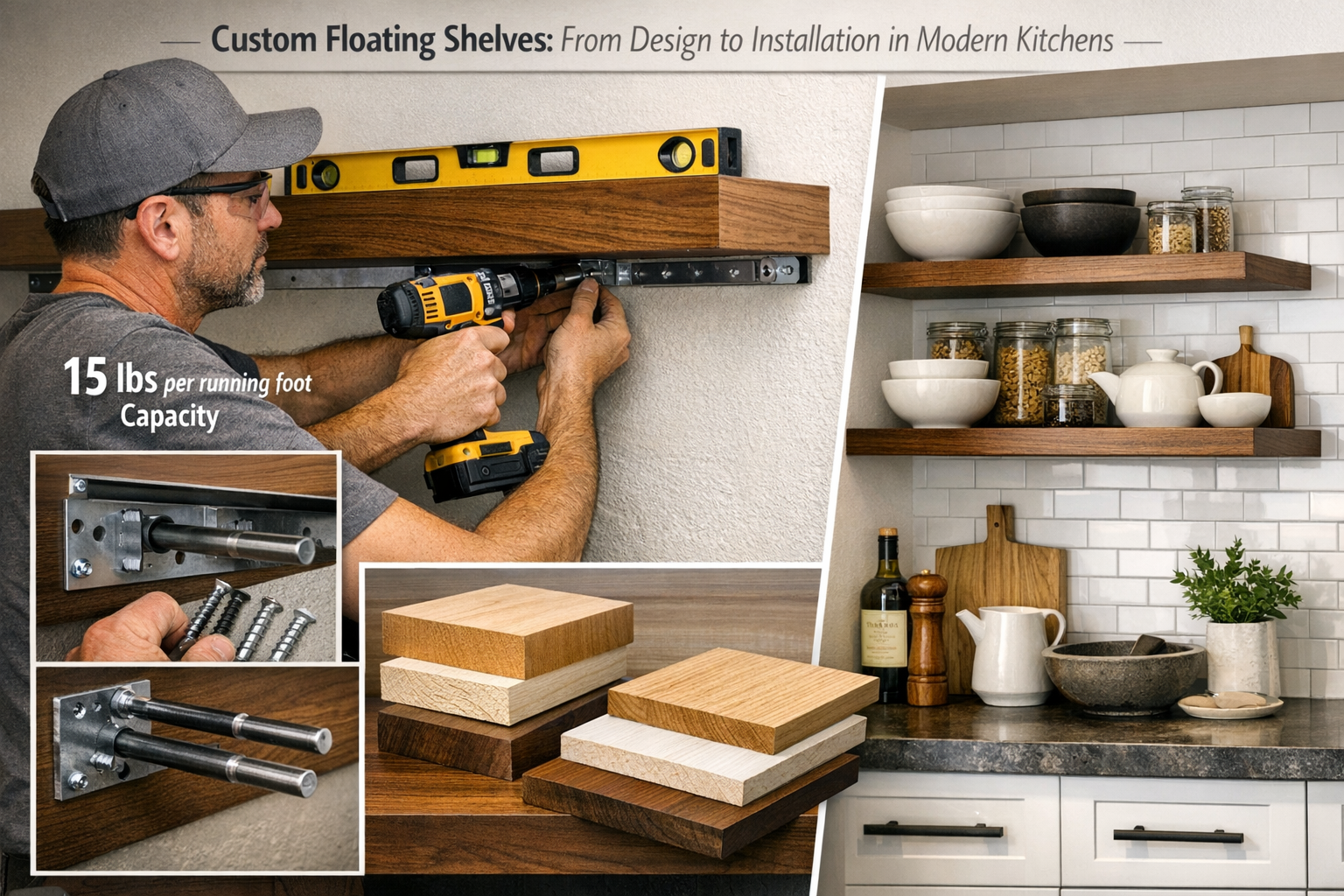
Weight capacity is a critical safety consideration. Standard floating shelf systems are generally designed to safely support approximately 15 lbs per running foot [8]. However, this capacity can vary significantly based on the shelf material, thickness, the type of mounting hardware used, and the structural integrity of your wall. For heavier loads, such as stacks of dinner plates or small appliances, you’ll need to specify reinforced mounting systems. Always discuss your intended use and weight requirements with your designer or manufacturer to ensure appropriate support.
Finish Options: Personalizing Your Look
The finish is the final touch that ties your custom floating shelves into your kitchen’s overall design. Custom manufacturers typically offer a wide range of finishes, often as many as 16 different options, to perfectly match diverse kitchen decor styles [2].
- Natural Wood Stains: From light maple to dark walnut, showcasing the wood’s inherent beauty. Consider options like maple grey stain for a contemporary twist.
- Painted Finishes: Achieving the “color drench” effect with wall-matching paint, or adding a contrasting pop of color.
- Varnishes & Sealants: Low-sheen clear varnishes for wood offer protection without sacrificing natural texture.
- Specialty Finishes: Distressed, antique, or reclaimed wood looks can add character. Explore different distressed wood finishing techniques or antique wood finishing techniques to achieve a unique aesthetic.
Installation: Bringing Your Custom Floating Shelves to Life
Once the design is finalized and your custom floating shelves are meticulously crafted, the installation phase begins. This step is crucial for ensuring the shelves are not only aesthetically pleasing but also structurally sound and safe. While some smaller, decorative floating shelves might lend themselves to a DIY approach, the complexity, size, and weight-bearing requirements of custom installations in modern kitchens often necessitate professional expertise [2].
The Importance of Professional Installation
For “Custom Floating Shelves: From Design to Installation in Modern Kitchens,” professional installation is highly recommended, especially when dealing with deeper shelves, heavy materials, or specific load-bearing requirements. Professionals possess the tools, knowledge, and experience to correctly locate wall studs, utilize appropriate mounting hardware, and ensure a level, secure, and seamless fit. This prevents potential issues like sagging, instability, or even shelves detaching from the wall, which can be both dangerous and costly to repair.
Key Reasons for Professional Installation:
- Structural Integrity: Ensuring the shelves are anchored into solid framing (studs) or using heavy-duty toggle bolts for drywall, based on the shelf’s weight and intended load.
- Precision and Leveling: Achieving perfectly level shelves is paramount for both aesthetics and functionality. Professionals use advanced leveling tools to ensure accuracy.
- Hidden Hardware: Custom floating shelves often rely on concealed brackets for their ‘floating’ appearance. Installing these systems correctly requires expertise to ensure both invisibility and strength.
- Material Specifics: Different materials and wall types require different installation techniques and hardware. Professionals understand these nuances.
- Time-Saving: While manufacturers typically offer a 10 working day production lead time for custom orders, professional installation ensures efficiency and proper handling upon arrival [2].
Mounting Methods for Floating Shelves
The ‘magic’ of floating shelves lies in their hidden support system. Several mounting methods are employed, each suited for different shelf sizes, weights, and wall types.
1. Internal Metal Rods or Brackets
This is the most common and robust method for true floating shelves. Metal rods (often steel or aluminum) are securely anchored into wall studs. The shelf itself is then custom-drilled to slide precisely over these rods, creating a seamless, invisible attachment. For heavier loads or deeper shelves, a metal bracket that extends into the shelf and attaches to multiple studs offers superior support.
2. French Cleats
A French cleat system involves two interlocking pieces, typically wood or metal. One piece is securely attached to the wall, angled downwards, and the other is attached to the back of the shelf, angled upwards. When the shelf is lifted and lowered, the two pieces interlock, providing strong support. This method allows for easy removal of the shelf if needed.
3. Heavy-Duty Wall Anchors
For situations where wall studs are not precisely where you need them (though anchoring into studs is always preferred for maximum strength), heavy-duty wall anchors designed for significant weight can be used. These include toggle bolts or specialized drywall anchors. However, it’s crucial to understand that even the best anchors have weight limitations and may not be suitable for very deep or heavily loaded custom shelves.
Step-by-Step Installation Overview (for reference)
While professional installation is recommended, understanding the general steps can help you appreciate the process:
- Preparation: Gather tools (stud finder, level, drill, measuring tape, pencil, safety glasses). Clear the area.
- Locate Studs: Use a reliable stud finder to locate and mark the center of wall studs where the shelf will be installed. This is the most critical step for stability.
- Mark Shelf Position: Carefully mark the desired height and horizontal placement of your shelf on the wall, ensuring it’s level.
- Drill Pilot Holes: Based on your chosen mounting hardware, drill pilot holes into the wall studs. For internal rod systems, measure and mark precisely where the rods will enter the shelf.
- Install Brackets/Rods: Secure the hidden brackets or internal rods firmly into the wall. Ensure they are perfectly level and spaced correctly.
- Slide Shelf into Place: Carefully slide the custom-drilled shelf onto the installed rods or brackets. It should fit snugly.
- Secure (if applicable): Some systems may require small set screws from the bottom of the shelf into the bracket/rod for added security.
- Clean Up & Style: Once installed, clean any marks and begin styling your beautiful new custom floating shelves! For tips on how to effectively style your new shelves, check out “8 Kitchens With Floating Shelves Styling Ideas And Tips” [3] or “How To Style Floating Shelves In A Kitchen Balance Beauty Function” [9].
Ensuring Long-Term Durability and Maintenance
To ensure your custom floating shelves continue to look fantastic and perform optimally for years to come, proper care and maintenance are essential.
- Adhere to Weight Limits: Always respect the recommended weight capacity of your shelves. Overloading can lead to sagging or structural failure.
- Regular Cleaning: Depending on the material, clean your shelves with appropriate, non-abrasive cleaners. For wood, a damp cloth followed by a dry one is usually sufficient. Avoid harsh chemicals that can damage finishes.
- Check for Looseness: Periodically check the shelves for any signs of looseness or wobbling. Address any issues promptly.
- Protect Surfaces: Use coasters or felt pads under decorative items to prevent scratches, especially on wood or delicate translucent surfaces.
Investing in custom floating shelves is an investment in your kitchen’s beauty and functionality. By carefully considering the design trends, materials, and ensuring professional installation, you’ll create a modern kitchen in 2026 that is truly a cut above the rest.
Conclusion
The journey of integrating “Custom Floating Shelves: From Design to Installation in Modern Kitchens” is an exciting one, offering unparalleled opportunities to personalize and enhance your culinary space. As we navigate 2026, these versatile design elements are no longer just simple storage; they are architectural statements, embodying biophilic design, innovative backlighting, sustainable materials, and clever space-saving solutions like appliance ledges.
From the initial inspiration drawn from trends like color drenching and integrated backsplashes to the careful selection of premium American Ash wood veneers or striking translucent composites, every step of the design process contributes to a truly unique kitchen. Understanding weight capacities and dimensions ensures not just beauty, but also safety and practicality.
While the DIY spirit is strong, the complexity and precision required for robust, aesthetically flawless custom floating shelf installation often call for professional expertise. This ensures structural integrity, longevity, and a finish that lives up to your design vision.
If you’re ready to transform your kitchen into a modern masterpiece, consider the dynamic impact of custom floating shelves. Begin by envisioning how these elements can reflect your personal style and enhance your daily living. Consult with design professionals to explore the vast array of material and finish options, and always prioritize expert installation for a result that is both stunning and enduring. Your dream kitchen, featuring elegantly appointed custom floating shelves, awaits in 2026.
References
[1] Future Forward Floating Shelves In Kitchen Ideas Defining Trends – https://www.accio.com/blog/future-forward-floating-shelves-in-kitchen-ideas-defining-trends
[2] customfloatingshelves – https://customfloatingshelves.com
[3] 8 Kitchens With Floating Shelves Styling Ideas And Tips – https://www.fabuwood.com/blog/8-kitchens-with-floating-shelves-styling-ideas-and-tips
[4] Kitchen Design Trends 2026 – https://www.housebeautiful.com/design-inspiration/a69515469/kitchen-design-trends-2026/
[8] Floating Shelves – https://cabinetstogo.com/collections/floating-shelves
[9] How To Style Floating Shelves In A Kitchen Balance Beauty Function – https://blueridgecabinetconnection.com/blogs/news/how-to-style-floating-shelves-in-a-kitchen-balance-beauty-function