

The design world constantly evolves, and in 2026, homeowners are seeking spaces that tell a story, exude warmth, and reflect a conscious design ethos. While shiplap had its moment, the trend has decidedly moved towards more dynamic and authentic expressions of wood. Enter the exquisite world of Reclaimed Wood Accent Walls: Beyond Shiplap for Modern Homes. This article will guide you through ditching outdated shiplap for sophisticated mixed-width barnwood paneling, transforming your home office or bedroom into a sanctuary of rugged, narrative interior design. We’ll explore the myriad styles, benefits, and even professional installation tips to achieve a look that is truly trending in 2026.
Key Takeaways
- Move Beyond Shiplap: Modern interior design in 2026 favors diverse, authentic reclaimed wood textures and patterns over the now-common shiplap.
- Embrace Mixed-Width Paneling: Mixed-width barnwood offers a dynamic, natural aesthetic that adds depth and character far beyond uniform planks.
- Sustainable and Unique: Reclaimed wood is an eco-friendly choice, providing a unique, historical narrative to your space with unparalleled character.
- Versatile Design Potential: From herringbone to intricate geometric patterns, reclaimed wood allows for incredible creative freedom in modern homes.
- Professional Installation is Key: Achieving a high-quality, durable, and visually stunning reclaimed wood accent wall often benefits from professional expertise.
The Evolution of Wood Accent Walls: Why 2026 is Beyond Shiplap
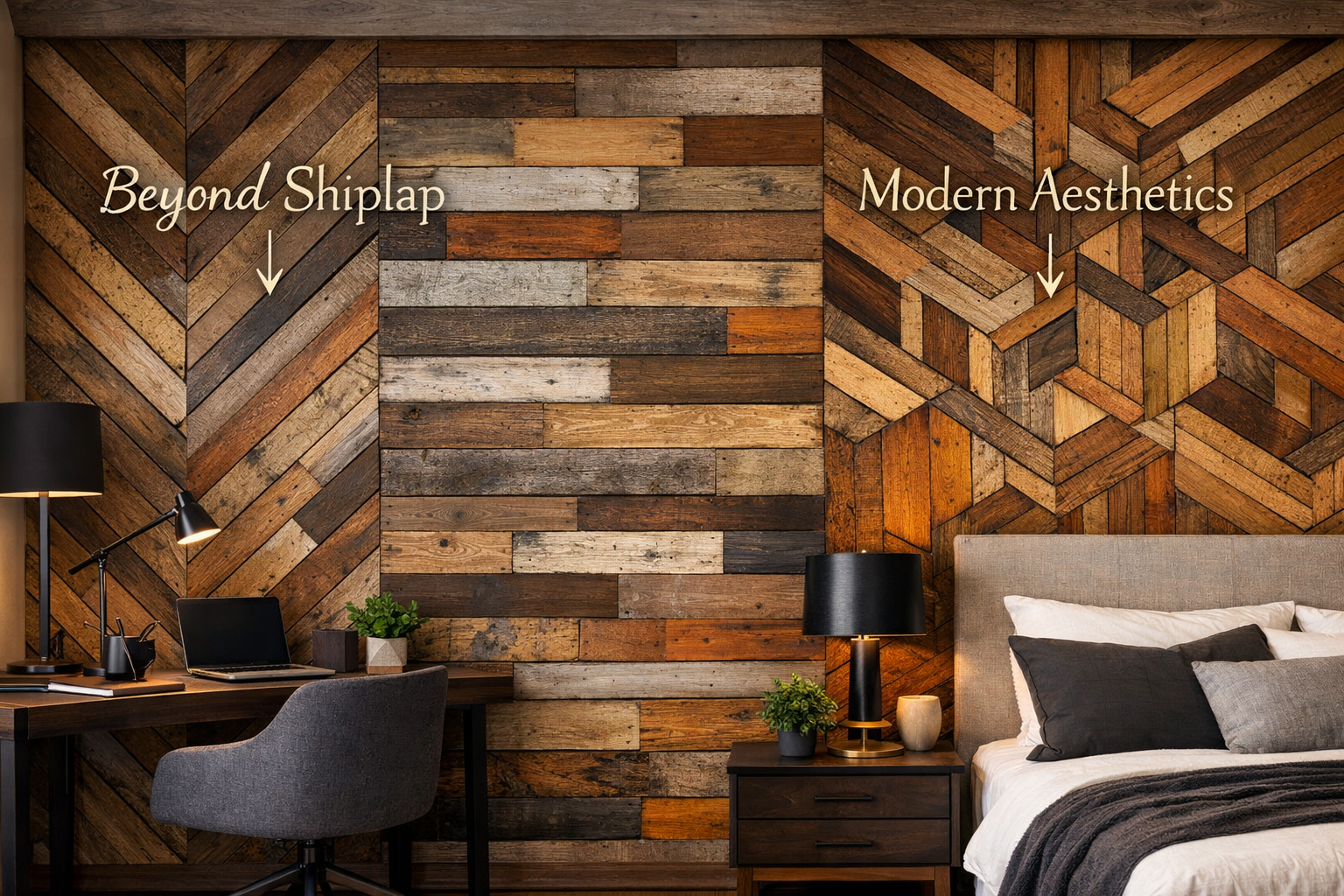
For years, shiplap graced the pages of design magazines and countless television shows, becoming synonymous with rustic charm and farmhouse aesthetics. While it offered a clean, somewhat uniform look, its ubiquity has led to a desire for something more unique, more textured, and ultimately, more authentic. In 2026, the discerning homeowner is looking for materials that carry a history, that tell a tale, and that provide a depth of character shiplap simply cannot match. This is precisely where Reclaimed Wood Accent Walls: Beyond Shiplap for Modern Homes shines, offering a richer, more profound aesthetic.
Reclaimed wood, by its very nature, carries an intrinsic narrative. Sourced from old barns, factories, fences, and even deconstructed homes, each plank bears the marks of time, weather, and previous life. These imperfections—nail holes, saw marks, natural distressing, and varied patinas—are not flaws but features that contribute to its unparalleled charm. When incorporated into an accent wall, reclaimed wood creates a focal point that is not only visually stunning but also deeply resonant. It’s about bringing the outside in, connecting with history, and embracing sustainability, all while elevating your home’s aesthetic.
Understanding Reclaimed Wood and Its Appeal
Reclaimed wood encompasses a wide variety of timber that has been salvaged and repurposed. Unlike newly milled lumber, which often lacks character and can contribute to deforestation, reclaimed wood is an environmentally responsible choice. It reduces demand for new timber, minimizes waste, and conserves natural resources.
What makes reclaimed wood so appealing for accent walls in 2026?
- Unique Character: No two pieces of reclaimed wood are exactly alike. The grain patterns, knots, color variations, and surface imperfections ensure your accent wall will be a one-of-a-kind masterpiece.
- Historical Significance: Each plank has a story, adding a layer of depth and interest to your space. Imagine wood from a century-old barn now gracing your living room!
- Durability and Stability: Often sourced from old-growth forests, reclaimed wood is typically denser and more stable than modern timber. It has already weathered the test of time, making it incredibly durable.
- Eco-Friendly Choice: Choosing reclaimed wood supports sustainable practices, diverting material from landfills and reducing the carbon footprint associated with new lumber production.
- Versatile Aesthetics: While often associated with rustic styles, reclaimed wood can be seamlessly integrated into modern, industrial, transitional, and even minimalist designs. The key lies in the type of wood, its finish, and the installation pattern.
Why Shiplap is Being Left Behind
Shiplap’s popularity stemmed from its clean lines and ability to evoke a farmhouse or coastal feel. However, its uniform appearance and predictable spacing have begun to feel dated for those seeking a more sophisticated and dynamic look. The lack of variation in shiplap can sometimes lead to a flat, two-dimensional appearance, whereas the varied textures and depths of true reclaimed wood create a rich, three-dimensional effect.
Homeowners in 2026 are gravitating towards interiors that feel custom and curated, rather than mass-produced or overly trendy. The raw, authentic beauty of diverse reclaimed lumber offers that bespoke quality, transforming a simple wall into a piece of art.
Beyond the Board: Diverse Styles and Patterns for Reclaimed Wood Accent Walls
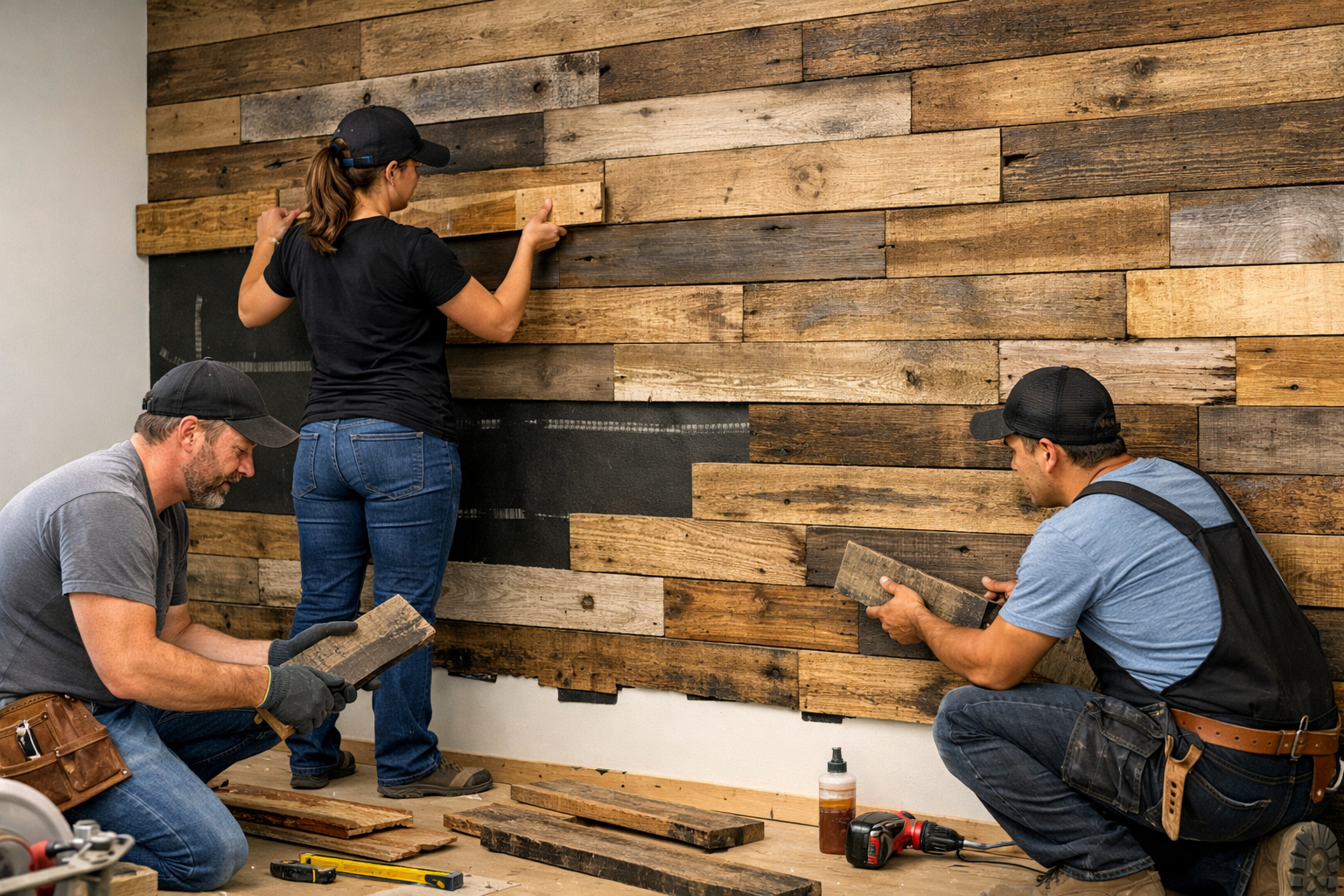
Moving past the uniformity of shiplap opens up a world of creative possibilities for Reclaimed Wood Accent Walls: Beyond Shiplap for Modern Homes. The magic of reclaimed wood lies not just in its inherent beauty but also in the myriad ways it can be installed to create stunning visual effects. Mixed-width barnwood paneling is a highly sought-after option, offering a dynamic and natural aesthetic that is both rugged and refined.
Embracing Mixed-Width Barnwood Paneling
Mixed-width paneling involves using planks of varying widths, often from the same batch of reclaimed wood, to create a less uniform and more organic appearance. This technique beautifully showcases the individuality of each plank and adds significant visual interest.
Benefits of Mixed-Width Paneling:
- Enhanced Visual Texture: The varied widths create a subtle rhythm and depth that draws the eye and makes the wall feel more substantial and authentic.
- Natural Aesthetic: It mimics the way wood might have been used historically, or how it would naturally appear, giving a genuine, unpretentious feel.
- Highlights Wood Character: Each unique plank, with its individual grain and distressing, gets its moment to shine within the varied pattern.
- Adaptable to Many Styles: While inherently rustic, the mixed-width approach can be softened or made more industrial depending on the wood’s finish and the surrounding decor.
Imagine a home office where one wall is adorned with mixed-width reclaimed oak, providing a grounding, inspiring backdrop for creativity. Or a bedroom featuring a headboard wall of varied barnwood, creating a serene and cozy retreat. The possibilities are endless.
Innovative Patterns and Orientations
Beyond simple horizontal or vertical installation, reclaimed wood can be arranged in a multitude of patterns to elevate your accent wall.
- Herringbone: This classic pattern involves arranging rectangular planks in a V-shape. When done with reclaimed wood, especially those with varying tones, it creates a sophisticated and intricate design that is both modern and timeless.
- Chevron: Similar to herringbone, but with the ends of the planks cut at an angle to create a continuous zigzag pattern. This pattern can add a sense of movement and elegance.
- Geometric Designs: For a truly modern and artistic statement, reclaimed wood can be cut and arranged into abstract geometric patterns. This requires precision and planning but yields breathtaking results.
- Vertical Planks: While simple, vertical installation of mixed-width reclaimed wood can make ceilings appear higher and create a strong, linear statement.
- Randomized Installation: This approach deliberately avoids a pattern, allowing planks to be installed in a truly organic, seemingly random fashion, emphasizing the raw beauty of each piece.
- Board and Batten with Reclaimed Wood: Integrating reclaimed wood panels within a board and batten framework adds a layered architectural detail, blending traditional and rustic elements beautifully.
| Pattern/Style | Aesthetic Appeal | Best Suited For |
|---|---|---|
| Mixed-Width Horizontal | Rustic, natural, expansive | Living rooms, bedrooms, longer walls |
| Mixed-Width Vertical | Modern, height-enhancing, formal | Home offices, entryways, smaller accent walls |
| Herringbone | Sophisticated, intricate, dynamic | Feature walls, smaller impactful areas |
| Chevron | Elegant, fluid, contemporary | Modern interiors, artistic statements |
| Geometric | Artistic, bold, avant-garde | Contemporary spaces, unique focal points |
| Random | Organic, raw, unpretentious | Industrial lofts, farmhouse chic |
When considering a pattern, think about the overall design of the room and the desired impact. A bold herringbone pattern might be perfect for a dramatic entryway, while a subtle, mixed-width horizontal arrangement could bring warmth to a minimalist bedroom. For those keen on exploring different wood characteristics, understanding various wood finishing techniques can further customize the aesthetic, whether it’s oak wood finishing techniques for a robust look or mahogany wood finishing techniques for richer tones. Even experimenting with distressed wood finishing techniques on new wood can sometimes mimic aspects of reclaimed lumber if true reclaimed sources are hard to find.
Professional Installation Tips for a Rugged, Narrative Interior Look
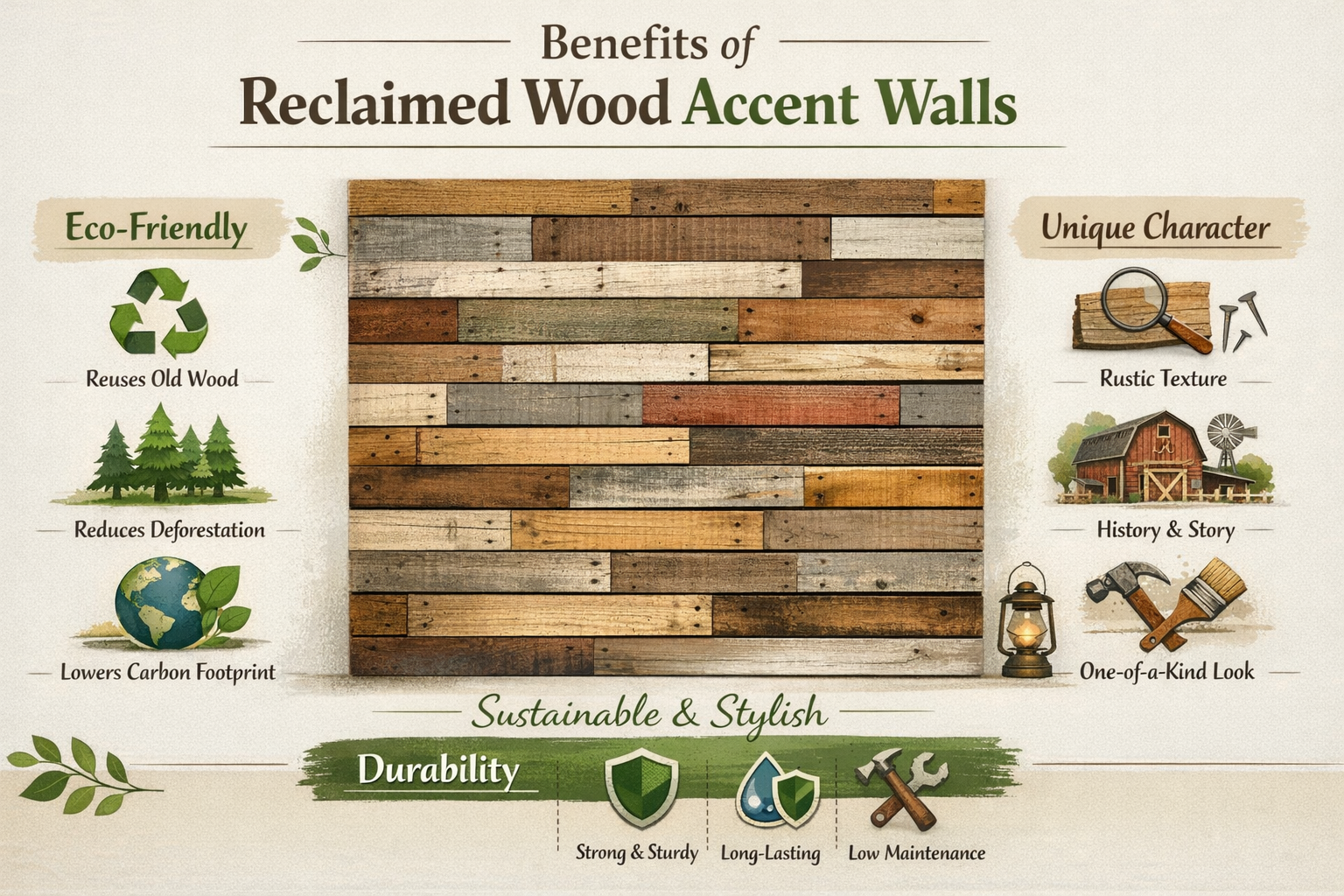
Achieving a flawless and durable reclaimed wood accent wall, especially one that moves Reclaimed Wood Accent Walls: Beyond Shiplap for Modern Homes, requires careful planning and execution. While a DIY approach is possible for simpler installations, the unique characteristics of reclaimed wood and the desire for a professional finish often warrant expert involvement.
Sourcing Quality Reclaimed Wood
The foundation of any stunning reclaimed wood wall is the quality of the wood itself.
- Reputable Suppliers: Seek out suppliers specializing in reclaimed timber. They often have knowledge of the wood’s origin and proper processing.
- Moisture Content: Ensure the wood has been properly dried to prevent warping, shrinking, or expanding after installation. A professional supplier will kiln-dry their wood to an appropriate moisture content for interior use.
- Cleaning and Prep: Reclaimed wood may come with dirt, old nails, or even pests. It should be thoroughly cleaned, de-nailed, and treated if necessary before installation. A good supplier handles this.
- Consistency (or lack thereof): Decide if you want a consistent species and patina or a more varied, eclectic mix. Communicate this clearly with your supplier.
“Reclaimed wood offers a direct connection to history. Each knot, each weathered mark, tells a story that mass-produced materials simply cannot replicate. It’s about building character, not just a wall.” – A leading interior designer, 2026
Essential Installation Steps for Professionals
Even if you’re hiring a professional, understanding the process can help you communicate your vision effectively.
Wall Preparation:
- Clean and Smooth: The wall must be clean, dry, and free of any debris.
- Leveling: While reclaimed wood’s inherent imperfections are desirable, the underlying wall should be as level as possible to ensure proper adhesion and a professional finish.
- Prime: Priming the wall before installation can help with adhesion and prevent any potential bleed-through from tannins in the wood.
Layout and Planning:
- Dry Fit: Lay out your mixed-width planks on the floor to visualize the pattern and arrangement. This allows you to balance colors, textures, and widths for the most aesthetically pleasing result.
- Start Point: Typically, starting in a discreet corner or from the center of the wall ensures symmetry or a natural flow.
- Cutting: Reclaimed wood can be tough on blades. Use sharp, high-quality saw blades. For complex cuts or patterns like herringbone, a precision woodworking tool like a miter saw or table saw is essential.
Adhesive and Fastening:
- Construction Adhesive: A strong construction adhesive designed for wood paneling is crucial for a secure bond. Apply it in a zigzag pattern on the back of each plank.
- Nailing: For added security and to ensure planks stay put while the adhesive cures, use a finish nailer with small gauge nails. Countersink the nail heads for a seamless look.
- Face Nailing vs. Blind Nailing: Depending on the desired aesthetic, planks can be face-nailed (nails visible, adding to rustic charm) or blind-nailed (nails hidden through the tongue or groove, if applicable).
Finishing Touches:
- Edge Treatment: Consider how edges will meet corners or other walls. You might use trim pieces, or allow the reclaimed wood to simply butt against the adjacent surface for a raw, unframed look.
- Sealing (Optional): While many prefer the natural, unfinished look of reclaimed wood, a clear matte sealant can protect the wood from moisture and dust, making it easier to clean without altering its appearance. If applying a finish, ensure you understand appropriate techniques, especially if dealing with humidity, as detailed in our guide on applying polyurethane in high humidity.
- Cleaning: After installation, a soft brush or vacuum can remove any dust.
Common Challenges and Solutions
- Uneven Planks: Reclaimed wood may not be perfectly flat or uniform. Professionals often shim behind planks or use flexible adhesives to accommodate minor variations.
- Color Matching/Variation: Embrace the natural variation! If you desire a more cohesive look, pre-sort planks by color and mix them strategically during your dry fit.
- Dust and Debris: Cutting and installing reclaimed wood can be dusty. Good ventilation and protective coverings for furniture are essential.
- Learning Curve: If attempting DIY, consider taking a woodworking class to hone your skills before tackling a large project.
By following these guidelines and potentially engaging experienced craftsmen, your Reclaimed Wood Accent Walls: Beyond Shiplap for Modern Homes will not only be visually striking but also a lasting testament to thoughtful design and sustainability. This commitment to quality and character is what truly defines modern home aesthetics in 2026.
Conclusion
In 2026, the demand for authentic, character-rich interiors has firmly moved past the once-ubiquitous shiplap. Homeowners are increasingly seeking design elements that tell a story, celebrate sustainability, and provide a unique visual impact. Reclaimed Wood Accent Walls: Beyond Shiplap for Modern Homes offers precisely this, transforming ordinary spaces into extraordinary sanctuaries of warmth, history, and rugged elegance. From the varied textures and tones of mixed-width barnwood paneling to the intricate possibilities of herringbone and geometric patterns, reclaimed wood provides a versatile and eco-conscious alternative that truly defines sophisticated modern living.
Embracing reclaimed wood is more than just a design choice; it’s a commitment to sustainability and an appreciation for the narratives embedded within each weathered plank. Whether gracing a vibrant home office, creating a serene bedroom backdrop, or adding a focal point to a living area, these accent walls elevate your space, making it uniquely yours. While the installation demands attention to detail and, often, professional expertise, the enduring beauty and character of a reclaimed wood wall are invaluable. It’s an investment in a look that is not only trending in 2026 but promises to remain timeless for years to come.
Actionable Next Steps:
- Research & Inspire: Explore various reclaimed wood styles and patterns online and in design magazines. Pay attention to how different wood types and installation techniques can transform a room.
- Source Wisely: Identify reputable local or online suppliers of reclaimed wood. Inquire about their sourcing, processing, and moisture content of the wood.
- Plan Your Project: Decide on the specific wall, the desired pattern (e.g., mixed-width horizontal, herringbone), and the scope of the project.
- Consider Professional Help: For complex patterns or if you prefer a guaranteed flawless finish, consult with experienced carpenters or interior designers specializing in reclaimed wood installations.
- Gather Tools & Materials: If undertaking DIY, ensure you have the correct tools, including a reliable saw, nailer, and appropriate adhesives. For advanced woodworking techniques, consider browsing our extensive guides at Wood Craft Wiz for insights on precision woodworking tools and more.
By taking these steps, you can confidently embark on creating a truly distinctive and meaningful accent wall, ensuring your modern home stands out with its unique blend of history and contemporary style.