The allure of antique furniture isn extends far beyond its age and craftsmanship; it often resides in the captivating depth and character of its finish. For centuries, artisans have employed specific antique wood finishing techniques to protect, enhance, and beautify wooden pieces, creating surfaces that tell stories through their unique patina. As an expert SEO content strategist and senior editor, I understand the importance of not just preserving these methods but also making them accessible to modern enthusiasts and restoration experts. In 2025, understanding these time-honored practices is more relevant than ever for those seeking to authentically restore or replicate the charm of period pieces. This article will delve into the rich history and practical applications of these traditional finishing methods, providing a comprehensive guide for anyone passionate about woodworking and historical preservation.
Key Takeaways
- Historical Significance: Antique wood finishing techniques are crucial for preserving the authenticity and value of historical furniture, reflecting the craftsmanship of their era.
- Variety of Methods: From the lustrous depth of French polish to the protective qualities of oil finishes and the subtle sheen of waxing, a diverse range of techniques was employed.
- Material Knowledge: Understanding the natural materials used, such as shellac, natural oils, and waxes, is fundamental to mastering these traditional processes.
- Patience and Skill: Achieving authentic antique finishes often requires patience, attention to detail, and the development of specific hand-finishing skills.
- Modern Relevance: These techniques remain highly valued in 2025 for high-end furniture making, restoration, and creating bespoke pieces with historical character.
Delving into the History and Evolution of Antique Wood Finishing Techniques

The history of antique wood finishing techniques is as rich and varied as the woods themselves. Before the advent of modern synthetic lacquers and polyurethanes, woodworkers relied on natural resins, oils, and waxes to protect and beautify their creations. These methods were often labor-intensive, requiring considerable skill, patience, and an intimate understanding of the materials at hand. The choice of finish was not arbitrary; it was dictated by the type of wood, the intended use of the piece, regional traditions, and the aesthetic preferences of the period.
Early finishes were primarily functional, offering basic protection against moisture and wear. Simple oiling, using linseed or tung oil, was common, allowing the wood to breathe and developing a soft, natural sheen over time. As furniture craftsmanship evolved, so too did the demand for more sophisticated and visually striking finishes. The 17th and 18th centuries saw the rise of shellac-based finishes, particularly the famed French polish, which offered unparalleled depth and luster, making it a hallmark of fine furniture during periods like the Georgian and Victorian eras.
The 19th century brought further innovations, including the use of varnishes made from natural resins like copal and amber, dissolved in solvents like turpentine. These varnishes offered greater durability than shellac, albeit often at the cost of some of shellac's visual depth. Throughout these periods, each finishing technique was a testament to the artisan's dedication, transforming raw timber into a piece of enduring beauty. Understanding this evolution helps us appreciate the nuances of different antique pieces and guides us in their proper restoration and care today.
The Foundation: Preparing the Wood for an Antique Finish
Regardless of the specific antique wood finishing technique chosen, proper wood preparation is the cornerstone of a successful and enduring finish. This critical first step ensures that the wood surface is clean, smooth, and ready to accept the finishing material evenly. Neglecting this stage can lead to blotchy finishes, adhesion problems, and an overall amateurish appearance, detracting from the antique aesthetic.
Cleaning and Stripping Old Finishes
When restoring an antique piece, the first step often involves carefully removing the old, degraded finish. This is a delicate process, as aggressive stripping can damage the underlying wood or compromise its historical integrity. Traditional methods often involved gentle scraping, chemical strippers (used cautiously), or fine abrasives. The goal is to remove the old finish without altering the wood's original patina or character. Sometimes, a full strip isn't necessary; a thorough cleaning may suffice if the old finish is merely dirty or lightly worn. For more complex restoration projects, understanding historical adhesives and methods can be invaluable, as discussed in resources about adhesive for mirrors on wood types, tips, and step-by-step guide.
Sanding and Grain Filling
Once clean, the wood surface requires careful sanding. Traditional sanding methods often involved abrasive papers made from natural minerals like garnet, used progressively from coarser grits (around 120-150) to very fine ones (up to 400-600). The key is to sand with the grain to prevent scratches that will become glaringly obvious once the finish is applied.
For open-pored woods like oak, mahogany, or walnut, grain filling was a common practice. This involved applying a paste filler (often made from silica, clay, or plaster mixed with linseed oil and pigment) into the pores of the wood. This process creates a perfectly smooth, level surface, allowing the subsequent finish to achieve a mirror-like sheen, particularly important for techniques like French polishing. Without grain filling, the finish would sink into the pores, resulting in a slightly uneven or "orange peel" texture. The right tools are essential for any woodworking project, and understanding how to choose the right saw blade for cutting capabilities is crucial for achieving clean cuts that lead to less sanding and better finishes.
Staining and Coloring (If Applicable)
Not all antique pieces were stained, but when they were, traditional stains often involved natural dyes, earth pigments, or chemical treatments that reacted with the wood's tannins. Common coloring agents included iron filings dissolved in vinegar to create an "ebonizing" effect, or natural dyes derived from plants. These stains were typically much thinner than modern pigment stains, designed to enhance the wood's natural grain rather than obscure it. Applying these carefully ensures an even absorption and a natural appearance that complements the antique aesthetic.
Mastering Specific Antique Wood Finishing Techniques
The true magic of historical woodworking lies in the mastery of its finishing processes. Each of these antique wood finishing techniques offers a distinct aesthetic and level of protection, demanding specific tools, materials, and a practiced hand. Let's explore some of the most prominent methods that graced furniture from bygone eras.
French Polishing: The Epitome of Luster
French polishing is perhaps the most iconic of all antique wood finishing techniques, renowned for its incredible depth, clarity, and mirror-like luster. Developed in the early 19th century, it became the gold standard for high-end furniture, particularly for mahogany and rosewood. It involves applying numerous thin coats of shellac (a natural resin secreted by the lac bug) using a "fad" or "rubber" – a wad of cotton wrapped in a lint-free cloth, often lubricated with a drop of oil.
The process is meticulous and labor-intensive, typically involving hundreds of passes. Each pass melts the previous layer of shellac, building up a thin, cohesive film that looks like it's within the wood rather than simply on its surface. The technique requires a delicate touch, as too much pressure or too much shellac can result in streaks or a cloudy finish. The final stages often involve a "spiriting off" process, where very dilute shellac is applied with minimal oil to remove any residual oil sheen and achieve the ultimate gloss. French polishing excels at highlighting the natural beauty of wood grain and figure, creating a finish that seems to glow from within.
Traditional Oil Finishes: Natural Beauty and Durability
Oil finishes have been used for centuries, prized for their ability to bring out the natural warmth and depth of wood while offering good protection. Linseed oil (from flax seeds) and tung oil (from the tung tree nut) are the primary natural oils used. Unlike film-building finishes like shellac or varnish, oils penetrate deep into the wood fibers, polymerizing (hardening) to create a protective barrier within the wood itself. This results in a very natural, "in-the-wood" feel that enhances the grain without creating a thick surface layer.
Applying an oil finish is relatively straightforward: liberal coats are wiped onto the wood, allowed to penetrate, and then excess oil is meticulously wiped off. This process is repeated over several days or even weeks, building up protection and a subtle sheen. The key is to remove all excess oil before it can dry on the surface, which would create a sticky, uneven film. Oil finishes are particularly popular for pieces where a tactile connection with the wood is desired, such as tabletops or tool handles. They are also relatively easy to repair compared to film finishes; minor scratches can often be buffed out and re-oiled. Understanding how different oils react with wood is important, much like understanding the nuances of applying polyurethane in high humidity requires specific knowledge.

Waxes: Protection with a Soft Sheen
Wax finishes, often used in conjunction with other finishes or as a standalone treatment, offer a soft, luxurious sheen and a degree of protection. Beeswax and carnauba wax are the most common natural waxes used in antique finishing. Waxes are applied in thin coats, allowed to haze, and then buffed to a lustrous glow. They enhance the wood's color and depth without obscuring the grain.
While waxes provide good protection against dust and minor moisture, they are not as durable as shellac or oil finishes against spills, heat, or abrasion. For this reason, wax was often used as a top coat over shellac or oil, adding an extra layer of protection and a beautiful soft sheen. Regular re-waxing is necessary to maintain the finish. For more robust surfaces, such as live edge wood, one might consider a durable best polyurethane for live edge wood.
Varnish Finishes: Durability and Depth
Historically, varnishes were made from natural resins (like copal, dammar, or amber) dissolved in a solvent (such as turpentine or alcohol) and often combined with drying oils. These formulations created a tougher, more durable film than shellac, making them suitable for surfaces that would experience more wear. Early varnishes could be quite slow-drying and were applied in multiple thin coats, often rubbed out between coats to achieve a smooth, level surface.
The aesthetic of traditional varnish finishes falls between the natural look of oil and the high gloss of French polish. They offer good depth and clarity, though typically not the same "glow" as shellac. Varnish finishes were particularly prevalent in the 18th and 19th centuries, especially for items exposed to more robust use or environmental challenges.
Specialty Finishes and Treatments
Beyond these primary methods, artisans also employed various specialized treatments to achieve specific effects:
- Ebonizing: A process to make wood appear like ebony, often achieved by applying iron acetate (vinegar and steel wool) to woods rich in tannins like oak or walnut, followed by a dark stain or black shellac.
- Pickling/Liming: Used to create a whitewashed or limed effect, particularly on oak. This involved applying a thin, diluted paint or liming wax that settled into the open grain, highlighting it while lightening the overall wood tone.
- Fuming: Exposing oak to ammonia fumes to darken the wood evenly and bring out its grain. This technique was popular during the Arts and Crafts movement.
- Distressing: While not a finish itself, distressing techniques were sometimes used before finishing to impart an aged appearance to new wood, mimicking natural wear and tear.
These varied techniques allowed artisans to achieve an incredible range of looks, from the rustic charm of a fumed oak piece to the refined elegance of a French-polished mahogany cabinet. Each method contributes to the unique character and historical narrative of antique furniture.
| Finishing Technique | Primary Material | Key Characteristics | Typical Application | Level of Durability | Aesthetic |
|---|---|---|---|---|---|
| French Polishing | Shellac | Deep luster, high gloss, thin film | Fine furniture, musical instruments | Moderate | Glass-like, glowing depth |
| Oil Finish | Linseed Oil, Tung Oil | Natural feel, "in-the-wood" protection | Tabletops, bowls, natural-looking pieces | Good | Soft sheen, tactile |
| Wax Finish | Beeswax, Carnauba Wax | Soft sheen, protective layer, easily maintained | Over other finishes, decorative pieces | Low | Muted luster, natural |
| Traditional Varnish | Natural Resins, Oils | Durable film, good clarity, harder than shellac | Furniture exposed to more wear | High | Clear, protective film |
| Ebonizing | Iron Acetate, Dye | Creates black, ebony-like appearance | Decorative accents, period reproductions | Varies | Deep black |
| Liming/Pickling | Liming Wax, Diluted Paint | Highlights grain with white/light color | Open-grained woods like oak | Varies | Rustic, whitewashed |
Tools and Materials for Authentic Antique Wood Finishing in 2025
To faithfully replicate or restore antique finishes in 2025, it's essential to use tools and materials that are either historically accurate or modern equivalents that perform identically. While some contemporary products offer convenience, the best results for authentic antique finishes often come from sticking to traditional methods and components.
Essential Materials
- Shellac Flakes: Available in various "cuts" or colors (e.g., blonde, orange, garnet), shellac flakes are mixed with denatured alcohol to create the desired finish. The color of the flakes influences the final tone.
- Natural Drying Oils: Pure linseed oil (preferably "boiled" to speed drying, though traditional recipes may use raw) and pure tung oil are staples. Avoid "oil finishes" that contain added varnishes or resins if striving for strict historical accuracy.
- Natural Waxes: Beeswax, carnauba wax, and often mixtures thereof are used. These can be applied as a solid paste or dissolved in turpentine to create a cream.
- Denatured Alcohol: The solvent for shellac.
- Turpentine: A natural solvent for oils and waxes, though mineral spirits can sometimes be substituted for cost or odor reasons (with slight chemical differences).
- Pumice Powder & Rottenstone: Fine abrasive powders used for rubbing out finishes to achieve specific sheens, from satin to high gloss.
- Natural Pigments & Dyes: For historical staining or tinting, traditional pigments like ochre, umber, or natural dyes derived from plants are used.
Crucial Tools
- Finishing Rags/Fads (Rubbers): For French polishing, these are typically made from lint-free cotton cloth (like old bedsheets or t-shirts) wrapped around a cotton wool or felt core.
- High-Quality Natural Bristle Brushes: For applying varnishes or some oil applications, natural bristles are preferred for their ability to hold and release viscous materials smoothly. Learn more about selecting the right tools and materials for various woodworking projects at WoodcraftWiz.com.
- Sandpaper/Abrasives: A range of fine-grit sandpaper (up to 600-2000 grit) for smoothing between coats and preparing for final rubbing out. Wet-or-dry sandpaper is invaluable for wet sanding.
- Scrapers: Cabinet scrapers are excellent for fine leveling and removing old finishes without aggressive sanding.
- Stirring Sticks & Containers: Clean, dedicated containers for mixing finishes and solvents are essential.
- Protective Gear: Gloves, respirators, and eye protection are critical when working with solvents and fine dust.
Tips for Success with Antique Wood Finishing Techniques
- Work in a Clean Environment: Dust is the enemy of a good finish. Ensure your workspace is as dust-free as possible. Using a good shop vac, such as the 14 gal RIDGID shop vac, can significantly help in maintaining a clean environment.
- Practice on Scraps: Always practice new (or rediscovered) techniques on scrap wood of the same species as your project. This allows you to refine your technique and test color matches.
- Thin Coats are Key: Whether applying shellac, oil, or varnish, multiple thin coats will always yield a better, more durable, and more attractive finish than a few thick coats.
- Patience, Patience, Patience: Rushing any stage of antique finishing will lead to disappointing results. Allow adequate drying time between coats and before rubbing out.
- Understand the Wood: Different wood species absorb finishes differently. Open-grained woods may require grain filling, while dense woods like maple may need a sanding sealer to prevent blotching. For advice on specific wood types, consider resources like those on clear finish for maple.
- Maintain Your Tools: Clean brushes immediately after use. Properly store shellac flakes in airtight containers away from moisture. Keep your tools in good working order for consistent results.
- Ventilation is Crucial: Work in a well-ventilated area, especially when using alcohol, turpentine, or other solvents.
By meticulously preparing the wood, carefully selecting traditional materials, and diligently practicing the nuanced applications, anyone can achieve the stunning, authentic results characteristic of true antique wood finishing techniques.
Restoration vs. Replication: Choosing the Right Approach for Antique Wood Finishing
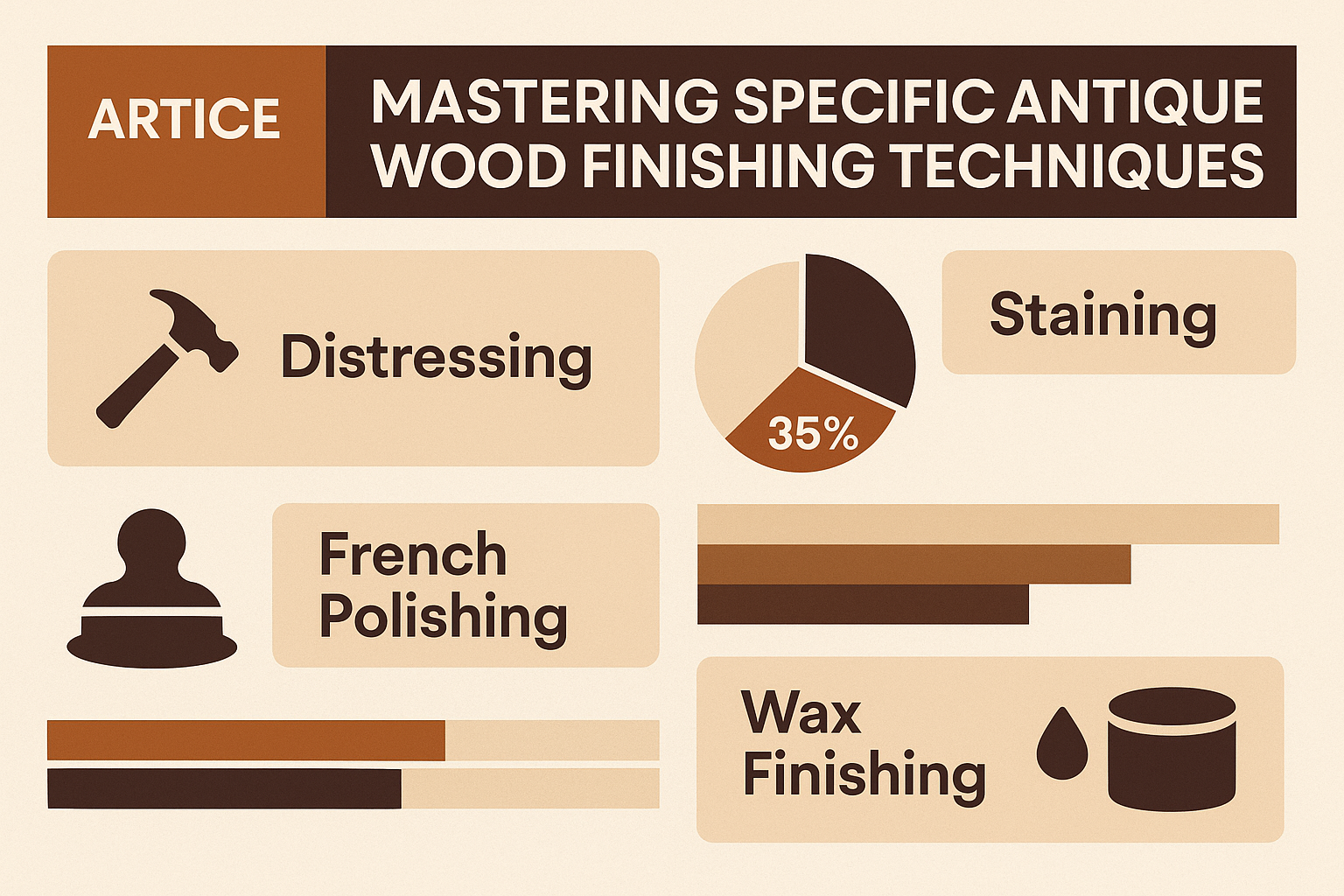
When engaging with antique furniture, a fundamental decision must be made: are you restoring an existing finish, or are you replicating a historical finish on a new piece or a piece that has lost its original character? Both approaches demand an understanding of antique wood finishing techniques, but they differ significantly in their goals, methods, and ethical considerations.
Restoration: Preserving History and Patina
Restoration aims to bring an antique piece back to its former glory while preserving as much of its original material and character as possible. The focus is on stabilization, repair, and sympathetic enhancement, not on making the piece look brand new. For the finish, this often means:
- Conservation: Minimal intervention. This might involve gentle cleaning to remove dirt and grime, followed by a light re-amalgamation of an existing shellac finish or a fresh wax topcoat to nourish and protect.
- Spot Repair: Addressing localized damage, such as water rings, scratches, or areas of wear, without stripping the entire piece. This requires precise color matching and careful blending of new finish into the old.
- Re-amalgamation: For shellac finishes, applying fresh denatured alcohol can sometimes soften and redistribute the original shellac, effectively "melting" light scratches and reviving the sheen. This is a delicate process and only works if the original finish is shellac and not too degraded.
- Ethical Considerations: A key principle in antique restoration is reversibility. Any applied finish or repair should ideally be reversible without damaging the original wood or its remaining finish. Documentation of all interventions is also crucial.
The goal of restoration is to maintain the piece's historical integrity and its unique patina – the accumulated effects of age, use, and environment that give an antique its character. A perfectly restored finish will blend seamlessly with the original, enhancing its beauty without erasing its history.

Replication: Creating an Authentic Look
Replication, on the other hand, involves applying an antique wood finishing technique to a new piece of furniture, a reproduction, or an antique that has been stripped down to bare wood. The objective here is to create an authentic-looking finish that mimics a historical style, often with the benefit of modern tools and a fresh start.
- Starting from Scratch: This approach allows for full control over wood preparation, staining, and the entire finishing process. It's an opportunity to meticulously follow historical recipes and methods without the constraints of an existing, degraded finish.
- Achieving Period-Specific Aesthetics: If you're building a Queen Anne style table, replicating a French polish finish would be historically appropriate. For an Arts and Crafts piece, a fumed and waxed finish might be more suitable. Understanding the typical finishes of different periods is vital. You can learn more about specific woodworking projects like crafting your dream farmhouse dining table in 2025 at WoodcraftWiz.com.
- Distressing (Optional): To make a replicated finish appear genuinely old, controlled distressing can be applied to the wood before finishing, followed by techniques to simulate age within the finish itself (e.g., subtle crackle, "fly specking"). However, this should be done judiciously and authentically to avoid an artificial look.
- Material Choices: While traditional materials are preferred for authenticity, some restorers or makers might opt for modern, more durable alternatives for certain components if the primary goal is visual replication rather than absolute historical purity (e.g., using a shellac-compatible modern sealer before French polishing).
Choosing between restoration and replication depends on the condition of the piece, its historical significance, and your ultimate goals. Both paths offer rewarding experiences and deepen one's appreciation for the artistry of antique wood finishing techniques.
Maintaining and Caring for Antique Finishes in 2025
Once you've achieved a beautiful antique finish, whether through restoration or replication, proper maintenance and care are crucial to preserve its beauty for years to come. In 2025, understanding these practices is key to ensuring that these timeless finishes endure.
General Care Tips
- Dust Regularly: Use a soft, lint-free cloth (microfiber is excellent) to gently dust surfaces. Avoid abrasive dusters or chemical sprays that can strip or damage delicate finishes.
- Protect from Heat and Moisture: Use coasters under drinks and trivets under hot dishes. Excessive heat can cause "blooming" (white marks) or crack finishes, while moisture can leave rings or cause veneers to lift.
- Avoid Direct Sunlight: Prolonged exposure to direct sunlight can fade finishes and cause wood to dry out and crack. Position furniture away from windows or use UV-filtering curtains.
- Gentle Cleaning: For more thorough cleaning, a slightly damp cloth followed immediately by a dry one is usually sufficient. Avoid harsh chemical cleaners, silicone-based polishes, or furniture sprays containing alcohol or ammonia, as these can dissolve or damage antique finishes, especially shellac.
- Humidify: In very dry climates or during winter, maintaining stable humidity levels (around 40-50%) can prevent wood from shrinking and cracking, which can also affect the finish.
Specific Finish Maintenance
- French Polish & Shellac: These finishes are susceptible to alcohol and water. Wipe spills immediately. Periodically, a very light application of furniture wax (pure beeswax or carnauba blend) can add protection and enhance the sheen. Avoid excessive waxing, which can build up over time.
- Oil Finishes: These finishes benefit from occasional re-oiling, typically once every few years, or when the wood begins to look dry. Apply a thin coat of the original oil (linseed or tung), let it penetrate for a short time, and then thoroughly wipe off all excess. This replenishes the finish and keeps the wood nourished.
- Wax Finishes: Wax finishes require regular re-waxing to maintain their protective qualities and sheen. Apply a thin, even coat of a high-quality paste wax, allow it to haze (typically 15-30 minutes), and then buff to a shine with a clean, soft cloth. The frequency depends on use, but every 6-12 months is a good general guideline for lightly used pieces. For specific advice on waxing finishes, check out resources like can you wax polyurethane.
- Traditional Varnishes: These are generally more robust. Clean with a damp cloth. If the varnish appears dull or scratched, a professional restorer may be able to rub it out and re-polish it. Avoid harsh abrasives.
By following these care guidelines, your antique pieces, whether genuine or reproduction, will retain their charm and beauty, allowing their unique finishes to be admired for generations.
Conclusion
The journey into the world of antique wood finishing techniques is a fascinating exploration of history, craftsmanship, and artistry. From the painstaking application of French polish to the nourishing embrace of traditional oil finishes and the subtle elegance of wax, each method tells a story of an era and the skilled hands that shaped its aesthetic. In 2025, the resurgence of interest in handcrafted goods and sustainable practices makes these time-honored techniques more relevant than ever. They offer not just a pathway to authentic furniture restoration but also an opportunity for modern woodworkers to infuse their creations with unparalleled depth, character, and historical charm.
Mastering these techniques requires patience, practice, and an intimate understanding of natural materials. It’s a rewarding pursuit that connects us to a legacy of craftsmanship, allowing us to preserve the beauty of the past and create future heirlooms. I encourage you to experiment, learn, and appreciate the nuanced beauty that only traditional finishes can impart. Your hands, guided by historical knowledge, can unlock the true potential of wood, transforming it into pieces that truly stand the test of time.
Actionable Next Steps:
- Start Small: Begin by practicing basic oil or wax finishes on scrap wood to get a feel for the materials and application process.
- Invest in Quality Materials: Purchase small quantities of good quality shellac flakes, pure oils, and natural waxes to experiment with.
- Read and Research: Delve deeper into specific techniques that interest you. Historical texts and reputable woodworking resources (like WoodcraftWiz.com) are invaluable.
- Seek Guidance: Consider joining a local woodworking group or taking a workshop if available, to learn from experienced artisans.
- Be Patient: Remember that mastery of these techniques comes with time and persistent practice. Embrace the learning process and enjoy the journey!
SEO Meta Title: Antique Wood Finishing Techniques: A 2025 Guide
SEO Meta Description: Explore essential antique wood finishing techniques in 2025. Master traditional methods like French polishing, oil, and wax finishes for stunning results.