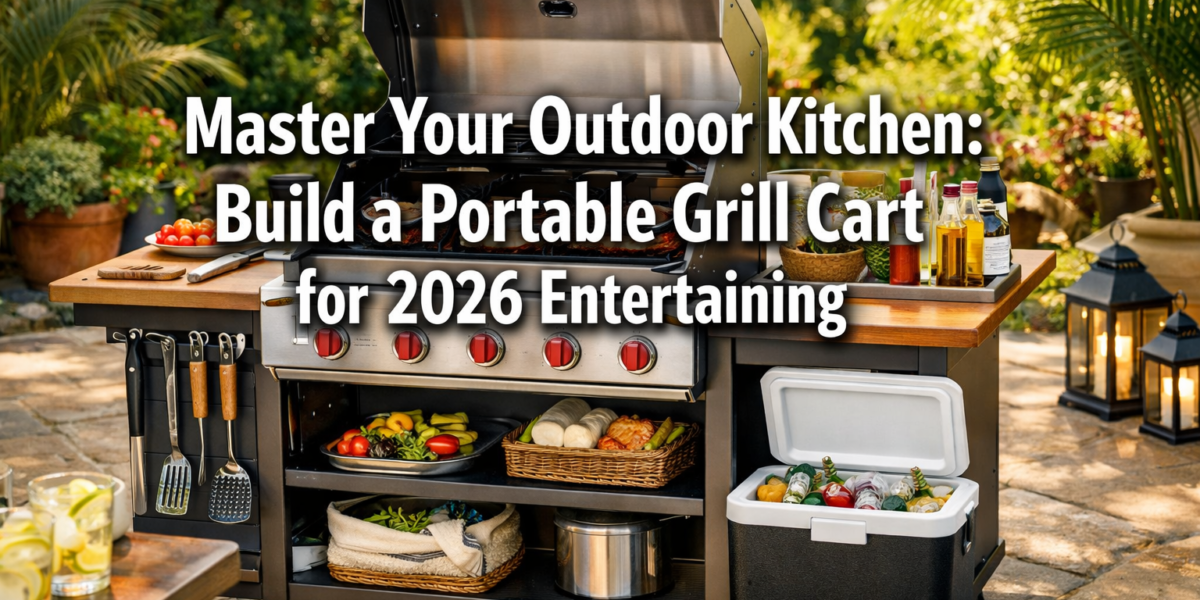

The aroma of sizzling food, the warmth of good company, and the joy of outdoor living—these are the hallmarks of a perfect gathering. In 2026, outdoor entertaining continues to evolve, with homeowners increasingly seeking versatile solutions that blend functionality with aesthetics. Enter the portable outdoor kitchen or grill cart: a dynamic, customizable centerpiece that elevates any backyard, patio, or balcony. This comprehensive guide will walk through the process of Building a Portable Outdoor Kitchen or Grill Cart: Designs for Entertaining and Small Spaces, exploring innovative designs, essential features, and practical considerations to help you craft a mobile culinary station tailored to your specific needs. Whether you’re hosting a grand barbecue or simply need an efficient prep area for a compact balcony, the right design makes all the difference.
Key Takeaways
- Design for Mobility: Emphasize sturdy, locking casters and balanced weight distribution for easy relocation and secure positioning.
- Material Selection is Crucial: Choose weather-resistant materials like cedar, cypress, or stainless steel for durability and longevity in outdoor environments.
- Maximize Storage & Functionality: Incorporate integrated cutting boards, utensil drawers, spice racks, and cooler compartments to enhance usability and reduce trips indoors.
- Consider Modular Elements: Design your cart with modular components that can be reconfigured or expanded, adapting to different entertaining needs or space constraints.
- Prioritize Safety: Ensure your design includes adequate heat shielding for grills and secure storage for propane tanks or charcoal.
Designing Your Portable Outdoor Kitchen or Grill Cart: Foundations and Form
{{IMG_SLOT_1}}
Creating a successful portable outdoor kitchen or grill cart begins with meticulous planning and design. This phase dictates the cart’s functionality, aesthetics, and how well it integrates into your outdoor living space. When embarking on Building a Portable Outdoor Kitchen or Grill Cart: Designs for Entertaining and Small Spaces, consider the core purpose: portability, efficiency, and entertainment.
Essential Design Principles
Before cutting any wood or bending any metal, outline the primary functions your cart will serve. Will it hold a portable grill, a griddle, a pizza oven, or a combination? How much prep space do you need? Where will your tools, spices, and serving items go?
- Modularity: Think in terms of sections. A modular design allows for customization and future expansion. For instance, you might have a grill section, a prep station, and a storage unit that can be connected or used independently.
- Ergonomics: Ensure the working height is comfortable for whoever will be doing most of the cooking. Typically, 34-36 inches is standard for countertops.
- Portability: This is key! Heavy-duty, locking swivel casters are non-negotiable. They allow for easy movement across various outdoor surfaces and ensure stability once the cart is in place.
- Weather Resistance: Outdoor furniture faces the elements. Your material choices and finishes must withstand sun, rain, and temperature fluctuations.
Common Layouts and Configurations
The layout of your portable kitchen depends heavily on its intended use and the size of your outdoor space.
- Linear Cart (Small Spaces): Ideal for balconies or narrow patios. This design typically features a single, elongated counter with a cutout for a compact grill, a small prep area, and shelving underneath.
- L-Shaped Cart (Medium Spaces): Provides more countertop space for prep and serving. One arm can hold the grill, while the other offers a dedicated workspace.
- U-Shaped or Island Cart (Larger Spaces/Entertaining Hubs): Offers maximum workspace and can become a central hub for guests to gather around. These often integrate a grill, sink, and multiple storage options.
- Multi-Piece System: For ultimate flexibility, design separate but complementary carts—one for grilling, one for prep, one for beverages. This allows you to reconfigure your setup for different events.
“A well-designed portable outdoor kitchen isn’t just about cooking; it’s about creating an experience. Think flow, accessibility, and how every element contributes to effortless entertaining.” — Outdoor Living Expert
Structural Considerations and Joinery
Durability starts with a strong frame. When building with wood, consider species like cedar or cypress for their natural resistance to decay and insects. Treated pine is another economical option. For metal frames, aluminum or stainless steel are excellent choices for their strength and weather resistance.
- Wood Joinery: Robust joinery is essential. Techniques like mortise and tenon, dado joints, or secure pocket screw joinery provide significant strength. For smaller components and shelving, rabbets or simple butt joints reinforced with screws and waterproof adhesive can suffice. Learn more about advanced joinery techniques in our guide to Building Picnic Tables for Outdoor Gatherings: Durable Designs with Advanced Joinery Techniques.
- Metal Fabrication: If working with metal, welding offers the strongest joints. For DIYers, bolt-together or rivet-assembly kits can be a more accessible option.
- Stability: Ensure the cart is stable both when stationary and when being moved. The center of gravity should be low, and the base wide enough to prevent tipping.
Material Selection and Integrated Features for Durability and Functionality
{{IMG_SLOT_2}}
The longevity and usability of your portable outdoor kitchen or grill cart hinge on thoughtful material selection and the clever integration of features. Opting for the right materials ensures your investment stands up to the elements, while well-planned features elevate its functionality from a simple grill stand to a true outdoor culinary workstation.
Choosing Weather-Resistant Materials
The outdoor environment is harsh, making material selection paramount for Building a Portable Outdoor Kitchen or Grill Cart: Designs for Entertaining and Small Spaces.
| Material Type | Pros | Cons | Best Use |
|---|---|---|---|
| Cedar/Cypress | Naturally rot- and insect-resistant, beautiful aesthetics, lightweight | Requires sealing/staining, can dent easily | Frame, cabinetry, decorative panels |
| Treated Pine | Economical, readily available, resistant to rot/insects | Less attractive (can be stained), heavier, chemical treatment | Structural frame, less visible components, budget-friendly options |
| Marine-Grade Plywood | Excellent moisture resistance, strong, stable | Higher cost, requires sealing, not all grades are outdoor-rated | Cabinetry boxes, sturdy shelving |
| Stainless Steel | Extremely durable, rust-proof, sleek, easy to clean | High cost, can scratch, conducts heat (needs insulation near grill) | Countertops, sink inserts, hardware, entire frames (high-end) |
| Aluminum | Lightweight, rust-proof, easy to work with | Less strong than steel, can be more expensive than wood | Frame, lightweight shelving, handles |
| Composite Decking | Extremely low maintenance, rot-proof, consistent appearance | Heavier, higher cost, can look less natural (imitation wood grain) | Countertops, cladding, durable shelving |
For countertops, consider materials that are both durable and easy to clean, such as:
- Butcher Block (Sealed): Offers a warm, natural look. Requires regular sealing and maintenance.
- Stainless Steel: Hygienic, heat-resistant, and modern.
- Tile: Durable and allows for creative designs, but grout lines can be harder to clean.
- Granite/Quartz Remnants: Extremely durable and attractive, but heavy and potentially costly.
Don’t forget the hardware! Use stainless steel screws, hinges, and drawer slides to prevent rust and ensure smooth operation.
Integrated Features for Enhanced Functionality
The magic of a custom-built cart lies in its integrated features. These additions transform a basic cart into a highly efficient outdoor cooking and entertaining hub.
- Prep Surfaces: A generous, easily cleanable countertop is essential. Consider a dedicated cutting board area, possibly with a cut-out to sweep scraps into a waste bin below.
- Storage Solutions:
- Utensil Drawers: Keep grilling tools organized and protected from elements.
- Shelving: Open shelves for frequently accessed items like plates or serving trays, or closed cabinets for less attractive items (e.g., propane tank).
- Hooks/Racks: For hanging tongs, spatulas, oven mitts, or even small towels.
- Spice Rack: A small, integrated rack keeps seasonings handy. For more ideas on organizing your kitchen, explore Building Wooden Spice Racks: Wall-Mounted and Rotating Designs for Efficient Kitchens.
- Cooler Compartments: A built-in insulated compartment for drinks or chilling ingredients keeps guests hydrated and food fresh, reducing trips back indoors.
- Waste Management: Integrate a pull-out bin for trash and recycling, keeping your outdoor space tidy.
- Propane Tank Storage: If using a gas grill, design a secure, ventilated compartment for the propane tank. Ensure proper ventilation to prevent gas buildup.
- Towel Bar: Simple yet indispensable for keeping towels and cloths within reach.
- Bottle Opener: A small, mounted bottle opener adds a fun, convenient touch for entertaining. For other portable entertaining ideas, see Mastering Wooden Beer Caddy Builds: Portable Designs for Craft Brew Lovers.
Construction Techniques and Finishing Touches for Your Mobile Kitchen
{{IMG_SLOT_3}}
Once your design is finalized and materials are selected, the construction phase brings your vision to life. Applying sound woodworking or fabrication techniques, along with appropriate finishing touches, will ensure your portable outdoor kitchen or grill cart is not only functional and durable but also aesthetically pleasing for years to come in 2026.
Step-by-Step Construction Overview
While specific steps vary by design, a general approach to Building a Portable Outdoor Kitchen or Grill Cart: Designs for Entertaining and Small Spaces involves:

- Cut Materials: Accurately cut all your chosen wood or metal pieces according to your design plans. Precision here saves headaches later. Use proper safety equipment and techniques.
- Assemble Frame: Construct the main frame using your chosen joinery methods (e.g., mortise and tenon, pocket screws, welding). Ensure it’s square, level, and strong.
- Install Shelving and Drawers: Build and install any internal shelving units, drawer boxes, and slides. Test fit everything before final assembly. For drawers, consider moisture-resistant slides.
- Attach Cladding/Panels: Add any exterior panels, cabinet doors, or decorative elements.
- Integrate Features: Install countertops, sink (if applicable), cooler compartments, and propane tank storage. Pay close attention to sealing any cutouts for sinks to prevent water intrusion.
- Add Casters: Securely attach heavy-duty, locking swivel casters to the base. Position them to distribute weight evenly.
- Apply Finish: This is a crucial step for outdoor furniture.
Finishing for Outdoor Durability
A high-quality finish protects your cart from moisture, UV rays, and general wear and tear.
- Sanding: Thoroughly sand all wooden surfaces, progressively moving from coarser to finer grits (e.g., 80, 120, 180, 220) for a smooth finish.
- Cleaning: Remove all dust and debris before applying any finish.
- Sealing/Staining: For wood, apply multiple coats of a marine-grade varnish, spar urethane, or an exterior-grade oil finish. These penetrate the wood and provide excellent UV and moisture protection. Stains can be applied beforehand for color. Ensure all surfaces, including hidden ones, are treated.
- Maintenance: Even with the best finish, outdoor furniture benefits from regular cleaning and reapplication of finish every few years, depending on exposure.
Safety Considerations
Safety should be paramount throughout the design and construction process.
- Heat Protection: If integrating a grill, ensure there is sufficient clearance and heat-shielding material (e.g., cement board, metal flashing) between the grill and any combustible wooden components.
- Ventilation: Propane tanks must be stored in a well-ventilated compartment to prevent gas buildup.
- Stability: A fully loaded cart, especially one with a grill, can be top-heavy. Ensure wide, sturdy legs and locking casters prevent accidental tipping.
- Electrical (if applicable): If you plan to include electrical outlets or lighting, ensure all wiring is properly protected, grounded, and installed by a qualified electrician, meeting outdoor electrical codes.
By carefully executing each step, from material selection to the final finish, you can construct a portable outdoor kitchen or grill cart that not only meets your entertaining needs but also becomes a durable and admired feature of your outdoor space in 2026. For further inspiration on building custom furniture, check out Building Statement Furniture Pieces: Designing and Constructing Coffee Tables, Benches, and Console Tables That Sell for $500 in 2026.
Conclusion
Building a Portable Outdoor Kitchen or Grill Cart: Designs for Entertaining and Small Spaces is a rewarding project that significantly enhances your outdoor living experience. By carefully planning your design, selecting durable weather-resistant materials, and integrating smart features, you can create a versatile culinary station that moves with ease and serves as a focal point for any gathering. From compact balconies to expansive patios, a custom-built cart provides the functionality of an indoor kitchen, right where the party is. In 2026, the demand for adaptable outdoor solutions is stronger than ever, making this a timely and valuable endeavor.
Actionable Next Steps:
- Assess Your Needs: Determine the primary functions and required size for your cart. Sketch out preliminary designs.
- Research Materials: Gather samples and compare the pros and cons of different woods, metals, and countertop surfaces based on your budget and desired aesthetics.
- Create Detailed Plans: Draft detailed blueprints with precise measurements and component lists.
- Source Materials & Tools: Purchase lumber, hardware, casters, and any integrated features like coolers or bins. Ensure you have the necessary woodworking or metalworking tools.
- Build and Finish: Follow safety guidelines, assemble your cart meticulously, and apply multiple coats of a high-quality, weather-resistant finish.
- Test and Enjoy: Load your cart with your favorite grilling tools and ingredients, then roll it out and enjoy your new outdoor culinary hub!
Remember, the beauty of a DIY project lies in its customization. Take your time, enjoy the process, and craft a portable outdoor kitchen or grill cart that perfectly reflects your style and elevates your entertaining game.