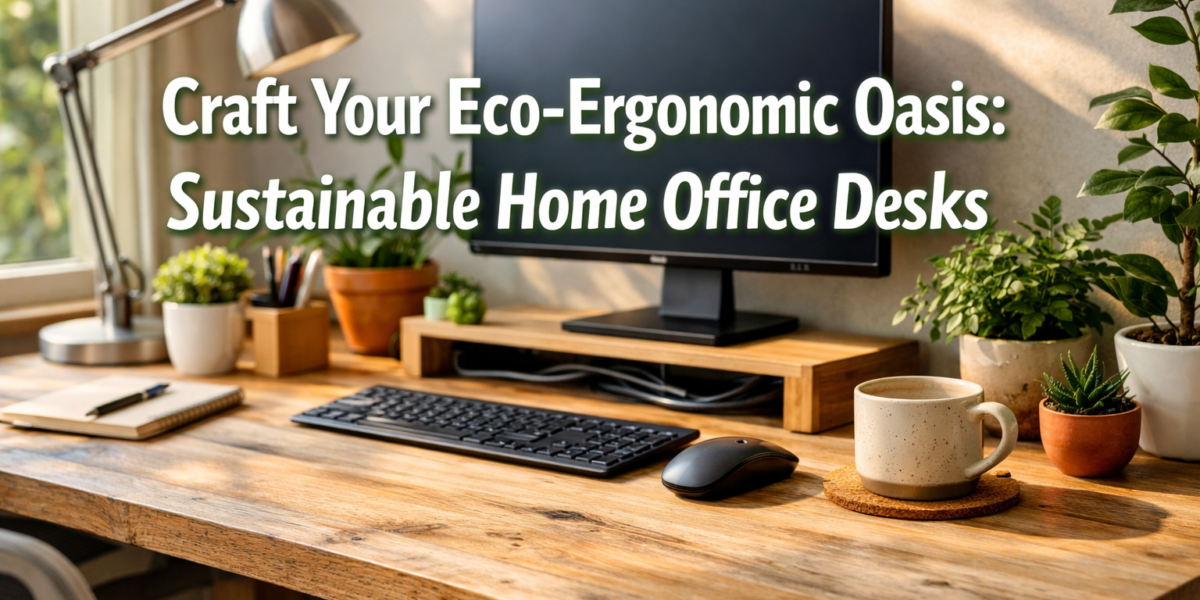

A staggering 87% of office workers desire healthier, more productive workspaces, yet many home offices fall short, becoming cluttered, uncomfortable, and draining. In 2026, merely having a desk isn’t enough; it’s about crafting a mindful environment. This article delves into Building a Sustainable Home Office Desk: Integrating Ergonomics, Cable Management, and Biophilic Design, transforming your workspace into a hub of well-being and efficiency.
Key Takeaways

- Ergonomics are foundational: Prioritize adjustable desk heights, proper monitor positioning, and supportive seating to safeguard your physical health and enhance productivity.
- Smart cable management is crucial: Eliminate visual clutter and potential hazards with integrated solutions like routed channels, cable trays, and custom compartments.
- Biophilic design boosts well-being: Incorporate natural elements like plants, natural light, and organic textures to reduce stress and improve focus.
- Sustainable materials matter: Choose responsibly sourced wood, recycled components, and low-VOC finishes for an eco-friendly and healthier environment.
- Holistic design enhances performance: A well-designed sustainable home office desk supports physical comfort, mental clarity, and environmental responsibility.
The Foundation: Integrating Ergonomics into Your Sustainable Home Office Desk
Ergonomics isn’t just a buzzword; it’s the science of designing and arranging workspaces to fit the user, promoting comfort, efficiency, and safety. For your home office desk, this means considering everything from desk height to monitor placement, all while integrating sustainable practices. When you’re Building a Sustainable Home Office Desk: Integrating Ergonomics, Cable Management, and Biophilic Design, ergonomics is the cornerstone for long-term health.
Why Ergonomics Matters
Poor ergonomics can lead to a host of problems: back pain, neck strain, carpal tunnel syndrome, and eye fatigue. These issues not only reduce productivity but also impact overall quality of life. A properly ergonomic setup supports a neutral posture, minimizing stress on your joints and muscles.
Key Ergonomic Considerations:
Desk Height:
- Adjustable Standing Desks: These are highly recommended as they allow you to alternate between sitting and standing throughout the day, improving circulation and reducing sedentary behavior. Look for models made from recycled metal or sustainably harvested wood.
- Fixed Height Desks: If an adjustable desk isn’t feasible, ensure your desk height allows your elbows to rest at a 90-100 degree angle when your feet are flat on the floor.
- DIY Tip: When building a custom wood workbench for your home office, carefully calculate the optimal working height based on your stature.
Chair Selection:
- Invest in an ergonomic chair with adjustable height, lumbar support, armrests, and recline features. Materials should be durable and, ideally, made from recycled content or natural fibers.
- Pro Tip: Your feet should be flat on the floor or on a footrest, and your knees should be at a 90-degree angle.
Monitor Placement:
- The top of your monitor should be at or slightly below eye level.
- It should be an arm’s length away from you.
- Consider a monitor arm for flexibility, allowing you to easily adjust height and distance. Some monitor arms are designed with recycled aluminum.
Keyboard and Mouse:
- Keep your keyboard and mouse close to your body to avoid reaching.
- Use ergonomic models that support a natural wrist position.
- Wrist rests can be helpful, but ensure they support your palms, not your wrists, to avoid pressure on delicate nerves.
{{IMG_SLOT_1}}

Choosing Sustainable Materials for Ergonomic Desks
When constructing or selecting your desk, material choice is paramount for sustainability.
| Material Type | Sustainability Benefits | Ergonomic Integration |
|---|---|---|
| Reclaimed Wood | Diverts waste from landfills, reduces demand for new timber, unique character. | Can be crafted into custom-sized desktops; naturally warm and appealing. |
| Bamboo | Rapidly renewable, strong, natural aesthetic, requires less water. | Lightweight yet durable for adjustable desks, naturally anti-microbial surface. |
| Recycled Metal | Reduces mining, energy consumption, and carbon footprint. | Ideal for sturdy desk frames, adjustable legs, and monitor arms; offers sleek, modern aesthetics. |
| Low-VOC Finishes | Minimizes indoor air pollution, healthier for you and the environment. | Ensures a safe indoor air quality, preserving the natural beauty of wood without harmful off-gassing. |
| Cork | Renewable, biodegradable, excellent sound dampening, soft surface. | Can be used for desk mats or integrated into surfaces for a softer, more comfortable work area, reducing wrist strain. |
Focusing on these elements from the outset ensures that your home office desk isn’t just functional, but also a healthy and responsible choice.
Taming the Tangle: Effective Cable Management for Your Sustainable Home Office Desk
A cluttered desk isn’t just unsightly; it can be a source of distraction and even a safety hazard. When you’re engaged in Building a Sustainable Home Office Desk: Integrating Ergonomics, Cable Management, and Biophilic Design, smart cable management becomes a design imperative, not an afterthought. A clean setup improves focus and maintains the aesthetic integrity of your sustainable choices.
The Impact of Poor Cable Management
- Visual Clutter: Leads to mental fatigue and reduces perceived professionalism.
- Dust Accumulation: Creates maintenance challenges and can impact equipment longevity.
- Safety Hazard: Tripping hazard, especially with standing desks or frequent movement.
- Impedes Cleaning: Makes it difficult to keep the workspace tidy.
- Poor Airflow: Can lead to overheating of electronic devices.
Sustainable Cable Management Solutions
Integrated cable management involves more than just zip ties; it means designing the desk itself to conceal and organize wires.
Integrated Channels and Grommets:
- Desk Design: Custom-built desks can incorporate routed channels or conduits directly within the desktop or along the underside. This guides cables discreetly to power sources.
- Grommets: Install grommets (holes with protective covers) on the desktop to feed cables from devices to the underside of the desk. Opt for metal or recycled plastic grommets.
- Resource: Explore mastering modern hand-cut joinery to create seamless channels in solid wood desktops.
Cable Trays and Baskets:
- Mount metal or recycled plastic cable trays or baskets underneath the desk. These collect excess cable length and power strips, keeping them off the floor and out of sight.
- Some modern designs feature fabric cable sleeves made from recycled materials, offering a softer aesthetic.
Adhesive Clips and Ties:
- Use reusable Velcro ties or adhesive clips made from bamboo or recycled plastic to secure cables along desk legs or under the desktop. Avoid single-use plastic ties where possible.
Power Strips and Surge Protectors:
- Mount power strips directly to the underside of the desk or within a custom-built enclosure. This centralizes power distribution and reduces the number of cords running to the wall.
- Consider smart power strips that automatically cut power to unused devices, further boosting energy efficiency.
Custom Desk Organizers:
- DIY modular desk organizers can be built from scrap wood to house chargers, small devices, and their cables, keeping the desktop pristine.
{{IMG_SLOT_2}}

Step-by-Step Cable Management Implementation
- Assess Your Needs: List all devices, chargers, and peripherals. Map out where each needs power and data connectivity.
- Centralize Power: Identify a primary power strip location.
- Route Cables: Begin routing cables from each device, feeding them through grommets or along integrated channels.
- Secure and Contain: Use trays, clips, or ties to bundle and secure cables neatly under the desk.
- Test and Refine: Plug everything in, test functionality, and make adjustments for optimal aesthetics and ease of access.
By taking a thoughtful approach to cable management, your sustainable home office desk will not only look cleaner but also contribute to a more organized and stress-free working environment.
Embracing Nature: Biophilic Design for Your Sustainable Home Office Desk
Biophilic design is a concept that increases connectivity to the natural environment within built spaces. It recognizes humanity’s innate attraction to nature and seeks to integrate natural elements, patterns, and processes into modern design. For a home office, this translates into a space that is not only visually appealing but also fosters mental well-being and productivity. This is the final, yet equally vital, piece of the puzzle when Building a Sustainable Home Office Desk: Integrating Ergonomics, Cable Management, and Biophilic Design.
The Benefits of Biophilic Design
Research consistently shows that exposure to nature, even in subtle forms, can:
- Reduce stress and mental fatigue.
- Improve mood and cognitive function.
- Increase creativity and problem-solving abilities.
- Enhance air quality and acoustic comfort.
- Boost overall job satisfaction.
Incorporating Biophilic Elements
Integrating nature into your home office desk design doesn’t mean turning your workspace into a jungle, but rather strategically placing elements that evoke a sense of the natural world.

Direct Connection with Nature:
- Live Plants: The simplest and most effective biophilic element. Choose low-maintenance indoor plants like snake plants, ZZ plants, Pothos, or peace lilies. Their presence can purify air and add vibrant color.
- Natural Light: Position your desk to maximize natural light. If direct sunlight is too harsh, use sheer blinds or curtains. Natural light regulates circadian rhythms, improving sleep and mood.
- Views of Nature: If possible, orient your desk to face a window with a view of trees, a garden, or even the sky. Even a small glimpse of the outdoors can be beneficial.
- Consider: Placing a small wooden birdhouse outside your window can provide engaging visual interest and a connection to wildlife.
Indirect Connection with Nature:
- Natural Materials: Continue the theme of sustainability by using natural materials for your desk and accessories. This includes responsibly sourced wood (reclaimed, FSC-certified), stone, cork, and wool. The texture and grain of wood, for example, have a calming effect. Consider warm minimalism in woodworking for a cohesive aesthetic.
- Colors and Patterns: Incorporate colors found in nature – greens, blues, earthy tones. Use patterns that mimic natural forms, like wood grain, leaf patterns, or subtle organic textures.
- Water Features: A small desktop fountain can provide soothing ambient sounds and increase humidity, especially in dry environments.
- Art and Imagery: Display artwork featuring natural landscapes, forests, oceans, or abstract nature-inspired patterns.
- Airflow and Ventilation: Ensure good air circulation. Open windows when weather permits, or use an air purifier for cleaner indoor air.
{{IMG_SLOT_3}}

Designing Your Biophilic Sustainable Desk
Think about how these elements can be integrated into the desk itself or its immediate surroundings:
- Integrated Planters: A custom-built desk could feature small, integrated planters for succulents or air plants, becoming part of the desk’s structure.
- Natural Wood Finish: Opt for a clear, low-VOC finish on your reclaimed or sustainably sourced wood desk to highlight its natural beauty and tactile qualities.
- Acoustic Panels: Incorporate acoustic panels made from recycled felt or cork to reduce echo and improve sound quality, creating a more peaceful environment.
- Lighting: Beyond natural light, choose full-spectrum LED lighting that mimics natural daylight. Position task lighting to reduce glare and eye strain.
By thoughtfully applying biophilic design principles, your sustainable home office desk transforms into more than just a workstation; it becomes a sanctuary that nurtures focus, creativity, and overall well-being.
Conclusion
Building a Sustainable Home Office Desk: Integrating Ergonomics, Cable Management, and Biophilic Design is a holistic approach that acknowledges the profound connection between our physical environment and our productivity, health, and well-being. In 2026, a truly effective home office isn’t just about functionality; it’s about creating a space that supports a balanced and sustainable lifestyle.
By prioritizing ergonomic design, you safeguard your physical health, preventing the common aches and pains associated with sedentary work. Intelligent cable management reduces clutter, minimizes distractions, and contributes to a calmer, more organized mind. Finally, weaving in elements of biophilic design reconnects you with nature, proven to reduce stress, boost creativity, and enhance overall mood.
Your home office desk is more than just a surface; it’s an investment in your well-being and productivity. Take the actionable steps outlined: research sustainable materials, plan your ergonomic setup, design for integrated cable solutions, and infuse your space with the calming influence of nature. The result will be a home office that not only looks exceptional but also genuinely supports your best work and a healthier life.
Actionable Next Steps:
- Evaluate Your Current Setup: Identify areas where your current desk falls short in ergonomics, cable management, or natural integration.
- Research Sustainable Materials: Explore options like reclaimed wood, bamboo, and recycled metals for your desk and accessories.
- Plan Your Layout: Sketch out your ideal desk arrangement, considering monitor placement, chair position, and where cables will run.
- Introduce Greenery: Purchase one or two low-maintenance plants to immediately bring biophilic elements to your space.
- Start Small: Even implementing one new ergonomic adjustment or cable management solution can make a significant difference.