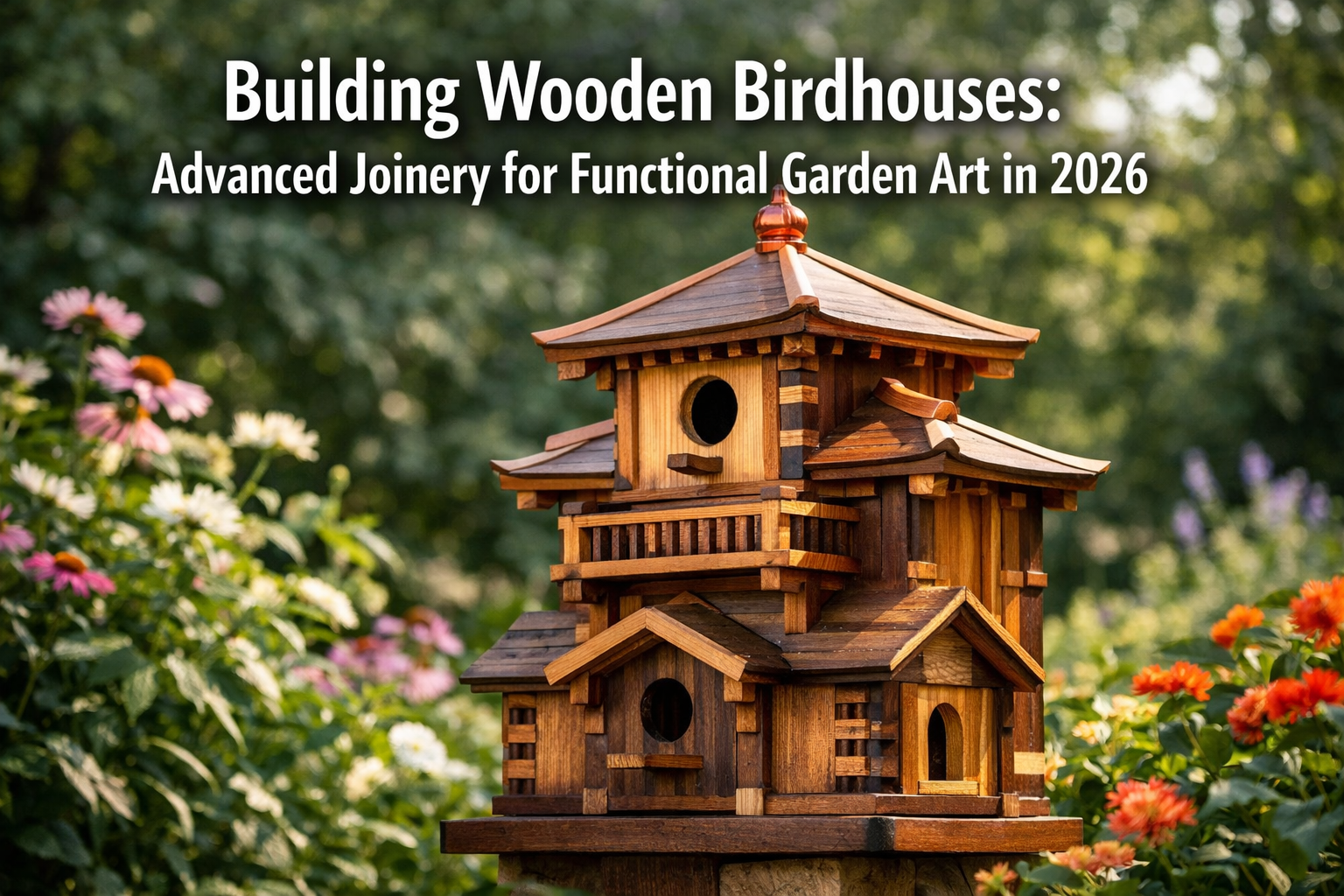

The humble birdhouse transcends its simple function to become a miniature architectural marvel, a sanctuary for feathered friends, and a captivating piece of garden art. For the discerning woodworker in 2026, the challenge lies not just in constructing a shelter, but in elevating it through craftsmanship and sustainable practices. This comprehensive guide delves into Building Wooden Birdhouses: Advanced Joinery for Functional Garden Art in 2026, transforming ordinary scraps into extraordinary avian abodes, from basic mortise-tenon frames to ventilated designs with predator guards, all while maximizing power tool efficiency in small workshops and embracing reclaimed materials for ecological responsibility.
Creating a durable, aesthetically pleasing, and truly functional birdhouse requires more than just nailing pieces of wood together. It demands an understanding of advanced joinery techniques that ensure longevity against the elements, provide structural integrity, and showcase a woodworker’s skill. As garden aesthetics evolve and environmental consciousness grows, birdhouses crafted with thoughtful design and robust construction are becoming increasingly valued additions to outdoor spaces.

Key Takeaways
- Advanced joinery is crucial: Techniques like mortise and tenon, dovetails, and half-laps significantly enhance birdhouse durability and aesthetic appeal.
- Material selection impacts longevity: Cedar, redwood, and cypress are preferred for their natural weather resistance, and reclaimed wood offers a sustainable option.
- Functional design is paramount: Proper ventilation, drainage, predator guards, and easy cleaning access are essential for bird safety and health.
- Power tools optimize efficiency: Utilize tools like table saws, routers, and drill presses for precision and speed, especially when working with smaller components.
- Sustainability is a growing trend: Incorporating reclaimed wood not only reduces waste but also adds unique character to garden art.
The Foundation: Selecting Materials and Basic Design Principles for Birdhouses in 2026
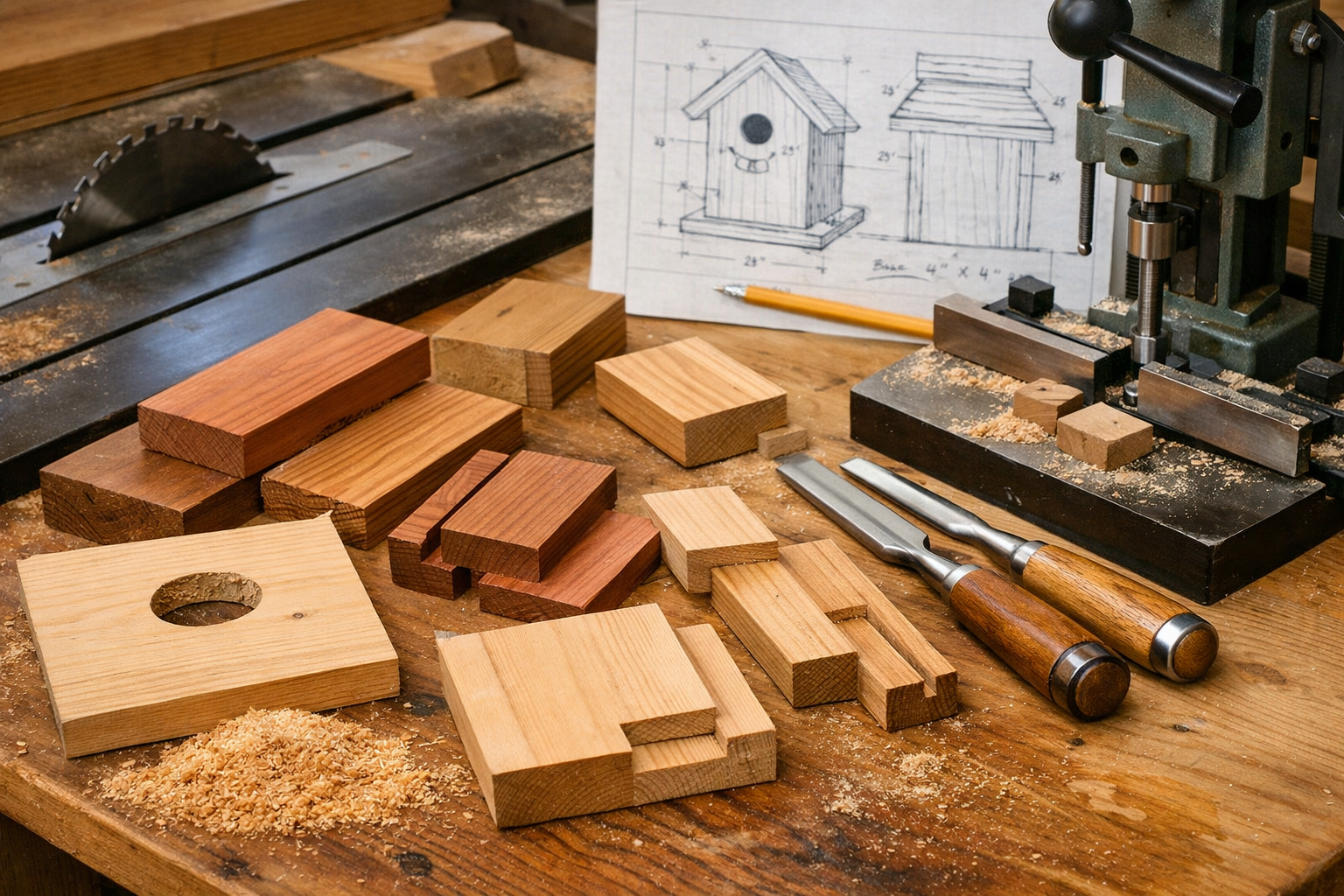
The journey to Building Wooden Birdhouses: Advanced Joinery for Functional Garden Art in 2026 begins with careful material selection and a strong grasp of fundamental design principles. The right wood not only determines the birdhouse’s lifespan but also its aesthetic integration into the garden environment.
Choosing the Right Wood for Longevity and Aesthetics
For outdoor structures like birdhouses, material choice is paramount. The wood must withstand varying weather conditions, from scorching sun to heavy rain and freezing temperatures, without rapidly decaying.
- Cedar: A top choice for its natural resistance to rot, insects, and moisture. Its aromatic qualities are pleasant, and it weathers beautifully to a silvery gray.
- Redwood: Similar to cedar in its durability and insect resistance, redwood is an excellent option, though it can be more expensive. It also weathers gracefully.
- Cypress: Known for its “pecky” character (small pockets from fungal growth), cypress is also highly rot-resistant and a good sustainable choice, especially salvaged cypress.
- Pine/Fir (Pressure-Treated or Treated): While readily available and affordable, untreated pine or fir will rot quickly outdoors. If used, ensure it’s specifically pressure-treated for outdoor use, though some avoid this due to chemicals. Alternatively, a non-toxic, weather-resistant finish is essential.
- Reclaimed Wood: An increasingly popular and sustainable option. Old fence pickets, pallet wood (ensure it’s heat-treated, not chemically), or salvaged lumber can be transformed. This adds unique character and reduces waste. For ideas on utilizing smaller pieces, consider exploring 3 Profitable Scrap Wood Projects That Sell in 2026.
🌳 Sustainability Spotlight: Utilizing reclaimed wood for birdhouses is a fantastic way to practice eco-friendly woodworking. It gives new life to discarded materials and often comes with a built-in weathered aesthetic that can enhance your garden art.
Essential Design Elements for a Functional Birdhouse
Beyond aesthetics, a birdhouse must be a safe, comfortable, and practical home for birds. Several design elements are critical:
- Entrance Hole Size: Crucial for attracting specific bird species and deterring larger predators.
- Wrens: 1 – 1 1/8 inches
- Chickadees: 1 1/8 inches
- Nuthatches: 1 1/4 inches
- Bluebirds: 1 1/2 inches (oval holes often preferred)
- Source: Cornell Lab of Ornithology, 2023
- Internal Dimensions: Provides adequate space for nesting. A typical floor size of 4×4 or 5×5 inches is common, with a height of 8-12 inches depending on the species.
- Ventilation: Small holes or gaps near the top of the side walls or under the roof overhang prevent overheating during hot months. This is vital for nestling survival.
- Drainage: Drill small holes (1/4 inch) in the floor to allow any rainwater that enters to drain out, keeping the nest dry.
- Predator Guard: A thicker piece of wood or a metal plate around the entrance hole can deter squirrels, raccoons, and larger birds from enlarging the hole or reaching into the nest.
- Easy Cleaning Access: A hinged roof, side, or bottom panel is indispensable for annual cleaning, which prevents parasite buildup and prepares the house for new tenants.
- No Perch: Perches beneath the entrance hole are often discouraged as they can assist predators. Birds do not need them; they can cling to the entrance.
Mastering Advanced Joinery Techniques for Birdhouse Construction
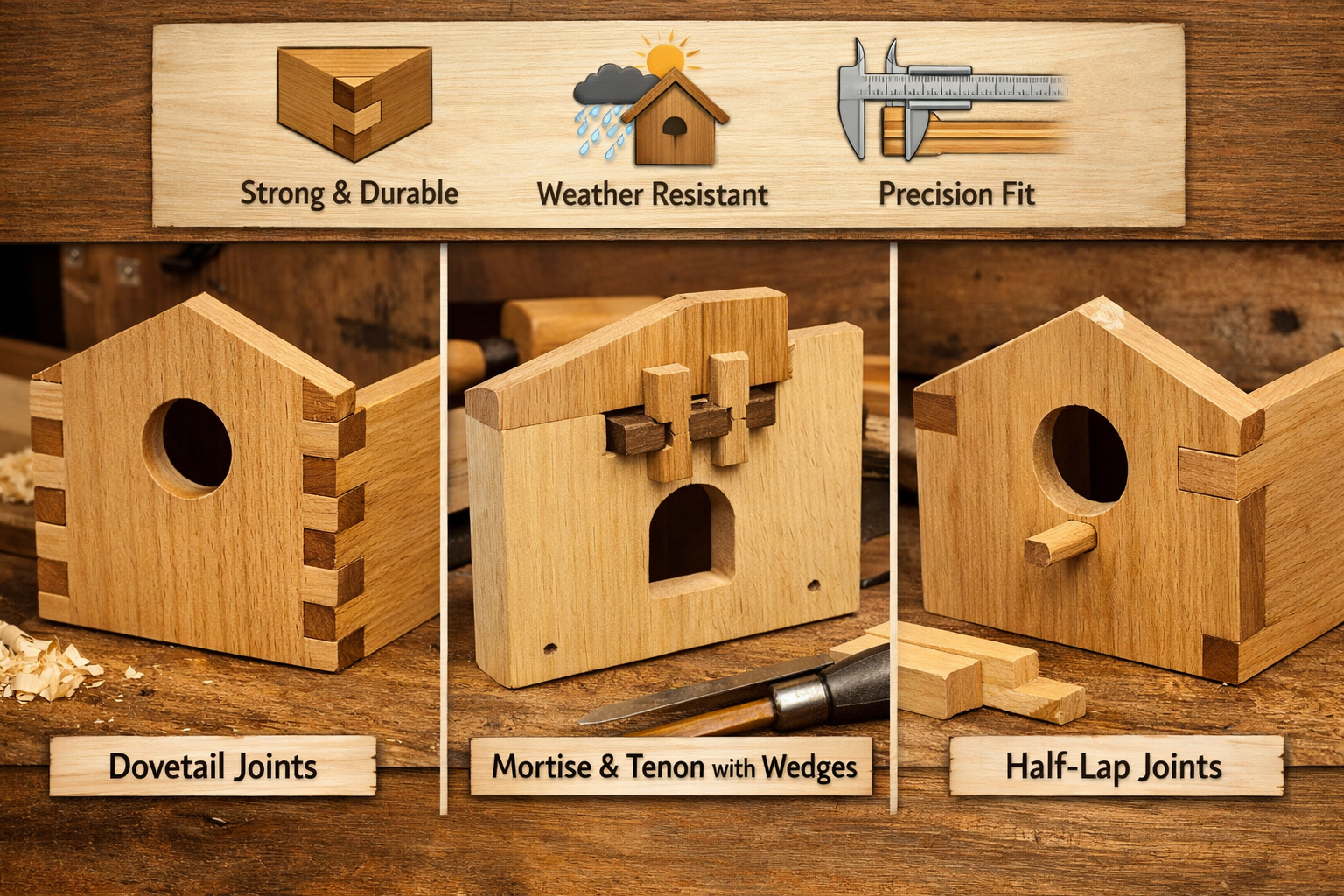
Elevating a birdhouse from a simple box to a piece of functional garden art hinges on the quality of its joinery. Advanced techniques provide superior strength, weather resistance, and a refined appearance that screams craftsmanship. This section focuses on the precision required for Building Wooden Birdhouses: Advanced Joinery for Functional Garden Art in 2026.
Beyond Butt Joints: Mortise and Tenon, Dovetails, and Half-Laps
While screws and glue are sufficient for many projects, advanced joinery minimizes reliance on mechanical fasteners, creating stronger, more resilient structures.
- Mortise and Tenon Joints: This classic woodworking joint is incredibly strong and ideal for connecting rails to stiles, forming durable frames. In birdhouse construction, this can be used for connecting side panels to a base or for creating a sturdy roof frame.
- Advantages: Exceptional strength against racking (twisting), clean appearance.
- Application: Ideal for the main structural frame, like the side walls meeting the base, or where a roof section connects to the walls.
- Execution: Requires precise cutting of a mortise (a hole or slot) in one piece and a tenon (a projecting tongue) on the mating piece. Can be done with a mortising machine, drill press with chisels, or by hand.
- Dovetail Joints: Famous for their interlocking “pins” and “tails,” dovetails offer superb tensile strength and are incredibly decorative. While more complex, a small dovetailed birdhouse side or drawer (if you’re feeling ambitious!) is a testament to skill.
- Advantages: Unmatched mechanical strength against pulling apart, beautiful aesthetic.
- Application: Best for corner joints where maximum strength and visual appeal are desired. Perhaps for a very high-end, artistic birdhouse.
- Execution: Can be cut by hand with chisels and saws, or with a router and dovetail jig for consistency.
- Half-Lap Joints: A simpler but effective interlocking joint where half the thickness of each piece is removed, allowing them to overlap and create a flush surface.
- Advantages: Stronger than a butt joint, provides more glue surface, and is relatively easy to cut.
- Application: Excellent for connecting roof panels, or for creating a strong frame for the birdhouse base or floor.
- Execution: Easily cut with a table saw, dado stack, or router.
| Joint Type | Primary Benefit | Difficulty Level | Best Application for Birdhouses |
|---|---|---|---|
| Butt Joint | Simplicity, speed | Beginner | Basic non-structural connections (requires screws/fasteners) |
| Half-Lap Joint | Good strength, ease of cutting | Intermediate | Roof panels, base frames, internal dividers |
| Mortise & Tenon | Superior racking strength | Advanced | Main structural connections (walls to base, robust roof frame) |
| Dovetail Joint | Maximum tensile strength, aesthetics | Expert | High-end corner joints, decorative elements |
Tools for Precision Joinery in Small Workshops
Even with limited space, a few key power tools can dramatically improve the precision and efficiency of your joinery. When crafting profitable wooden benches with advanced joinery for 2026, the same principles apply.
- Table Saw: Indispensable for accurate rip and crosscuts, and with a dado stack, perfect for cutting tenons and half-laps. When building any kind of wooden furniture, a reliable table saw is a must.
- Router (Table-mounted or Handheld): Excellent for cutting dados, rabbets, and grooves, and with appropriate jigs, can create dovetails or mortises.
- Drill Press: Essential for drilling precise holes for mortises, pilot holes for fasteners, and ventilation/drainage holes.
- Chisels and Mallet: Even with power tools, hand chisels are crucial for refining joints, cleaning out mortises, and achieving a perfect fit.
- Clamps: A variety of clamps (bar clamps, pipe clamps, quick-grip clamps) are vital for holding pieces securely during glue-up and ensuring tight, strong joints.
“The true measure of a woodworker is not in the tools they own, but in the precision of their cuts and the fit of their joints.”
– Traditional Woodworking Proverb
Finishing Touches: Weatherproofing, Mounting, and Aesthetic Integration
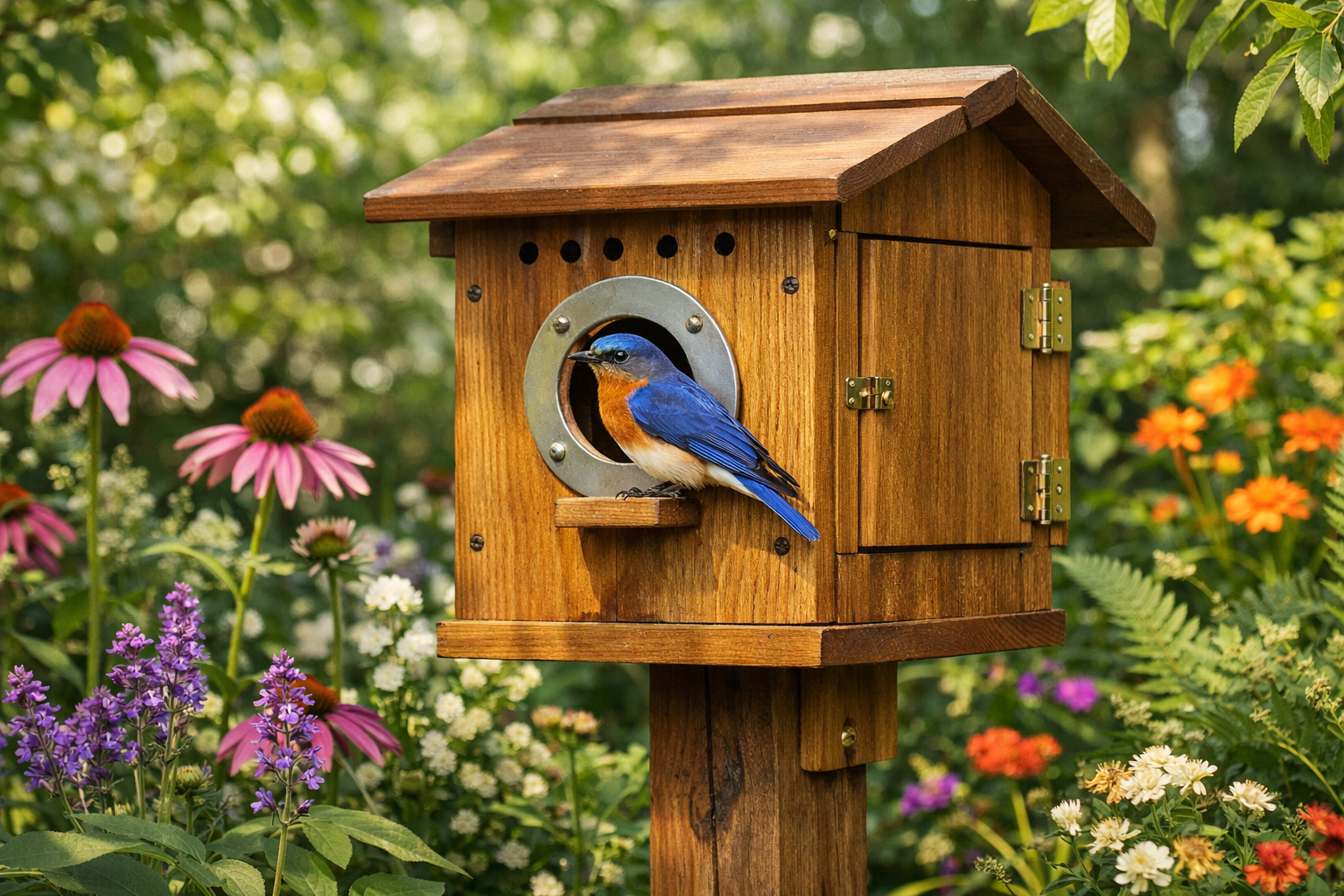
The final stage of Building Wooden Birdhouses: Advanced Joinery for Functional Garden Art in 2026 involves protecting your creation, ensuring its safe installation, and making it a harmonious addition to your garden.
Weatherproofing and Finishes
For a birdhouse to truly last, it must be protected from the elements. However, bird safety is paramount when choosing a finish.
- Natural Oils (Linseed, Tung): These penetrate the wood, offering good protection while allowing the wood to breathe. They are generally considered bird-safe once fully cured.
- Exterior Grade Paint/Stain: If using paint, ensure it’s a non-toxic, water-based exterior paint. Earthy tones or colors that blend with nature are usually preferred. Avoid dark colors that can absorb too much heat.
- Avoid Varnish/Polyurethane Inside: While excellent for exterior protection, these can trap moisture inside the birdhouse and emit fumes that are harmful to birds.
- No Finish Inside: The safest approach for the interior is to leave it unfinished, allowing birds to grip the raw wood to climb in and out.
- Rough Interior Surfaces: For extra grip, leave the inside surfaces rough or score them vertically below the entrance hole.
For more information on wood finishing techniques for outdoor use, you can explore various options that balance durability with safety.
Secure Mounting and Placement Considerations
Proper mounting is essential for the birdhouse’s stability and the birds’ safety.
- Height: Generally 5-15 feet above the ground, depending on the bird species. Higher for bluebirds, lower for wrens.
- Location:
- Shelter: Place the birdhouse in a location that offers some protection from prevailing winds and direct afternoon sun.
- Predator Protection: Mount on a smooth pole with a predator baffle (a cone or stovepipe guard) to prevent climbing animals like squirrels and raccoons. Avoid mounting on trees, as predators can easily access them.
- Clear Approach: Ensure a clear flight path to the entrance hole, free from dense branches.
- Mounting Hardware: Use rust-proof screws or bolts. Consider a mounting plate that allows for easy removal for annual cleaning. Mastering woodworking screws is critical for secure outdoor applications.
Integrating Birdhouses as Functional Garden Art
Beyond being a bird haven, your meticulously crafted birdhouse should enhance your garden’s aesthetic.
- Harmonize with Garden Style: A rustic birdhouse might complement a cottage garden, while a minimalist design could suit a modern landscape.
- Strategic Placement: Position the birdhouse as a focal point, perhaps at the end of a pathway, near a window for viewing, or nestled within a flower bed.
- Companion Planting: Plant bird-friendly shrubs and flowers nearby to provide additional food sources and cover, further integrating the birdhouse into the ecosystem.
- Seasonal Interest: Consider how the birdhouse will look throughout the year – against bare branches in winter, or surrounded by lush foliage in summer.
By carefully considering these elements, your project of Building Wooden Birdhouses: Advanced Joinery for Functional Garden Art in 2026 will result in not just a home for birds, but a cherished piece of outdoor décor that stands the test of time.
Conclusion
Building Wooden Birdhouses: Advanced Joinery for Functional Garden Art in 2026 is a rewarding endeavor that beautifully marries the art of woodworking with the love of nature. By moving beyond basic construction methods and embracing advanced joinery techniques like mortise and tenon, dovetails, and half-laps, woodworkers can create structures that are not only aesthetically superior but also incredibly durable and protective for their avian residents. The thoughtful selection of weather-resistant or reclaimed woods, coupled with critical functional design elements like proper ventilation, drainage, and predator guards, ensures these miniature homes are true sanctuaries.

As we look to 2026 and beyond, the emphasis on sustainable practices and precision craftsmanship continues to grow. Utilizing reclaimed materials and mastering power tools in even small workshop settings empowers creators to produce high-quality, eco-conscious garden art. Your finished birdhouse, a testament to skill and care, will not only invite vibrant birdlife into your garden but will also stand as a cherished, hand-crafted focal point for years to come.
Actionable Next Steps:
- Plan Your Design: Sketch your birdhouse, considering target species, internal dimensions, and cleaning access.
- Source Your Wood: Look for cedar, redwood, or explore local options for reclaimed wood.
- Practice Joinery: If new to advanced joints, practice on scrap pieces before cutting your final materials.
- Invest in Tools: Ensure you have the necessary precision tools, even basic hand tools, for accurate cuts and fits.
- Finish Thoughtfully: Choose bird-safe exterior finishes and always leave the interior unfinished.
- Install Safely: Select a secure, predator-protected location in your garden for optimal bird occupancy.