

The average collectible loses 3-5% of its value annually due to improper storage and display, a silent erosion of passion and investment. For discerning enthusiasts and serious collectors, merely owning a treasure is not enough; safeguarding it against environmental damage while presenting it elegantly is paramount. This necessitates a bespoke solution: Crafting Custom Wooden Display Cases for Collectibles: Protecting and Showcasing Your Treasures with Precision Joinery. These aren’t just boxes; they are carefully engineered environments, designed to preserve the integrity and highlight the beauty of everything from antique timepieces to rare action figures, ensuring their legacy for generations.
Key Takeaways
- Custom wooden display cases offer superior protection against dust, UV light, and humidity, preserving the value and condition of collectibles.
- Precision joinery, such as dovetails and mortise-and-tenon, is crucial for structural integrity and aesthetic appeal, elevating the case’s craftsmanship.
- Material selection, including specific wood species, glass types, and finishes, directly impacts both the protective qualities and the visual presentation of the items.
- Thoughtful design elements like lighting, security features, and climate control can transform a display case into a museum-quality exhibit.
- Whether DIY or professionally commissioned, understanding the principles of woodworking and preservation ensures a successful and lasting solution for treasured items.
The Art and Science of Custom Display Case Design
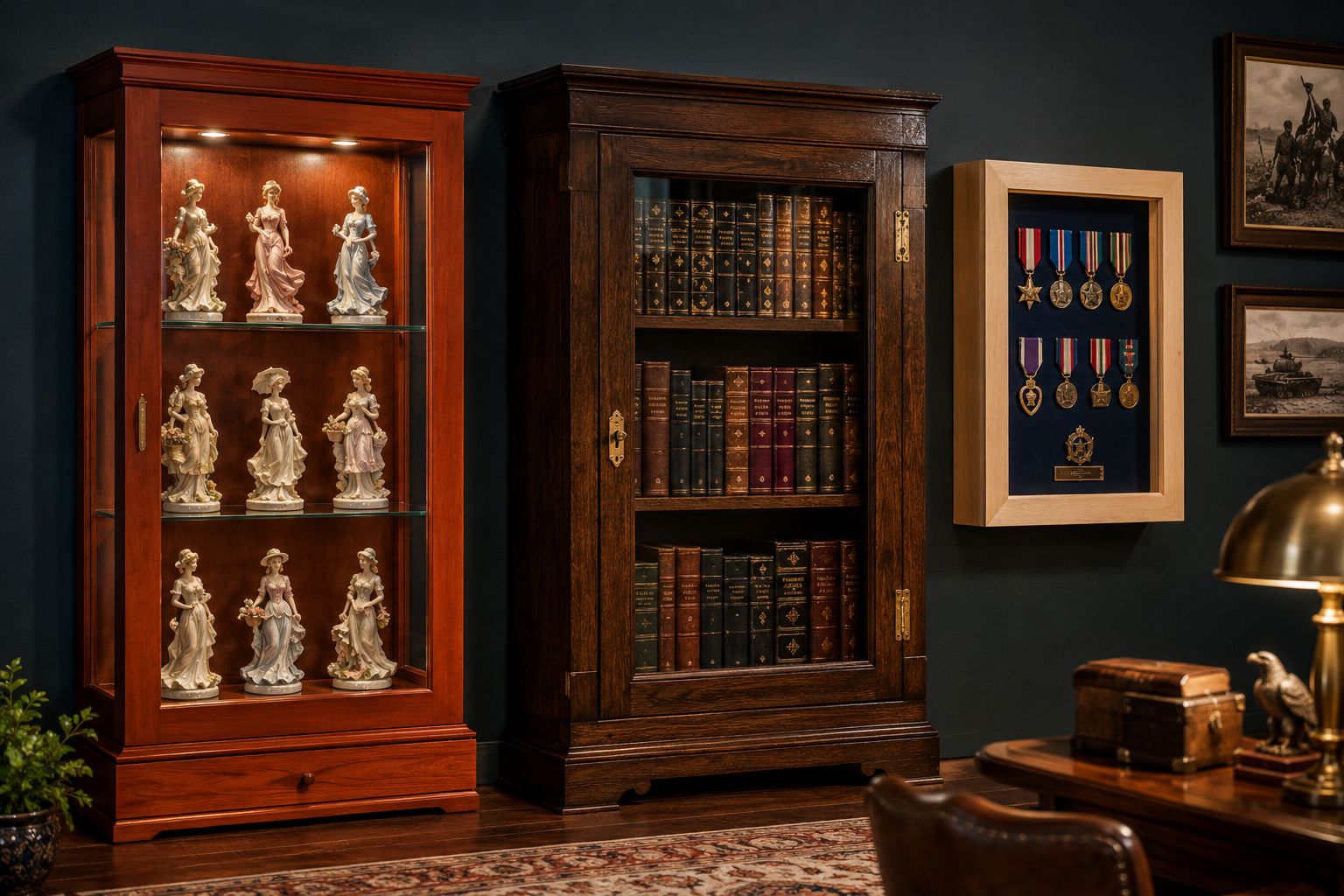
Designing a custom wooden display case is a meticulous process that marries artistic vision with scientific principles of preservation. It begins with a deep understanding of the collectibles themselves: their size, weight, fragility, and environmental sensitivities. A 1/18 scale model car, for instance, requires different considerations than a collection of delicate antique porcelain figurines. The goal is to create a secure, stable, and visually captivating enclosure that complements, rather than detracts from, the items within.
Selecting the Right Wood Species
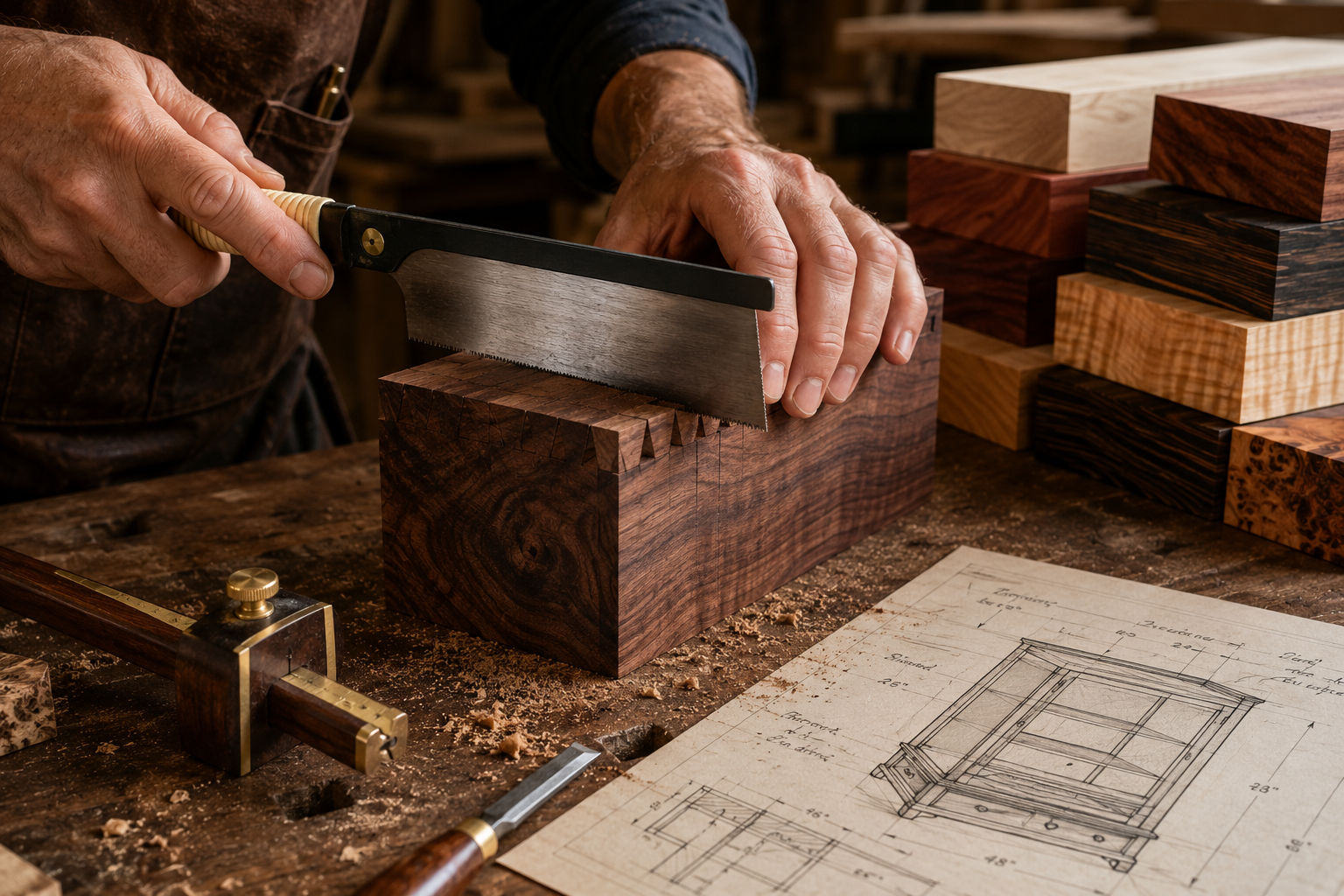
The choice of wood is foundational, influencing durability, aesthetics, and even the internal environment of the case. Hardwoods are generally preferred for their strength, stability, and beautiful grain patterns.
| Wood Species | Characteristics | Best For |
|---|---|---|
| Walnut | Rich, dark brown, excellent workability, stable | High-end collectibles, classic aesthetic |
| Cherry | Warm reddish-brown, ages beautifully, moderate hardness | Figurines, historical items, elegant look |
| Maple | Light color, very hard, fine grain, takes stain well | Modern displays, durable protection |
| Oak | Strong, prominent grain, durable, traditional feel | Larger collectibles, rustic themes |
| Mahogany | Reddish-brown, rot-resistant, stable, luxurious | Marine collectibles, humid environments |
Beyond aesthetics, consider the wood’s acidity. Some woods, particularly certain softwoods, can off-gas volatile organic compounds (VOCs) that may harm sensitive materials over time. For truly archival-grade cases, inert wood or a sealed interior with archival lining is recommended.
Precision Joinery: The Backbone of Durability and Beauty
The integrity of a custom display case hinges on the quality of its joinery. Unlike simple butt joints, precision joinery ensures long-term stability, resists racking, and adds a significant element of craftsmanship.
- Dovetail Joints: Famed for their strength and beauty, dovetails are excellent for corners where shelves or sides meet. They resist pulling apart and provide a classic, elegant look. Mastering these joints can be a rewarding woodworking endeavor. For those looking to refine their skills, “Mastering Dovetail Joints with Hand Tools: A Step-by-Step Guide for Flawless Wood Joinery” https://woodcraftwiz.com/mastering-dovetail-joints-with-hand-tools-a-step-by-step-guide-for-flawless-wood-joinery/ offers invaluable guidance.
- Mortise and Tenon Joints: These are incredibly strong, ideal for framing elements, doors, and creating robust structural connections. A tenon (a projection) fits precisely into a mortise (a cavity).
- Dado and Rabbet Joints: Useful for shelves and back panels, these cuts create strong, interlocking connections that are relatively straightforward to execute with a router or table saw. Precision in these cuts is paramount; even a slight misalignment can compromise the fit and strength. To achieve such precision, tools like a router table are indispensable. “Mastering the Router Table: Beyond Basic Edges for Precision Joinery” https://woodcraftwiz.com/mastering-the-router-table-beyond-basic-edges-for-precision-joinery-and-custom-profiles/ provides expert techniques.
“The beauty of precision joinery lies not just in its strength, but in its ability to elevate a simple box into a piece of fine furniture, worthy of the treasures it holds.”
Integrating Glass and Acrylic
The viewing panel is critical. While often referred to generically as “glass,” there are several types, each with specific benefits:
- Standard Float Glass: Affordable, but offers no UV protection and is prone to glare.
- UV-Filtering Glass: Essential for collectibles susceptible to fading. It blocks a significant portion of harmful UV rays.
- Anti-Reflective Glass: Reduces glare, improving visibility of the displayed items.
- Tempered Glass: Stronger and safer (shatters into small, blunt pieces) but can be costly.
- Acrylic (Plexiglass): Lighter, shatter-resistant, and can offer UV protection. However, it scratches more easily than glass and can attract dust due to static.
The method of securing these panels is also crucial. A routed dado with silicone or rubber gaskets offers a secure, moisture-resistant, and vibration-dampening fit, protecting both the glass and the contents.
Crafting Custom Wooden Display Cases for Collectibles: Construction and Features
The actual construction phase of Crafting Custom Wooden Display Cases for Collectibles: Protecting and Showcasing Your Treasures with Precision Joinery involves careful execution of the design, paying close attention to detail and functionality.
Secure Closures and Hinges
Doors or removable panels require robust hardware. Hinges should be chosen for their strength, smooth operation, and aesthetic compatibility. Barrel hinges offer a clean look, while continuous piano hinges provide maximum support for larger doors. Catches and locks are equally important for security. Magnetic catches offer convenience, while cam locks or traditional brass locks provide enhanced protection against theft or unauthorized access.
Environmental Control and Protection
Beyond physical security, a custom display case must address environmental factors:
- Dust Protection: Precision-fit joints and sealed doors are the first line of defense. Consider adding felt or weather stripping around door perimeters for an airtight seal.
- UV Protection: As discussed, UV-filtering glass is paramount. Position cases away from direct sunlight.
- Humidity Control: For highly sensitive items (e.g., musical instruments, antique documents), integrating passive or active humidity control systems might be necessary. Small silica gel packets or even miniature electronic humidifiers can be discreetly hidden within the case.
- Vibration Dampening: If the case is in a high-traffic area, consider rubber feet or a padded base to absorb vibrations.
Internal Layout and Display Elements
The interior of the case should be as thoughtfully designed as its exterior.
- Shelving: Adjustable shelves offer versatility for changing collections. Consider glass shelves to maximize light penetration, or solid wood shelves for heavier items and a more traditional look.
- Lining: Felt, velvet, or archival foam can protect items from scratches and provide a contrasting backdrop. Ensure any lining material is acid-free and colorfast.
- Lighting: Integrated LED lighting can dramatically enhance the presentation. Choose warm, low-heat LEDs to avoid damaging sensitive items. Consider concealed strip lighting, spotlights, or even fiber optics. “DIY Smart Home Integration with Custom Wooden Enclosures: Concealing” https://woodcraftwiz.com/diy-smart-home-integration-with-custom-wooden-enclosures-concealing-tech-for-a-seamless-aesthetic/ might offer inspiration for discreet integration.
- Mounting: For items that need to be secured, consider invisible mounting methods like clear acrylic stands, tension wires, or custom-fitted depressions.
Finishing Touches and Maintenance for Your Custom Display Case
The finishing process is where the raw wood transforms into a polished heirloom, while ongoing maintenance ensures its longevity.
The Art of Finishing
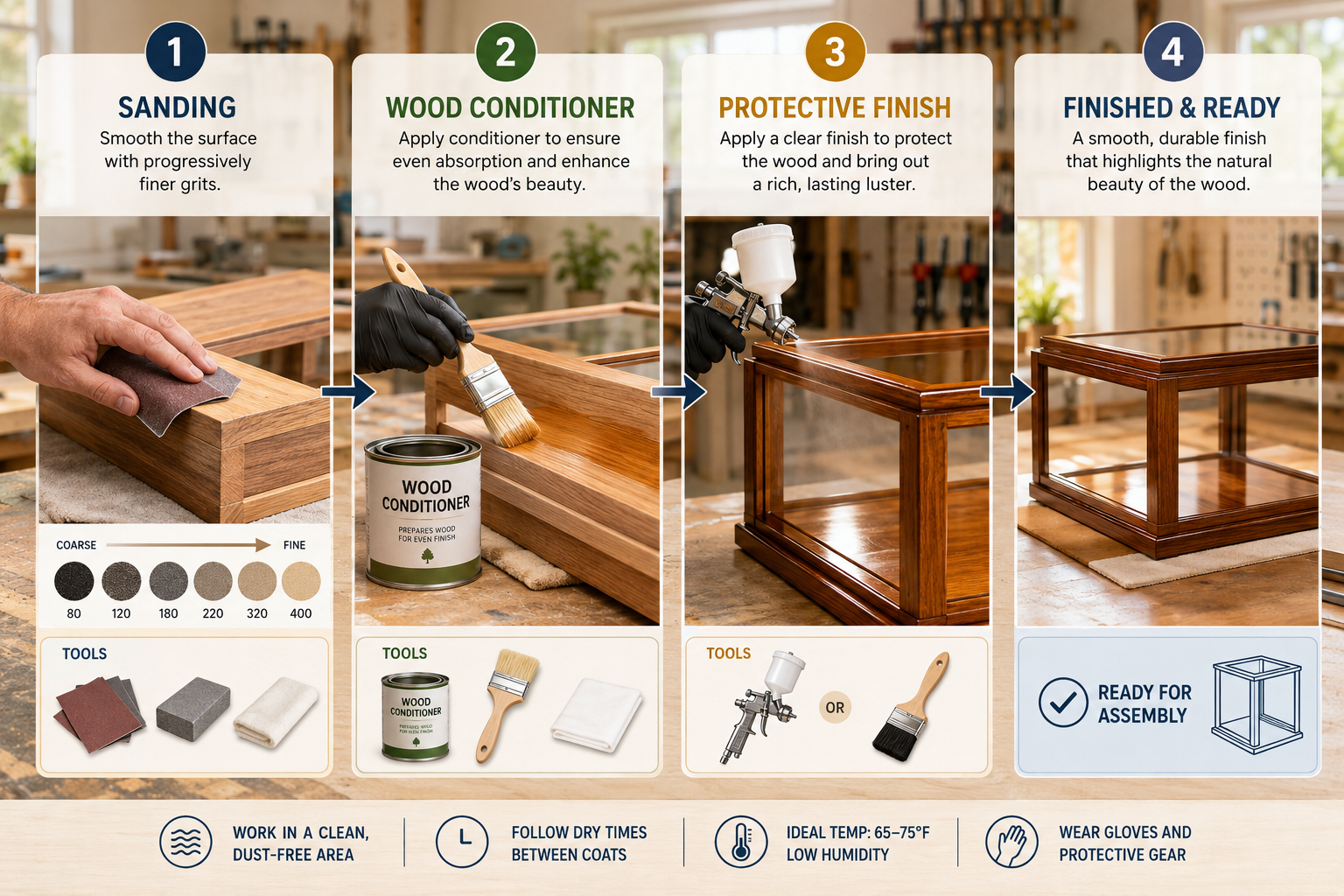
A high-quality finish protects the wood, enhances its natural beauty, and seals it from environmental moisture.
- Sanding: This is perhaps the most critical step. Progress through various grits (from 100-120 up to 220-320) until the wood feels silky smooth. Any imperfections will be magnified by the finish.
- Staining: If desired, a wood stain can alter the color and highlight the grain. Test stains on scrap pieces of the same wood before applying to the entire case.
- Sealing: A wood sealer prepares the surface for the topcoat, preventing blotchiness and ensuring even absorption.
- Topcoats:
- Polyurethane: Durable, water-resistant, and available in various sheens. It provides excellent protection.
- Lacquer: Dries quickly, offers a hard, clear finish, often favored for its smooth feel and deep luster.
- Oil Finishes (e.g., Danish Oil, Tung Oil): Penetrate the wood, offering a more natural, hand-rubbed look. They provide less surface protection but are easy to repair. “Danish Oil vs Linseed: The Ultimate Wood Finishing Guide” https://woodcraftwiz.com/danish-oil-vs-linseed-the-ultimate-wood-finishing-guide/ delves deeper into these options.
- Shellac: A traditional finish that provides a beautiful, natural warmth, but is less resistant to water and alcohol than modern finishes.
Apply multiple thin coats, sanding lightly between coats with very fine sandpaper (e.g., 400-600 grit) for a truly professional result. Ensure proper ventilation during this process.
Maintenance and Longevity
Even the most meticulously crafted display case requires regular care in 2026.
- Cleaning: Dust the exterior regularly with a soft cloth. For glass, use a streak-free glass cleaner. For the wood, a damp cloth followed by a dry one is usually sufficient; avoid harsh chemical cleaners.
- Polishing: Periodically, use a high-quality furniture polish (compatible with your chosen finish) to restore luster and add a layer of protection.
- Environmental Monitoring: Regularly check for signs of humidity fluctuations (e.g., warped wood, condensation) or pest activity.
- Inspecting Joinery: Over time, wood can expand and contract. Periodically inspect joints for any signs of loosening. Minor issues can often be addressed with specialized wood glues, as detailed in “The Ultimate Guide to Wood Glue: Choosing the Right Adhesive for” https://woodcraftwiz.com/the-ultimate-guide-to-wood-glue-choosing-the-right-adhesive-for-every-project-joint-and-environmental-condition/.
When to DIY vs. Professional Commission
The decision to build your own case or commission a professional hinges on several factors:
- Skill Level: Are you confident in executing precision joinery and achieving a flawless finish?
- Time Commitment: Custom woodworking is time-intensive.
- Tool Access: Do you have access to the necessary saws, routers, clamps, and finishing equipment?
- Value of Collectibles: For extremely valuable or fragile items, the investment in a professional, museum-quality case may be justified.
For those venturing into DIY, consider starting with smaller, less complex projects to hone your skills before tackling a grand display case. Projects like “Building Custom Wooden Key Holders: Wall-Mounted Designs wit” https://woodcraftwizwiz.com/building-custom-wooden-key-holders-wall-mounted-designs-with-hidden-compartments/ or “Crafting Wooden Candle Holders: From Tealight Clusters to Sc” https://woodcraftwiz.com/crafting-wooden-candle-holders-from-tealight-clusters-to-sculptural-pillar-stands/ can build foundational woodworking proficiency.
Conclusion
Crafting Custom Wooden Display Cases for Collectibles: Protecting and Showcasing Your Treasures with Precision Joinery is more than a woodworking project; it’s an act of dedication to preserving and celebrating cherished possessions. By carefully selecting materials, mastering precision joinery, incorporating thoughtful protective features, and applying a meticulous finish, you create an enduring sanctuary for your collectibles. Whether you embark on this journey yourself or engage a skilled artisan, the result is a piece of functional art that not only safeguards your treasures but also elevates their presentation, ensuring their story continues to be told for years to come. Begin by assessing your collection’s specific needs, researching suitable wood species and joinery techniques, and planning every detail to perfection. Your collectibles deserve nothing less than a custom home built with precision and passion.
SEO Meta Title: Custom Wooden Display Cases: Protect & Showcase Collectibles
SEO Meta Description: Craft bespoke wooden display cases for your collectibles in 2026. Learn precision joinery, material selection, and finishing to protect and showcase treasures.