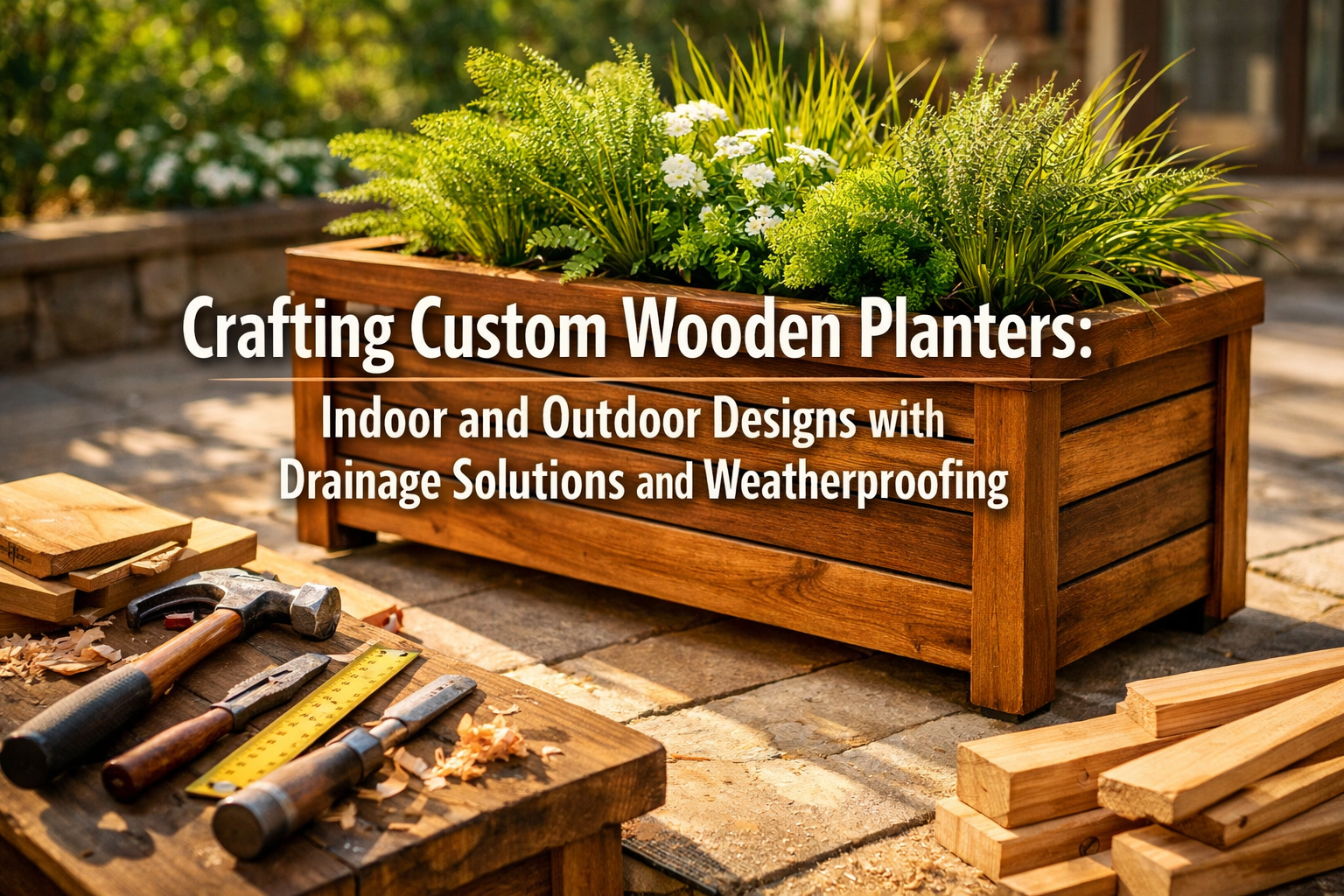

Elevate your plant display with handcrafted wooden planters. This guide provides detailed instructions for building various indoor and outdoor designs, incorporating proper drainage and weatherproofing techniques for lasting beauty. There’s a unique satisfaction in creating functional art for your home and garden, especially when it caters precisely to your aesthetic and horticultural needs. This comprehensive article delves into the essentials of Crafting Custom Wooden Planters: Indoor and Outdoor Designs with Drainage Solutions and Weatherproofing, ensuring your creations are not only beautiful but also built to last.
Wooden planters offer a timeless appeal that can complement any décor, from rustic farmhouses to sleek modern apartments. Beyond their aesthetic value, custom planters allow for precise control over size, shape, and features, providing optimal growing conditions for a wide array of plants. By understanding fundamental woodworking techniques, proper drainage, and effective weatherproofing, you can build stunning and durable planters that will thrive for years.
Key Takeaways
- Wood Selection is Crucial: Choose rot-resistant woods like cedar or redwood for outdoor planters, and consider aesthetics for indoor designs.
- Drainage is Non-Negotiable: Implement effective drainage holes and layering systems to prevent root rot, a common issue in planters.
- Weatherproofing Ensures Longevity: Apply appropriate finishes, especially for outdoor planters, to protect against moisture, UV rays, and pests.
- Design for Function and Form: Consider plant size, location, and aesthetic preferences when planning your custom planter.
- Indoor vs. Outdoor Needs: Indoor planters require drip trays and potentially a liner, while outdoor planters demand robust construction and weather resistance.
Essential Considerations for Crafting Custom Wooden Planters: Design and Drainage
When embarking on the journey of crafting custom wooden planters, the initial design phase is paramount. This isn’t merely about aesthetics; it’s about engineering a healthy environment for your plants. The design must accommodate the plant’s root system, allow for proper watering, and facilitate effective drainage. Without meticulous attention to these details, even the most beautiful planter will fail its primary purpose.
Choosing the Right Wood for Your Planter
The type of wood selected significantly impacts the planter’s longevity and appearance. For outdoor planters, durability and resistance to rot are key.
- Cedar: A popular choice for outdoor use due to its natural resistance to rot, insects, and moisture. It’s relatively lightweight and weathers gracefully to a silvery-grey.
- Redwood: Similar to cedar in its rot-resistant properties and beautiful color. It’s often more expensive but offers exceptional longevity.
- Treated Lumber: Pressure-treated lumber is an economical option for outdoor use, as it’s chemically treated to resist rot and insects. However, ensure it’s rated for “ground contact” if the planter will sit directly on soil, and consider lining it with a pond liner or thick plastic sheeting to prevent direct contact between the soil/roots and the chemicals.
- Hardwoods (Oak, Teak): While highly durable and beautiful, they are often more expensive and heavier. Teak is exceptional for outdoor use due to its high oil content.
- Pine/Fir: More affordable options, but less rot-resistant. These require thorough weatherproofing, especially for outdoor use. For indoor planters, pine or fir can be excellent choices as they are less exposed to harsh elements.
For those interested in sustainable practices, sourcing reclaimed and salvaged wood can provide unique character and eco-friendly material.
Designing for Optimal Drainage
Proper drainage is perhaps the most critical aspect of planter design. Without it, roots can sit in stagnant water, leading to root rot and plant death.
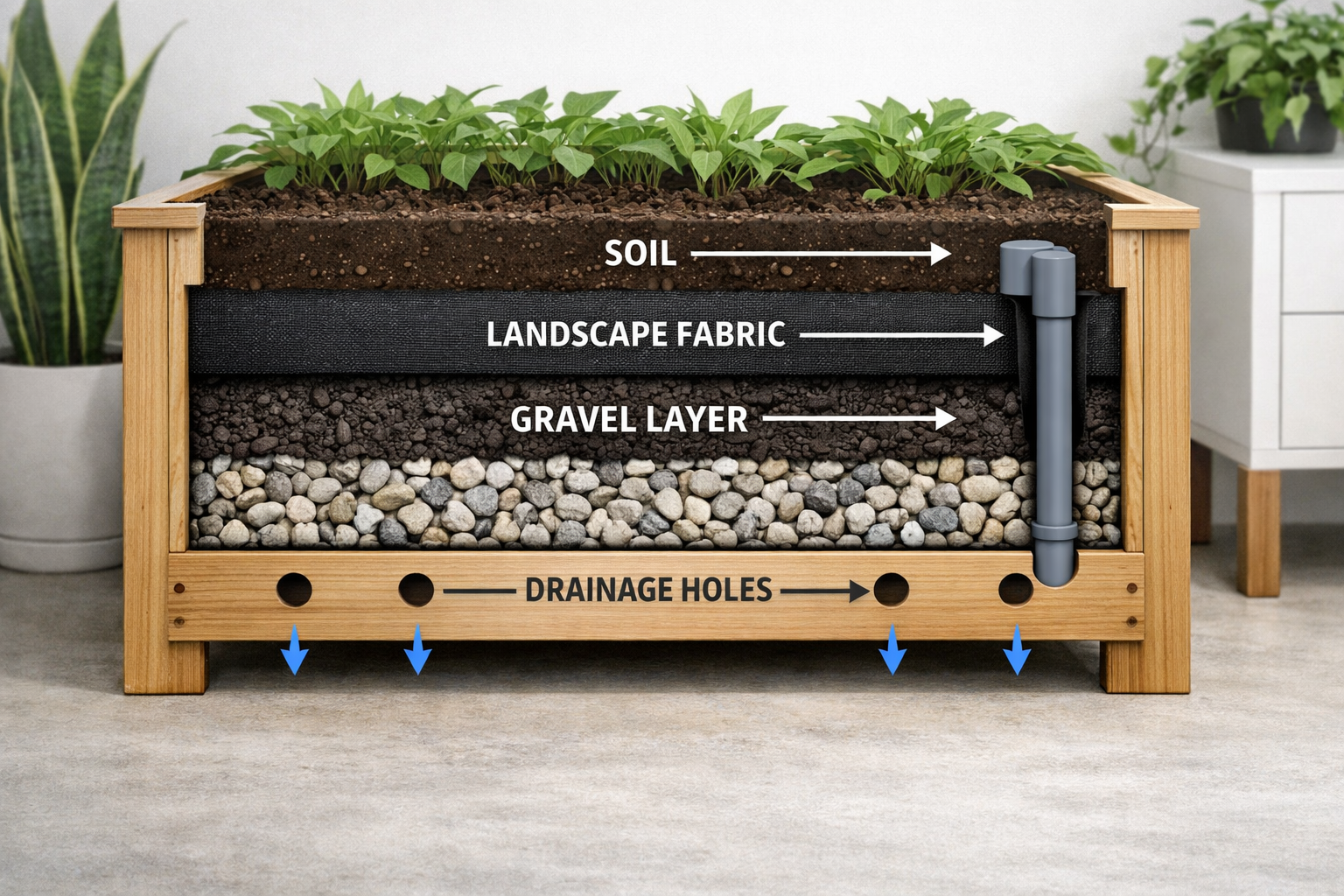
- Drainage Holes: Every planter, whether indoor or outdoor, must have drainage holes at the bottom. The number and size of holes depend on the planter’s dimensions. For a typical planter, several 1/2-inch to 1-inch holes are usually sufficient. For larger planters, consider more holes or even slotted openings.
- Drainage Layer: This is a traditional method, though its effectiveness is sometimes debated. A layer of gravel, broken pottery, or bark chips at the bottom of the planter, beneath the soil, can help prevent soil from compacting and blocking drainage holes. However, some horticulturalists argue this layer can create a “perched water table” where water accumulates just above the drainage layer.
- Landscape Fabric: Placing a layer of landscape fabric (weed barrier) over the drainage holes and gravel layer (if used) prevents soil from washing out while still allowing water to pass through.
- Elevated Bottom/Feet: For outdoor planters, adding small feet or an elevated base helps prevent the wood from sitting directly on wet ground, further promoting drainage and air circulation, and extending the planter’s life. This is also beneficial for indoor planters to protect surfaces from moisture.
💡 Pro Tip: When designing large planters, consider incorporating an internal liner (like a thick pond liner or heavy-duty plastic sheeting) to protect the wood from constant moisture, especially with less rot-resistant wood types. Punch drainage holes through the liner that align with the planter’s holes.
Construction Techniques for Durability
The construction method directly impacts the planter’s structural integrity. Using appropriate joinery and fasteners ensures a robust build.
- Joints: Simple butt joints reinforced with screws and waterproof wood glue are common. For a stronger, more aesthetically pleasing finish, consider dado joints, rabbet joints, or even finger joints, especially for larger, more permanent structures.
- Fasteners: Use exterior-grade screws (stainless steel or galvanized) that resist rust and corrosion, especially for outdoor planters. Predrill pilot holes to prevent wood splitting.
- Reinforcement: Corner braces, internal cleats, or thicker lumber can be used for added strength, particularly for large planters holding a significant volume of soil.
Weatherproofing and Finishing: Protecting Your Investment
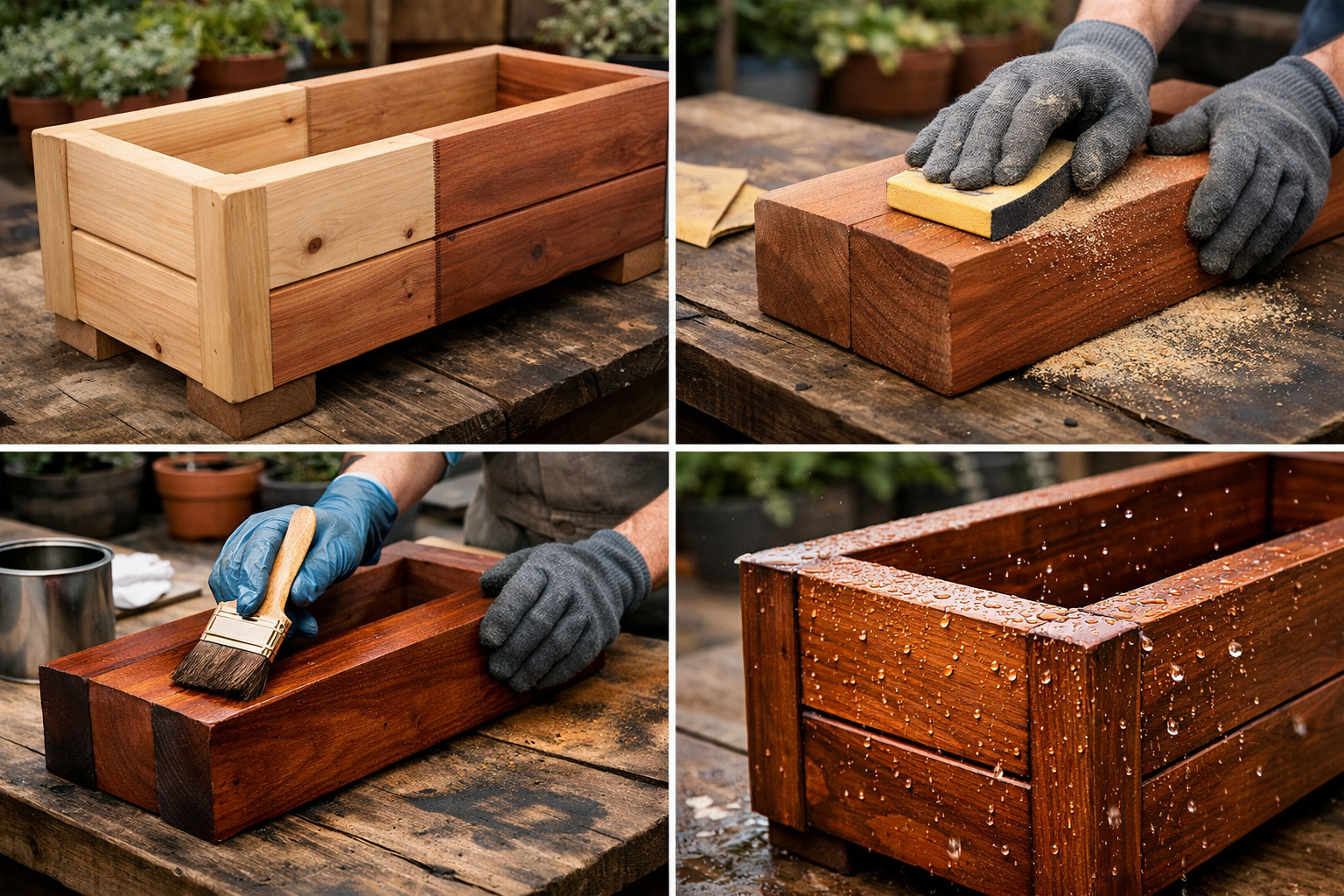
Once the planter is constructed, the next critical step is to protect it from the elements. This is especially true for outdoor planters, which endure constant exposure to moisture, UV radiation, and temperature fluctuations. Proper weatherproofing enhances durability and maintains the planter’s aesthetic appeal for years to come.
Essential Weatherproofing Techniques for Outdoor Planters
Outdoor wooden planters face harsh conditions. Protecting the wood is paramount to prevent rot, warping, and discoloration.
- Sealers and Stains: These penetrate the wood to provide water repellency and UV protection. Many outdoor stains include fungicidal properties to resist mold and mildew.
- Penetrating Oils: Such as tung oil or linseed oil (often combined with other ingredients in commercial products), offer good protection and a natural finish. They need reapplication every 1-2 years.
- Oil-Based Stains: Provide rich color and good protection. They often contain UV inhibitors.
- Water-Based Stains/Sealants: Environmentally friendlier and easier cleanup, with good durability for many applications.
- Waterproofing Membranes/Liners: For extra protection, especially with non-rot-resistant woods, consider a waterproof liner.
- Pond Liner: A thick, flexible, and durable material that creates a barrier between the soil and the wood. Ensure drainage holes are cut into the liner at the bottom, corresponding with the planter’s drainage.
- Heavy-Duty Plastic Sheeting: A more affordable alternative to pond liner, though it may not last as long.
- Elevated Placement: As mentioned, raising the planter off the ground with feet or a base prevents moisture wicking from the soil, a major contributor to bottom rot.
- Interior Protection: Even with a liner, painting or sealing the interior of the planter (especially the bottom and lower sides) with a non-toxic, waterproof sealant can add an extra layer of defense against moisture.
For a deeper dive into wood finishing, including comparisons like Danish oil vs. linseed oil, exploring various options can help you make an informed decision.
Finishing for Indoor Planters
Indoor planters face fewer environmental stressors but still benefit from a protective finish, mainly to prevent water damage from spills or condensation and to enhance aesthetics.
- Non-Toxic Sealants: For indoor use, a clear polyurethane, varnish, or lacquer can provide a durable, water-resistant finish. Ensure the product is rated for indoor use and consider low-VOC options.
- Paint: Painting an indoor planter allows for endless customization to match your interior décor. Use a primer first, especially on porous woods like pine, and then apply a high-quality interior paint, ideally with a semi-gloss or gloss finish for easier cleaning and moisture resistance.
- Drip Trays: Crucial for indoor planters. A well-designed custom wooden planter might even integrate a hidden drip tray or a recessed area for a standard plastic one.
🎨 Pull Quote: “A beautifully finished wooden planter isn’t just about aesthetics; it’s a testament to thoughtful craftsmanship and a commitment to nurturing life.”
Maintenance for Longevity
Even with the best weatherproofing, regular maintenance extends the life of your wooden planters.
- Regular Cleaning: Remove dirt, leaves, and debris to prevent moisture buildup and pest infestations.
- Inspect for Damage: Periodically check for cracks, rot, or signs of insect damage. Address any issues promptly.
- Reapply Finish: Depending on the product and exposure, outdoor finishes may need reapplication every 1-3 years. Indoor finishes generally last longer but should be touched up if they show signs of wear.
When you’re building other outdoor wooden items like Adirondack chairs, similar weatherproofing principles apply, ensuring all your outdoor wood projects last.
Custom Designs for Indoor and Outdoor Spaces in 2026
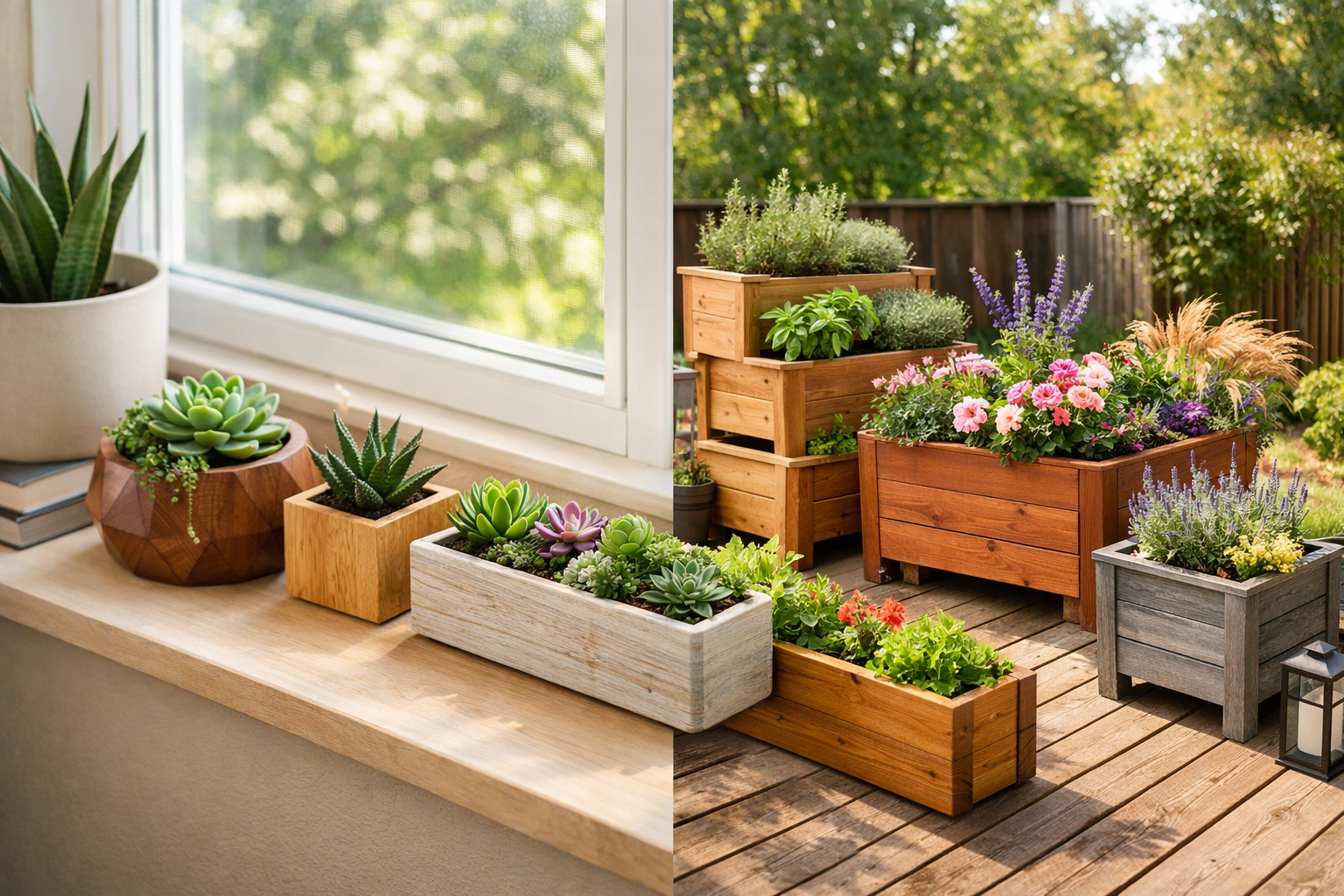
The beauty of Crafting Custom Wooden Planters: Indoor and Outdoor Designs with Drainage Solutions and Weatherproofing lies in the endless possibilities for personalization. From sleek, minimalist cubes for a modern apartment to multi-tiered herb gardens for a sprawling backyard, the design can be tailored to perfectly fit its intended space and purpose in 2026.
Indoor Planter Designs
Indoor planters often prioritize aesthetics and integrate seamlessly with interior design.

- Window Box Planters: Perfect for herbs or small flowering plants, adding a touch of greenery to kitchen or living room windows. Consider designs that can sit on the sill or be mounted with discrete brackets.
- Tall, Slim Planters: Ideal for creating a focal point with taller plants like snake plants or fiddle-leaf figs without taking up too much floor space.
- Modular Planters: Design individual wooden boxes that can be arranged in various configurations, allowing for flexibility and future expansion.
- Built-in Planters: For a truly custom look, consider integrating a planter directly into a bookshelf, console table, or even a room divider. This requires careful planning for water containment and access for plant care.
- Hanging Planters: While often smaller, a series of custom wooden hanging planters can create a stunning vertical garden effect, especially with trailing plants.
For smaller indoor plant displays, you might even explore DIY wooden plant stands to complement your custom planters, adding varying heights and visual interest.
Outdoor Planter Designs
Outdoor planters can be more robust and offer greater scope for scale and complexity.
- Raised Garden Beds: Essentially large, open-bottom planters that provide excellent drainage and improved soil conditions. These are ideal for vegetables, herbs, and larger flowering plants.
- Tiered Planters: Create visual interest and maximize planting space with planters stacked in multiple levels. This is excellent for succulents, strawberries, or a cascading flower display.
- Privacy Screen Planters: Combine the function of a planter with a vertical trellis or screen to create a living privacy barrier on a patio or deck.
- Window Boxes (Exterior): Classic and charming, these add curb appeal to any home. Ensure they are securely mounted and properly weatherproofed.
- Large Container Gardens: Design substantial wooden boxes to hold small trees, shrubs, or a mixed display of seasonal annuals and perennials. These can anchor a patio space or define an entryway.
- Mobile Planters: Incorporate heavy-duty casters onto the bottom of large planters to allow for easy repositioning, especially useful for plants that need varying sun exposure or to reconfigure outdoor living spaces.
Sizing Your Planter
Consider the mature size of the plant you intend to grow. A plant in too small a planter will become root-bound, while one in too large a planter might struggle with excess moisture.
| Plant Type | Minimum Planter Depth (inches) | Minimum Planter Width/Diameter (inches) | Ideal Location |
|---|---|---|---|
| Herbs (Small) | 6-8 | 6-8 | Indoor/Outdoor |
| Succulents/Cacti | 4-6 | 4-10 (depending on spread) | Indoor/Outdoor |
| Annual Flowers | 8-12 | 10-18 | Outdoor |
| Small Vegetables | 10-15 | 12-24 | Outdoor |
| Shrubs/Small Trees | 18-36 | 18-36 | Outdoor (Large) |
| Houseplants | 8-16 | 8-20 (depending on plant size) | Indoor |
When considering the overall design and construction, exploring principles of warm minimalism in woodworking can inspire elegant and functional forms for your planters.
Conclusion
Crafting Custom Wooden Planters: Indoor and Outdoor Designs with Drainage Solutions and Weatherproofing is a rewarding woodworking endeavor that combines practical utility with aesthetic appeal. By carefully selecting the right wood, implementing robust drainage solutions, and applying diligent weatherproofing, you can create planters that not only enhance your living spaces but also provide optimal growing environments for your beloved plants. Remember that attention to detail in construction and finishing will ensure your custom creations endure for many seasons to come.
Whether you’re looking to add a touch of green to your urban balcony or cultivate a thriving herb garden in your backyard, the principles outlined in this guide empower you to build beautiful, functional, and long-lasting wooden planters. Start with a clear design, choose quality materials, and take pride in the craftsmanship that brings your plant displays to life in 2026.