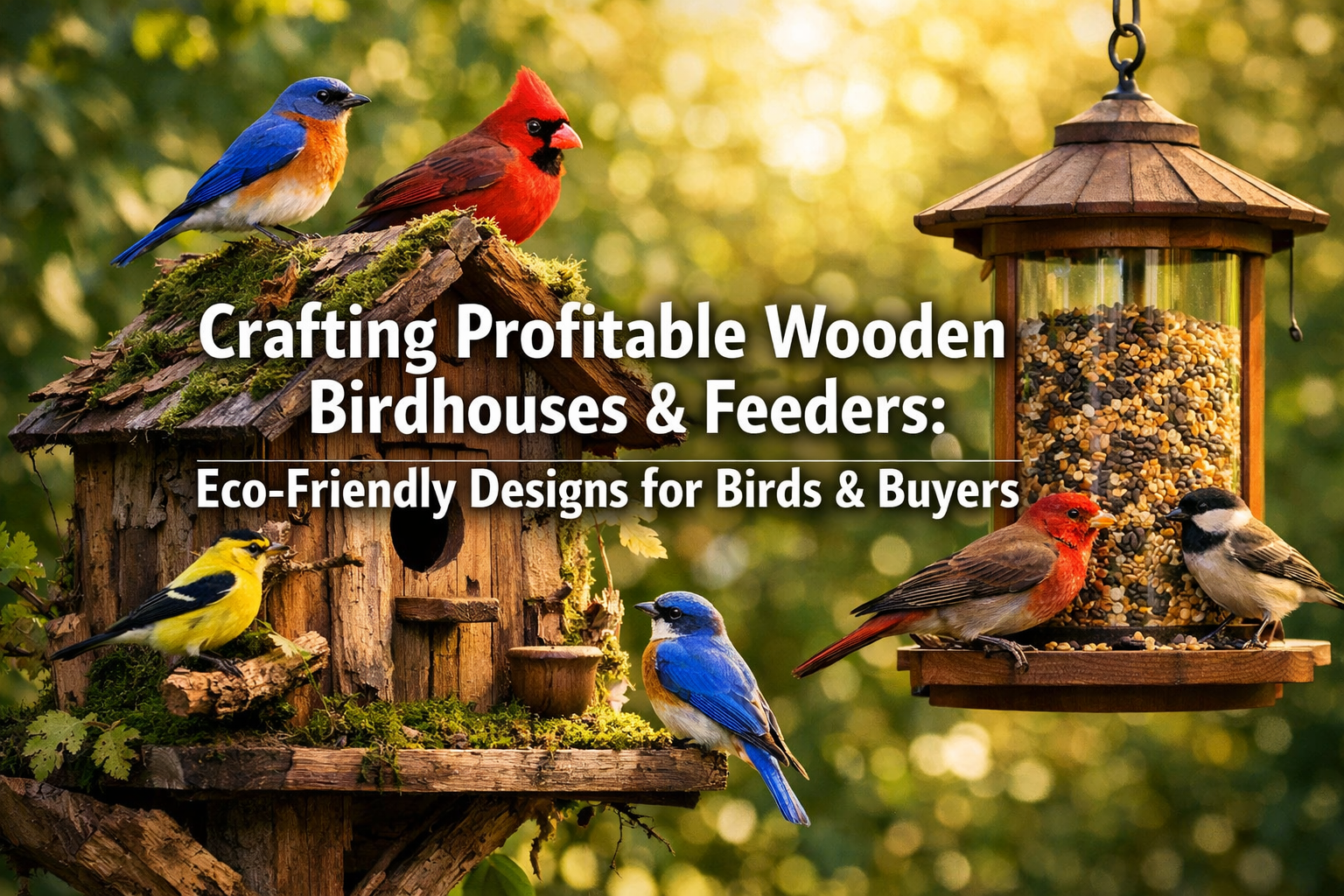

Imagine a serene backyard, alive with the cheerful chirping of feathered friends, drawn to a beautifully crafted wooden sanctuary. For nature enthusiasts, the appeal of providing a safe haven and sustenance for local bird populations is undeniable. This deep appreciation for wildlife, coupled with a growing demand for sustainable, handcrafted goods, creates a unique and profitable opportunity for woodworkers. The art of Crafting Profitable Wooden Birdhouses and Feeders: Eco-Friendly Designs That Attract Buyers and Birds is more than just a hobby; it’s a thriving niche market that marries ecological responsibility with entrepreneurial success. In 2026, consumers are increasingly seeking products that are not only aesthetically pleasing but also kind to the planet and beneficial to local ecosystems.
This comprehensive guide will walk you through the essentials of designing, building, and marketing wooden birdhouses and feeders that stand out from the crowd. We’ll delve into eco-friendly material choices, crucial design elements that ensure bird safety and comfort, and effective strategies for selling your creations to a captivated audience of fellow nature lovers. Whether you’re a seasoned woodworker looking for a new venture or a beginner eager to turn passion into profit, this article provides the insights you need to succeed.
Key Takeaways
- Eco-Friendly Focus: Prioritize reclaimed wood, non-toxic finishes, and sustainable practices to appeal to environmentally conscious buyers and ensure bird safety.
- Bird-Centric Design: Incorporate specific features like proper entrance hole sizes, ventilation, drainage, and predator-proof elements to create functional and attractive homes for various species.
- Customization is Key: Offer personalized options, unique aesthetic designs, and easy mounting solutions to differentiate your products and cater to individual buyer preferences.
- Marketing for Impact: Leverage craft markets, online platforms, and compelling storytelling to highlight the value of your handcrafted, eco-friendly products and connect with nature enthusiasts.
- Start Simple, Scale Smart: Begin with beginner-friendly designs and assembly tutorials, then gradually expand your repertoire as your skills and market understanding grow.
Understanding the Market: Why Eco-Friendly Birdhouses and Feeders Sell in 2026
The market for bird-related products is experiencing a significant boom. With more people connecting with nature and spending time in their backyards, the demand for high-quality, effective, and ethical birdhouses and feeders has never been stronger. But simply building a wooden box won’t cut it. Today’s discerning buyer is looking for more – they want products that reflect their values. This is where the emphasis on Crafting Profitable Wooden Birdhouses and Feeders: Eco-Friendly Designs That Attract Buyers and Birds truly shines.
Consumers in 2026 are increasingly informed and environmentally conscious. They seek out items that are:
- Sustainable: Made from recycled, reclaimed, or responsibly sourced materials.
- Durable: Built to last, reducing waste and offering long-term value.
- Functional: Designed with the specific needs of various bird species in mind.
- Aesthetically Pleasing: Adding beauty and character to their outdoor spaces.
The Power of Reclaimed Materials
One of the most compelling aspects of eco-friendly birdhouses and feeders is the use of reclaimed wood. This approach not only minimizes your material costs but also resonates deeply with environmentally conscious buyers. Think about the story a piece of reclaimed barn wood can tell – its weathered texture, unique imperfections, and inherent character add significant appeal.
Benefits of Using Reclaimed Wood:
- Environmental Impact: Diverts wood from landfills, reducing demand for new lumber.
- Unique Aesthetics: Each piece has its own history, offering a rustic charm that cannot be replicated with new materials.
- Cost-Effectiveness: Often more affordable than purchasing new, kiln-dried lumber.
- Durability: Many reclaimed woods, especially old growth, are incredibly strong and naturally resistant to pests and rot.
Consider sources like old pallets, fence pickets, barn wood, or even discarded furniture pieces. Always ensure the wood is free of chemical treatments that could harm birds. For smaller components, offcuts and scraps from larger woodworking projects are perfect for minimizing waste. If you’re undertaking other woodworking projects, like crafting your perfect woodworking nightstand, save the scraps – they could become a unique feature on your next birdhouse!
Non-Toxic Finishes and Adhesives
The health and safety of the birds are paramount. Therefore, selecting non-toxic finishes and adhesives is not just an ethical choice but a strong selling point. Avoid paints with lead or VOCs (Volatile Organic Compounds), and opt for natural oils or water-based sealants.
Recommended Finishes:
- Linseed Oil (Natural/Boiled): A classic, natural finish that penetrates and protects wood while being safe for wildlife. For a deeper dive, compare Danish Oil vs Linseed: The Ultimate Wood Finishing Guide.
- Tung Oil: Another natural, non-toxic oil finish that provides good water resistance.
- Water-Based Sealants: Look for low-VOC or zero-VOC exterior-grade sealants.
- Exterior Milk Paint: Made from natural ingredients, it offers a durable and safe finish.
For adhesives, choose exterior-grade wood glues that are clearly labeled as non-toxic when dry. Stainless steel screws and nails are also preferred over galvanized or standard steel to prevent rust and potential leaching of harmful chemicals over time.
🐦 Pull Quote: “Crafting a birdhouse isn’t just about building. It’s about designing a safe haven that protects and nurtures local wildlife, a philosophy that resonates deeply with today’s eco-conscious buyer.”
Designing for Success: Features That Attract Birds and Buyers
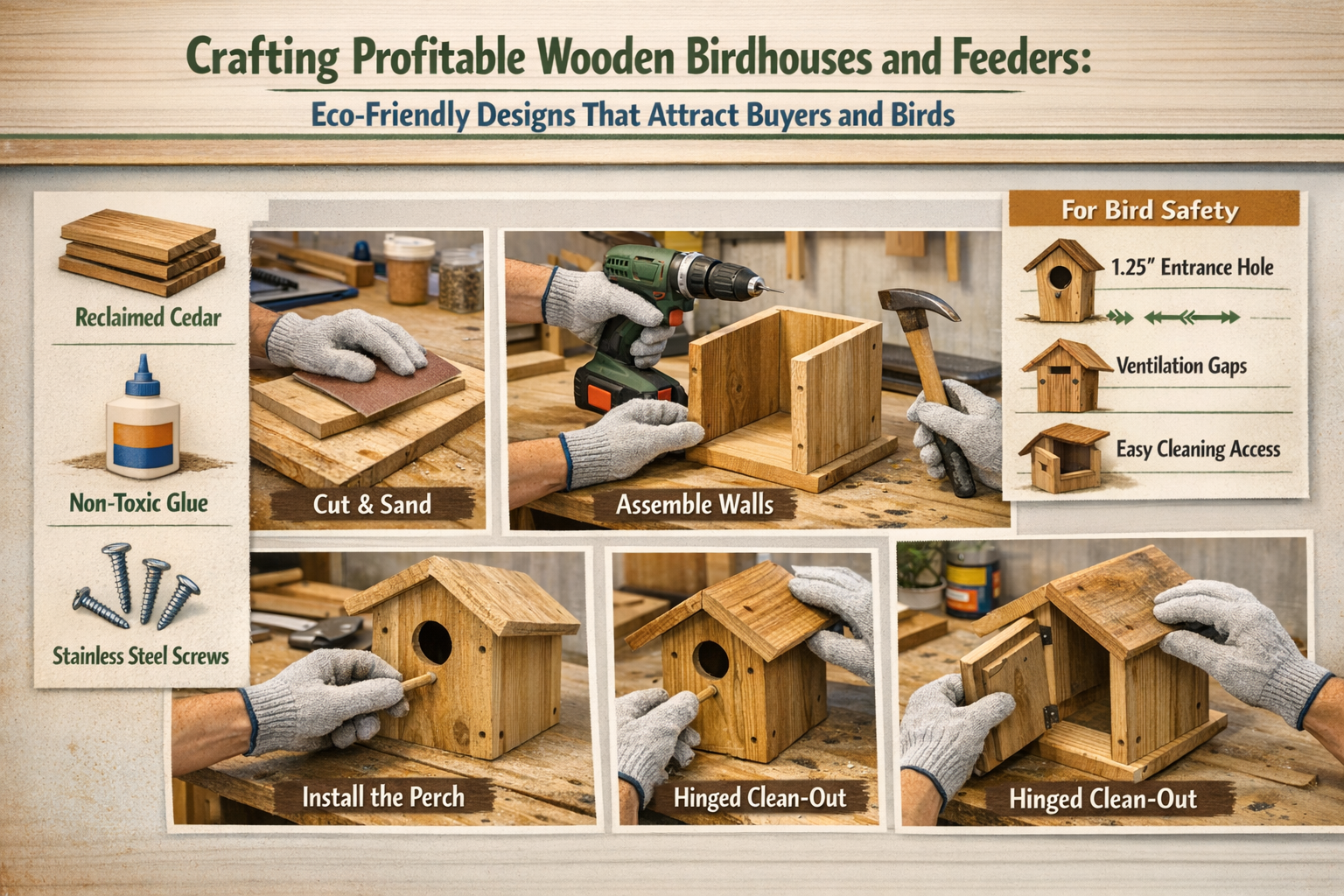
The core of Crafting Profitable Wooden Birdhouses and Feeders: Eco-Friendly Designs That Attract Buyers and Birds lies in thoughtful design. It’s about creating structures that are both functional for birds and aesthetically appealing to humans.
Bird-Specific Design Elements
Different bird species have different needs. Understanding these nuances will allow you to create products that cater to a wider audience and increase your chances of attracting specific birds.
Table 1: Birdhouse Design Specifications for Common Species
| Bird Species | Entrance Hole Diameter | Floor Size (inches) | Height (inches) | Predator Guard | Key Features |
|---|---|---|---|---|---|
| Chickadee | 1 1/8 inches | 4×4 | 8-10 | Yes | Nesting material, tight-fitting lid |
| Wren | 1 inch | 4×4 | 6-8 | Yes | Small, cozy, ventilation |
| Bluebird | 1 1/2 inches | 5×5 | 10-12 | Yes | Oval hole, deep cavity, front opening |
| House Finch | 1 1/2 inches (open) | 6×6 | 6-8 | No (platform) | Open platform/shelf style |
| Downy Woodpecker | 1 1/4 inches | 4×4 | 8-10 | Yes | Wood chips at bottom, rough interior |
Essential Birdhouse Features:
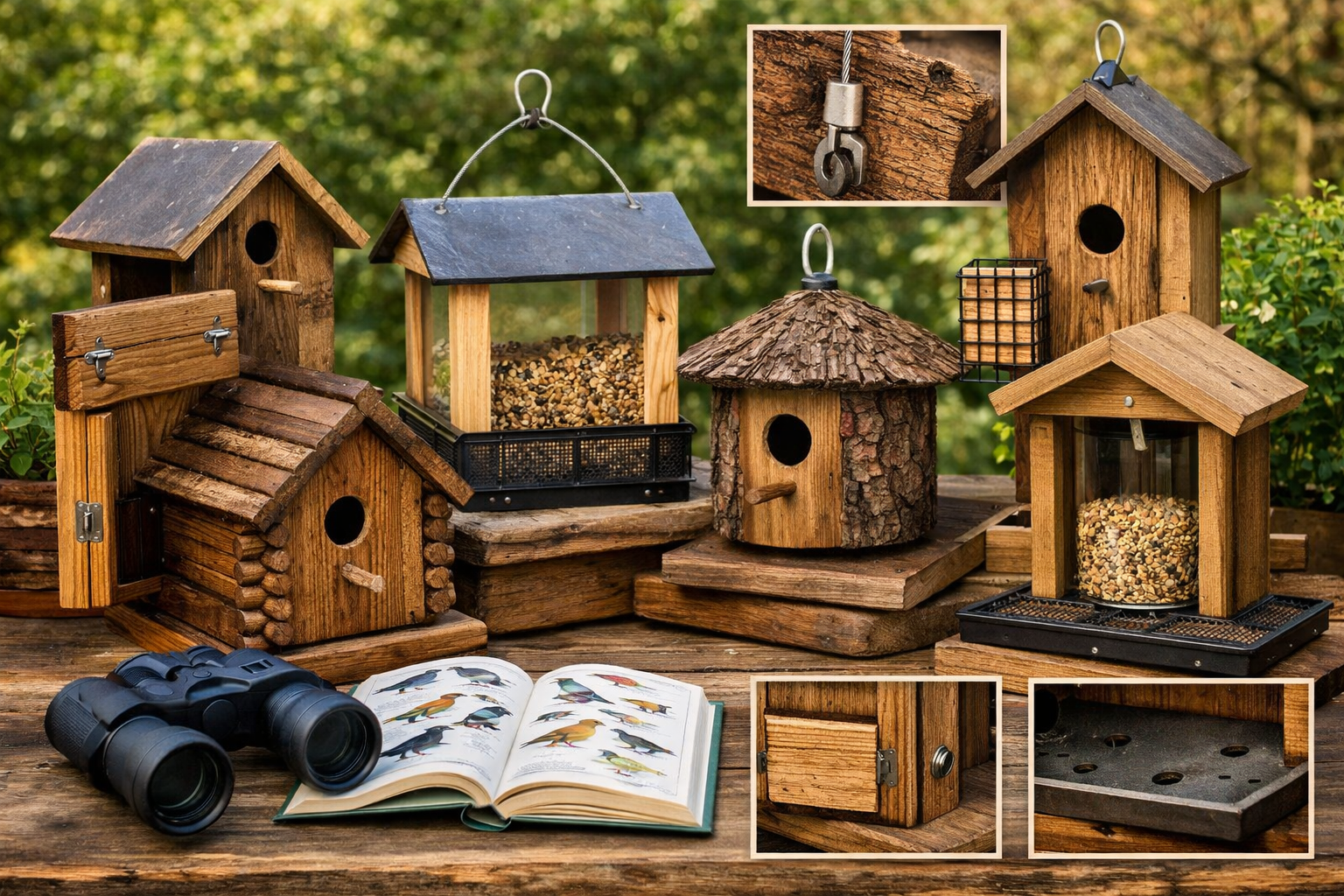
- Proper Ventilation: Small holes near the top of the sides or under the roof overhang prevent overheating during warmer months.
- Drainage Holes: Small holes in the floor prevent water accumulation, keeping the nesting area dry and healthy.
- Easy Cleaning Access: A hinged roof, side panel, or removable floor is crucial for seasonal cleaning. This is a huge selling point for buyers.
- Predator Guards: An extended entrance hole (at least 1.5 inches thick) or a metal plate around the opening deters squirrels, raccoons, and larger birds from reaching nests.
- Rough Interior: For most cavity-nesting birds, a rough interior surface or horizontal grooves below the entrance hole allows fledglings to climb out.
- No Perches: Perches near the entrance hole can aid predators. Birds don’t need them; they can cling to the entrance hole.
Feeder Designs for Maximum Appeal
Feeders are often simpler to design but require attention to cleanliness and seed protection.
Key Feeder Features:
- Easy to Clean: Removable components and smooth surfaces are essential to prevent mold and bacterial growth, which can harm birds.
- Drainage: Holes in the seed tray or base prevent waterlogging of seeds.
- Squirrel-Proofing: While challenging, designs that deter squirrels (e.g., caged feeders, baffle-ready designs) are highly sought after.
- Capacity: Offer various sizes to cater to different yard sizes and feeding frequencies.
- Material Protection: Overhanging roofs protect seeds from rain and snow.
Eco-Friendly Aesthetic & Customization Options
Beyond functionality, the visual appeal of your creations will draw buyers in. Embrace the natural beauty of wood, highlighting its grain and texture. Consider offering:
- Different Wood Types: Showcase a range of reclaimed woods, each with its unique character.
- Personalization: Offer custom engraving (e.g., “Welcome Birds,” family names, dates) for a personalized touch.
- Themed Designs: Create birdhouses that resemble mini cabins, whimsical cottages, or modern minimalist structures.
- Mounting Solutions: Provide various options like pole mounts, hanging chains, or fence post attachments. Emphasize ease of installation.
Remember, the goal is to create items that people are proud to display in their yards, knowing they are both beautiful and beneficial. Incorporating rustic wood finishing techniques can enhance the natural, rugged charm of reclaimed materials, further appealing to nature enthusiasts.
From Workshop to Market: Selling Your Creations Profitably
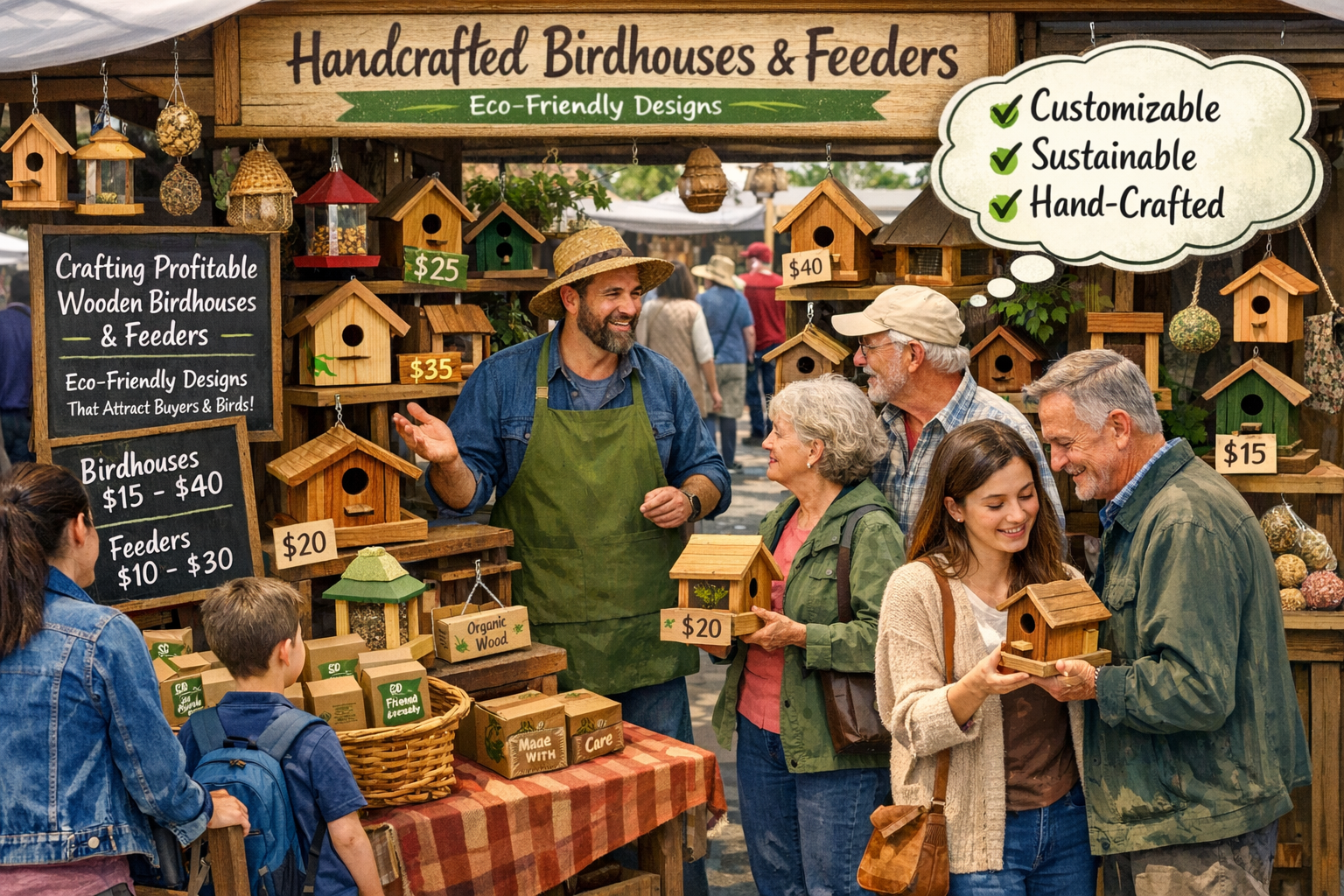
Once you’ve mastered Crafting Profitable Wooden Birdhouses and Feeders: Eco-Friendly Designs That Attract Buyers and Birds, the next step is to connect with your target audience. Your success hinges not only on the quality of your products but also on how effectively you market them.
Beginner-Friendly Assembly Tutorials
To attract new woodworkers or those looking for a simple DIY project, consider offering simplified birdhouse kits or providing clear, concise assembly tutorials. This can be a separate product line or value-add for your brand.
Elements of a Great Tutorial/Kit:
- Pre-cut Pieces: All wood pieces cut to size, ready for assembly.
- Clear Instructions: Step-by-step written and photographic instructions.
- Necessary Hardware: Include screws, nails, and hanging mechanisms.
- Tools List: Specify minimal tools required (e.g., drill, hammer, screwdriver).
- Safety Tips: Emphasize safe handling of tools and materials.
For those interested in learning more about woodworking basics, resources like articles on Children’s Woodwork Projects: Nurturing Skills and Creativity in 2026 can offer great foundational knowledge, even for adults beginning their crafting journey.
Marketing Your Eco-Friendly Designs
Your unique selling proposition (USP) is your commitment to eco-friendly practices and bird-centric design. Highlight this at every opportunity.
1. Craft Fairs and Local Markets 🛍️
These are excellent venues for direct sales and gathering feedback.
- Display: Create an inviting booth that showcases the beauty of your wood and the variety of your designs. Use natural elements like branches, leaves, and bird-related decor.
- Storytelling: Be ready to share the story behind each piece – where the wood came from, the specific bird species it’s designed for, and your commitment to sustainability.
- Demonstrations: If feasible, have a small sample of your reclaimed wood sources or even a miniature assembly demo.
- Pricing: Clearly label prices. Consider offering bundles (e.g., a birdhouse and a feeder).
2. Online Presence 🌐
An online shop (Etsy, your own website, or social media storefronts) is crucial for reaching a broader audience.
- High-Quality Photos: Invest in excellent photography that showcases the craftsmanship, eco-friendly materials, and predator-proof features. Show the birdhouses in natural settings.
- Detailed Product Descriptions: Explain the wood source, dimensions, target bird species, cleaning access, ventilation, and predator protection. Emphasize the “eco-friendly” and “handcrafted” aspects.
- Keywords: Use relevant keywords like “reclaimed wood birdhouse,” “eco-friendly bird feeder,” “handmade bird home,” “sustainable backyard decor.”
- Blogging: Write articles about local bird species, the benefits of backyard birding, or DIY tips for maintaining birdhouses. This builds authority and drives traffic.
- Social Media: Share progress photos, videos of birds using your products, and customer testimonials. Engage with birdwatching communities and eco-conscious groups.
3. Emphasizing Predator-Proof Features and Easy Mounting
These are two highly sought-after features by buyers. Make them prominent in your marketing.
- Predator Proofing: Clearly explain how your designs protect birds. For example, mention the specific thickness of entrance holes, the use of metal guards, or the deep cavity design. Use phrases like “Built for bird safety” or “Protecting nests from unwanted visitors.”
- Easy Mounting: Show various mounting options and emphasize their simplicity. Include instructions or suggest appropriate hardware. A hassle-free installation is a significant convenience factor for customers.
4. Packaging and Branding 📦
Your brand identity should reflect your commitment to nature and craftsmanship.
- Eco-Friendly Packaging: Use recyclable, compostable, or reusable packaging materials. Avoid excessive plastic.
- Branding: A memorable logo and consistent brand messaging that highlights your values will create a strong identity.
- Care Instructions: Include a small card with cleaning and maintenance tips for the birdhouse or feeder, reinforcing its longevity and proper care.
By focusing on these strategies, you can effectively market your expertise in Crafting Profitable Wooden Birdhouses and Feeders: Eco-Friendly Designs That Attract Buyers and Birds and build a loyal customer base.
Conclusion
The journey of Crafting Profitable Wooden Birdhouses and Feeders: Eco-Friendly Designs That Attract Buyers and Birds is a rewarding endeavor that taps into a growing desire for sustainable, handcrafted products that foster a connection with nature. By prioritizing eco-friendly materials like reclaimed wood, incorporating thoughtful, bird-centric designs with essential features like predator proofing and easy cleaning access, and effectively communicating these values to your audience, you can create a thriving business.
As you embark on or continue this crafting journey in 2026, remember that authenticity and a genuine passion for both woodworking and wildlife will be your greatest assets. Start small, refine your designs, gather feedback, and continuously seek ways to innovate and improve. Your handcrafted pieces offer not just shelter and sustenance for birds, but also beauty, tranquility, and a tangible link to the natural world for your customers.
Actionable Next Steps
- Source Reclaimed Wood: Begin exploring local sources for reclaimed wood, such as lumberyards, demolition sites, or even online marketplaces.
- Sketch Designs: Start sketching out a few birdhouse and feeder designs, keeping specific bird species and essential features (ventilation, drainage, predator guards) in mind.
- Invest in Non-Toxic Finishes: Research and purchase small quantities of natural wood finishes like linseed or tung oil.
- Build a Prototype: Create your first prototype, focusing on a beginner-friendly design, and evaluate its functionality and aesthetic appeal.
- Plan Your Market Entry: Decide on your initial sales channel – whether it’s a local craft fair, an online shop, or both – and start planning your marketing message.
References
- Cornell Lab of Ornithology. (n.d.). NestWatch: All about birdhouses. Retrieved from https://nestwatch.org/learn/all-about-birdhouses/
- National Audubon Society. (n.d.). Guide to Bird Feeders. Retrieved from https://www.audubon.org/bird-feeders-guide
- Wood Magazine. (2021). Eco-Friendly Woodworking Practices.