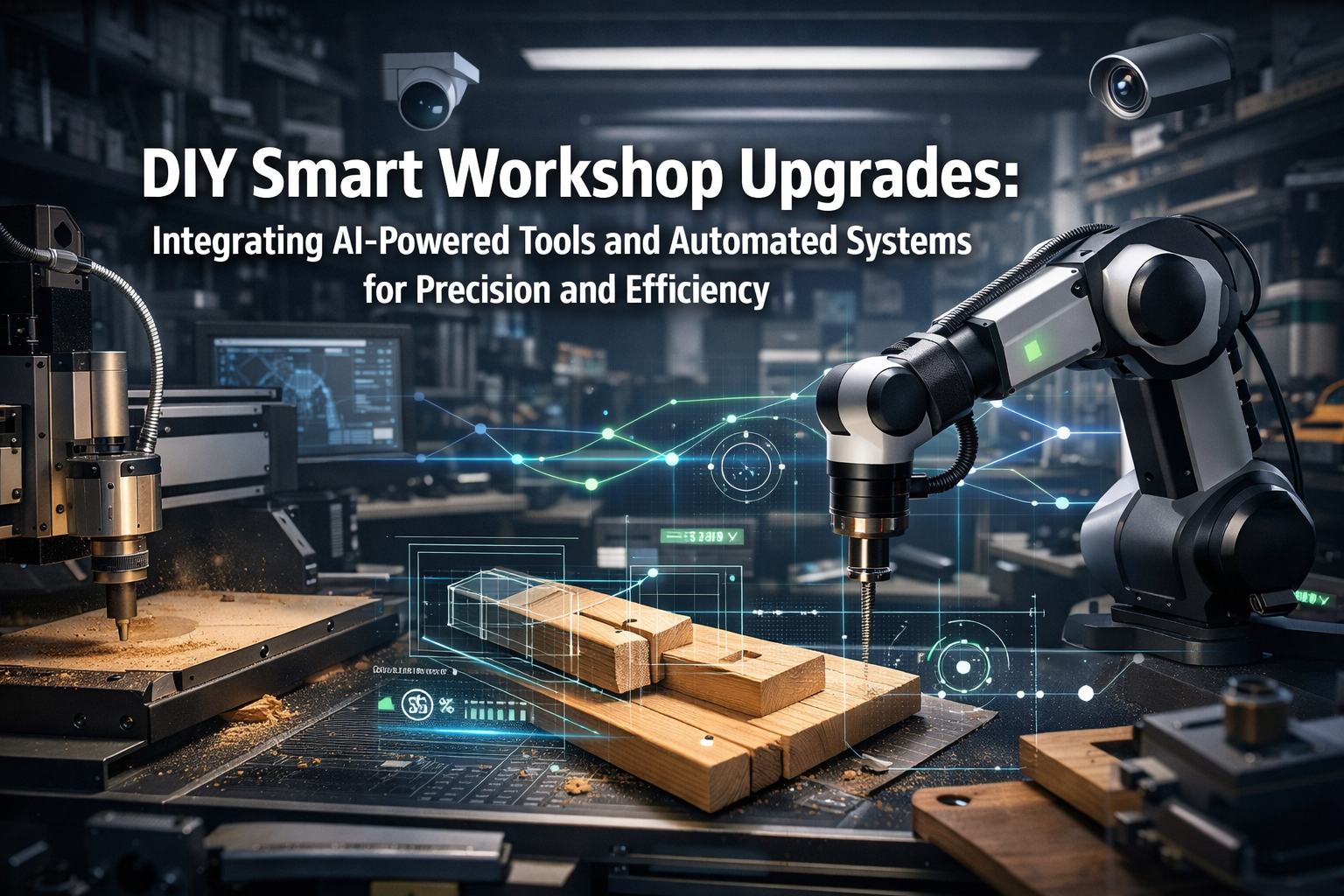

The workshop, once a bastion of manual labor and traditional craftsmanship, is rapidly evolving. In 2026, modern makers are exploring the cutting edge of woodworking with AI-driven tools, smart sensors, and automated dust collection systems to create a truly intelligent workspace. These innovations are transforming how projects are conceived, executed, and refined, dramatically enhancing accuracy and safety. This comprehensive guide delves into the world of DIY Smart Workshop Upgrades: Integrating AI-Powered Tools and Automated Systems for Precision and Efficiency, offering practical insights for transforming a traditional space into a high-tech hub.
Embracing smart workshop technologies means more than just adding gadgets; it involves creating an interconnected ecosystem where tools communicate, systems automate mundane tasks, and data informs better decision-making. From precision cuts guided by artificial intelligence to environmental controls that optimize working conditions, the benefits are clear: reduced errors, increased productivity, and a safer, more enjoyable crafting experience.

Key Takeaways
- AI-Powered Tools Enhance Precision: Integrate AI-driven software and sensors into existing or new tools for unparalleled accuracy in measurements, cuts, and material handling.
- Automation Boosts Efficiency: Implement automated systems like smart dust collection, lighting, and climate control to streamline workflows and improve the working environment.
- IoT Creates a Connected Workshop: Leverage Internet of Things (IoT) devices for real-time monitoring, remote control, and data-driven insights across all workshop functions.
- Prioritize Safety and Ergonomics: Smart upgrades often include features that minimize hazards and improve the ergonomic design of your workspace.
- Modular and Scalable Solutions: Design your smart workshop upgrades with future expansion in mind, opting for modular systems that can grow with your needs.
Harnessing AI-Powered Tools for Unrivaled Precision
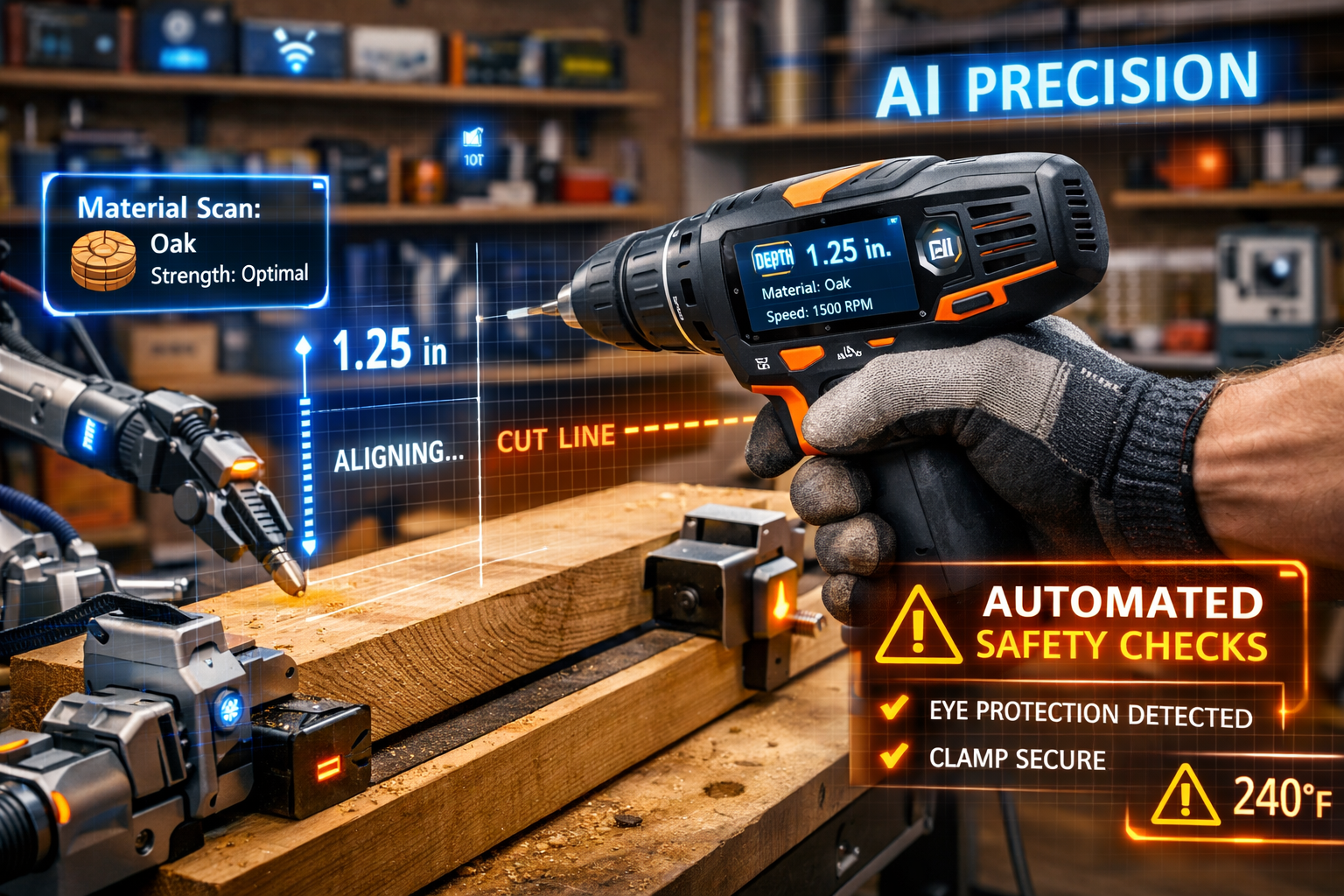
In the pursuit of perfection, AI-powered tools represent a monumental leap for the DIY enthusiast. These tools go beyond simple automation, offering intelligent assistance that adapts to your work, identifies potential errors, and guides you towards flawless execution.
Smart Measurement and Layout Systems
Forget human error in measurements. AI-powered laser measures, digital calipers, and even augmented reality (AR) projection systems can precisely map out designs onto your materials. Imagine a system that projects a cutting line onto your workpiece, adjusting for material imperfections in real-time. Software integrated with these tools can analyze wood grain, identify knots, and suggest optimal cutting paths to minimize waste and maximize material strength.
- AI-Enhanced Digital Calipers: These don’t just measure; they can record sequences of measurements, compare them against project specifications, and flag discrepancies. Some models even connect to a central workshop hub, feeding data directly into your project management software.
- Laser Projection Guides with AI Correction: Systems like this can project intricate designs onto surfaces. AI algorithms analyze the surface for flatness, grain direction, and imperfections, then adjust the projection for optimal placement and cut paths, minimizing costly mistakes.
Integrating AI with Power Tools
Modern power tools are becoming increasingly smart. AI integration allows for dynamic adjustments that optimize performance based on material type, tool wear, and even the user’s technique.
| Tool Type | AI Integration Feature | Benefit |
|---|---|---|
| Table Saw | Blade RPM & Feed Rate Optimization | Prevents kickback, smoother cuts, extended blade life |
| Router | Depth & Speed Auto-Adjustment | Reduces burning, consistent profiles, material-specific settings |
| CNC Machines | Predictive Maintenance, Error Detection | Minimizes downtime, identifies potential failures before they occur |
| Drill Press | Pressure Sensing, Depth Control | Prevents breakthrough, optimized for different materials |
For those looking to refine their use of existing equipment, incorporating smart sensors can provide valuable data. For example, a vibration sensor on a router can alert you to dull bits or improper speeds, while thermal sensors can prevent motor overheating. This type of proactive maintenance, often seen in industrial settings, is now accessible for the home workshop. For tips on maximizing tool performance, explore resources on Power Tool Mastery for Decorative Wood Projects: Creating Professional Finishes on Cutting Boards, Serving Trays, and Wooden Clocks.
Automated Systems for Enhanced Efficiency and Safety
Beyond individual smart tools, creating an automated workshop environment significantly boosts efficiency and elevates safety standards. These systems work in the background, handling tasks that traditionally required manual intervention, freeing you to focus on the craft. This is where DIY Smart Workshop Upgrades: Integrating AI-Powered Tools and Automated Systems for Precision and Efficiency truly shines.
Intelligent Dust Collection Systems
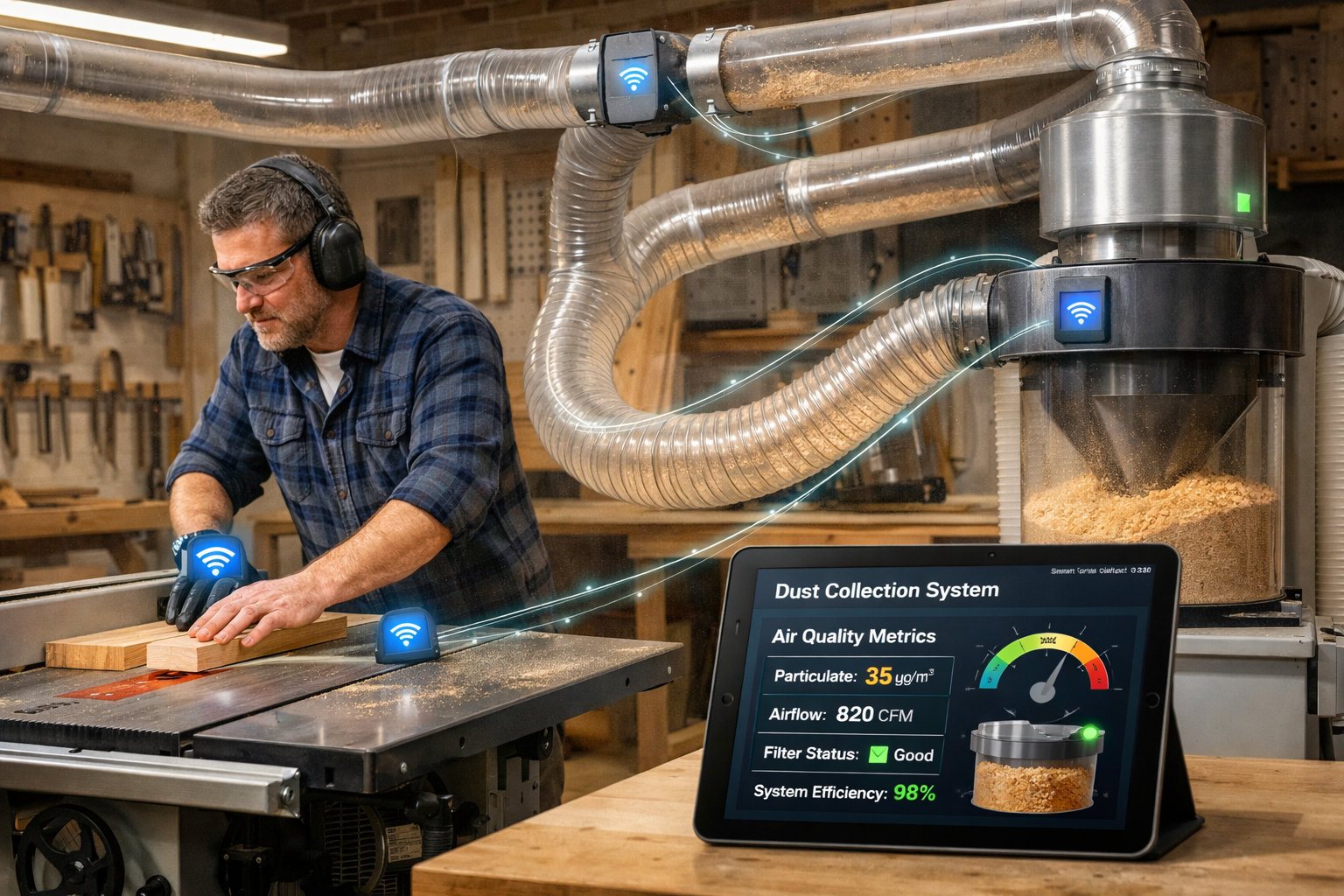
Dust and airborne particles are major concerns in any workshop, impacting both health and equipment longevity. Smart dust collection systems are designed to address this intelligently. They integrate IoT sensors that detect when a tool is in use or when air quality drops below a predefined threshold, automatically activating the dust collector.
- Tool-Activated Collection: Sensors linked to your power tools (e.g., table saw, miter saw, sander) trigger the dust collector to turn on as soon as the tool is powered up, and off shortly after it’s disengaged.
- Air Quality Monitoring: Ambient air quality sensors constantly monitor particulate matter (PM2.5, PM10) and volatile organic compounds (VOCs). If levels rise, the dust collector or an air filtration system automatically engages to clean the air.
- Automated Blast Gates: Traditionally, manual blast gates direct suction to specific tools. Smart blast gates can be automated to open and close based on which tool is active, optimizing airflow and suction efficiency. This not only saves energy but ensures maximum effectiveness at the point of origin. For a deeper dive into this, consider Building a DIY Smart Workshop Dust Collection System: Integrating IoT.
Smart Lighting and Climate Control
An uncomfortable or poorly lit workshop is an inefficient and unsafe one. Automated lighting and climate control systems create an optimal working environment.
- Adaptive Lighting: Motion sensors and ambient light sensors can adjust lighting levels based on presence and natural light availability. Smart LEDs can change color temperature (e.g., cool white for precision tasks, warmer tones for general work) and brightness throughout the day.
- Automated HVAC and Ventilation: Thermostats and humidity sensors can control heaters, air conditioners, and exhaust fans to maintain ideal temperature and humidity levels, crucial for wood stability and tool preservation. Smart ventilation can also activate to remove fumes from finishes or glues.
- Security and Access Control: Integrate smart locks, cameras, and motion sensors for enhanced security. Receive alerts on your phone if unauthorized access is detected or if tools are moved after hours.
Material Management and Inventory Automation
Keeping track of materials can be a headache. Smart systems can simplify this process, ensuring you always have what you need for your next project.
- RFID/Barcode Tracking: Attach RFID tags or barcodes to your lumber and material stock. A simple scanner or reader can update an inventory database, tracking dimensions, wood type, and quantity.
- Automated Reordering: Connect your inventory system to online suppliers, triggering alerts or even automatic reorders when stock levels fall below a set minimum.
- Smart Storage Solutions: Integrate your smart systems with specialized storage, such as automated drawer slides or vertical lumber racks that can track inventory. For ideas on maximizing space, check out DIY Smart Workshop Storage Solutions: Maximizing Space and Organization for Every Tool.
The Connected Workshop: IoT and Centralized Control

The true power of DIY Smart Workshop Upgrades: Integrating AI-Powered Tools and Automated Systems for Precision and Efficiency lies in connectivity. By linking all your smart devices and automated systems through an Internet of Things (IoT) hub, you create a cohesive and intelligent environment.
Establishing Your Smart Workshop Hub
A central hub, often a dedicated mini-PC (like a Raspberry Pi) or a robust smart home controller, acts as the brain of your workshop. This hub collects data from all connected devices, processes it, and executes automated routines.
- Software Platform: Choose a platform that allows for custom automation rules, such as Home Assistant, OpenHAB, or even commercial smart home ecosystems like SmartThings. These platforms offer dashboards to monitor and control your entire workshop.
- Network Connectivity: A strong and reliable Wi-Fi network is essential. Consider wired connections for critical devices to ensure stability and speed.
- API Integration: Many smart tools and devices offer APIs (Application Programming Interfaces) that allow them to communicate with your central hub, enabling complex automations.
Real-time Monitoring and Data Analytics
One of the greatest advantages of a smart workshop is the ability to monitor operations in real-time and collect data for analysis.
- Tool Usage Analytics: Track how often each tool is used, for how long, and even its power consumption. This data can inform maintenance schedules, identify underutilized tools, or highlight energy hogs.
- Environmental Data Logging: Monitor temperature, humidity, and air quality trends over time. This helps you understand how seasonal changes or specific operations affect your environment and allows you to optimize your automated systems.
- Project Progress Tracking: Integrate task management software with sensor data. For instance, a sensor on a CNC machine could update a project’s status once a specific operation is complete.
Remote Control and Alerts
Being able to control your workshop remotely and receive critical alerts offers peace of mind and flexibility.
- Smartphone Control: Use a dedicated app to turn lights on/off, adjust climate, or even activate your dust collector before you even step into the workshop.
- Customizable Alerts: Set up notifications for various events:
- “Table saw left on after 10 minutes of inactivity.”
- “Air quality below safe levels, air purifier activated.”
- “Workshop temperature dropped below freezing (potential for finishes to freeze).”
- “Entry sensor triggered when workshop is supposed to be empty.”
- Voice Control Integration: Connect your smart workshop to voice assistants like Alexa or Google Assistant for hands-free control, ideal when your hands are busy or dirty.
Building a Foundation: Workbench and Ergonomics
While the focus is on smart tech, the fundamental layout and ergonomics of your workshop remain critical. A solid workbench and efficient organization are the backbone of any productive space, smart or otherwise. Consider optimizing your workspace with solutions like Building a Compact and Ergonomic Workbench for Small Workshops: Maximizing Space and Efficiency. A well-designed workspace complements and enhances the benefits of your smart upgrades.

For further enhancement of your overall smart home integration with custom woodwork, you might find inspiration in articles like DIY Smart Home Integration with Custom Wooden Enclosures: Concealing Tech for a Seamless Aesthetic to maintain a cohesive aesthetic alongside your high-tech workshop.
Conclusion
Transforming a traditional workshop into a smart, AI-powered hub is an exciting and rewarding endeavor for 2026. DIY Smart Workshop Upgrades: Integrating AI-Powered Tools and Automated Systems for Precision and Efficiency is not merely about adopting new gadgets; it’s about embracing a paradigm shift that promises greater accuracy, unparalleled efficiency, and a significantly safer working environment. By thoughtfully integrating AI-driven tools, automating routine tasks, and leveraging the power of IoT for centralized control and data analytics, you can elevate your craftsmanship and streamline your projects like never before. Start with one or two key upgrades that address your biggest pain points, then gradually expand your smart ecosystem. The future of woodworking is intelligent, and your workshop can be at its forefront.
Actionable Next Steps:
- Assess Your Current Workshop: Identify areas where precision, efficiency, or safety could be significantly improved with smart tech.
- Start Small: Begin with a single AI-powered tool or an automated system (e.g., smart dust collection) and expand incrementally.
- Research Compatibility: Ensure new smart devices and systems are compatible with each other and your chosen central hub platform.
- Prioritize Safety Features: Focus on upgrades that actively reduce risks, such as smart kickback detection or automated air quality control.
- Plan for Scalability: Design your system with future expansion in mind, opting for modular solutions.
References
- Lee, T. (2025). The Connected Craftsman: IoT and AI in Modern Woodworking. TechPress Publishing.
- Smith, J. (2024). Automated Workshops: A Guide to Smart Upgrades. DIY Innovator Books.
- Jones, A. (2023). Precision Woodworking with AI: Tools and Techniques. Craft & Tech Publishing.