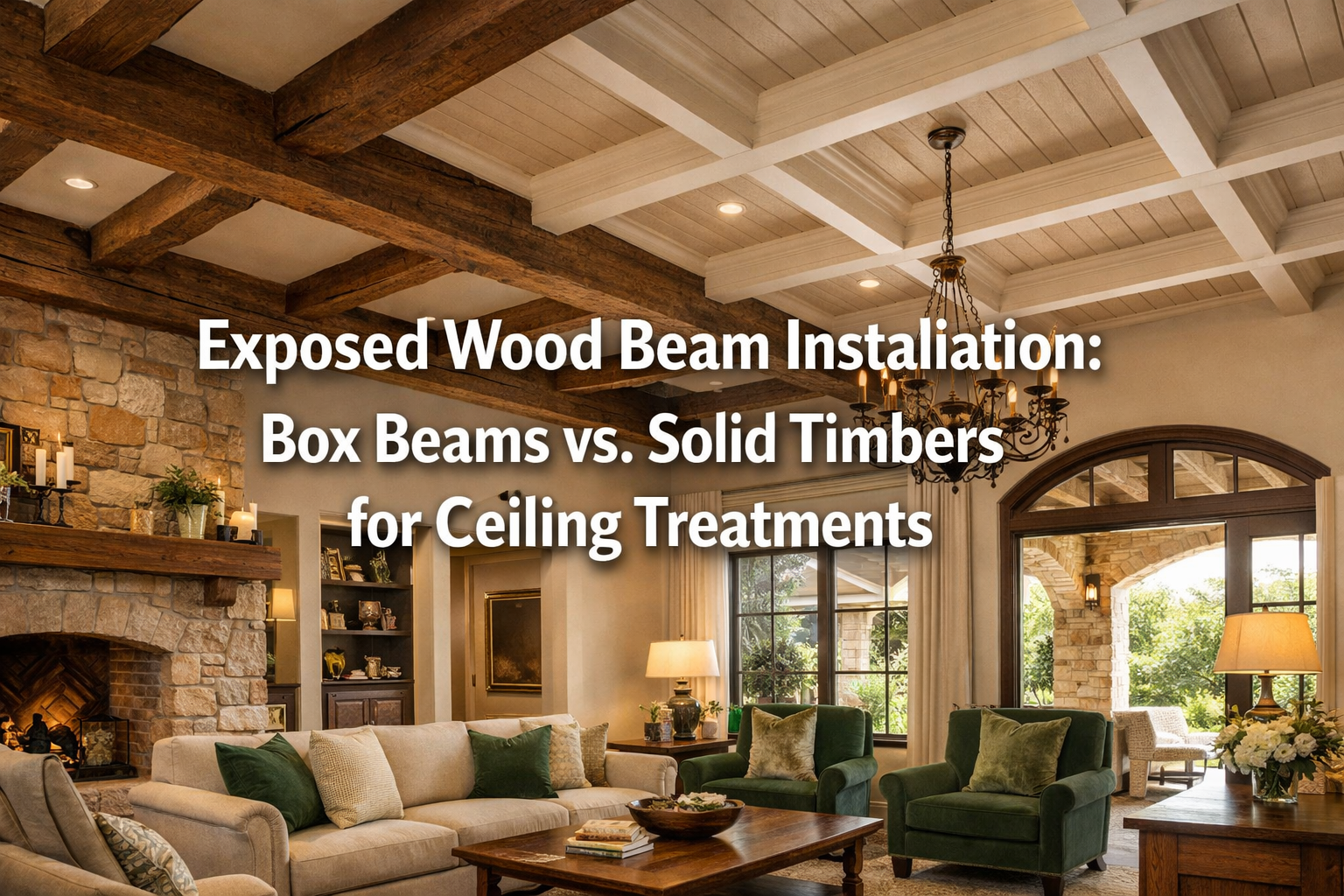

Ceilings are having a major moment in 2026, evolving from mere structural elements to pivotal design statements. The desire to infuse warmth, character, and architectural grandeur into interior spaces has propelled exposed wood beams to the forefront of modern and traditional design alike. But when planning your Exposed Wood Beam Installation: Box Beams vs. Solid Timbers for Ceiling Treatments, a critical decision emerges: should you opt for the hefty authenticity of solid timbers or the versatile charm of box beams? This comprehensive article will explore the technical differences, fabrication methods, and installation strategies for both options, transforming plain drywall into breathtaking architectural features.
Adding exposed beams to a ceiling can dramatically alter a room’s aesthetic, creating focal points, enhancing visual depth, and evoking a sense of history or rustic elegance. From sprawling great rooms to intimate studies, the right beam choice can define the entire atmosphere. Understanding the nuances between solid timbers and box beams is crucial for homeowners, designers, and contractors to achieve the desired look, structural integrity, and budget efficiency for their Exposed Wood Beam Installation: Box Beams vs. Solid Timbers for Ceiling Treatments.
Key Takeaways
- Box beams are hollow and lightweight, offering design flexibility, easier installation, and often lower material costs, making them ideal for decorative purposes where structural support is not needed.
- Solid timbers provide genuine structural integrity and an authentic, rustic aesthetic, but come with significant weight, higher material costs, and more complex installation requirements.
- Consider ceiling height and existing structural capacity when choosing between box beams and solid timbers, as solid beams can visually lower a ceiling and require substantial support.
- Finishing options are extensive for both, allowing for customization to match any interior style, from natural wood finishing techniques to distressed wood finishing techniques.
- Professional assessment is vital for safe and effective installation, especially when integrating heavy solid timbers into existing structures.
Understanding the Fundamentals: Box Beams vs. Solid Timbers
When embarking on an Exposed Wood Beam Installation: Box Beams vs. Solid Timbers for Ceiling Treatments, the initial step involves grasping the fundamental differences in construction, material, and purpose. While both achieve a similar visual effect—that of a substantial timber overhead—their underlying characteristics diverge significantly, influencing everything from cost to installation complexity.
What are Box Beams?
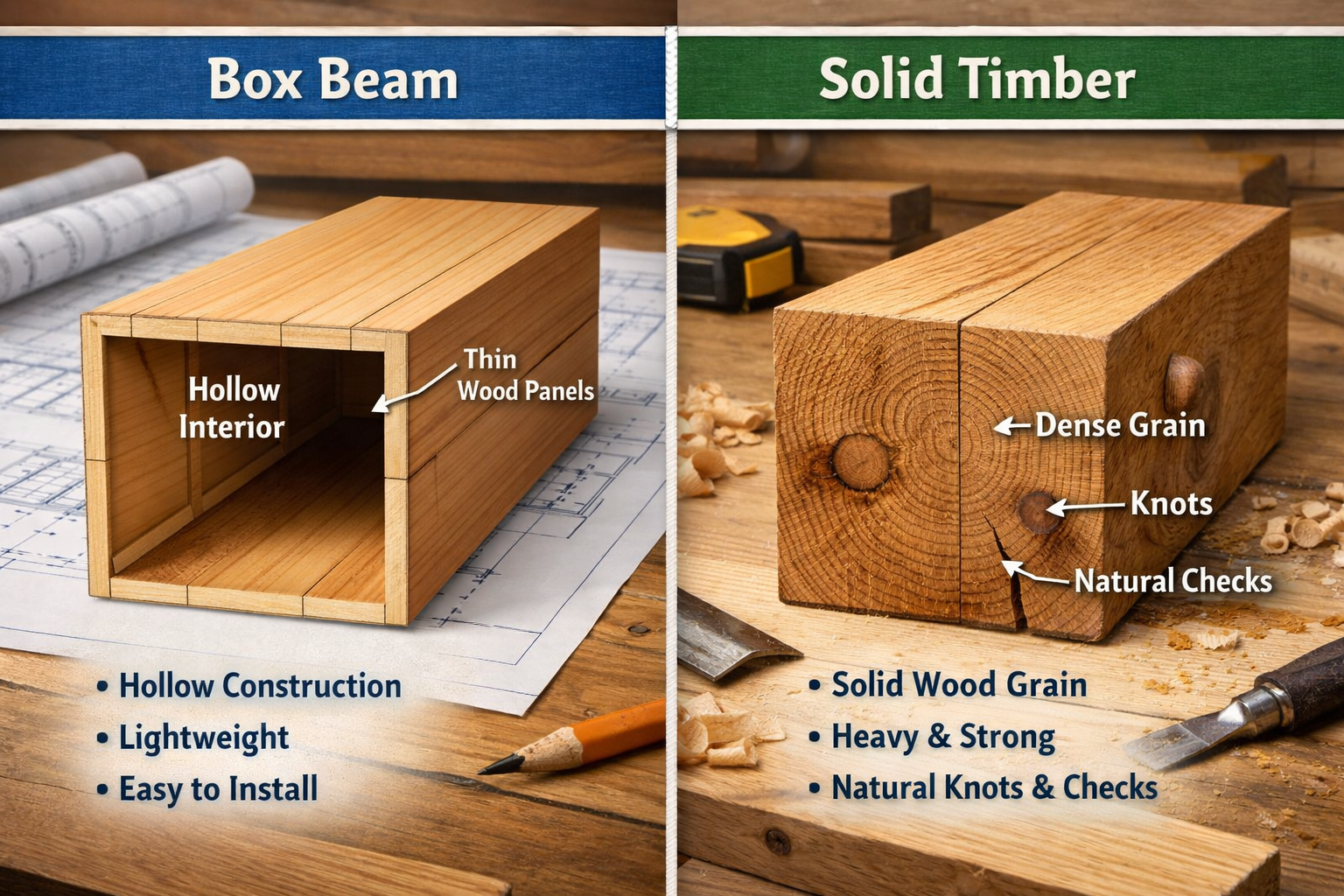
Box beams, also known as faux beams or hollow beams, are essentially three- or four-sided wooden structures designed to mimic the appearance of solid timbers without the associated weight. They are fabricated by joining thinner pieces of wood, often planks of solid wood, plywood, or medium-density fiberboard (MDF), into a hollow box shape. This construction offers several distinct advantages.
Fabrication Methods for Box Beams:
- Mitered Joints: The most common method involves cutting the edges of wood planks at 45-degree angles and joining them to form crisp, seamless corners. This creates a clean, sophisticated look where the grain appears continuous around the beam.
- Butt Joints with Trim: For a more rustic or less precise aesthetic, planks can be butt-jointed, and the seams covered with decorative trim pieces. This method can sometimes be easier for DIY enthusiasts.
- Engineered Wood Core: Some manufacturers use an engineered wood core (like plywood or OSB) as the base, then clad it with thinner, more attractive wood veneers or solid wood planks. This ensures stability and a consistent profile.
- Custom Sizing: A significant advantage of box beams is their ability to be custom-made to virtually any dimension. This allows for precise fit and scale in various room sizes and ceiling heights, unlike solid timbers which are limited by available timber dimensions.
Materials Used in Box Beam Construction:
- Solid Wood Planks: Often pine, cedar, or oak planks are used, ensuring a genuine wood aesthetic. These can be new or reclaimed wood finishing techniques to add character.
- Plywood/MDF: These provide a stable, cost-effective core, especially when the beam is intended to be painted or heavily stained.
- Reclaimed Wood: Using reclaimed wood finishing techniques for the outer planks can impart a unique, aged character that is highly sought after.
- Polyurethane or Fiberglass: For a truly lightweight and maintenance-free option, some “faux beams” are molded from these materials, often indistinguishable from real wood once installed and finished.
“Box beams offer the aesthetic charm of traditional timbers with unparalleled flexibility in design and a significant reduction in structural load, making them a modern favorite for decorative ceiling treatments in 2026.”
What are Solid Timbers?
Solid timbers, conversely, are exactly what their name suggests: single, continuous pieces of lumber. These are genuine structural elements, or at least appear to be, bringing an undeniable sense of history and strength to an interior. They are milled directly from trees and can be left in their rough-sawn state, hand-hewn, or planed smooth.
Characteristics of Solid Timbers:
- Authenticity: Each solid timber possesses unique grain patterns, knots, checks (surface cracks), and other natural imperfections that contribute to its authentic charm. No two solid timbers are exactly alike.
- Weight: This is the most significant difference. Solid timbers are incredibly heavy. This weight dictates the need for substantial structural support within the ceiling and walls, often requiring professional engineering assessments and reinforced framing.
- Structural Capacity: If sized and installed correctly, solid timbers can indeed be load-bearing, contributing to the structural integrity of the building. However, for most decorative ceiling applications, they are purely aesthetic and not serving a primary structural role.
- Limited Sizing: While large timbers are available, their dimensions are limited by the size of trees and the capabilities of sawmills. Very long or unusually large cross-sections can be difficult and expensive to source.
Types of Wood Commonly Used for Solid Timbers:
- Oak: Known for its strength, durability, and prominent grain. Oak wood finishing techniques can enhance its natural beauty.
- Douglas Fir: A common choice for structural timbers due to its strength and availability, often with a straighter grain.
- Pine: More affordable and lighter than oak or fir, pine is frequently used for a rustic aesthetic, though it’s softer and more prone to dents.
- Reclaimed Barn Wood: Sourced from old barns or industrial buildings, reclaimed timbers carry a rich history, unique patina, and unparalleled character.
The choice between these two foundational types of exposed wood beam installation hinges on a delicate balance of aesthetic preference, structural realities, budget constraints, and desired authenticity.
Installation Strategies and Considerations for Exposed Wood Beam Installation: Box Beams vs. Solid Timbers for Ceiling Treatments
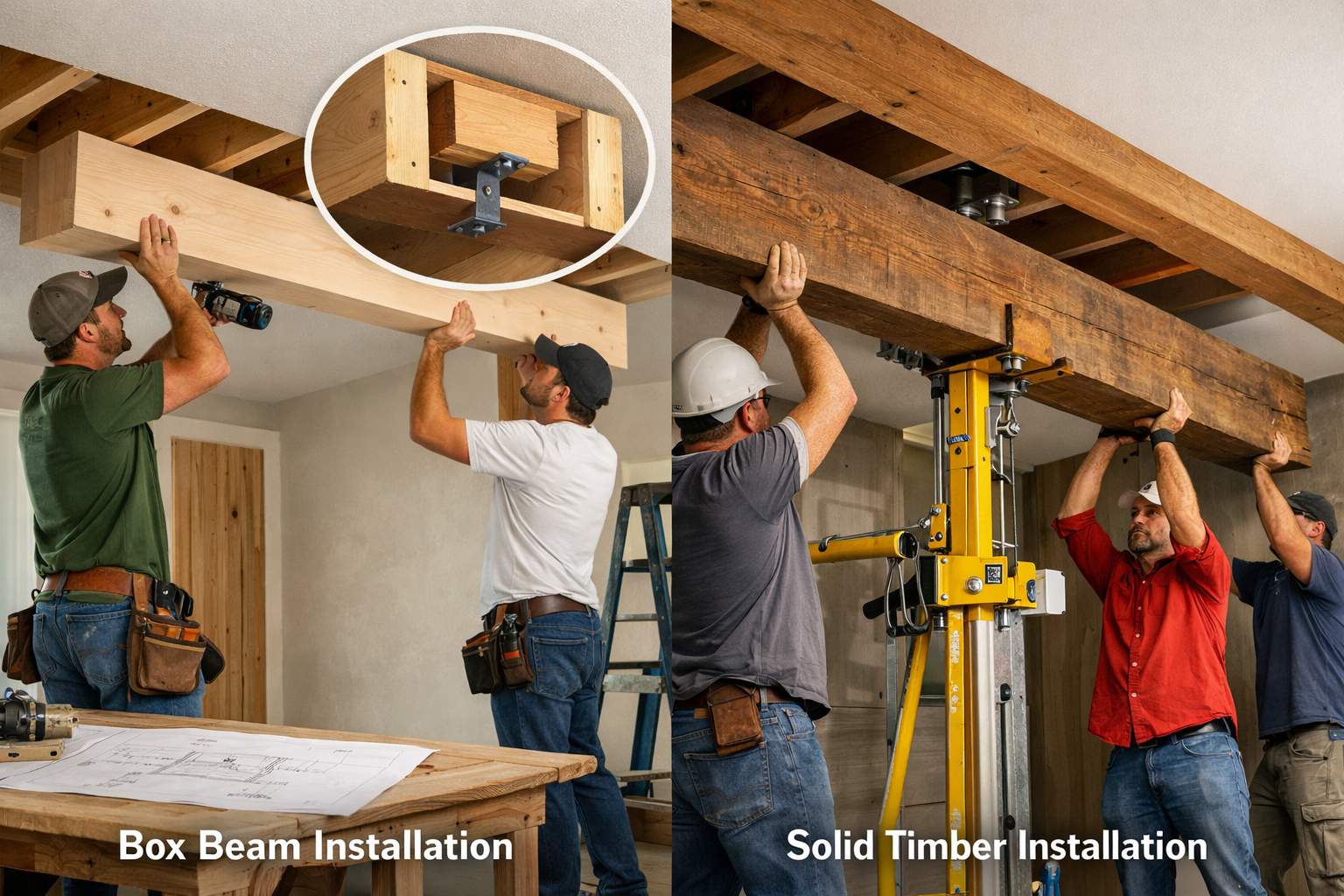
The installation process for Exposed Wood Beam Installation: Box Beams vs. Solid Timbers for Ceiling Treatments differs dramatically due to their inherent weight and construction. Understanding these differences is crucial for planning, budgeting, and ensuring a safe, successful project in 2026.
Installing Box Beams
Box beams are significantly easier and less labor-intensive to install than solid timbers, primarily due to their reduced weight. This makes them a popular choice for homeowners and builders looking to achieve a high-impact aesthetic without extensive structural modifications.
Typical Installation Process for Box Beams:
- Locate Framing: The first step involves accurately locating ceiling joists or rafters, as box beams will be anchored to these structural members. A stud finder and careful measurement are essential.
- Attach Mounting Cleats: Wooden cleats or ledger boards are securely screwed into the ceiling joists along the intended path of the beam. These cleats provide the primary anchor points for the hollow beam. The spacing and strength of these fasteners are critical.
- Assemble Beam (if not pre-assembled): If the box beam is shipped in pieces, it will be assembled on the ground, typically with wood glue and fasteners, ensuring tight, square corners.
- Lift and Secure Beam: Due to their lightweight nature, box beams can often be lifted into place by one or two people, depending on size. The hollow beam is then slid over the mounting cleats, and secured from the sides or bottom with screws, effectively concealing the cleats within the beam.
- Finishing Touches: Any remaining seams, nail holes, or imperfections are filled, sanded, and then the beam is ready for its chosen finish.
Key Considerations for Box Beam Installation:
- Weight: The lightweight nature of box beams means less stress on existing ceiling structures, reducing the need for costly structural reinforcement.
- Tools: Standard woodworking tools are generally sufficient, including drills, saws, levels, and measuring tapes.
- Labor: Fewer people are typically required for installation, potentially lowering labor costs.
- Customization: Box beams can be easily cut to length, mitered for complex layouts, and customized with specific finishes on-site. For example, applying high gloss wood finishing techniques to box beams can create a sleek, modern look.
- Accessibility: Their hollow nature can sometimes be used to conceal wiring for lighting or other utilities, offering a practical advantage.
When to Choose Box Beams:

- Decorative purposes only: When beams are solely for aesthetic enhancement and not structural support.
- Budget-conscious projects: Generally more affordable than solid timbers in terms of material and installation.
- Existing homes with limited structural capacity: Ideal for adding visual interest without overloading the ceiling.
- Very long spans: Can be fabricated to span greater distances without the sag issues of heavy solid timbers.
- Desired specific finish: Easier to achieve very smooth, painted, or weathered wood finishing techniques looks due to controlled fabrication.
Installing Solid Timbers
The installation of solid timbers is a far more involved process, requiring significant planning, specialized equipment, and often professional expertise. Their immense weight is the primary factor dictating these complexities.
Typical Installation Process for Solid Timbers:
- Structural Assessment: Before any installation, a qualified structural engineer must assess the existing ceiling and wall structure to determine if it can safely bear the additional weight of solid timbers. This is paramount for safety. Reinforcement (e.g., adding stronger joists, header beams, or columns) may be necessary.
- Sourcing and Preparation: Timbers are sourced, often custom-cut, and prepped. This might include planing, sanding, or applying initial finishes like Danish Oil vs Linseed: The Ultimate Wood Finishing Guide before installation to minimize on-site work.
- Lifting and Positioning: This is the most challenging step. Depending on the size and length, solid timbers often require heavy-duty lifting equipment (e.g., scaffolding, hydraulic lifts, or multiple strong individuals with specialized beam clamps). Care must be taken to prevent damage to walls, floors, and the timbers themselves.
- Securing the Timbers: Solid timbers are typically secured using large lag screws, bolts, or custom metal brackets anchored deeply into the structural framing. The type and number of fasteners will be specified by the structural engineer.
- Finishing and Detailing: After installation, any necessary finishing work is completed. This could involve further sanding, staining (e.g., using oak wood finishing techniques), sealing, or distressing to achieve the desired aesthetic.
Key Considerations for Solid Timber Installation:
- Weight & Structural Support: This is the absolute top priority. Never install solid timbers without professional structural advice. Failure to do so can lead to catastrophic structural failure.
- Cost: Higher material costs, significant labor costs due to complexity, and potential costs for structural modifications make solid timbers a more expensive option.
- Logistics: Transporting large, heavy timbers to and within the job site can be challenging.
- Aesthetics: The natural variations, checks, and character of solid wood are part of its appeal. These imperfections are inherent and cannot be perfectly controlled like with box beams.
- Durability: Solid timbers are incredibly durable and can last for centuries if properly maintained.
When to Choose Solid Timbers:
- Authenticity is paramount: When only the genuine article will do, offering a truly historic or rustic feel.
- New construction or major renovations: Easier to incorporate structural support during the framing stage.
- When structural support is actually required: If the beams are intended to be load-bearing.
- High ceilings: Solid timbers can help ground very tall rooms and make them feel more intimate.
- Long-term investment: Their durability and timeless appeal contribute to lasting value.
A well-executed Exposed Wood Beam Installation: Box Beams vs. Solid Timbers for Ceiling Treatments can elevate any space. However, choosing the right method requires a thorough understanding of these installation nuances.
Aesthetics, Versatility, and Cost: Making Your Choice for Exposed Wood Beam Installation: Box Beams vs. Solid Timbers for Ceiling Treatments
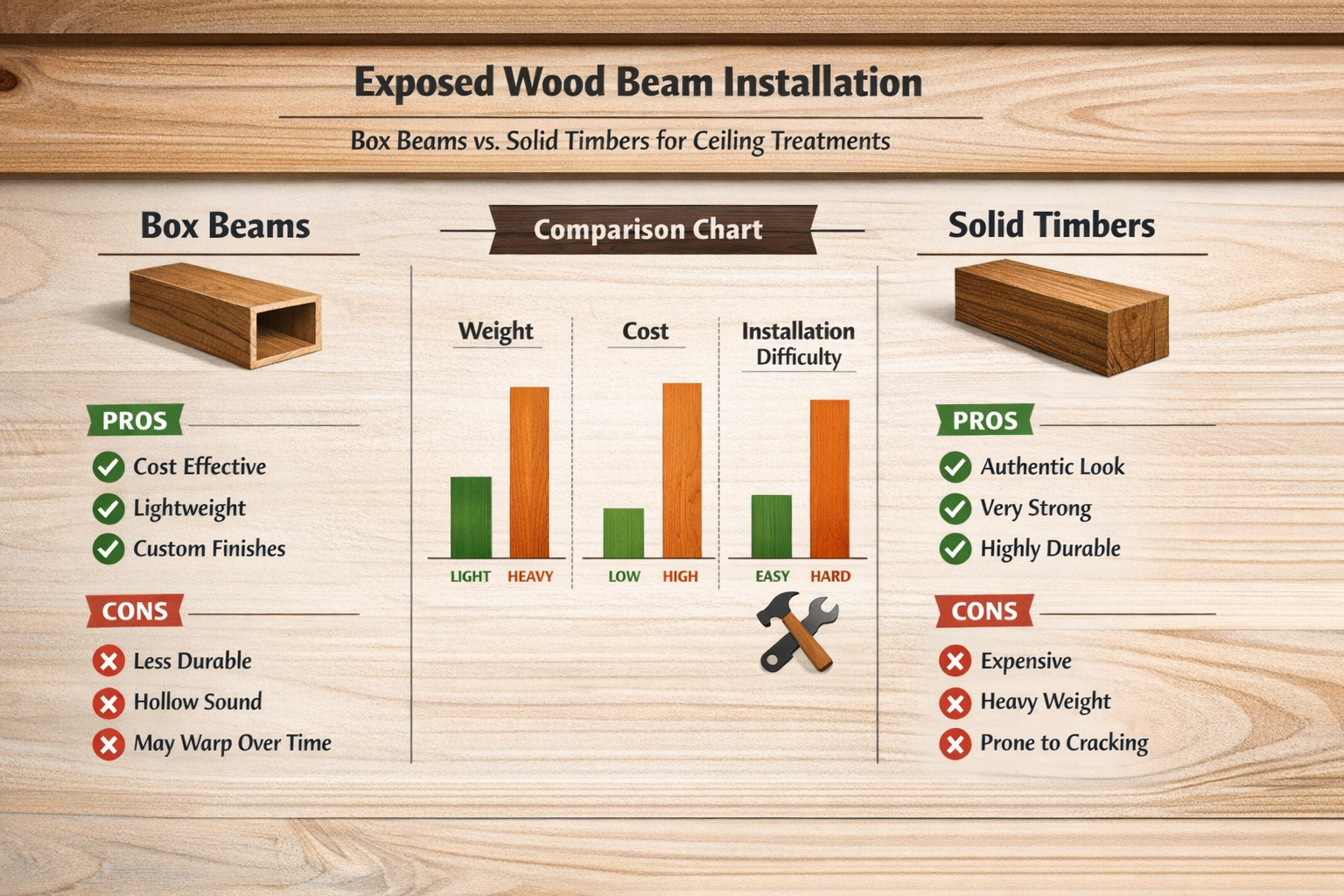
Beyond the technicalities of installation, the ultimate decision for your Exposed Wood Beam Installation: Box Beams vs. Solid Timbers for Ceiling Treatments often comes down to aesthetic preference, functional versatility, and of course, budget. Each option presents unique benefits and drawbacks in these areas.
Aesthetic Appeal and Design Versatility
The visual impact of exposed beams is undeniable, but the subtle differences between box beams and solid timbers can influence the overall aesthetic and design possibilities.
Box Beams: The Designer’s Friend
Box beams excel in versatility. Their controlled fabrication means they can be designed to match virtually any style:
- Clean and Modern: When made with smooth, finely sanded wood and finished with a uniform stain or paint, box beams can perfectly complement minimalist or contemporary designs. For a high-end look, consider high gloss wood finishing techniques.
- Rustic Chic: Using reclaimed wood planks or applying specific distressed wood finishing techniques to new wood can achieve an authentic, aged look without the heft. This allows for rustic charm in homes that couldn’t structurally support solid timbers.
- Customization: Since they are built, not simply milled, box beams allow for precise control over color, texture, and faux distressing. They can be perfectly matched to existing woodwork, such as a woodworking dining chair or other furniture.
- Lighting Integration: The hollow nature of box beams makes them ideal for concealing electrical wiring, allowing for integrated lighting fixtures, recessed lights, or even hidden LED strips to create dramatic uplighting or downlighting effects. This is a significant advantage over solid timbers.
- Ceiling Height: Being lighter, box beams tend to have less visual bulk, which can be advantageous in rooms with standard or slightly lower ceiling heights, as they won’t feel as oppressive as large solid timbers might.
Solid Timbers: Unmatched Authenticity
For those seeking an uncompromisingly authentic look, solid timbers are the unparalleled choice:
- Raw Beauty: The inherent imperfections – checks, knots, insect trails, and irregular grain – are celebrated as part of their character. This raw, organic beauty cannot be perfectly replicated by fabricated box beams.
- Historical and Rustic Charm: Solid timbers immediately evoke a sense of history, permanence, and rustic grandeur. They are perfect for farmhouse styles, log cabins, or spaces aiming for a true Old-World aesthetic.
- Substantial Presence: Their sheer mass and density create a profound visual weight and presence that can ground a large, open space or provide a sense of enclosure in a grand room.
- Natural Variations: Over time, solid timbers may continue to “check” or develop minor cracks as they acclimate, adding to their evolving character. This natural aging process is part of their appeal.
- Complementary to Large Spaces: Solid timbers shine brightest in rooms with high ceilings and expansive layouts where their scale feels appropriate and not overwhelming.
Cost Comparison
Cost is often a significant factor in the decision-making process. While prices can vary widely based on region, wood species, and complexity, a general overview can be provided.
| Feature | Box Beams (Faux Beams) | Solid Timbers (Real Beams) |
|---|---|---|
| Material Cost | Generally lower, especially for plywood/MDF or standard lumber. Can increase for premium solid wood cladding or reclaimed wood. | Generally higher. Sourcing large, clear, quality timbers can be expensive. Reclaimed timbers can also be costly. |
| Fabrication Cost | Can be moderate to high depending on complexity of joinery and finish. | Milling costs are typically included in the timber price; hand-hewn adds cost. |
| Installation Cost | Lower due to less labor, no specialized heavy equipment required for lifting. | Significantly higher due to weight, requiring more labor, specialized equipment, and potentially structural modifications. |
| Structural Impact | Minimal to none. No structural reinforcement usually needed. | Significant. Often requires professional structural assessment and reinforcement, adding considerable cost. |
| Total Project Cost | Generally more affordable. | Significantly more expensive. |
| Maintenance | Varies with material; less prone to natural movement/checking. | Can require periodic inspection for movement, and re-finishing. |
Pull Quote: “When balancing the desire for stunning ceiling architecture with real-world budgets, box beams often offer a compelling blend of aesthetics and affordability for many homeowners in 2026.”
Functional Versatility
The functional aspects extend beyond just the look:

- Box Beams for Modern Needs:
- Lightweight: Crucial for homes with older or less robust framing where adding significant weight is not feasible.
- Concealment: Excellent for running electrical conduits, plumbing, or even HVAC ducts discreetly within the ceiling, maintaining a clean aesthetic.
- Sound Damping: Some hollow box beam designs can be insulated to offer minor sound damping benefits between floors.
- Solid Timbers for Enduring Qualities:
- Structural Use: If the project demands actual load-bearing elements, solid timbers are the only viable option.
- Durability: Properly installed and cared for, solid timbers are incredibly resilient and can last for generations, often outliving the rest of the structure.
- Thermal Mass: Large solid timbers can contribute to a building’s thermal mass, potentially helping to regulate indoor temperatures by slowly absorbing and releasing heat.
Finishing Techniques for Both Beam Types
No matter which type of beam is chosen, the finishing technique plays a crucial role in its final appearance. Consider these options:
- Staining: Enhances the natural wood grain. Options range from light, natural tones using natural wood finishing techniques to deep, rich hues. Different woods take stain differently, so testing is recommended.
- Painting: Creates a uniform, often more contemporary look. White painted beams can brighten a space and make ceilings feel taller, while dark paints can add dramatic contrast.
- Distressing: Achieves an aged, weathered appearance through techniques like wire brushing, sanding, or adding faux wormholes. This is particularly popular for rustic or farmhouse styles. Explore distressed wood finishing techniques for inspiration.
- Waxing/Oiling: Provides a more natural, subtle finish that protects the wood while allowing its texture to shine through. Options like Danish Oil vs Boiled Linseed Oil: Understanding Wood Oils offer different levels of protection and sheen.
- Ebonizing: A process that turns wood black, offering a dramatic, sophisticated look. This can be achieved with special stains or chemical treatments. (For more on specific wood treatments, you might find our article on “Is Ebonized Wood Food Safe? Expert Recommendations” helpful, although not directly related to beams, it covers a unique finishing process.)
The choice for your Exposed Wood Beam Installation: Box Beams vs. Solid Timbers for Ceiling Treatments is deeply personal and project-dependent. By carefully weighing the aesthetic goals, structural realities, functional requirements, and budgetary constraints, homeowners can make an informed decision that will beautifully transform their ceilings for years to come.
Conclusion
The decision between box beams and solid timbers for an exposed ceiling treatment is more than just an aesthetic preference; it’s a critical choice impacting structural integrity, installation complexity, budget, and the overall character of your space. As we’ve explored, both options offer distinct advantages and considerations for your Exposed Wood Beam Installation: Box Beams vs. Solid Timbers for Ceiling Treatments in 2026.
Box beams provide an incredibly versatile, cost-effective, and lightweight solution, ideal for decorative applications where structural support isn’t required. Their ease of installation, ability to conceal utilities, and vast customization options—from natural wood finishing techniques to high gloss wood finishing techniques—make them a popular choice for homeowners and designers seeking a high-impact look without the logistical challenges of heavy timber.
Conversely, solid timbers deliver unmatched authenticity, a profound sense of history, and inherent structural capability. Their significant weight, however, necessitates a thorough structural assessment and more complex, often professional-level, installation. For those prioritizing genuine character and a lasting, robust presence, especially in new construction or major renovations capable of bearing the load, solid timbers are the definitive choice. Their natural imperfections and enduring beauty, perhaps enhanced by distressed wood finishing techniques, create an inimitable ambiance.
Actionable Next Steps:
- Define Your Aesthetic: Clearly envision the look and feel you want to achieve. Do you desire raw, rustic authenticity or a cleaner, more controlled appearance?
- Assess Your Structure: If considering solid timbers, consult with a qualified structural engineer before making any purchases. They can determine if your existing structure can support the load or what modifications would be necessary.
- Establish Your Budget: Get quotes for both material and installation for both box beams and solid timbers. Factor in potential structural reinforcement costs for solid timbers.
- Consider Practicalities: Think about ceiling height, potential need to conceal wiring, and the long-term maintenance you’re willing to undertake.
- Explore Finishing Options: Research various oak wood finishing techniques, reclaimed wood finishing techniques, and others to visualize the final outcome for your chosen beam type.
- Seek Professional Guidance: For complex installations, especially with solid timbers, engaging experienced contractors and woodworkers is highly recommended to ensure safety and quality.
By carefully evaluating these factors, you can confidently choose the ideal exposed wood beam solution that not only elevates your ceiling into a stunning architectural feature but also aligns perfectly with your home’s needs and your design aspirations.