
Despite our modern advancements in manufacturing, a surprising 95% of traditional Shaker furniture pieces constructed over a century ago remain fully functional and structurally sound today, a testament to their unparalleled craftsmanship. This enduring legacy is largely due to the meticulous application of robust and thoughtful woodworking techniques, offering a compelling Introduction to Shaker Furniture Joinery: Simplicity, Strength, and Timeless Design Principles. Unlike furniture designed for fleeting trends, Shaker pieces were built to last, embodying an ethos where every joint and every cut served a clear purpose: durability, utility, and understated beauty.
This article delves into the foundational joinery methods that define Shaker furniture, exploring how their minimalist aesthetics are intrinsically linked to inherent strength and how these principles continue to inspire contemporary woodworking.

Key Takeaways
- Purposeful Joinery: Shaker joinery prioritizes structural integrity and longevity over decorative embellishment.
- Common Joints: Mortise and tenon, dovetail, and dado joints are staples, chosen for their interlocking strength.
- Material Efficiency: Precision in joinery minimizes material waste and maximizes wood’s natural strength.
- Timeless Relevance: Shaker principles of simplicity and robustness are still highly applicable for modern furniture makers in 2026.
- Mastering Basics: Understanding these core joints is fundamental for building durable, high-quality wooden pieces.
The Pillars of Shaker Joinery: Simplicity and Strength
At the heart of Shaker furniture lies a profound commitment to functionality, durability, and a clean aesthetic. This philosophy translates directly into their approach to joinery, where complex ornamentation is eschewed in favor of robust, well-executed connections that maximize the natural strength of wood. The Shakers believed that work done well was an act of worship, and this devotion extended to every joint crafted.
The core principle driving Shaker joinery is “form follows function.” Every joint is selected and executed to provide maximum strength for its specific application, ensuring the furniture endures generations of daily use. There’s no hidden weakness, no reliance on mere glue and fasteners; instead, the wood itself is engineered to interlock, creating a synergistic bond far stronger than surface-level connections.
Consider the Shaker rocking chair, renowned for its delicate appearance yet rock-solid construction. This inherent strength comes from joints designed to withstand constant stress and movement without loosening. The joinery is often concealed, contributing to the furniture’s clean lines, but its presence is deeply felt in the piece’s stability and longevity.
Fundamental Shaker Joints
Shaker woodworkers primarily relied on a select few, incredibly effective joints. Mastering these is key to understanding and replicating their durable designs.
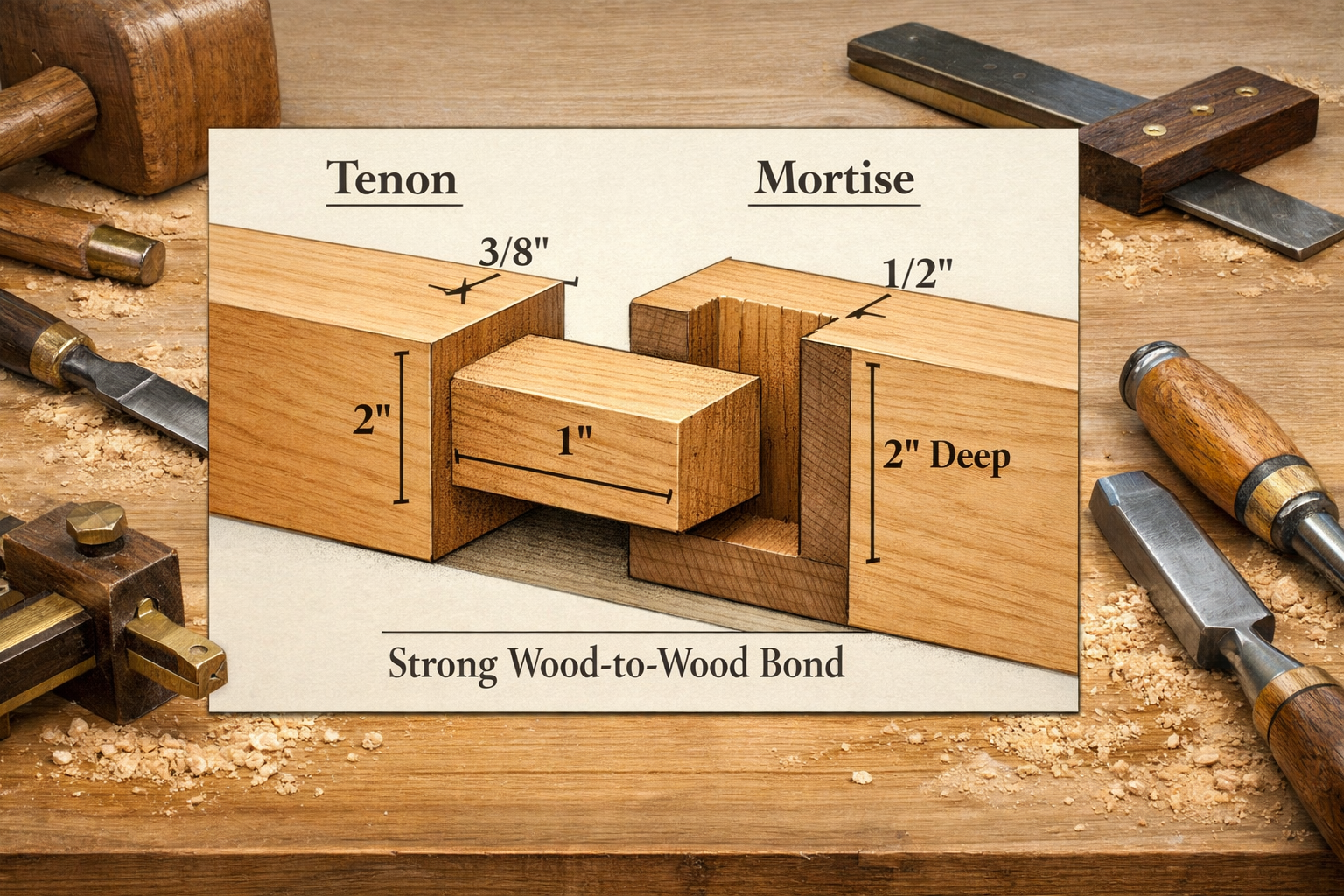
- Mortise and Tenon Joint:
- Description: This is perhaps the most fundamental and strongest of all frame joints. A rectangular ‘tenon’ cut on the end of one piece of wood fits snugly into a corresponding rectangular ‘mortise’ hole carved into another piece.
- Strength: The long grain-to-long grain glue surface, combined with the mechanical interlock, makes this joint highly resistant to racking and pulling apart.
- Applications: Widely used for joining rails to legs in tables, chairs, and bed frames. It forms the backbone of structural integrity in countless Shaker pieces. For those interested in precision joinery, this technique is paramount, as detailed in our guide on Mastering the Router Table: Essential Jigs, Safety, and Advanced Techniques for Precision Joinery and Edges.
- Dovetail Joint:
- Description: Characterized by interlocking ‘pins’ and ‘tails,’ this joint is famous for its exceptional resistance to pulling apart (tensile strength).
- Strength: The wedge shape of the tails prevents the joint from separating, even without glue, though glue dramatically increases its durability.
- Applications: The go-to joint for drawer construction, boxes, and casework where strong corners are essential. Our article on Mastering Dovetail Joinery for Drawers: Hand and Router Methods offers a deep dive into this crucial technique.
- Dado and Rabbet Joints:
- Description: A dado is a groove cut across the grain of a board, into which another board fits. A rabbet is a groove cut along the edge or end of a board.
- Strength: Provides excellent support and resistance to shear forces, creating strong, stable shelves and back panels.
- Applications: Used for shelving, cabinet bottoms, and back panels. They contribute significantly to the overall rigidity of case goods.
- Tongue and Groove Joint:
- Description: A protruding ‘tongue’ on one board fits into a corresponding ‘groove’ on another, typically along the edge.
- Strength: Creates a strong, continuous surface, preventing warping and providing a large glue surface.
- Applications: Commonly used for tabletops, floorboards, and panels where multiple narrower boards are joined to create a wider surface.
Applying Timeless Design Principles in 2026
The enduring appeal of Shaker furniture isn’t just about its strength; it’s about a design philosophy that transcends fleeting trends. The same principles that guided their joinery—simplicity, utility, and honesty of materials—remain profoundly relevant for woodworkers and designers in 2026. This allows for an effective Introduction to Shaker Furniture Joinery: Simplicity, Strength, and Timeless Design Principles in modern contexts.
The Shakers understood that true beauty emerges from perfect function and honest construction. They didn’t hide joints for aesthetic reasons but made them integrate seamlessly into the overall design, often allowing the precision of the joinery to speak for itself. This integrity is what makes Shaker furniture look as fresh today as it did centuries ago.
Embracing the Shaker Aesthetic
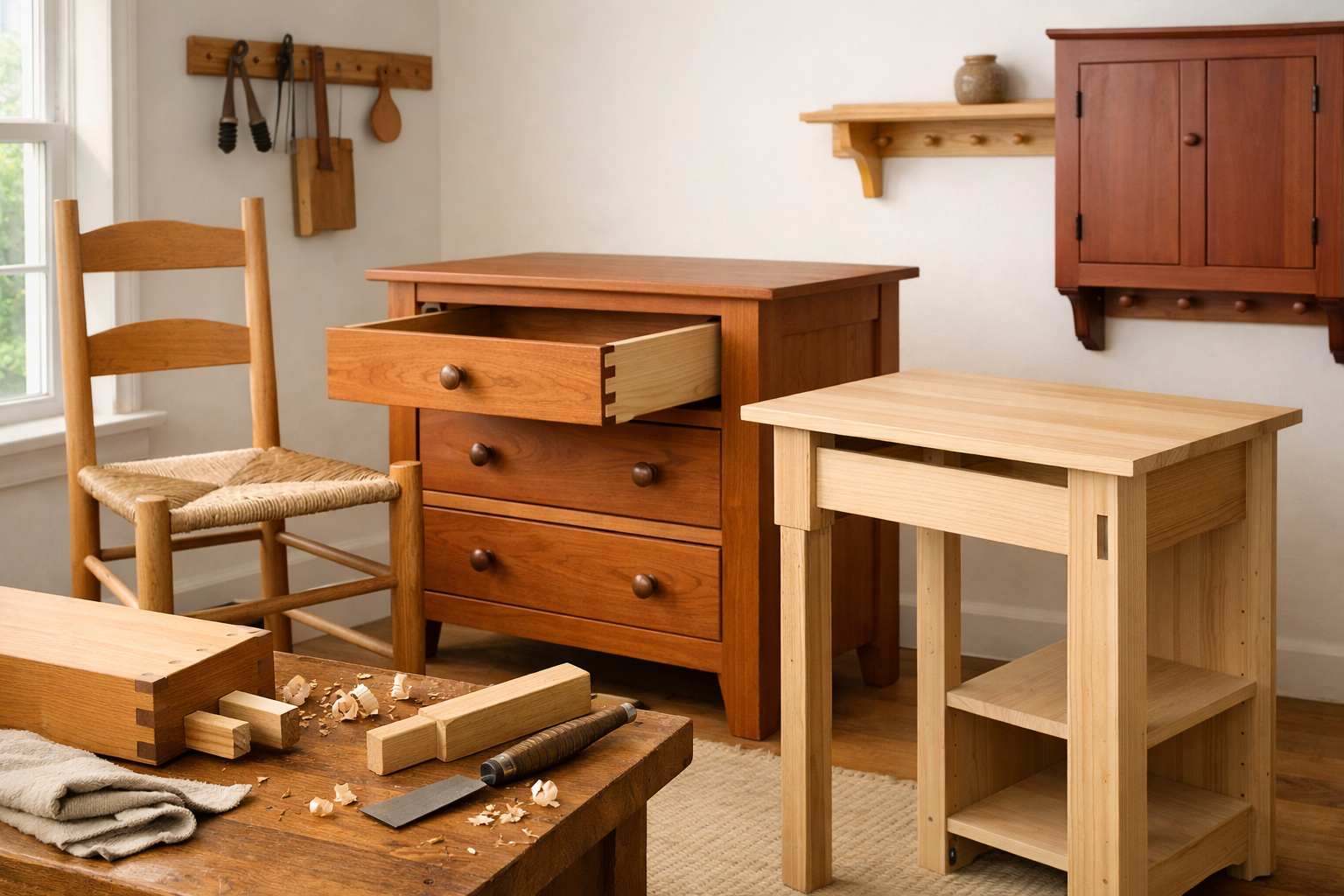
- Minimalism: Remove anything non-essential. Every element must have a purpose. This means no excessive carving, ornamentation, or fussy details. The form is dictated by the function.
- Utility: Furniture should be practical and serve its intended purpose efficiently. Storage pieces should be accessible, seating comfortable, and work surfaces stable.
- Proportion and Balance: Shaker designs are characterized by harmonious proportions. Pieces feel balanced and visually light, even when robustly constructed. This is achieved through careful attention to scale and the relationship between different parts.
- Quality Materials: Use the best quality wood available, often local hardwoods like cherry, maple, and pine. The natural beauty of the wood grain is celebrated, often highlighted by simple, protective finishes.
Modern Adaptations of Shaker Joinery
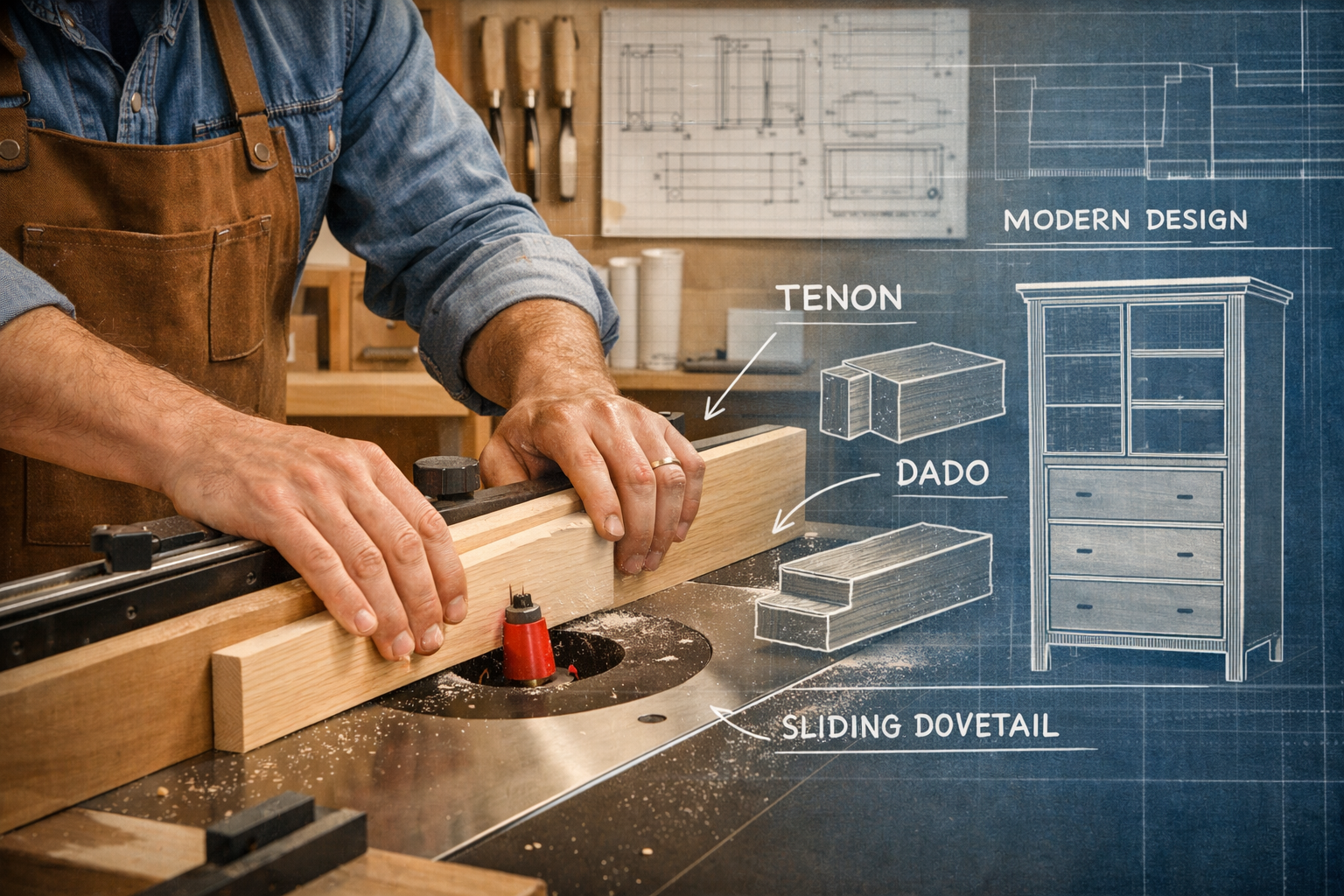
While the Shakers didn’t have power tools, their joinery principles are perfectly adaptable to modern workshops. In fact, contemporary tools like router tables and band saws can achieve the precision required for Shaker-level joinery with greater efficiency. For example, creating accurate mortise and tenon joints can be streamlined using specialized jigs on a router table, a skill explored in depth in our guide to Mastering the Router Table. Similarly, a Mastering the Band Saw can greatly assist in cutting tenons and other precise elements.
| Shaker Principle | Modern Adaptation Example | Impact on Design |
|---|---|---|
| Simplicity | Clean lines, minimalist hardware, integrated storage. | Reduces visual clutter, enhances contemporary aesthetics. |
| Strength | Use of concealed mortise and tenon, robust dovetails. | Increases durability, ensures longevity of pieces. |
| Utility | Modular furniture designs, multi-functional pieces. | Optimizes space in smaller homes, adapts to changing needs. For more on this, see Modular Furniture Design for Woodworkers. |
| Honest Materials | Celebrating natural wood grain, sustainable sourcing. | Connects user to nature, promotes eco-conscious craftsmanship. |
| Craftsmanship | Precision joinery, hand-finished surfaces, attention to detail. | Elevates perceived value, creates heirloom quality pieces. |
Mastering the Craft: Practical Steps for Applying Shaker Joinery
Embarking on the journey of Shaker joinery requires patience, precision, and a deep appreciation for the craft. For anyone looking for an Introduction to Shaker Furniture Joinery: Simplicity, Strength, and Timeless Design Principles, the best approach is hands-on learning, starting with the basics.
Essential Tools and Techniques
While modern tools can assist, understanding the hand tool approach provides a deeper connection to the Shaker spirit of craftsmanship.
- Measuring and Marking: Accurate layout is paramount. Use a sharp pencil, marking knife, and a reliable square. Precision here saves hours of rework later.
- Chisels and Mallets: For cutting mortises and refining tenons, sharp chisels are indispensable. Learn to pare and chop with control.
- Hand Saws: Backsaws are excellent for cutting shoulders and cheeks of tenons and the pins/tails of dovetails.
- Router Tables: For repetitive, precise cuts like tenons, dados, and rabbets, a router table can be a powerful ally. Setting up jigs correctly is crucial for accuracy.
- Clamping: Good clamps are your best friend for glue-ups, ensuring joints pull tight and squarely.
- Sharpening: Keep all cutting tools razor-sharp. A dull tool is dangerous and produces inferior results.
Project Ideas to Start
To truly grasp the principles, begin with simple projects that allow you to practice foundational joints.
- Small Stool or Bench: An ideal project to practice mortise and tenon joints for the legs and rails. A simple, sturdy design like this can become a valuable addition to your workshop or home. You can find inspiration in our article, Crafting Profitable Wooden Benches: Indoor & Outdoor Designs with Advanced Joinery for 2026.
- Simple Box with Dovetail Joints: This classic exercise allows you to master through dovetails, understanding how the pins and tails interlock to form incredibly strong corners.
- Basic Shelf Unit: Practice dado joints for shelves and rabbet joints for the back panel, creating a robust and utilitarian storage solution. For inspiration on shelving, consider Custom Floating Shelves from Design to Installation in Modern Kitchens or Beginner’s Guide to Building a Simple Wooden Bookshelf.
- Cutting Board with Tongue and Groove: While often using simpler edge joints, try incorporating a tongue and groove for a wider board, demonstrating robust panel construction.
By focusing on these projects, you’ll not only develop critical woodworking skills but also gain a profound appreciation for the elegance and practicality of Shaker joinery. The satisfaction of building something strong, beautiful, and lasting with your own hands is truly rewarding.
Conclusion
The Introduction to Shaker Furniture Joinery: Simplicity, Strength, and Timeless Design Principles reveals a philosophy of craftsmanship that remains profoundly relevant in 2026. The Shakers’ dedication to functionality, durability, and unadorned beauty, realized through meticulously executed joinery, offers a powerful lesson for any woodworker. Their joints are not merely connections; they are integral components of a design system that prioritizes longevity and utility above all else.
By understanding and applying the mortise and tenon, dovetail, dado, and tongue and groove joints with precision and purpose, modern woodworkers can infuse their creations with the same enduring quality that defines Shaker masterpieces. Embrace the simplicity, learn the strength, and let the timeless design principles of Shaker joinery elevate your craft.

Next Steps:
- Start Small: Pick a simple project like a stool or box to practice fundamental joints.
- Invest in Quality Tools: Sharp chisels, accurate squares, and a reliable marking knife are essential.
- Study Examples: Examine existing Shaker furniture or high-quality reproductions to understand their construction firsthand.
- Join a Community: Connect with other woodworkers, share tips, and learn from experienced artisans.