
The dining table is often the heart of a home, a place where families gather, stories are shared, and meals become memorable events. In this setting, every detail contributes to the overall ambiance, and even seemingly small accessories can elevate the experience. For the discerning homeowner and especially the skilled furniture maker looking to diversify their craft, Mastering Wooden Napkin Holders: Foldable Designs with Brass Accents for Dining Tables presents a unique opportunity. This article delves into the intricate process of crafting these elegant and functional pieces, from the precision of hand-cut dados to the polished finish, ideal for adding sophisticated tableware projects to any woodworking repertoire and boosting holiday sales.
Woodworking offers an endless canvas for creativity, and designing functional art for the home is a particularly rewarding endeavor. A well-made wooden napkin holder, especially one featuring clever foldable designs and the timeless gleam of brass accents, is more than just an item; it’s a statement of craftsmanship and an enhancement to any dining aesthetic. For woodworkers, this project isn’t just about creating a product; it’s about refining skills, exploring new techniques, and delivering pieces that resonate with quality and elegance.

Key Takeaways
- Precision Joinery is Paramount: Achieving a seamless foldable mechanism relies heavily on accurate dados, rabbets, and mortise and tenon joints, often requiring both hand-tool precision and power-tool efficiency.
- Material Selection Matters: The choice of wood and brass significantly impacts the aesthetic, durability, and perceived value of the napkin holder. Hardwoods like walnut, maple, or cherry, paired with high-quality brass, offer superior results.
- Design for Functionality and Aesthetics: Foldable designs offer space-saving benefits and visual interest, while brass accents add a touch of timeless elegance, making the holder both practical and decorative.
- Finishing Elevates the Craft: A meticulously applied finish protects the wood, enhances its natural beauty, and highlights the brass, ensuring the napkin holder withstands use and remains a cherished item.
- Market Appeal for Holiday Sales: These handcrafted, elegant napkin holders are perfect for holiday gift-giving or as a premium addition to any festive dining setting, offering a lucrative opportunity for furniture makers.
The Art of Crafting Foldable Wooden Napkin Holders with Brass Accents
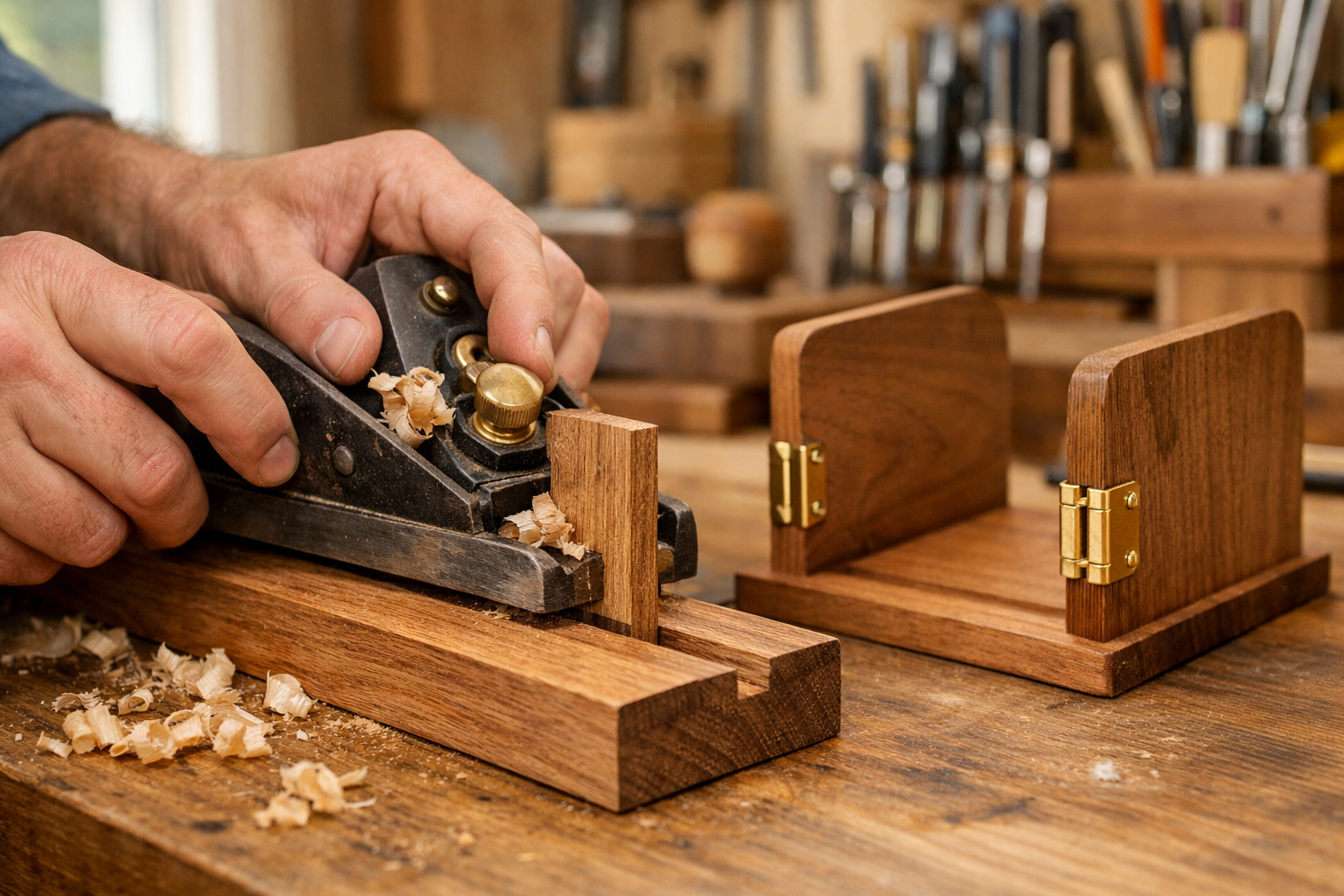
Creating a wooden napkin holder that is both beautiful and functional requires a blend of artistic vision and woodworking precision. When incorporating foldable mechanisms and brass accents, the complexity and rewarding nature of the project only increase. This section explores the foundational elements and design considerations involved in Mastering Wooden Napkin Holders: Foldable Designs with Brass Accents for Dining Tables.
Design Principles: Form Meets Function
The core of a successful foldable napkin holder lies in its design. It must be stable when open, fold neatly for storage, and elegantly display napkins.
- Foldable Mechanisms: Common designs include pivot points with brass hinges, sliding dovetails, or interlocking segments. Each requires precise measurements and joinery. For instance, a simple hinged design might involve two wooden panels connected by small, decorative brass hinges, allowing them to fold flat. More complex designs could feature multiple interlocking pieces that collapse into a compact form.
- Ergonomics and Usability: The holder should be easy to load and unload with napkins. Consider the typical napkin size (cocktail, lunch, dinner) and design the dimensions accordingly. The opening should be wide enough, but not so wide that napkins fall out.
- Aesthetic Integration: The foldable nature should not detract from the overall beauty. When open, it should present a cohesive and attractive form. When folded, it should be compact and perhaps even have its own decorative appeal.
Material Selection: Wood and Brass in Harmony
The choice of materials is crucial for both durability and aesthetic impact.
- Wood Choices:
- Hardwoods: Walnut, cherry, maple, and oak are excellent choices. They offer durability, beautiful grain patterns, and take finishes exceptionally well. Walnut, with its rich, dark tones, contrasts beautifully with brass. Maple provides a lighter, cleaner look, while cherry develops a stunning patina over time.
- Exotic Woods: For a truly unique piece, consider woods like padauk, wenge, or zebrawood, though these can be more challenging to work with.
- Reclaimed Wood: Using reclaimed wood can add character and a story to your napkin holder. Just ensure the wood is stable and free from defects. For tips on working with reclaimed materials, see our guide on reclaimed wood finishing techniques.
- Brass Accents:
- Types: Solid brass is preferred for its weight, luster, and resistance to corrosion. Options include polished brass, antique brass, or satin brass.
- Application: Brass can be incorporated in various ways:
- Hinges and Fasteners: Small, elegant brass hinges are essential for foldable designs. Brass screws or decorative pins can add visual interest.
- Inlays: Thin brass strips can be inlaid into the wood, creating striking patterns or borders.
- Feet or Caps: Small brass feet can elevate the holder and protect the table surface. Brass caps can finish off exposed end grain or pivot points.
Joinery Techniques: Precision for Functionality
The success of a foldable design hinges (pun intended!) on precise joinery.
- Hand-Cut Dados and Rabbets: These are fundamental for creating precise grooves and shoulders where pieces fit together or where brass elements might be recessed. Hand-cutting allows for unparalleled accuracy, especially when fitting brass inlays or creating tight tolerances for folding mechanisms.
- Mortise and Tenon Joints: For more robust designs, particularly for fixed sections or to secure pivot points, miniature mortise and tenon joints can be employed.
- Mitered Corners: For a clean, seamless aesthetic, especially on the outer frame, precisely mitered corners are critical. A power miter saw ensures repeatable, accurate cuts. For projects involving larger items like dining tables, consistent joinery is also key, as discussed in “Craft Your Dream Farmhouse Dining Table: The Ultimate 2025 DIY Guide 🏡✨ – Wood Craft Wiz” – Craft Your Dream Farmhouse Dining Table: The Ultimate 2025 DIY Guide 🏡✨.
- Dovetails (Miniature): While more challenging for a small item, miniature dovetails can be used for decorative and structural purposes in specific parts of the holder, showcasing advanced craftsmanship. Our article on “Ultimate DIY End Tables: Versatile Designs from Nightstands” delves deeper into dovetail drawers which can inspire techniques for smaller-scale applications.
“The true measure of a woodworker’s skill is often found in the precision of their smallest joinery. For a foldable napkin holder, every cut, every fit, must be exact.”
Tools and Techniques: Bridging Handcraft and Modern Efficiency
A combination of hand tools and power tools ensures both precision and efficiency.
- Hand Tools: Chisels, marking gauges, hand planes, and carving knives are indispensable for fine-tuning joints, creating crisp edges, and achieving intricate details, especially for recesses or inlays for brass elements.
- Power Tools: A table saw for ripping and cross-cutting, a router for dados and decorative edges, and a miter saw for accurate angle cuts will speed up the process while maintaining accuracy. A drill press is invaluable for precise, perpendicular holes for hinges or brass pins.
Bringing Designs to Life: Construction and Embellishment
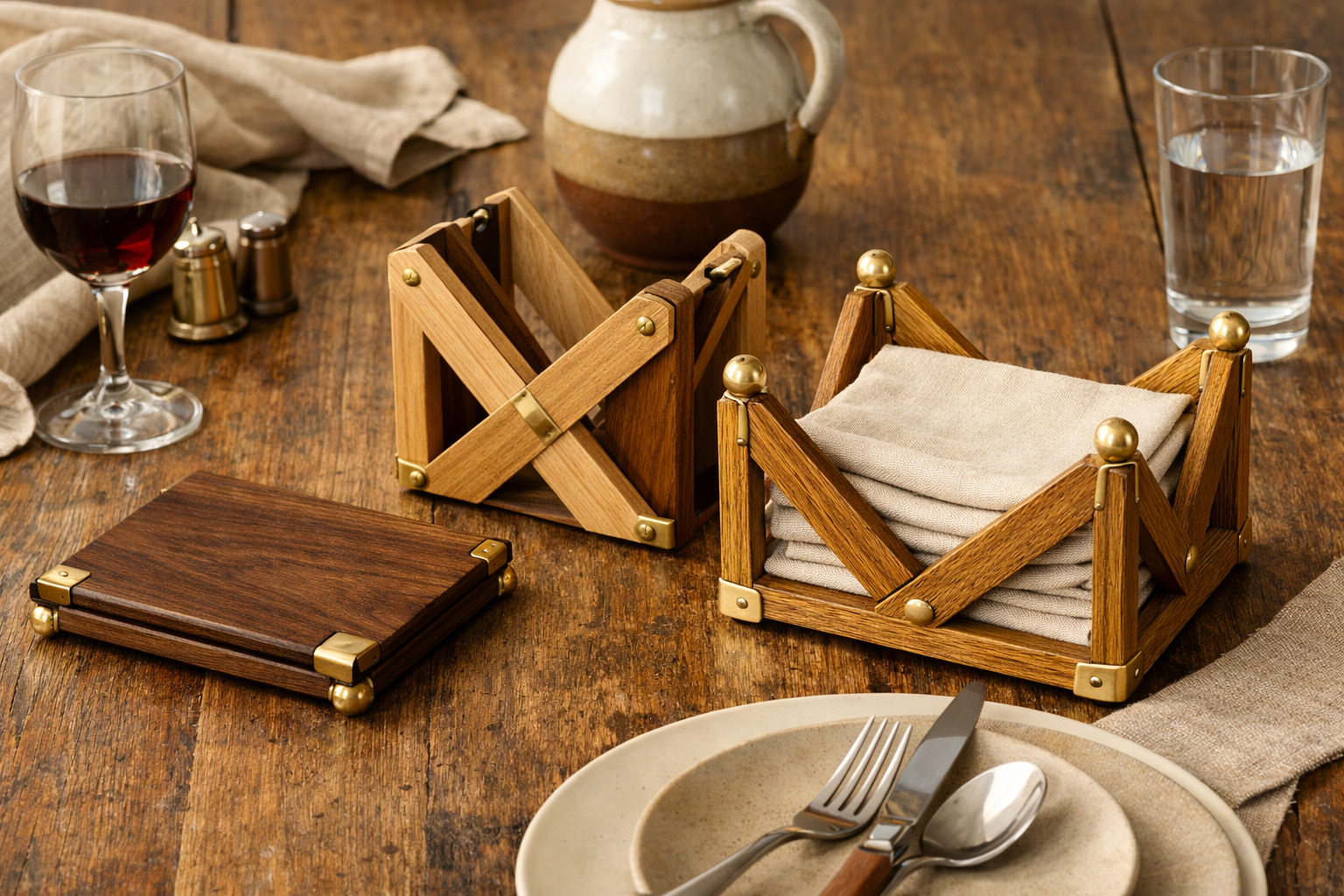
Once the design is finalized and materials are selected, the construction phase begins, where precision and attention to detail truly shine. This section details the practical steps for Mastering Wooden Napkin Holders: Foldable Designs with Brass Accents for Dining Tables.
Step-by-Step Construction Process
Preparation and Layout:
- Rough Cut Lumber: Begin by safely rough-cutting your chosen lumber to slightly oversized dimensions using a table saw.
- Milling: Mill the lumber to final dimensions, ensuring all faces are square and parallel. This is critical for accurate joinery.
- Layout: Carefully lay out all cuts and joinery locations directly on the wood using a marking knife and square. Double-check all measurements.
Cutting Joinery:
- Dados and Rabbets: Use a router with a straight bit, or a dado stack on a table saw, to cut precise dados and rabbets. For extremely tight fits, particularly for brass inlays, hand chisels can be used to refine the cuts after initial router passes.
- Mitered Corners: For the frame, cut mitered corners with a high-quality miter saw for perfect 45-degree angles. Test fit these frequently.
- Hinge Mortises: If using surface-mounted brass hinges, mark their locations precisely and use a sharp chisel to create shallow mortises for a flush fit.
Assembly of Wooden Components:
- Dry Fit: Always dry fit all components before applying glue. This allows for adjustments and ensures everything aligns perfectly.
- Gluing: Apply a thin, even coat of wood glue to mating surfaces. Clamp securely, ensuring pieces are square. Wipe off excess glue immediately with a damp cloth. Allow sufficient drying time.
- Reinforcement (Optional): Consider adding small dowels or splines to mitered corners for added strength, though for small items like napkin holders, precise gluing is often sufficient.
Integrating Brass Accents
Integrating brass requires careful planning and execution to achieve a seamless, high-end look.
- Hinge Installation:
- Marking: Mark the exact locations for the brass hinges on both mating surfaces.
- Drilling Pilot Holes: Use a drill bit slightly smaller than the brass screws to drill pilot holes. This prevents splitting the wood and ensures the screws drive in straight.
- Fastening: Carefully attach the hinges with the brass screws, ensuring they operate smoothly.
- Brass Inlays:
- Routing/Chiseling: Create a shallow recess in the wood, precisely matching the dimensions of your brass inlay strip or shape. A router with a fine bit is ideal, followed by chisel work for corners.
- Adhesion: Use a strong adhesive suitable for both wood and metal (e.g., epoxy or CA glue). Clamp or weight the inlay until the adhesive cures.
- Finishing Flush: Once cured, sand the brass inlay flush with the surrounding wood, working through progressively finer grits.
- Decorative Brass Elements: For brass feet or caps, follow the manufacturer’s instructions for attachment, typically involving small screws or adhesive.
Sanding and Finishing: The Final Polish
The finish is where the napkin holder truly comes to life, enhancing the wood’s natural beauty and protecting it, while making the brass gleam.
Sanding:
- Start with a medium-grit sandpaper (e.g., 120-grit) to remove any imperfections or glue residue.
- Progress through finer grits (180, 220, 320, or even 400-grit) to achieve a silky-smooth surface.
- Always sand with the grain to avoid scratches.
- Remove all sanding dust thoroughly between grits using a tack cloth or compressed air.
Finishing:
- Oil Finishes: Penetrating oil finishes (like Danish oil or tung oil) enhance the natural grain, provide a warm luster, and are easy to repair. Apply several thin coats, allowing each to cure before reapplying. For details on oiling different woods, consider our guide on danish oil vs linseed.
- Polyurethane: For a more durable, protective surface, particularly for items exposed to spills, a clear polyurethane finish can be applied. Water-based polyurethane is easy to clean up and less prone to yellowing. Apply thin coats, sanding lightly with a fine grit (e.g., 320-grit) between coats. For best results, explore techniques like sprayable water-based polyurethane or read our comparison of spray vs brush polyurethane.
- Wax: A final coat of furniture wax can add a soft sheen and additional protection, especially over an oil finish.
Brass Polishing:
- Once the wood finish is completely cured, clean and polish the brass accents using a non-abrasive brass cleaner and a soft cloth to restore their shine. Protect the finished wood from polish residue.
Enhancing Your Dining Table with Bespoke Woodwork
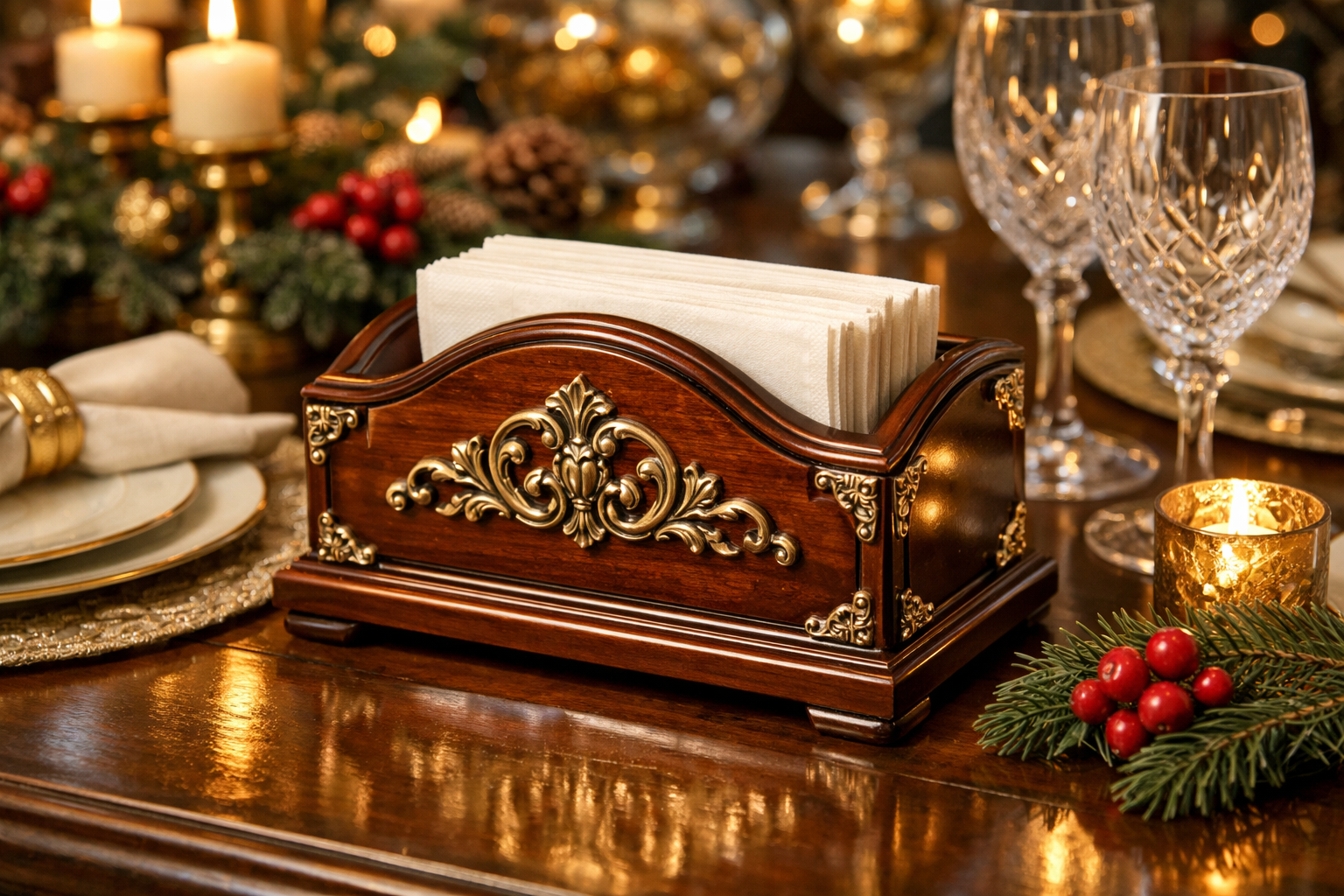
The culmination of your efforts in Mastering Wooden Napkin Holders: Foldable Designs with Brass Accents for Dining Tables results in a functional piece of art that enriches the dining experience. These handcrafted items are not only practical but also serve as exquisite decorative elements, perfectly suited for the contemporary home and especially appealing during the holiday season.
The Impact on Dining Aesthetics
A wooden napkin holder, particularly one with carefully chosen brass accents and a clever foldable design, adds a layer of sophistication and warmth to any dining table.
- Warmth and Texture: Natural wood brings organic warmth and texture, contrasting beautifully with the smooth surfaces of china and glass.
- Elegance of Brass: The subtle gleam of brass provides a touch of timeless elegance, evoking classic design sensibilities without being overly ornate.
- Conversation Starter: A unique, handmade item often becomes a point of conversation, allowing the host to share the story of its craftsmanship.
- Versatility: These holders complement various decor styles, from rustic farmhouse to modern minimalist. They are at home on a grand holiday table or a casual family breakfast setup. For more handcrafted items that elevate home decor, consider exploring Handcrafted Wooden Wall Art: 3D Layered Panels and Geometric or “Live Edge Wood Projects: From Design to Execution for Home C” – Live Edge Wood Projects.
Market Appeal for Furniture Makers
For furniture makers, venturing into smaller, high-quality tableware items like these napkin holders offers several compelling advantages:
- Skill Refinement: These projects allow for the practice and refinement of precision woodworking skills on a smaller scale, which can then be applied to larger pieces.
- Material Efficiency: They make excellent use of smaller wood offcuts and “Turning Shop Scraps into Design Features: Mixed-Wood Techniq” – turning shop scraps into design features, reducing waste.
- High-Value Niche: Handcrafted, bespoke dining accessories occupy a niche market that appreciates quality and uniqueness, allowing for premium pricing.
- Holiday Sales Opportunity: The 2026 holiday season is an ideal time to market these items. They make thoughtful, high-end gifts and are perfect for festive table settings. Consider packaging them beautifully to enhance their gift appeal.
- Portfolio Diversification: Adding elegant tableware expands a woodworker’s portfolio, showcasing versatility and attention to detail beyond larger furniture pieces.
Maintenance and Care
To ensure these beautiful wooden napkin holders last for generations, proper care is essential:
- Cleaning: Wipe with a soft, damp cloth. Avoid harsh chemicals or abrasive cleaners, especially on the brass.
- Spills: Wipe up spills immediately to prevent staining or damage to the wood finish.
- Brass Maintenance: Periodically polish the brass accents with a specialized brass cleaner to maintain their luster.
- Avoid Extreme Conditions: Keep the holder away from direct sunlight, excessive heat, or high humidity, which can cause wood to warp or crack.
Conclusion
Mastering Wooden Napkin Holders: Foldable Designs with Brass Accents for Dining Tables is a rewarding endeavor that combines intricate woodworking with elegant design. From the precise cutting of dados and mitered corners to the meticulous integration of gleaming brass and a flawless finish, each step offers an opportunity to hone your craft and create something truly special. These bespoke napkin holders not only enhance the beauty and functionality of any dining table but also provide a valuable avenue for furniture makers to diversify their offerings, refine their skills, and tap into the lucrative market for high-quality, handcrafted home accessories, especially as the 2026 holiday season approaches.

By focusing on precision, quality materials, and thoughtful design, you can transform simple pieces of wood and brass into cherished heirlooms that elevate every meal into a memorable occasion.
Actionable Next Steps:
- Sketch Your Design: Begin by sketching several foldable napkin holder designs, considering different hinge placements and wood/brass combinations.
- Source Quality Materials: Invest in high-quality hardwoods and solid brass hardware.
- Practice Joinery: If new to miniature joinery, practice cutting dados, rabbets, and precise miters on scrap pieces.
- Refine Finishing Techniques: Experiment with different finishes (oil, polyurethane) to achieve the desired look and durability.
- Showcase Your Work: Once perfected, photograph your creations beautifully and consider offering them for sale online or at local craft markets for holiday shoppers.