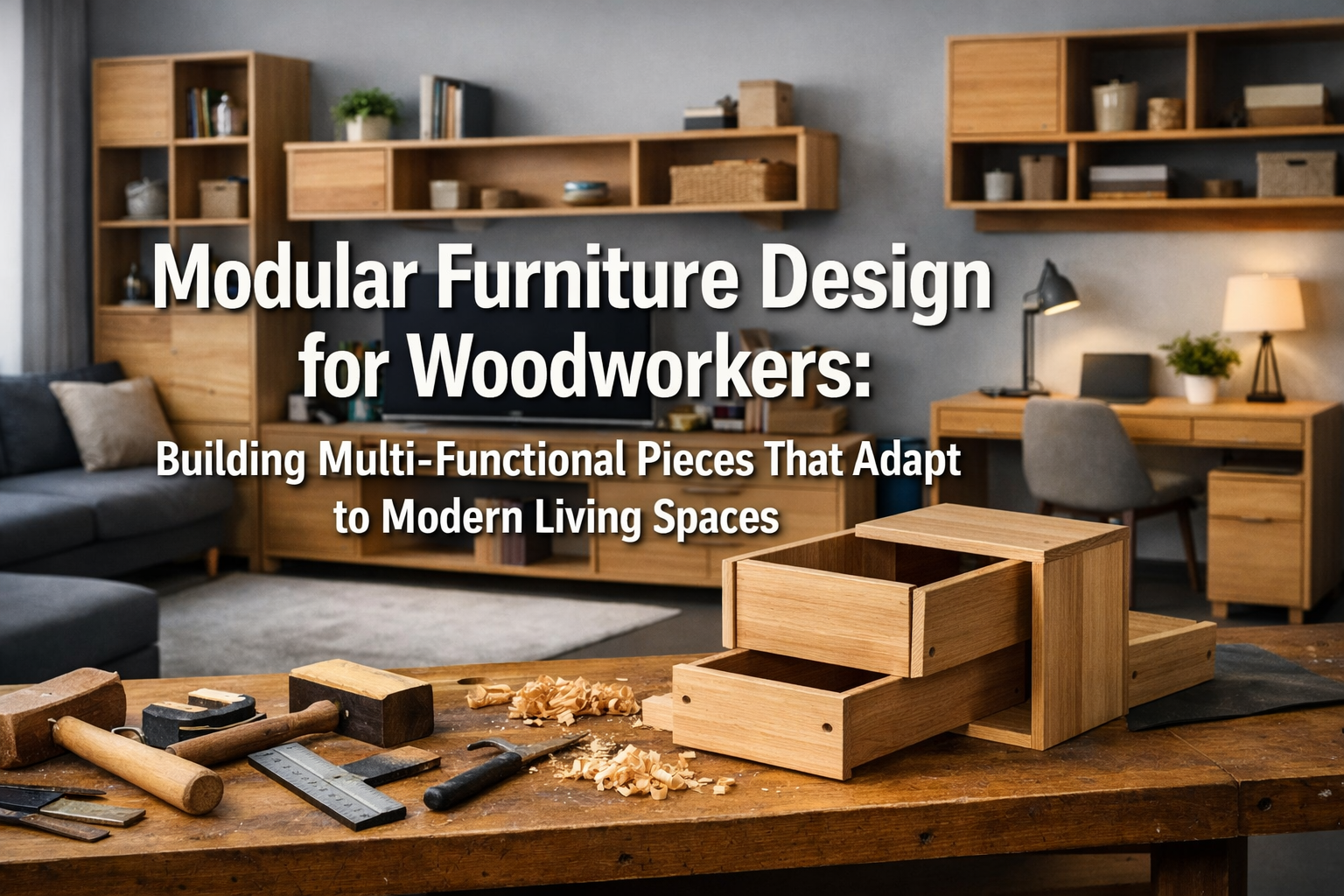

In an era where living spaces are often shrinking and lifestyles are constantly evolving, the demand for furniture that is both beautiful and highly adaptable has never been greater. For woodworkers, this presents an exciting opportunity to explore Modular Furniture Design for Woodworkers: Building Multi-Functional Pieces That Adapt to Modern Living Spaces. This article will explore how to design and build modular wooden furniture that transforms with changing lifestyle needs, combining traditional joinery with contemporary space-saving solutions. From studio apartments to expansive family homes, modular designs offer unparalleled flexibility, allowing pieces to be reconfigured, expanded, or repurposed to meet diverse requirements in 2026 and beyond.
The art of modular furniture isn’t just about creating individual pieces; it’s about crafting a system. It’s about understanding how components can interlock, stack, or connect to form a cohesive, yet changeable, whole. This approach empowers woodworkers to move beyond static designs and embrace a dynamic philosophy that truly serves the modern homeowner.

Key Takeaways
- Modular furniture offers exceptional adaptability and versatility for modern living spaces.
- Careful planning and precise joinery are crucial for building durable and reconfigurable modular pieces.
- Material selection plays a vital role in both the aesthetics and structural integrity of modular furniture.
- Woodworkers can leverage traditional skills to create contemporary, multi-functional designs that meet evolving needs.
- Embracing modular design opens new avenues for creativity and client satisfaction in woodworking.
The Philosophy of Adaptability: Why Modular Furniture Matters in 2026
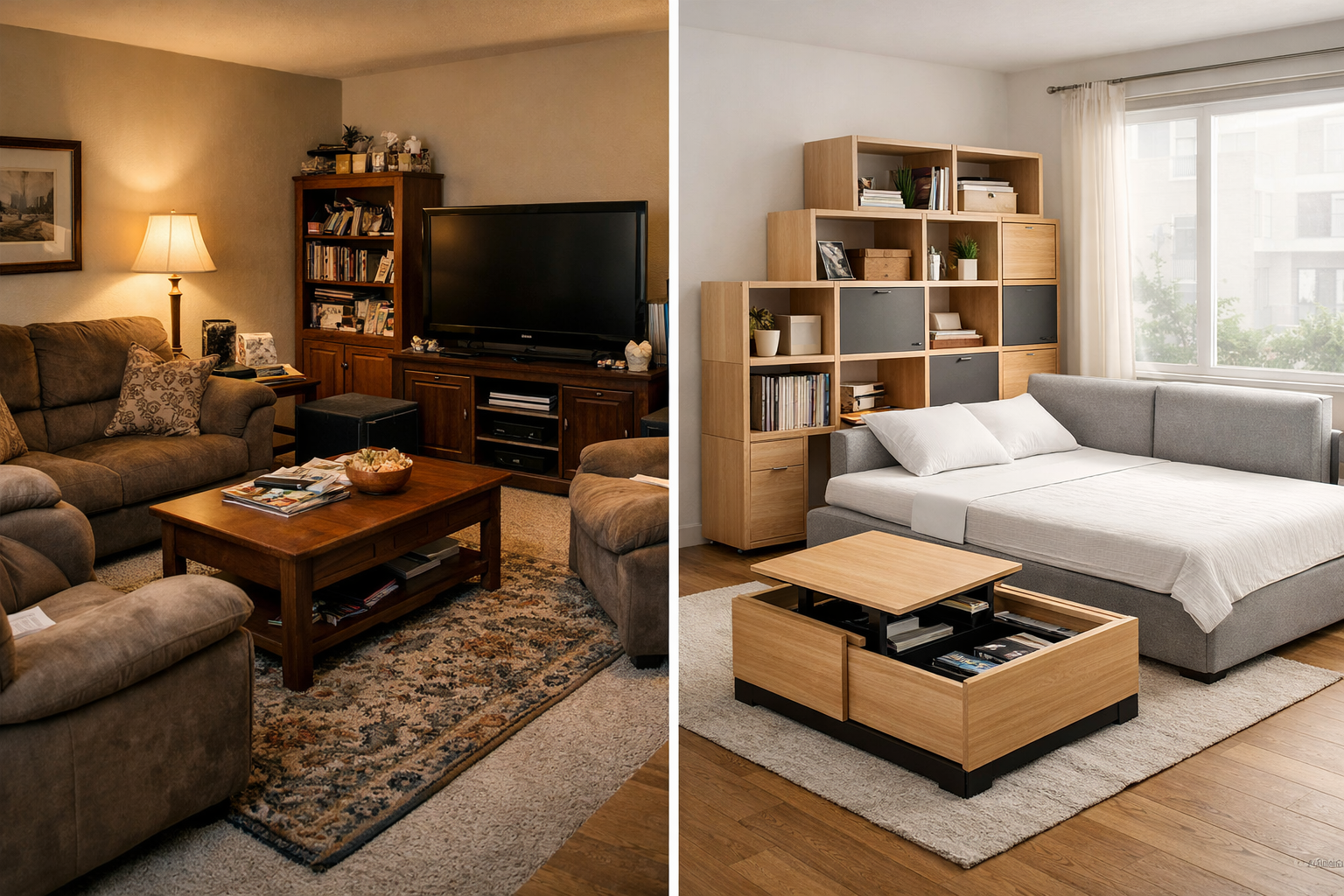
Modern living demands flexibility. Whether it’s a bustling city apartment, a growing family home, or a remote workspace, the furniture within these spaces must be able to keep up with life’s unpredictable shifts. This is where the core philosophy of Modular Furniture Design for Woodworkers: Building Multi-Functional Pieces That Adapt to Modern Living Spaces truly shines.
Traditional furniture, while often beautiful and well-crafted, can be static. A large cabinet designed for one room might be unsuitable for another. A desk might not easily transform into a dining table. Modular furniture, by contrast, is engineered with change in mind. It’s built from interchangeable units that can be rearranged, added to, or separated, offering a dynamic solution to spatial challenges.
Embracing Versatility in Design
The versatility of modular design extends far beyond simply fitting into small spaces. It addresses a range of contemporary needs:
- Space Optimization: In urban environments, every square foot counts. Modular units can serve multiple functions, like a bookshelf that doubles as a room divider or a series of cubes that can be a coffee table, ottoman, or extra seating.
- Evolving Lifestyles: As families grow, move, or simply change their preferences, modular furniture can adapt. A child’s changing needs, from a playroom to a study, can be met by reconfiguring existing units rather than buying entirely new furniture.
- Sustainability: By creating pieces that can be endlessly repurposed, woodworkers contribute to a more sustainable consumption model. Longevity and adaptability reduce the need for frequent replacements, minimizing waste.
- Personalization: Homeowners can become co-creators, arranging modules to reflect their unique style and functional needs. This empowers them to tailor their environment precisely.
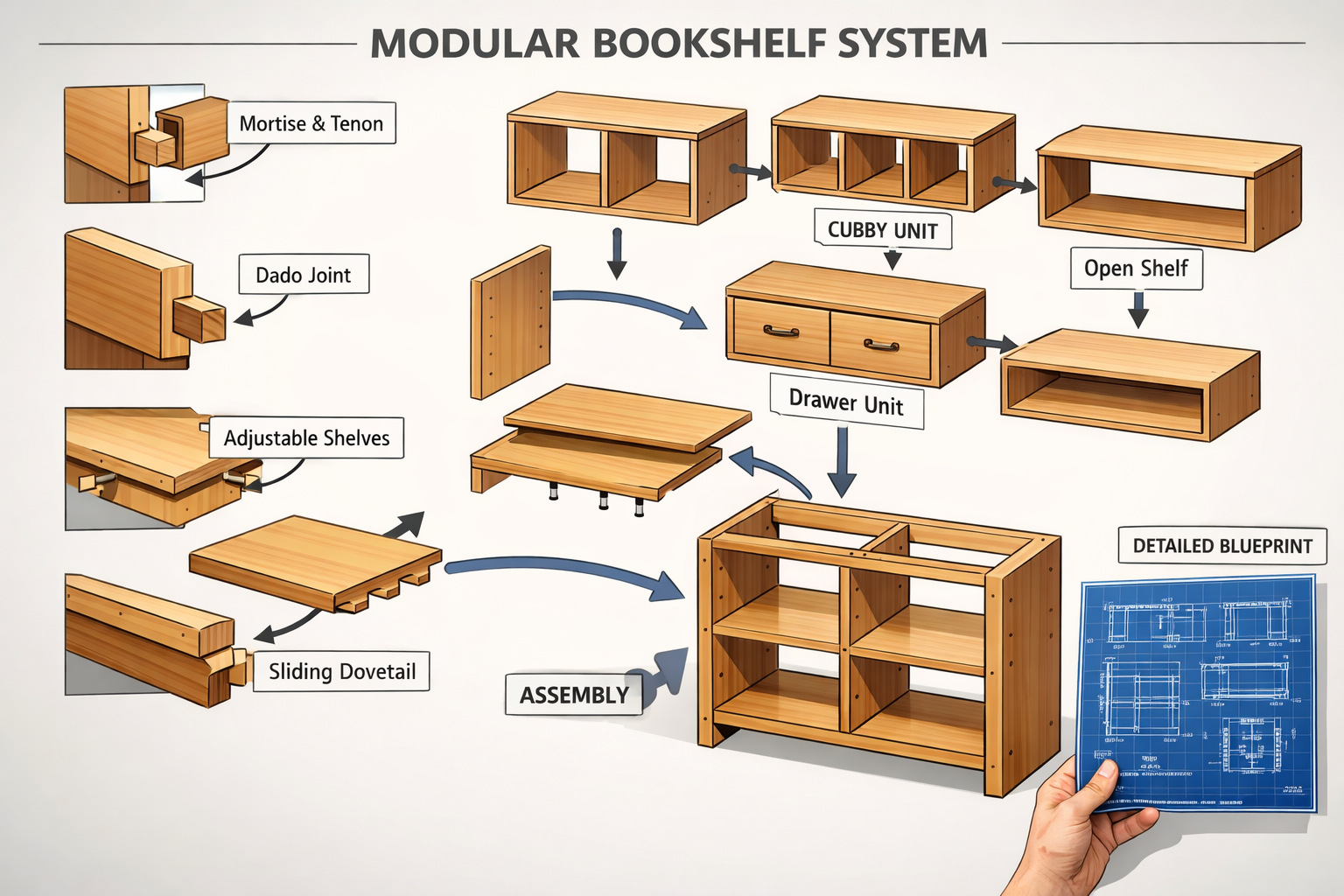
Consider a simple modular shelving system. What starts as a series of open cubes can evolve into a closed storage unit with added drawers, a display case with glass doors, or even a low media console. Each modification uses the same core components, showcasing the ingenuity of modular thinking.
💬 “The beauty of modular design lies in its promise of endless possibilities. For woodworkers, it’s about building a language of components, not just individual words.”
Common Applications of Modular Wood Furniture
The applications for modular wood furniture are vast and varied. Here are some popular examples that woodworkers can explore:
- Storage Systems: From bookcases that grow with your library to adaptable pantry shelves, modular storage is a foundational category. Think about designing stackable crates or interlocking shelf units.
- Seating: Modular sofas and armchairs are popular, allowing homeowners to expand or shrink their seating arrangements as needed. Woodworkers can focus on crafting sturdy wooden bases that accommodate interchangeable cushions.
- Desks and Workstations: With the rise of remote work, adaptable desk solutions are in high demand. Modular desk units can be combined to form larger workstations, or separated into individual study nooks.
- Bedroom Furniture: Headboards with integrated, movable storage, or bed frames that can accept various under-bed drawer configurations, offer significant value. See our guide on Crafting Your Dream Retreat: The Ultimate Guide to a Woodworking Bedroom in 2026 for inspiration.
- Children’s Furniture: This is a fantastic area for modular design, as children’s needs change rapidly. Beds that convert to desks, or storage units that transform from toy bins to clothing drawers, are highly sought after. Consider exploring Children’s Woodwork Projects: Nurturing Skills and Creativity in 2026 for initial project ideas that can be adapted.
By understanding these broad applications, woodworkers can begin to conceptualize projects that resonate with modern consumer demands for adaptability and multi-functionality.
Design Principles and Joinery for Adaptable Pieces
The success of Modular Furniture Design for Woodworkers: Building Multi-Functional Pieces That Adapt to Modern Living Spaces hinges on sound design principles and the selection of appropriate joinery. Unlike static furniture, modular pieces must be robust enough to withstand repeated assembly and disassembly while maintaining structural integrity.
Core Design Considerations
When embarking on a modular project, several key design considerations must be at the forefront:
- Standardization of Components: For modules to be interchangeable, they must adhere to consistent dimensions and connection points. This might involve creating a “grid” or a set of standardized widths, depths, and heights for your units.
- Ease of Assembly/Disassembly: The design should allow for relatively straightforward assembly and disassembly without requiring specialized tools or excessive force. This is critical for user experience.
- Stability and Durability: Each module, and the assembled unit, must be stable and durable. This often means over-engineering certain joints or using thicker stock than might be typical for static furniture.
- Aesthetics: Modular doesn’t mean utilitarian. The visual appeal of the individual components and the assembled configurations is paramount. Consider how different wood species, finishes, and hardware choices will impact the overall look.
- Material Selection: The type of wood chosen impacts both the strength and weight of the modules. Hardwoods like oak, maple, or walnut offer excellent durability, while lighter woods like pine or poplar might be suitable for less load-bearing applications. Plywood is also an excellent choice for its stability and sheet good efficiency. For insights into wood selection, our article comparing Aspen vs. Poplar Wood: A Comprehensive Comparison can be a useful resource.
Essential Joinery Techniques for Modular Woodworking
The choice of joinery is perhaps the most critical aspect of modular furniture design. Joints must be strong, precise, and, in many cases, repeatable.
Here’s a table outlining common joinery methods and their suitability for modular applications:
| Joinery Type | Description | Pros for Modular Use | Cons for Modular Use | Example Application |
|---|---|---|---|---|
| Dado & Rabbet | Grooves cut into one piece to receive another. | Strong, simple, good for shelf supports and panel connections. | Can be permanent if glued; requires precise routing/sawing. | Bookcase shelves, cabinet carcases |
| Mortise & Tenon | A projection (tenon) fits into a rectangular hole (mortise). | Extremely strong, traditional, can be hidden. | Time-consuming; usually permanent unless designed with wedges/pins. | Frame construction, table legs and rails |
| Dovetails | Interlocking “pins” and “tails.” | Very strong mechanically, aesthetically pleasing. | Complex to cut, usually permanent. | Drawer boxes, high-end cabinet joinery |
| Dowels | Cylindrical wooden pins inserted into mating holes. | Relatively strong, good alignment, can be hidden. | Requires a good Doweling Jigs: A Comprehensive Guide to Types, Setup, Techniques, and Best Practices; less shear strength than mortise & tenon. | Panel alignment, light frame joints |
| Loose Tenon (Domino) | Similar to mortise and tenon, but the tenon is a separate floating piece. | Strong, fast with specialized tools, excellent alignment. | Requires a specialized machine (e.g., Festool Domino). | Cabinet frames, table aprons |
| Hardware Connectors | Cam locks, threaded inserts, knock-down fasteners, specialized connectors. | Designed for easy assembly/disassembly, often hidden. | Can be less robust than traditional joinery, prone to loosening over time. | Flat-pack furniture, easily reconfigurable units |
| Sliding Dovetail | A wedge-shaped tenon slides into a matching groove. | Strong, allows for expansion/contraction, can be non-permanent. | Requires precise cutting, can be tricky to fit. | Shelving units that slide into dados, interlocking panels |
For modular units designed for frequent reconfiguration, hardware connectors and sliding dovetails are often preferred due to their ease of assembly and disassembly. However, for core structural components that will remain fixed, traditional joinery like mortise and tenon or dado joints provide superior strength and longevity.
When selecting fasteners for components that need to be secured, our article on Woodworking Fasteners NYT: Crossword Answers – Wood Craft Wiz offers some general knowledge, though for modular furniture, specific knock-down hardware is more relevant.
Building Multi-Functional Pieces: Techniques and Practicalities
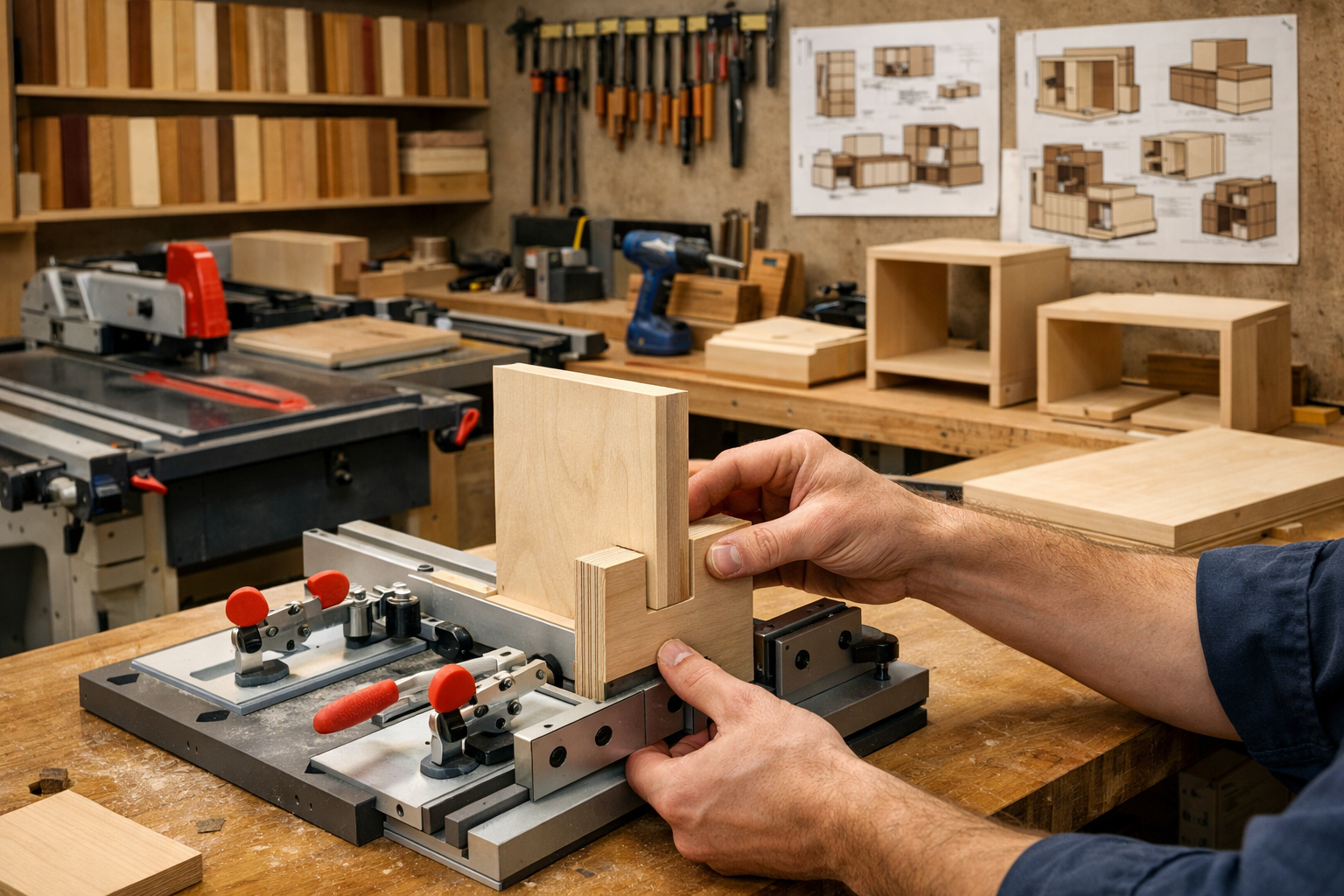
The practical execution of Modular Furniture Design for Woodworkers: Building Multi-Functional Pieces That Adapt to Modern Living Spaces involves a blend of precise cuts, thoughtful finishing, and an understanding of how individual components will interact in various configurations.

Precision Cutting and Joinery Setup
Accuracy is paramount in modular woodworking. Even a slight discrepancy in dimensions can prevent components from fitting together smoothly or result in an unstable final assembly.
- Table Saw Mastery: A well-tuned table saw is indispensable for cutting panels and stock to exact dimensions. Ensure your fence is perfectly parallel to the blade and your miter gauge is calibrated. For advanced techniques, exploring resources related to Harvey Table Saw Reviews: Key Features, Comparisons & User Experiences or understanding specific models like the Craftsman 152 Table Saw: Overview, Techniques, and More can be beneficial.
- Router Table Work: Router tables are excellent for cutting dados, rabbets, and decorative profiles consistently. Creating jigs for repeatable cuts is highly recommended.
- Jigs and Fixtures: For any repetitive cuts or joinery, building custom jigs will save time and drastically improve accuracy. This could include a dado jig for shelving units or a template for routing a specific interlocking mechanism.
- Test Fits: Always perform dry runs of your joinery before applying glue or final assembly. This allows you to identify and correct any fit issues early on.
Finishing for Durability and Aesthetics
The finish applied to modular furniture is crucial for both protection and visual appeal, especially since these pieces might be handled and reconfigured frequently.
- Durability: Opt for finishes that can withstand wear and tear. Polyurethane (oil-based or water-based), conversion varnish, or a durable oil/varnish blend are excellent choices. For detailed guidance, consider our article on Sprayable Water Based Polyurethane: A Step-by-Step Guide or general finishing techniques like natural wood finishing techniques.
- Consistency: If modules are to be mixed and matched, ensure a consistent finish across all components. This means using the same product, application method, and number of coats.
- Smoothness: A smooth, even finish not only looks good but also allows modules to slide or connect without snagging. Proper sanding is key before finishing.
- Color and Grain: The choice of wood and finish should complement the modular design. Light finishes often highlight the adaptability of pieces, while darker finishes can add sophistication. For those interested in darker aesthetics, resources on dark wood finishing techniques could be useful.
Project Ideas and Adaptable Features
Let’s look at some tangible project ideas that embody the spirit of multi-functional modular design:
Modular Storage Cubes:
- Concept: Individual wooden cubes that can be stacked, arrayed, or mounted.
- Joinery: Dados and rabbets for the main box, with pre-drilled holes for connecting hardware (e.g., threaded inserts and connecting bolts).
- Multi-Functionality: Can be bookshelves, display cubbies, bedside tables, or combined to form a room divider. Add optional fronts (doors/drawers) that slide into grooves or attach with magnetic catches.
- Adaptable Feature: Offer different sizes of cubes (e.g., 12″x12″x12″ and 12″x12″x18″) for varied storage needs.
Convertible Coffee Table/Dining Table:
- Concept: A coffee table with a mechanism that allows its height and/or surface area to expand into a dining table.
- Joinery: Robust mortise and tenon or loose tenon joints for the frame. Hidden sliding mechanisms (e.g., metal extension slides or wooden runners) for expansion.
- Multi-Functionality: Serves as a low-profile coffee table for daily use, then elevates and expands for meals or larger gatherings.
- Adaptable Feature: Design the top in two or three interlocking leaves, allowing different sizes of expansion.
Modular Seating with Integrated Storage:
- Concept: Individual wooden benches or ottomans that can be combined to form a sofa, L-shaped sectional, or separate seating.
- Joinery: Heavy-duty hardware connectors that securely link units. Strong frame construction with half-lap or bridle joints.
- Multi-Functionality: Each unit can have a lift-top or pull-out drawer for hidden storage. Can be arranged as a long bench, individual chairs, or a cozy nook.
- Adaptable Feature: Offer upholstered tops that are interchangeable, allowing for easy updates in fabric or color.
When building these pieces, always keep the end-user in mind. How easy will it be for them to reconfigure? How durable will the connections be over time? Answering these questions during the design and build process ensures that your Modular Furniture Design for Woodworkers: Building Multi-Functional Pieces That Adapt to Modern Living Spaces truly delivers on its promise.
Conclusion
Modular Furniture Design for Woodworkers: Building Multi-Functional Pieces That Adapt to Modern Living Spaces represents a significant and rewarding avenue for skilled craftsmen in 2026. By embracing the principles of adaptability, versatility, and thoughtful design, woodworkers can create not just furniture, but dynamic solutions for contemporary living. The journey involves meticulous planning, precise execution of joinery, and a keen eye for both structural integrity and aesthetic appeal.
The demand for furniture that can evolve with changing needs, optimize space, and embody sustainable practices is only growing. This niche allows woodworkers to push the boundaries of traditional craftsmanship, combining time-honored techniques with innovative, problem-solving designs. Whether crafting a series of interlocking storage cubes, a convertible table, or an adaptable seating system, the emphasis remains on creating pieces that are beautiful, durable, and above all, endlessly useful.
Actionable Next Steps
- Start Small: Begin with a simple modular project, such as a set of interlocking shelving units or stackable storage boxes, to master the fundamentals of standardization and repeatable joinery.
- Research Hardware: Explore the latest knock-down fasteners and specialized connectors designed for modular furniture to understand their strengths and limitations.
- Sketch and Prototype: Develop detailed sketches and consider creating scale models or full-size prototypes in inexpensive materials (like MDF) to test joinery and configurations before committing to your final wood.
- Master Key Joinery: Focus on perfecting repeatable and robust joinery techniques like dados, rabbets, sliding dovetails, and precise doweling. Review resources like our guide on Doweling Jigs: A Comprehensive Guide to Types, Setup, Techniques, and Best Practices.
- Consider Your Client: Think about who your target client is and what their specific spatial challenges and lifestyle needs might be. Design modular solutions that directly address these pain points.
- Build a Portfolio: As you complete projects, document them thoroughly with photos and descriptions of their modular features and adaptability. This will be invaluable for showcasing your expertise in this growing field.
Embrace the challenge of modular design, and you will discover a rich new dimension in woodworking, creating pieces that truly resonate with the demands of modern life.
References
- Danish Wood Design. (2020). Modular Furniture Systems: A History and Future Outlook.
- Fine Woodworking Magazine. (2018). The Art of Joinery: Techniques for Strong and Beautiful Furniture. Taunton Press.
- Stickley, G. (1909). Craftsman Homes. The Craftsman Publishing Co. (While an older source, Stickley’s emphasis on functional, well-built furniture with adaptable elements provides historical context for multi-functional design).
- The Spruce Crafts. (2023). Types of Wood Joinery.