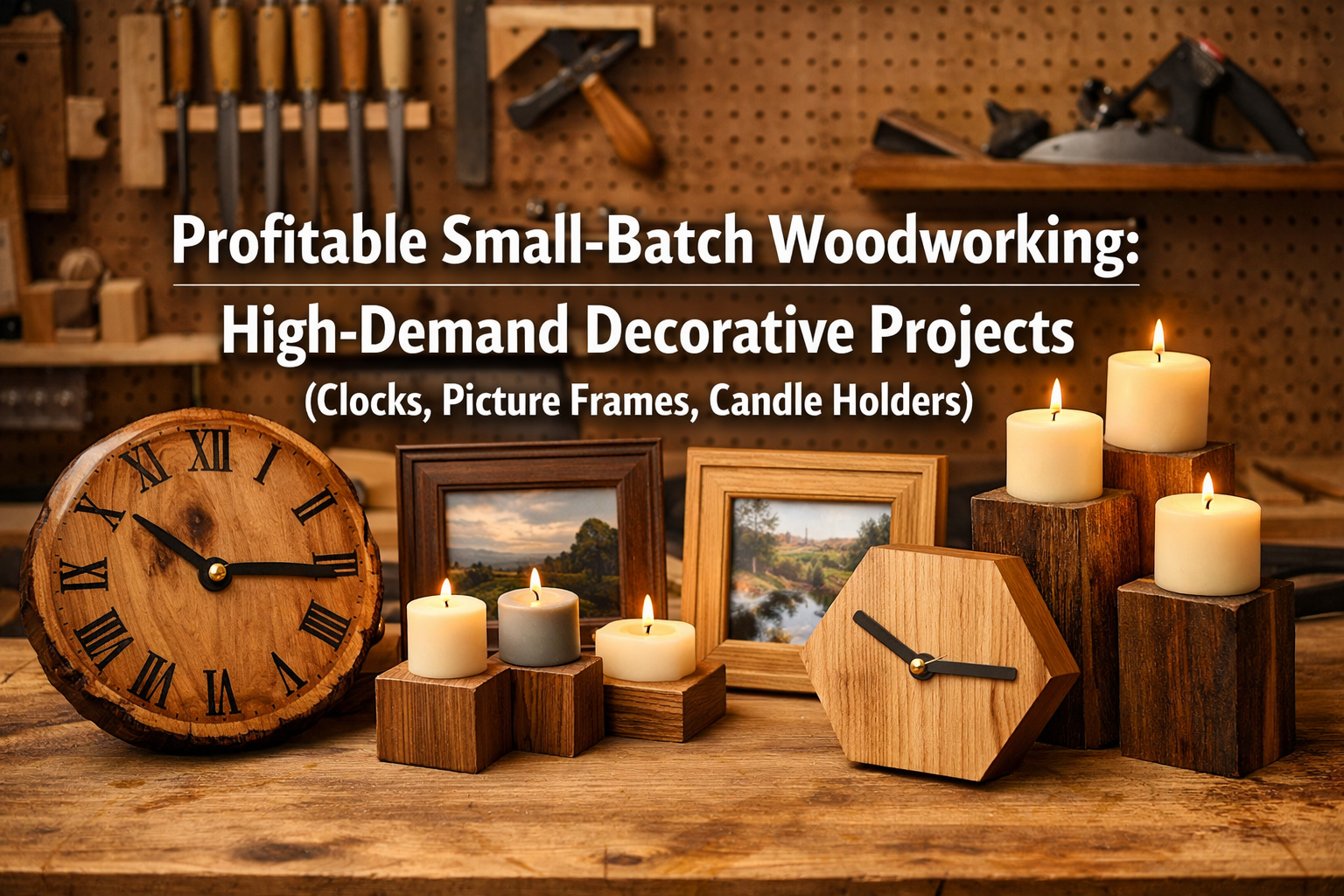

In an era where mass-produced goods often lack character, the demand for unique, handcrafted items continues to soar. For skilled woodworkers, this presents a golden opportunity to build a sustainable income stream by mastering production techniques for small decorative items that consistently sell at craft shows and online platforms. This comprehensive guide will delve into the world of Profitable Small-Batch Woodworking: High-Demand Decorative Projects (Clocks, Picture Frames, Candle Holders), offering insights into design customization strategies, efficient production, and effective marketing for your creations in 2026.
Imagine transforming humble pieces of wood into cherished keepsakes or elegant home decor. From the intricate gears of a handmade clock to the warm glow emanating from a custom candle holder, these projects not only offer immense creative satisfaction but also significant financial potential. The key lies in identifying high-demand items, optimizing your workflow for small batches, and adding unique touches that set your work apart.

Key Takeaways
- Focus on High-Demand Niches: Decorative items like clocks, picture frames, and candle holders consistently perform well due to their universal appeal and gifting potential.
- Embrace Small-Batch Efficiency: Develop repeatable processes and jigs to produce quality items consistently without the overhead of large-scale manufacturing.
- Prioritize Customization and Uniqueness: Offer personalized options and distinctive designs to differentiate your products in a competitive market.
- Strategic Material Sourcing: Utilize premium and reclaimed woods to enhance product value and appeal, while managing costs effectively.
- Effective Marketing and Sales: Leverage both online platforms and local craft shows to reach a broad customer base and build your brand.
Unlocking Profitability: The Allure of Decorative Wood Projects in 2026
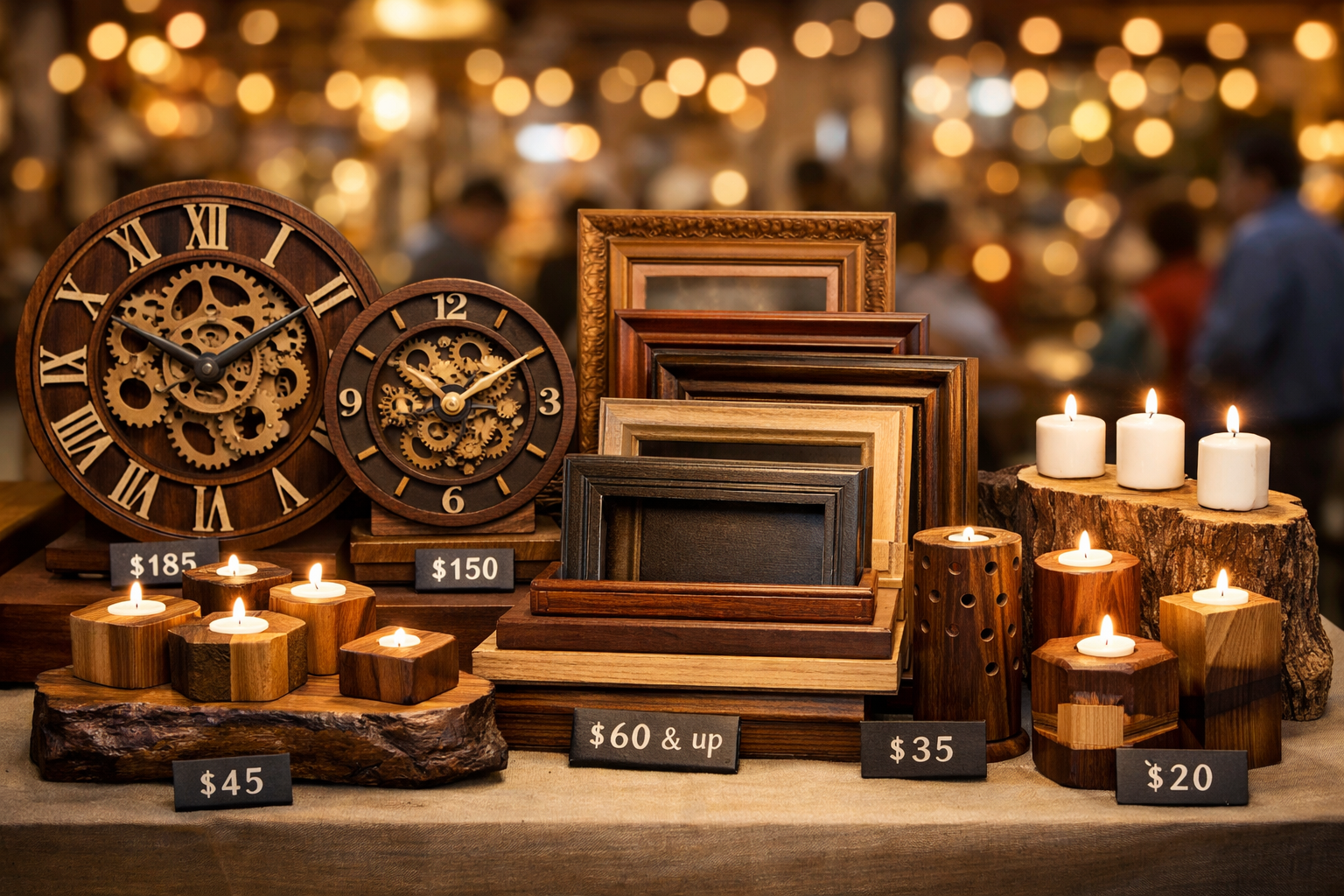
The market for home decor is robust and ever-evolving, with consumers in 2026 increasingly seeking items that reflect personal style, quality craftsmanship, and often, a touch of nostalgia or uniqueness. This trend creates a fertile ground for Profitable Small-Batch Woodworking: High-Demand Decorative Projects (Clocks, Picture Frames, Candle Holders). These categories are particularly strong because they serve multiple purposes: functional utility, aesthetic enhancement, and thoughtful gift-giving.
Why Clocks, Picture Frames, and Candle Holders?
These three product types stand out for several reasons:
- Universal Appeal: Almost every home can benefit from a stylish clock, a beautiful picture frame displaying cherished memories, or a candle holder creating ambiance. They aren’t niche items; they are broadly desirable.
- Variability in Design: Each category offers endless design possibilities, from minimalist modern to rustic farmhouse, intricate traditional to whimsical contemporary. This allows woodworkers to cater to diverse tastes and stay current with trends.
- Scalable Production: While requiring precision, many designs for these items can be broken down into repeatable steps, making them ideal for efficient small-batch production. Jigs, templates, and thoughtful workflow can significantly speed up the process.
- High Perceived Value: Handcrafted items, especially those made from quality wood with a superior finish, command a higher price point than their mass-produced counterparts. Customers are willing to pay more for uniqueness and quality.
- Gifting Potential: Clocks, picture frames, and candle holders are popular choices for gifts, meaning a consistent demand for special occasions like birthdays, weddings, holidays, and housewarmings.
For instance, a beautifully crafted tambour mantel clock can become a focal point in a living room, while a set of custom picture frames elevates cherished photographs.
Identifying Market Trends for 2026
To ensure your small-batch woodworking is truly profitable, it’s crucial to stay informed about current trends. In 2026, popular aesthetics include:
- Sustainable and Natural: Products made from reclaimed urban lumber or sustainably sourced wood are highly valued. The natural grain and character of the wood itself become a key selling point.
- Modern Minimalist: Clean lines, simple forms, and functional designs appeal to a broad audience. Think sleek, unfussy picture frames and geometric candle holders.
- Rustic Elegance: Combining raw, natural wood with refined finishes or modern accents creates a sophisticated rustic look that remains popular.
- Personalization: The ability to engrave initials, dates, or custom messages significantly increases a product’s appeal and value.
- Mixed Materials: Incorporating elements like metal, glass, or resin with wood can create unique and striking pieces.
Understanding these trends allows woodworkers to design items that resonate with contemporary buyers, enhancing the profitability of their small-batch efforts.
Crafting for Success: Design, Materials, and Production Strategies
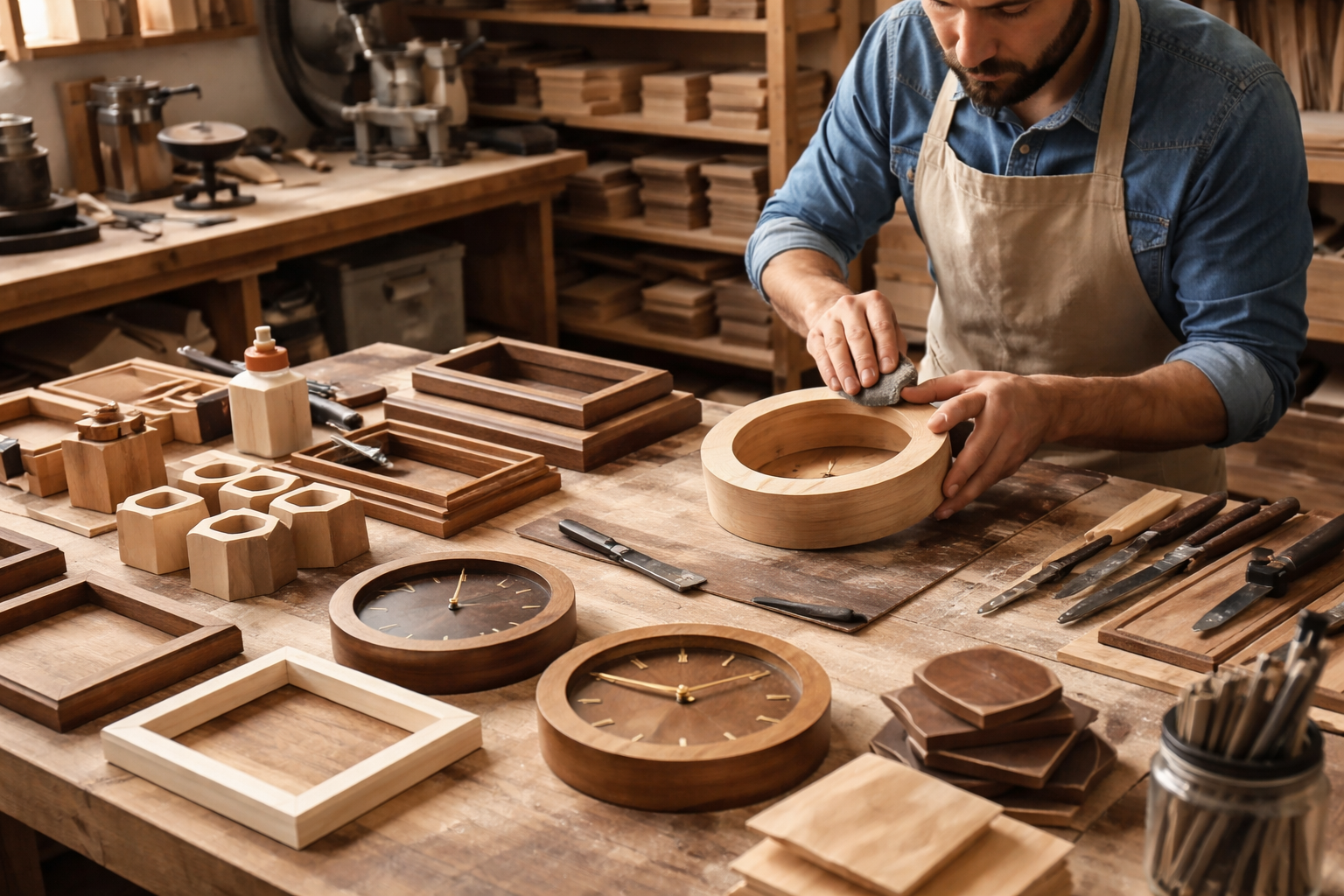
The core of Profitable Small-Batch Woodworking: High-Demand Decorative Projects (Clocks, Picture Frames, Candle Holders) lies in smart design, strategic material selection, and efficient production methods. This section will guide you through optimizing these crucial elements.
Design Principles for Decorative Projects
When designing for small-batch production, consider both aesthetics and manufacturability.
- Simplicity and Repeatability: Designs that are elegant yet feature repeatable cuts and assembly steps are ideal. This allows for quicker production without sacrificing quality.
- Modularity: Can components be pre-cut or pre-assembled? For example, standardized clock movements or glass inserts for frames can be purchased in bulk and integrated efficiently.
- Customization Points: Design elements that can be easily customized, such as different wood types, finishes, or engraving areas, without fundamentally changing the core design.
- Focus on Detail: Even simple designs benefit from attention to detail – crisp edges, smooth surfaces, and flawless joinery. These details elevate the perceived value.
A great example of a simple yet effective project that can be customized is a wooden wall art piece. While not a clock or frame, the design principles of layered wood and router techniques are highly applicable to decorative items.
Material Selection: Adding Value and Appeal
The choice of wood greatly influences the final product’s look, feel, and price point.
- Premium Hardwoods: Woods like walnut, cherry, oak, and maple are excellent choices. They offer beautiful grain patterns, durability, and a luxurious feel that justifies a higher price. For guidance, explore our resource on premium wood selection for 2026 projects.
- Reclaimed and Exotic Woods: Using sourcing and restoring urban-harvested and reclaimed wood not only appeals to environmentally conscious buyers but also adds unique character and a story to each piece. Exotic woods, used sparingly for accents, can also create stunning effects.
- Cost-Effective Options: For certain items or price points, consider woods like poplar or pine, which can be stained or painted beautifully. The key is to match the wood to the intended design and market.
- Hardware and Inserts: Invest in quality clock movements, picture frame hardware (hangers, backing, glass), and candle inserts. These small details can significantly impact both functionality and perceived value.
<code>| Wood Type   | Characteristics                                     | Best For                             | Price Point (relative) |
| :---------- | :-------------------------------------------------- | :----------------------------------- | :--------------------- |
| Walnut      | Rich dark brown, beautiful grain, durable           | High-end clocks, elegant frames      | High                   |
| Cherry      | Warm reddish-brown, ages beautifully, smooth finish | Classic clocks, sophisticated frames | High-Medium            |
| Maple       | Light, fine grain, takes stain well, very durable   | Modern designs, custom finishes      | Medium                 |
| Oak         | Pronounced grain, strong, classic look              | Rustic frames, traditional clocks    | Medium                 |
| Poplar      | Light, smooth, takes paint well, inexpensive        | Painted frames, budget-friendly items| Low                    |
| Reclaimed   | Unique character, sustainable, varied               | Artisan pieces, unique candle holders| Medium-High (variable) |
</code>
Efficient Small-Batch Production Techniques
Producing efficiently is vital for profitability. Here’s how to streamline your workflow:
- Templates and Jigs: Create durable templates and jigs for repetitive cuts, drilling, and assembly. This ensures consistency and significantly reduces setup time. For example, a jig for cutting multiple identical frame miters or drilling precise holes for clock mechanisms.
- Batch Processing: Instead of making one item from start to finish, complete all similar steps for a batch of items. Cut all the pieces for 10 frames, then sand all the pieces, then assemble all the pieces.
- Power Tool Mastery: Familiarize yourself with precision woodworking tools. A good table saw, miter saw, router, and sanders are indispensable. Resources like precision woodworking tools: top 5 picks for your shop can help.
- Finishing in Batches: Develop a streamlined finishing process. Whether you’re applying sustainable finishes for reclaimed wood or aiming for high gloss wood finishing techniques, doing so in batches saves time and materials. Consider spray applications for speed and consistency.
- Quality Control Checkpoints: Integrate quality checks at various stages to catch errors early, preventing wasted materials and time on flawed pieces.
“Efficiency in small-batch woodworking isn’t about rushing; it’s about smart planning and repeatable precision. Every jig you build, every template you refine, is an investment in your future profitability.”
For smaller components or scrap wood, consider how you might repurpose them into even smaller decorative items. Even profitable scrap wood projects under 1 hour can contribute to your overall income.
Marketing and Selling Your Decorative Wood Creations

Once you have mastered the craft of Profitable Small-Batch Woodworking: High-Demand Decorative Projects (Clocks, Picture Frames, Candle Holders), the next step is to effectively market and sell your unique pieces. This involves understanding your target audience, leveraging online and offline channels, and presenting your work professionally.
Building Your Brand and Story
Every handcrafted item has a story, and sharing that story is a powerful marketing tool.

- Define Your Aesthetic: What makes your clocks, frames, and candle holders unique? Is it a specific style (e.g., minimalist, rustic, steampunk), the type of wood you use (e.g., only reclaimed wood), or a particular finishing technique?
- Craft a Narrative: Tell customers about your process, the inspiration behind your designs, and the journey of the wood you use. If you use reclaimed wood, highlight its history and character. This adds emotional value to your products.
- Professional Photography: High-quality photos are non-negotiable for online sales. Invest in good lighting and a clean, appealing background to showcase your items. Capture details, texture, and scale.
- Consistent Branding: From your logo to your packaging, maintain a consistent brand identity that reflects the quality and style of your woodworking.
Online Sales Channels
The internet offers unparalleled access to a global customer base for your decorative woodworking projects.
- E-commerce Platforms:
- Etsy: Ideal for handcrafted goods, Etsy provides a ready-made audience searching for unique items. Optimize your listings with strong keywords, clear descriptions, and compelling photos.
- Shopify/Squarespace: For a more professional and independent storefront, consider building your own website. This gives you full control over your brand, customer data, and sales process.
- Social Media: Platforms like Instagram, Pinterest, and Facebook are visual goldmines for woodworkers. Share your work-in-progress, finished pieces, and behind-the-scenes glimpses to engage potential customers. Use relevant hashtags like #handmadewood #woodworking #homedecor #customwoodwork #clocks #pictureframes #candleholders.
- Search Engine Optimization (SEO): Ensure your product descriptions and website content are optimized with keywords that customers might use when searching for items like “custom wooden clocks,” “handmade picture frames,” or “rustic candle holders.”
- Email Marketing: Build an email list to inform interested customers about new products, promotions, and upcoming craft shows.
Offline Sales Channels: Craft Shows and Local Markets
While online sales are crucial, don’t underestimate the power of in-person interactions.
- Local Craft Fairs and Artisan Markets: These events allow customers to see, touch, and feel your products, often leading to immediate sales. It’s also an excellent way to network with other artisans and get direct feedback.
- Booth Presentation: Your booth should be inviting, well-organized, and professionally displayed. Clearly label your products and prices.
- Demonstrations: If feasible, offer small demonstrations of a technique or even just a time-lapse video of your process to draw people in.
- Consignment with Local Boutiques: Partner with local gift shops, home decor stores, or galleries that align with your brand’s aesthetic. This expands your reach without requiring your constant presence.
- Word-of-Mouth: Satisfied customers are your best advertisers. Encourage reviews, testimonials, and referrals. A beautifully finished piece, perhaps with a mahogany wood finishing technique, will speak for itself.
Pricing Your Products for Profit
Setting the right price is critical. Consider these factors:
- Material Costs: Sum up all raw materials, including wood, hardware, finishes, and packaging.
- Labor Costs: Assign an hourly rate to your time. Be honest about how long each piece takes.
- Overhead: Account for workshop rent, tool maintenance, utilities, and marketing expenses.
- Market Value: Research what similar handcrafted items are selling for on platforms like Etsy or at local markets.
- Profit Margin: Ensure your price allows for a healthy profit. A common formula is (Materials + Labor) x 2.5 or 3.
Remember, a higher price often communicates higher quality, especially for handcrafted items. Do not undersell your skill or the value of your unique woodworking.
Conclusion
Embarking on Profitable Small-Batch Woodworking: High-Demand Decorative Projects (Clocks, Picture Frames, Candle Holders) in 2026 offers a fulfilling path for artisans looking to blend passion with profit. By focusing on desirable decorative items, implementing efficient small-batch production strategies, and mastering the art of customization, woodworkers can create a steady income stream. The demand for unique, handcrafted pieces continues to grow, providing an excellent opportunity to showcase your skills and bring beautiful, lasting items into homes.
The journey from a raw piece of wood to a cherished heirloom is not just about cuts and finishes; it’s about storytelling, connecting with customers, and building a sustainable creative business. With careful planning, a commitment to quality, and a smart approach to marketing, your small-batch woodworking venture can thrive.
Actionable Next Steps:
- Choose Your Niche: Decide whether you’ll focus primarily on clocks, picture frames, candle holders, or a combination, considering which resonates most with your skills and market demand.
- Develop Signature Designs: Create a few core designs that reflect your unique style and can be efficiently produced in small batches.
- Optimize Your Workflow: Invest in or refine jigs and templates to streamline repetitive tasks and ensure consistent quality.
- Source Wisely: Begin exploring premium wood options or reclaimed lumber sources to elevate your materials.
- Build Your Online Presence: Start setting up your Etsy shop or personal website, and begin capturing high-quality product photos.
- Plan for Markets: Research local craft shows and festivals where you can showcase your work in person.
By taking these steps, you can transform your woodworking passion into a truly profitable endeavor in the dynamic market of 2026.
References
- Handmade Business Magazine. (2023). Craft Fair Success: Tips for Selling Handcrafted Goods. Retrieved from https://www.handmadebusinessmagazine.com/
- The Woodworker’s Journal. (2024). The Craft of Fine Woodworking: Projects and Techniques. Fox Chapel Publishing.
- Etsy Seller Handbook. (n.d.). Getting Started on Etsy: Your Guide to Selling Online. Retrieved from https://www.etsy.com/seller-handbook