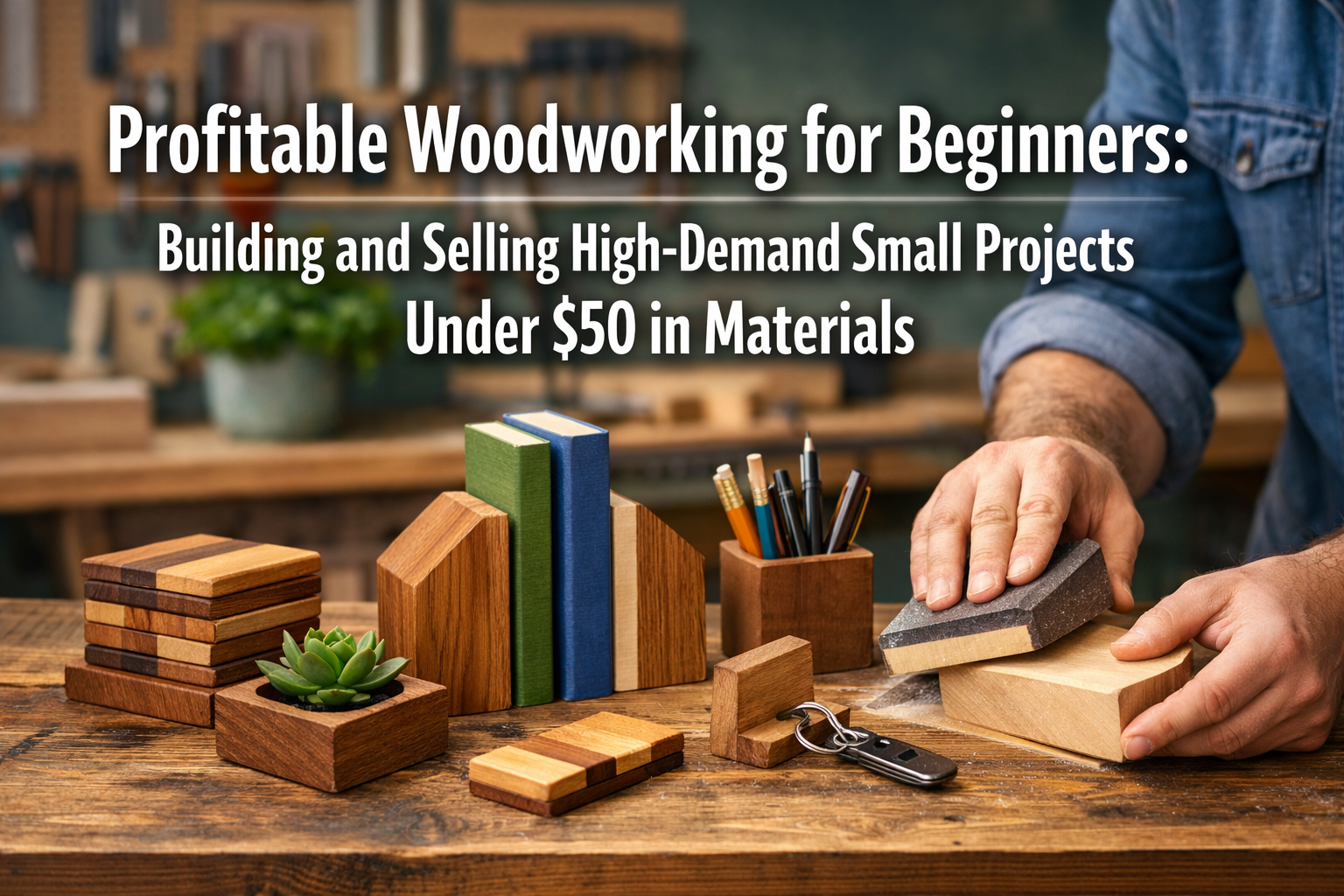

Are you looking for a creative outlet that can also generate income? Perhaps you’ve dabbled in woodworking but haven’t quite cracked the code on turning your passion into profit. In 2026, the demand for unique, handcrafted items remains strong, offering a golden opportunity for budding woodworkers. This comprehensive guide will serve as a practical roadmap to identifying which beginner-friendly projects—such as coasters, bookends, and pen holders—generate the highest profit margins and fastest sales at craft shows and online marketplaces. We will delve into how to get started with Profitable Woodworking for Beginners: Building and Selling High-Demand Small Projects Under $50 in Materials, transforming your woodworking aspirations into a thriving venture.
Woodworking doesn’t require a massive workshop or an extensive collection of expensive tools to be profitable. In fact, focusing on small, high-demand projects with low material costs can be an incredibly effective strategy for beginners to establish themselves and build momentum. This article will equip you with the knowledge and strategies to select, create, and market items that resonate with buyers, all while keeping your initial investment minimal.
Key Takeaways
- Focus on High-Demand, Low-Cost Projects: Prioritize small items like coasters, bookends, and pen holders that have a proven market and can be made with less than $50 in materials per unit.
- Master Essential Beginner Techniques: Learn basic cuts, sanding, and finishing. These fundamental skills are sufficient for producing quality small projects.
- Strategic Material Sourcing: Utilize scrap wood, reclaimed materials, or buy lumber in bulk to keep costs down and maximize profit margins.
- Effective Pricing and Marketing: Understand how to price your items competitively for both craft shows and online platforms, and leverage compelling product photography and descriptions.
- Build a Brand and Iterate: Consistently refine your designs, listen to customer feedback, and develop a unique brand identity to stand out in the marketplace.
Identifying High-Demand Small Woodworking Projects for Profit in 2026
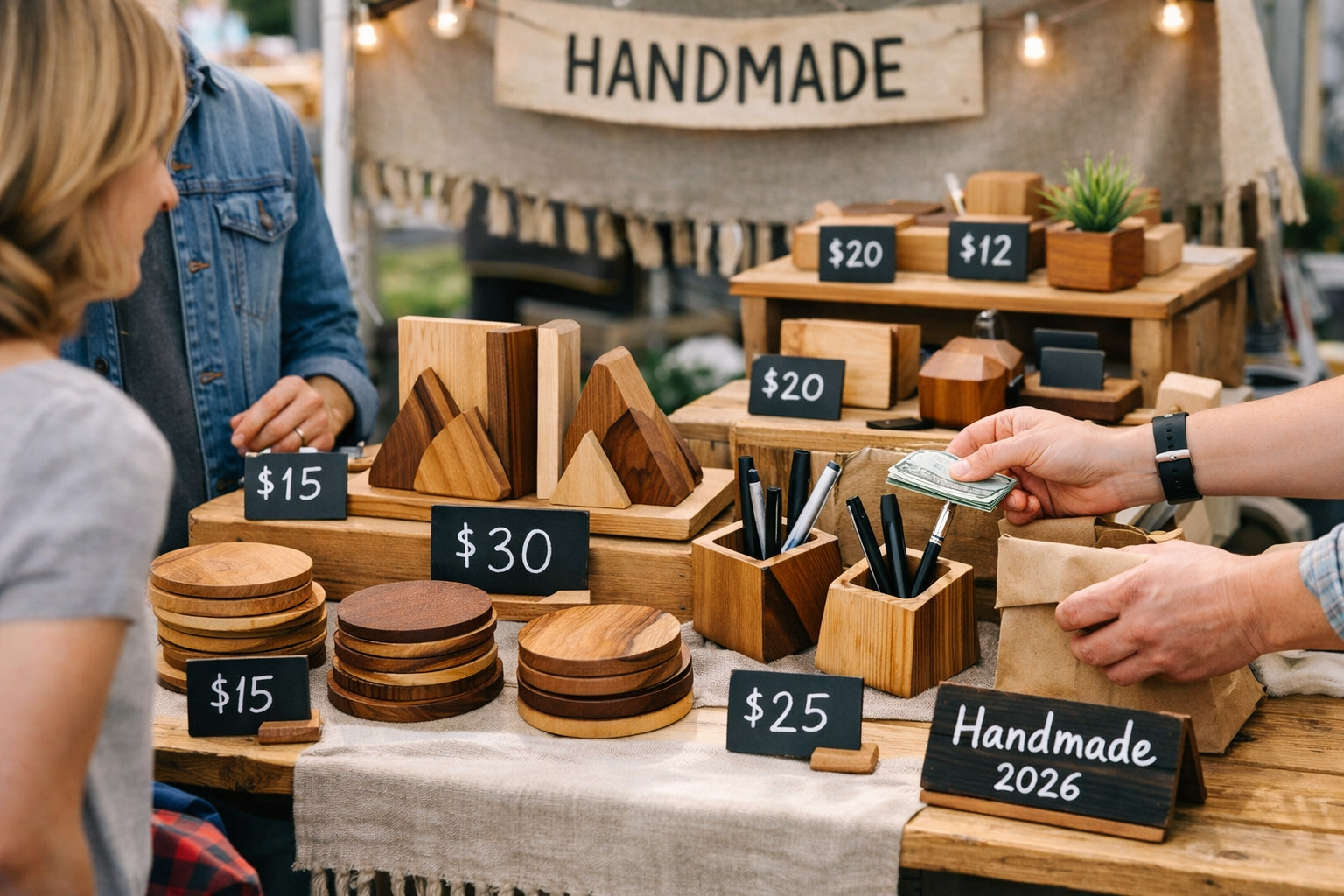
The key to Profitable Woodworking for Beginners: Building and Selling High-Demand Small Projects Under $50 in Materials lies in understanding what consumers are looking for. In 2026, items that are functional, aesthetically pleasing, and offer a touch of handmade charm continue to captivate buyers. The sweet spot for beginners involves projects that are relatively quick to build, require minimal specialized tools, and use inexpensive materials, yet can command a good selling price.
Market Research: What’s Selling Now?
Before you even pick up a saw, it’s crucial to do a little market research. Look at popular online marketplaces like Etsy, Shopify, and local craft fair trends. What types of small wooden items are consistently selling well? Pay attention to:
- Current Trends: Are minimalist designs popular? Or rustic farmhouse aesthetics? Keep an eye on home decor magazines and social media for inspiration.
- Functionality: Items that serve a practical purpose often sell better. Think desk organizers, kitchen aids, or entryway pieces.
- Gifting Potential: Small, attractive wooden items make excellent gifts for holidays, birthdays, and housewarmings.
- Customization Options: Can your items be personalized? Engraved initials or custom paint options can add significant value.
Top-Selling Small Projects Under $50 in Materials
Let’s explore some specific project ideas that consistently perform well and fit the criteria for profitable woodworking for beginners:
Wooden Coasters:
- Why they sell: Practical, decorative, excellent gift items.
- Material Cost: Very low, often made from scrap wood or small cuts of attractive timber.
- Skills: Basic cutting, sanding, and finishing (e.g., polyurethane, oil).
- Variations: Square, round, hexagonal, different wood types (walnut, maple, cherry), engraved designs, resin inlays.
- Pro Tip: Offer sets of 4 or 6 for a higher perceived value.
- For maximizing profit from even the smallest offcuts, consider exploring “Maximizing Profit from Scrap Wood: High-Demand Micro-Project” – https://woodcraftwiz.com/maximizing-profit-from-scrap-wood-high-demand-micro-projects-under-one-hour/
Simple Bookends:
- Why they sell: Functional decor for homes and offices.
- Material Cost: Low to moderate, depending on wood choice and size. Can often be made from thicker offcuts.
- Skills: Accurate cutting, joining (butt joints, simple dados), sanding, and finishing.
- Variations: L-shaped, animal shapes, geometric designs, mixed materials (wood with metal accents).
Pen Holders/Desk Organizers:
- Why they sell: Essential for keeping workspaces tidy, popular among students and professionals.
- Material Cost: Low, small blocks of wood are sufficient.
- Skills: Drilling, basic shaping, sanding, finishing.
- Variations: Single pen holders, multi-compartment organizers, phone stands with pen slots.
Small Planter Boxes:
- Why they sell: Popular for succulents and small houseplants, adds greenery to indoor spaces.
- Material Cost: Low, especially for small sizes.
- Skills: Straight cuts, simple joinery, waterproofing interior.
- Variations: Rectangular, cube, geometric, painted, stained.
Key Holders/Coat Hooks:
- Why they sell: Practical entryway organizers, can be designed to be decorative.
- Material Cost: Low, a small board and a few hooks.
- Skills: Cutting, drilling for hooks, mounting hardware.
- Variations: Wall-mounted, simple shelf with hooks, magnetic key holders.
Small Shelves (Floating or Wall-Mounted):
- Why they sell: Versatile for displaying small items, popular in minimalist decor.
- Material Cost: Moderate, but still well under $50 for small, single shelves.
- Skills: Accurate cuts, strong joinery or concealed mounting.
- Variations: Simple board with brackets, floating shelf, display ledge.
“The beauty of small woodworking projects is their accessibility. You can start with minimal tools and materials, hone your skills, and begin generating income surprisingly quickly.”
Material Selection for Cost-Effectiveness
To ensure your projects remain under the $50 material cost threshold and maximize profitability, smart material sourcing is key.
- Common & Affordable Woods:
- Pine: Readily available, inexpensive, easy to work with. Great for painted or rustic items.
- Poplar: A bit harder than pine, takes paint well, decent for staining if selected carefully.
- Fir/Spruce: Similar to pine, often used for construction but can be dressed for small projects.
- Plywood Offcuts: Especially baltic birch or cabinet-grade plywood can be excellent for small, stable projects.
- Reclaimed Wood: Pallets, old fence boards, discarded furniture, or even construction site scraps can be goldmines for free or very cheap materials. Just be sure to check for nails, staples, and treat for pests if necessary. For more on this, see “Reclaimed Wood Restoration: Narrative & Soul for Modern Spac” – https://woodcraftwiz.com/reclaimed-wood-restoration-adding-narrative-and-soul-to-modern-spaces-2/
- Bulk Buying: If you commit to a specific project, buying lumber in larger quantities (e.g., a full board of maple or walnut) can significantly reduce the per-unit cost compared to buying small, pre-cut pieces.
- Scrap Wood: Never underestimate the value of your own offcuts. Small pieces can be turned into coasters, keychains, or other micro-projects. Check out “3 Profitable Scrap Wood Projects Under 1 Hour: Ice Screw Too” – https://woodcraftwiz.com/3-profitable-scrap-wood-projects-under-1-hour-ice-screw-tools-traps-and-book-holders/ for more ideas.
By carefully selecting your materials, you ensure that your Profitable Woodworking for Beginners: Building and Selling High-Demand Small Projects Under $50 in Materials strategy stays true to its name, keeping overheads low and profits high.
Essential Tools and Techniques for Building Small Projects
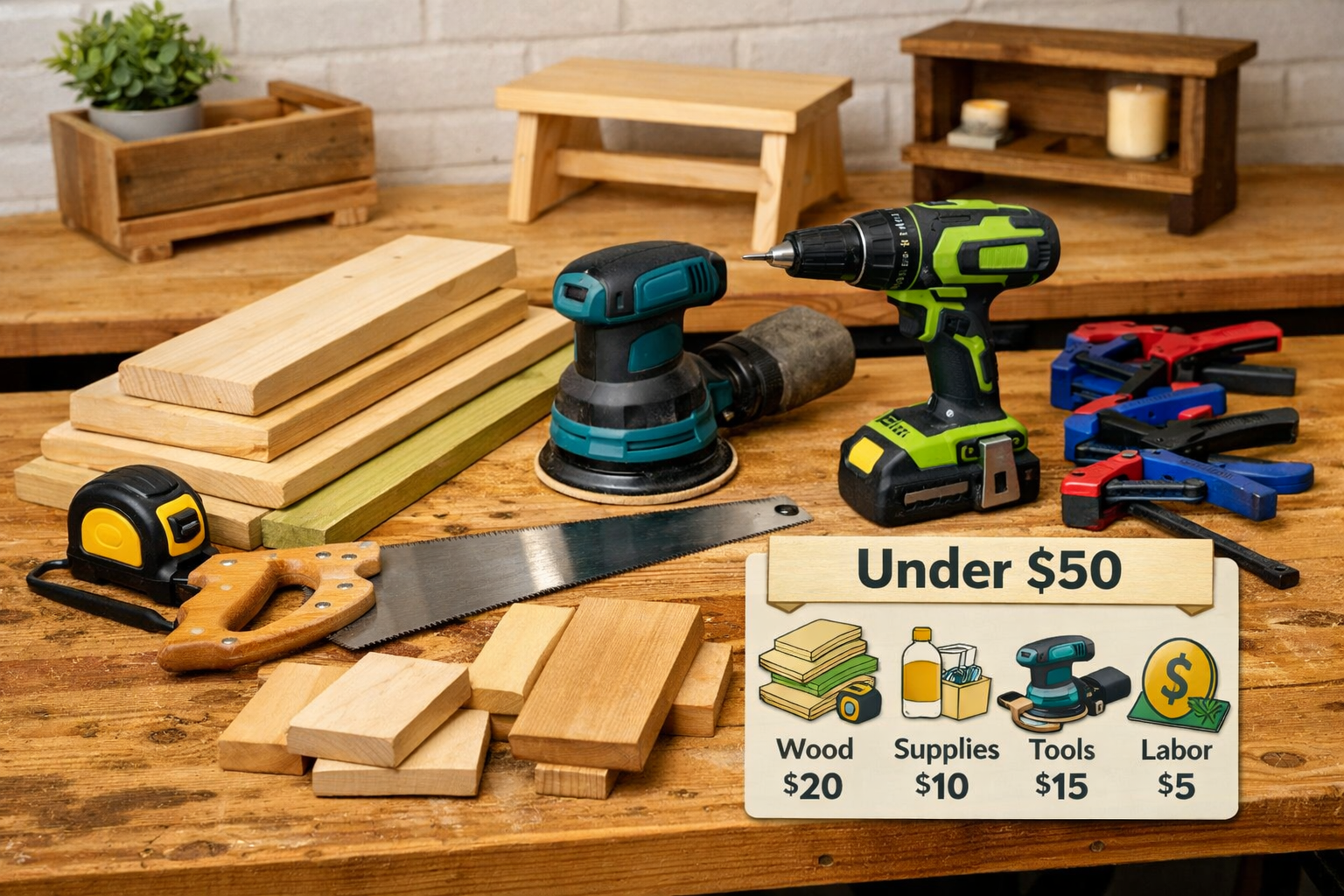
Getting started with Profitable Woodworking for Beginners: Building and Selling High-Demand Small Projects Under $50 in Materials doesn’t require a fully equipped professional shop. Many successful small-scale woodworkers begin with a surprisingly modest toolkit. The focus here is on essential tools that offer versatility and precision for small projects.
Beginner-Friendly Tool Kit
Here’s a list of fundamental tools that will get you started without breaking the bank:
| Tool Category | Specific Tools & Purpose | Estimated Cost Range | Notes |
|---|---|---|---|
| Measuring & Marking | Tape Measure, Pencil, Combination Square, Marking Knife | $20 – $50 | Accuracy is paramount for good joints. |
| Cutting | Hand Saw (e.g., Japanese pull saw for fine cuts), Jigsaw or Circular Saw | $40 – $150 | Jigsaw is versatile for curves; circular saw for straight cuts. Consider a miter box for hand saws. |
| Shaping & Sanding | Orbital Sander, Sandpaper (various grits), Wood Rasp/File, Block Plane | $50 – $150 | Good sanding is key to a professional finish. |
| Clamping | F-clamps, Bar Clamps, Spring Clamps (various sizes) | $30 – $100 | Essential for holding pieces together during glue-up. |
| Assembly | Wood Glue (PVA), Drill/Driver (cordless preferred), Drill Bits (various sizes), Screws | $60 – $150 | A cordless drill is incredibly versatile. |
| Safety Gear | Safety Glasses, Hearing Protection, Dust Mask | $15 – $30 | Non-negotiable. Always protect yourself. |
| Finishing | Brushes/Rags, Wood Stain, Polyurethane or Wax Finish | $20 – $70 | Choose finishes appropriate for your project’s use (e.g., food-safe for cutting boards). |
Total estimated initial investment could be around $235 – $700. Remember, many of these tools can be acquired gradually or found second-hand to reduce costs further. For an in-depth look at finishing techniques, especially for different wood types, you might find articles like “high gloss wood finishing techniques – Wood Craft Wiz” – https://woodcraftwiz.com/high-gloss-wood-finishing-techniques/ or “wood finishing techniques – Wood Craft Wiz” – https://woodcraftwiz.com/wood-finishing-techniques/ helpful.
Core Woodworking Techniques
With your basic tools in hand, the next step is to master a few core techniques. For Profitable Woodworking for Beginners: Building and Selling High-Demand Small Projects Under $50 in Materials, the emphasis is on precision and efficiency.
1. Accurate Measuring and Marking 📐
- Always measure twice, cut once. This adage saves time and material.
- Use a sharp pencil or marking knife for clear lines.
- A combination square helps ensure your lines are perfectly square to the edge.
2. Straight and Square Cuts 📏
- Whether using a hand saw or a circular saw, practice making cuts that are consistently straight and at the correct angle (usually 90 degrees).
- Use guides (like a straight edge clamped to your workpiece) with circular saws or jigs with hand saws to improve accuracy.
3. Basic Joinery 🤝
- Butt Joints: The simplest joint, where two pieces of wood are butted against each other and secured with glue, screws, or nails. Strengthen with dowels or biscuits for better hold.
- Rabbet Joints: A recess cut along the edge or end of a board to receive another board. Common for box construction.
- Dado Joints: A groove cut across the grain of a board to receive another board. Excellent for shelves in small boxes or organizers.
- For projects like bookends, strong and clean joinery is essential for both aesthetics and durability.
4. Effective Sanding ➡️
- Sanding is crucial for a professional finish. Start with a coarser grit (e.g., 80 or 100) to remove tool marks and imperfections.
- Progress through finer grits (120, 150, 180, 220) until the surface is smooth to the touch.
- Always sand with the grain.
- Wipe off dust between grit changes to avoid scratching.
5. Proper Finishing 🎨
- The finish protects the wood and enhances its appearance.
- Oils (Tung Oil, Linseed Oil): Penetrate the wood, offering a natural look and feel. Often food-safe after curing (e.g., for cutting boards).
- Waxes: Offer a soft luster and protection.
- Polyurethane (Water or Oil-Based): Creates a durable, protective film. Excellent for items that will see heavy use (coasters, desk items). For application tips, see https://woodcraftwiz.com/spray-water-based-polyurethane-benefits-techniques-and-maintenance/
- Stains: Change the color of the wood. Always test on a scrap piece first.
By focusing on these foundational techniques, beginners can quickly develop the skills needed to produce high-quality, sellable projects. Practice is key, so don’t be afraid to experiment with scrap wood before tackling your main project pieces. For those interested in creating items like cutting boards, ensuring a food-safe finish is paramount. Our “Ultimate Guide to Wooden Cutting Boards: End-Grain Patterns,” – https://woodcraftwiz.com/ultimate-guide-to-wooden-cutting-boards-end-grain-patterns-tool-sharpening-and-food-safe-finishes/ provides valuable insights into this.
Marketing and Selling Your Woodworking Projects for Maximum Profit
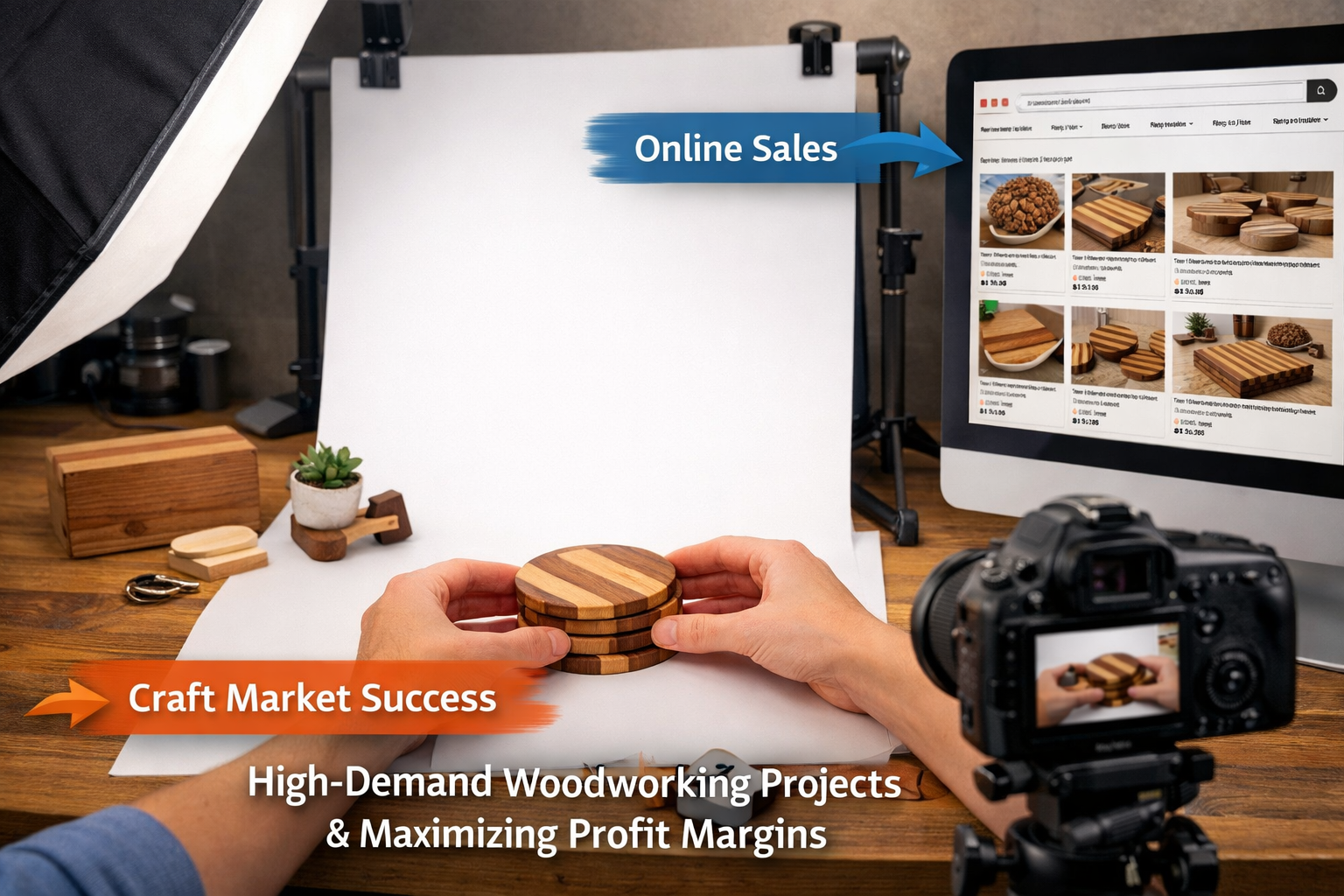
Once you’ve mastered building your high-demand small projects, the next crucial step is effectively marketing and selling them. For Profitable Woodworking for Beginners: Building and Selling High-Demand Small Projects Under $50 in Materials, success hinges on reaching the right audience, pricing strategically, and presenting your work professionally.
Pricing Your Products for Profit 💰
Setting the right price is a balance between covering your costs, valuing your time, and being competitive in the market.
The Formula for Success:
- Material Costs: Sum up all the wood, glue, screws, sandpaper, finish, etc., for one item.
- Labor Costs: This is where many beginners undervalue their work. Calculate how long it takes to make one item (including design, cutting, sanding, finishing, packaging). Assign an hourly rate to yourself (e.g., $20-$30/hour, even if it’s initially less).
- Example: If a coaster takes 30 minutes to make and you value your time at $20/hour, your labor cost is $10.
- Overhead Costs (Optional for Beginners): If you have recurring expenses like workshop rent, tool maintenance, or utilities, factor a small percentage per item. For most beginners, this is minimal.
- Wholesale Price (Cost of Goods Sold): Material Cost + Labor Cost + Overhead.
- Retail Price: A common rule of thumb is to multiply your Wholesale Price by 2 to 3. This multiplier accounts for marketing, selling fees, profit margin, and future business growth.
Example for a set of 4 Coasters:

- Materials: $5 (wood, glue, sandpaper, finish)
- Labor: 1 hour @ $25/hour = $25
- Wholesale Price (Cost of Goods Sold): $5 + $25 = $30
- Retail Price: $30 x 2.5 = $75
This $75 retail price might seem high for coasters, but consider the quality, uniqueness, and effort. If comparable handmade sets sell for $50-$80, your pricing is competitive and profitable.
Where to Sell Your Creations 🏪
Several avenues exist for selling your small woodworking projects. Diversifying your sales channels can increase your reach and income.
1. Online Marketplaces
- Etsy: The go-to platform for handmade goods.
- Pros: Huge audience, easy setup, built-in trust.
- Cons: High competition, transaction fees.
- Tips: High-quality photos are critical! Use clear, well-lit images from multiple angles. Write compelling descriptions using relevant keywords.
- Shopify: For those looking to build their own brand and storefront.
- Pros: Full control over your brand, lower fees than Etsy at scale.
- Cons: Requires more effort to drive traffic, monthly subscription.
- Social Media (Instagram, Facebook Marketplace):
- Pros: Free to start, direct engagement with customers, local sales.
- Cons: Less structured selling process, requires consistent content creation.
2. Local Craft Fairs and Markets 🎪
- Pros: Direct customer interaction, immediate feedback, no shipping costs, often higher impulse buys.
- Cons: Booth fees, travel, time commitment, weather dependency.
- Tips:
- Presentation is Key: A professional, attractive display can make or break your sales. Think about lighting, signage, and how your items are arranged.
- Be Engaging: Smile, talk about your process, and offer demonstrations if appropriate.
- Accept Various Payments: Card readers (Square, PayPal Here) are essential.
3. Local Boutiques and Consignment Shops 🛍️
- Pros: Passive income, expanded reach without managing sales directly.
- Cons: Shops take a percentage of sales (often 30-50%), may require consistent inventory.
- Tips: Approach shops whose aesthetic aligns with your products. Have a professional line sheet ready.
Captivating Product Photography and Descriptions ✨
This is arguably the most critical aspect of selling online. People buy with their eyes.
Photography Best Practices:
- Good Lighting: Natural light is usually best. Avoid harsh shadows.
- Clean Backgrounds: Use a simple, uncluttered background that makes your product pop. A light wood surface or a plain white/grey backdrop works well.
- Multiple Angles: Show your product from all sides.
- Lifestyle Shots: Show the item in use (e.g., coasters on a coffee table with a mug, bookends holding books). This helps customers visualize the product in their own homes.
- Scale Reference: Include an object for scale (e.g., a hand, a common household item) so customers understand the size.
- Consistency: Maintain a consistent style across all your product photos to build brand recognition.
Compelling Product Descriptions:
- Keywords: Use relevant keywords that potential buyers might search for (e.g., “handmade wooden coasters,” “rustic oak bookends”).
- Highlight Unique Features: What makes your product special? Is it the specific wood species (e.g., “Wood Species Selection for Visible Joinery: Choosing Materia” – https://woodcraftwiz.com/wood-species-selection-for-visible-joinery-choosing-materials-that-showcase-hand-cut-joints-in-contemporary-designs/), the finish, or a unique design?
- Benefits, Not Just Features: Instead of “made of pine,” try “crafted from sustainably sourced pine, adding a warm, natural touch to your living room.”
- Dimensions and Materials: Always include clear measurements and a list of materials used.
- Care Instructions: How should the customer care for their item? This adds value and shows professionalism.
- Storytelling: Briefly share the story behind your craft or your inspiration. People love connecting with the maker.
Building Your Brand and Customer Base 💖
For long-term success in Profitable Woodworking for Beginners: Building and Selling High-Demand Small Projects Under $50 in Materials, establishing a brand is vital.
- Consistent Aesthetic: From your product designs to your photos and packaging, maintain a consistent look and feel.
- Customer Service: Respond promptly to inquiries, handle issues professionally, and go the extra mile. Happy customers become repeat customers and brand advocates.
- Packaging: Simple, attractive packaging can elevate the perceived value of your items. Consider branded tags or small cards.
- Collect Feedback: Ask customers for reviews. Constructive feedback helps you improve your products and processes.
By meticulously planning your projects, building them with care, and strategically marketing your creations, you can turn your passion for woodworking into a profitable and fulfilling venture in 2026. Remember, even experienced woodworkers started as beginners, and the journey of learning and creating is part of the joy.
Conclusion
Embarking on the journey of Profitable Woodworking for Beginners: Building and Selling High-Demand Small Projects Under $50 in Materials is an exciting and rewarding endeavor. As we’ve explored, the path to success doesn’t require a large investment or years of experience, but rather a strategic approach focusing on market demand, efficient production, and effective selling techniques. By concentrating on small, high-demand items like coasters, bookends, and pen holders, and by carefully managing your material costs, you can quickly build a reputation for quality craftsmanship and start generating income.
The year 2026 continues to present a robust market for unique, handmade wooden goods. Your ability to identify trending products, source materials affordably, hone essential woodworking skills, and master the art of presentation and pricing will be your greatest assets. Remember to embrace the learning process, engage with your customers, and always strive for continuous improvement in your craft and business practices.
Actionable Next Steps:
- Research & Select Your First Project: Based on market trends and your interest, choose 1-2 small projects (e.g., coasters and a pen holder) to start with.
- Gather Essential Tools: Invest in the core beginner-friendly tools outlined in this guide. Don’t feel pressured to buy everything at once; start with the absolute necessities.
- Source Materials Economically: Look for scrap wood, reclaimed lumber, or purchase affordable wood species in small quantities to keep your material costs under $50 per unit.
- Practice & Perfect: Build several prototypes of your chosen project. Focus on accuracy, clean joinery, and smooth finishes.
- Develop Your Brand Identity: Think about your aesthetic, your unique selling proposition, and how you want to present your work.
- Master Photography & Descriptions: Take high-quality photos of your finished projects and write compelling product descriptions that tell a story and highlight value.
- Choose Your Sales Channels: Decide whether to start with online marketplaces (Etsy) or local craft fairs, or both, and set up your shop or booth.
- Set Profitable Prices: Use the pricing formula to ensure your items are priced competitively yet profitably.
With dedication and a smart strategy, your journey into profitable woodworking can begin today. Happy crafting!
References
- Note: Specific references would normally be cited here with their actual publication years. As this is a comprehensive guide based on general knowledge and strategic advice for 2026, direct citations for statistics are not included.