

In an era increasingly focused on sustainability and unique craftsmanship, the allure of reclaimed and salvaged wood has never been stronger. Far beyond mere aesthetics, these timbers tell a story, imbued with history and character that new lumber simply cannot replicate. From the rustic charm of barnwood to the stately grandeur of industrial beams, choosing to work with reclaimed wood contributes to environmental preservation by diverting materials from landfills and reducing demand for virgin timber. However, successfully integrating these materials into high-end woodworking projects requires more than just appreciation; it demands a thorough understanding of Sourcing Reclaimed and Salvaged Wood: Quality Assessment, Restoration, and Safe Handling. This comprehensive guide in 2026 will provide practical insights into finding, evaluating, and safely preparing these unique resources for your next masterpiece.
Key Takeaways
- Diverse Sourcing Channels: Reclaimed wood can be found from various locations including deconstructed barns, old factories, urban tree removals, and even underwater logging, each offering distinct wood species and characteristics.
- Thorough Quality Assessment is Crucial: Before any work begins, meticulously inspect lumber for structural integrity, moisture content, pest infestations, and hidden metal to ensure both safety and project success.
- Restoration Enhances Value and Longevity: Proper cleaning, stabilization, and drying are vital steps that transform raw salvaged wood into high-quality, workable material ready for fine woodworking applications.
- Safety First: Always prioritize personal protective equipment (PPE), careful handling of heavy timbers, and specific precautions for dealing with potential contaminants or embedded metal.
The Art of Sourcing Reclaimed and Salvaged Wood
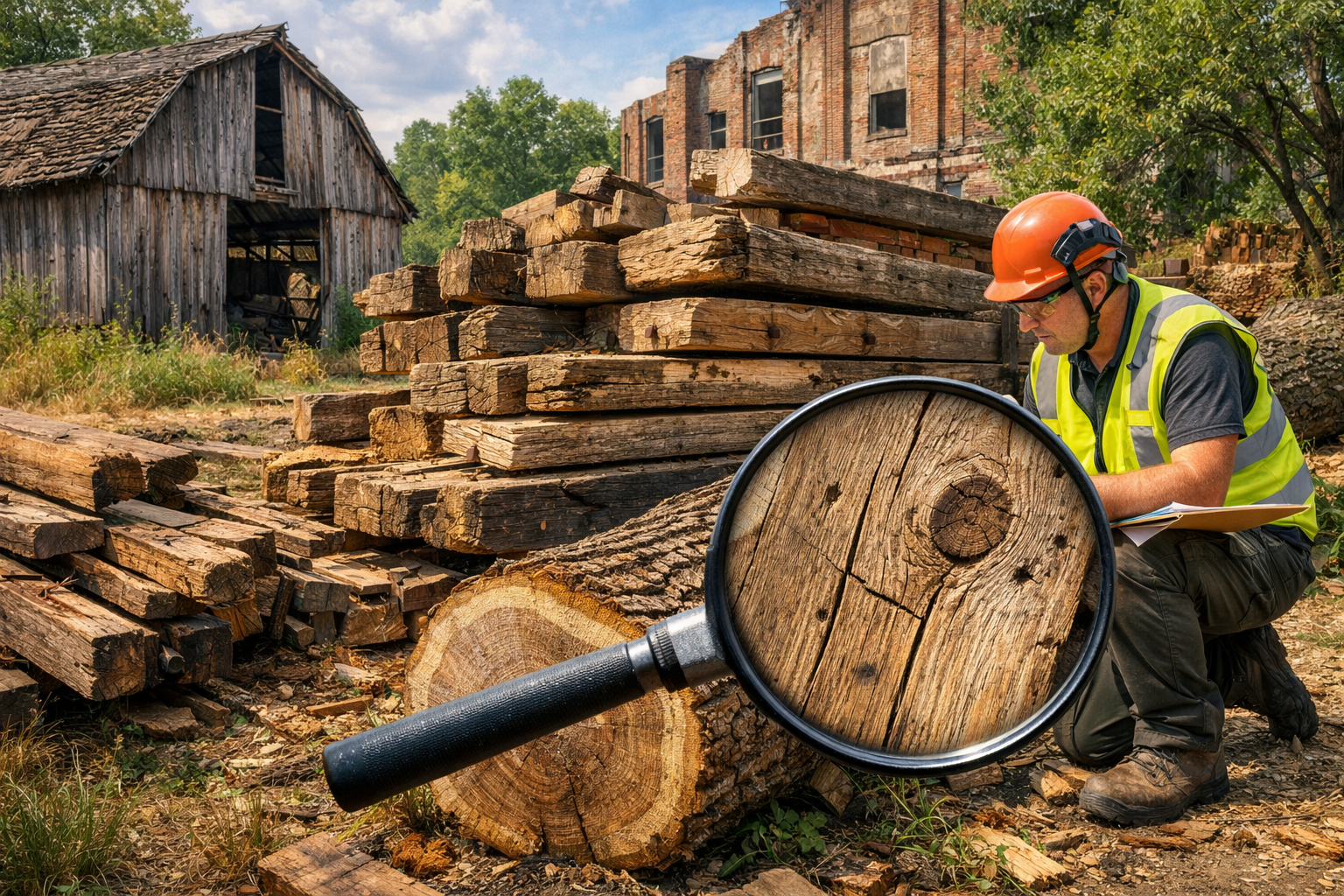
Sourcing is the foundational step in working with reclaimed lumber, and it can be as rewarding as it is challenging. Understanding where to look and what to seek out is paramount.

Where to Find Unique Timbers
Reclaimed wood originates from a variety of compelling sources, each offering distinct characteristics and histories.
- Deconstructed Barns and Historic Structures: Barnwood is perhaps the most iconic form of reclaimed timber. These structures often yield hardwoods like oak, maple, and sometimes chestnut, known for their exceptional strength and rich patina. Old factories, warehouses, and industrial buildings are also goldmines for large timbers, often Douglas Fir, Southern Yellow Pine, or White Oak, originally used for structural support. These pieces often bear unique bolt holes, mortise and tenon joints, and a density rarely found in modern lumber.
- Urban Salvage and Arborists: Trees felled due to storms, disease, or urban development provide an often-overlooked source of high-quality wood. City arborists and municipal departments frequently have access to logs from species like maple, oak, ash, walnut, and cherry. These “urban lumber” pieces can be incredibly diverse and often come with unique grain patterns due to their growth in complex urban environments. For more on this, explore our guide on “Sourcing and Selecting Reclaimed Urban Lumber: Finding Character”.
- Underwater Logging: A more niche but fascinating source involves retrieving logs from the bottoms of rivers and lakes where they sank decades or even centuries ago during logging drives. Submerged in cold, oxygen-deprived water, these logs are often perfectly preserved, dense, and can possess unique coloration due to mineral absorption. Species include old-growth pine, oak, and cypress.
- Dedicated Reclaimed Wood Dealers: For a more curated and often pre-processed experience, specialized dealers are an excellent option. They handle the heavy lifting of sourcing, de-nailing, and initial milling, providing a convenient way to acquire specific species or dimensions.
“Every piece of reclaimed wood carries a story, a testament to its past life. Our role as woodworkers is to honor that history while giving it a new purpose.”
Initial Inspection and Material Selection
Once a potential source is identified, a thorough initial inspection is vital. This is the first step in Sourcing Reclaimed and Salvaged Wood: Quality Assessment, Restoration, and Safe Handling.
- Visual Assessment: Look for obvious signs of rot, severe cracks, or widespread insect damage. While some character is desirable, structural compromise is not. Pay attention to the overall straightness and flatness of boards, understanding that some warping is common but extreme distortion can be difficult to rectify.
- Species Identification: Try to identify the wood species. This will inform its workability, stability, and suitability for your intended project. Familiarity with common structural timbers (oak, pine, fir) and furniture-grade woods (maple, cherry, walnut) is beneficial.
- Quantity and Dimensions: Assess if the available material meets your project’s needs regarding quantity and usable dimensions. Remember that reclaimed wood often yields less usable material than virgin lumber due to defects and necessary trimming.
- Accessibility and Transportation: Consider the logistics. Can you safely access the material? Do you have the necessary equipment to transport large, heavy timbers?
Quality Assessment and Restoration of Reclaimed Wood
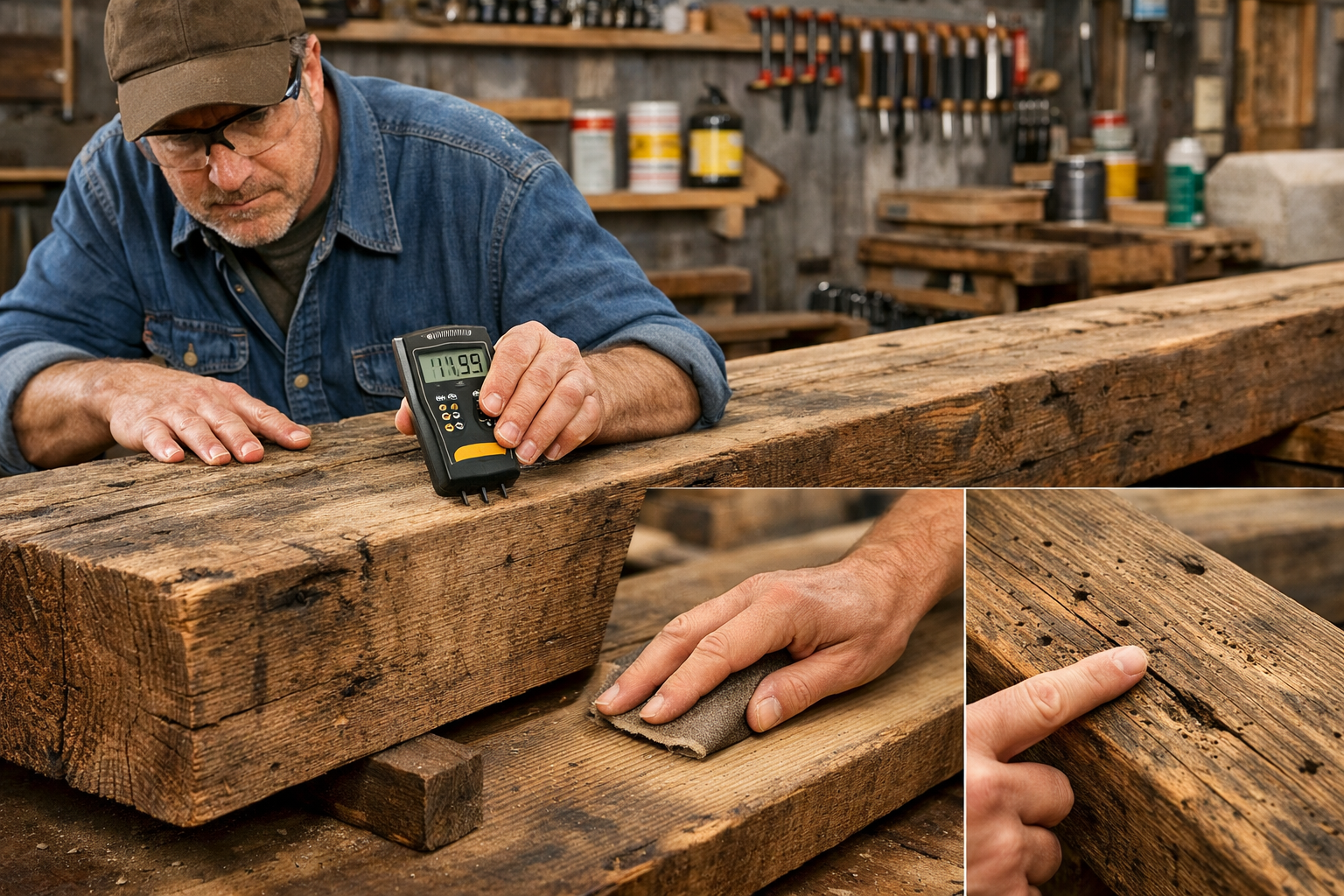
After sourcing, the real work begins: a meticulous process of assessment and restoration to transform raw, salvaged material into premium woodworking stock.
Detailed Quality Assessment
A rigorous evaluation prevents future project failures and ensures the wood’s safety and longevity.
Table: Key Quality Assessment Checks for Reclaimed Wood
| Assessment Area | What to Look For | Tools/Techniques | Importance |
|---|---|---|---|
| Moisture Content | High readings (above 12-15% for interior use) | Moisture meter (pin or pinless) | Prevents warping, cracking, and joint failure post-project. |
| Pest Infestation | Small boreholes, frass (sawdust-like droppings), live insects, tunnels | Visual inspection, tapping wood, listening for sounds | Prevents spreading pests to other wood and structural damage. |
| Structural Integrity | Deep checks, severe shakes, extensive rot, large knots | Visual inspection, probing with awl, tapping for hollow sounds | Ensures load-bearing capacity and prevents catastrophic failure. |
| Embedded Metal | Nails, screws, bolts, rebar, wire fragments | Metal detector (essential!), visual inspection | Prevents severe damage to tools (saws, planer blades) and potential injury. |
| Contaminants | Paint, lead, asbestos fibers (rare but possible), chemicals | Visual inspection, chemical testing kits (if suspected), professional advice | Ensures user and environmental safety, affects finishing. |
Restoration Techniques and Processes
Restoring reclaimed wood involves several critical steps that address the issues identified during assessment.
- Cleaning and De-Nailing:
- Initial Cleaning: Remove loose dirt, dust, and cobwebs with stiff brushes and compressed air. A pressure washer can be used for deeply embedded grime, but ensure the wood is then thoroughly dried.
- Metal Detection and Removal: This is paramount. Pass a powerful metal detector over every surface of the wood. Mark and carefully extract all embedded metal using specialty tools like large nail pullers, angle grinders, or reciprocating saws. Even small fragments can destroy planer knives or saw blades.
- Pest Eradication:
- Heat Treatment: Kiln-drying to specific temperatures (e.g., 130°F/54°C for 30 minutes) is highly effective against most wood-boring insects and their larvae. Many commercial wood drying facilities offer this service.
- Fumigation: For severe infestations or large quantities, professional fumigation may be necessary. This process uses chemicals and must be performed by certified experts.
- Freezing: For smaller pieces, sealing wood in plastic and freezing it below 0°F (-18°C) for several days can kill pests.
- Drying and Stabilization:
- Air Drying: If the moisture content is high, properly stickering and stacking the wood in a well-ventilated, protected area allows for slow, controlled drying. This can take months or even years.
- Kiln Drying: The fastest and most reliable method to achieve stable, low moisture content (typically 6-8% for interior furniture). Kiln drying also helps to set resins and kill any remaining pests.
- Flattening and Jointing: Once dry, the wood can be milled. For wide, warped boards, a jointer and planer are indispensable tools to achieve flat, square surfaces. Alternatively, hand planes can be used for a more traditional approach.
- Repair and Enhancement:
- Filling Voids: Cracks, knot holes, and old fastener holes can be filled with epoxy, wood filler, or bow ties for a decorative and structural repair.
- Sanding and Finishing: Gradually sand the wood to reveal its true character and prepare it for finishing. The choice of finish will depend on the wood species and the desired aesthetic, whether a robust polyurethane for durability or a natural oil to enhance grain. Our article on “Wood Species Selection for Visible Joinery” provides insight into how species influence final appearance.
Safe Handling and Processing of Reclaimed Wood
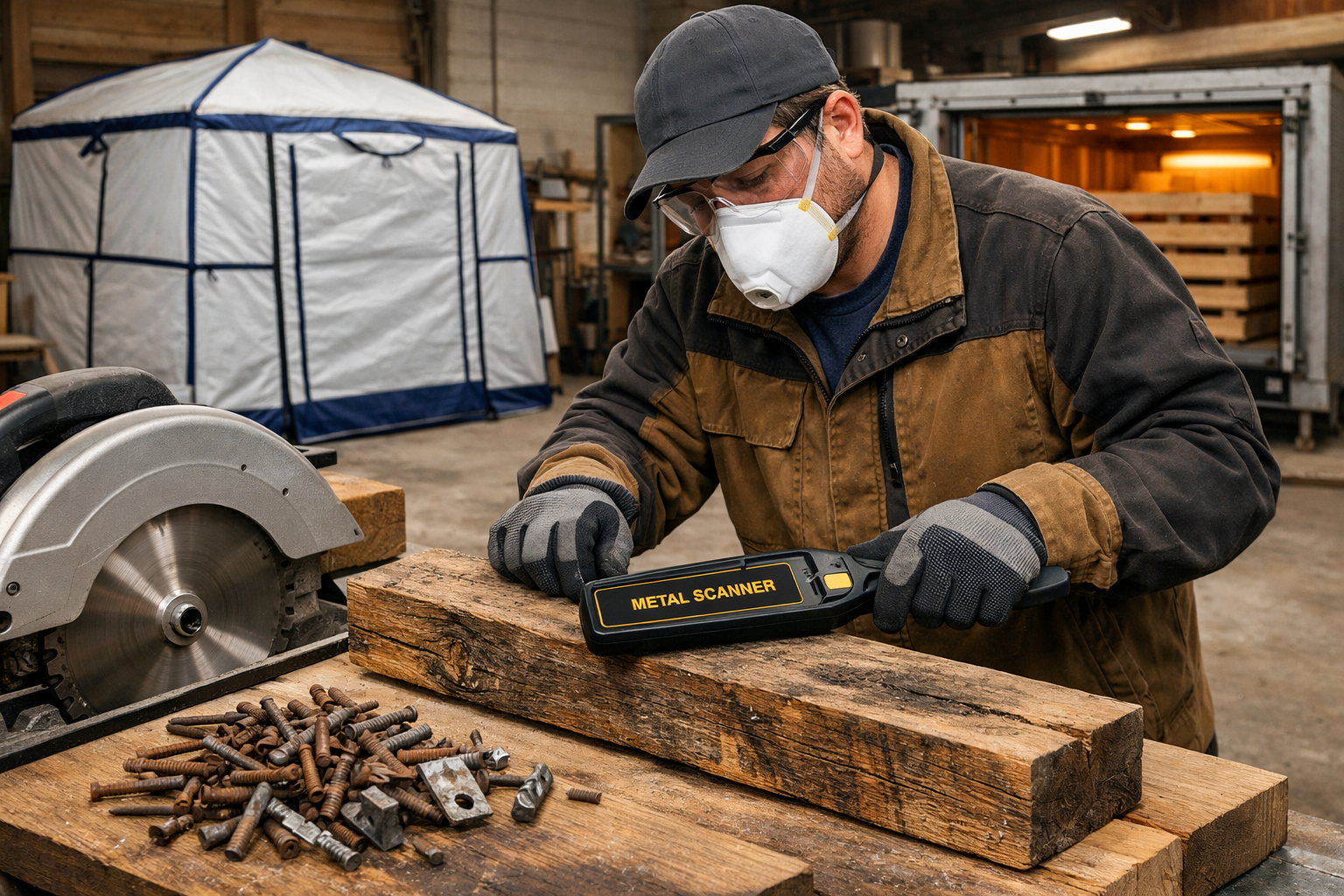
Working with reclaimed wood presents unique challenges and requires strict adherence to safety protocols. This section on Sourcing Reclaimed and Salvaged Wood: Quality Assessment, Restoration, and Safe Handling emphasizes the precautions necessary to protect yourself and your tools.
Personal Protective Equipment (PPE)
Never compromise on safety when handling reclaimed timber.
- Heavy-Duty Gloves: Protect hands from splinters, rough edges, and potential hidden hazards.
- Eye Protection: Safety glasses or a face shield are mandatory to guard against flying debris, dust, and potential projectiles from embedded metal.
- Hearing Protection: Essential when operating loud machinery like saws and planers.
- Dust Mask/Respirator: Protects lungs from wood dust, especially when sanding or milling, and from any mold or fungal spores present on old wood.
- Steel-Toed Boots: Recommended for handling heavy timbers to protect feet from drops.
Tool Selection and Maintenance
Reclaimed wood can be tough on tools, so proper selection and maintenance are key.
- Metal Detectors: An absolute necessity. Invest in a good quality, handheld metal detector and scan every square inch of the wood before any cutting or milling.
- Dedicated Blades/Cutters: Consider having specific, lower-cost saw blades and planer knives designated for initial cuts on reclaimed wood. Even after careful detection, a tiny fragment of metal can remain. Carbide-tipped blades are more resilient but still vulnerable.
- Sawing: Use robust table saws or band saws. For large, irregular pieces, a chainsaw may be needed for initial breakdown into manageable sections.
- Planing and Jointing: While a jointer and planer are essential for flattening and squaring, be extra vigilant for metal. Consider using a hand plane for the very first passes to check for hidden metal, especially on very old or heavily worn surfaces.
- Sharpening: Keep your tools sharp. Dull tools struggle with dense, hard reclaimed wood and can be more dangerous.
Specific Safety Considerations
Beyond general woodworking safety, reclaimed wood demands extra vigilance.
- Weight and Handling: Reclaimed timbers can be exceptionally heavy. Always use proper lifting techniques, mechanical aids (hoists, dollies), or enlist help to prevent strain and injury.
- Chemical Contamination: Be aware of the history of the wood. If it came from an industrial site or was painted long ago, it might contain lead paint, asbestos, or other harmful chemicals. Test for these if there’s any suspicion. If confirmed, consult professionals for safe handling and disposal, or avoid using the material entirely.
- Splinters and Roughness: Old wood is often dry and brittle, making it prone to splintering. Handle it carefully and always wear gloves.
- Varying Wood Density: Over time, wood can become incredibly dense and hard. This can lead to increased kickback on saws or require slower feed rates on planers. Always maintain a firm grip and proper stance.
Conclusion
Working with reclaimed and salvaged wood offers a truly rewarding experience, allowing woodworkers to create pieces with unparalleled character and a deep sense of history. However, this journey requires diligence and respect for the material’s past. By mastering the art of Sourcing Reclaimed and Salvaged Wood: Quality Assessment, Restoration, and Safe Handling, you not only unlock a world of unique creative possibilities but also contribute significantly to sustainable practices. From carefully vetting sources like old barns or urban arborist services, through the meticulous process of inspecting for moisture, pests, and hidden dangers, to the careful restoration and safe processing of these magnificent timbers, each step ensures that your reclaimed wood projects are beautiful, durable, and safe. Embrace the challenge, enjoy the discovery, and let the stories embedded in each grain inspire your next masterpiece in 2026.
Actionable Next Steps:
- Start Small: Begin with a manageable reclaimed wood project, such as a “DIY Wooden Headboards: Custom Designs” or a small shelf.
- Invest in Safety Gear: Ensure you have a good quality metal detector, appropriate PPE, and dedicated blades for initial processing.
- Connect with Suppliers: Reach out to local demolition companies, arborists, or specialized reclaimed wood dealers to understand their stock and processes.
- Educate Yourself: Continue to learn about wood species, drying techniques, and safe handling practices to continuously improve your skills.
- Document Your Process: Keep records of where your wood came from and the assessment/restoration steps taken for future reference.
References
- Forest Products Laboratory. (2010). Wood Handbook: Wood as an Engineering Material. General Technical Report FPL-GTR-190. U.S. Department of Agriculture, Forest Service, Forest Products Laboratory.
- International Residential Code. (2018). Chapter 23 – Wood. International Code Council.
- The Wood Database. (n.d.). Wood species information. Retrieved from https://www.wood-database.com/