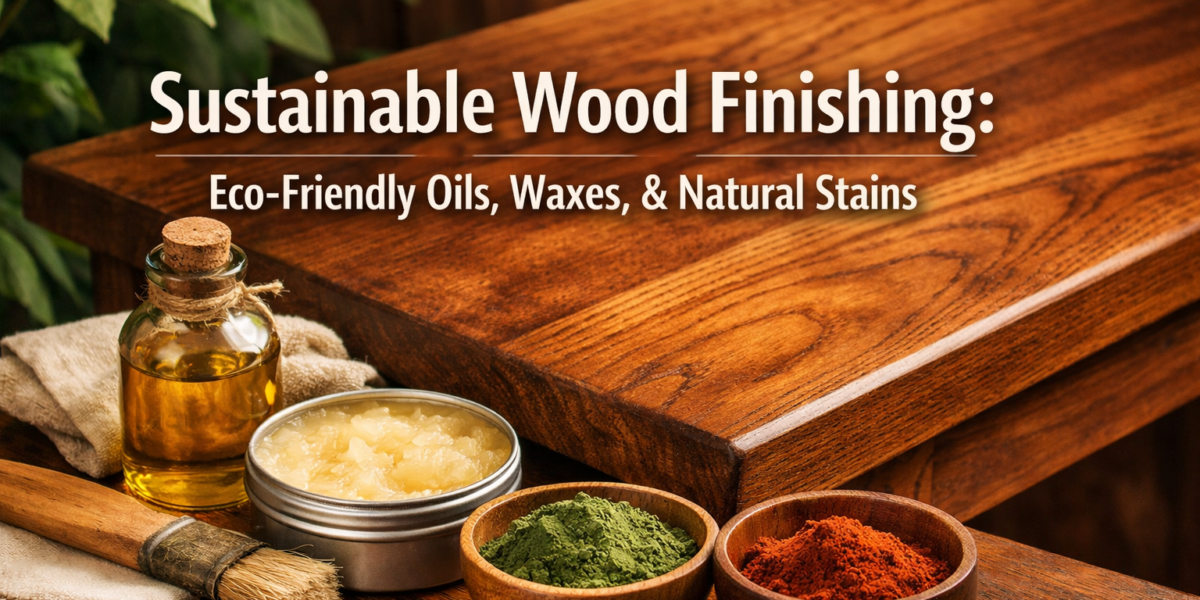

The journey of a woodworking project doesn’t end when the last joint is cut or the final piece is assembled. In fact, a crucial step in bringing your creation to life – and ensuring its longevity – is the finishing process. However, traditional wood finishes often come laden with volatile organic compounds (VOCs) and harsh chemicals that can be detrimental to both your health and the environment. This article delves into the world of Sustainable Wood Finishing: Eco-Friendly Oils, Waxes, and Natural Stains for Healthier Projects, exploring the best alternatives that allow you to achieve stunning, durable results without compromise. By embracing these greener options in 2026, woodworkers can craft beautiful pieces that are safe for homes, families, and the planet.
Key Takeaways
- Prioritize Health & Environment: Traditional finishes often contain harmful VOCs; eco-friendly alternatives significantly reduce exposure to these chemicals.
- Natural Oils & Waxes Offer Protection: Plant-based oils (like linseed, tung, hemp) and natural waxes (beeswax, carnauba) penetrate wood, offering durable, breathable protection while enhancing natural beauty.
- DIY Natural Stains are Simple & Safe: Create beautiful, non-toxic wood colors using everyday ingredients like coffee, tea, and natural plant extracts.
- Understand Application & Maintenance: Each eco-friendly finish has specific application techniques and maintenance needs to ensure optimal performance and longevity.
- Embrace a Holistic Sustainable Approach: Choosing sustainable finishes complements other green woodworking practices, contributing to a healthier lifestyle and planet.
The Case for Sustainable Wood Finishing: Eco-Friendly Oils, Waxes, and Natural Stains for Healthier Projects
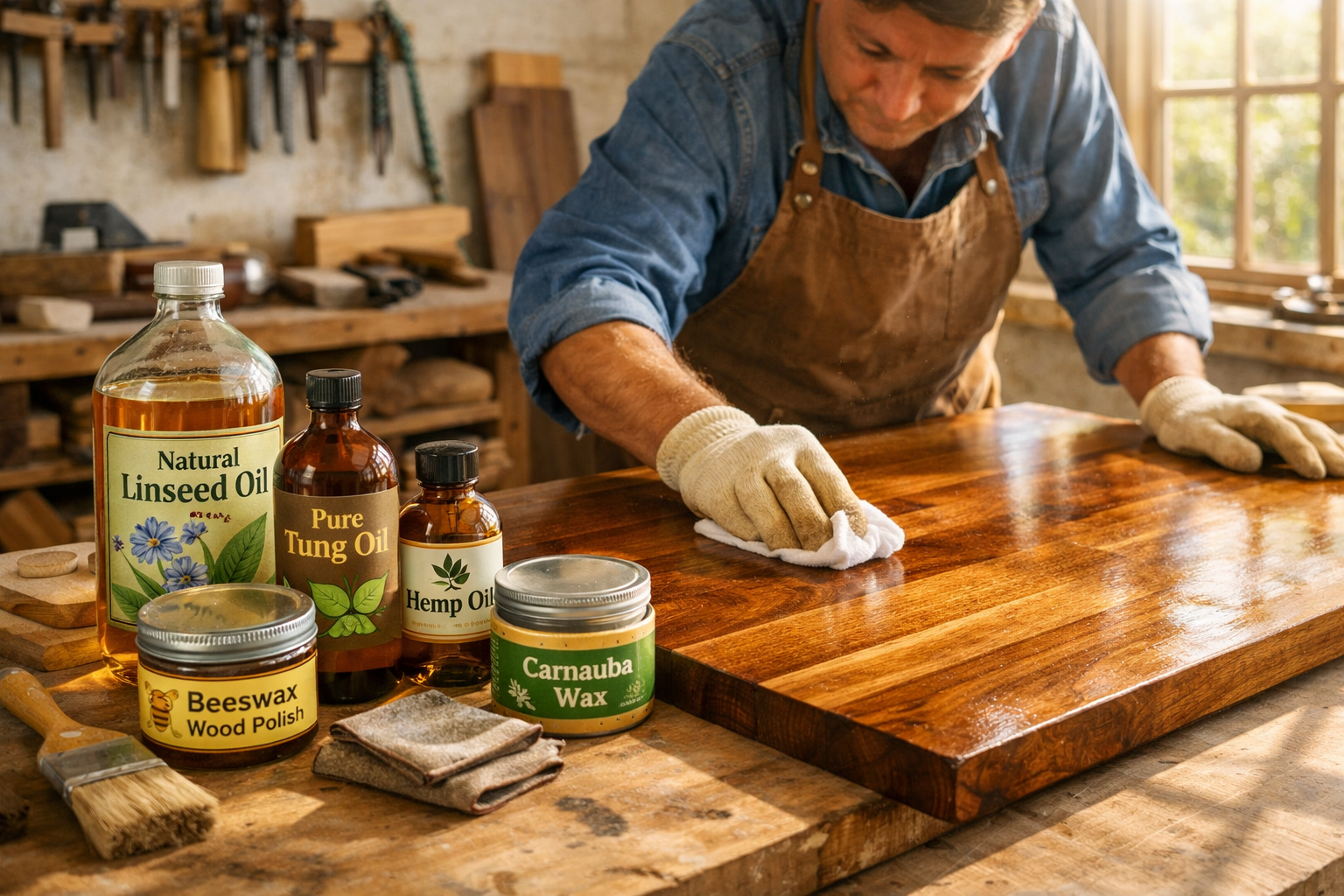
For decades, many wood finishing products relied heavily on petrochemical derivatives, solvents, and other chemicals designed for quick drying and hard, protective layers. While effective in some regards, the long-term health and environmental impacts of these substances are increasingly concerning. VOCs released during and after application contribute to indoor air pollution, causing respiratory issues, headaches, and other health problems. Furthermore, their manufacturing processes and disposal can have significant ecological footprints.

In response, the woodworking community is witnessing a growing shift towards sustainable practices. This movement isn’t just about sourcing reclaimed wood or practicing green woodworking techniques; it’s about every stage of a project, including how we protect and beautify the finished piece. Choosing eco-friendly options for Sustainable Wood Finishing: Eco-Friendly Oils, Waxes, and Natural Stains for Healthier Projects means actively reducing your exposure to toxins and minimizing environmental impact. It ensures that the heirloom coffee table you build or the custom bookshelf you craft is not only beautiful but also a safe addition to any living space.
Understanding the Benefits of Eco-Friendly Finishes
Opting for sustainable wood finishes provides a multitude of advantages:
- Reduced VOC Emissions: The most immediate benefit is a significant drop in airborne toxins, leading to better indoor air quality for your workshop and home.
- Non-Toxic & Food-Safe Options: Many natural finishes are food-safe once cured, making them ideal for cutting boards, wooden bowls, and children’s toys.
- Enhanced Wood Aesthetics: These finishes often penetrate the wood, highlighting its natural grain and warmth rather than creating a plastic-like film on the surface.
- Breathable & Repairable: Natural finishes allow wood to breathe, reducing the likelihood of cracking and peeling. They are also often easier to repair than film-forming finishes, as minor damage can be spot-treated.
- Renewable Resources: Ingredients for many eco-friendly finishes come from natural, renewable sources, reducing reliance on fossil fuels.
- Biodegradable: At the end of a product’s life, natural finishes are less harmful to the environment.
Choosing the right finish depends on the project, the wood species, and the desired aesthetic. Let’s explore the primary categories of eco-friendly wood finishes available in 2026.
 hero image with bold text overlay: ‘Sustainable Wood Finishing: Eco-Friendly Oils, Waxes, & Natural Stains’, modern sans-serif 70pt white text with subtle shadow, centered, background featuring a close-up of beautifully finished wooden furniture demonstrating rich texture and natural grain, alongside small, artisanal containers of eco-friendly oils, waxes, and natural pigments, reflecting a clean, healthy, and environmentally conscious approach to woodworking, high contrast, warm natural color palette with greens and browns, editorial quality, magazine cover aesthetic.”,”content”:[“Detailed landscape format (1536×1024) image showing a craftsman carefully applying a natural oil finish to a wooden tabletop in a bright, well-ventilated workshop, with various bottles of plant-based oils and waxes arranged neatly on a workbench in the foreground. Sunlight streams through a window, highlighting the rich grain of the wood. The scene emphasizes health, natural materials, and meticulous hand application for sustainable wood finishing. Tools are laid out, but the focus is on the finishing process and the eco-friendly products.”,”Detailed landscape format (1536×1024) image featuring a vibrant, artistic display of various natural stain ingredients: bowls of berries, turmeric powder, coffee grounds, and walnut shells, meticulously arranged on a rustic wooden table. Small glass jars contain samples of wood stained with these natural dyes, showcasing a spectrum of rich, earthy colors. A hand is gently stirring a mixture in a bowl, demonstrating the DIY aspect of creating natural stains for healthier projects. The background is a blurred, cozy woodworking studio.”,”Detailed landscape format (1536×1024) image illustrating a comparison chart or infographic on a digital tablet screen, contrasting traditional synthetic wood finishes with sustainable, eco-friendly alternatives. The chart uses clear icons and text to highlight benefits like low VOCs, biodegradability, and non-toxicity for oils, waxes, and natural stains. In the foreground, a beautifully finished wooden toy or cutting board sits on a wooden surface, suggesting safe and healthy applications for completed projects. The overall aesthetic is clean, informative, and visually engaging, reinforcing the importance of sustainable choices.”]}IMAG_SLOT_1}})
Eco-Friendly Oils and Waxes for Natural Wood Finishing

The heart of Sustainable Wood Finishing: Eco-Friendly Oils, Waxes, and Natural Stains for Healthier Projects lies in harnessing the protective power of nature itself. Plant-based oils and natural waxes offer exceptional protection, enhance the wood’s inherent beauty, and are far safer to work with and live around.
Natural Oils: Deep Penetration and Rich Luster
Natural oils work by penetrating deep into the wood fibers, polymerizing (hardening) within the wood, and creating a durable, water-resistant barrier. Unlike film-forming finishes (like polyurethane), oils nourish the wood from within, allowing it to retain its natural feel and beauty.
Popular Eco-Friendly Oils
- Linseed Oil (Flax Oil): Derived from flax seeds, raw linseed oil is slow to cure but provides a beautiful, natural finish. Boiled linseed oil (BLO) is often chemically processed to speed up drying, so always look for “polymerized linseed oil” or “tried and true” formulas if you want a purer, eco-friendly option without metallic dryers.
- Tung Oil: A natural drying oil extracted from the nuts of the tung tree, tung oil offers excellent water resistance and a harder finish than linseed oil. It’s often considered superior for surfaces exposed to moisture. Look for “100% pure tung oil” to avoid diluted or chemically altered products.
- Hemp Seed Oil: A newer player in the finishing world, hemp seed oil is non-toxic, food-safe, and cures to a durable, matte finish. It’s easy to apply and has a pleasant, mild scent.
- Walnut Oil: Also food-safe and easy to apply, walnut oil provides a warm, natural sheen. Be mindful of potential allergies, however.
- Mineral Oil: While technically a petroleum product, food-grade mineral oil is highly refined, non-toxic, and very popular for cutting boards and butcher blocks due to its food-safe nature. It doesn’t polymerize, so it requires more frequent reapplication.
Application Tips for Oils
- Preparation is Key: Sand the wood thoroughly to at least 220 grit for optimal absorption.
- Apply Liberally: Apply the oil generously with a clean cloth or brush, allowing it to soak in for 20-30 minutes.
- Wipe Off Excess: This is crucial! Wipe off all excess oil meticulously. Any oil left on the surface will become sticky and gummy as it cures.
- Multiple Coats: Apply several thin coats, allowing each coat to cure fully (check product instructions) before applying the next. Lightly scuff sand between coats if desired.
- Rags: Oily rags can spontaneously combust! Always lay them flat to dry outside or submerge them in water before disposal.
Natural Waxes: Soft Sheen and Added Protection
Waxes are often used as a topcoat over an oil finish or directly on bare wood for a softer, lower-luster finish. They provide a breathable, protective layer that enhances the wood’s natural feel and offers some water resistance.
Popular Eco-Friendly Waxes
- Beeswax: A natural wax produced by honeybees, beeswax gives wood a soft, satiny sheen and a wonderful scent. It’s non-toxic and often used for furniture, toys, and woodturning projects.
- Carnauba Wax: Derived from the leaves of the carnauba palm tree, this wax is harder and offers more protection and a higher sheen than beeswax. It’s often blended with other waxes or oils.
- Blend of Oils and Waxes: Many commercial eco-friendly finishes combine oils and waxes for enhanced durability, easier application, and a balanced sheen. These are often excellent choices for beginners.
Application Tips for Waxes
- Clean Surface: Ensure the wood is clean and dry. If applying over oil, the oil must be fully cured.
- Apply Thinly: Apply a thin, even coat of wax with a clean cloth, working with the grain.
- Buff to a Sheen: After allowing the wax to haze for a short period (10-20 minutes), buff vigorously with a clean, soft cloth to achieve your desired sheen.
- Reapply as Needed: Wax finishes can be easily renewed by simply cleaning the surface and applying another thin coat.
For beginners creating a simple wooden bookshelf or building a custom workbench, these oil and wax finishes are excellent starting points. They are forgiving, beautiful, and contribute to a healthier environment.
Natural Stains: Adding Color Without Chemicals
Beyond protecting the wood, sometimes you want to enhance its color or completely change its hue. Traditional wood stains are notorious for their chemical content. However, embracing Sustainable Wood Finishing: Eco-Friendly Oils, Waxes, and Natural Stains for Healthier Projects extends to coloring techniques as well. You can achieve beautiful, rich colors using materials found in your kitchen or garden!
The Magic of Natural Stains
Natural stains work by reacting with the tannins in the wood or by physically depositing pigment into the wood fibers. The results are often subtle, organic, and complement the wood’s natural character beautifully.
Common Natural Stain Ingredients
- Coffee & Tea: Brew strong coffee or tea and apply it to wood for warm brown tones. The darker the brew, the deeper the stain. Multiple coats can intensify the color.
- Walnut Hulls: Collect black walnut hulls (wear gloves, they stain everything!) and soak them in water for a few days to create a rich, dark brown or even black stain.
- Turmeric: Dissolve turmeric powder in rubbing alcohol or warm water for vibrant yellow to orange hues. Be aware that turmeric can fade over time with direct sunlight.
- Iron Acetate (Vinegar & Steel Wool): Soak steel wool in white vinegar for a few days (allow the jar to breathe as gas will be produced). This creates iron acetate, which reacts with tannins in the wood to produce grays, browns, and even black, depending on the wood species. Pre-treating wood with strong black tea (tannic acid) can enhance the effect on woods low in tannins.
- Berry Juices: Berries like blueberries, blackberries, or elderberries can produce purplish or reddish stains. Simmer them in water, strain, and apply.
- Red Wine: Aged red wine can leave a subtle reddish-brown stain, particularly on lighter woods.
- Beetroot: Boiled beetroot juice can create pink or reddish tones.
Making Your Own Natural Stains: A Simple Guide
Here’s a basic process for creating and applying natural stains:
- Gather Ingredients: Select your natural coloring agent (coffee, tea, walnut hulls, etc.).
- Extract the Color:
- Brewing: For coffee and tea, brew extra strong.
- Soaking: For walnut hulls, berries, or plant materials, soak or simmer them in water to extract the pigment.
- Reaction: For iron acetate, combine steel wool and vinegar (allow 2-3 days for reaction).
- Strain: Strain your liquid through cheesecloth or a fine mesh sieve to remove any solids.
- Prepare Wood: Sand your wood to 180-220 grit. For an even stain, sometimes it helps to dampen the wood slightly with water before application to open the pores.
- Apply: Apply the natural stain with a brush, sponge, or rag, working with the grain.
- Multiple Coats: Allow each coat to dry fully. Apply additional coats to achieve a darker or more intense color.
- Seal: Once dry, seal your natural stain with one of the eco-friendly oils or waxes discussed above. This will protect the color and the wood.
It’s important to remember that natural stains can be less predictable than synthetic ones. Always test your natural stain on a scrap piece of the same wood you’re using for your project to ensure you achieve the desired color. The final hue can vary significantly based on the wood species, its tannin content, and the concentration of your stain. For inspiration on projects, consider applying these finishes to items like DIY wooden plant stands or wooden napkin holders.
 hero image with bold text overlay: ‘Sustainable Wood Finishing: Eco-Friendly Oils, Waxes, & Natural Stains’, modern sans-serif 70pt white text with subtle shadow, centered, background featuring a close-up of beautifully finished wooden furniture demonstrating rich texture and natural grain, alongside small, artisanal containers of eco-friendly oils, waxes, and natural pigments, reflecting a clean, healthy, and environmentally conscious approach to woodworking, high contrast, warm natural color palette with greens and browns, editorial quality, magazine cover aesthetic.”,”content”:[“Detailed landscape format (1536×1024) image showing a craftsman carefully applying a natural oil finish to a wooden tabletop in a bright, well-ventilated workshop, with various bottles of plant-based oils and waxes arranged neatly on a workbench in the foreground. Sunlight streams through a window, highlighting the rich grain of the wood. The scene emphasizes health, natural materials, and meticulous hand application for sustainable wood finishing. Tools are laid out, but the focus is on the finishing process and the eco-friendly products.”,”Detailed landscape format (1536×1024) image featuring a vibrant, artistic display of various natural stain ingredients: bowls of berries, turmeric powder, coffee grounds, and walnut shells, meticulously arranged on a rustic wooden table. Small glass jars contain samples of wood stained with these natural dyes, showcasing a spectrum of rich, earthy colors. A hand is gently stirring a mixture in a bowl, demonstrating the DIY aspect of creating natural stains for healthier projects. The background is a blurred, cozy woodworking studio.”,”Detailed landscape format (1536×1024) image illustrating a comparison chart or infographic on a digital tablet screen, contrasting traditional synthetic wood finishes with sustainable, eco-friendly alternatives. The chart uses clear icons and text to highlight benefits like low VOCs, biodegradability, and non-toxicity for oils, waxes, and natural stains. In the foreground, a beautifully finished wooden toy or cutting board sits on a wooden surface, suggesting safe and healthy applications for completed projects. The overall aesthetic is clean, informative, and visually engaging, reinforcing the importance of sustainable choices.”]}IMAG_SLOT_2}})

Best Practices and Considerations for Sustainable Wood Finishing
Embracing Sustainable Wood Finishing: Eco-Friendly Oils, Waxes, and Natural Stains for Healthier Projects goes beyond just choosing the right product; it involves mindful application, proper care, and an understanding of the long-term benefits. Here are some key considerations for your eco-friendly finishing journey.
Choosing the Right Product for Your Project
The vast array of eco-friendly finishes can be overwhelming. Consider the following when making your selection:
- Project Type: Is it a dining table (high wear, food contact)? A decorative shelf (low wear)? An outdoor piece (weather resistance)?
- Desired Durability: Oils offer good protection but may require more maintenance than a harder wax/oil blend.
- Aesthetic: Do you prefer a natural, matte look or a soft sheen?
- Food Contact: For items like cutting boards or serving trays, ensure the finish is explicitly labeled “food-safe” once cured. Pure tung oil, hemp oil, and food-grade mineral oil are popular choices.
- VOC Content: While natural finishes inherently have low or no VOCs, always check product labels, especially for commercial oil/wax blends, to ensure they meet your eco-friendly standards. Look for certifications like GREENGUARD.
Application Techniques and Safety
Even with natural finishes, proper application and safety are important:
- Ventilation: Always work in a well-ventilated area, even with low-VOC products.
- Gloves: Protect your hands from oils and pigments.
- Test Patches: Always test your chosen finish or stain on an inconspicuous area or a scrap piece of the same wood. Different woods react differently.
- Thin Coats are Best: This is a universal rule for most finishes, promoting better adhesion and curing.
- Oily Rags: Reiterate the danger of spontaneous combustion for rags soaked in drying oils (linseed, tung). Dispose of them properly by soaking in water or laying them flat to dry away from combustibles.
Maintenance and Repair
One of the great advantages of eco-friendly oil and wax finishes is their repairability.
- Regular Cleaning: Clean finished surfaces with a damp cloth and mild soap. Avoid harsh chemical cleaners.
- Reapplication: Depending on wear and tear, oil and wax finishes may require reapplication every few months to several years. This is a simple process of cleaning, light sanding (if needed), and reapplying a thin coat.
- Spot Repairs: Minor scratches or worn spots can often be spot-repaired by cleaning the area, lightly sanding, and reapplying the finish, blending it into the surrounding area. This is a significant advantage over many film-forming finishes.
Consider how these techniques apply to restoring antique furniture, where preserving the original character is key, or when building high-demand woodworking projects where durability and appearance are paramount.
The Broader Impact
Choosing sustainable finishes is a significant step towards a more environmentally conscious woodworking practice. This aligns with other efforts such as sourcing reclaimed and salvaged wood or utilizing natural wood finishing techniques across all your projects in 2026. By making informed choices, woodworkers can create not just beautiful objects, but also contribute to a healthier planet for everyone.
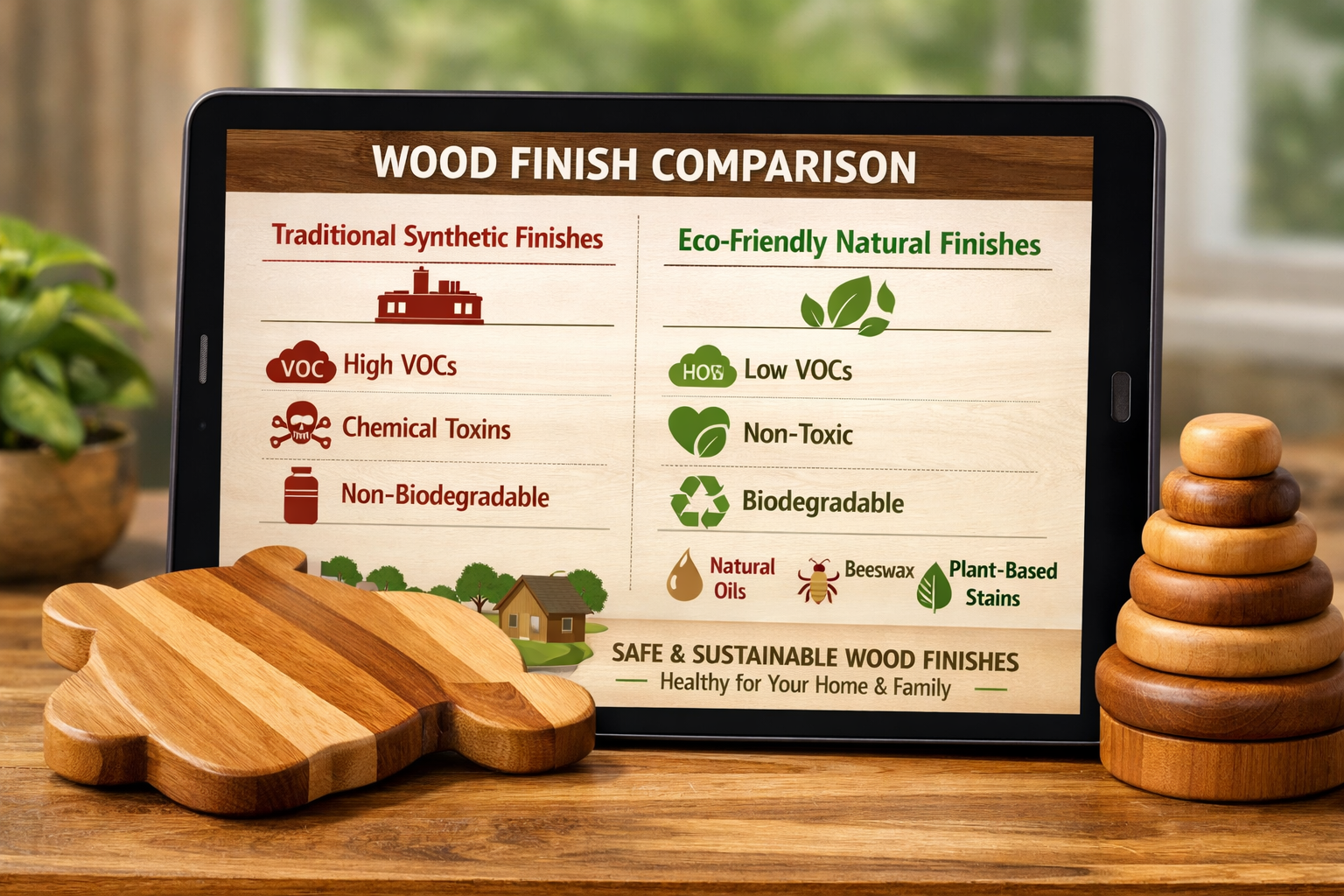
| Feature | Traditional Finishes (e.g., Polyurethane) | Eco-Friendly Oils/Waxes/Natural Stains |
|---|---|---|
| VOC Emissions | High | Low to None |
| Toxicity | Often high, skin & respiratory irritant | Low, many are food-safe |
| Appearance | Film-forming, plastic-like feel | Penetrating, natural wood feel & look |
| Repairability | Difficult, often requires full refinish | Easy, spot-repairable |
| Durability | Very high, hard surface | Good, breathable, requires reapplication |
| Biodegradability | Poor | Excellent |
| Resource Origin | Petroleum-based | Plant-based, natural |
 hero image with bold text overlay: ‘Sustainable Wood Finishing: Eco-Friendly Oils, Waxes, & Natural Stains’, modern sans-serif 70pt white text with subtle shadow, centered, background featuring a close-up of beautifully finished wooden furniture demonstrating rich texture and natural grain and natural grain, alongside small, artisanal containers of eco-friendly oils, waxes, and natural pigments, reflecting a clean, healthy, and environmentally conscious approach to woodworking, high contrast, warm natural color palette with greens and browns, editorial quality, magazine cover aesthetic.”,”content”:[“Detailed landscape format (1536×1024) image showing a craftsman carefully applying a natural oil finish to a wooden tabletop in a bright, well-ventilated workshop, with various bottles of plant-based oils and waxes arranged neatly on a workbench in the foreground. Sunlight streams through a window, highlighting the rich grain of the wood. The scene emphasizes health, natural materials, and meticulous hand application for sustainable wood finishing. Tools are laid out, but the focus is on the finishing process and the eco-friendly products.”,”Detailed landscape format (1536×1024) image featuring a vibrant, artistic display of various natural stain ingredients: bowls of berries, turmeric powder, coffee grounds, and walnut shells, meticulously arranged on a rustic wooden table. Small glass jars contain samples of wood stained with these natural dyes, showcasing a spectrum of rich, earthy colors. A hand is gently stirring a mixture in a bowl, demonstrating the DIY aspect of creating natural stains for healthier projects. The background is a blurred, cozy woodworking studio.”,”Detailed landscape format (1536×1024) image illustrating a comparison chart or infographic on a digital tablet screen, contrasting traditional synthetic wood finishes with sustainable, eco-friendly alternatives. The chart uses clear icons and text to highlight benefits like low VOCs, biodegradability, and non-toxicity for oils, waxes, and natural stains. In the foreground, a beautifully finished wooden toy or cutting board sits on a wooden surface, suggesting safe and healthy applications for completed projects.
Conclusion
The evolution of woodworking in 2026 is marked by an increasing emphasis on sustainability, health, and environmental responsibility. Sustainable Wood Finishing: Eco-Friendly Oils, Waxes, and Natural Stains for Healthier Projects represents a vital part of this movement. By choosing natural oils like linseed and tung, protective waxes such as beeswax and carnauba, and crafting your own natural stains from everyday ingredients, you not only create safer, healthier projects but also contribute to a greener planet.
These eco-friendly alternatives offer beautiful, durable results that celebrate the natural character of wood. They are forgiving to apply, easier to repair, and significantly reduce your exposure to harmful chemicals. As you plan your next woodworking endeavor, whether it’s building a custom TV stand or a unique wooden gift box, consider the long-term impact of your finishing choices.
Actionable Next Steps
- Educate Yourself Further: Dive deeper into specific product lines and their certifications. Look for brands committed to sustainability.
- Experiment with Natural Stains: Before committing to a project, try making and applying a few natural stains on scrap wood to see the variety of colors you can achieve.
- Start Small: Begin your sustainable finishing journey on smaller projects like cutting boards, picture frames, or wooden toys to get comfortable with the application techniques.
- Prioritize Ventilation & Disposal: Always work in well-ventilated areas and follow proper disposal guidelines for any oil-soaked rags.
- Share Your Knowledge: Inspire other woodworkers by sharing your experiences with eco-friendly finishing options.
By embracing these sustainable practices, you’re not just finishing wood; you’re cultivating a healthier craft, a safer home, and a more responsible future for woodworking.
References
- Sustainable Furnishings Council. (n.d.). Why it Matters. Retrieved from https://sustainablefurnishings.org/about/why-it-matters/
- U.S. Environmental Protection Agency. (n.d.). Volatile Organic Compounds’ Impact on Indoor Air Quality. Retrieved from https://www.epa.gov/indoor-air-quality-iaq/volatile-organic-compounds-impact-indoor-air-quality
- Finishing the Wood. (2018). The Wood Handbook: Wood as an Engineering Material (Chapter 16). U.S. Department of Agriculture, Forest Service, Forest Products Laboratory.