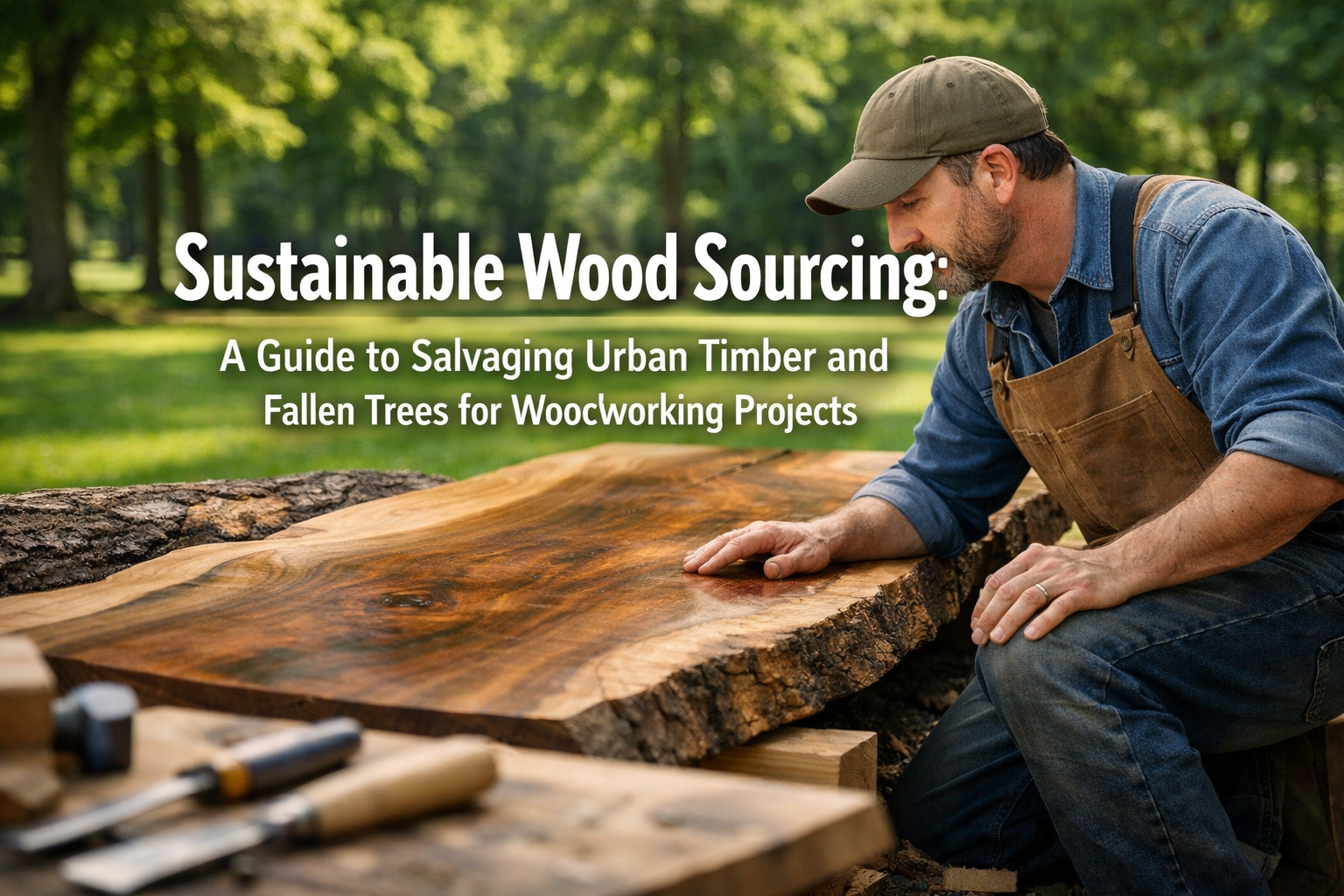

The allure of working with wood is timeless, but in 2026, the conscientious woodworker faces a unique challenge and opportunity: sourcing materials responsibly. Imagine transforming a majestic oak that once shaded a city park, or a storm-felled maple from a local backyard, into a stunning piece of furniture or art. This isn’t just about crafting; it’s about giving new life to forgotten resources. This comprehensive article, “Sustainable Wood Sourcing: A Guide to Salvaging Urban Timber and Fallen Trees for Woodworking Projects,” will illuminate the path for woodworkers to embrace urban timber and fallen trees, turning overlooked resources into beautiful and eco-friendly materials. By doing so, we not only reduce waste but also celebrate the unique stories embedded within each piece of wood.
Key Takeaways
- Environmental Responsibility: Salvaging urban timber reduces landfill waste, sequesters carbon, and lessens demand for newly harvested forest wood.
- Unique Aesthetic & Character: Urban wood often boasts distinctive grain patterns, colors, and historical context, offering unparalleled character for woodworking projects.
- Community Engagement: Sourcing involves collaborating with arborists, municipalities, and local landowners, fostering community connections and resourcefulness.
- Technical Challenges & Solutions: Processing urban timber requires specific knowledge of milling, drying, and dealing with potential inclusions, but these challenges are surmountable with proper techniques.
- Economic & Creative Benefits: Utilizing salvaged wood can be cost-effective and opens new avenues for creative expression, leading to truly unique and marketable pieces.
Understanding Sustainable Wood Sourcing: Why Urban Timber Matters
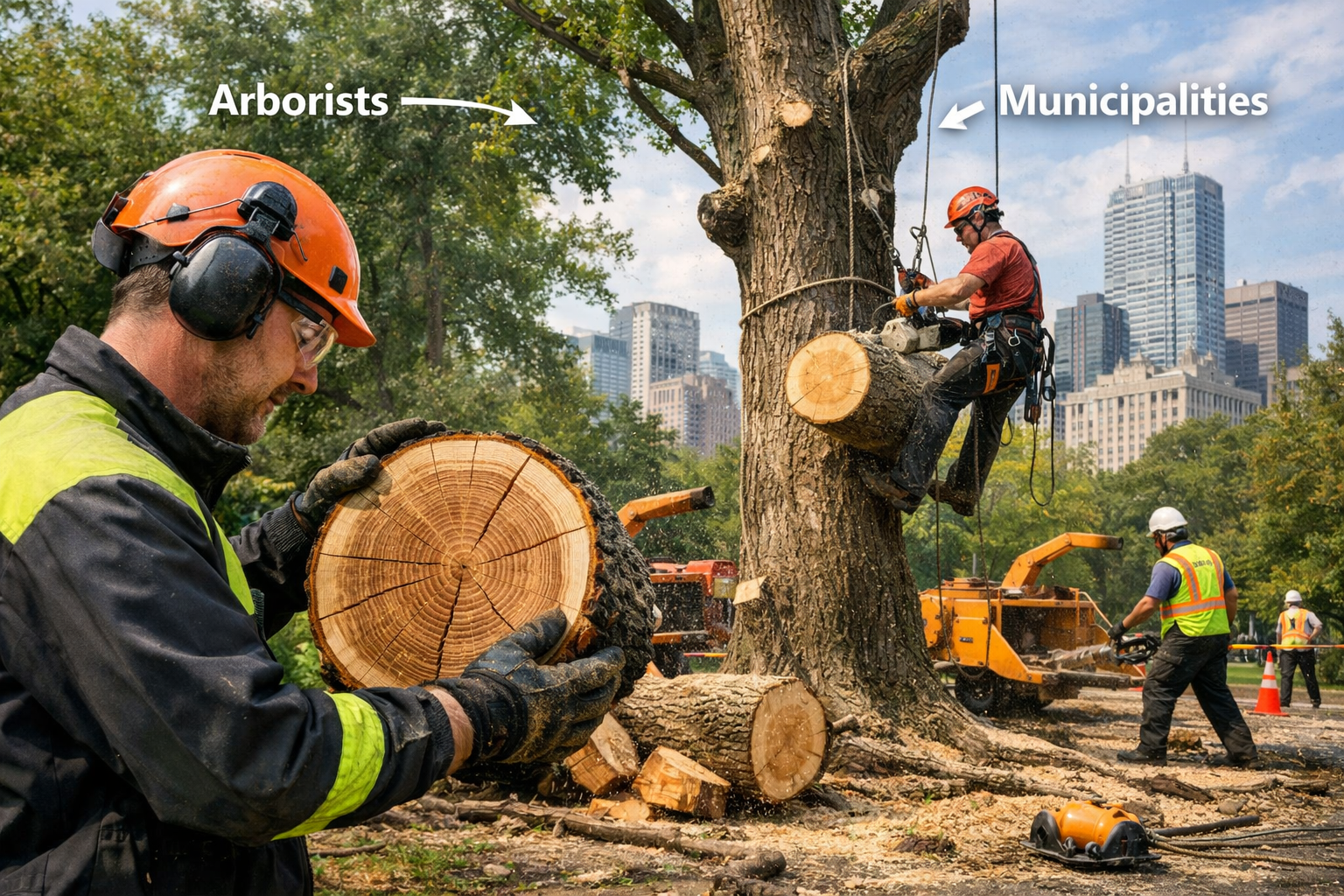
The concept of “Sustainable Wood Sourcing: A Guide to Salvaging Urban Timber and Fallen Trees for Woodworking Projects” extends far beyond certified forests. It involves a paradigm shift, recognizing the vast, often untapped, resource growing and falling within our cities and towns. Urban forests, while providing invaluable ecological services – from air purification to temperature regulation – periodically shed or require removal of trees due to age, disease, storm damage, or development. Traditionally, much of this wood ends up chipped, as firewood, or even in landfills. This represents a colossal waste of a valuable natural resource and an opportunity missed for woodworkers and the environment alike.

By diverting this urban timber, woodworkers contribute directly to a circular economy. Instead of purchasing wood that may have traveled thousands of miles, often from less transparent supply chains, urban wood is local, traceable, and inherently sustainable. It reduces the carbon footprint associated with logging, transportation, and waste disposal. Furthermore, it allows woodworkers to create pieces with a genuine narrative – a table made from a tree that stood for a century on Main Street, or a bookshelf crafted from a beloved backyard shade tree. This narrative adds profound value and uniqueness to every project.
"Every city tree has a story to tell. By salvaging urban timber, woodworkers become storytellers, crafting new narratives from the silent giants that once graced our streets and parks."
Consider the benefits of this approach:
- Reduced Landfill Burden: Millions of tons of wood waste enter landfills annually. Salvaging helps reduce this volume.
- Carbon Sequestration: Keeping wood in its solid form, rather than letting it decompose or burn, continues its role as a carbon sink.
- Local Economy Boost: Supports local arborists, sawyers, and small businesses involved in the urban wood movement.
- Unique Wood Characteristics: Urban trees often grow differently, leading to distinctive grain patterns, mineral streaks, and even embedded artifacts (like old nails or fence wire) that can add character.
Understanding the “why” behind sustainable wood sourcing empowers woodworkers to make more informed choices, transforming what was once waste into valuable, meaningful material. For those seeking to craft narrative interiors through woodworking, urban timber offers an unparalleled medium.

The Practicalities of Acquiring and Processing Urban Timber
Embarking on “Sustainable Wood Sourcing: A Guide to Salvaging Urban Timber and Fallen Trees for Woodworking Projects” requires understanding the practical steps from tree removal to usable lumber. This process involves several key stages, each with its own considerations.
Finding Your Urban Timber
The first step is identifying sources. Here’s where to look:
- Arborists and Tree Removal Companies: These professionals are your best allies. Many are happy to see good wood go to a useful purpose rather than the chipper. Build relationships, let them know what species and sizes you’re interested in, and offer to pick up wood.
- Municipalities and Parks Departments: City agencies manage urban forests and regularly remove trees. Contact their forestry or parks divisions to inquire about fallen or scheduled removals. Some cities even have official urban wood programs.
- Landowners (Post-Storm or Removal): After severe weather, homeowners may have fallen trees. Offer to remove sections for them. Similarly, when neighbors are having trees removed, offer to take some wood.
- Online Marketplaces: Local Facebook groups, Craigslist, or specialized urban wood exchanges sometimes list available logs.
When you find potential timber, consider:
- Species: Common urban species include oak, maple, sycamore, elm, walnut, and cherry. Each has unique properties and uses.
- Size: Can you transport it? Can your equipment handle it? Logs longer than 8-10 feet and wider than 2-3 feet require specialized milling.
- Condition: Is the wood healthy? Avoid logs with extensive rot, insect infestations, or excessive metal inclusions unless you’re prepared for the extra work.
Milling and Storage
Once you have the logs, the next challenge is transforming them into usable lumber.
Milling:
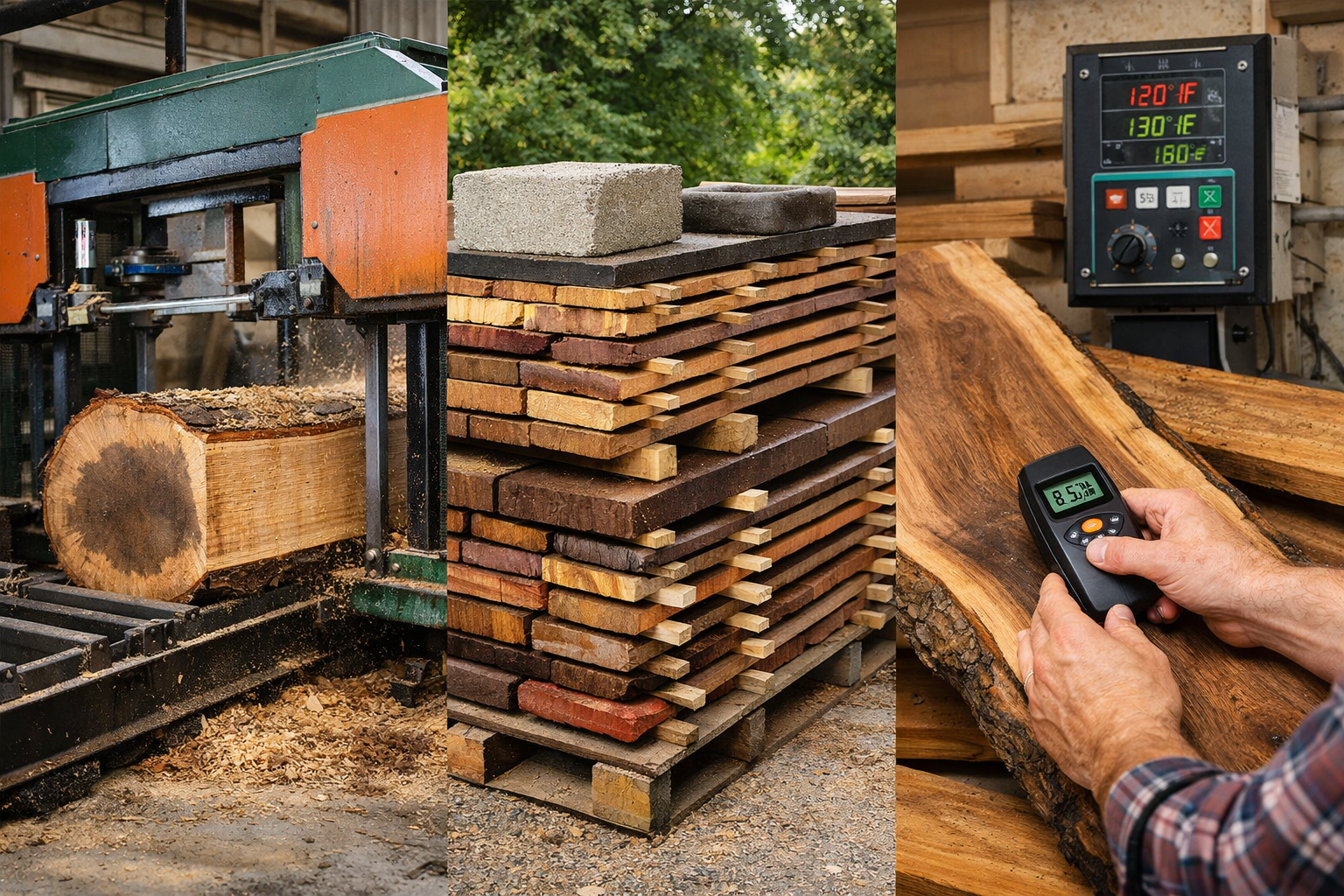
- Chainsaw Mill: For hobbyists, a chainsaw mill attachment is an affordable way to slab logs yourself. It requires a powerful chainsaw and practice.
- Portable Sawmills: Professional or semi-professional portable sawmills (bandmills) can quickly and accurately mill large logs. Many urban wood suppliers or individual sawyers offer custom milling services.
- Large Stationary Mills: Less common for individual urban wood, but some larger operations may take large logs.
When milling, decide on the thickness of your slabs (e.g., 4/4, 6/4, 8/4) based on your intended projects. For example, thicker slabs are excellent for custom wooden mantels.
Storage and Drying (Critical Step!):
- Air Drying: This is the most common method for salvaged timber.
- Preparation: Stack green lumber with “stickers” (small, dry wood strips) between each layer to allow for airflow.
- Location: Choose a shaded, well-ventilated area, protected from rain and direct sunlight, which can cause warping or checking.
- Weighting: Place heavy weights (like concrete blocks) on top of the stack to minimize warping.
- Time: Allow roughly one year of drying time per inch of thickness for most species. A 2-inch slab might take 2 years.
- Kiln Drying: For faster drying and to achieve lower moisture content (especially for indoor furniture), kiln drying is ideal. Some sawyers offer kiln services. Kiln drying also helps sterilize the wood, killing insects and fungi.
- Air Drying: This is the most common method for salvaged timber.
Dealing with Inclusions: Urban timber often contains nails, bullets, or other metal objects. Always use a metal detector on logs before milling and surfacing to prevent damage to expensive blades and tools. For power tool mastery for decorative wood projects, protecting your tools is paramount.
Proper drying is crucial to prevent warping, cracking, and movement in your finished projects. Ignoring this step will lead to frustrating failures down the line.
 placed on top of the uppermost boards. In the foreground, a woodworker uses a digital moisture meter on a slab, displaying a low reading. Behind the stacks, a partially visible kiln suggests a mixed drying approach. The setting is outdoors but under a protective roof, emphasizing good airflow and protection from elements. The scene conveys diligence and precision in preparing salvaged wood.)
Transforming Salvaged Wood into Masterpieces
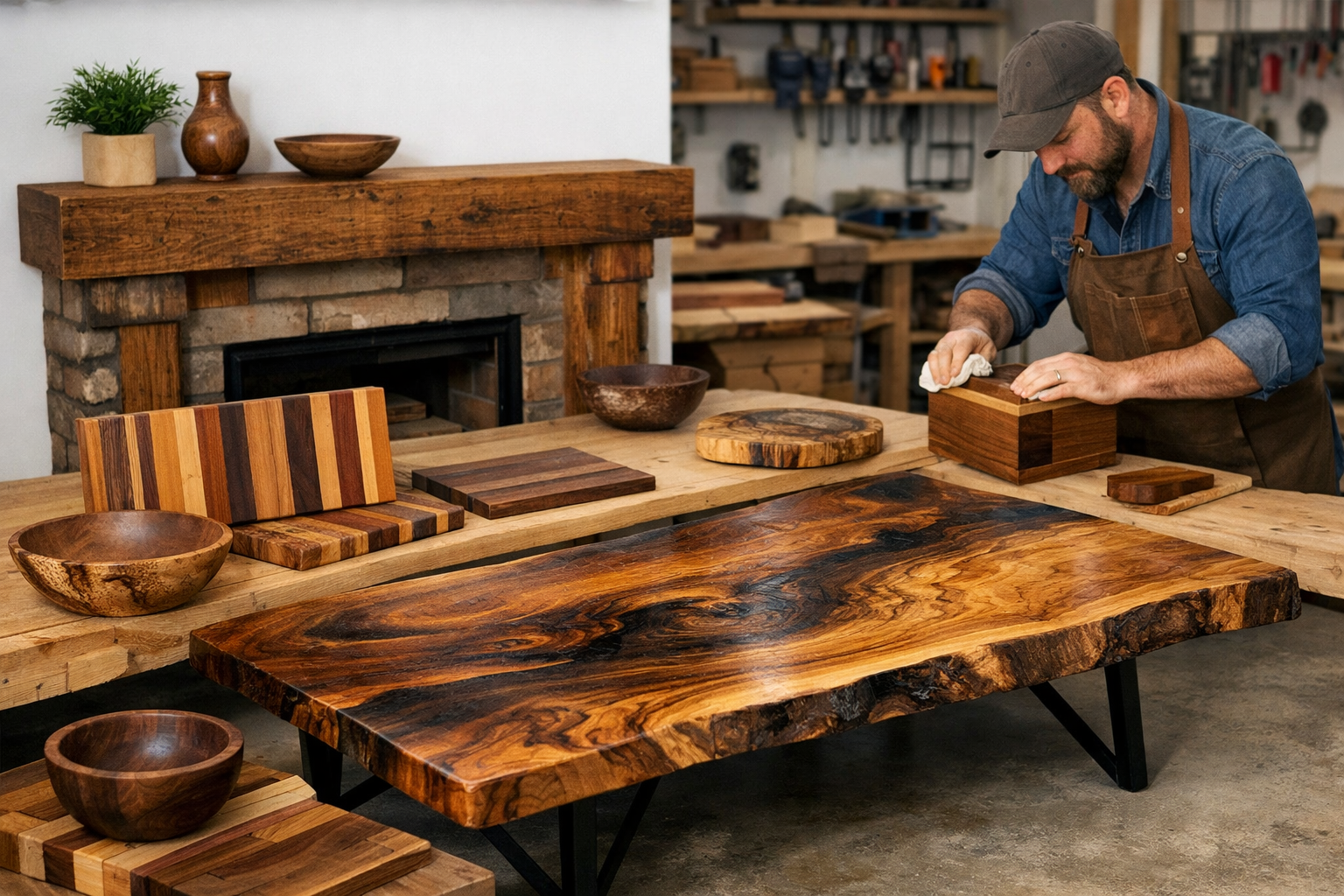
The final stage of “Sustainable Wood Sourcing: A Guide to Salvaging Urban Timber and Fallen Trees for Woodworking Projects” is the most rewarding: crafting unique pieces. Working with salvaged urban timber is not just about sustainability; it’s about embracing the unique character and history each slab brings to your workshop.
Design Considerations for Urban Wood
- Embrace Imperfection: Unlike commercially milled lumber, urban timber often features “live edges,” unique knots, mineral streaks, spalting (fungal coloration), and even remnants of its past life. These are not flaws but features that add immense character.
- Storytelling: Consider the origin of the wood. A piece from a tree that stood in a historic district could inspire a design that reflects its architectural context. A storm-felled tree could become a symbol of resilience.
- Project Suitability: Think about the dimensions and characteristics of your salvaged wood. A wide slab with a live edge is perfect for a coffee table or a desk. Smaller pieces can be excellent for cutting boards, bowls (especially using a wood lathe), or even acoustic diffusers from scrap wood.
Working with Salvaged Lumber
Even after drying, urban wood can sometimes behave differently than commercially sourced lumber.

- Patience and Planning: Always allow the wood to acclimate to your shop environment for several weeks before starting a project. This helps prevent movement after milling.
- Joints and Stability: Given the potential for movement, especially with live edges, robust joinery is key. Explore different essential woodworking joints that offer strength and account for wood movement.
- Finishing: The unique grain and color of urban wood often benefit from finishes that enhance, rather than hide, its natural beauty. Oils and clear coats are popular choices.
Inspiring Projects for 2026
The possibilities with salvaged urban timber are endless. Here are a few ideas that resonate with current trends:
- Live-Edge Furniture: Dining tables, console tables, and desks that showcase the natural edge of the slab.
- Floating Shelves: Elegant and modern, often with hidden hardware, these highlight the wood’s grain.
- Cutting Boards and Serving Trays: Smaller, unique pieces that make fantastic gifts or marketable items. Check out profitable beginner woodworking.
- Decorative Art Pieces: Sculptures, wall art, or accent pieces that leverage the wood’s organic forms and imperfections.
- Turned Bowls and Vases: Urban wood often yields fascinating results on the lathe, especially spalted or highly figured pieces.
Embracing urban timber enriches your woodworking practice. It connects you to your local environment, challenges your skills, and allows you to create truly unique, sustainable, and story-rich pieces that stand apart. In 2026, the demand for authentic, handcrafted items with a compelling backstory continues to grow, making salvaged urban timber a highly desirable material for discerning woodworkers and their clients.

Conclusion
Embracing “Sustainable Wood Sourcing: A Guide to Salvaging Urban Timber and Fallen Trees for Woodworking Projects” is more than just a trend; it’s a vital movement that connects woodworkers with their communities and the environment. In 2026, the opportunity to transform fallen city trees and urban wood waste into cherished pieces of furniture and art is both ecologically responsible and creatively liberating. By understanding the sourcing process, mastering the nuances of milling and drying, and designing with the inherent character of urban timber, woodworkers can unlock a world of unique possibilities. This guide empowers you to not only reduce your environmental footprint but also to craft pieces that tell a story, resonate with history, and possess an unparalleled aesthetic appeal.
Actionable Next Steps:
- Connect Locally: Reach out to arborists, tree removal services, and municipal forestry departments in your area. Introduce yourself and express your interest in salvaged wood.
- Learn and Observe: Visit local sawmills or join woodworking forums dedicated to urban wood to learn best practices for milling and drying.
- Invest in Knowledge: Research specific urban wood species common in your region to understand their properties and optimal uses.
- Start Small: Begin with smaller, manageable pieces of salvaged wood for projects like wooden candle holders or cutting boards to gain experience.
- Be Patient: Remember that proper wood drying takes time. Embrace it as part of the sustainable woodworking journey.
By taking these steps, you’ll contribute to a greener planet and enrich your woodworking craft with materials that carry a unique legacy.
SEO Meta Title: Sustainable Wood Sourcing: Urban Timber & Fallen Trees for Woodworking SEO Meta Description: Discover how to responsibly salvage urban timber and fallen trees for woodworking projects in 2026. A comprehensive guide to eco-friendly sourcing.