
In 2026, the conscientious DIY woodworker seeks more than just beautiful lumber; they seek timber that aligns with their values. With increasing environmental awareness, the pursuit of truly eco-conscious choices in crafting has grown exponentially. This means moving beyond merely reclaimed wood and actively exploring options like FSC-certified forests, engaging with local sawmills, and even considering lesser-known, fast-growing species. This article delves into the multifaceted world of Sustainable Wood Sourcing for DIY Projects: Beyond Reclaimed Wood, Exploring FSC Certified and Local Lumber Options, guiding you toward making impactful and responsible material choices for your next build.
Key Takeaways
- FSC Certification is a Gold Standard: Look for the Forest Stewardship Council (FSC) label to ensure wood comes from responsibly managed forests that protect biodiversity and local communities.
- Embrace Local Lumber: Sourcing from local sawmills reduces transportation impact, supports regional economies, and often provides unique, high-quality wood species.
- Consider Lesser-Known, Fast-Growing Species: Explore alternatives like Paulownia, Poplar, or Eucalyptus for projects where their properties are suitable, reducing pressure on traditional hardwoods.
- Reclaimed Wood Remains Vital: While this article explores alternatives, reclaimed wood is still an excellent, zero-waste option for many projects.
- Ask Questions: Be an informed consumer. Inquire about the origin and harvesting practices of any wood you purchase.
Understanding FSC Certified Wood: A Mark of Responsible Forestry for Sustainable Wood Sourcing for DIY Projects
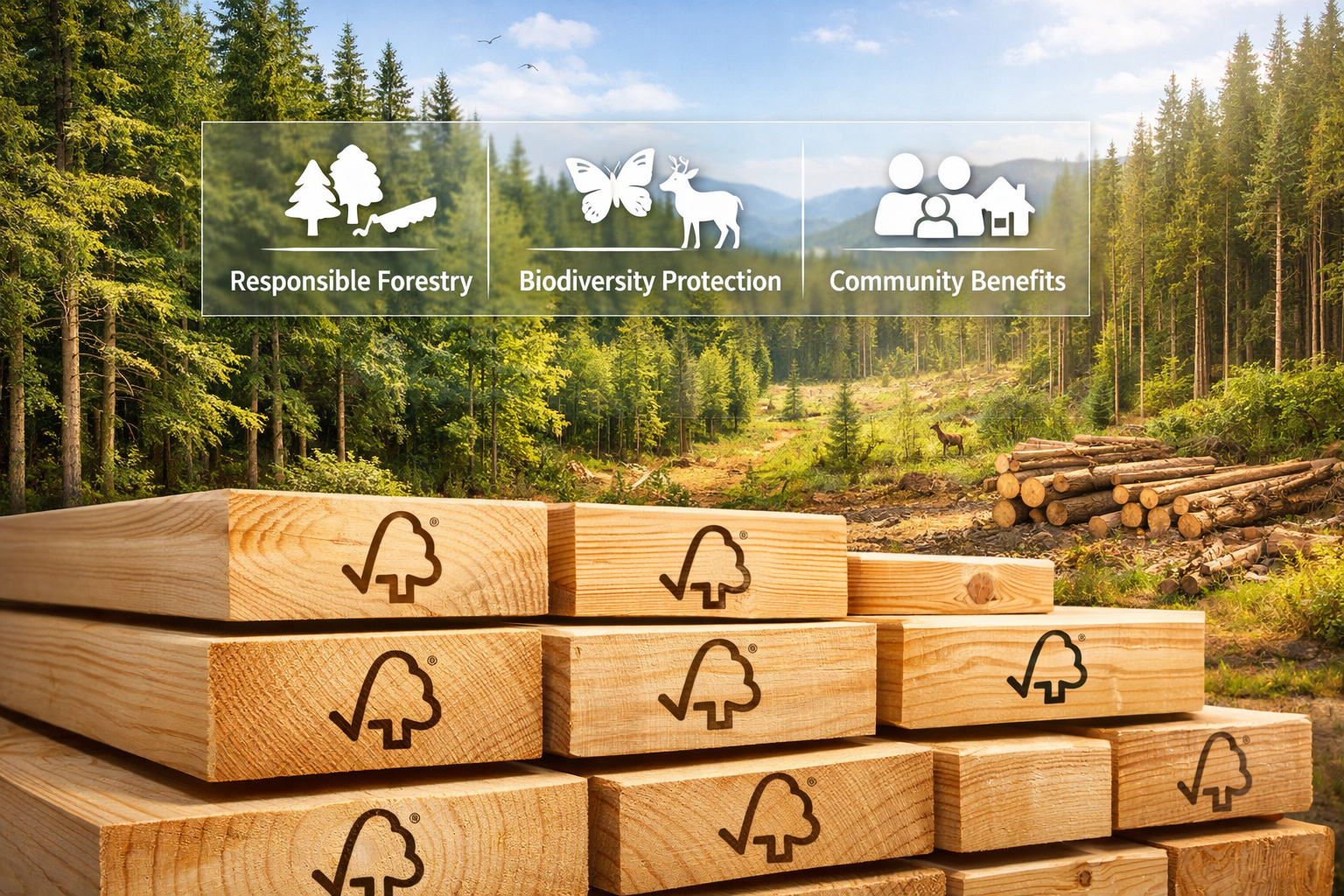
The Forest Stewardship Council (FSC) certification stands as one of the most respected and recognized symbols of sustainable forestry worldwide. For DIY enthusiasts committed to responsible crafting, choosing FSC-certified wood is a straightforward way to ensure their projects don’t come at the expense of our planet’s vital ecosystems. But what exactly does FSC certification mean, and why is it so important for Sustainable Wood Sourcing for DIY Projects: Beyond Reclaimed Wood, Exploring FSC Certified and Local Lumber Options?

What is FSC Certification?
FSC is a global, non-profit organization dedicated to promoting responsible management of the world’s forests. This means adhering to a strict set of environmental, social, and economic standards that ensure forests are managed in a way that:
- Protects Biodiversity: Preserves natural habitats for plants and wildlife.
- Sustains Forest Productivity: Ensures long-term timber supply without depletion.
- Respects Indigenous Rights: Upholds the rights of indigenous peoples and local communities.
- Ensures Economic Viability: Supports local economies and fair wages for forest workers.
- Minimizes Environmental Impact: Avoids harmful pesticides and genetic modification.
When you see the FSC label on a piece of lumber or wood product, it signifies that the wood was harvested from a forest that has been audited and certified to meet these stringent standards. It’s a transparent chain of custody from forest to consumer.
Benefits for DIY Woodworkers
For the eco-conscious woodworker, the benefits of choosing FSC-certified wood are clear:
- Peace of Mind: You can build with confidence, knowing your materials contribute to sustainable practices.
- Environmental Impact Reduction: You help combat deforestation, protect wildlife, and support healthy forest ecosystems.
- Social Responsibility: You support fair labor practices and community engagement in forestry.
- Quality Assurance: Certified forests often adhere to high standards of forestry, which can translate to better quality lumber over time.
How to Find FSC-Certified Wood
Finding FSC-certified wood is becoming increasingly easy. Many large hardware stores and lumberyards now carry a selection of certified products. When shopping, look for the distinctive FSC logo on packaging, labels, or even stamped directly on the wood itself. If you don’t see it, don’t hesitate to ask your supplier. Demand for certified wood drives its availability.
Pro Tip: While FSC is a leading standard, other certifications like the Programme for the Endorsement of Forest Certification (PEFC) also promote sustainable forestry. Research and understand the certifications available in your region.
🌳 “Choosing FSC-certified wood is an investment not just in your project’s quality, but in the future health of our planet’s forests.”
Embracing Local Lumber and Urban Logging: Regional Solutions for Sustainable Wood Sourcing for DIY Projects
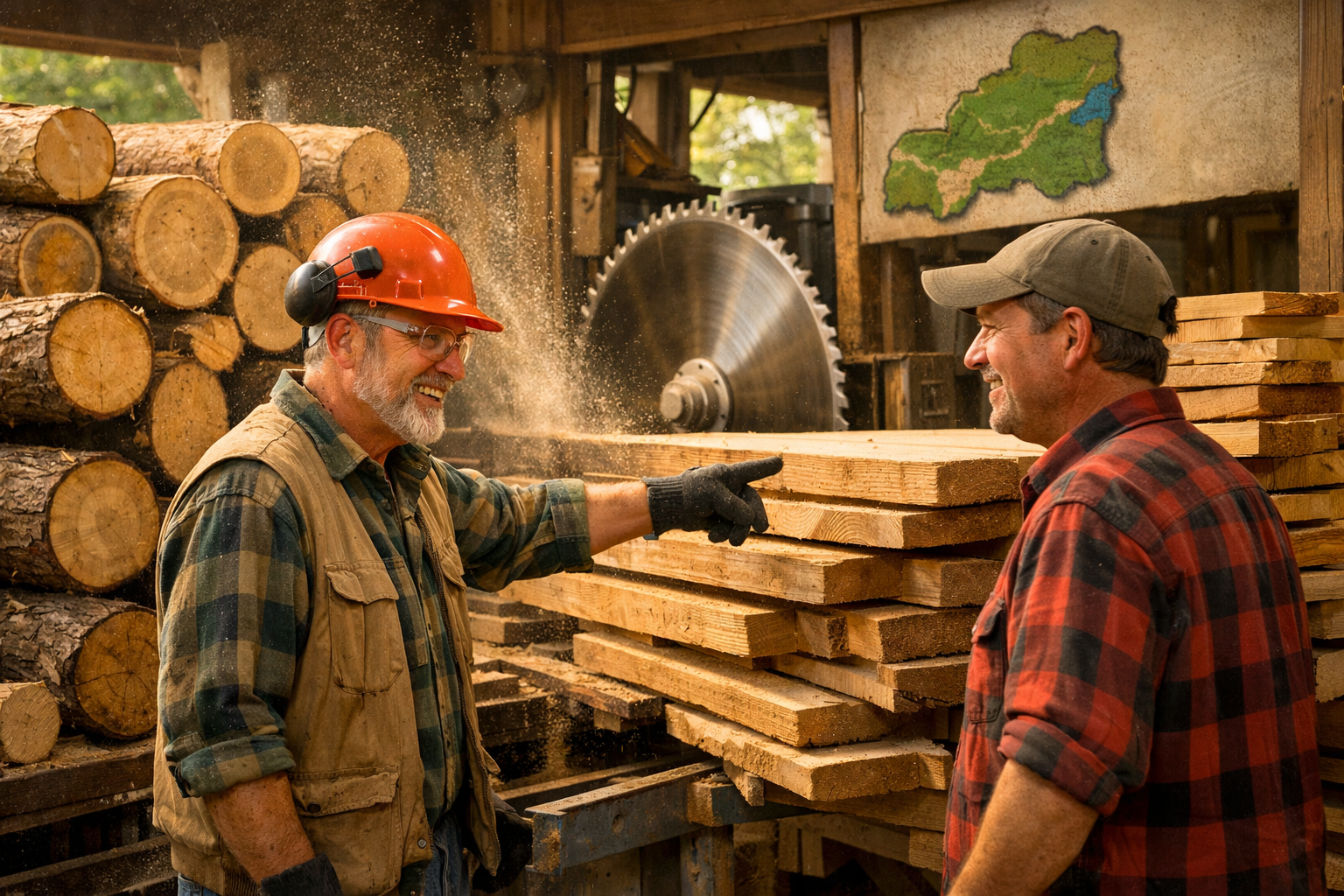
While global certifications like FSC are crucial, another powerful avenue for Sustainable Wood Sourcing for DIY Projects: Beyond Reclaimed Wood, Exploring FSC Certified and Local Lumber Options lies closer to home: local sawmills and the emerging practice of urban logging. These options offer unique advantages, from reduced environmental footprints to access to distinctive, regionally specific woods.
The Appeal of Local Sawmills
Sourcing from local sawmills fosters a direct connection between the woodworker and the origin of their materials. This approach offers several compelling benefits:
- Reduced Transportation Costs & Emissions: Less distance traveled means a smaller carbon footprint.
- Support for Local Economies: Your purchase directly benefits local businesses and communities.
- Unique Wood Species: Local mills often carry a wider variety of regional species that might not be available at large retailers, allowing for truly unique projects.
- Personal Connection: You can often speak directly with the mill owner or sawyer, learning about the wood’s origin, milling process, and even its specific characteristics. This knowledge can inspire deeper creativity in your projects.
- Freshness and Custom Cuts: Local sawmills can often provide fresher, air-dried lumber and may even offer custom milling services to your exact specifications.
Finding a Local Sawmill
A quick online search for “sawmills near me” or “local lumber supplier [your region]” can yield surprising results. Farmers’ markets, local craft fairs, and woodworking clubs are also excellent places to discover small, independent operations. When you visit, ask questions:
- Where does their timber come from?
- What harvesting practices do they support?
- Do they have any unique local species?
- What is their drying process?
Urban Logging: Reimagining Waste as Resource
Urban logging is an increasingly popular and highly sustainable practice that involves salvaging trees removed from urban and suburban areas. These trees, often taken down due to disease, storm damage, construction, or landscaping needs, would otherwise be chipped, landfilled, or used as firewood. Urban loggers and arborists instead mill them into usable lumber.
This practice epitomizes responsible resource management, effectively turning potential waste into valuable material. For DIYers, urban logging presents an opportunity to work with beautiful, often mature trees that carry a unique story. You might find magnificent slabs of oak, maple, walnut, or sycamore that were once majestic shade trees in your own community.
For those interested in exploring this option further, our guide on Sourcing Reclaimed and Salvaged Wood: Quality Assessment, Restoration, and Safe Handling provides excellent insights into working with rescued timber.
| Sourcing Method | Environmental Benefit | Economic Benefit | Unique Features |
|---|---|---|---|
| FSC Certified | Forest conservation, biodiversity prot. | Supports ethical supply chains | Global standard, peace of mind |
| Local Mill | Reduced transport, lower emissions | Supports local businesses | Regional species, custom cuts, personal connection |
| Urban Logging | Waste reduction, repurposing | Minimal economic footprint | Unique, often mature urban tree species |
Beyond the Usual: Exploring Lesser-Known and Fast-Growing Species for Sustainable Wood Sourcing for DIY Projects
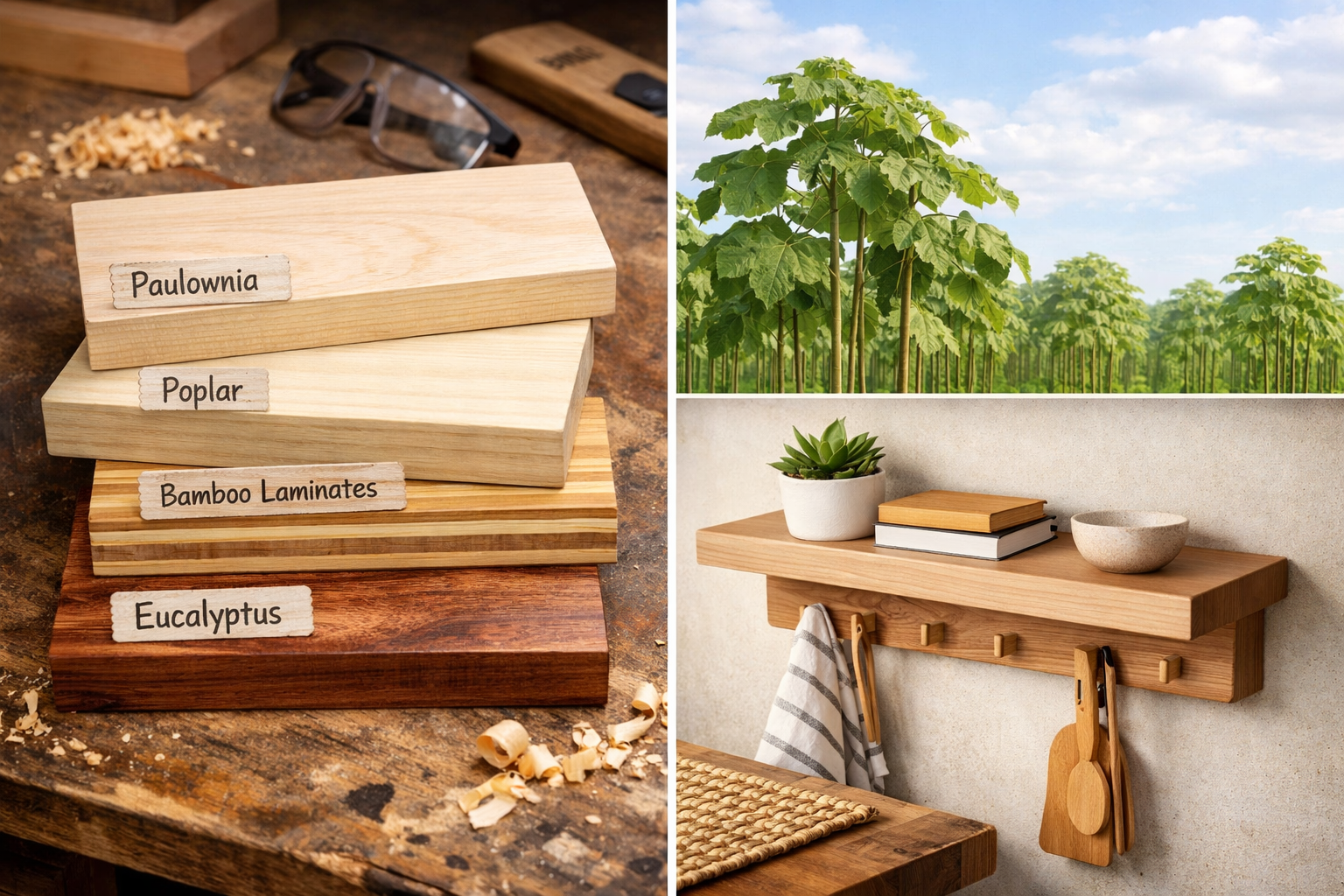
When considering Sustainable Wood Sourcing for DIY Projects: Beyond Reclaimed Wood, Exploring FSC Certified and Local Lumber Options, an often-overlooked area is the vast potential of lesser-known or rapidly growing timber species. Expanding your material palette to include these alternatives can significantly reduce pressure on traditional, slow-growth hardwoods and exotic species, while still providing excellent characteristics for woodworking.
Why Explore Alternative Species?
- Faster Regeneration: Many of these species grow quickly, making them highly renewable resources.
- Reduced Ecological Impact: Less demand on old-growth or endangered forests.
- Unique Aesthetics and Properties: They often offer distinct grain patterns, colors, and working characteristics that can inspire new designs.
- Cost-Effectiveness: Being less in demand, they can sometimes be more affordable.
Promising Fast-Growing and Lesser-Known Species
Here are a few examples that DIYers might consider:

Paulownia (Empress Tree):
- Growth Rate: Extremely fast-growing, reaching maturity in 5-7 years.
- Properties: Very lightweight, strong for its weight, excellent stability, fine grain, takes stain well.
- Uses: Furniture, carving, surfboards, musical instruments, interior paneling.
- Sustainability Angle: Its rapid growth makes it an excellent choice for reforestation and carbon sequestration.
Poplar (Tulipwood):
- Growth Rate: Relatively fast-growing native North American hardwood.
- Properties: Soft hardwood, straight grain, machines well, readily available, affordable. Often has green streaks which can be beautiful.
- Uses: Paint-grade furniture, drawer boxes, interior trim, hidden elements.
- Sustainability Angle: Abundant, widely available, and sustainably managed in many regions.
Eucalyptus:
- Growth Rate: Various species grow very quickly, especially in suitable climates.
- Properties: Can be very dense and durable, with a striking grain and often reddish-brown hues. Excellent strength properties.
- Uses: Flooring, outdoor furniture, decking, veneers.
- Sustainability Angle: Widely planted in sustainable plantations worldwide, relieving pressure on tropical forests.
Bamboo:
- Growth Rate: Technically a grass, it’s one of the fastest-growing plants on Earth.
- Properties: Extremely hard, durable, stable when properly processed into laminates, unique aesthetic.
- Uses: Flooring, cutting boards, panels, furniture, decorative elements.
- Sustainability Angle: Rapidly renewable, requires minimal water and no pesticides to grow. A fantastic choice for a truly green project. For ideas, check out Ultimate Guide to Wooden Cutting Boards: End-Grain Patterns, Tool Sharpening, and Food-Safe Finishes.
Researching and Working with New Woods
Before diving into a project with an unfamiliar species, it’s wise to:
- Research its working properties: How does it plane, saw, and sand? Does it glue or finish differently?
- Check availability: Ask local lumberyards, specialty wood suppliers, or even online retailers.
- Consider the application: Match the wood’s properties (hardness, stability, weather resistance) to your project’s requirements. For example, Understanding Wood Movement: How to Design and Build Furniture That is essential for any species.
Embracing these alternative woods not only broadens your creative horizons but also significantly contributes to a more sustainable woodworking future. Remember, every choice, no matter how small, adds up to a larger impact. For more ways to integrate sustainable practices into your craft, read our comprehensive article on Sustainable Wood Sourcing for the Modern Woodworker: Beyond Reclaimed.
Conclusion
The landscape of Sustainable Wood Sourcing for DIY Projects: Beyond Reclaimed Wood, Exploring FSC Certified and Local Lumber Options is richer and more accessible than ever in 2026. While reclaimed wood remains a fantastic option, the modern woodworker has a growing responsibility and opportunity to make even more thoughtful material choices. By actively seeking FSC-certified products, supporting local sawmills, tapping into urban logging initiatives, and exploring fast-growing or underutilized timber species, DIY enthusiasts can build beautiful, durable projects with a clear conscience.
The power to make a positive environmental impact lies in every purchase decision. As you embark on your next woodworking adventure, take a moment to consider the journey of your wood, from forest to workshop. Ask questions, seek certifications, and connect with local suppliers. Your commitment to sustainable sourcing not only benefits the planet but also enriches your craft, giving your projects a deeper story and lasting value.
Actionable Next Steps:
- Identify Local Suppliers: Search for local sawmills, urban logging operations, or specialty wood stores in your area. Visit them and inquire about their sourcing practices.
- Look for the Label: On your next trip to a lumberyard, specifically ask for or look for FSC-certified wood products.
- Experiment: Try a project using a fast-growing species like Paulownia or Poplar to familiarize yourself with its properties. Perhaps a small project like those in Profitable Small-Batch Woodworking: High-Demand Decorative P could be a great starting point.
- Educate Yourself: Continuously learn about sustainable forestry practices and new developments in eco-friendly wood sourcing.
By integrating these practices into your DIY routine, you become part of a larger movement towards a more sustainable future, one woodworking project at a time.
References
- Forest Stewardship Council. (n.d.). About Us. Retrieved from https://fsc.org/en/about-us (Actual publication year varies based on site updates, accessed 2026)
- Programme for the Endorsement of Forest Certification. (n.d.). About PEFC. Retrieved from https://www.pefc.org/about-pefc (Actual publication year varies based on site updates, accessed 2026)
- Schroeder, J. (2018). Sustainable Wood for the Home Woodworker. Fine Woodworking.