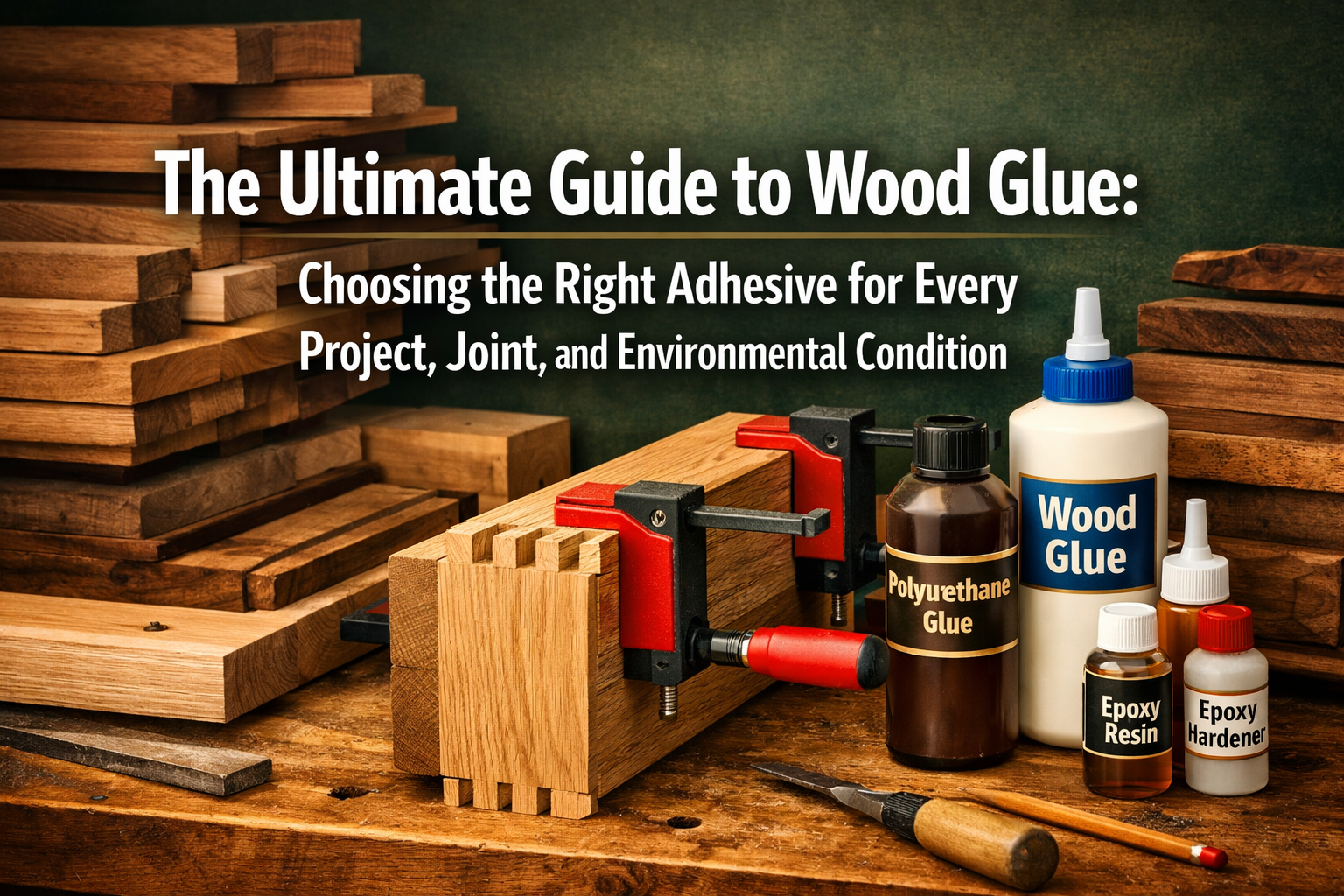

Woodworking, at its heart, is the art of connection. While masterful joinery forms the backbone of any sturdy piece, the silent hero that often dictates the longevity and strength of your creations is the humble wood glue. However, the world of wood adhesives can be surprisingly complex, with a bewildering array of options, each tailored for specific tasks. Demystifying this world, from common PVAs to specialized epoxies, and understanding their individual strengths, weaknesses, and optimal applications for lasting joinery in various indoor and outdoor woodworking projects is crucial for every craftsperson in 2026. This comprehensive guide, “The Ultimate Guide to Wood Glue: Choosing the Right Adhesive for Every Project, Joint, and Environmental Condition,” will equip you with the knowledge to make informed decisions, ensuring your projects stand the test of time.
Key Takeaways
- PVA is your general-purpose go-to: Yellow and white PVAs (aliphatic resin and polyvinyl acetate) are excellent for most indoor woodworking, offering strong bonds and easy cleanup.
- Water resistance is critical for outdoor projects: Opt for glues rated “Type II” or “Type III” (D3 or D4) like polyurethane or Titebond III for projects exposed to moisture.
- Specialty glues solve unique problems: CA glue for quick fixes, epoxy for gap filling and structural bonds, and hide glue for traditional joinery and reversibility.
- Joint fit and clamping are paramount: Even the best glue cannot compensate for poorly fitted joints or inadequate clamping pressure.
- Consider environmental factors: Temperature, humidity, and exposure to UV or moisture significantly impact glue performance and curing.
Understanding the Different Types of Wood Glue
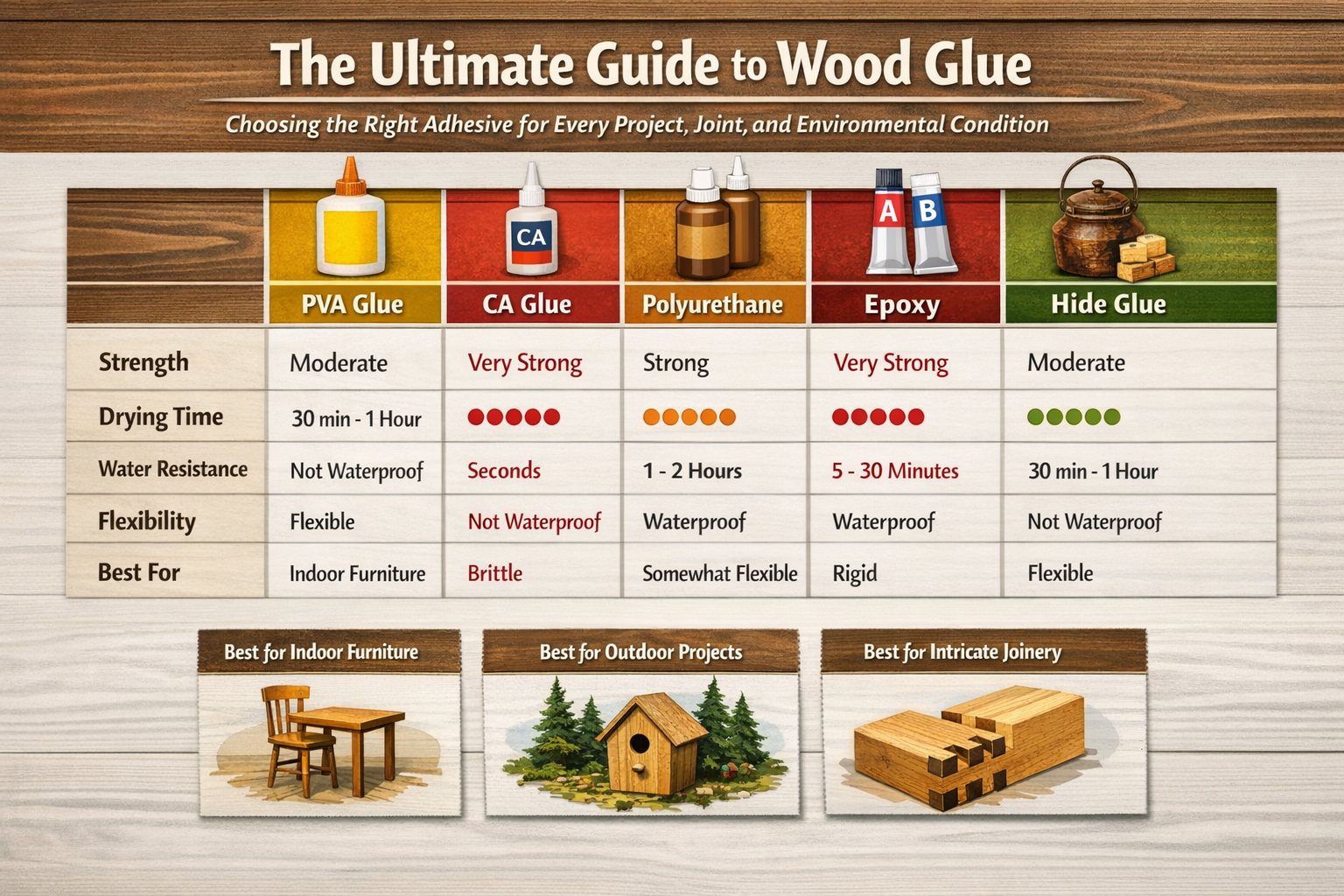
Selecting the right adhesive is not a one-size-fits-all endeavor. Each type of wood glue possesses a unique set of characteristics that make it ideal for specific applications, joint types, and environmental exposures. This section of “The Ultimate Guide to Wood Glue: Choosing the Right Adhesive for Every Project, Joint, and Environmental Condition” breaks down the most common and essential wood glues every woodworker should know.

Polyvinyl Acetate (PVA) Glues (White & Yellow Glues)
PVA glues are the most ubiquitous and often the first choice for general woodworking. They are water-based, non-toxic, and incredibly easy to use and clean up.
- White PVA (e.g., Elmer’s Glue-All):
- Characteristics: Dries clear, flexible, excellent for general-purpose bonding.
- Best for: Light-duty indoor projects, craft projects, paper, fabric, and some light wood applications. Not ideal for structural woodworking.
- Water Resistance: Low.
- Yellow PVA / Aliphatic Resin (e.g., Titebond Original):
- Characteristics: Dries opaque yellow/tan, stronger bond than white PVA, sands well, “creeps” less under stress.
- Best for: Most indoor woodworking projects, furniture making, edge gluing, and general joinery. It’s the standard for many workshops.
- Water Resistance: Low (Type I/D1).
Water-Resistant PVAs (Type II & III)
These are enhanced PVA formulations designed to withstand greater exposure to moisture.
- Type II PVA (e.g., Titebond II Premium Wood Glue):
- Characteristics: Good water resistance, suitable for projects with occasional moisture exposure. Dries yellow/tan.
- Best for: Outdoor furniture, birdhouses, cutting boards, and projects not continuously exposed to the elements. Perfect for building wooden birdhouses.
- Water Resistance: Good (Type II/D3).
- Type III PVA (e.g., Titebond III Ultimate Wood Glue):
- Characteristics: Superior water resistance, suitable for prolonged outdoor exposure. Dries light brown.
- Best for: All outdoor furniture, exterior doors, marine applications above the waterline, and any project needing maximum water protection. Often used for crafting profitable wooden benches.
- Water Resistance: Excellent (Type III/D4).
Polyurethane Glues (e.g., Gorilla Glue)
Polyurethane glues are moisture-activated, expanding as they cure.
- Characteristics: Incredible strength, excellent water resistance, bonds to a wide variety of materials beyond wood (metal, ceramic, stone), gap-filling due to expansion. Requires moisture to cure.
- Best for: Outdoor projects, structural repairs, bonding dissimilar materials, and situations where some gap-filling is needed.
- Water Resistance: Excellent (Type III/D4).
- Considerations: Requires careful clamping to prevent foam-out, clean-up with mineral spirits before curing. Can stain skin.
Epoxy Glues (Two-Part Resins)
Epoxies are two-part adhesives (resin and hardener) that create an incredibly strong, rigid, and waterproof bond.
- Characteristics: Exceptional strength, waterproof, gap-filling, can be sanded and painted. Curing time varies significantly.
- Best for: Structural repairs, marine applications, filling large gaps, bonding dissimilar materials, and any high-stress, high-moisture environment. Ideal for complex joinery where strength is paramount.
- Water Resistance: Superior (often fully waterproof).
- Considerations: Messier to work with, requires precise mixing ratios, longer curing times, more expensive.
Cyanoacrylate (CA) Glues (Super Glue)
Often called “super glue,” CA glues offer incredibly fast setting times.
- Characteristics: Instant bond, very strong in shear strength, comes in various viscosities (thin, medium, thick).
- Best for: Quick assembly, holding pieces in place while other glues cure, small repairs, stabilizing checks in wood. Can be used for 3 profitable scrap wood projects under 1 hour for quick bonds.
- Water Resistance: Fair to poor.
- Considerations: Brittle, not ideal for large stress points, fumes can be irritating, bonds skin instantly.
Hide Glue (Traditional Wood Glue)
Traditional hide glue (available in liquid and granular forms) has been used for centuries and is still valued for specific applications.
- Characteristics: Strong, reversible with heat and moisture, long open time (liquid form), excellent for instrument making and fine furniture.
- Best for: Fine woodworking, antique restoration, situations where future disassembly might be required (e.g., instrument repair).
- Water Resistance: Poor.
- Considerations: Can be challenging to work with (granular form needs heating), sensitive to humidity.

Matching Glue to Your Project, Joint, and Environmental Needs
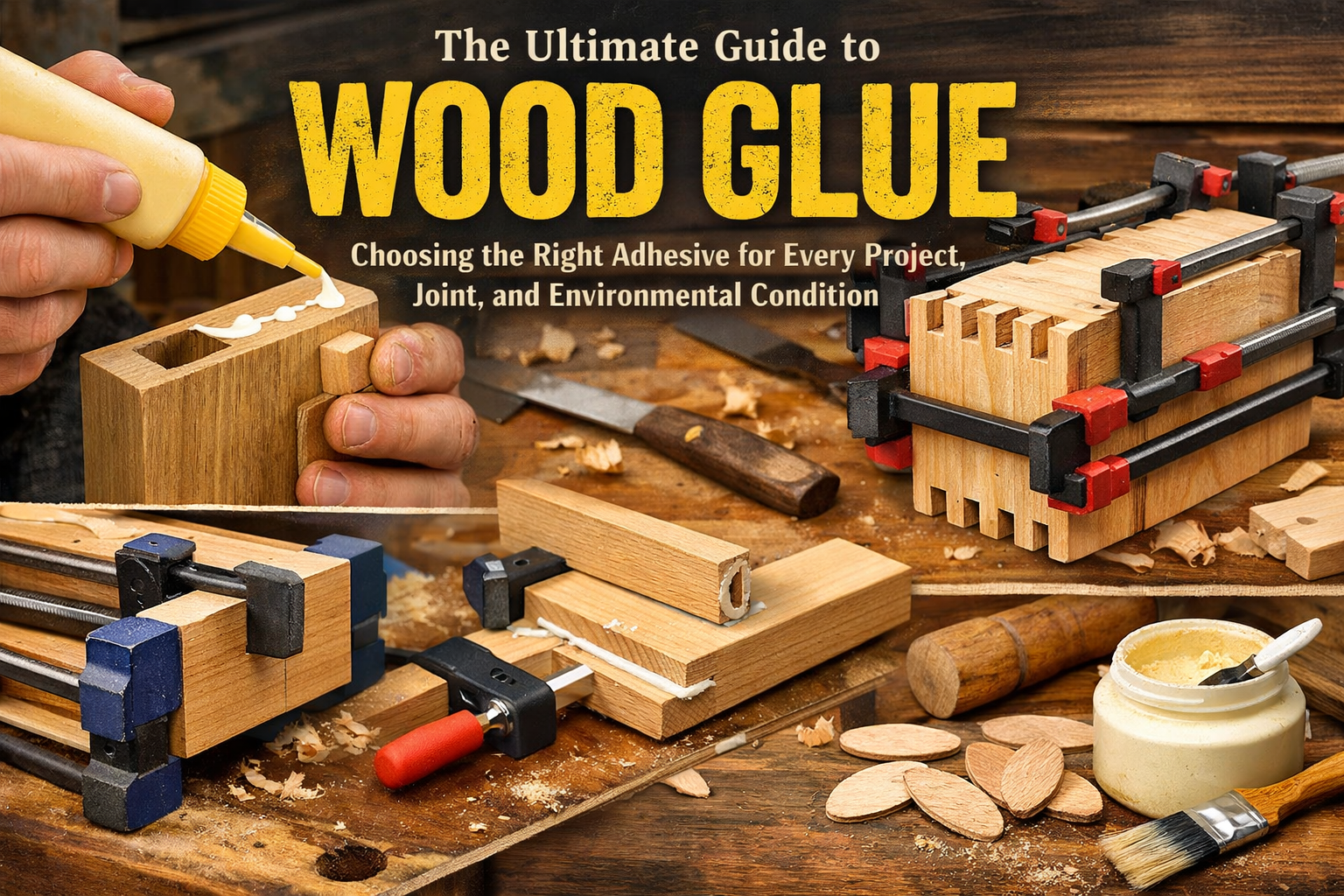
Choosing the optimal glue goes beyond just knowing the types; it involves a thoughtful assessment of your specific project, the complexity of the joints, and the environmental conditions the finished piece will face. This section of “The Ultimate Guide to Wood Glue: Choosing the Right Adhesive for Every Project, Joint, and Environmental Condition” delves into practical application scenarios.
Project Type and Intended Use
- Indoor Furniture & Cabinetry: For projects like crafting your perfect woodworking nightstand or building custom TV stands, yellow PVA glues (Titebond Original) are the workhorses. They offer strong bonds, sand well, and are easy to clean. For decorative elements or quick assembly, CA glue can be handy.
- Outdoor Furniture & Decking: Any project exposed to the elements, such as Adirondack chairs or garden benches, demands superior water resistance. Titebond III or polyurethane glues are excellent choices, rated for prolonged outdoor exposure. For structural outdoor elements, epoxy might be considered.
- Kitchen Items (Cutting Boards, Serving Trays): For items that come into contact with food, a non-toxic, water-resistant glue is essential. Titebond III is food-safe once cured and offers excellent moisture protection, making it perfect for pine cutting boards.
- Musical Instruments & Fine Woodwork: Traditional hot hide glue is often preferred due to its reversibility and ability to “creep” less than PVA, which is critical for acoustic instruments where wood movement is constant. Liquid hide glue offers similar properties with easier application.
- Repairs & Restorations: For general breaks, yellow PVA is often sufficient. For loose veneers or delicate repairs, traditional hide glue is excellent due to its reversibility. Epoxy excels at filling large gaps and reinforcing severely damaged areas, while CA glue offers instant fixes for small cracks or chips.
Joint Type and Fit
The type of joint significantly influences glue choice and application.
- Tight-Fitting Joints (e.g., Dovetails, Mortise & Tenon, Finger Joints): These joints rely on maximum wood-to-wood contact. Thin, strong glues like yellow PVA (Titebond Original) or Type II/III PVAs are ideal. For extremely tight joints, a thinner consistency glue that penetrates well is beneficial. For intricate joinery like mastering dovetail joinery for drawers, a glue that allows adequate open time for assembly but sets firmly is key.
- Loose or Gap-Filling Joints: Poorly fitted joints are a woodworker’s bane, but some glues can help mitigate the issue. Polyurethane glue expands as it cures, making it excellent for filling small gaps. Epoxy is the champion for large gap filling, as it cures as a solid mass regardless of the gap size and adds significant structural integrity. However, it’s always best practice to strive for well-fitted joints.
- Edge-to-Edge Joints: For tabletops or panels, yellow PVA or Type II/III PVAs are standard. The goal is a uniform, strong bond across the entire seam. Ensure adequate clamping pressure for these joints.
- End Grain Gluing: End grain is notoriously difficult to glue because it absorbs glue rapidly, starving the joint. While no glue will make an end-grain butt joint as strong as long-grain joinery, epoxy can provide the strongest bond for end-grain applications due to its gap-filling properties and reduced absorption. A technique called “sizing” (applying a thin coat of glue, letting it dry, then gluing normally) can also help.

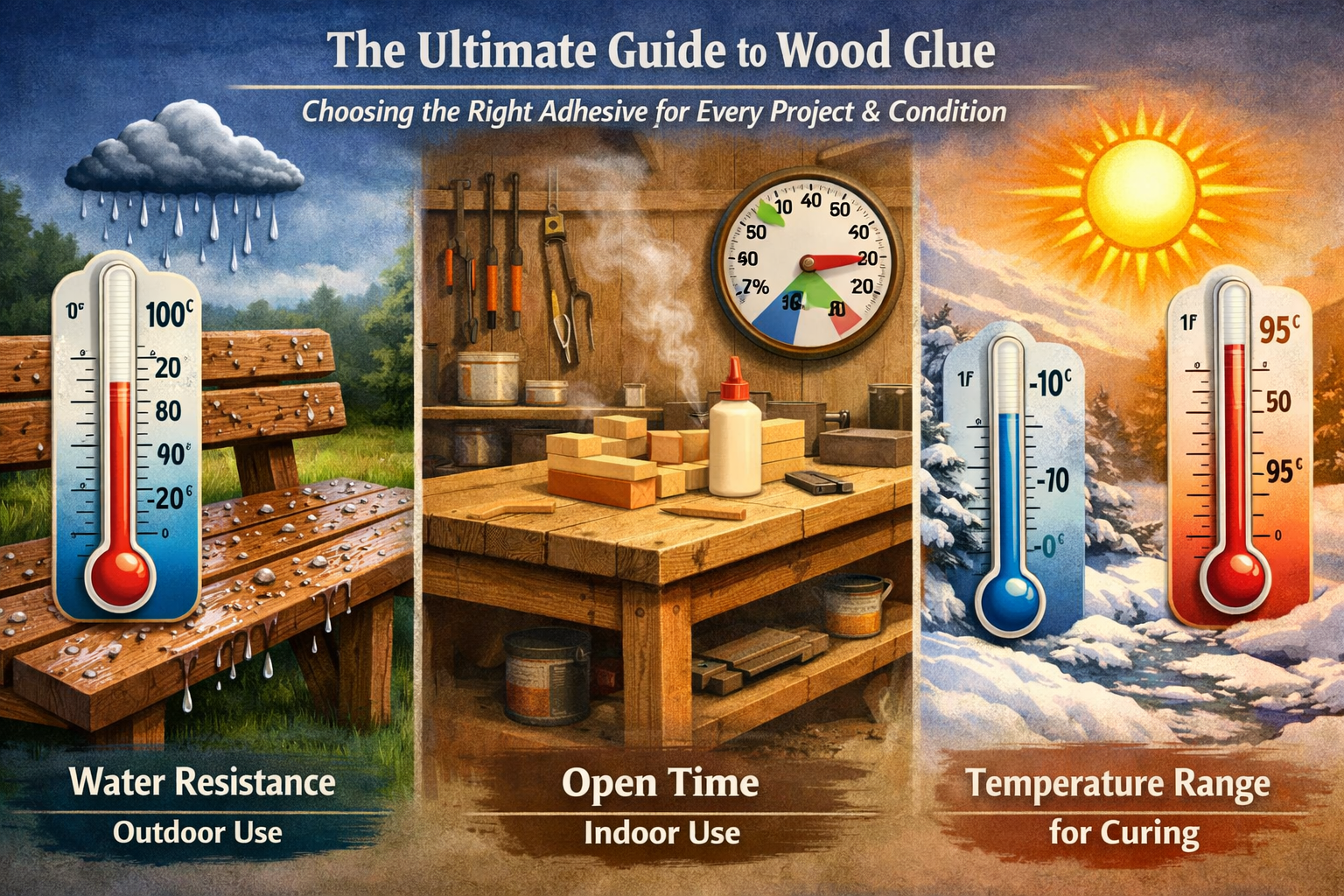
Environmental Conditions
The environment where your project will reside is a crucial factor in glue selection.
- Temperature: Most glues have an optimal application and curing temperature range, typically between 50°F and 70°F (10°C and 21°C). Colder temperatures significantly slow curing, while excessively high temperatures can cause glues to dry too quickly or weaken. Always check the manufacturer’s recommendations.
- Humidity: High humidity can extend drying times for water-based glues. For moisture-activated glues like polyurethane, moderate humidity is beneficial for curing, but excessively dry conditions might require misting the wood.
- Moisture Exposure (Indoor vs. Outdoor):
- Indoor, Dry Conditions: Standard yellow PVA is usually perfectly adequate.
- Indoor, High Humidity (e.g., Bathroom, Basement): Consider Type II PVA for added moisture resistance.
- Outdoor, Covered/Protected: Type II PVA is suitable for items like a covered porch swing.
- Outdoor, Exposed to Elements: Type III PVA or polyurethane is essential. For extreme conditions or marine use, epoxy is the most reliable.
- UV Exposure: Prolonged exposure to ultraviolet light can degrade many glues over time. While the glue joint itself is often protected within the wood, clear finishes might allow UV light to reach the glue line. If UV degradation is a concern, consult manufacturer specifications or use a finish with UV inhibitors.
Best Practices for Gluing Wood
Even with the perfect glue, improper technique can lead to joint failure. Mastering the application process is just as important as selecting the right adhesive.
Surface Preparation
- Cleanliness is Key: Ensure wood surfaces are free of dust, grease, wax, and old finishes. These contaminants can prevent the glue from forming a strong bond.
- Freshly Milled Surfaces: Glue performs best on freshly cut or planed surfaces. The pores are open and ready to accept the adhesive. Avoid gluing on sanded surfaces unless necessary, and if you do, clean thoroughly.
- Dry Fit Everything: Before applying any glue, always dry-fit your joints. This ensures everything fits correctly and allows you to practice the assembly process. This is particularly important for complex projects like building 2026’s hottest trend: DIY live edge dining tables.
Glue Application
- Right Amount: Apply enough glue to completely cover both mating surfaces, but avoid excessive squeeze-out, especially with polyurethane. A thin, even film is usually sufficient. Too little glue can result in a “starved” joint.
- Spreading: Use a brush, roller, or a specialized glue spreader for even distribution. For dowel holes or mortises, a small stick or cotton swab can help.
- Open Time: This is the time between applying the glue and bringing the pieces together. It varies greatly by glue type, temperature, and humidity. Too long an open time, and the glue can skin over, preventing a strong bond.
Clamping and Curing
- Clamping Pressure: Apply firm, even pressure to bring the joint surfaces into intimate contact. This forces out excess glue and ensures a strong bond. Use enough clamps, spaced appropriately. Too much pressure can squeeze out all the glue, resulting in a starved joint.
- Clamp Time: This is how long the clamps need to remain on for the glue to achieve initial set. Again, it varies by glue type and environmental conditions. Always consult the manufacturer’s recommendations.
- Cure Time: This is the total time for the glue to reach its maximum strength. It’s usually much longer than clamp time, often 24-72 hours. Avoid putting stress on the joint until fully cured.
- Squeeze-Out Management: For PVA glues, it’s generally best to let the squeeze-out partially dry (to a rubbery consistency) and then scrape it off with a chisel or putty knife. Wiping wet PVA glue with a damp cloth can push glue into the wood grain, affecting stain absorption. For polyurethane and epoxy, clean up immediately with the appropriate solvent (mineral spirits for polyurethane, denatured alcohol for epoxy) or scrape once fully cured.

Troubleshooting Common Gluing Problems
Even experienced woodworkers encounter issues. Knowing how to diagnose and address them can save a project.
- Joint Failure (Weak Bond):
- Causes: Starved joint (not enough glue or too much clamping pressure), contaminated surfaces, inadequate clamp time, wrong glue for the application, or poor joint fit.
- Solution: Re-evaluate glue application, clamping, and surface prep. For future projects, ensure joints are clean and well-fitted.
- “Creep” in Joints:
- Causes: This is a slow, plastic deformation of the glue line under constant load, common with some PVAs.
- Solution: For projects under constant stress, use glues with high creep resistance like epoxy, polyurethane, or traditional hide glue. Ensure good joint design that minimizes shear stress on the glue line.
- Staining:
- Causes: Some glues, especially yellow PVAs, can cause dark stains on certain woods, particularly those high in tannins (e.g., oak, walnut). Water used for cleanup can also raise grain and contribute to staining.
- Solution: Use Type III PVA (Titebond III) as it causes less staining. Minimize squeeze-out. Scrape partially dried squeeze-out instead of wiping with a wet cloth. Test on scrap wood first.
- Glue Line Visibility:
- Causes: Dries opaque, improper cleanup, or contrasting color.
- Solution: Choose glues that dry clear (white PVA, some epoxies) or glues that match the wood color (Titebond III dries light brown). Clean squeeze-out meticulously.
Conclusion
The world of wood glue is vast, yet incredibly rewarding once understood. By grasping the unique properties of different adhesives and aligning them with the specific demands of your projects, joints, and environmental conditions, you elevate your woodworking from good to truly exceptional. This “The Ultimate Guide to Wood Glue: Choosing the Right Adhesive for Every Project, Joint, and Environmental Condition” empowers you to choose confidently, ensuring every joint you create is not just beautiful, but also enduring. In 2026, the key to lasting craftsmanship lies in smart glue selection and meticulous application. So, review your project needs, consider the conditions, and choose the right adhesive to create pieces that will be cherished for generations.
References
- Titebond. (n.d.). Wood Glues. Retrieved from https://titebond.com/adhesives/wood-glues
- Gorilla Glue. (n.d.). Gorilla Wood Glue. Retrieved from https://www.gorillatough.com/product/wood-glue/
- Diyaba, P. (2020). Woodworking Adhesives: A Comprehensive Guide. Woodcraft Magazine, 45, 28-35.