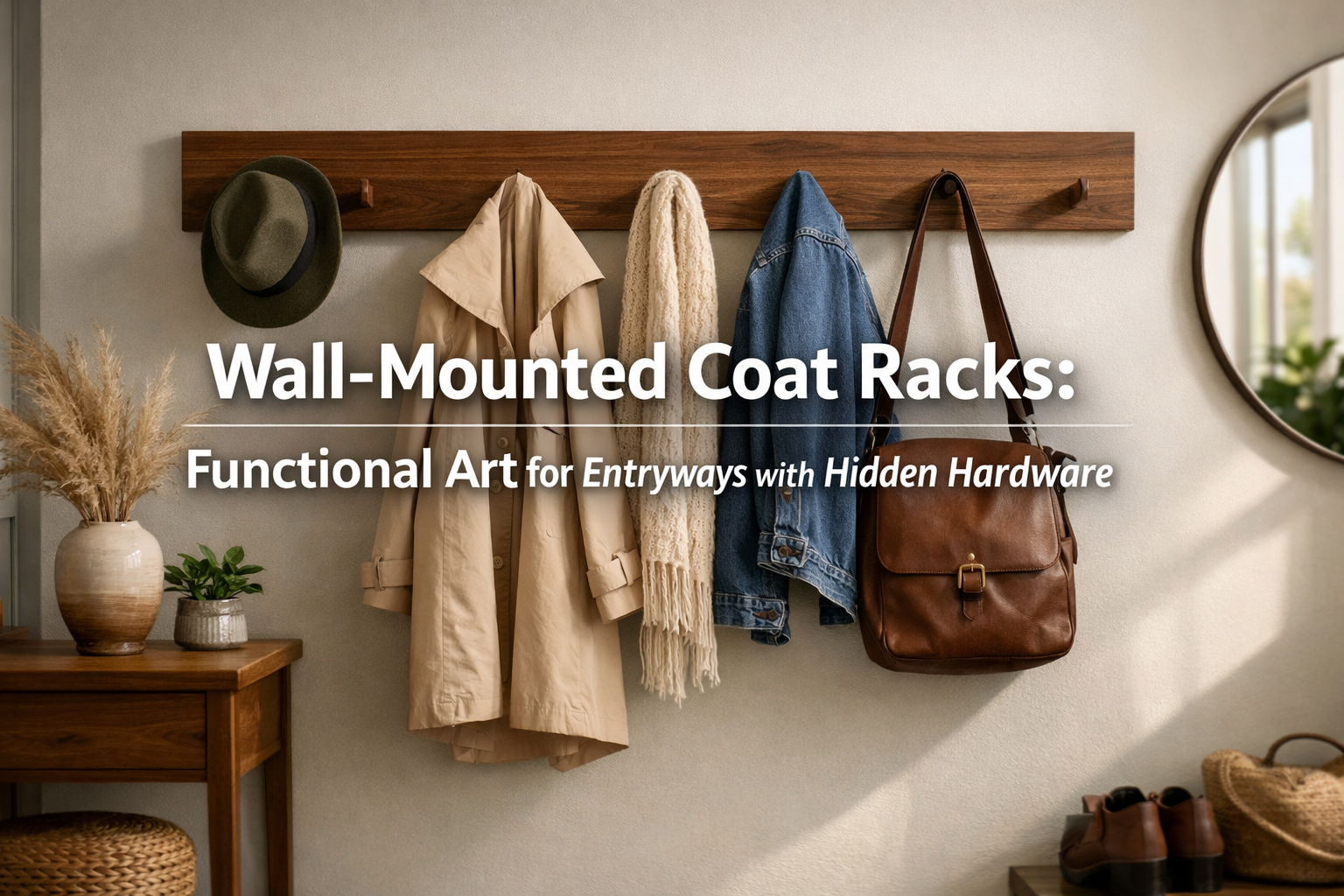

The entryway of any home is more than just a transitional space; it’s the first impression guests receive and a crucial organizational hub for daily life. In 2026, homeowners and renters alike are increasingly seeking solutions that blend seamless functionality with sophisticated design. This pursuit often leads to the elegant world of Wall-Mounted Coat Racks: Functional Art for Entryways with Hidden Hardware. These innovative designs, often crafted using a combination of hand tools and power drills, offer sturdy, minimalist racks in premium woods like walnut or oak, providing essential storage without compromising aesthetic integrity. The magic lies in their concealed mounting, creating a sleek, floating appearance that elevates the entire space.
Gone are the days of bulky, obtrusive coat trees or visible screws detracting from a carefully curated interior. Modern wall-mounted coat racks embrace clean lines and warm minimalism, transforming a mundane utility item into a captivating piece of functional art. This article will delve into the allure, design principles, installation techniques, and maintenance tips for these highly sought-after entryway enhancements, ensuring your home makes a stylish and practical statement from the moment you step inside.

Key Takeaways
- Aesthetic Appeal: Wall-mounted coat racks with hidden hardware provide a clean, floating look, enhancing modern and minimalist interior designs.
- Material Excellence: Premium woods like walnut, oak, and even reclaimed lumber are favored for their durability, beauty, and ability to be finely crafted.
- Precision Installation: Proper installation, often involving power drills and hand tools for accuracy, is crucial for stability and the seamless concealment of hardware.
- Versatility: These racks come in various styles, from linear bars to staggered pegs, catering to diverse storage needs and design preferences.
- Rent-Friendly Options: Innovative solutions exist for renters to install these racks without causing permanent wall damage, offering temporary elegance.
The Allure of Hidden Hardware: Design Principles and Material Choices
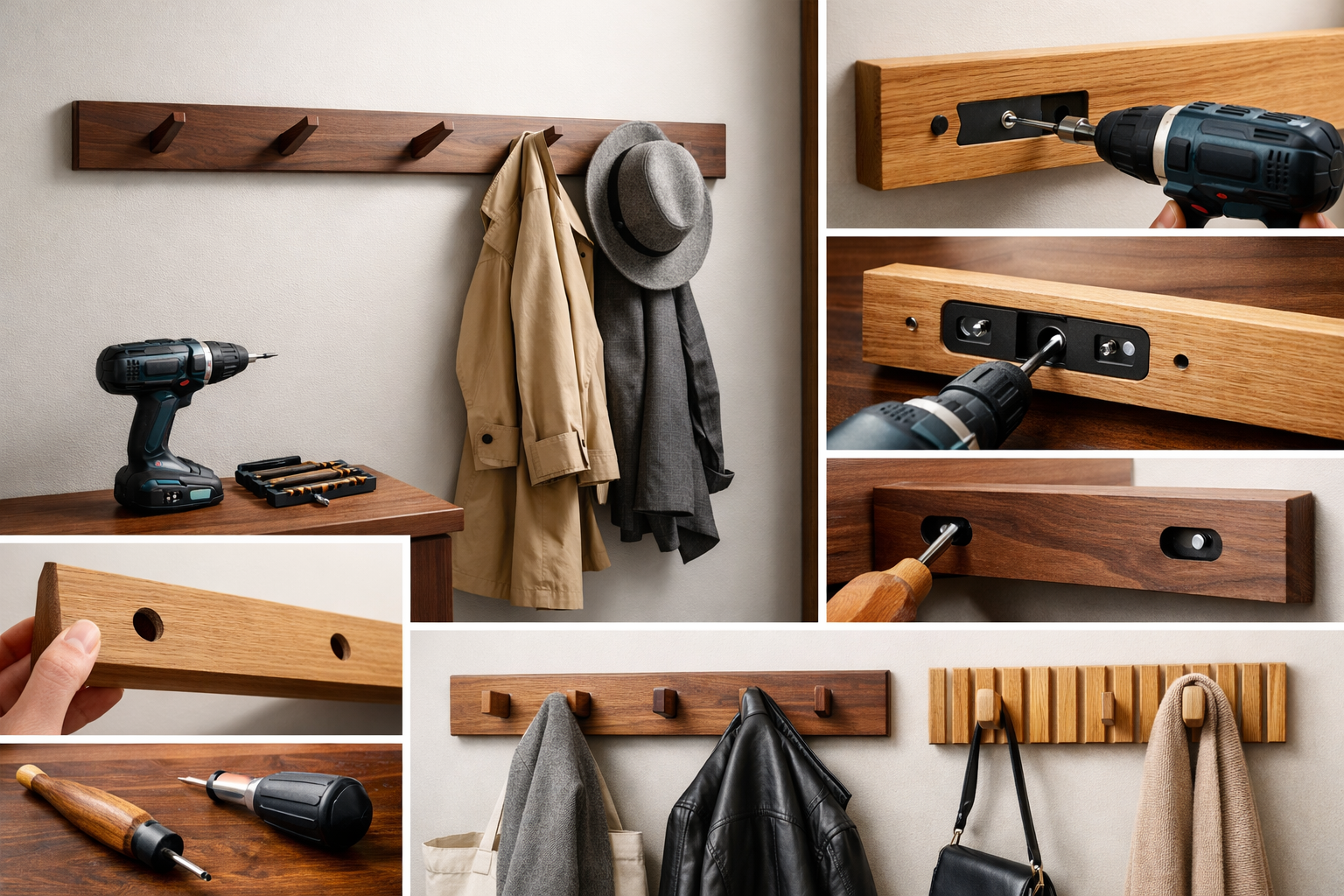
The primary appeal of Wall-Mounted Coat Racks: Functional Art for Entryways with Hidden Hardware lies in their ability to appear as if they are effortlessly floating on the wall. This illusion is achieved through clever engineering that tucks away all mounting brackets and fasteners, leaving only the beautiful wood and its functional hooks visible. This design philosophy aligns perfectly with contemporary interior trends emphasizing simplicity, clean lines, and an uncluttered aesthetic.
Embracing Minimalist Design
Minimalism is not merely about having fewer things; it’s about thoughtful design that maximizes impact with minimal visual noise. A coat rack with hidden hardware embodies this principle. By removing visible screws, plates, or brackets, the focus shifts entirely to the quality of the material and the craftsmanship of the piece itself. This creates a serene and organized entryway, setting a calming tone for the rest of the home. Imagine walking into a space where coats, bags, and hats are neatly organized on a sleek, seemingly unsupported wooden beam – it instantly communicates sophistication and order.
Premium Wood Selections for Lasting Beauty
The choice of material is paramount when aiming for both functionality and artistic appeal. For wall-mounted coat racks, hardwoods are the undisputed champions. Their durability, beautiful grain patterns, and ability to hold up to daily wear and tear make them ideal.
- Walnut: Known for its rich, dark brown hues and intricate grain, walnut exudes luxury and warmth. It’s an excellent choice for a statement piece in a more formal or modern entryway. The density of walnut also makes it incredibly strong, ensuring the rack can bear significant weight.
- Oak: A classic choice, oak offers a lighter, often golden-brown tone with a prominent, open grain. It’s incredibly durable and versatile, fitting well into rustic, transitional, and even contemporary spaces. White oak, in particular, is prized for its strength and resistance to moisture.
- Maple: With its light color and fine, subtle grain, maple provides a clean, bright aesthetic. It’s a very hard wood, offering excellent resistance to dents and scratches, making it perfect for high-traffic areas.
- Ash: Similar to oak in strength but with a lighter color and more pronounced grain, ash is a fantastic option for a resilient and attractive coat rack.
- Reclaimed Wood: For those seeking a unique story and a touch of rustic charm, reclaimed wood offers unparalleled character. Each piece tells a tale through its natural imperfections, weathered textures, and unique color variations. Using reclaimed wood not only adds aesthetic depth but also promotes sustainability. For more on sourcing these unique materials, consider exploring “Sourcing and Selecting Reclaimed Urban Lumber: Finding Chara” – https://woodcraftwiz.com/sourcing-and-selecting-reclaimed-urban-lumber-finding-character-rich-materials-for-high-end-woodworking-projects/.
The natural beauty of these woods is often enhanced with appropriate finishes. Oil finishes, for instance, penetrate the wood to highlight its natural luster and offer a degree of protection while maintaining a tactile, natural feel. Lacquers or polyurethanes provide a more durable, protective layer, ideal for areas prone to heavy use. For insight into sustainable finishing, check out “Sustainable Finishes for Reclaimed Wood: Low-VOC Recipes and” – https://woodcraftwiz.com/sustainable-finishes-for-reclaimed-wood-low-voc-recipes-and-application-tutorials/.
Types of Hidden Hardware Systems
Achieving the coveted “floating” look requires specific hardware systems that remain out of sight.
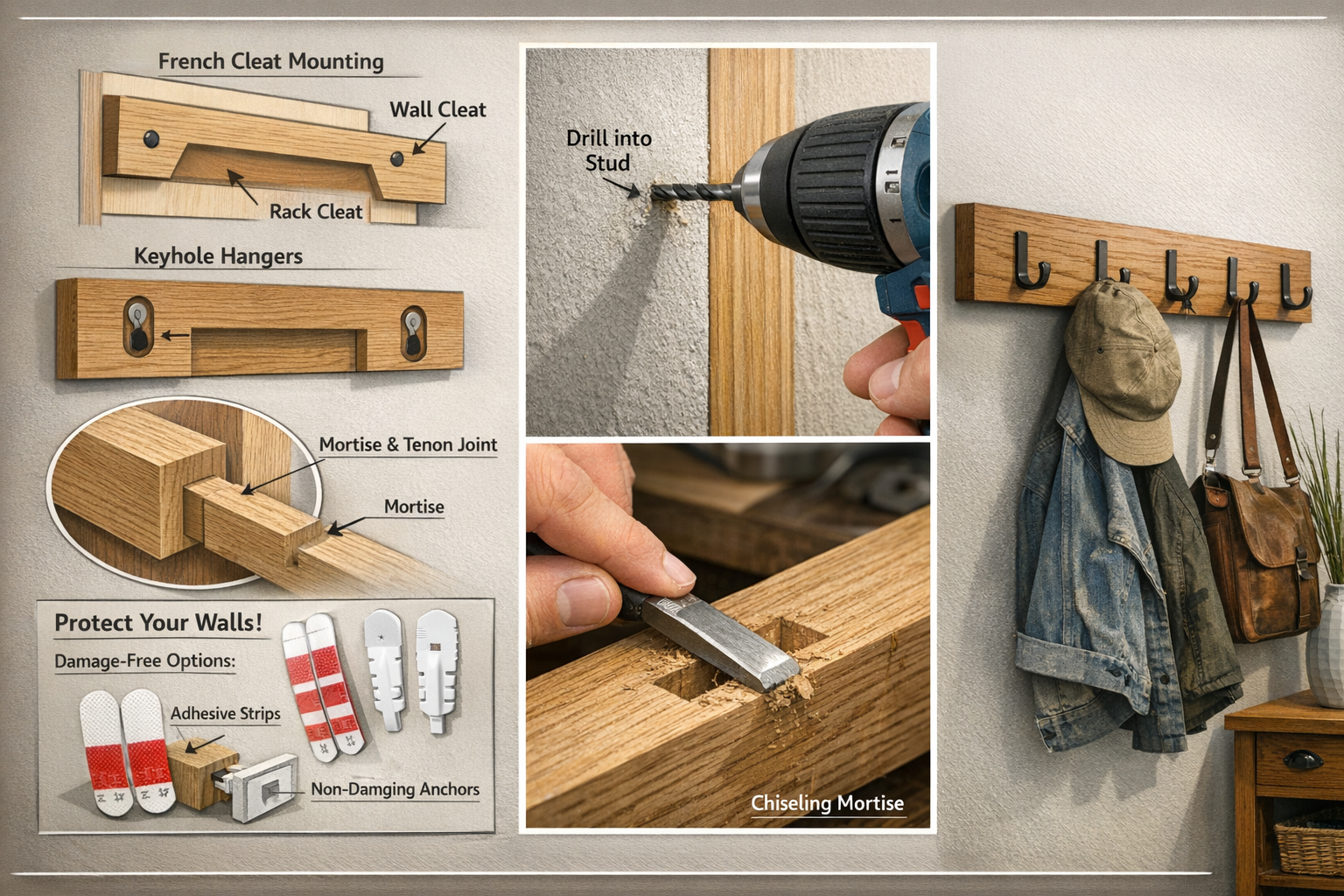
- French Cleats: This is a popular and incredibly robust method. It involves two pieces of wood, each with a 45-degree bevel cut along one edge. One piece is securely mounted to the wall with the bevel facing up and out, while the other is attached to the back of the coat rack with the bevel facing down and in. When the rack is lifted and lowered onto the wall-mounted cleat, the two pieces interlock, creating a strong, stable, and invisible connection. This method distributes weight effectively and is forgiving for slight measurement errors during installation.
- Keyhole Hangers: These are metal plates or routed slots on the back of the rack that engage with screws pre-installed in the wall. The keyhole design allows the screw head to pass through a larger opening, then slide into a narrower slot, locking the rack in place. While effective for lighter racks, it requires precise screw placement to ensure a snug fit.
- Blind Mortise and Tenon/Dowel Systems: For advanced woodworkers, a custom-crafted hidden joinery system can be integrated directly into the rack and wall mounting block. This might involve carefully cut mortises on the back of the rack that slide onto tenons or dowels protruding from a wall-mounted support. This method requires a high degree of precision with hand tools and power drills but results in the most seamless integration.
- Specialized Floating Shelf Brackets: While often used for shelves, some heavy-duty floating shelf brackets can be adapted for coat racks, especially those designed with a solid back panel. These typically involve metal rods or plates that are securely anchored into wall studs, and then the wooden rack slides over them, often with pre-drilled holes or channels. For more on these types of fasteners, see “Robust Floating Shelves with Hidden Fasteners: Power Tool Te” – https://woodcraftwiz.com/robust-floating-shelves-with-hidden-fasteners-power-tool-techniques-for-2026-warm-minimalism/.
| Hardware Type | Strength | Installation Difficulty | Aesthetic Integration | Best For |
|---|---|---|---|---|
| French Cleats | Very High | Medium | Excellent | Heavy-duty, long racks, high traffic |
| Keyhole Hangers | Medium | Medium | Good | Lighter racks, smaller designs |
| Blind Joinery | High | High (Woodworking) | Excellent (Invisible) | Custom pieces, advanced DIYers |
| Floating Shelf Brackets | Very High | Medium | Excellent | Thick, deep racks, professional installation |
Precision Installation: Tools, Techniques, and Rent-Friendly Options for Wall-Mounted Coat Racks: Functional Art for Entryways with Hidden Hardware
Installing Wall-Mounted Coat Racks: Functional Art for Entryways with Hidden Hardware requires a blend of precision, the right tools, and an understanding of your wall structure. Whether you’re a seasoned DIY enthusiast or a careful renter, achieving a secure and aesthetically pleasing installation is entirely within reach in 2026.
Essential Tools for a Flawless Installation
A successful installation hinges on using the correct tools and techniques. While a simple screwdriver might suffice for some basic items, hidden hardware demands more.
- Power Drill: Absolutely essential for drilling pilot holes, driving screws, and potentially boring out mortises or channels. A good quality cordless drill offers flexibility.
- Stud Finder: Crucial for locating wall studs, which provide the most secure anchoring points for heavy items.
- Level: A long level (2-4 feet) ensures your rack is perfectly horizontal, which is vital for both appearance and function.
- Measuring Tape: For accurate placement and spacing.
- Pencil: For marking drill points and alignment.
- Hand Tools (Chisels, Mallets): Particularly useful for fine-tuning mortise and tenon joints or other custom joinery for an extremely snug fit. A sharp chisel can create clean edges for hidden brackets.
- Safety Glasses: Always protect your eyes when drilling or chiseling.
Step-by-Step Installation Guide (French Cleat Example)
Let’s walk through a common installation method: the French cleat, which offers exceptional strength and a truly hidden appearance.
- Prepare the Rack (if not pre-assembled): Ensure one half of the French cleat is securely attached to the back of your wooden coat rack. This typically involves robust screws and wood glue.
- Locate Studs: Use your stud finder to locate at least two (ideally three or more for longer racks) wall studs in the desired location. Mark their centers lightly with a pencil. Studs are typically spaced 16 or 24 inches apart on center.
- Determine Height: Hold the coat rack against the wall at the desired height. Mark the top edge of the rack lightly. Remember to account for the thickness of coats and the reach of users. A good average height for the top of the rack is around 60-70 inches from the floor, but adjust based on your household’s needs.
- Mount the Wall Cleat:
- Measure the distance from the top edge of your coat rack down to the top edge of the cleat attached to the rack.
- Transfer this measurement down from your initial top-edge mark on the wall. This new mark indicates where the top edge of your wall-mounted cleat should be.
- Hold the wall-mounted cleat (the piece with the upward-facing bevel) against the wall, aligning its top edge with your new mark. Use your level to ensure it’s perfectly straight.
- Mark the drill points through the pre-drilled holes in the cleat, ensuring they align with the center of your wall studs.
- Use your power drill to drill pilot holes into the studs. The pilot hole size should be slightly smaller than the shank of your mounting screws.
- Secure the wall cleat using long, strong wood screws (e.g., 2.5-3 inch construction screws) that penetrate deeply into the studs. Ensure the cleat is incredibly tight and level.
- Hang the Coat Rack: Carefully lift the coat rack and align the cleat on its back with the cleat on the wall. Slowly lower it until the two bevels interlock. The rack should feel secure and show no visible hardware. Give it a gentle tug to confirm stability.
Rent-Friendly Installation Tips for Wall-Mounted Coat Racks: Functional Art for Entryways with Hidden Hardware
Renters often face restrictions on making permanent modifications to walls. However, with some clever strategies, it’s still possible to enjoy a stylish Wall-Mounted Coat Rack: Functional Art for Entryways with Hidden Hardware.
- Heavy-Duty Adhesive Strips/Hooks: For lighter racks and smaller items, high-strength adhesive strips (like 3M Command Strips for picture hanging) can be a temporary solution. Use multiple strips and carefully check weight limits. This is best for small, lightweight racks with only a few hooks.
- Tension Rod Systems: While not directly wall-mounted, a tension rod can be integrated into a clever freestanding or lean-to coat rack design that mimics the wall-mounted aesthetic without drilling.
- Furniture Integration: Consider a coat rack that’s part of a larger, freestanding entryway bench or console table. These pieces can offer integrated hooks that appear wall-mounted but are actually part of a movable furniture item. Crafting Profitable Wooden Benches: Indoor-Outdoor Designs w could inspire such a project.
- Temporary Wall Anchors: Some brands offer removable wall anchors designed for drywall that leave minimal damage. These are less secure than stud mounting but can be suitable for moderately weighted racks if studs are not accessible or desirable to drill into. Always test a small area first.
- Investing in a Sturdy Base: If truly hidden wall mounting isn’t possible, consider a narrow, stable base that stands against the wall, with the “rack” portion extending upwards and appearing to float. The weight is borne by the floor, and the wall just provides stability against tipping.
Always double-check your lease agreement and, if in doubt, discuss options with your landlord before making any modifications.
Creative Designs and Maintenance for Your Wall-Mounted Coat Rack: Functional Art for Entryways with Hidden Hardware
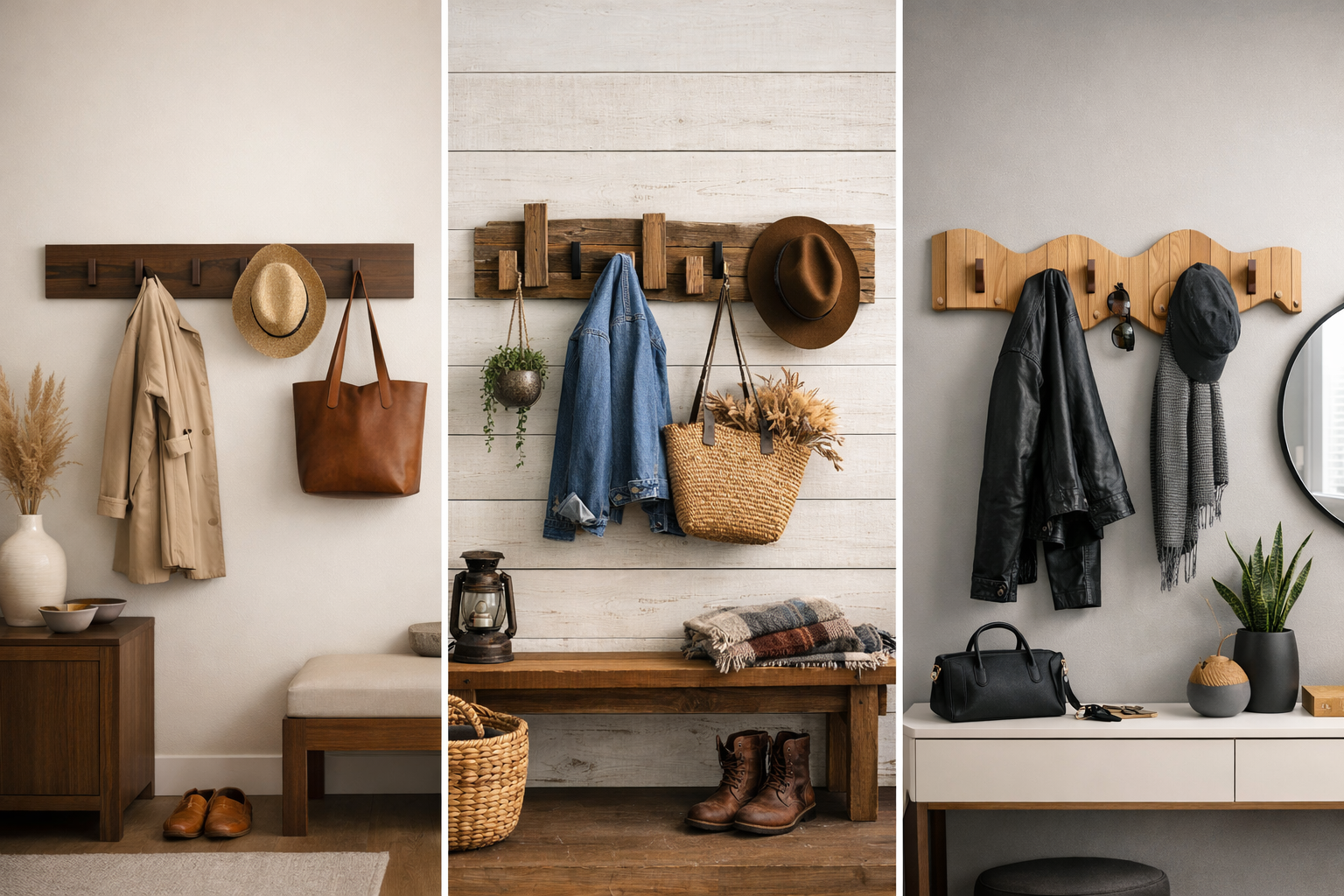
Beyond the mechanics of installation, the true artistry of Wall-Mounted Coat Racks: Functional Art for Entryways with Hidden Hardware lies in their diverse designs and their ability to integrate seamlessly with various interior styles. Moreover, proper care ensures these pieces remain both beautiful and functional for years to come.
Inspiring Design Variations for Every Entryway
The beauty of concealed hardware opens up a world of design possibilities, allowing the wooden rack itself to become the focal point.
- Sleek Linear Bar: A simple, elegant solid wood bar (e.g., 2×2 or 2×3 inches in walnut or oak) with integrated or flush-mounted metal hooks. This minimalist approach suits modern, contemporary, and even industrial-chic spaces. The uniformity creates a calming visual effect.
- Staggered Pegs: Rather than a continuous bar, individual pegs of varying lengths or placements can be mounted into a backing plate, or directly into the wall with specialized hidden dowel hardware. This offers a playful, sculptural element and can accommodate items of different sizes and thicknesses. Imagine smooth, rounded oak pegs jutting out at different depths, creating an interesting shadow play.
- Live Edge Accents: Incorporating a live edge slab of wood (perhaps from reclaimed urban lumber) as the main body of the coat rack can introduce organic texture and natural artistry. The irregular, natural edge becomes a captivating feature, perfectly complementing rustic modern or bohemian aesthetics. Learn more about working with live edge wood at “Live Edge Wood Projects: From Design to Execution for Home C” – https://woodcraftwiz.com/live-edge-wood-projects-from-design-to-execution-for-home-craftspeople/.
- Integrated Storage Niche: For entryways that require more than just hooks, a wall-mounted rack can be designed with a small, shallow shelf or cubby integrated into the design, perhaps with hidden dovetail joints, ideal for keys, wallets, or small decorative items. This adds an extra layer of functionality without sacrificing the clean aesthetic. For inspiration on joinery, consider “Wooden Storage Chests with Hinged Lids: Techniques for Dovet” – https://woodcraftwiz.com/wooden-storage-chests-with-hinged-lids-techniques-for-dovetail-joints-and-rustic-finishes/.
- Color Pop with Contrast: While natural wood is often preferred, consider a rack made from a lighter wood like maple or ash, stained or painted a bold color that contrasts with the wall, or features hooks in a striking metallic finish (brass, matte black) to create a dramatic visual statement.
- Multi-Material Combinations: Combine wood with other materials. A wooden backing board might feature sleek metal hooks, or perhaps a leather strap detail for a more modern, eclectic feel.
Matching Your Entryway Aesthetic
The versatility of hidden hardware racks allows them to adapt to almost any home style:

- Warm Minimalism: Opt for a simple, linear design in light oak or maple with matching wooden pegs or subtle brushed nickel hooks. The focus is on clean lines and natural materials.
- Rustic Chic: A reclaimed wood slab with rustic, hand-forged iron hooks would be perfect. The raw texture of the wood paired with the robust metal creates an inviting, earthy feel. Consider complementing this with a DIY reclaimed wood accent wall for a truly cohesive look.
- Contemporary Urban: A dark walnut rack with polished chrome or matte black hooks provides a sophisticated, modern edge. Geometric shapes or a staggered peg design could add to the urban appeal.
- Scandinavian: Light, natural woods like birch or ash, with minimalist, rounded pegs or small, unobtrusive metal hooks, fit this aesthetic perfectly, emphasizing light, functionality, and simplicity.
Care and Maintenance for Longevity
To ensure your functional art piece remains pristine, regular care is important:
- Dust Regularly: Use a soft, dry cloth to gently dust the wood and hooks. This prevents dust buildup and keeps the surface looking fresh.
- Clean Spills Promptly: If anything spills on the rack, wipe it immediately with a damp (not wet) cloth. Follow with a dry cloth.
- Avoid Harsh Cleaners: Chemical-based cleaners can damage wood finishes. For tougher spots, a mild soap diluted in water can be used sparingly, followed by thorough drying.
- Re-Oil/Re-Finish (as needed): Depending on the finish, wood may need occasional re-oiling or re-application of a protective coat. Oil finishes often benefit from re-application every 6-12 months, especially in high-use areas. This nourishes the wood and restores its luster. For natural wood finishing insights, check out “natural wood finishing techniques – Wood Craft Wiz” – https://woodcraftwiz.com/natural-wood-finishing-techniques/.
- Check Hardware: Periodically, gently test the rack’s stability. While hidden hardware is designed for strength, heavy use might necessitate ensuring everything remains secure. If using screws into studs, they generally won’t loosen, but it’s good practice to be aware.
- Don’t Overload: Respect the weight limits of your coat rack. While hidden hardware offers excellent strength, continuously overloading it with excessively heavy items can strain the wood or the wall anchors over time.
By selecting the right design and committing to simple maintenance, your wall-mounted coat rack will continue to serve as a stunning and functional addition to your entryway for many years, reflecting both your personal style and a commitment to quality craftsmanship.
Conclusion
In 2026, the demand for home furnishings that marry form and function seamlessly is higher than ever. Wall-Mounted Coat Racks: Functional Art for Entryways with Hidden Hardware stand out as a prime example of this trend, offering sophisticated storage solutions that enhance, rather than detract from, a home’s aesthetic. From the rich grains of walnut and oak to the rustic charm of reclaimed wood, these pieces transform a practical necessity into a captivating design element.
The emphasis on hidden hardware ensures a clean, minimalist look, creating the illusion of a floating structure that speaks volumes about attention to detail and quality craftsmanship. Whether you opt for a sleek linear design, playful staggered pegs, or a unique live edge slab, the right wall-mounted coat rack can redefine your entryway, making it more organized, inviting, and visually appealing.
For DIY enthusiasts, the process offers a rewarding challenge, combining precision with power drills and careful hand tool work. For renters, innovative solutions ensure that elegance doesn’t have to come at the cost of your security deposit. By choosing quality materials, employing careful installation techniques, and providing consistent care, your wall-mounted coat rack will remain a beloved and highly functional piece of art in your home for years to come. Elevate your entryway this year – embrace the blend of artistry and utility that these exquisite racks provide.
Actionable Next Steps:
- Assess Your Space: Measure your entryway and consider your existing decor to determine the ideal size, style, and wood type for your wall-mounted coat rack.
- Choose Your Design: Browse different designs (linear, staggered, live edge) and select one that aligns with your aesthetic and functional needs.
- Select Your Materials: Decide on a wood species (walnut, oak, reclaimed) and consider the type of hooks and finish you prefer.
- Plan Your Installation: Identify wall studs and choose the most appropriate hidden hardware system (e.g., French cleat) for your rack’s weight and wall type. Gather your tools, including a power drill, stud finder, and level.
- Install with Precision: Follow detailed installation instructions, prioritizing accuracy and safety to ensure a secure and perfectly level mount.
- Maintain Your Investment: Establish a routine for dusting and cleaning, and periodically check the finish to keep your functional art piece looking its best.
References
- Fine Woodworking Magazine. (2022). Building Floating Shelves: Joinery for the Invisible Look. Taunton Press.
- Kramer, T. (2020). The Art of Minimalist Living: Declutter Your Life, Design Your Home. Lark Books.
- Schwartz, M. (2021). Hidden Fasteners and Structural Integrity: A Woodworker’s Guide. Popular Woodworking.