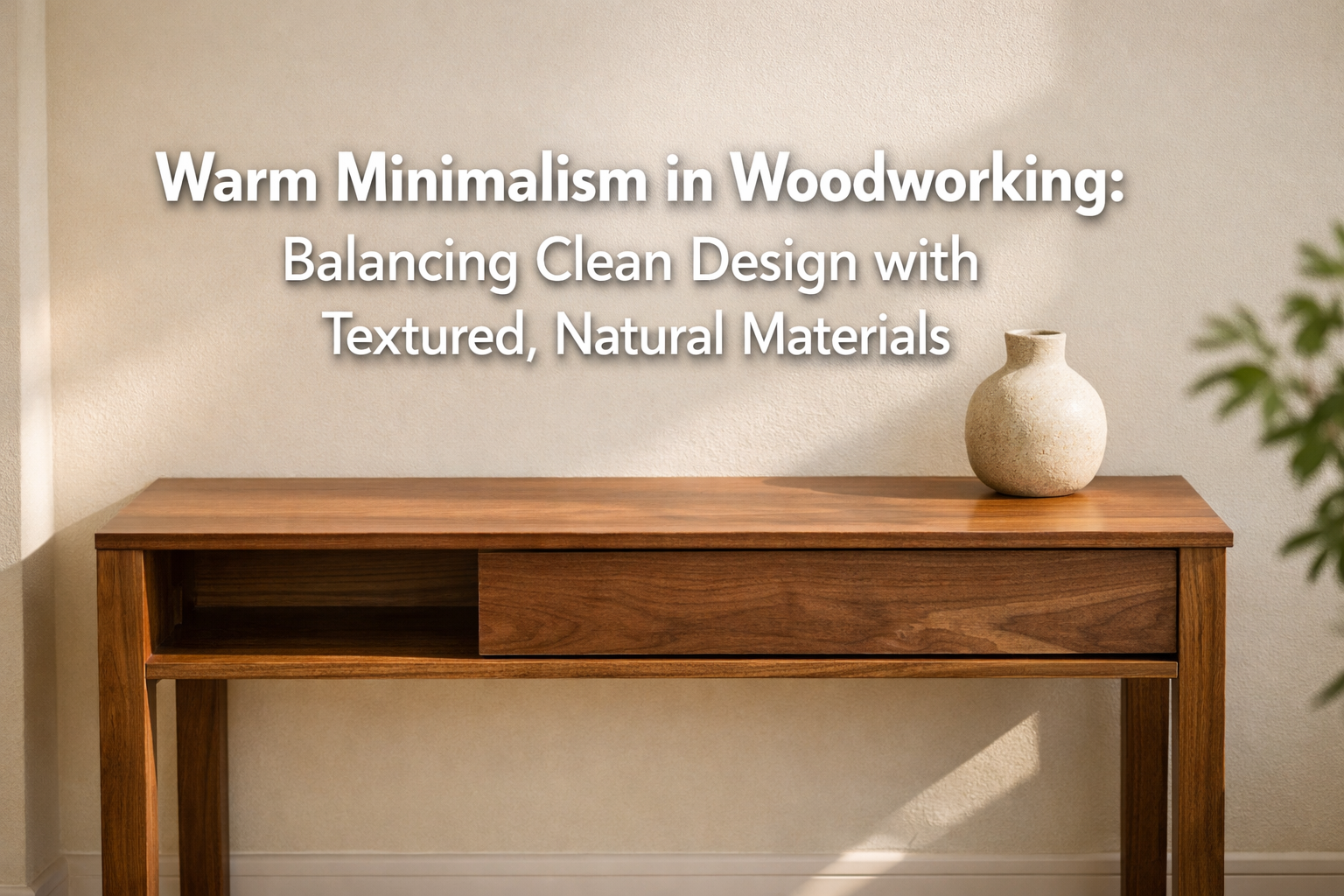

In the dynamic world of interior design and craftsmanship, a compelling aesthetic has emerged that marries the uncluttered philosophy of minimalism with the inviting comfort of natural elements. This burgeoning trend, known as Warm Minimalism in Woodworking: Balancing Clean Design with Textured, Natural Materials, is defining the design landscape of 2026. It’s an approach that rejects sterile, cold interiors in favor of spaces that feel both expansive and intimately comforting. For woodworkers, this means an exciting opportunity to design and build furniture and fixtures that avoid sterile aesthetics by incorporating warm wood tones, substantial proportions, and authentic material character. This article delves into the core principles and practical applications of this influential style, empowering craftspeople to create pieces that are both timeless and deeply personal.
Key Takeaways
- Warm Minimalism prioritizes simple forms and clean lines but integrates rich, natural textures and warm wood tones to create inviting spaces.
- Material selection is crucial, favoring woods like walnut, cherry, and white oak that offer inherent warmth, distinct grain patterns, and tactile appeal.
- Thoughtful joinery and finishing techniques are essential to showcase the natural beauty of the wood while maintaining a refined aesthetic.
- Projects embrace substantial proportions and considered details, moving beyond purely functional items to become focal points of a room.
- This style encourages a holistic approach, where each handcrafted piece contributes to a cohesive, calm, and sophisticated environment.
Defining Warm Minimalism in Woodworking: Balancing Clean Design with Textured, Natural Materials
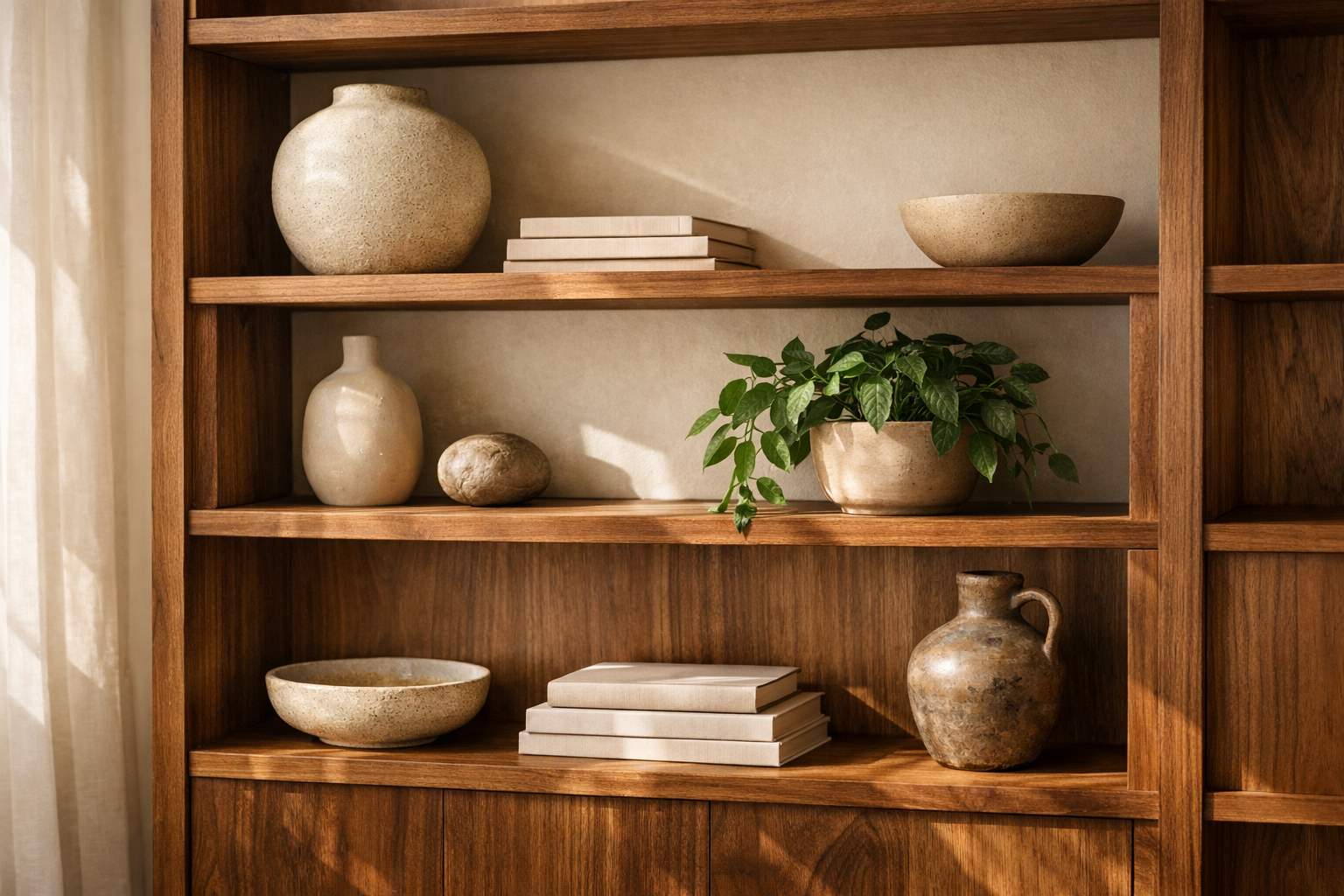
At its heart, Warm Minimalism in Woodworking: Balancing Clean Design with Textured, Natural Materials is a nuanced evolution of classic minimalism. While traditional minimalism often leans towards stark white, highly polished surfaces, and an absence of ornamentation, its “warm” counterpart seeks to infuse these clean lines with a sense of inviting comfort and authentic character. It’s about creating spaces and objects that feel decluttered and serene, yet simultaneously grounded and personal.

What distinguishes it?
- Emphasis on Natural Materials: Wood is paramount, chosen for its inherent beauty, varied grain, and tactile qualities. Beyond wood, other natural elements like stone, linen, wool, and ceramic often accompany woodworking pieces, reinforcing the organic aesthetic.
- Tactile Textures: Unlike the smooth, often cold surfaces of traditional minimalism, warm minimalism celebrates texture. This might be the subtle roughness of a wire-brushed finish, the pronounced grain of quarter-sawn oak, or the living edge of a carefully selected slab. These textures add depth and interest without introducing visual clutter.
- Warm Color Palettes: While white and off-white still form a foundational base, the palette expands to include earthy tones, muted greens, soft grays, and, most importantly, the rich, varied hues of natural wood. From the deep browns of walnut to the rosy reds of cherry and the golden warmth of white oak, the wood itself becomes a significant color contributor.
- Substantial Forms: While designs remain clean and uncluttered, the proportions often feel more substantial, giving pieces a grounded, enduring quality. This isn’t about bulk, but about thoughtful volume and robust construction that communicates durability and craftsmanship.
- Curated Simplicity: Rather than an absence of objects, it’s about a careful selection of a few meaningful items. Each piece of furniture, each decorative object, is chosen for its beauty, utility, and ability to contribute to the overall serene atmosphere.
The Role of Wood in Achieving Warmth and Texture
Wood is the cornerstone of Warm Minimalism. The choice of species, how it’s cut, and how it’s finished all play critical roles in manifesting this aesthetic.
Consider the following wood characteristics for your 2026 projects:
| Wood Species | Characteristics for Warm Minimalism | Ideal Applications |
|---|---|---|
| Walnut | Rich, dark brown with subtle grain, inherently warm and luxurious. Develops a beautiful patina over time. | Dining tables, consoles, shelving, accent pieces. |
| Cherry | Warm reddish-brown, fine grain, ages gracefully to a deeper hue. Offers a soft, inviting appeal. | Dressers, side tables, smaller furniture, cabinetry. |
| White Oak | Light to medium brown, prominent grain (especially quarter-sawn), strong and durable. Can be stained to enhance warmth. | Flooring, large tables, chairs, robust shelving like Robust Floating Shelves: Power Tool Guide for Warm Minimalism. |
| Ash | Light, often creamy color with a bold, straight grain. Offers a lighter warmth, can mimic oak. | Desks, chairs, cabinetry. |
For those looking to explore a broader range of options for their 2026 woodworking endeavors, delving into Premium Wood Selection for 2026 Projects: Walnut, Cherry, and Exotic Alternatives to Pine can provide further inspiration. The goal is to select wood that brings its own story and character, making each piece unique.
“Warm minimalism isn’t about emptying a space, but enriching it with intention. It’s the quiet hum of natural materials that truly brings a clean design to life.” – Wood Craft Wiz Editorial Team, 2026
Crafting Clean Designs with Textured, Natural Materials
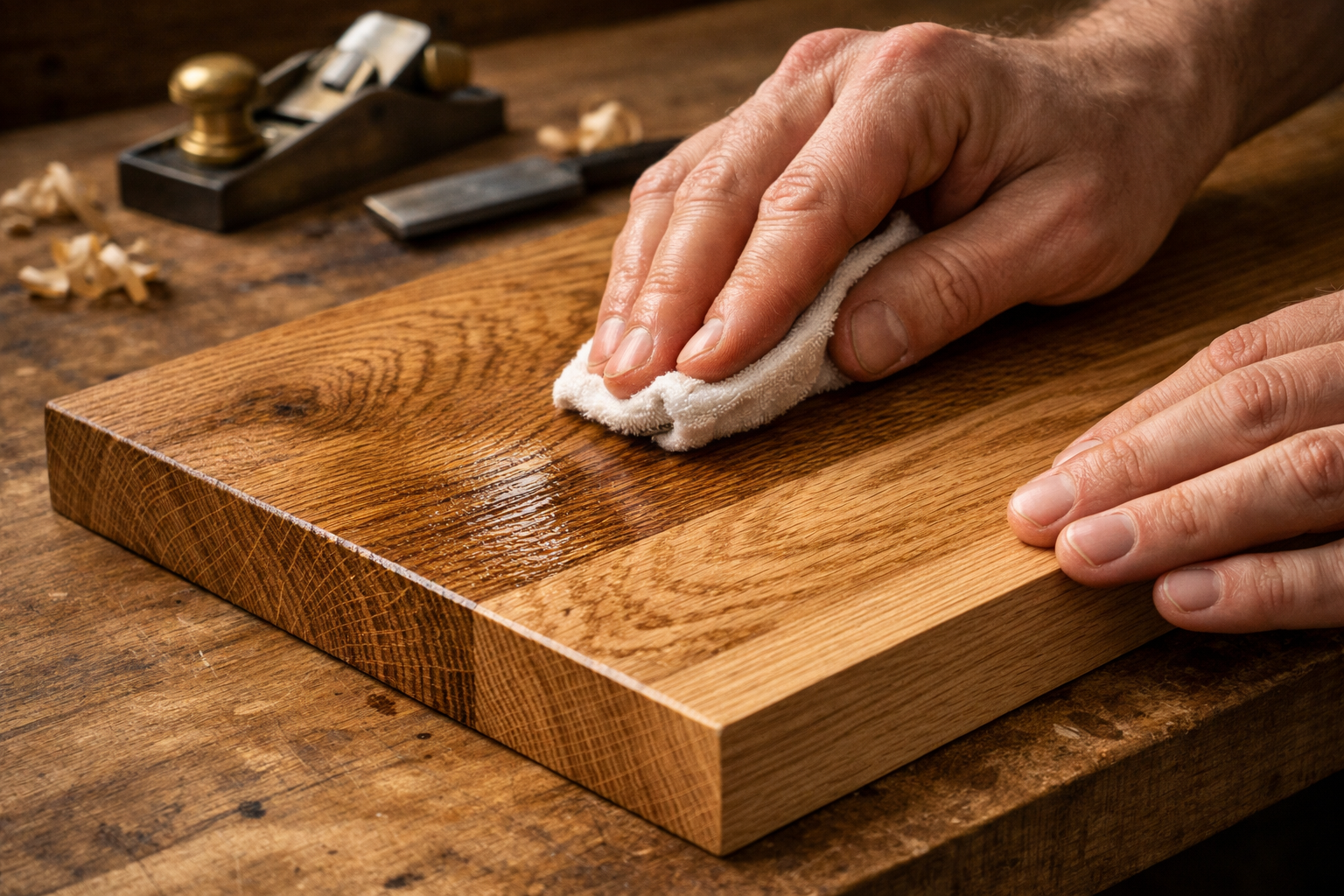
The execution of Warm Minimalism in Woodworking: Balancing Clean Design with Textured, Natural Materials demands precision and a deep appreciation for the inherent qualities of wood. It’s about letting the material speak for itself, supported by expert craftsmanship.
Design Principles for Warm Minimalist Furniture
- Simplify Forms: Begin with fundamental geometric shapes – rectangles, squares, circles. Avoid unnecessary embellishments or complex profiles. The beauty lies in the purity of the form.
- Focus on Functionality: Every element should serve a purpose. Integrated storage, modularity, and thoughtful ergonomics enhance the minimalist appeal.
- Embrace Negative Space: Allow breathing room around and within your designs. Negative space is as important as the solid forms in creating a sense of calm and openness.
- Consider Scale and Proportion: While designs are clean, they shouldn’t feel flimsy. Opt for slightly more substantial dimensions in legs, tabletops, and panels to give a sense of permanence and quality.
- Highlight Joinery: In many warm minimalist pieces, joinery becomes an aesthetic feature rather than something to be hidden. Dovetails, finger joints, and mortise-and-tenon joints, when executed precisely, celebrate the craft and add subtle visual interest. For inspiration on this, refer to Wood Species Selection for Visible Joinery: Choosing Materials that Showcase Hand-Cut Joints in Contemporary Designs.
Incorporating Texture and Character
Texture is the antidote to sterile minimalism. In woodworking, texture can be introduced through:
- Wood Grain: Choose woods with interesting, pronounced grain patterns. Quarter-sawn lumber often reveals striking ray flecks in oak or consistent parallel lines, adding visual texture.
- Live Edge: For pieces like tables or shelves, a live edge slab can provide an organic, untouched texture that beautifully contrasts with otherwise clean lines. This is a hallmark of the style, as explored in Building Live Edge Dining Tables with Reclaimed Wood: A 2026 Trend Guide for DIY Makers.
- Surface Finishes: Beyond traditional smooth sanding, consider techniques that enhance texture:
- Wire Brushing: Gently removes softer wood, leaving behind a more pronounced grain.
- Hand Planing Marks: Very subtle, intentional marks from a hand plane can add a unique, crafted texture.
- Natural Oils/Waxes: These finishes penetrate the wood, enhancing its natural color and texture without creating a plastic-like film. Learn more about these methods in natural wood finishing techniques – Wood Craft Wiz.
- Reclaimed Wood: Wood with a history, showing natural imperfections, old nail holes, or weathering, brings immense character and texture. Projects utilizing reclaimed wood offer a unique narrative and soul, perfectly aligning with warm minimalism. See Reclaimed Wood Restoration: Narrative & Soul for Modern Spac for more.
- Mixed Wood Techniques: Thoughtfully combining different wood species or even utilizing shop scraps can add rich texture and visual interest, especially when contrasting colors and grains are used effectively. Find inspiration in Turning Shop Scraps into Design Features: Mixed-Wood Techniq.
Essential Woodworking Techniques
Achieving the refined look of warm minimalism requires meticulous craftsmanship.
- Precision Cuts: Crisp, clean cuts are fundamental. Invest in high-quality blades and ensure your saws are perfectly calibrated.
- Flawless Joinery: Whether visible or hidden, joinery must be strong and perfectly fitted. For visible joints, the accuracy reflects the high standard of the craft. Explore Mastering Modern Hand-Cut Joinery: Adapting Classics for Liv for advanced techniques.
- Impeccable Sanding: Even when aiming for texture, surfaces should be smooth to the touch, free of sanding marks, and ready to accept finish evenly.
- Thoughtful Finishing: The finish should protect the wood while enhancing its natural beauty and texture, not obscuring it. Natural oils, waxes, and low-sheen varnishes are often preferred.
Practical Applications and Project Ideas for 2026
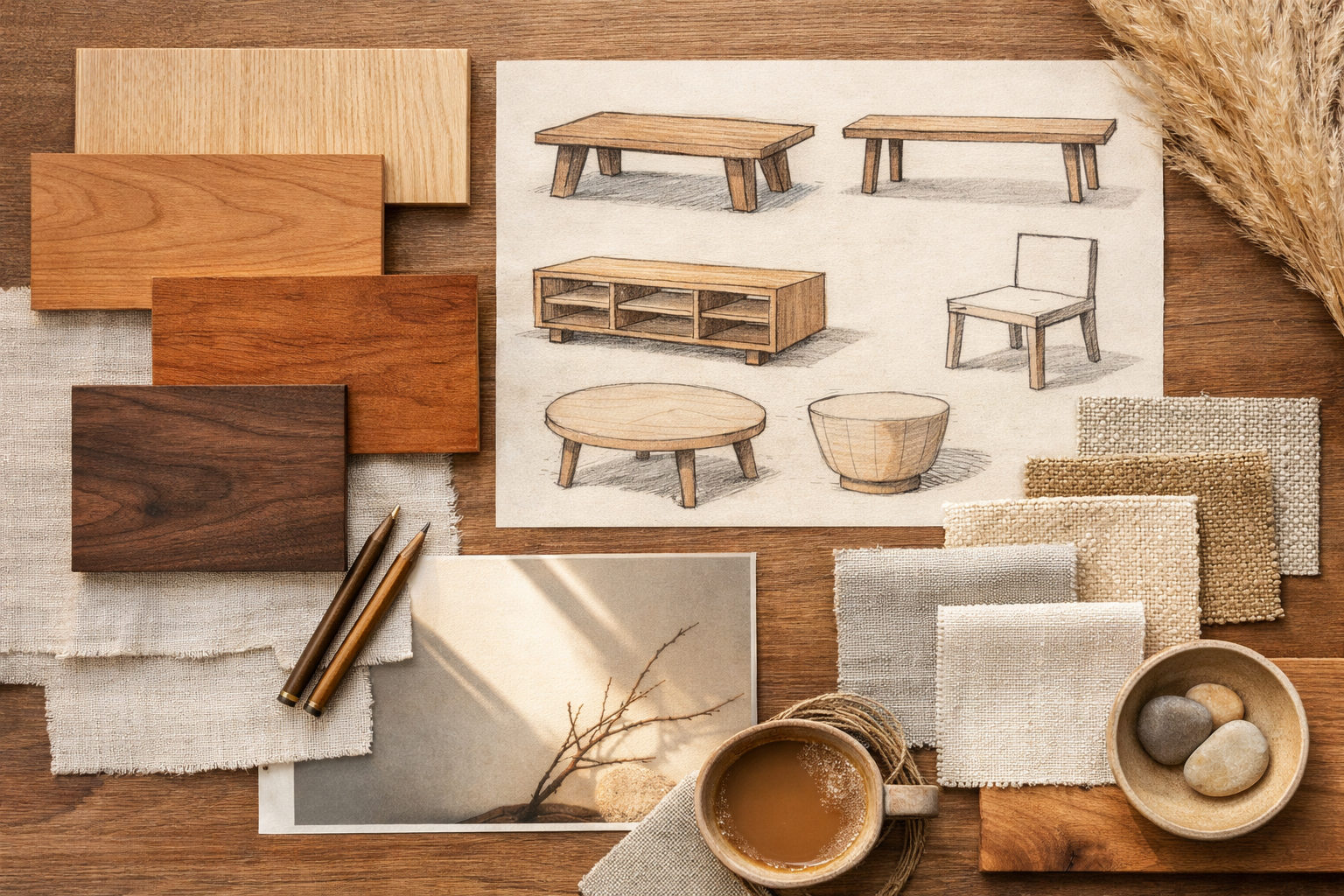
Bringing Warm Minimalism in Woodworking: Balancing Clean Design with Textured, Natural Materials to life involves conceptualizing and executing projects that embody these principles. For the year 2026, the demand for handcrafted, authentic pieces remains strong, making this aesthetic particularly relevant for both hobbyists and professional woodworkers.
Popular Warm Minimalist Projects
Here are some project ideas that beautifully exemplify warm minimalism:
- Floating Shelves with Robust Wood: Design and install thick, solid wood floating shelves using walnut or white oak. The clean lines of the shelves contrast with the natural grain and substantial feel of the wood. The focus is on the quality of the material and seamless installation. For construction insights, see Robust Floating Shelves: Power Tool Guide for Warm Minimalis.
- Live Edge Coffee Tables: Utilize a single, beautiful live edge slab for the tabletop, paired with simple, sturdy metal or solid wood legs. The organic edge provides abundant texture, while the base maintains a clean, uncluttered profile. This highlights the natural beauty of the wood as the central design element. More details can be found in Live Edge Wood Projects: From Design to Execution for Home C.
- Minimalist Storage Benches: A solid wood bench with hidden storage combines functionality with clean aesthetics. Using a durable wood like white oak or maple, the design emphasizes simple lines, robust construction, and a natural finish that celebrates the wood’s texture. For inspiration, check out Master Your Craft: Building the Ultimate Woodworking Storage Bench in 2026 – Wood Craft Wiz.
- Solid Wood Bed Frames: Design bed frames with clean, unadorned headboards and simple, sturdy platforms. The warmth comes from the chosen wood (e.g., cherry or walnut), its grain, and a natural finish. Focus on strong joinery and substantial proportions for a timeless piece.
- Console Tables with Visible Joinery: A long, narrow console table, perhaps for an entryway or behind a sofa, can showcase elegantly exposed dovetails or mortise-and-tenon joints. The form remains simple, drawing attention to the quality of the wood and the craftsmanship of the joinery.
- Handcrafted Wooden Wall Art: Even decorative elements can embrace warm minimalism. Think 3D layered panels or geometric carvings in wood that highlight different grains and textures, providing visual interest without being overly ornate. These pieces add artistic flair while maintaining the natural aesthetic. Handcrafted Wooden Wall Art: 3D Layered Panels and Geometric offers further ideas.
The Importance of Thoughtful Curation
In warm minimalist spaces, every object has its place and purpose. This extends beyond the furniture itself to the accessories that complement it. When designing or creating pieces, consider how they will interact with other elements in a room:
- Ceramics and Pottery: Hand-thrown ceramic bowls or vases in earthy tones pair beautifully with wooden furniture, adding another layer of natural texture.
- Natural Textiles: Linen throws, wool rugs, and cotton cushions introduce softness and warmth, contrasting with the solidity of wood.
- Greenery: Simple, elegant plants in minimalist pots bring life and color, enhancing the organic feel.
- Subtle Lighting: Soft, ambient lighting from lamps with natural shades or understated fixtures can enhance the warm glow of wooden surfaces.
By considering the overall environment, woodworkers can create pieces that are not just standalone items but integral components of a cohesive, comforting, and beautifully minimalist space. The focus remains on quality over quantity, authenticity over artificiality, and tranquility over clutter.
Conclusion
Warm Minimalism in Woodworking: Balancing Clean Design with Textured, Natural Materials offers a powerful and enduring aesthetic for 2026 and beyond. It represents a shift towards interiors that are both visually clean and deeply inviting, where the inherent beauty and character of natural wood take center stage. By embracing simplified forms, prioritizing thoughtful material selection, showcasing impeccable craftsmanship, and highlighting the rich textures and tones of wood, woodworkers can create pieces that resonate with a growing desire for authenticity, comfort, and sustainable design.
For those eager to dive into this style, the journey begins with understanding the nuanced balance between less and more – less clutter, more intentionality; less artificiality, more natural character. Experiment with different wood species, explore various natural finishes, and refine your joinery skills to let the material shine. The reward is not just beautiful furniture, but pieces that contribute to a serene, grounded, and deeply personal living environment. Start exploring how your next project can embody this captivating fusion of clean design and natural warmth.

References
- Hogan, M. (2020). The New Bohemians Handbook: Come Home to Good Vibes. Abrams.
- Pietrangelo, L. (2023). Minimalism in Interior Design: Principles and Practice. Design Editions.
- Smith, J. (2021). Wood Finishing for the Modern Craftsman. Timber Press.