
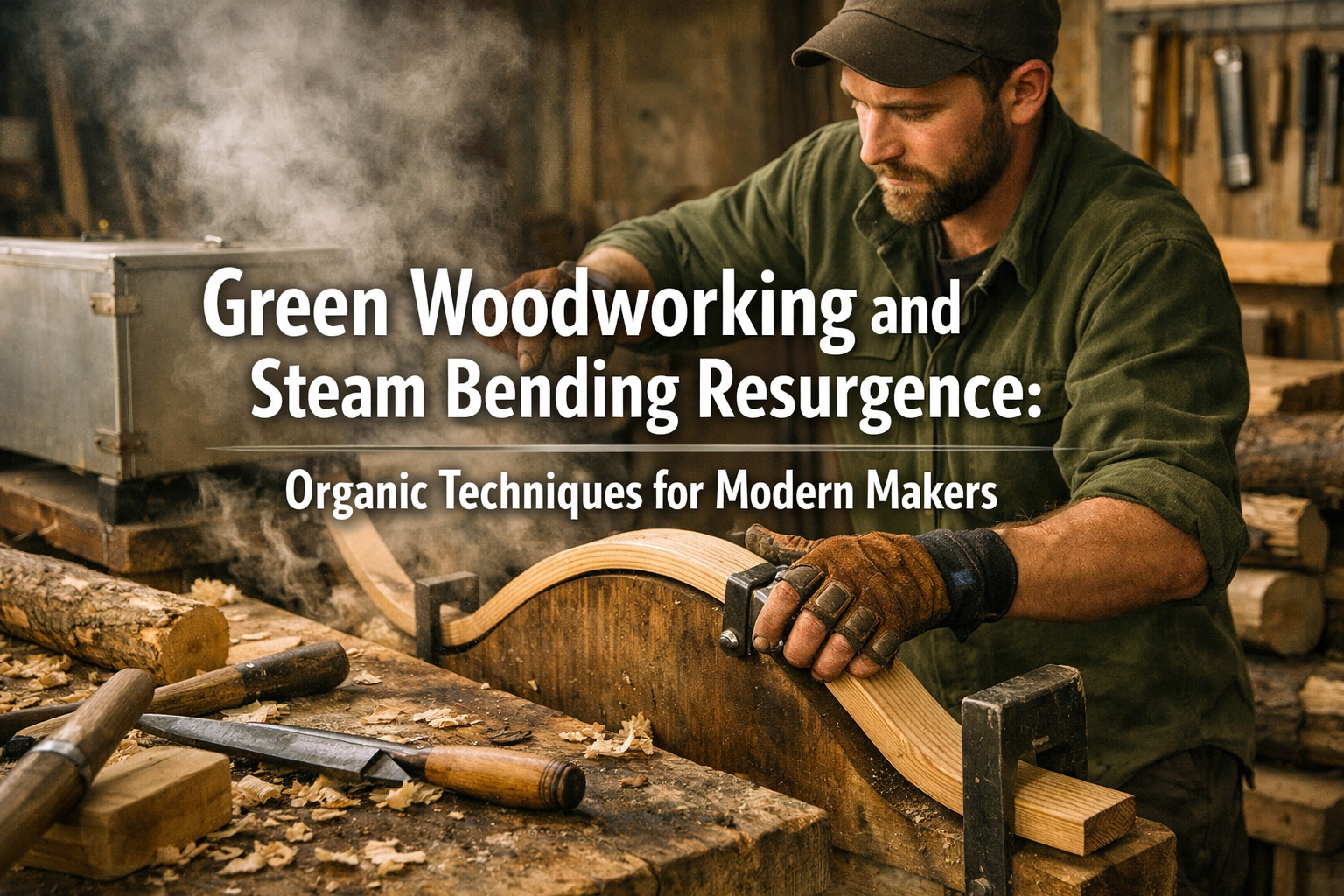
In an increasingly digitized world, there’s a profound yearning for authenticity, connection to nature, and the tangible beauty of handcrafted objects. This sentiment has fueled a remarkable Green Woodworking and Steam Bending Resurgence: Organic Techniques for Modern Makers. These ancient practices, once essential for everyday items, are now celebrated for their sustainable nature, the unique aesthetic they offer, and the incredible strength and fluidity they impart to wood. For modern makers in 2026, embracing green woodworking and steam bending means tapping into a rich heritage of craftsmanship while creating truly distinctive, organic forms that stand apart from mass-produced alternatives.
This article delves deep into why these techniques are experiencing renewed interest, exploring everything from sourcing green wood and setting up your workshop to mastering the bending process and applying these organic forms in contemporary furniture and design. Whether you’re a seasoned woodworker looking to expand your skills or a newcomer drawn to the sustainable and artistic possibilities of wood, the world of green woodworking and steam bending offers a rewarding path.
Key Takeaways
- Sustainability and Connection: Green woodworking emphasizes using freshly cut, unseasoned timber, often sourced locally and sustainably, fostering a deeper connection to natural materials and eco-conscious practices.
- Workability and Efficiency: Working with green wood is significantly easier on tools and the body, as the wood is softer and more pliable, allowing for efficient shaping with hand tools and reducing the need for heavy machinery.
- The Magic of Steam Bending: Steam bending allows wood to be reshaped into strong, elegant curves without cutting across the grain, preserving its structural integrity and opening up vast design possibilities for organic, flowing forms.
- Accessible to All: While demanding skill, the core principles of green woodworking and steam bending can be learned by makers of all experience levels, often requiring simpler, more affordable tools than traditional cabinetmaking.
- Modern Design Relevance: In 2026, designers and consumers increasingly seek unique, handcrafted items with natural aesthetics; green woodworking and steam bending offer a perfect avenue for creating such distinctive, organic furniture and art pieces.
The Allure of Green Woodworking: Why It’s Thriving in 2026
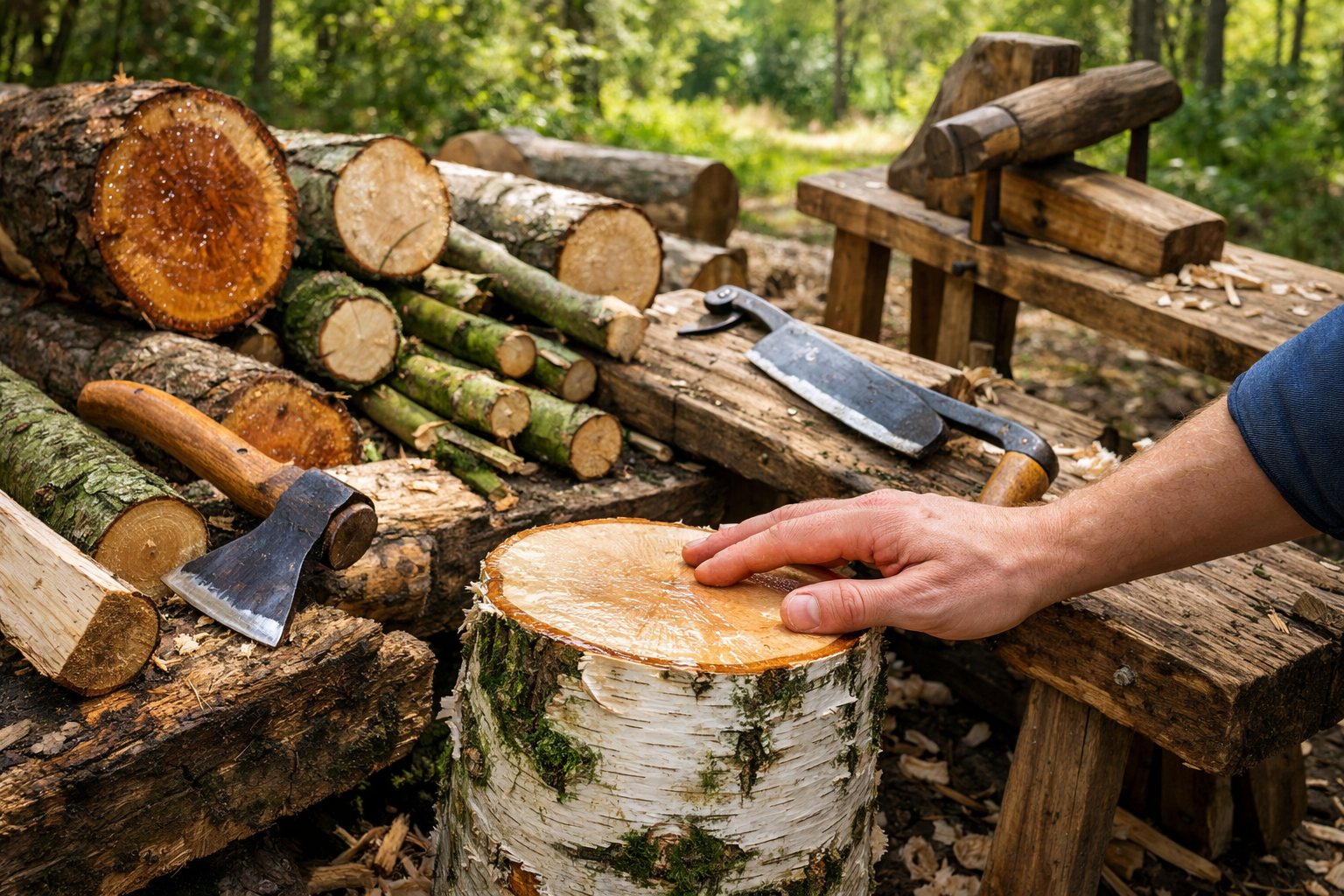
The phrase “green woodworking” might conjure images of rustic pioneers or historical craftsmen, and while its roots are ancient, its relevance in 2026 is strikingly modern. Green woodworking refers to the practice of working with unseasoned, freshly felled timber – wood that still contains a high moisture content. Unlike dried lumber, which is hard, brittle, and often challenging to work by hand, green wood is remarkably pliable and forgiving. This characteristic is at the heart of its resurgence.
The Benefits of Working Green
There are numerous compelling reasons why modern makers are turning (or returning) to green woodworking:
- Ease of Working: The high moisture content in green wood acts as a natural lubricant, making it significantly softer and easier to cut, carve, and shape with hand tools. This means less effort, less wear on tools, and a more enjoyable, almost meditative, working process. Think about shaving wood with a drawknife on a shaving horse – the curls effortlessly peel away.
- Sustainable Sourcing: Green wood can often be sourced locally and sustainably from fallen trees, hedgerow trimmings, or managed woodlands. This reduces the carbon footprint associated with kiln-drying and long-distance transportation of lumber. It connects the maker directly to the source of their material, fostering an appreciation for the entire life cycle of the wood. This local sourcing also aligns with growing environmental awareness in 2026.
- Cost-Effectiveness: Green wood is often less expensive, or even free, compared to commercially dried lumber. For makers on a budget or those seeking to reduce material costs, this is a significant advantage.
- Unique Aesthetic Properties: As green wood dries, it can shrink, warp, and check in predictable ways that, when accounted for, can be incorporated into the design, adding character and a story to the finished piece. This “movement” of the wood becomes a design feature rather than a flaw.
- Reduced Tool Investment (Initially): While power tools have their place, many green woodworking techniques can be accomplished with a relatively small set of hand tools: axes, froes, drawknives, spokeshaves, and carving gouges. This lowers the barrier to entry for aspiring woodworkers.
- Ideal for Steam Bending: Perhaps the most significant advantage for our topic is green wood’s unparalleled suitability for steam bending. The moist fibers soften and become incredibly flexible when heated, allowing for dramatic curves and shapes that would be impossible with dry wood.
Sourcing Green Wood: A Local Approach 🌳
Finding suitable green wood is often a local endeavor, connecting makers with their immediate environment. Here’s how to approach it:
- Local Tree Surgeons/Arborists: Often, these professionals are felling trees and happy to offload usable sections, sometimes for a small fee or even free.
- Council or Park Departments: They may have trees that need to be removed for safety or maintenance reasons.
- Private Landowners: With permission, you might find suitable wood from landowners clearing land or pruning trees.
- Sustainable Woodlots/Forests: Some managed woodlands offer direct sales of freshly felled timber.
- Windfall/Storm-Damaged Trees: Nature sometimes provides, but ensure the wood is structurally sound and free from disease.
When selecting wood, consider species known for their bending properties, such as ash, oak, elm, hickory, and beech. The ideal size will depend on your project, but straighter, knot-free sections are always preferred. Once sourced, it’s crucial to understand how to store green wood to prevent rapid drying and excessive checking before it’s worked. Often, sealing the ends with paint or wax and stacking it in a shaded, ventilated area can help.
Mastering Steam Bending: Techniques and Tools for Organic Forms
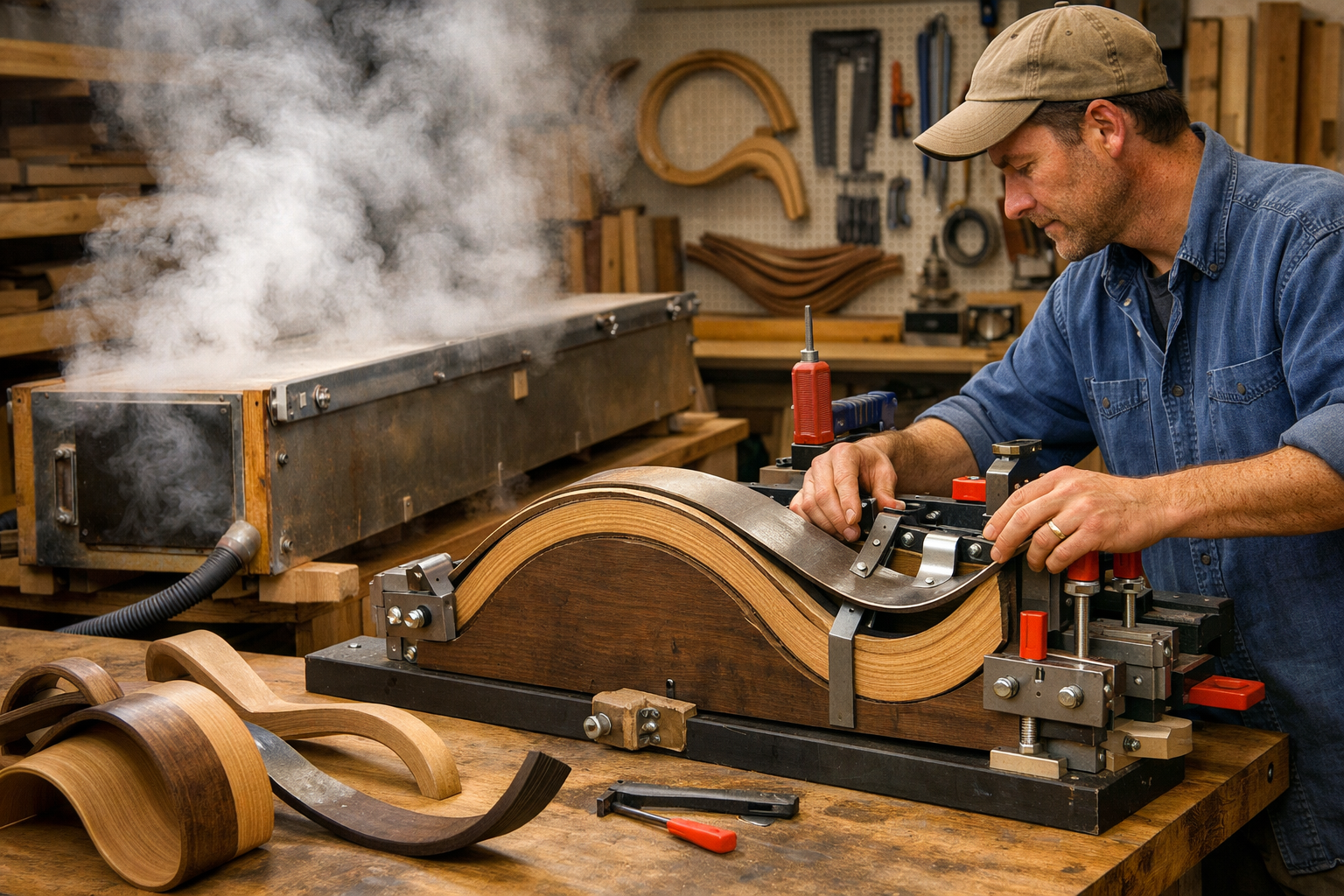
Steam bending is an age-old craft that transforms rigid planks of wood into flowing, organic shapes. It’s a key partner to green woodworking, allowing makers to create robust, curvilinear components without cutting away valuable material or compromising grain strength. This technique is central to the Green Woodworking and Steam Bending Resurgence: Organic Techniques for Modern Makers.
The Science Behind the Curve
Wood is composed of cellulose fibers bound together by lignin. When wood is steamed, the lignin softens, becoming more plastic. This allows the cellulose fibers to slide past each other as the wood is bent. Upon cooling and drying, the lignin re-hardens, locking the wood into its new, curved shape. Crucially, the wood’s grain runs continuously along the curve, making the bent piece incredibly strong – much stronger than a piece cut to the same curve from a wider board, where short grain sections would be weak points.
Essential Equipment for Steam Bending
Setting up for steam bending doesn’t require an industrial workshop, but a few key items are necessary:
- Steam Box: This is essentially an insulated box where wood is heated by steam. It can be a simple plywood or PVC pipe construction, sealed to retain steam. A common approach involves connecting a wallpaper stripper or a dedicated steam generator to one end of the box. Ensure your steam box is adequately sized for the pieces you intend to bend.
- Heat Source/Steam Generator: A wallpaper steamer is a popular, affordable choice for hobbyists. For larger volumes or thicker wood, a dedicated steam boiler or an electric hot plate boiling water in a pressure cooker can be used. Safety is paramount here – always ensure adequate ventilation and secure connections.
- Bending Forms/Jigs: These are crucial for dictating the final shape of your bent wood. They can be made from plywood, MDF, or even solid timber, cut to the desired curve. The tighter the bend, the more robust the form needs to be.
- Bending Strap: For tighter bends, a metal bending strap (typically steel or aluminum) with end stops is essential. This strap is placed on the outside of the curve, preventing the wood from bursting or fracturing on the tension side as it’s bent.
- Clamps: A good selection of strong clamps is vital for securing the steamed wood to the bending form until it cools and sets.
- Personal Protective Equipment (PPE): Heat-resistant gloves, eye protection, and sturdy footwear are important when working with hot wood and steam.
The Steam Bending Process: A Step-by-Step Guide
- Prepare the Wood: Select appropriate green wood, ensuring it’s free of knots, checks, and severe grain run-out. Mill it to the desired thickness and width. Slightly oversized pieces are often used, allowing for final shaping after bending. The rule of thumb for steaming time is roughly one hour per inch of thickness.
- Prepare the Steam Box: Fill the steam generator with water and allow it to come to temperature, producing a steady stream of steam. Place the wood into the steam box.
- Steam the Wood: Once steam is flowing through the box, allow the wood to steam for the appropriate duration. The wood should feel hot and rubbery when removed.
- Bend Quickly: Time is of the essence! Once removed from the steam box, the wood will quickly begin to cool and stiffen. Work swiftly and purposefully. Place the wood into the bending strap (if using), and carefully bend it around your form, clamping it securely.
- Cool and Set: Allow the wood to cool completely on the form, ideally overnight or longer, depending on thickness and ambient conditions. The longer it’s held in place, the better it will retain its new shape.
- Dry and Finish: Once removed from the form, the bent wood will still be green. Allow it to air dry fully, often for several weeks or months, ensuring good air circulation. Once dry, it can be planed, sanded, and finished like any other piece of wood. For insights into different finishing options, explore our guide on Danish Oil vs Linseed: The Ultimate Wood Finishing Guide.
Remember, practice makes perfect. Experiment with different wood species, thicknesses, and bend radii. Success often comes from understanding the wood’s limits and the nuances of the steaming process. For further exploration of advanced techniques, consider articles such as our piece on Unlock the Secrets of Brackets Woodworking: A Comprehensive Guide.
Integrating Green Woodworking and Steam Bending into Modern Design
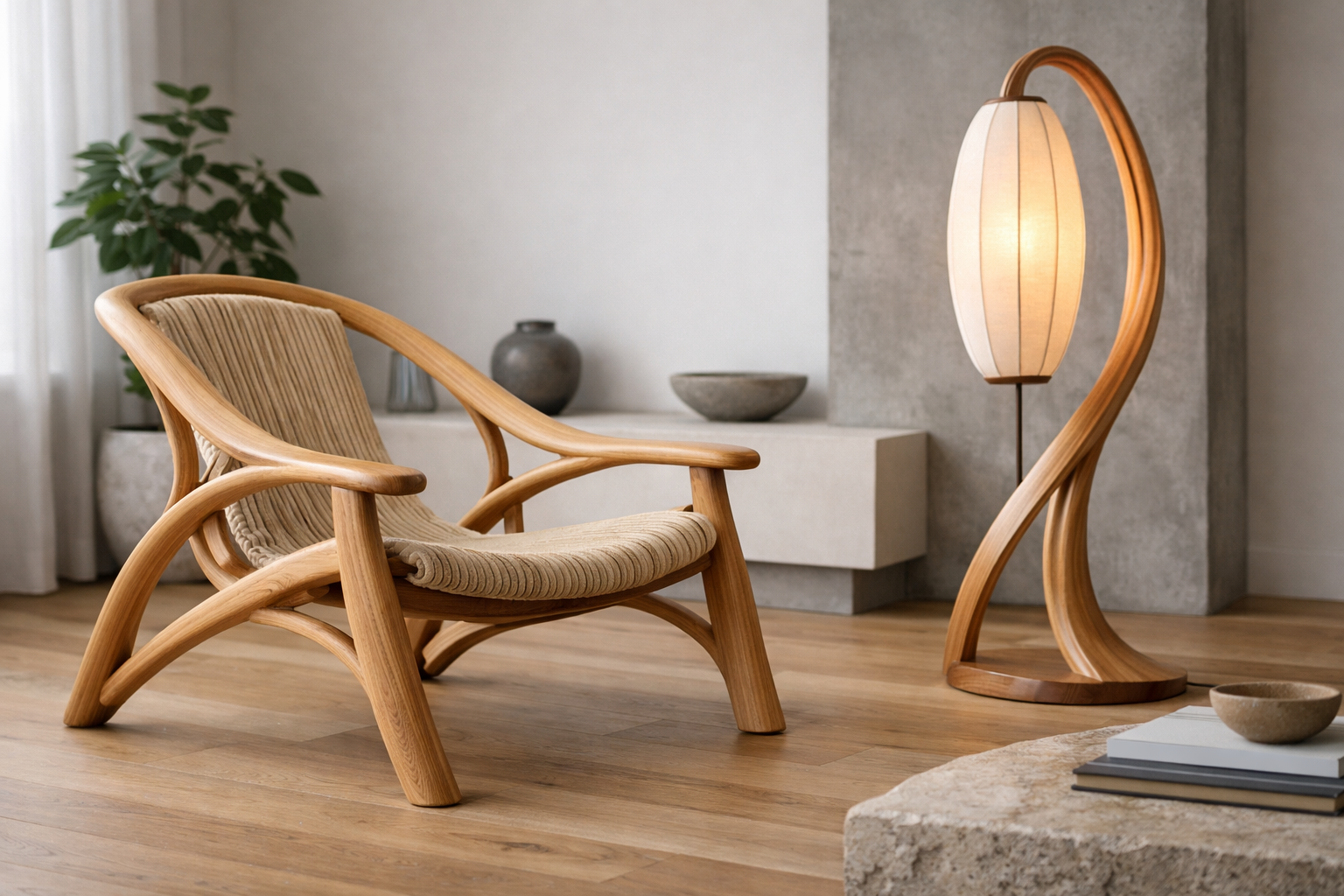
The Green Woodworking and Steam Bending Resurgence: Organic Techniques for Modern Makers isn’t just about reviving old crafts; it’s about applying them to contemporary design challenges and aesthetic preferences in 2026. Modern consumers and designers are increasingly drawn to pieces that tell a story, celebrate natural materials, and offer a tactile, handcrafted quality often missing from mass-produced items.
Embracing Organic Forms and Biophilic Design
One of the most powerful contributions of green woodworking and steam bending is the ability to create truly organic, flowing forms. Unlike rigid, angular constructions common in conventional woodworking, bent wood can mimic natural lines found in nature – the curve of a branch, the gentle arch of a leaf, or the flowing contours of a river stone. This aligns perfectly with biophilic design principles, which seek to connect inhabitants with nature, promoting well-being and a sense of calm.
Imagine a chair with a backrest that swoops elegantly, molded from a single piece of steam-bent ash, or a sculptural lamp base that twists and turns, revealing the natural grain in its graceful curves. These pieces become focal points, bringing a softness and natural elegance to any interior.
Applications in Furniture and Art 🛋️
The versatility of these techniques opens up a vast array of design possibilities:
- Chairs and Seating: Perhaps the most iconic application, bentwood chairs are renowned for their strength, comfort, and timeless beauty. From classic designs to innovative modern interpretations, steam bending allows for ergonomic curves in backrests, arms, and legs.
- Tables: While tabletops are typically flat, steam-bent elements can create stunning bases, leg structures, or even decorative edge details that add a unique flair.
- Cabinets and Storage: Curved doors, drawer fronts, or sculptural legs can elevate standard cabinetry into artistic statements. For those interested in structural integrity, understanding how to stabilize and reinforce furniture elements is key, as highlighted in “How to Stabilize a Bookshelf Without Backing: Effective Techniques – Wood Craft Wiz” – https://woodcraftwiz.com/how-to-stabilize-a-bookshelf-without-backing-effective-techniques/.
- Home Decor and Art: From intricate wall hangings and sculptural installations to elegant serving trays and decorative bowls, green woodworking and steam bending allow for the creation of unique, expressive pieces.
- Architectural Elements: Larger-scale applications can include curved balustrades, unique ceiling features, or custom door frames that reflect an artisan’s touch.
- Lighting: Lampshades or bases made from thin, bent wood can create beautiful diffused light and striking silhouettes.
Design Considerations for the Modern Maker
When designing with green wood and steam-bent components, several factors come into play:
- Wood Movement: Green wood will shrink as it dries. Designs must account for this, especially when joining green and dry components. Traditional joinery techniques like mortise and tenon or through tenons that are allowed to draw tight as the green wood shrinks are often employed.
- Grain Direction and Strength: The strength derived from continuous grain in bent pieces is a major advantage. Design to exploit this inherent strength, placing curves where they will bear loads effectively.
- Finishing: The natural beauty of green wood and the organic forms created through steam bending often call for finishes that enhance rather than obscure the grain. Natural oils like Danish oil or linseed oil are popular choices, penetrating the wood and offering a subtle sheen while allowing the wood to breathe. You might even explore cool wood finishing techniques to complement your unique designs.
- Ergonomics and Comfort: The ability to create gentle curves allows for ergonomic designs in seating and other functional pieces, providing superior comfort compared to flat, angular alternatives.
- Sustainability Story: In 2026, consumers value transparency and sustainability. Highlighting the local sourcing of green wood and the low-impact nature of steam bending adds significant value and appeal to finished pieces.
By thoughtfully integrating these organic techniques, modern makers can create pieces that are not only visually stunning and structurally sound but also embody a philosophy of sustainable craftsmanship. The journey from a freshly felled log to an elegant, steam-bent masterpiece is a testament to the enduring power of traditional methods adapted for a contemporary world. For those looking to master precision in their work, our guide on Mastering Shelf Woodworking: Your Definitive Guide for 2026 offers valuable insights into precise measurements and stable constructions.
Conclusion
The Green Woodworking and Steam Bending Resurgence: Organic Techniques for Modern Makers represents more than just a passing trend; it signifies a conscious return to sustainable practices, tactile experiences, and the inherent beauty of natural materials. In 2026, as our world becomes increasingly saturated with manufactured goods, the allure of a handcrafted piece, born from a freshly felled log and shaped by steam and skilled hands, is undeniable. These organic techniques empower makers to create furniture and art that are not only robust and functional but also imbued with character, history, and a deep connection to the natural world.
Embracing green woodworking offers a slower, more deliberate, and often more satisfying path in craftsmanship. It reduces reliance on heavy machinery, fosters a profound respect for timber, and encourages a deeper understanding of wood’s unique properties. Paired with steam bending, it unlocks a realm of design possibilities, allowing for the creation of elegant, strong, and flowing forms that stand in stark contrast to the angularity of machine-cut lumber.
Actionable Next Steps
- Start Small: Begin with manageable projects, such as a simple bentwood stool or a carved spoon from green wood. This allows you to learn the techniques without significant investment.
- Source Locally: Connect with local arborists, tree surgeons, or landowners to find small quantities of green wood. Species like ash, oak, and elm are excellent for bending.
- Build Basic Equipment: Construct a simple steam box using readily available materials. Many online tutorials can guide you.
- Invest in Hand Tools: Acquire a good quality drawknife, spokeshave, and a carving axe. These tools are central to efficient green woodworking. For understanding different tools and their uses, exploring articles like “Woodworking Fasteners NYT: Crossword Answers – Wood Craft Wiz” – https://woodcraftwiz.com/woodworking-fasteners-nyt-crossword-answers/ can expand your general woodworking knowledge.
- Seek Mentorship/Courses: Look for local workshops or online courses dedicated to green woodworking and steam bending. Learning from experienced practitioners can accelerate your progress.
- Experiment and Observe: Wood is a natural material, and each piece will behave uniquely. Embrace experimentation, pay close attention to how the wood responds, and learn from every bend and shave.
By taking these steps, you can join the growing community of modern makers who are rediscovering the magic and versatility of green woodworking and steam bending, creating pieces that are beautiful, sustainable, and truly unique in 2026 and beyond.