
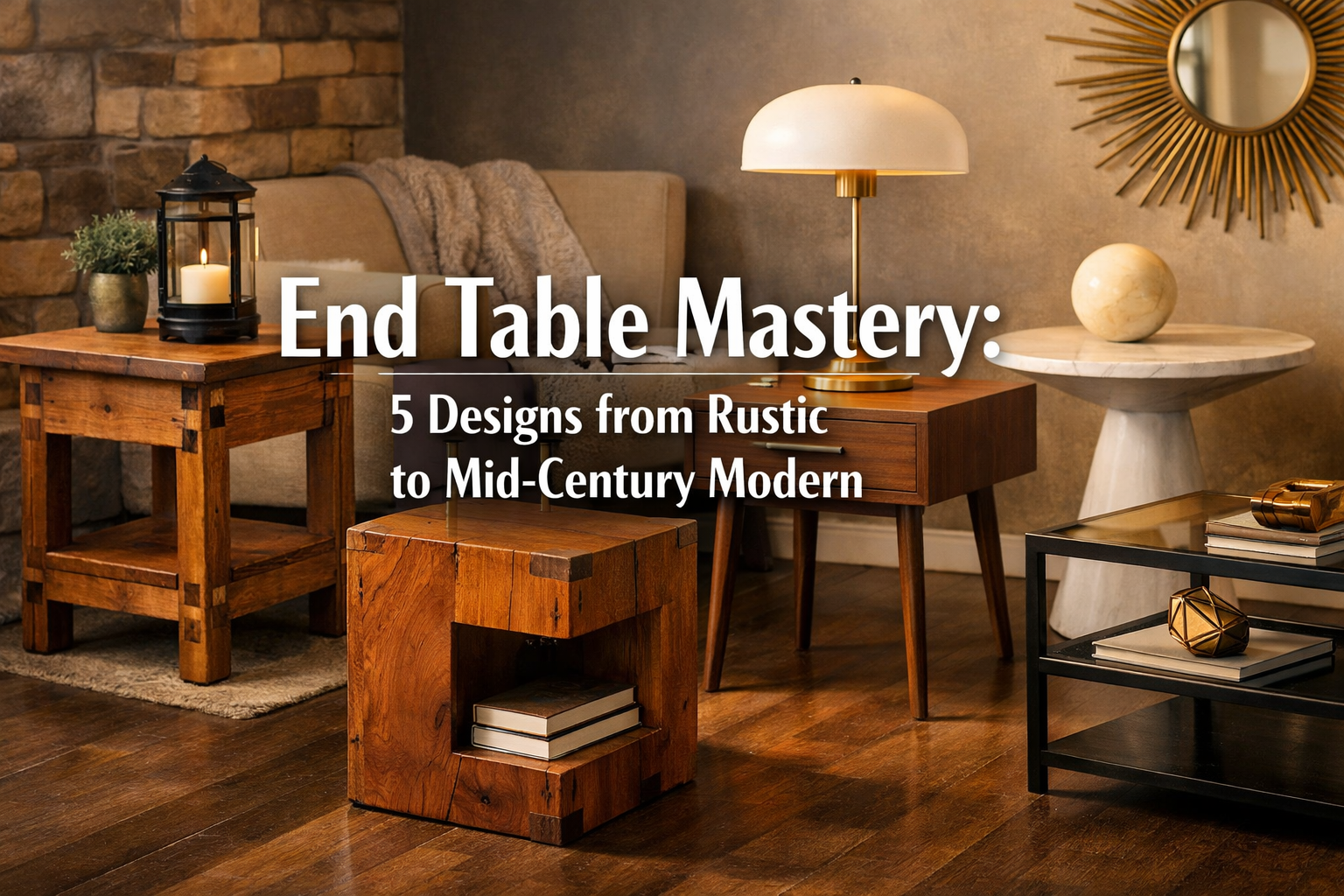
End tables, often overlooked, are the unsung heroes of interior design. These small but mighty pieces of furniture offer essential functionality while significantly enhancing a room’s aesthetic. They serve as convenient perches for lamps, books, beverages, and cherished decorative items, tying together seating arrangements and defining living spaces. But beyond mere utility, end tables are a canvas for craftsmanship, a chance to express style, and a reflection of a woodworker’s skill. This comprehensive guide, “End Table Mastery: 5 Designs from Rustic to Mid-Century Modern,” will take you on a journey from basic construction principles to advanced finishing techniques, ensuring your creations are both beautiful and built to last in 2026. Whether you’re a beginner eager to learn dovetail joinery or an experienced artisan looking to explore new design trends and maximize efficiency in a small workshop, this article provides the insights you need to master the art of end table creation.
Key Takeaways
- Diverse Design Exploration: Discover five distinct end table styles – Rustic, Farmhouse, Industrial, Mid-Century Modern, and Contemporary – and learn how to adapt them.
- Essential Woodworking Techniques: Gain insights into critical skills like precise joinery (especially dovetails), effective sanding, and professional finishing, including the use of trending wood species like cherry.
- Optimizing Small Workshop Efficiency: Learn strategies for maximizing productivity and organization in limited spaces, making intricate projects like end tables feasible for any woodworker.
- Material Selection and Sustainability: Understand how to choose the right wood, including reclaimed options and local hardwoods, to achieve desired aesthetics and ensure durability.
- Actionable Project Planning: Get practical advice on designing, building, and finishing end tables, complete with tips for adapting designs to your skill level and available tools.
The Foundation of End Table Mastery: Design Principles and Essential Woodworking Skills
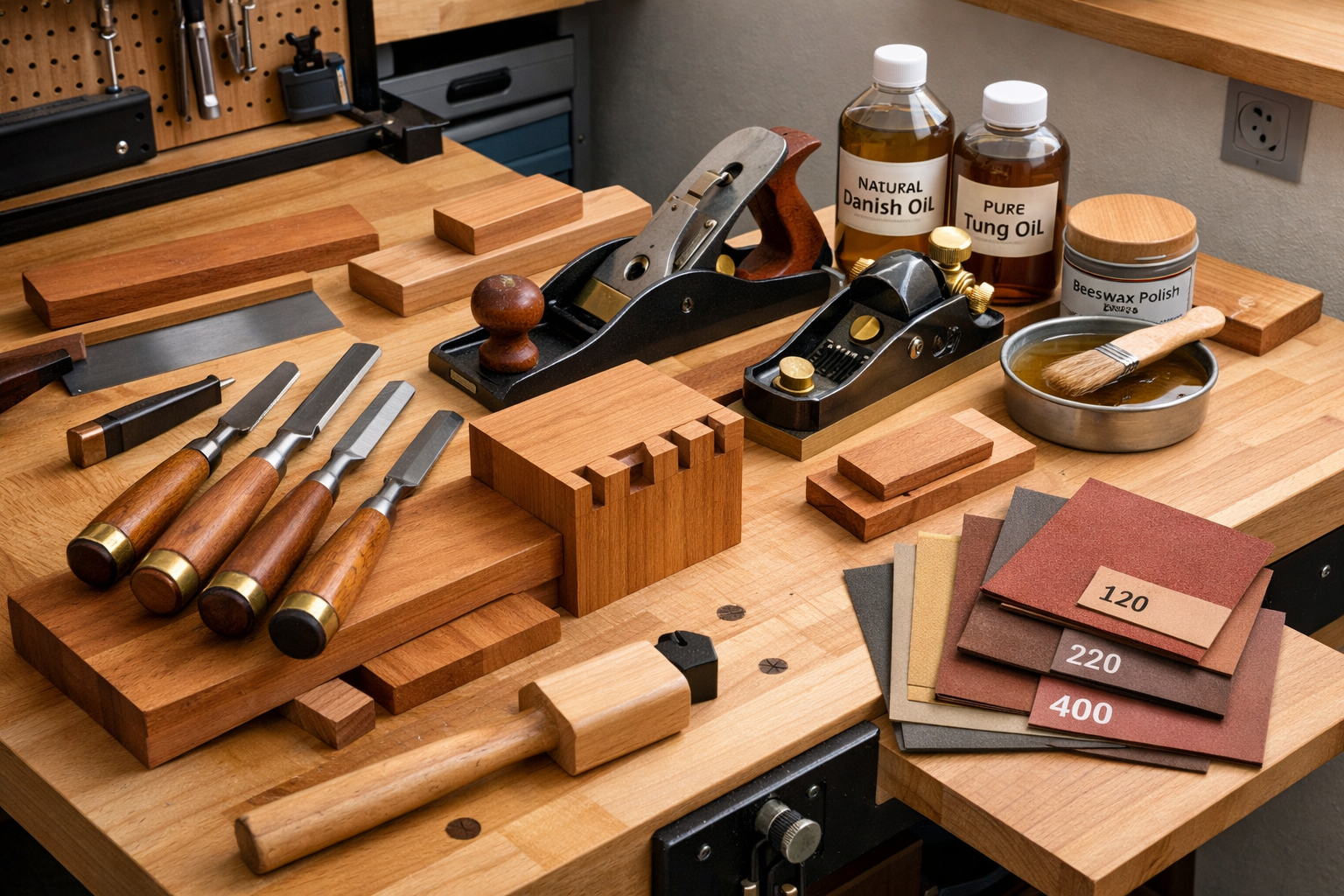
The journey to “End Table Mastery: 5 Designs from Rustic to Mid-Century Modern” begins with a solid understanding of fundamental design principles and core woodworking skills. Regardless of the style you aim for, certain elements remain constant: stability, proportion, and quality craftsmanship. In 2026, the demand for custom-built, durable furniture continues to grow, emphasizing the value of well-executed joinery and thoughtful design.
Essential Design Considerations
Before cutting a single piece of wood, consider these design elements:
- Height and Scale: An end table should generally be around the same height as the arm of the adjacent seating. This ensures functionality and visual balance. Its overall scale should complement the surrounding furniture without overwhelming or disappearing into the space.
- Functionality: What purpose will the end table serve? Will it hold a lamp, provide storage, or simply be an accent piece? This will dictate features like shelves, drawers, or a minimalist top.
- Room Flow: Ensure the end table doesn’t obstruct traffic paths. Its placement should enhance, not hinder, the room’s usability.
- Aesthetic Harmony: The table’s style should resonate with the existing decor. While contrasting styles can work, a cohesive vision is crucial.
- Durability: An end table, though small, experiences daily use. Choosing the right wood and joinery ensures it stands the test of time.
Mastering Essential Joinery: The Dovetail Joint 🕊️
For projects demanding both strength and beauty, the dovetail joint is unmatched. This classic woodworking joint, renowned for its resistance to being pulled apart, is a hallmark of fine furniture. While challenging for beginners, mastering dovetail joinery is a significant step towards “End Table Mastery: 5 Designs from Rustic to Mid-Century Modern.” In 2026, there’s a renewed appreciation for hand-cut joinery, showcasing the artisan’s skill.
Why Dovetails for End Tables?
- Exceptional Strength: The interlocking tails and pins create a mechanically superior joint, ideal for drawer boxes or sturdy leg-to-apron connections.
- Aesthetic Appeal: The exposed interlocking pattern is inherently beautiful, serving as a decorative element in its own right.
- Durability: Dovetails withstand racking and sheer forces, ensuring your end table remains stable for decades.
Tips for Dovetail Mastery:
- Sharp Tools are Non-Negotiable: A razor-sharp chisel is your best friend. Dull tools lead to frustration and inaccurate cuts.
- Practice on Scraps: Don’t expect perfection on your first attempt. Practice on cheaper wood until you gain confidence.
- Accurate Marking: Use a marking gauge and a sharp pencil or knife to lay out your pins and tails precisely.
- Cut to the Line: Always saw on the waste side of your line.
- Patience: Rushing leads to mistakes. Take your time with each cut and pare away waste carefully.
For those looking to deepen their joinery skills, exploring Mastering Modern Hand-Cut Joinery: Adapting Classics for Live Edge and Modular Furniture can provide advanced insights into integrating these techniques into contemporary designs.
Wood Selection for End Table Mastery 🌳
The type of wood you choose drastically impacts the final look, feel, and durability of your end table. In 2026, popular choices range from robust hardwoods to sustainable reclaimed options.
| Wood Species | Characteristics | Best For | Notes |
|---|---|---|---|
| Cherry | Warm reddish-brown, fine grain, ages beautifully | Mid-Century, Traditional, Farmhouse | Excellent for carving and finishing; darkens with exposure to light. |
| Walnut | Rich dark brown, striking grain, very stable | Mid-Century, Modern, Industrial | Luxurious, highly sought-after, takes finishes exceptionally well. |
| Oak | Light to medium brown, prominent grain, very durable | Rustic, Farmhouse, Traditional | Red oak (reddish tint) and White oak (more durable, water-resistant). |
| Maple | Creamy white, fine grain, very hard | Modern, Contemporary, Transitional | Extremely strong, can be stained to mimic other woods, prone to blotching. |
| Pine | Light color, distinct knots, soft, affordable | Rustic, Farmhouse | Easy to work with, but dents easily. Good for distressed finishes. |
| Reclaimed Wood | Unique character, history, environmentally friendly | Rustic, Industrial, Farmhouse | Requires careful preparation; adds a unique story to each piece. |
Cherry, in particular, is trending in 2026 for its beautiful aging process and versatility, making it an excellent choice for a variety of end table styles, especially those featuring elegant dovetail joinery. For more on working with different types of wood, consider our guide on Wood Species Selection for Visible Joinery: Choosing Materials that Showcase Hand-Cut Joints in Contemporary Designs.
Small Workshop Optimization for End Table Mastery
Even with limited space, you can achieve “End Table Mastery: 5 Designs from Rustic to Mid-Century Modern.” The key is organization, multi-functional tools, and efficient workflow.
- Mobile Workstations: Caster-equipped benches and tool stands allow you to reconfigure your space quickly.
- Vertical Storage: Wall-mounted cabinets, shelves, and tool racks keep your floor clear.
- Multi-Purpose Tools: A good Craftsman table saw model 137 overview, setup tips, and more can handle rip cuts, crosscuts, and even some joinery tasks with the right jigs. A compact miter saw is also invaluable.
- Project-Specific Organization: Keep all components for one end table project together to avoid clutter.
- Dust Collection: Essential for health and keeping a small shop clean. A shop vac with dust separation is often sufficient for smaller projects.
Unleashing Creativity: 5 End Table Designs from Rustic to Mid-Century Modern
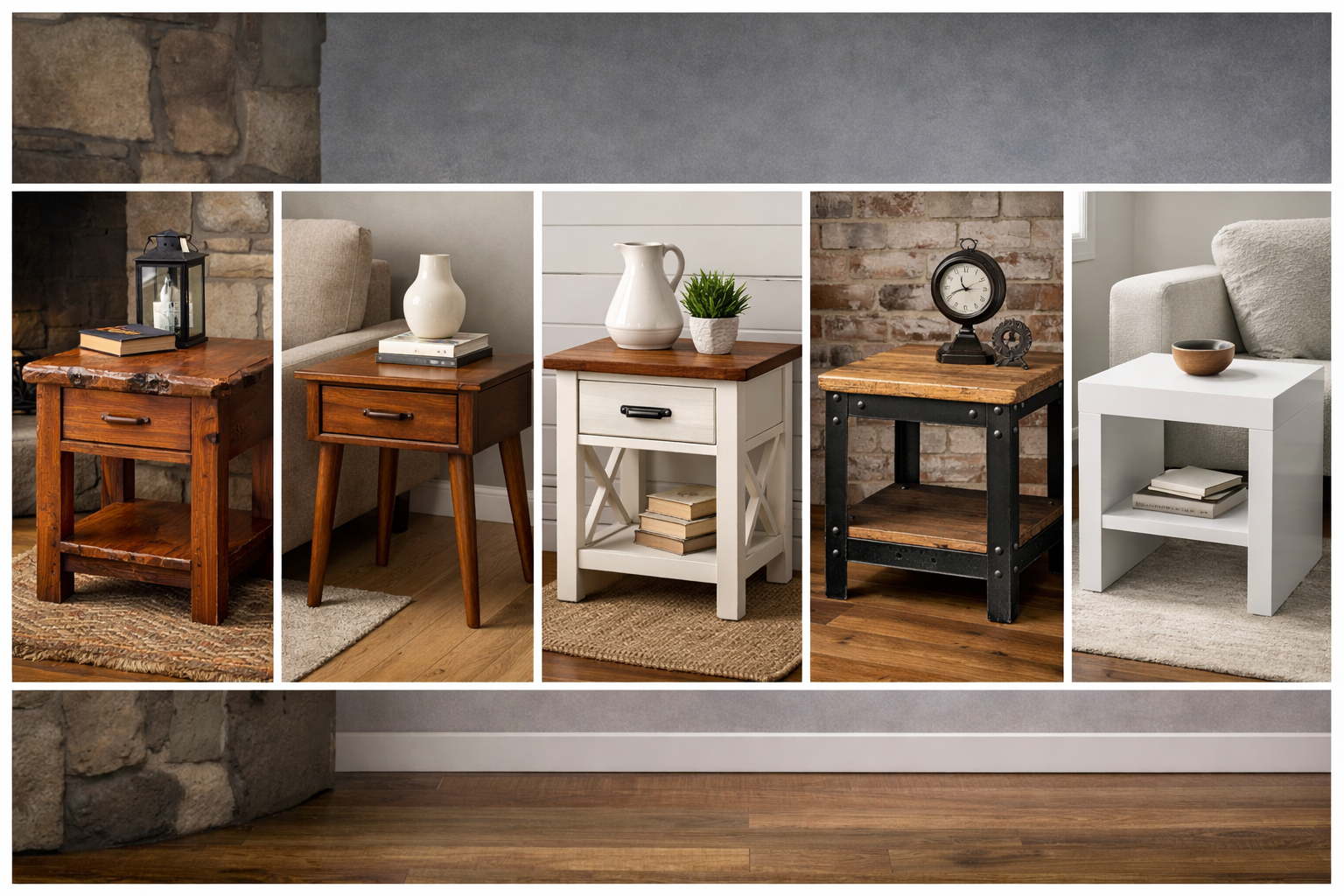
Now, let’s dive into specific design styles to achieve “End Table Mastery: 5 Designs from Rustic to Mid-Century Modern.” Each style offers unique challenges and rewards, providing ample opportunity to hone your skills and express your creativity. We’ll explore designs from the rugged charm of rustic to the sleek elegance of mid-century modern.
1. The Rustic End Table: Earthy Charm and Robust Construction
Rustic end tables celebrate natural materials and an unrefined aesthetic. They often feature imperfections, rough textures, and a connection to the outdoors.
Key Characteristics:
- Materials: Often uses reclaimed wood, live edge wood projects: from design to execution for home C slabs, or rough-sawn lumber. Wood species like pine, oak, and cedar are common.
- Finish: Minimal, allowing the wood’s natural beauty and imperfections to show. Clear oils or waxes are popular. Oil on pine: benefits, tips, and alternatives provides excellent guidance.
- Joinery: Often robust and visible. Mortise and tenon, through tenons, or even simple butt joints reinforced with screws and plugs. Exposed dovetails add a touch of refined rustic.
- Design Elements: Chunky legs, substantial tops, natural edges, and sometimes metal accents like iron straps or bolts.
Building a Rustic Cherry End Table with Dovetails:
Imagine an end table crafted from beautiful, reclaimed cherry wood. The top could be a substantial slab, perhaps with a slight live edge on one side, showcasing the wood’s natural contours. The legs, made from thick cherry stock, are joined to a sturdy apron using exposed dovetail joints. This blend of rugged material and precise joinery elevates the rustic style. The rich, warm tones of cherry, especially when finished with a natural oil, would deepen beautifully over time.
2. The Farmhouse End Table: Homely Comfort and Practicality
Farmhouse style blends rustic elements with a cleaner, more refined aesthetic, focusing on comfort and practicality. It’s a perennial favorite, continuing its popularity into 2026.
Key Characteristics:
- Materials: Painted wood (often distressed), natural wood tops (pine, oak, maple), sometimes a mix of painted bases and natural tops.
- Finish: Matte or satin paints, clear finishes for natural wood. Distressed wood finishing techniques are key to achieving an authentic look.
- Joinery: Sturdy and practical. Pocket holes, mortise and tenon, dadoes, and occasionally exposed dowel joints.
- Design Elements: Tapered legs, turned legs, simple apron designs, lower shelves for storage, often painted in whites, creams, or soft grays.
Crafting a Farmhouse End Table with a Cherry Top:
A farmhouse end table could feature a base painted in a soft cream, with a beautiful cherry wood top. The top could be a simple, rectangular slab, perhaps with a subtle chamfered edge. The legs might be gently tapered, joined to the apron using mortise and tenon joints, or even reinforced pocket hole joinery for simpler construction. A lower shelf, perfect for baskets or books, adds to its functional appeal. This blend offers the warmth of natural wood with the inviting charm of a classic farmhouse. For inspiration on larger farmhouse projects, consider our guide: Craft Your Dream Farmhouse Dining Table: The Ultimate 2025 DIY Guide 🏡✨ – Wood Craft Wiz.
3. The Industrial End Table: Raw Edge and Urban Grit
Industrial design celebrates utilitarian aesthetics, raw materials, and exposed construction. It’s about merging functionality with a tough, edgy appeal.
Key Characteristics:
- Materials: Often a combination of wood (reclaimed, rough-sawn oak or pine) and metal (steel pipes, angle iron, black iron).
- Finish: Minimal on metal (clear coat or matte black paint), natural or dark stains on wood.
- Joinery: Visible fasteners (bolts, screws), welding for metal, robust wood joinery (e.g., through bolts for wood-to-metal connections).
- Design Elements: Open shelving, caster wheels, exposed metal frames, utilitarian shapes, often heavy and substantial.
Building an Industrial End Table with a Cherry Slab Top:
Imagine an industrial end table where a thick, polished cherry wood slab serves as the top, showcasing its rich grain. The base is constructed from black steel pipes or welded square tubing, providing a stark, modern contrast to the warm wood. The wood top could be secured to the metal frame with visible, decorative bolts, emphasizing the industrial aesthetic. A lower metal grid shelf could add functionality and complete the look. This design exemplifies “End Table Mastery: 5 Designs from Rustic to Mid-Century Modern” by combining disparate materials into a cohesive, impactful piece.
4. The Mid-Century Modern End Table: Sleek Lines and Organic Forms
Mid-Century Modern (MCM) design, popular from the 1930s to 1960s, is characterized by clean lines, organic curves, functionality, and a blend of natural and man-made materials. Its timeless appeal makes it highly relevant in 2026.
Key Characteristics:
- Materials: Walnut, teak, mahogany, cherry. Often combined with glass, metal, or laminate.
- Finish: Smooth, polished, often a natural oil or lacquer that highlights the wood’s grain. For dark woods, dark wood finishing techniques are essential.
- Joinery: Strong but concealed. Mortise and tenon, dowel joints, and meticulously fitted hidden dovetails for drawers.
- Design Elements: Tapered legs, splayed legs, minimalist forms, sculptural shapes, integrated storage (drawers or shelves).
Crafting a Mid-Century Modern Cherry End Table:
Consider a sleek end table made entirely from cherry wood. The tabletop is a smooth, impeccably finished rectangular or kidney-bean shape. The legs are slender and tapered, splaying slightly outwards, connecting seamlessly to the apron with expertly cut mortise and tenon joints. A small, minimalist drawer, perhaps featuring hidden dovetails, could be integrated, providing discrete storage. The rich, warm hue of cherry, coupled with the clean lines and subtle curves, would create a sophisticated and functional piece. This style truly demonstrates “End Table Mastery: 5 Designs from Rustic to Mid-Century Modern” through its emphasis on refined craftsmanship.
5. The Contemporary End Table: Minimalist Elegance and Innovation
Contemporary design is fluid and ever-evolving, embracing current trends while prioritizing simplicity, clean lines, and innovative use of materials.
Key Characteristics:
- Materials: Can be anything from exotic hardwoods, plywood, and MDF to glass, metal, concrete, and composites.
- Finish: Often highly polished, matte, or sometimes an unexpected texture. Mahogany wood finishing techniques can be adapted for a modern, deep sheen.
- Joinery: Minimalist, often hidden, or visually integrated as part of the design. Precision is paramount.
- Design Elements: Geometric shapes, floating elements, negative space, emphasis on form and function, often monochromatic or with bold color accents.
Designing a Contemporary Cherry End Table with Integrated Storage:
Picture a contemporary end table where the structure itself is a work of art. Using cherry plywood or solid cherry, the design could feature intersecting planes, creating open cubbies or a hidden compartment accessible from multiple sides. The joinery would be precisely cut and concealed, giving the impression of a single, continuous form. A sleek, matte finish would highlight the cherry’s grain without distracting from the table’s architectural lines. This design could incorporate minimalist elements, making it a perfect fit for a modern home and a showcase of “End Table Mastery: 5 Designs from Rustic to Mid-Century Modern.”
Finishing Your End Table: From Sanding to Sealing
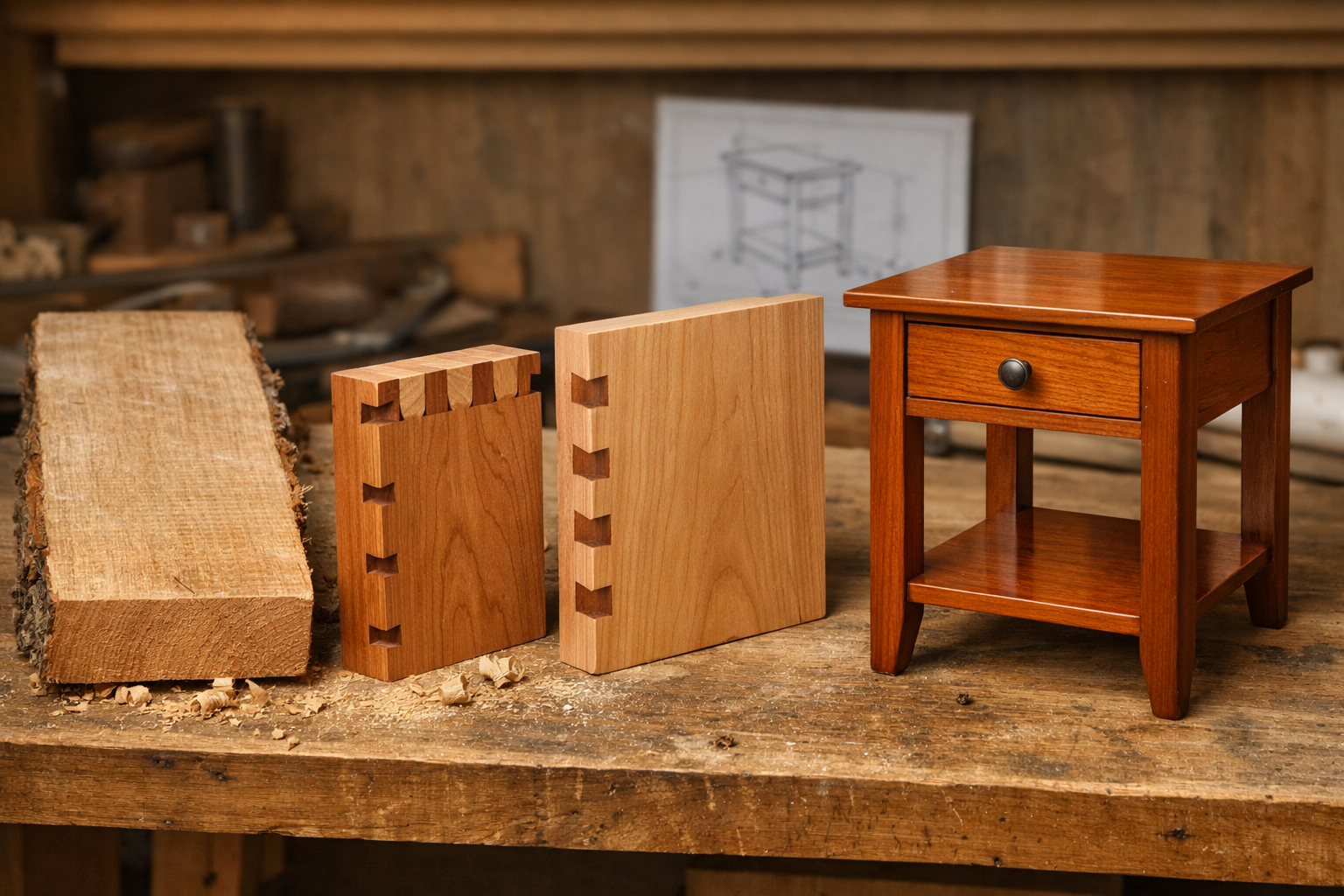
The finish is the final touch that elevates your end table from a mere construction to a cherished piece of furniture. It protects the wood, enhances its natural beauty, and defines its character. Achieving a professional finish is crucial for “End Table Mastery: 5 Designs from Rustic to Mid-Century Modern.”
The Art of Sanding sandpaper emojis 🪚
Proper sanding is the foundation of any good finish. It removes scratches, evens the surface, and prepares the wood to absorb your chosen finish uniformly.
- Start with Coarse Grit: Begin with 80-100 grit sandpaper to remove any major tool marks or imperfections.
- Progress Gradually: Move through successive grits (120, 150, 180, 220). Never skip more than one grit. Skipping leaves deeper scratches that subsequent grits can’t remove.
- Sand with the Grain: Always sand in the direction of the wood grain to avoid unsightly cross-grain scratches.
- Inspect Thoroughly: After each grit, wipe down the surface with a damp cloth or mineral spirits to reveal any remaining scratches. These will become glaringly obvious once the finish is applied. For more insights on fixing imperfections, see sanding marks after staining: how to remove and achieve smooth finishes.
- Clean Dust: Before applying finish, ensure the surface is completely free of dust using a tack cloth or compressed air.
Choosing Your Finish
The type of finish dramatically affects the final appearance and durability of your end table.
Oils (Tung Oil, Linseed Oil, Danish Oil):
- Pros: Penetrate the wood, enhance natural grain, create a “hand-rubbed” look, easy to repair, water-resistant.
- Cons: Less protective against heavy wear than film finishes, requires multiple coats and reapplication over time.
- Best for: Rustic, Mid-Century Modern, or any style where you want to emphasize the natural beauty of the wood, especially cherry. See oil on pine: benefits, tips, and alternatives for similar wood types.
Varnishes (Polyurethane, Spar Urethane):
- Pros: Form a durable, protective film on the surface, excellent resistance to moisture, heat, and abrasion.
- Cons: Can look plastic-y if applied too thickly, more difficult to repair isolated damage.
- Best for: Farmhouse, Industrial, or Contemporary styles where high durability is needed. Spray vs brush polyurethane: pros, cons, and guidance offers practical advice.
Lacquers:
- Pros: Dries very fast, produces a very smooth, hard finish, allows for multiple coats quickly.
- Cons: Can be difficult to apply without proper spray equipment, strong fumes.
- Best for: High-end Mid-Century Modern or Contemporary pieces, often used in professional shops.
Stains:
- Pros: Changes the color of the wood, can unify different wood tones.
- Cons: Doesn’t offer protection; requires a topcoat.
- Best for: Achieving specific color palettes, like a darker tone for an industrial table or a light wash for farmhouse. Explore red oak plywood stain: a comprehensive guide for stunning finishes for inspiration.
Application Techniques
- For Oils: Apply generously, let it penetrate, then wipe off excess thoroughly. Repeat several times.
- For Varnishes/Polyurethane: Apply thin, even coats with a high-quality brush or sprayer. Lightly sand between coats with very fine grit (320-400) for better adhesion and smoothness.
- For Stains: Apply evenly with a rag or brush, let it sit for the desired penetration, then wipe off excess. Always test on a scrap piece first.
A flawless finish truly seals your achievement in “End Table Mastery: 5 Designs from Rustic to Mid-Century Modern,” ensuring your creation is admired for years to come.
Conclusion: Achieving End Table Mastery in 2026 and Beyond
“End Table Mastery: 5 Designs from Rustic to Mid-Century Modern” is more than just about building furniture; it’s about embracing the craft, understanding design, and expressing your unique vision. From the timeless strength of dovetail joinery to the rich, evolving beauty of cherry wood, each element contributes to a piece that is not only functional but also a work of art. In 2026, the demand for authentic, handcrafted pieces is stronger than ever, offering a fantastic opportunity for woodworkers to create meaningful additions to any home.
Whether you’re drawn to the rugged charm of a rustic piece, the clean lines of mid-century modern, or the innovative forms of contemporary design, the principles of precision, thoughtful material selection, and meticulous finishing remain paramount. Remember, a small workshop is no barrier to ambitious projects. With strategic organization and multi-functional tools, you can achieve remarkable results.
Actionable Next Steps:
- Choose Your Style: Select one of the five designs – Rustic, Farmhouse, Industrial, Mid-Century Modern, or Contemporary – that most excites you.
- Sketch and Plan: Draw your chosen end table design, considering its dimensions, joinery, and desired wood species (perhaps cherry for its beautiful aging).
- Source Your Materials: Procure high-quality lumber, focusing on the appropriate species and grade for your chosen style. Consider reclaimed wood restoration: adding narrative and soul to modern spac for a unique touch.
- Practice Joinery: If new to dovetails, dedicate time to practice on scrap wood until you feel confident.
- Build with Patience: Follow your plan, taking care with each cut and assembly step.
- Master the Finish: Dedicate sufficient time to sanding and applying your chosen finish to bring out the wood’s full beauty and ensure durability.
- Share Your Work: Show off your completed end table! Each finished piece is a testament to your growing “End Table Mastery: 5 Designs from Rustic to Mid-Century Modern.”
By following this guide, you’re not just building an end table; you’re cultivating a deeper connection to the craft, enhancing your skills, and creating furniture that tells a story and enriches a home.
References
- Fine Woodworking Magazine. (2023). Understanding Wood: A Craftsman’s Guide to Wood Technology. Taunton Press.
- Kingshott, C. (2018). The Essential Woodworker. Lost Art Press.
- Maloof, S. (2010). Sam Maloof: Woodworker. Schiffer Publishing.
- Peters, R. (2020). Working Wood 1 & 2: The Art of Joinery and The Art of Finishing. Taunton Press.