

The humble wooden bench, often overlooked, holds immense potential for skilled woodworkers looking to create both beautiful and profitable pieces. In 2026, homeowners and garden enthusiasts alike continue to seek out handcrafted, durable, and aesthetically pleasing furniture that adds character and functionality to their spaces. This comprehensive guide, focusing on detailed tutorials for building versatile benches using techniques like pocket holes and mortise and tenon joints, explores how to transform raw timber into highly sought-after entryway seats and charming garden perches. We’ll delve into premium wood selections, emphasizing options like walnut for its market appeal and inherent durability, ensuring your creations stand the test of time and command a premium price.
Key Takeaways
- Premium Wood Selection is Crucial: Opting for high-quality, durable woods like walnut, oak, cedar, or cypress significantly enhances a bench’s longevity, aesthetic appeal, and market value.
- Master Essential Joinery Techniques: Proficiency in both pocket hole construction for efficiency and mortise and tenon joints for superior strength and craftsmanship is vital for creating profitable and lasting benches.
- Design for Versatility & Market Demand: Focus on designs that serve multiple purposes (e.g., entryway seating with storage, garden benches built for comfort and weather resistance) to appeal to a broader customer base in 2026.
- Finishing Elevates Value: Applying appropriate, durable finishes not only protects the wood but also significantly enhances its appearance, making the bench more attractive and resistant to wear and tear.
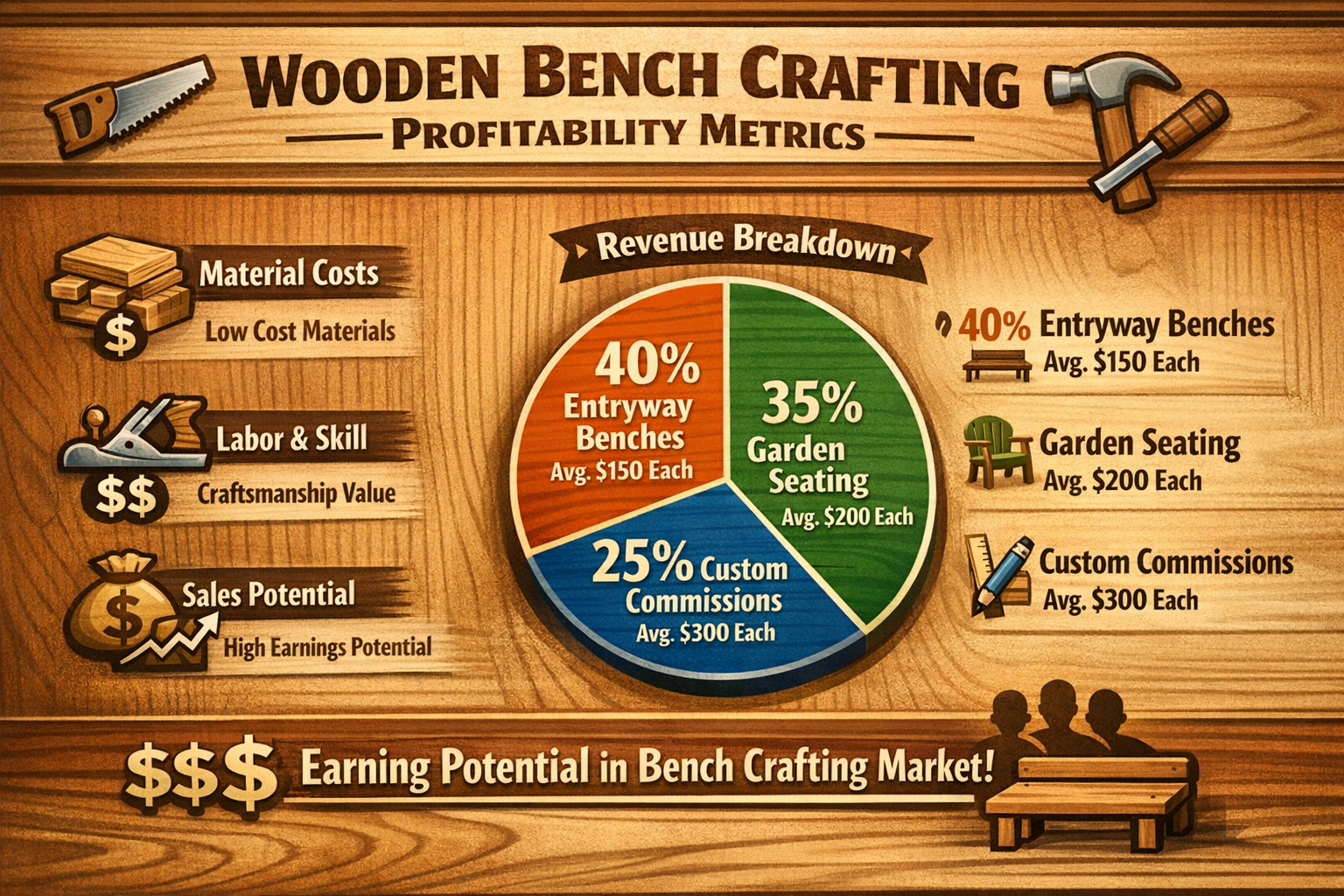
- Strategic Pricing & Marketing: Understand your costs, research market prices, and develop a clear marketing strategy to effectively sell your handcrafted benches and ensure profitability.
Building the Foundation: Wood Selection and Essential Joinery Techniques
[[IMAGE_PROMPT_1]]
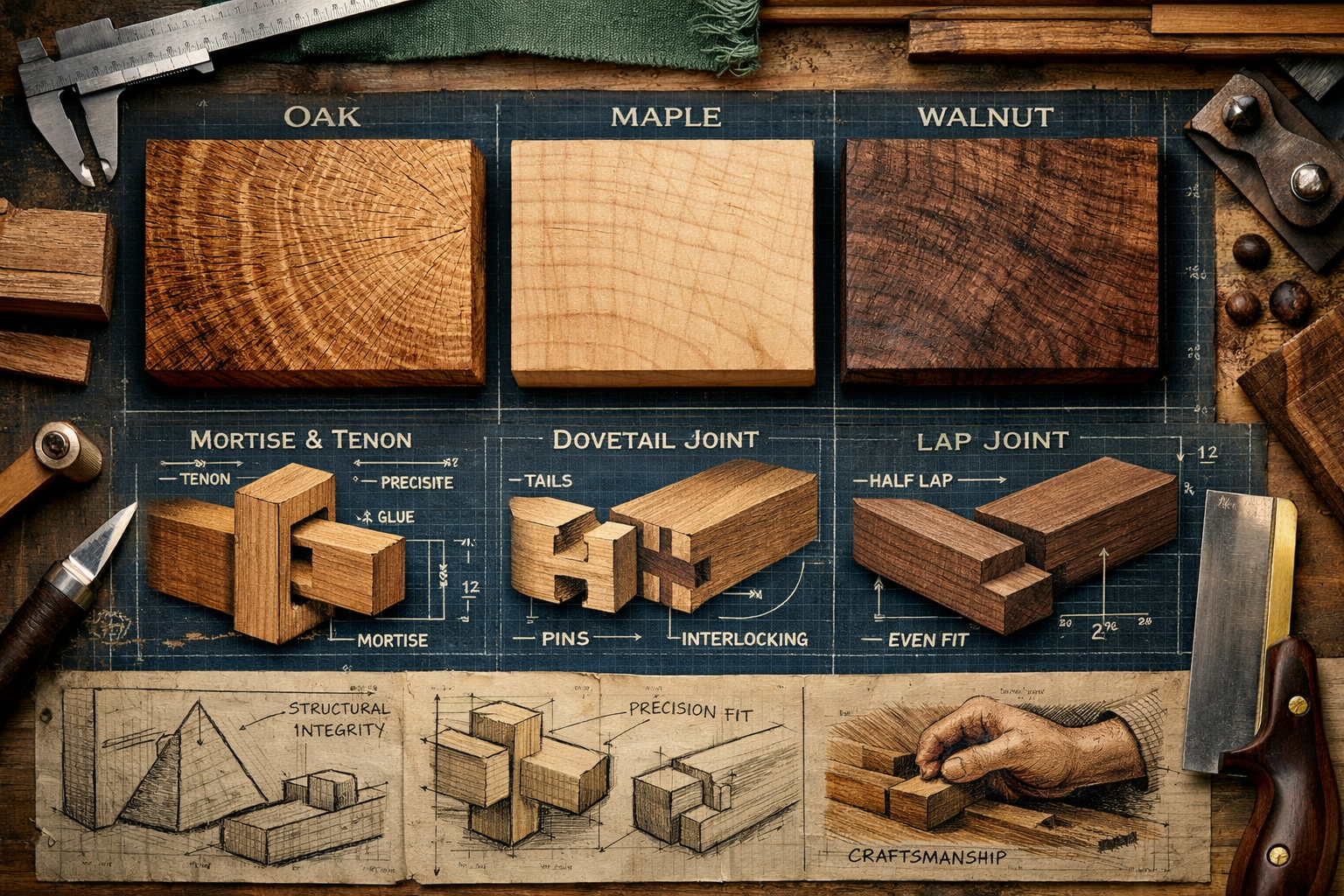
The journey to crafting profitable wooden benches begins long before the first cut is made. It starts with a thoughtful selection of timber and a mastery of joinery techniques that ensure both structural integrity and aesthetic excellence. For benches intended for sale in 2026, durability and visual appeal are paramount, dictating the choice of materials and construction methods.
Selecting the Right Wood for Your Bench Projects
The type of wood you choose will profoundly impact the bench’s final look, feel, durability, and ultimately, its price point. When considering Crafting Profitable Wooden Benches: From Entryway Seats to Garden Perches, it’s essential to match the wood to the intended environment and market.
For Entryway Benches (Indoor Use):
- Walnut: A premium choice, walnut offers stunning dark brown hues, excellent grain patterns, and exceptional durability. Its rich appearance commands higher prices and is often favored for modern and upscale interior designs. It works beautifully with various finishing techniques, including high gloss wood finishing techniques.
- Oak (White or Red): Oak is renowned for its strength, distinctive grain, and timeless appeal. White oak offers better moisture resistance, making it slightly more versatile, while red oak is a popular, slightly more affordable option. Both take stains well, allowing for diverse aesthetic outcomes. For insights into oak wood finishing techniques, explore our detailed guide.
- Maple: Known for its light color, fine grain, and extreme hardness, maple is an excellent choice for benches requiring a clean, contemporary look. It’s very durable and resists dents and scratches well.
- Cherry: A beautiful hardwood that darkens with age, developing a rich, reddish-brown patina. Cherry is moderately hard and easy to work with, ideal for elegant, traditional entryway benches.
For Garden Perches (Outdoor Use):
- Cedar: Naturally resistant to rot, decay, and insect infestation, cedar is a top choice for outdoor furniture. It’s lightweight, easy to work with, and weathers beautifully to a silvery-grey patina if left unfinished.
- Redwood: Similar to cedar in its natural resistance to decay and insects, redwood is also durable and aesthetically pleasing. It boasts rich red-brown tones that fade gracefully over time.
- Cypress: This softwood has excellent water resistance and durability, making it suitable for outdoor applications. Its light color and distinct grain are attractive, and it can be stained or left to weather naturally.
- Teak: While expensive, teak is the gold standard for outdoor furniture due offering unparalleled durability, weather resistance, and natural oils that protect against moisture and insects. If you target a luxury market, teak is an exceptional choice.
- Treated Pine: A more budget-friendly option, treated pine has chemicals infused to resist rot and insects. While less aesthetically refined than natural hardwoods, it’s a practical choice for functional outdoor benches where cost is a primary concern.
“The choice of wood defines the bench’s character. Investing in quality timber like walnut for indoor pieces or cedar for outdoor perches ensures longevity and elevates perceived value, crucial for Crafting Profitable Wooden Benches: From Entryway Seats to Garden Perches.”
Mastering Essential Joinery Techniques
The strength and longevity of any wooden bench depend heavily on the quality of its joints. Two techniques stand out for their versatility and effectiveness in bench construction: pocket holes and mortise and tenon joints.
1. Pocket Hole Joinery: Speed and Strength
Pocket hole joinery is a fast, strong, and relatively simple method ideal for efficiently building robust furniture. It involves drilling a pilot hole at an angle into one workpiece, then driving a self-tapping screw through that hole into the adjacent workpiece.
When to Use Pocket Holes:
- Frame Construction: Excellent for attaching rails to legs, or stretchers to aprons.
- Panels: Can be used to join wide boards together for a solid seat surface.
- Speed and Efficiency: When you need to build benches quickly without sacrificing significant strength.
- Beginner-Friendly: It’s an accessible technique for those new to woodworking.
Step-by-Step Pocket Hole Tutorial:
- Select Your Jig: Invest in a good quality pocket hole jig. Brands like Kreg are popular and reliable.
- Set the Depth: Adjust the drill bit collar and the jig’s stop according to the thickness of your wood. Precision is key here.
- Clamp the Wood: Secure the workpiece firmly in the jig.
- Drill the Holes: Using the specialized stepped drill bit, drill into the wood. Allow the bit to clear chips regularly.
- Assemble: Apply wood glue to the joint surfaces. Clamp the pieces together, ensuring they are flush.
- Drive the Screws: Use pocket hole screws of the correct length and thread type (coarse for softwoods, fine for hardwoods) to pull the joint tight.
| Wood Thickness | Screw Length (approx.) |
|---|---|
| 1/2 inch | 1 inch |
| 3/4 inch | 1 1/4 inch |
| 1 1/2 inch | 2 1/2 inch |
Note: Always test on scrap wood first to ensure correct settings and screw length.
2. Mortise and Tenon Joinery: Timeless Strength and Craftsmanship
The mortise and tenon joint is a classic woodworking joint revered for its exceptional strength and elegant appearance. It involves cutting a projection (the tenon) on one piece that fits precisely into a corresponding hole (the mortise) in another piece. This joint is a hallmark of fine furniture and adds significant value to handcrafted benches.
When to Use Mortise and Tenon Joints:
- High-Stress Areas: Ideal for critical structural connections, such as where legs meet aprons or stretchers.
- Premium Benches: For heirloom-quality pieces where strength, durability, and traditional craftsmanship are paramount.
- Outdoor Furniture: Offers superior resistance to racking and movement, crucial for benches exposed to the elements.
Step-by-Step Mortise and Tenon Tutorial:
- Layout: Accurately mark the location and dimensions of both the mortise and the tenon on your workpieces. Precision here is critical.
- Cut the Mortise:
- Drill Press Method: Use a drill press with a Forstner bit to remove most of the waste.
- Router Method: Use a router with a straight bit and a guide for precise cuts.
- Chisel Method: For traditionalists, carefully pare away wood with sharp chisels, working from both sides to meet in the middle.
- Cut the Tenon:
- Table Saw: Use a dado stack or make multiple passes with a standard blade and a crosscut sled.
- Bandsaw: Rough cut close to the lines, then refine with a chisel.
- Hand Saws: Use a tenon saw or back saw for precise shoulder cuts and cheek cuts.
- Test Fit: Dry fit the joint. It should fit snugly but not require excessive force. Adjust as needed with a chisel or plane.
- Glue and Assemble: Apply high-quality wood glue to both the mortise and tenon. Assemble the joint, clamping firmly until the glue dries. For added strength, you can pin the joint with a dowel.
For specific techniques to enhance durability and appearance, consider exploring guides on various wood finishing techniques that complement your chosen joinery. When it comes to Crafting Profitable Wooden Benches: From Entryway Seats to Garden Perches, combining robust joinery with premium woods like walnut offers a winning formula.
Designing for Demand: Versatile Bench Styles and Market Appeal
[[IMAGE_PROMPT_2]]
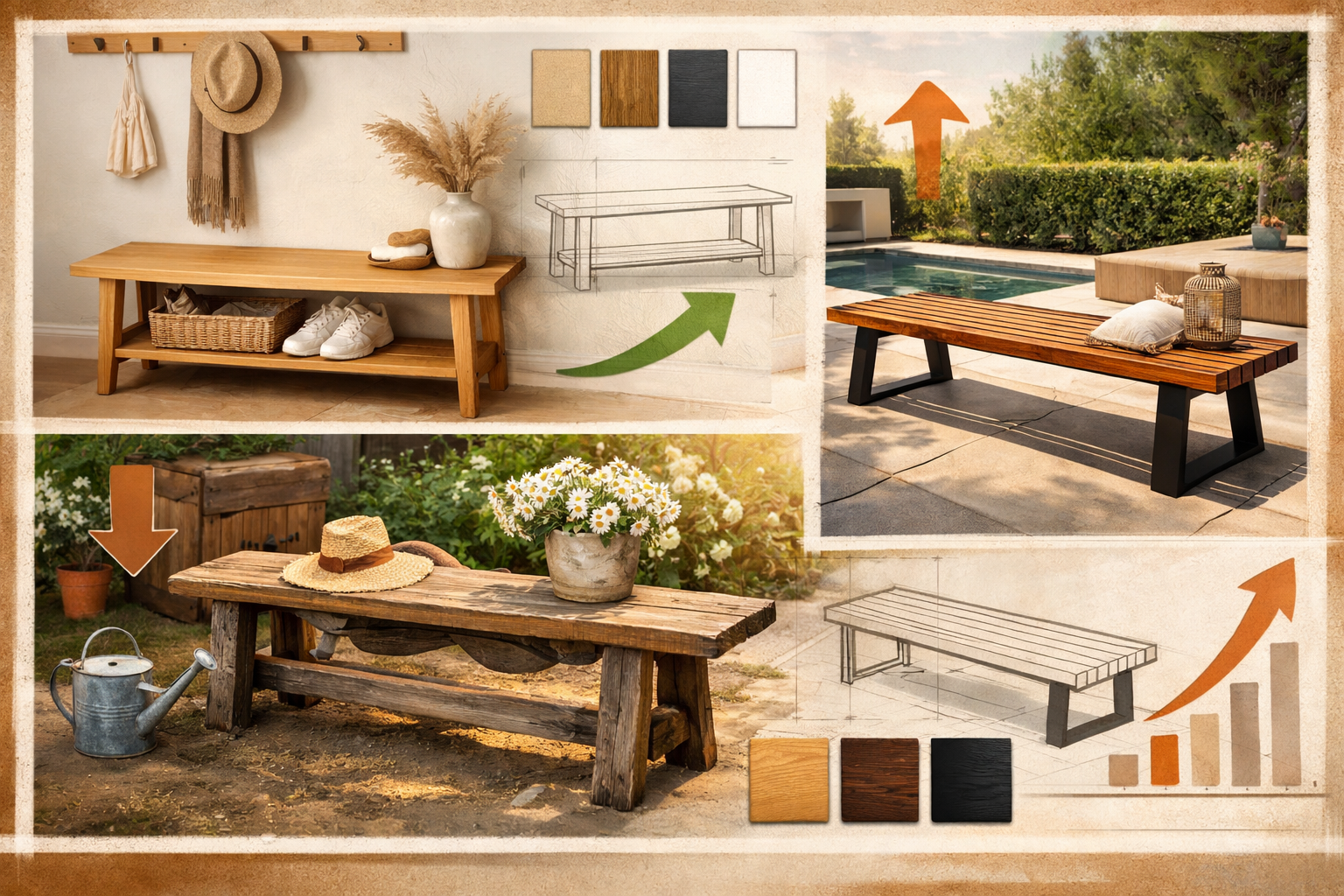
Beyond selecting the right materials and mastering joinery, the design of your wooden benches is crucial for attracting buyers and ensuring profitability in 2026. A well-designed bench doesn’t just offer a place to sit; it enhances a space, provides utility, and reflects a certain style. Thinking strategically about bench styles—from functional entryway seats to inviting garden perches—will help you tap into diverse market demands.
Entryway Benches: Style Meets Functionality
Entryway benches are often the first piece of furniture guests encounter, making them vital for setting the tone of a home. They need to be both aesthetically pleasing and highly functional. When Crafting Profitable Wooden Benches: From Entryway Seats to Garden Perches, remember that entryway pieces often require a blend of seating and storage.
Popular Entryway Bench Designs:
- Storage Benches:
- Lift-Top: A hinged lid reveals a spacious compartment underneath, perfect for shoes, hats, gloves, or pet supplies.
- Drawer Benches: Integrated drawers offer organized storage for smaller items.
- Shelf Benches: Open shelves below the seat provide easy access for shoes, baskets, or decorative items.
- Design Tip: Consider a minimalist design using light woods like maple or ash for a modern aesthetic, or rich walnut for a touch of luxury.
- Hall Tree Benches:
- These benches combine seating with vertical storage, often featuring coat hooks, upper shelves, or cubbies. They are excellent for smaller entryways where maximizing vertical space is important.
- Market Appeal: Highly functional for families, offering a complete entryway solution.
- Backless Benches:
- Sleek and versatile, backless benches can slide neatly under a window or console table when not in use. They offer flexible seating and can double as a display surface.
- Design Tip: Experiment with different leg designs – tapered, splayed, or even a solid slab base for a modern, architectural look. Consider our guide on Live Edge Wood Slabs: Forest to Finished Furniture | 2026 Gu for unique seat options.
- Upholstered Top Benches:
- Adding an upholstered cushion to the seat significantly increases comfort and allows for personalization through fabric choices. This elevates the bench from purely functional to a decorative accent piece.
- Value Add: Offer custom fabric options or removable covers for easy cleaning.
Garden Perches and Outdoor Seating: Durability Meets Comfort
Outdoor benches, whether for a sprawling garden or a cozy patio, must withstand the elements while providing a comfortable spot for relaxation. Durability and weather resistance are key considerations when Crafting Profitable Wooden Benches: From Entryway Seats to Garden Perches for exterior use.
Popular Garden Bench Designs:
- Classic Park Benches:
- These designs typically feature slatted seats and backs, often with sturdy arms. They are timeless and offer comfortable seating for multiple people.
- Material Choice: Cedar, redwood, or treated pine are excellent choices due to their natural or enhanced resistance to outdoor conditions.
- Tree Benches:
- Circular or hexagonal benches designed to wrap around the base of a tree, offering shaded seating and highlighting a garden’s natural features.
- Unique Selling Point: A niche market for homeowners with mature trees looking for distinctive outdoor seating.
- Backless Garden Benches:
- Similar to their indoor counterparts, backless garden benches are versatile, perfect for lining a pathway, placing against a wall, or as supplementary seating for outdoor gatherings.
- Durability Tip: Ensure all joints are robust (mortise and tenon is ideal) and the wood is adequately sealed to prevent moisture ingress. Consider specific sustainable finishes for reclaimed wood if using salvaged materials.
- Adirondack-Style Benches:
- While often associated with chairs, the relaxed, sloped design of Adirondack furniture can be adapted into comfortable, laid-back benches, perfect for leisurely garden lounging.
- For inspiration on this style, refer to our Beginner’s Guide to Building Adirondack Chairs: Comfortable.
- Planter Benches:
- Benches integrated with planters on either end. This design creates a cohesive seating and planting area, ideal for patios or small balconies.
- Profit Potential: Appeals to customers looking for integrated landscape solutions.
Customization and Niche Markets in 2026
To truly make Crafting Profitable Wooden Benches: From Entryway Seats to Garden Perches a success, consider offering customization. This could include:
- Size Variations: Standard benches might not fit all spaces. Offer custom lengths or depths.
- Wood Options: Provide a choice of wood types or finishes.
- Engraving/Personalization: Add names, dates, or custom designs for gifts or memorial benches.
- Modular Designs: Explore modular furniture design for woodworkers to create flexible pieces that adapt to changing needs.
By thoughtfully combining strong construction, beautiful wood, and designs that meet specific consumer needs, your benches will stand out in the crowded market of 2026.
Finishing, Pricing, and Marketing Your Wooden Benches for Profit
[[IMAGE_PROMPT_3]]
The final steps in Crafting Profitable Wooden Benches: From Entryway Seats to Garden Perches involve transforming raw wood into polished, marketable products. This includes applying the right finish, setting competitive prices, and effectively marketing your creations. These elements are just as critical as the woodworking itself in determining your success.
The Art of Finishing: Protection and Appeal
A quality finish not only protects the wood from wear, moisture, and UV rays but also dramatically enhances its natural beauty, making your benches more appealing to buyers. The type of finish should align with the wood type and the bench’s intended use (indoor vs. outdoor).
Key Finishing Considerations:
Sanding: This is the foundation of any good finish. Start with a coarse grit (e.g., 80-100) to remove imperfections, then progressively move to finer grits (e.g., 120, 150, 180, 220). For a truly smooth surface, a final pass with 320 or 400 grit might be desired for indoor pieces. Thorough sanding eliminates swirl marks and prepares the wood to absorb finish evenly.
Stains: Stains are used to alter or enhance the wood’s color while still allowing the grain to show through.
- Gel Stains: Good for woods prone to blotching (e.g., pine) or for achieving uniform color.
- Oil-Based Stains: Deep penetration, rich color, and longer open time.
- Water-Based Stains: Faster drying, low odor, and easier cleanup.
- Tip: Always test stains on scrap pieces of the same wood used for the bench to ensure the desired color.
Sealants and Topcoats: These provide the protective layer.
- For Indoor Benches:
- Polyurethane (Oil-Based or Water-Based): A highly durable and protective finish, available in various sheens (matte to high-gloss). Oil-based polyurethane offers a slightly amber tint and deepens wood tones, while water-based is clearer and faster drying.
- Varnish: Offers excellent protection, especially spar varnish for high-moisture areas like bathrooms (though less common for entryways).
- Lacquer: Dries very quickly, builds film rapidly, and offers a smooth, professional finish.
- Shellac: A natural finish that provides a warm glow and is easy to repair. Not as durable as polyurethane but beautiful.
- For Outdoor Benches:
- Spar Urethane: Specifically formulated for outdoor use, offering excellent UV and moisture resistance. It’s flexible, allowing for wood movement.
- Exterior Oil Finishes (e.g., Teak Oil, Linseed Oil blends): These penetrate the wood, providing natural protection while allowing the wood to breathe and weather naturally. They require reapplication every 1-2 years. For more on oil finishes, compare Danish oil vs. linseed oil.
- Exterior Stains/Sealants: Products designed to both color and protect outdoor wood, often containing mildewcides and UV inhibitors.
- For Indoor Benches:
Application:
- Follow manufacturer instructions precisely.
- Apply thin, even coats.
- Allow adequate drying time between coats.
- Lightly sand with fine-grit sandpaper (e.g., 320-400) between coats to ensure good adhesion and a smooth finish.
- Use appropriate safety gear: gloves, respirators, and ensure good ventilation.
Pricing Your Handcrafted Benches
Pricing is a critical aspect of Crafting Profitable Wooden Benches: From Entryway Seats to Garden Perches. It’s a balance between covering your costs, valuing your time and skill, and remaining competitive.
- Calculate Material Costs:
- Wood (per board foot or linear foot)
- Hardware (screws, glue, hinges)
- Finish (stain, sealant)
- Any upholstery materials
- Estimate Labor Costs:
- Determine an hourly rate for yourself based on your skill level and local market rates.
- Track the actual time spent on design, cutting, joinery, sanding, and finishing for each bench type.
- Account for Overhead:
- Tools and consumables (saw blades, sandpaper, electricity)
- Workshop rent/utilities (if applicable)
- Marketing expenses
- Packaging and shipping
- Research Market Value:
- Look at similar handcrafted benches on Etsy, local artisan markets, and specialty furniture stores.
- Consider the wood type, design complexity, and finish quality of competing products.
- Pricing Formula:
- A common formula is (Materials + Labor) x 2 or 2.5. This multiplier helps cover overhead and ensures a profit margin.
- Alternatively: (Materials + Hourly Rate x Hours) + Overhead + Desired Profit Margin.
- Offer Price Tiers:
- Consider offering different versions of a bench (e.g., basic pine vs. premium walnut) to cater to various budgets.
Marketing Your Benches to the Right Audience
Once your benches are beautifully crafted and priced, effective marketing is essential to reach your target customers in 2026.
- High-Quality Photography:
- Showcase your benches in attractive settings (e.g., a styled entryway, a lush garden).
- Use good lighting and multiple angles.
- Highlight details like joinery, wood grain, and finish.
- Online Presence:
- Website/E-commerce Store: A dedicated platform (like Wood Craft Wiz itself!) to showcase your portfolio and sell directly.
- Social Media: Platforms like Instagram and Pinterest are highly visual and ideal for woodworking. Use relevant hashtags (e.g., #handcraftedfurniture #woodbench #entrywaydesign #gardenfurniture #walnutbench).
- Online Marketplaces: Etsy, Amazon Handmade, or local craft platforms.
- Local Markets and Fairs:
- Participate in artisan markets, craft fairs, and home shows in your area. This allows customers to see and feel the quality of your work firsthand.
- Offer demonstrations of your techniques (e.g., pocket hole or mortise and tenon) to build trust and show craftsmanship.
- Collaborate with Interior Designers/Landscapers:
- Reach out to local professionals who might be looking for custom furniture for their clients.
- Offer trade discounts.
- Build a Strong Brand Story:
- Share your passion for woodworking, the types of wood you use, and the care you put into each piece. Customers appreciate knowing the story behind their handcrafted items.
- Emphasize sustainability if you use reclaimed or sustainably sourced wood. Our guide on Sourcing and Restoring Urban-Harvested and Reclaimed Wood: Q offers valuable insights here.
- Customer Reviews and Testimonials:
- Encourage satisfied customers to leave reviews. Positive feedback builds credibility.
By combining superior craftsmanship with smart business practices in finishing, pricing, and marketing, your venture into Crafting Profitable Wooden Benches: From Entryway Seats to Garden Perches can flourish in 2026.
Conclusion
Crafting Profitable Wooden Benches: From Entryway Seats to Garden Perches is a deeply rewarding endeavor, blending the artistry of woodworking with shrewd business acumen. As we’ve explored, success in 2026 hinges on a multi-faceted approach: beginning with the thoughtful selection of premium timbers like rich walnut for indoor elegance or resilient cedar for outdoor charm, and continuing through the meticulous application of robust joinery techniques such as efficient pocket holes and time-honored mortise and tenons.
The profitability of your benches is directly tied to designing pieces that meet genuine market demand—from versatile entryway benches with clever storage solutions to comfortable, weather-resistant garden perches that invite relaxation. Crucially, the final presentation, achieved through expert finishing, solidifies the perceived value and durability of your work.
Actionable Next Steps:
- Refine Your Skill Set: Dedicate time to practicing both pocket hole and mortise and tenon joinery on scrap wood until your technique is precise and consistent. Explore resources like “Precision Woodworking Tool Crossword: Solve the Clue!” to deepen your understanding of tools.
- Experiment with Woods and Finishes: Acquire small samples of premium woods (walnut, oak, cedar) and various finishes. Conduct tests to understand how different finishes interact with specific wood types and achieve desired aesthetics.
- Develop Diverse Designs: Sketch out several bench designs—at least one entryway bench with storage and one garden bench. Consider how you can adapt existing popular styles to create unique, marketable products. For inspiration on versatile furniture, look at “Custom Floating Shelves: Design & Install for 2026 Kitchens” which speaks to modularity and demand.
- Create a Prototype: Build one complete bench from start to finish. Document your material costs, time spent, and any challenges encountered. This hands-on experience is invaluable for streamlining your process and accurately pricing future items.
- Establish Your Brand and Presence: Begin setting up an online portfolio (even just a social media page) showcasing your woodworking journey and initial prototype. Research local craft markets for opportunities to sell.
By taking these tangible steps, you can confidently navigate the world of woodworking entrepreneurship, turning your passion into a thriving business Crafting Profitable Wooden Benches: From Entryway Seats to Garden Perches for discerning customers in 2026 and beyond.