
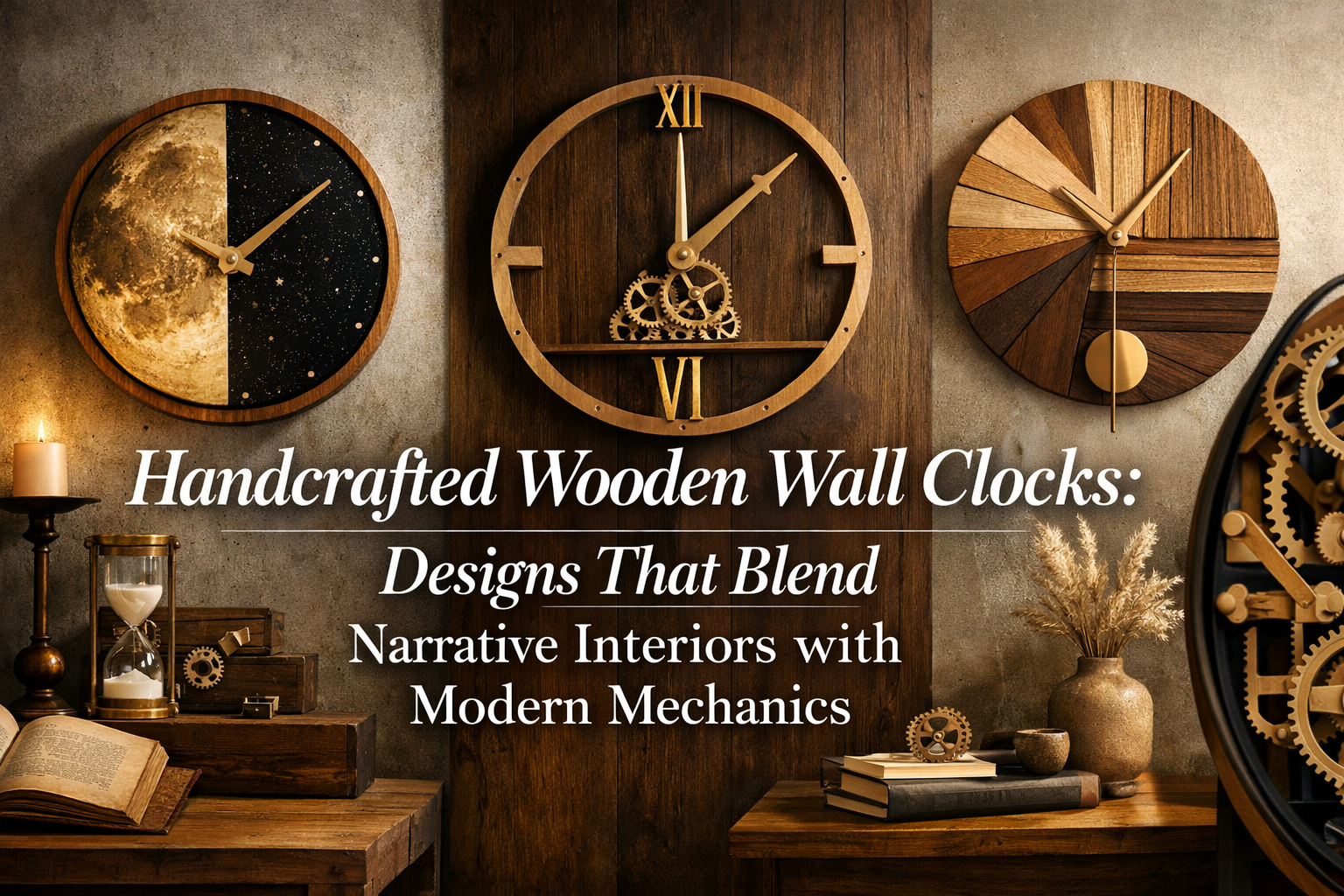
In an era dominated by digital screens and fleeting trends, there’s a profound yearning for authenticity, craftsmanship, and pieces that tell a story. This desire has fueled a remarkable resurgence in handcrafted wooden wall clocks: designs that blend narrative interiors with modern mechanics. These aren’t merely instruments for telling time; they are exquisite focal points, merging the warmth and history of natural wood with the precision and reliability of contemporary clockwork. As we move through 2026, the demand for unique, artisanal items that infuse character and soul into our living spaces continues to grow, making these clocks a cornerstone of thoughtful interior design.
The appeal lies in their ability to bridge eras. Imagine a clock crafted from centuries-old reclaimed timber, its surface bearing the marks of a previous life, yet powered by a silent, accurate quartz movement. This fusion creates a compelling dialogue between past and present, making each clock a narrative piece that resonates with personal history and modern sensibility.
Key Takeaways
- Narrative Design: Handcrafted wooden wall clocks embody storytelling through reclaimed wood, visible joinery, and artistic accents, creating unique focal points.
- Modern Mechanics: These clocks seamlessly integrate precise, silent quartz movements or exposed gear systems with traditional woodworking, ensuring reliability and a modern aesthetic.
- Sustainability & Craftsmanship: The use of sustainably sourced or reclaimed wood, coupled with expert hand-cut joinery, enhances the value and eco-friendliness of each piece.
- Interior Integration: Clocks are designed to complement 2026 interior trends, offering versatility from rustic industrial to minimalist Scandinavian styles.
- Investment in Art: Beyond functionality, these clocks are considered artistic investments that enrich home aesthetics and reflect a discerning appreciation for handcrafted quality.
The Art of Storytelling: Narrative Elements in Handcrafted Wooden Wall Clocks
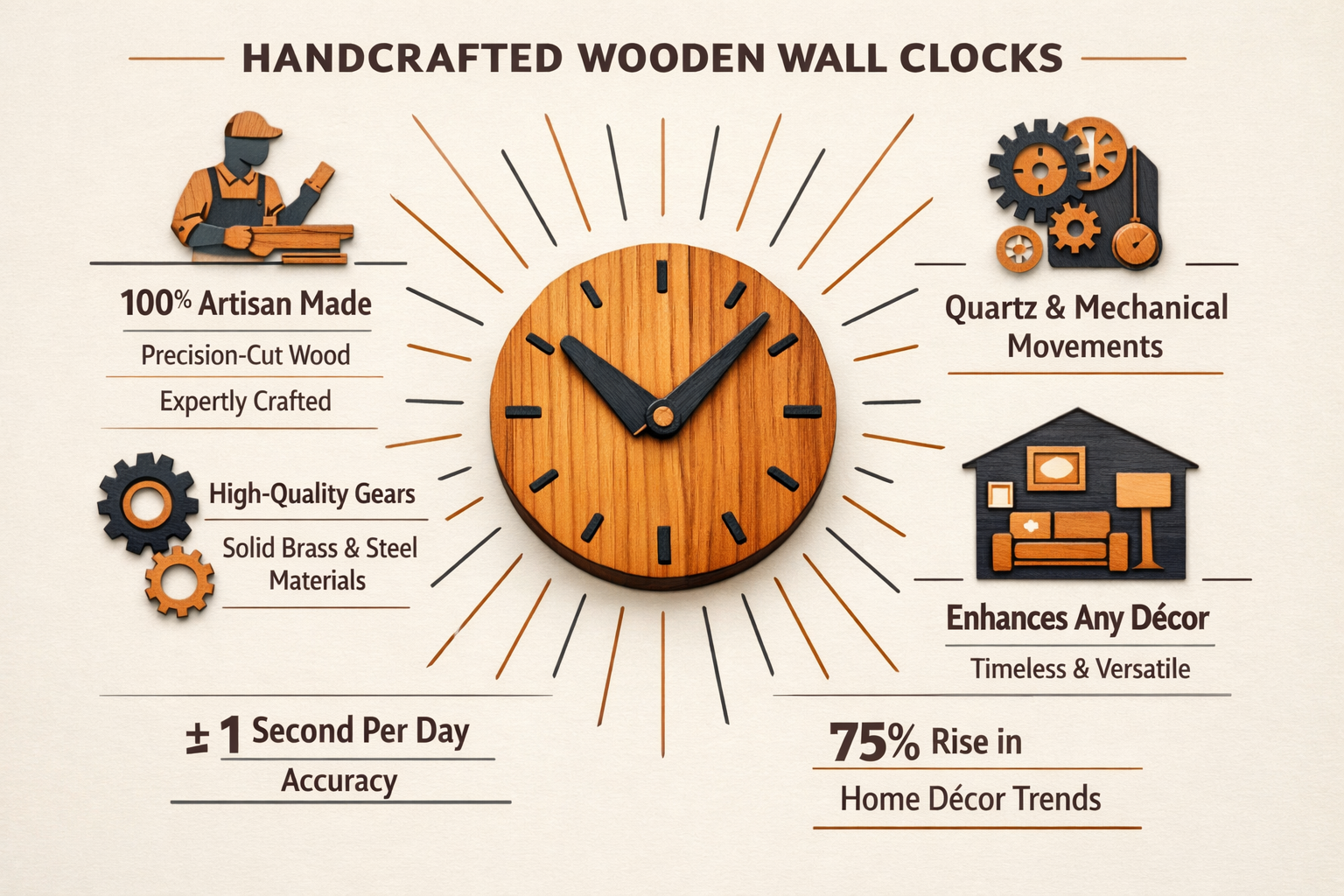
The true magic of handcrafted wooden wall clocks: designs that blend narrative interiors with modern mechanics lies in their capacity to tell a story. This narrative is woven into every fiber of the wood and every cut of the craftsman’s hand. In 2026, interior design trends increasingly favor pieces that offer character and a sense of history, moving away from mass-produced uniformity.
Reclaimed Wood: Echoes of the Past
One of the most powerful narrative elements is the use of reclaimed wood. Sourced from old barns, factories, or fallen trees, each piece of reclaimed timber carries a unique history. Its imperfections – nail holes, saw marks, natural weathering – become features, not flaws. When transformed into a clock, this wood brings an inherent depth and authenticity to any room. For instance, a clock face made from a piece of old barn wood can evoke images of rural landscapes and enduring craftsmanship, adding a rustic charm that is both comforting and sophisticated. This approach aligns perfectly with the growing interest in reclaimed wood restoration: narrative & soul for modern spac techniques, which breathe new life into discarded materials.
“A handcrafted wooden wall clock isn’t just a timekeeper; it’s a curated artifact, embedding stories into the very fabric of your home.”
Visible Joinery and Artisanal Details
The craftsmanship itself adds another layer of narrative. Unlike mass-produced items, handcrafted clocks often feature visible joinery – techniques like dovetails, mortise and tenon joints, or finger joints – that showcase the maker’s skill and dedication. These joints are not merely functional; they are decorative statements, revealing the structural integrity and artistic intention behind the piece. Consider a clock where the frame is assembled using precisely mastering modern hand-cut joinery: adapting classics for liv. This level of detail speaks volumes about quality and a deep respect for traditional woodworking.
Common Narrative-Enhancing Elements:
- Wood Species Selection: The choice of wood itself – rich walnut, sturdy oak, exotic mahogany – contributes to the narrative. Each species has its own grain pattern, color, and density, dictating the clock’s character.
- Live Edge Accents: Incorporating live edge wood slabs allows the natural form of the tree to become part of the design, celebrating nature’s artistry. This trend is prominent in 2026, extending beyond furniture to unique decorative pieces. For inspiration, explore live edge wood slabs: forest to finished furniture | 2026 Gu.
- Inlays and Carvings: Delicate inlays of contrasting wood, metal, or even stone can add intricate patterns or symbols, further personalizing the clock and weaving in specific motifs. Hand-carved details, whether abstract or representational, turn a functional item into a work of sculptural art.
- Unique Finishes: The finishing process is crucial for enhancing the wood’s natural beauty and protecting it. Techniques like hand-rubbed oils or lacquers can bring out the depth of the grain, adding to the clock’s visual story. More on this can be found in our general guide on wood finishing techniques.
The combination of these elements transforms a simple timepiece into an heirloom-quality object, inviting conversation and contemplation.
Modern Mechanics: Precision, Silence, and Exposed Gear Work
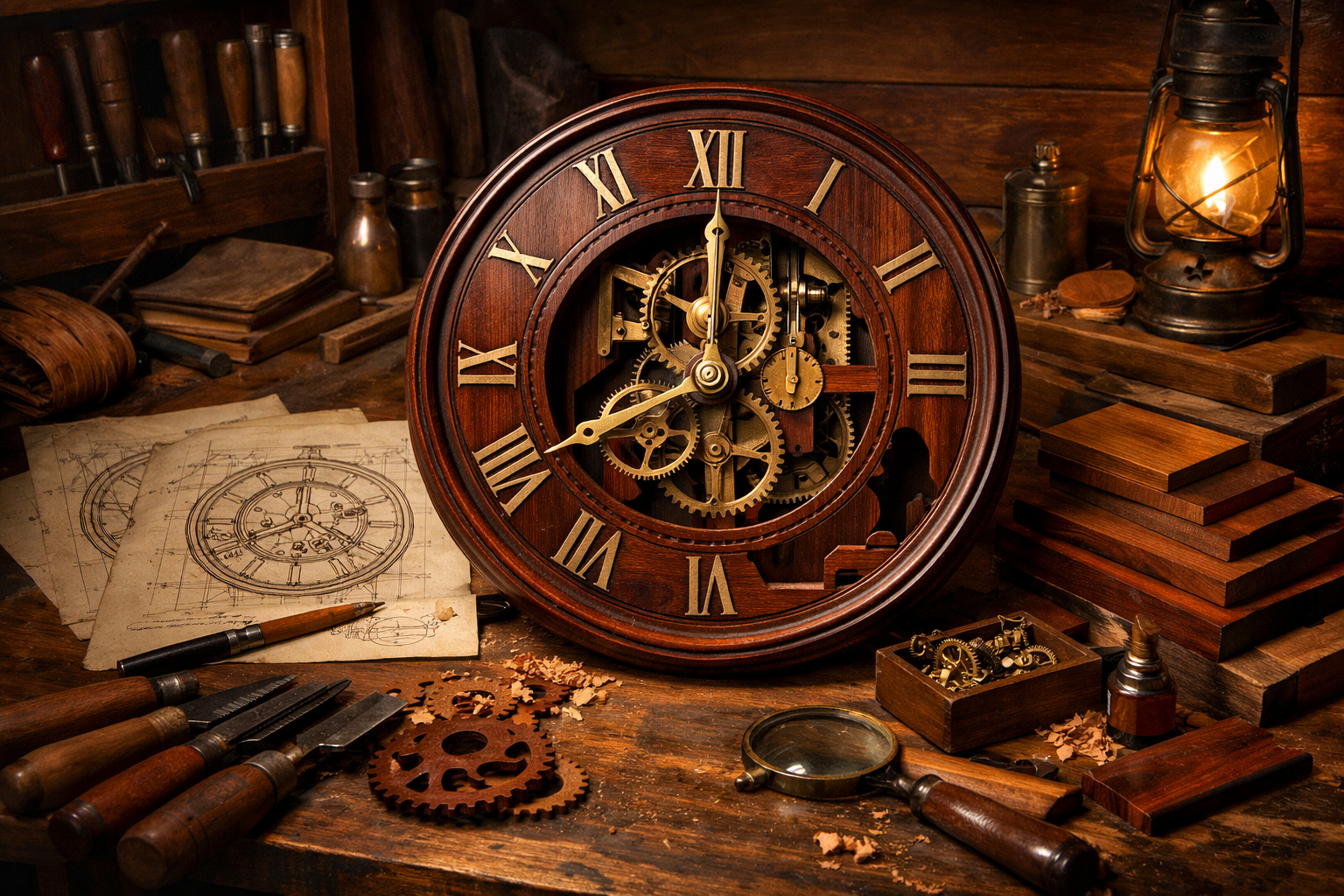
While the aesthetic of handcrafted wooden wall clocks: designs that blend narrative interiors with modern mechanics harks back to artisanal traditions, their internal workings are undeniably 21st-century. The integration of modern clock mechanisms ensures accuracy, reliability, and often, silence, a highly valued attribute in today’s homes.
The Heart of the Clock: Modern Movements
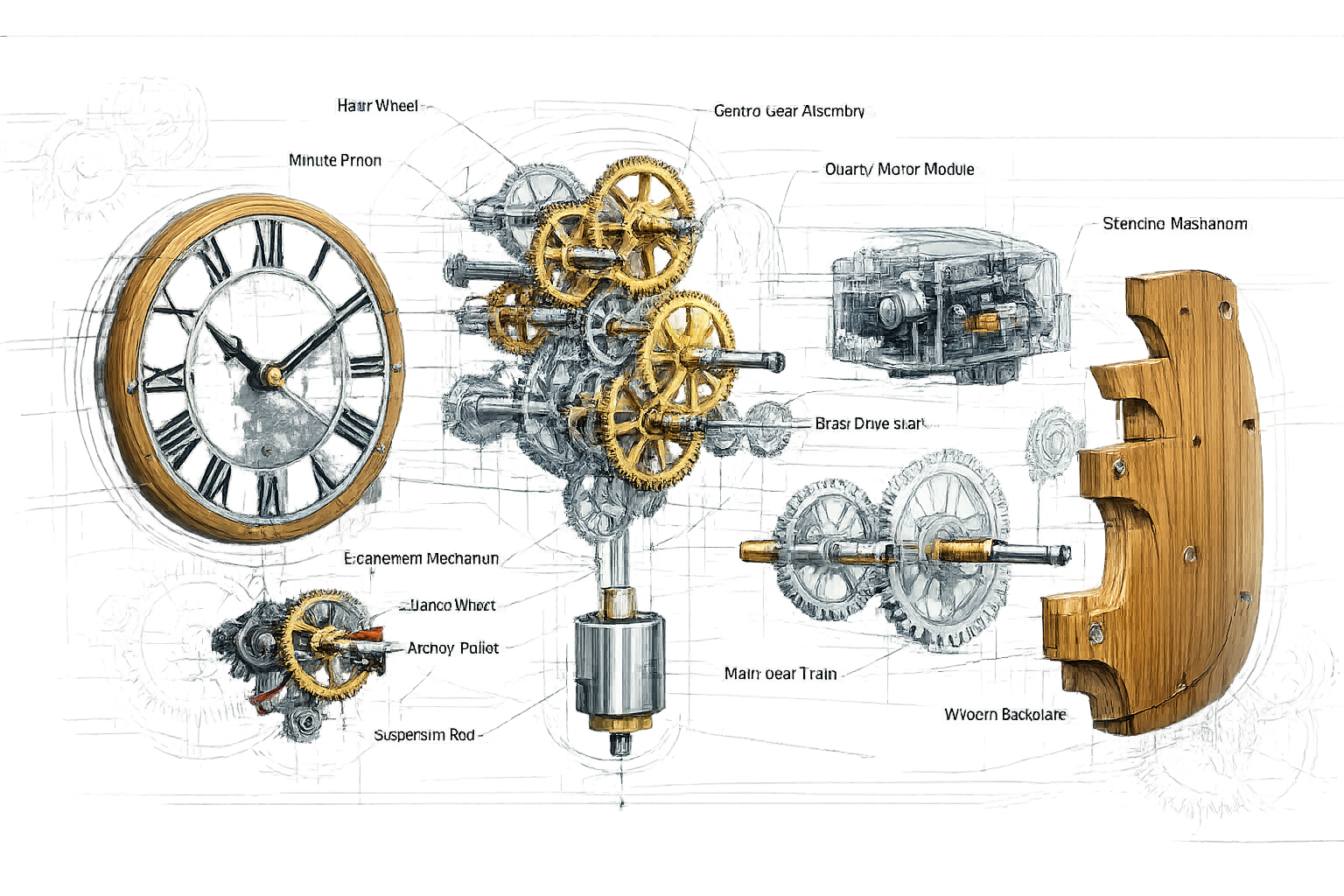
The vast majority of contemporary handcrafted wooden wall clocks utilize high-quality quartz movements. These battery-powered mechanisms are renowned for their precision and require minimal maintenance. Crucially, many modern quartz movements are designed for silent operation, eliminating the distracting “tick-tock” that can be a drawback for sensitive sleepers or those seeking a tranquil environment. This quiet functionality allows the clock to blend seamlessly into modern living spaces without imposing itself audibly.
Benefits of Modern Clock Mechanisms:
- Accuracy: Quartz movements are highly accurate, often losing or gaining only a few seconds per month.
- Silence: “Sweep” or “non-ticking” movements provide a peaceful alternative to traditional mechanical clocks.
- Low Maintenance: Battery-operated, they require only occasional battery changes.
- Compact Size: Their small form factor allows for greater design flexibility in the wooden housing.
Exposing the Inner Beauty: Visible Gears
A significant trend in handcrafted wooden wall clocks: designs that blend narrative interiors with modern mechanics for 2026 is the deliberate exposure of internal gears. This design choice serves several purposes:
- Industrial Aesthetic: It introduces an industrial or steampunk flair, appealing to those who appreciate mechanical ingenuity and a slightly edgier design.
- Visual Interest: The mesmerizing movement of brass or metal gears adds dynamic visual interest, turning the act of timekeeping into a captivating display.
- Transparency: It demystifies the clock’s operation, offering a glimpse into its precise engineering.
When combined with warm, handcrafted wood, the exposed gears create a stunning contrast – the organic against the mechanical, the ancient against the contemporary. This blend epitomizes the “modern mechanics” aspect, showcasing functional art that is both practical and thought-provoking. Designers often choose complementary metals like polished brass, copper, or dark steel for the exposed gears to enhance the clock’s overall aesthetic and narrative.
Integrating Handcrafted Wooden Clocks into 2026 Interiors
In 2026, interior design emphasizes personalized spaces, comfort, and sustainability. Handcrafted wooden wall clocks: designs that blend narrative interiors with modern mechanics are perfectly positioned to meet these demands, acting as versatile focal points that enhance various aesthetic themes. Their inherent warmth and artisanal quality make them adaptable to many styles, from minimalist to maximalist.
Complementing Diverse Design Styles
A well-chosen wooden wall clock can elevate a room’s aesthetic, adding depth and personality.
- Modern Minimalist: A sleek, unadorned clock crafted from a dark, smooth wood like walnut or wenge, featuring clean lines and a silent movement, can provide a grounded, organic element without cluttering the minimalist aesthetic. Its simplicity becomes its statement.
- Rustic Industrial: Clocks made from reclaimed wood, perhaps with exposed metal accents or visible gears, fit seamlessly into industrial-style lofts or rustic-chic farmhouses. The raw textures and aged character of the wood complement exposed brick, metal piping, and concrete elements.
- Bohemian and Eclectic: These clocks can serve as a central piece in a bohemian interior, especially those incorporating intricate carvings, painted details, or unconventional shapes. The natural material grounds the eclectic mix of patterns and textures.
- Scandinavian: Light-toned woods like birch or ash, combined with simple, functional designs, align perfectly with the clean, airy, and functional principles of Scandinavian design.
- Traditional and Transitional: A classic round or square wooden clock with elegant numerals and a refined finish can bridge traditional and contemporary styles, offering timeless appeal.
Choosing the Right Size and Placement
Beyond style, the size and placement of a handcrafted wooden wall clock are crucial for its impact.
- Focal Point: For large spaces, a grand, oversized clock can serve as a stunning focal point, drawing the eye and anchoring the room. Its presence can be as significant as a piece of art.
- Grouping: In smaller areas or hallways, a series of smaller, complementary wooden clocks can create an interesting gallery wall effect, adding visual rhythm.
- Above Furniture: Placing a clock above a mantelpiece, a console table, or a sofa is a classic arrangement that balances the furniture below. Ensure the clock is proportionate to the piece it hangs above.
- Entryways: A handcrafted wooden clock in an entryway makes a welcoming statement, offering both functionality and a touch of bespoke elegance as guests arrive.
Consider the room’s overall color palette and existing decor. A contrasting wood tone can make the clock stand out, while a complementary tone helps it blend harmoniously. The beauty of these clocks lies in their unique character; they are not just time-telling devices but significant pieces of home décor that enhance the narrative of your living space. Investing in such a piece is an investment in artistry and a commitment to creating a home that truly reflects individual taste and values. Many woodworkers also consider woodworking projects that sell: a beginner’s guide to profit which often includes unique clocks due to their high demand.
Conclusion
Handcrafted wooden wall clocks: designs that blend narrative interiors with modern mechanics represent more than just a functional object; they are a celebration of artistry, history, and precision. In 2026, as homeowners increasingly seek unique, character-filled pieces that tell a story, these clocks stand out as perfect examples of how traditional craftsmanship can harmoniously coexist with contemporary technology.
From the soulful imperfections of reclaimed wood to the precise, silent sweep of a modern quartz movement, each clock is a testament to the enduring appeal of quality, design, and meaningful decor. They serve as timeless anchors in diverse interior styles, infusing spaces with warmth, elegance, and a distinctive narrative. Whether showcasing exposed gears for a touch of industrial chic or highlighting the natural beauty of a live edge slab, these clocks are investments that enrich both the aesthetic and the soul of a home.
Actionable Next Steps:
- Identify Your Style: Consider your home’s existing aesthetic. Do you lean towards rustic, minimalist, industrial, or eclectic? This will guide your selection of wood type, finish, and overall design.
- Seek Out Artisans: Explore local craft fairs, online marketplaces specializing in handmade goods, or dedicated woodworking studios. Look for artisans who emphasize sustainable practices and transparent sourcing.
- Prioritize Quality: Pay attention to the wood species, joinery techniques, and the quality of the clock mechanism. A well-made clock is an investment that will last for generations.
- Consider Customization: Many artisans offer custom work, allowing you to choose specific wood, size, and design elements to perfectly match your vision.
- Evaluate Placement: Before purchasing, visualize where the clock will hang. Consider its size relative to the wall space and surrounding furniture to ensure it becomes a balanced and impactful focal point.
By embracing the intricate beauty and thoughtful design of handcrafted wooden wall clocks, you are choosing to adorn your space with a piece that truly transcends time.