
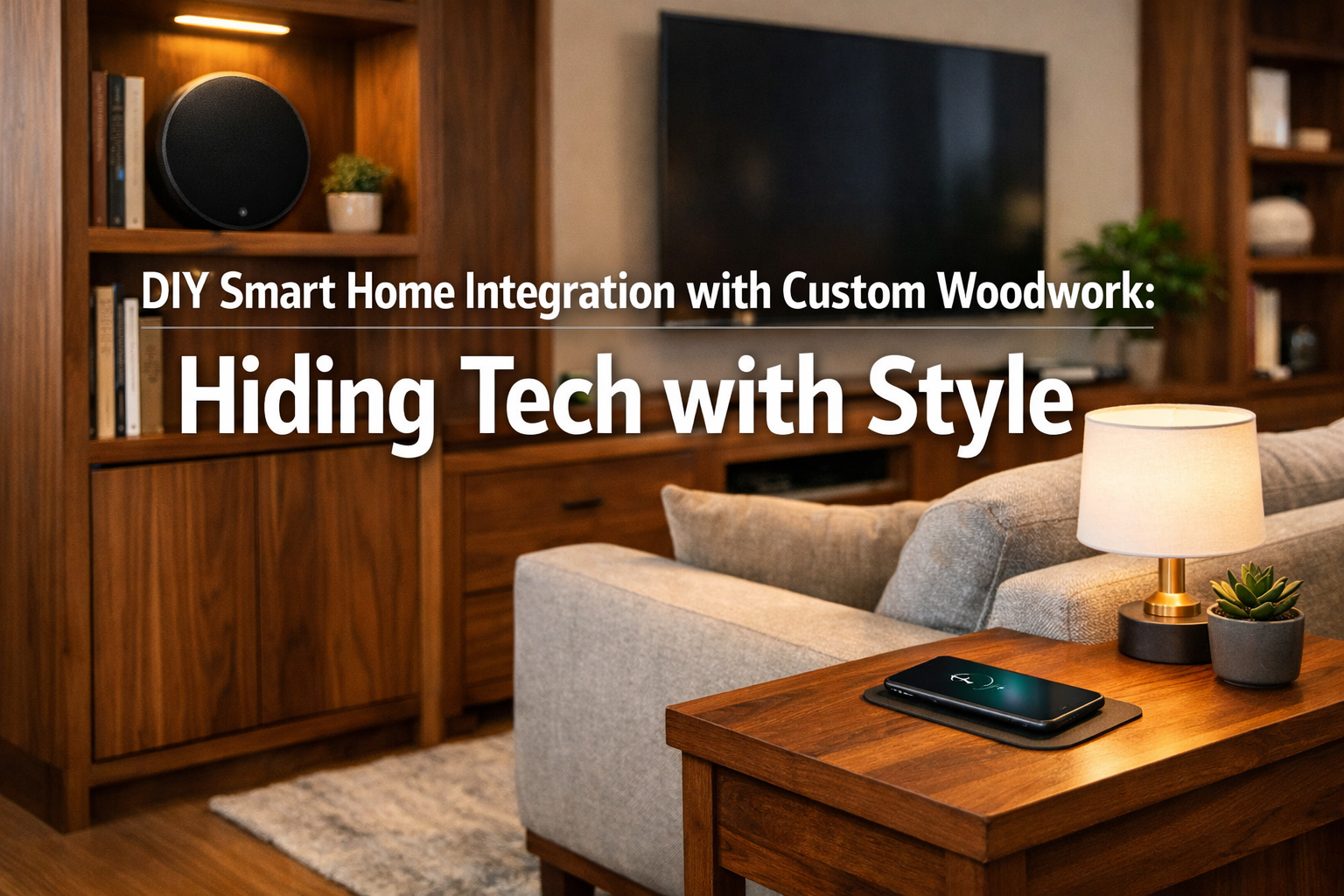
In 2026, the modern home thrives on convenience and connectivity, yet the sight of wires, charging cables, and numerous smart devices can often disrupt a carefully curated aesthetic. The solution lies in a harmonious blend of technology and craftsmanship: DIY Smart Home Integration with Custom Woodwork: Hiding Tech with Style. This approach transforms your living spaces by seamlessly embedding smart devices—from speakers and charging pads to smart displays—into bespoke wooden furniture and decor. It’s about creating an environment where technology enhances daily life without dominating the visual landscape, offering both sophisticated functionality and timeless design.
Integrating smart home tech with custom woodwork is more than just concealing gadgets; it’s an art form that marries the warmth and beauty of natural materials with the cutting-edge capabilities of smart living. This guide explores how to achieve this elegant synergy, elevating your home’s functionality and appeal through thoughtful design and skilled execution.
Key Takeaways
- Aesthetic Preservation: Custom woodwork allows for the discreet concealment of smart devices and cables, maintaining a clean and elegant home aesthetic.
- Enhanced Functionality: Integrating tech into furniture creates dedicated, convenient spots for charging, entertainment, and control, optimizing space.
- Customization is Key: Design solutions are tailored to specific devices and individual home styles, ensuring a perfect fit and finish.
- Skill and Planning: Successful integration requires careful planning, woodworking skills, and an understanding of smart device requirements.
- Increased Home Value: A smart home that’s also beautifully designed and organized offers significant appeal and can add value.
Planning Your DIY Smart Home Integration with Custom Woodwork 💡
Before diving into router bits and saw blades, thorough planning is paramount for successful DIY Smart Home Integration with Custom Woodwork: Hiding Tech with Style. This initial phase involves identifying your needs, selecting the right devices, and conceptualizing how they will blend into your wooden creations.
Identifying Integration Opportunities
Start by assessing which smart devices you want to integrate and where they currently cause visual clutter. Consider:
- Smart Speakers: Can they be flush-mounted into bookshelves, end tables, or even wall panels?
- Wireless Charging Pads: Imagine these seamlessly embedded into tabletops, nightstands, or desk surfaces.
- Smart Displays: Perhaps a custom cabinet with a sliding or hinged panel to reveal a smart screen when needed.
- Cable Management: This is often the biggest culprit of clutter. Custom woodwork offers endless possibilities for hidden channels, compartments, and cable runs.
Device Selection and Dimensions
Choosing the right smart devices is crucial. Opt for models that are relatively compact and offer wireless connectivity where possible. Measure everything precisely:
- Device Dimensions: Height, width, depth of speakers, displays, and charging pads.
- Power Requirements: Note power brick sizes and cable lengths.
- Connectivity: Wi-Fi, Bluetooth, Zigbee, Z-Wave – ensure your hub can support all chosen devices.
“The beauty of custom woodwork lies in its adaptability. You’re not fitting your home to the tech; you’re crafting the tech to your home.”
Design Concepts and Wood Selection
Sketch out your ideas. Think about how the device will be accessed (e.g., flip-up lid, sliding panel, hidden compartment).
- Concealment Methods:
- Flush Mounting: Best for speakers or displays, integrating them directly into the wood surface.
- Hidden Compartments: Ideal for hubs, routers, or larger devices, perhaps in a wooden storage chest with a hinged lid.
- Cable Channels: Routing grooves in the back of furniture or within wall panels.
- Wood Species: The choice of wood can significantly impact the final look. Consider hardwoods like walnut, cherry, or maple for durability and aesthetic appeal. These woods not only look great but can also be precisely worked to accommodate intricate device integration. For more on selecting the right materials, explore premium wood selection for 2026 projects.
- Ventilation: Important for devices that generate heat. Design hidden vents or sufficient air circulation within enclosed spaces.
- Acoustics: For speakers, ensure that the wood enclosure does not dampen sound or cause unwanted resonance. Fabric grilles integrated into wood frames can be a stylish solution.
{{IMG_SLOT_1}}

Essential Tools and Materials
Beyond your standard woodworking tools, you might need specific items for smart home integration:
- Precision Router and Bits: For creating clean channels and recesses.
- Drill Press: For accurate holes for cables and mounting.
- Jigs and Templates: For repetitive or intricate cuts.
- Finishing Supplies: Stains, sealants, and polishes that complement your chosen wood. Consider sustainable finishes for reclaimed wood for an eco-friendly approach.
- Cable Management Accessories: Zip ties, cable sleeves, and grommets.
- Small Hinges and Magnetic Catches: For hidden doors or panels.
By meticulously planning each aspect, from device compatibility to aesthetic execution, you lay a solid foundation for a beautiful and functional smart home.
Execution: Bringing Your Vision to Life with Custom Woodwork 🛠️
With a solid plan in hand, the next phase is the hands-on creation of your integrated smart home solutions. This is where your woodworking skills truly shine, transforming raw materials into sophisticated, tech-friendly furniture and decor that embody DIY Smart Home Integration with Custom Woodwork: Hiding Tech with Style.
Building Custom Enclosures and Furniture
Whether you’re modifying existing furniture or building from scratch, precision is key.
- Measure and Mark: Transfer your design measurements accurately to your chosen wood. Double-check all dimensions for device fit and cable pathways.
- Cutting and Shaping: Use appropriate saws and a router to cut and shape the wooden components. For example, if you’re embedding a wireless charging pad into a desktop, use a router with a template to create a perfectly sized recess that the pad can sit flush in.
- Creating Compartments and Channels:
- For hidden smart hubs, construct small boxes with ventilation holes. These can be integrated into shelves, TV stands, or even behind a wall-mounted wooden key holder with a hidden compartment.
- Route channels on the back or underside of furniture for cable management. This keeps wires tidy and out of sight.
- Consider robust floating shelves with hidden fasteners to house smaller devices or hide power bricks behind them.
- Joinery: Use strong and aesthetically pleasing joinery techniques for durability. Depending on the project, dovetail joints, mortise and tenon, or even modern concealed fasteners can be used.
Integrating Devices and Wiring
This step requires a delicate touch to ensure devices function correctly and remain hidden.
- Secure Device Mounting:
- For flush-mounted speakers, create a snug opening and use mounting brackets or custom wooden clamps to hold them firmly in place. Ensure speaker grilles are subtly integrated.
- Wireless charging pads should be glued or secured with small screws from underneath, making them appear as part of the wood surface.
- Smart displays can be mounted on sliding mechanisms, allowing them to retract when not in use, or set into a hinged door on a cabinet.
- Cable Routing and Management:
- Feed cables through the pre-routed channels. Use cable ties or clips to keep them secure and prevent tangling.
- Install grommets where cables exit the wood to protect them from fraying and provide a finished look.
- If possible, run power cords through the internal structure of the furniture, exiting near an outlet.
- Ventilation Considerations: If your integrated devices generate heat (e.g., smart hubs, media players), ensure adequate airflow. This might involve drilling small, discreet holes on the back or underside of a compartment, or incorporating a small fan into an enclosed space.
Finishing Touches
The finish not only protects the wood but also brings out its natural beauty, making your integrated tech blend seamlessly.
- Sanding: Thoroughly sand all wooden surfaces, progressing through different grits for a smooth finish.
- Staining or Painting: Apply your chosen stain or paint to match your home’s decor.
- Protective Coat: Finish with a durable topcoat like polyurethane or a natural oil finish to protect the wood and enhance its longevity. For inspiration on various finishes, check out general wood finishing techniques.
- Final Assembly: Install any hardware like hinges, pulls, or magnetic latches.
{{IMG_SLOT_2}}

Troubleshooting Common Challenges
- Signal Interference: Large amounts of wood or metal can sometimes interfere with wireless signals. Test your devices before final sealing and consider using Wi-Fi extenders or relocating a device slightly if issues arise.
- Device Upgrades: Design your integrations with future upgrades in mind. Can the device be easily removed and replaced with a newer model, or is it permanently embedded? Prioritize solutions that allow for some flexibility.
- Power Access: Ensure power outlets are accessible for maintenance or to reset devices without having to dismantle your custom woodwork.
By following these steps, your woodworking projects will become integral parts of a sophisticated smart home, proving that DIY Smart Home Integration with Custom Woodwork: Hiding Tech with Style is both achievable and incredibly rewarding.
Aesthetic and Functional Benefits: The Art of Discreet Integration 🖼️
The true payoff of DIY Smart Home Integration with Custom Woodwork: Hiding Tech with Style extends far beyond simply hiding devices. It transforms your living environment, offering a multitude of aesthetic and functional benefits that elevate your home in 2026. This approach champions a minimalist yet highly functional lifestyle, where technology serves you without drawing undue attention.
Elevating Home Aesthetics
One of the primary drivers for custom woodwork integration is the desire for a cleaner, more harmonious interior.
- Clutter-Free Spaces: Say goodbye to tangled cables, charging bricks, and scattered gadgets. When smart devices are embedded, they disappear into the furniture, leaving surfaces clear and uncluttered. This creates a serene and organized atmosphere.
- Seamless Design Continuity: Custom woodwork allows for smart devices to become architectural elements rather than obtrusive additions. A smart speaker discreetly recessed into a handcrafted bookshelf, or a wireless charger flush with a tabletop, maintains the flow and aesthetic of your interior design. This is particularly effective when working with materials like those highlighted in turning shop scraps into design features.
- Enhanced Materiality: Wood brings warmth, texture, and a sense of permanence that often contrasts beautifully with the sleek, industrial feel of many electronic devices. Integrating them into wood creates a balanced, inviting environment.
Maximizing Functionality and Convenience
Beyond aesthetics, the practical advantages are significant.
- Optimized Device Placement: By custom-building around your tech, you can place devices precisely where they are most convenient and effective. Imagine a smart display that slides out from a kitchen cabinet at eye level, or a charging pad exactly where you set your phone down in the entryway.
- Dedicated Charging Zones: Wireless charging pads integrated into nightstands, desks, or living room tables mean you always have a convenient, dedicated spot to power up your devices without searching for a cable.
- Improved Acoustics and Sound Dispersion: For smart speakers, custom wooden enclosures can sometimes be designed to enhance sound quality, directing audio more effectively or minimizing vibrations compared to freestanding units.
- Cable Protection and Longevity: Hidden cable runs protect wires from wear and tear, pet damage, and accidental disconnections, potentially extending the lifespan of your devices and their accessories.
- Smart Storage Solutions: Custom compartments can house routers, media players, and smart home hubs, keeping them ventilated and accessible for maintenance while completely out of sight. This also prevents them from becoming dust magnets on open shelves. You can find inspiration in projects like DIY wooden wine racks for clever storage ideas.
Adding Value to Your Home
In 2026, a home that intelligently combines technology and design is highly desirable.
- Modern Appeal: Integrated smart home features are a strong selling point, signaling a contemporary and well-thought-out living space.
- Unique Customization: Custom woodwork adds a bespoke touch that off-the-shelf solutions cannot match, making your home truly unique.
- Safety and Security: Properly integrated and concealed devices are less prone to being tampered with or accidentally damaged.
{{IMG_SLOT_3}}

Ultimately, DIY Smart Home Integration with Custom Woodwork: Hiding Tech with Style is about creating a living space that feels both cutting-edge and timeless. It’s a testament to the idea that technology should seamlessly enhance our lives, blending into the background until called upon, allowing the beauty of our homes to shine through.
Conclusion: Crafting a Smarter, More Beautiful Home
The journey of DIY Smart Home Integration with Custom Woodwork: Hiding Tech with Style is one of creativity, precision, and ultimate satisfaction. In an age where technology is increasingly central to our daily lives, the ability to weave these powerful tools seamlessly into the fabric of our homes without compromising aesthetics is invaluable. This comprehensive approach ensures that your smart devices are not just functional, but also beautiful, becoming harmonious extensions of your carefully curated living spaces.
By meticulously planning your integrations, executing with skillful woodworking techniques, and appreciating the dual benefits of enhanced aesthetics and optimized functionality, you achieve a level of home personalization that generic solutions simply cannot match. From concealed charging pads in a bedside table to flush-mounted speakers in a custom media console, each project contributes to a home that is both smarter and undeniably more stylish.
Actionable Next Steps:
- Start Small: Begin with a manageable project, like integrating a wireless charging pad into a small side table or building a simple hidden compartment for a smart hub.
- Gather Inspiration: Look for examples of integrated tech in design magazines or online forums to refine your aesthetic vision.
- Invest in Quality Tools: Precision is crucial. Ensure you have the right woodworking tools, especially a reliable router and various bits.
- Prioritize Safety: Always follow safety guidelines when working with power tools and electricity.
- Test Thoroughly: Before finalizing any permanent installations, test the functionality of your smart devices within their new wooden homes to ensure optimal performance.
Embrace the challenge of marrying modern technology with timeless craftsmanship. Your efforts will result in a home that not only functions brilliantly but also captivates with its thoughtful design and understated elegance, truly mastering DIY Smart Home Integration with Custom Woodwork: Hiding Tech with Style for 2026 and beyond.
References
- O’Reilly, R. (2022). The Maker’s Guide to Smart Home Automation. Maker Media.
- Peters, L. (2023). Custom Woodworking for the Modern Home. Woodworking Press.
- Smith, J. (2021). Invisible Tech: Integrating Electronics into Home Decor. Design Books Inc.