
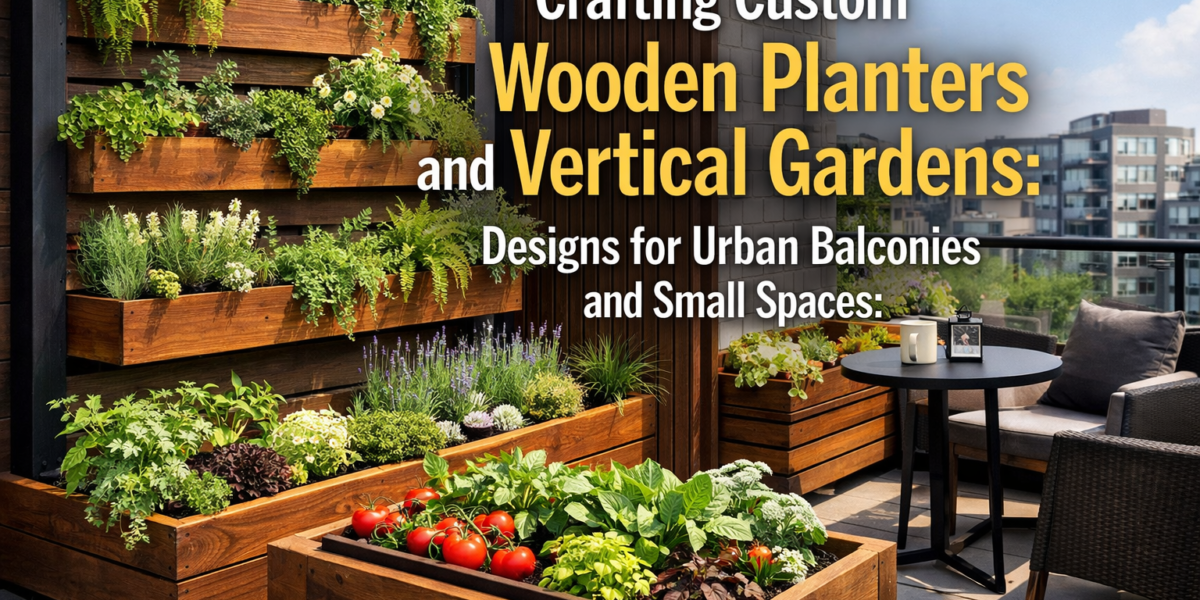
Approximately 80% of the world’s population is projected to live in urban areas by 2050, intensifying the need for green spaces within compact living environments. This shift underscores the growing interest in Crafting Custom Wooden Planters and Vertical Gardens: Designs for Urban Balconies and Small Spaces as an accessible solution. Far from being merely decorative, these bespoke wooden structures offer practical, aesthetic, and ecological benefits, transforming concrete jungles into vibrant havens. Urban dwellers, often constrained by limited outdoor areas, are discovering the profound impact that thoughtfully designed wooden planters and vertical gardens can have, not just on their immediate surroundings but on their overall well-being. This article will guide you through the process of conceptualizing, building, and maintaining these essential elements for the modern urban gardener.
Key Takeaways
- Custom wooden planters and vertical gardens maximize planting space in urban balconies and small outdoor areas.
- Selecting the right wood and understanding proper construction techniques are crucial for durability and longevity.
- Thoughtful design, considering size, weight, and drainage, is essential for successful plant growth and structural integrity.
- Vertical gardens offer innovative solutions for growing a variety of plants, from edibles to ornamentals, in minimal horizontal space.
- Regular maintenance and appropriate finishes protect wooden structures from the elements, ensuring years of enjoyment.
Essential Materials and Design Principles for Urban Greenery
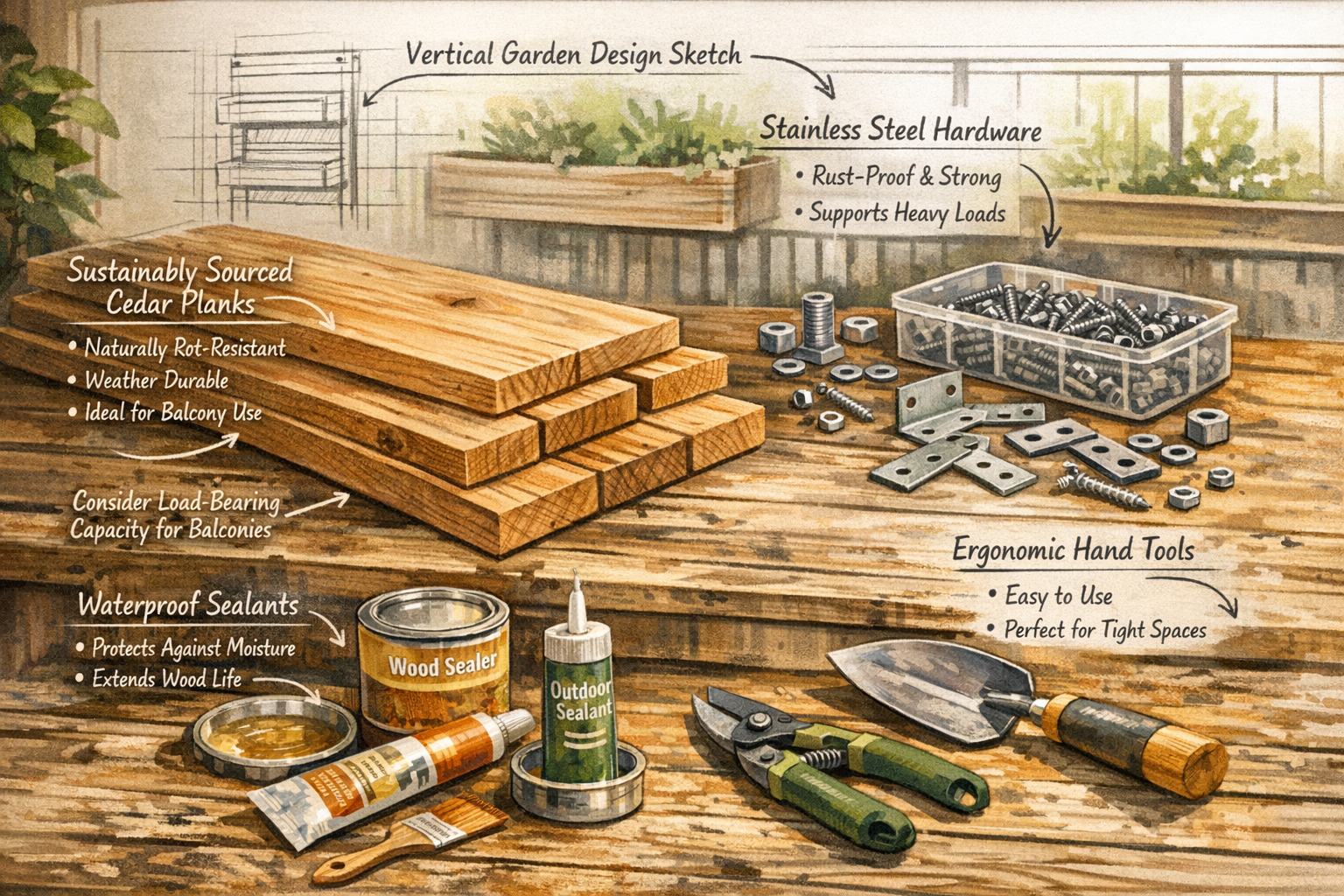
Designing and Crafting Custom Wooden Planters and Vertical Gardens: Designs for Urban Balconies and Small Spaces begins with a solid understanding of material selection and fundamental design principles. The longevity and success of your urban garden depend heavily on these initial choices, particularly when battling the elements and limited space.
Selecting the Right Wood for Outdoor Durability
The choice of wood is paramount for any outdoor project, especially for planters and vertical gardens exposed to moisture, soil, and sunlight. Certain wood species naturally resist rot and insect damage, making them ideal candidates.
Recommended Wood Types for Outdoor Planters:
| Wood Type | Characteristics | Best Use Cases | Pros | Cons |
|---|---|---|---|---|
| Cedar | Lightweight, naturally rot-resistant, aromatic | Raised beds, decorative planters, vertical panels | Excellent durability, beautiful aesthetic | Can be more expensive |
| Redwood | Highly rot-resistant, stable, rich color | Large planters, structural vertical gardens | Premium durability, withstands harsh weather | High cost, limited availability |
| Treated Pine | Pressure-treated with preservatives for decay and insect resistance | Structural supports, budget-friendly large planters | Economical, widely available, very durable | Chemical treatment concerns (use liners), less attractive initially |
| Cypress | Water-resistant, relatively lightweight, attractive grain | Smaller decorative planters, herb boxes | Good natural resistance, stable | Moderate cost, can be harder to find |
Consider sourcing reclaimed or salvaged wood for an eco-friendly and unique aesthetic. Our guide on Sourcing Reclaimed and Salvaged Wood: Quality Assessment, Restoration, and Safe Handling offers valuable insights into selecting the best materials. When using treated lumber, always line the interior of planters with a waterproof, food-grade barrier to prevent chemicals from leaching into the soil, especially for edible plants.
Planning Your Planter and Vertical Garden Designs
Before cutting any wood, meticulous planning is essential. Urban balconies and small spaces demand innovative designs that maximize both planting area and aesthetic appeal without overcrowding.
Key Design Considerations:
- Space Assessment: Measure your balcony or chosen area precisely. Account for railings, doors, and walkways.
- Weight Limitations: Balconies have weight limits. Consider the combined weight of soil, water, plants, and the wooden structure itself. Use lightweight soil mixes where possible.
- Sunlight Exposure: Observe how sunlight moves across your space throughout the day. This will dictate plant choices and the best placement for your planters.
- Drainage: Proper drainage is critical to prevent root rot and protect wooden structures from water damage. Plan for drainage holes and potentially a saucer or drip tray system.
- Watering Access: Think about how you will water your plants. A vertical garden might benefit from an integrated drip irrigation system.
For small spaces, consider designs that incorporate multiple functions, such as planters with integrated seating or storage. Our article on Smart Workshop Storage Solutions: Maximizing Small Spaces with Modular Systems and DIY Organizers can provide inspiration for efficient, multi-purpose design, applicable even to garden solutions.
Construction Techniques for Custom Wooden Planters and Vertical Gardens
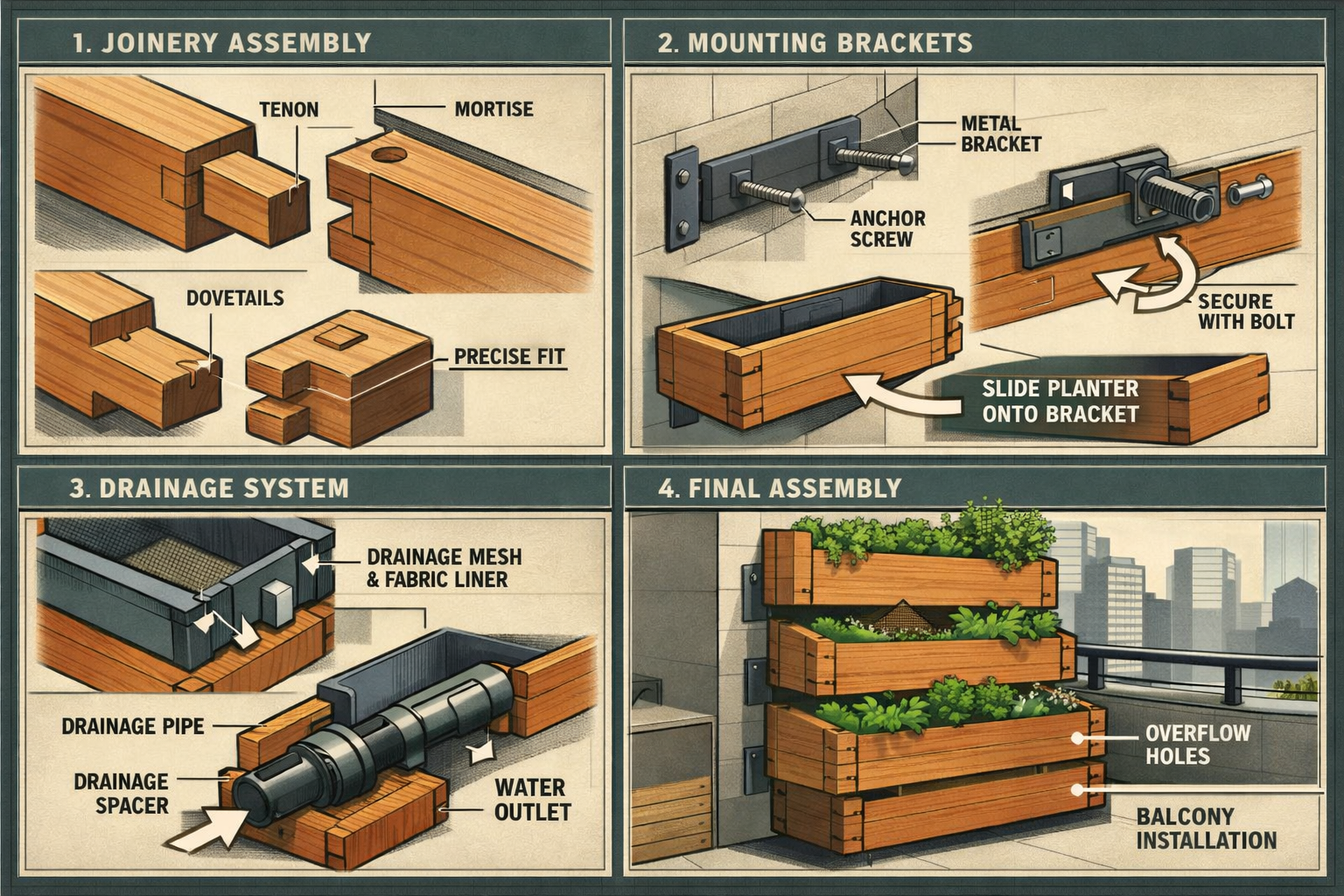
Once your design is finalized and materials are sourced, the next step involves the actual construction. Precision in cutting, joinery, and finishing ensures a sturdy and beautiful final product. Crafting Custom Wooden Planters and Vertical Gardens: Designs for Urban Balconies and Small Spaces requires attention to detail and appropriate woodworking skills.
Building Traditional Planters and Raised Beds
Traditional planters range from simple rectangular boxes to more complex tiered designs. The basic principles, however, remain consistent.
Steps for Building a Basic Wooden Planter:
- Cut Your Lumber: Measure and cut all pieces according to your design plans. This typically includes four side panels and a bottom panel. Ensure all cuts are square for tight joints.
- Assemble the Sides: Use waterproof wood glue and weather-resistant screws or nails to join the side panels. Butt joints are common for planters, but consider more robust options like rabbet or dado joints for added strength and cleaner aesthetics. For deeper insights into joinery, refer to our Beginner’s Guide to Essential Woodworking Joints: When to Use Which and How to Master Them.
- Attach the Bottom: Secure the bottom panel to the assembled sides. Leave small gaps between the bottom slats or drill several large drainage holes (at least 1/2 inch in diameter) to ensure adequate water runoff.
- Add Legs or Feet (Optional): Elevating the planter off the ground improves air circulation, prevents moisture buildup, and protects the wood from rot. Small wooden blocks or feet work well. For larger planters, consider designing custom DIY Wooden Plant Stands: Elevate Your Indoor Garden with Custom Heights and Styles that can support the weight.
- Apply Finish: Once assembled, sand the entire planter smooth and apply a suitable outdoor finish to protect the wood.
Constructing Vertical Garden Systems
Vertical gardens offer an innovative solution for maximizing planting density in minimal space. They can be freestanding, wall-mounted, or integrated into railing systems.
Popular Vertical Garden Designs:
- Pocket Systems: Fabric pockets or modular plastic containers attached to a wooden frame or directly to a wall. Wood frames provide structure and aesthetic appeal.
- Tiered Planters: Stacked boxes or shelves that create a cascading effect. These are excellent for herbs or strawberries.
- Pallet Gardens: Re-purposing wooden pallets into vertical planters. Ensure the pallets are heat-treated (HT stamp) and not chemically treated (MB stamp) for safety, especially with edibles.
- Wall-Mounted Trellis Systems: A wooden grid or trellis to which small pots can be hung, or climbing plants can be trained.
For wall-mounted systems, robust fastening is crucial. Use appropriate anchors for your wall type and ensure the structure can bear the full weight of saturated soil and mature plants. For inspiration on secure mounting, explore our guide on Building Robust Floating Shelves: Advanced Fastening Systems.
Finishing and Maintenance for Longevity
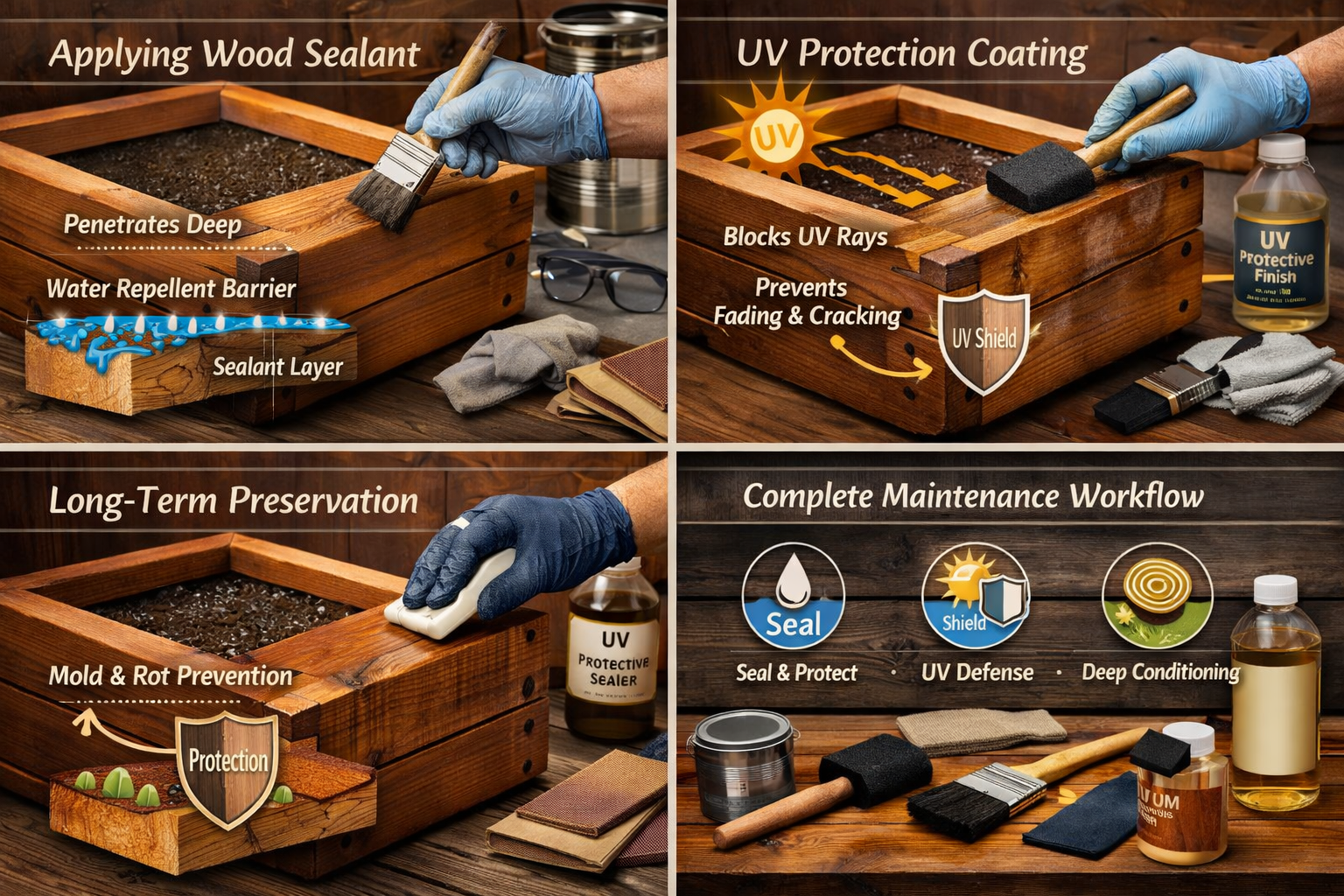
The final steps in Crafting Custom Wooden Planters and Vertical Gardens: Designs for Urban Balconies and Small Spaces are finishing and ongoing maintenance. These actions are crucial for protecting your investment, enhancing the appearance of the wood, and ensuring your urban garden thrives for years to come.
Applying Protective Finishes
Outdoor wooden structures require robust protection against moisture, UV rays, and temperature fluctuations.
Types of Outdoor Wood Finishes:
- Penetrating Oils (e.g., Danish Oil, Linseed Oil): These oils soak into the wood, providing natural protection while highlighting the grain. They are easy to reapply but may require more frequent maintenance (annually or biannually). Our comparison of Danish Oil vs. Linseed: The Ultimate Wood Finishing Guide can help you choose.
- Stains: Stains add color and some UV protection. They penetrate the wood but also leave a pigment on the surface. They can significantly alter the appearance of the wood.
- Sealants/Water-Repellents: These form a protective barrier on the surface, repelling water. They are excellent for preventing rot but may not offer much UV protection unless combined with a stain.
- Exterior Paints: Provide maximum protection and allow for custom color schemes. Ensure you use paints specifically formulated for outdoor use and direct contact with soil if painting the interior.
Always apply finishes to clean, dry wood, following the manufacturer’s instructions. Multiple thin coats are generally better than one thick coat.
Ongoing Maintenance for Thriving Gardens
Even with the best construction and finish, your wooden planters and vertical gardens will benefit from regular care.
Key Maintenance Tips:
- Inspect Annually: Check for signs of rot, loose screws, cracks, or insect damage. Address any issues promptly.
- Reapply Finish: Depending on the finish type and climate, reapply protective coats every 1-3 years. Sand lightly between coats if necessary.
- Ensure Drainage: Regularly check that drainage holes are clear of debris. Clogged holes can lead to waterlogging and wood rot.
- Clean Regularly: Wipe down exterior surfaces to remove dirt, mold, or algae buildup. A mild soap and water solution often suffices.
- Rotate and Refresh Soil: Every few seasons, consider rotating plants and refreshing the soil to maintain fertility and prevent nutrient depletion. For vertical gardens, this might involve temporarily removing entire plant sections.
- Consider Liners: For all wooden planters, a heavy-duty landscaping fabric or plastic liner stapled to the interior can add an extra layer of protection, preventing soil from directly contacting the wood and extending its lifespan.
By combining thoughtful design, quality craftsmanship, and diligent maintenance, your custom wooden planters and vertical gardens will provide a beautiful and productive green space for your urban balcony or small area for many seasons to come.
Conclusion
The pursuit of green living in an increasingly urbanized world makes Crafting Custom Wooden Planters and Vertical Gardens: Designs for Urban Balconies and Small Spaces not just a hobby, but a vital component of sustainable urban dwelling in 2026. From selecting the right rot-resistant wood like cedar or redwood to employing sturdy construction techniques and applying protective finishes, every step contributes to the longevity and aesthetic appeal of your garden. These custom-built structures offer an unparalleled opportunity to transform overlooked corners into vibrant, productive ecosystems, enhancing both personal well-being and local biodiversity.
By embracing the principles outlined in this guide – thoughtful design, durable materials, precise construction, and consistent maintenance – you can create a flourishing green oasis tailored perfectly to your compact urban environment. Take the first step today: measure your space, sketch your vision, and begin the rewarding journey of building your custom wooden garden. Your urban sanctuary awaits.