

A seasoned woodworker, halfway through a complex commission, once confided that the difference between a good project and a truly exceptional one often lies not in the joinery or the finish, but in the initial choice of lumber. It’s a profound truth, underscoring that the foundation of any enduring and beautiful wooden creation is Mastering the Art of Wood Selection: Choosing the Right Lumber for Your Project’s Durability and Aesthetics. This isn’t merely about picking a pretty plank; it’s about understanding the innate characteristics of each wood species – its strength, stability, workability, and how it responds to its environment and the craftsman’s touch. In 2026, with an increasing appreciation for bespoke craftsmanship and sustainable practices, making informed wood choices is more critical than ever.
Key Takeaways
- Species-Specific Properties: Different wood species possess unique characteristics in terms of hardness, grain, color, and stability, directly impacting a project’s durability and aesthetic.
- Project Suitability: The intended use and environmental exposure of a project dictate the most appropriate wood selection (e.g., outdoor furniture needs weather-resistant wood).
- Aesthetics and Finish: Grain pattern, color, and how a wood accepts stains and finishes are crucial considerations for achieving the desired visual appeal.
- Workability and Cost: The ease with which a wood can be cut, shaped, and joined, along with its cost and availability, are practical factors in lumber selection.
- Sustainable Sourcing: Prioritizing sustainably harvested or reclaimed lumber is an increasingly important ethical and environmental consideration.
Understanding Wood Properties: The Foundation of Smart Selection
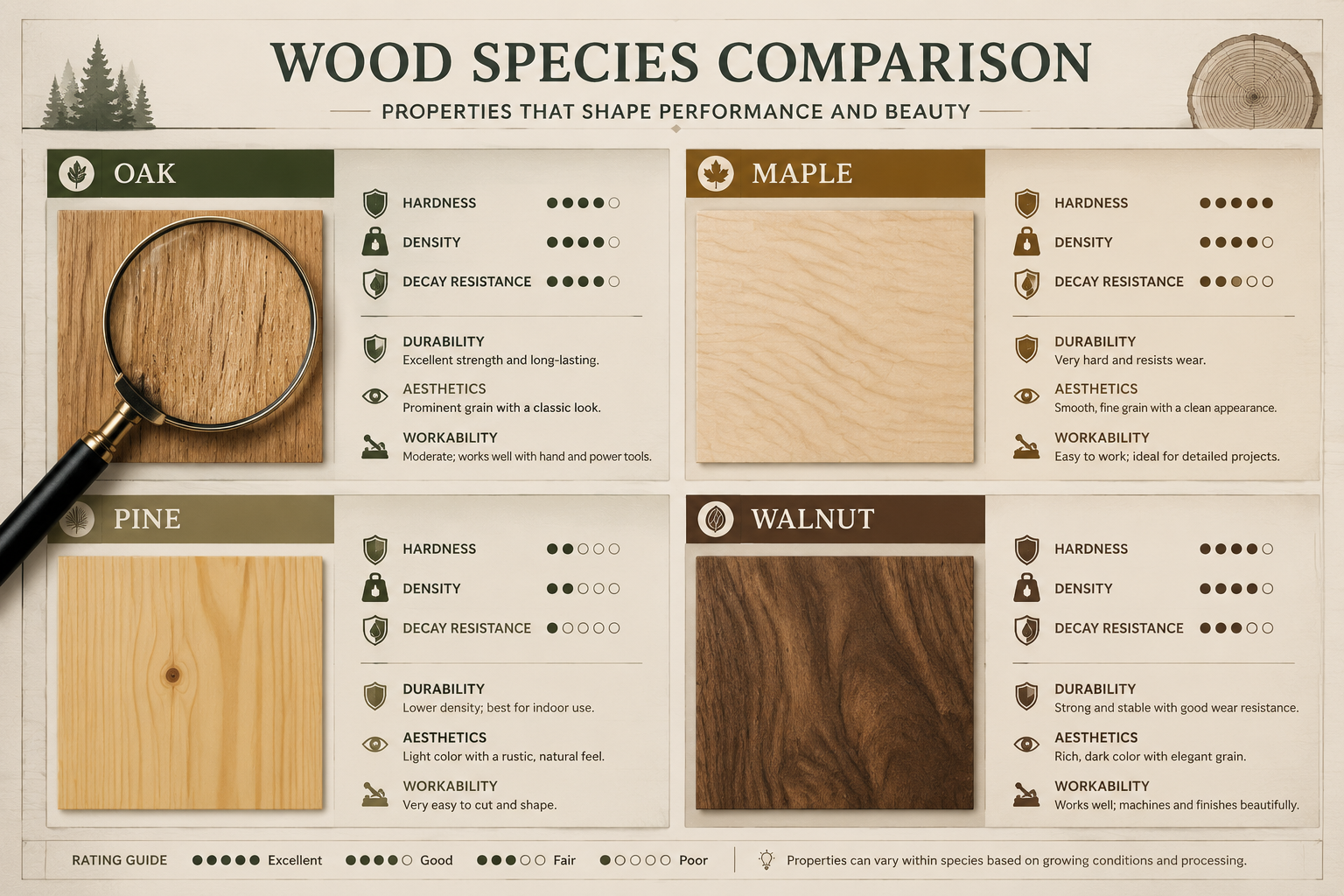
Before a single cut is made, a deep dive into the properties of various wood species is essential. Each type of wood offers a unique combination of characteristics that will profoundly influence the success and longevity of your project. Mastering the Art of Wood Selection: Choosing the Right Lumber for Your Project’s Durability and Aesthetics begins here, with a clear understanding of what makes each species distinct.
Hardness and Durability
Wood hardness, often measured by the Janka scale, indicates a wood’s resistance to dents, wear, and impact. This is a critical factor, especially for items that will see heavy use.
- Softwoods: Generally from coniferous trees (pine, cedar, fir), softwoods are typically less dense and easier to work with. They are often used for framing, construction, and some furniture where a rustic look or lighter weight is desired. While “soft,” many softwoods possess excellent strength-to-weight ratios.
- Hardwoods: Originating from deciduous trees (oak, maple, walnut, cherry), hardwoods are generally denser, stronger, and more durable. They are favored for fine furniture, flooring, cabinetry, and other applications requiring longevity and resistance to wear.
| Wood Type | Janka Hardness (lbf) | Common Uses | Pros | Cons |
|---|---|---|---|---|
| Red Oak | 1290 | Furniture, Flooring, Cabinets | Durable, strong, accepts stain well | Can splinter, open grain requires filler |
| Hard Maple | 1450 | Furniture, Butcher Blocks, Flooring | Very hard, dense, light color, smooth grain | Can be difficult to work, prone to burning |
| Walnut | 1010 | Fine Furniture, Veneer, Carving | Rich color, stable, carves beautifully | Expensive, limited supply |
| Pine | 380-690 | Construction, Rustic Furniture, Crafts | Inexpensive, easy to work, lightweight | Prone to dents, knots can be an issue |
| Cherry | 950 | Fine Furniture, Cabinetry | Beautiful aging, smooth grain, stable | Expensive, darkens with age |
| Poplar | 540 | Paint-grade projects, secondary wood | Inexpensive, stable, takes paint well | Soft, not ideal for clear finishes |
Grain Pattern and Aesthetics
The grain of wood refers to the arrangement of its fibers, which creates unique visual patterns. This is a primary aesthetic consideration.
- Straight Grain: Fibers run parallel, offering a clean, uniform look.
- Figured Grain: Includes patterns like curly, quilted, bird’s-eye, or burl, which are highly prized for their unique visual appeal and often fetch a higher price.
- Open Grain: Features prominent pores (e.g., oak, ash) which can create a distinct texture and may require grain filler for a perfectly smooth finish.
- Closed Grain: Has very small or no visible pores (e.g., maple, cherry), resulting in a smooth, uniform surface that takes finishes beautifully.
Understanding these characteristics is vital when considering projects like building custom wooden key holders where intricate details and a refined appearance are paramount.
Stability and Workability
- Stability: How much a wood moves (shrinks, swells, warps) in response to changes in humidity. Some woods are naturally more stable than others, a critical factor for large panels, doors, or projects in fluctuating environments. Properly dried lumber is always more stable.
- Workability: How easy a wood is to cut, plane, sand, and join. Factors like hardness, grain, and density all play a role. Softer woods are generally easier to work, while some hardwoods can be challenging but offer superior results. For example, some woods are excellent for detailed hand tool joinery, while others are better suited for power tools.
Matching Wood to Project: Durability Meets Design
The ultimate goal of Mastering the Art of Wood Selection: Choosing the Right Lumber for Your Project’s Durability and Aesthetics is to perfectly match the wood to its intended purpose. A dining table requires different properties than a decorative wall hanging.
Indoor Furniture and Cabinetry
For indoor applications, durability is still key, but aesthetics and how the wood accepts finishes often take precedence.
- High-Traffic Items (Dining Tables, Desks, Floors): Hardwoods like oak, maple, and walnut are excellent choices due to their resistance to wear and tear. Their stability also prevents warping in climate-controlled indoor environments. Consider our guide on high-demand woodworking projects for 2026 for ideas that benefit from robust wood choices.
- Cabinetry and Shelving: Maple, birch, and poplar are common. Maple and birch offer durability and a clean look, while poplar is often used for painted cabinets or as a secondary wood due to its cost-effectiveness and stability. For robust floating shelves with hidden fasteners, stability and strength are paramount.
- Decorative Items (Picture Frames, Small Projects): Almost any wood can be used, with the choice driven by desired color, grain, and finishing characteristics. Exotic woods or reclaimed lumber can add unique flair. Projects like engraved wooden coasters allow for a wide range of wood aesthetics.
Outdoor Projects and Weather Resistance
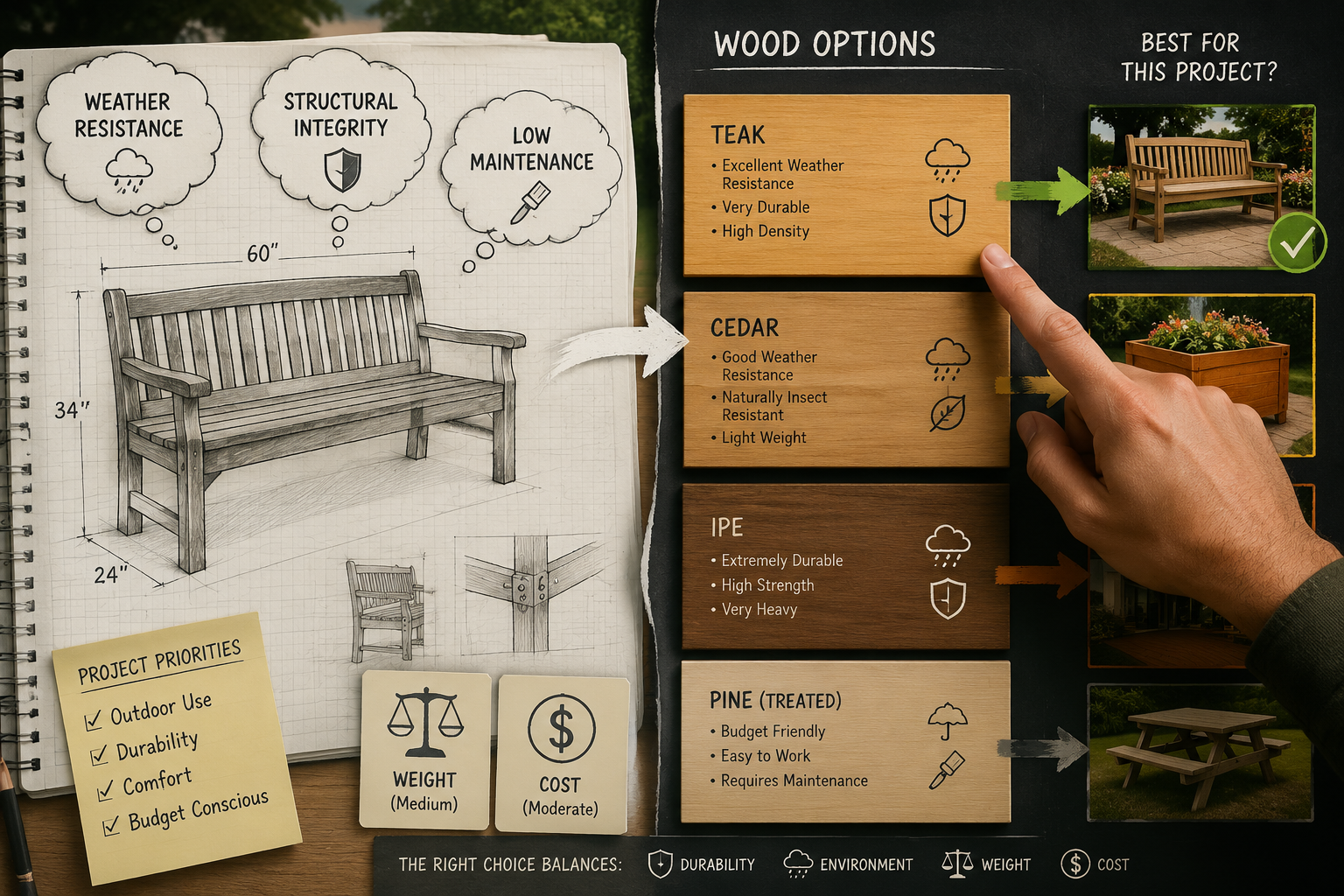
Projects exposed to the elements demand woods with natural resistance to decay, insects, and moisture.
- Decking and Fencing: Pressure-treated pine is common for its affordability and resistance, but woods like cedar, redwood, and cypress offer natural resistance and can be left unfinished or stained.
- Outdoor Furniture (e.g., Adirondack Chairs): Teak is the gold standard for its exceptional weather resistance and durability, though it’s expensive. Cedar, redwood, and even treated pine are more economical options. Look at guides like building Adirondack chairs for suitable wood recommendations.
- Garden Structures (Planters, Birdhouses): Cedar and redwood are excellent. Less expensive options include treated pine or even reclaimed pallet wood, provided it’s safe and properly finished. For building wooden birdhouses, durability against the elements is crucial.
Specialty Applications
Some projects have very specific requirements:
- Cutting Boards: Hard maple is a top choice due to its hardness, dense grain (less prone to bacteria), and food-safe properties. Walnut and cherry are also popular.
- Musical Instruments: Specific woods are chosen for their acoustic properties, like spruce for guitar tops or maple for backs and sides.
- Turning Projects: Dense, stable woods with interesting grain patterns are preferred, such as exotic hardwoods, maple, or walnut. Consider our ultimate guide to wood lathe turning for more on this.
The Role of Finish and Sourcing in Wood Selection
The journey of Mastering the Art of Wood Selection: Choosing the Right Lumber for Your Project’s Durability and Aesthetics doesn’t end with picking the raw material. How that wood is finished and where it comes from are equally important.
Enhancing Aesthetics with Finishes
The right finish can dramatically alter the appearance and enhance the durability of your chosen wood.
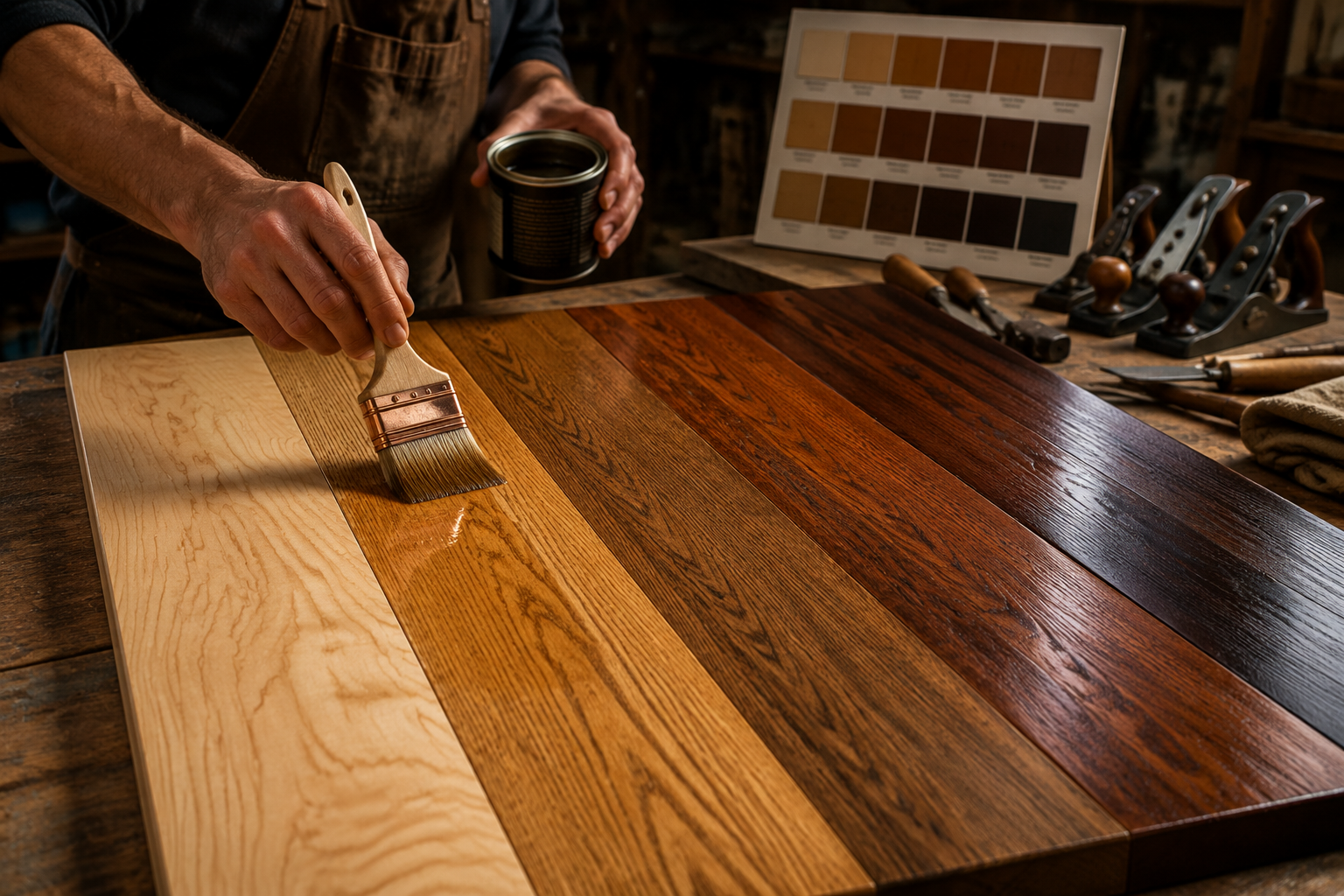
- Clear Finishes (Polyurethane, Lacquer, Oil): These protect the wood while allowing its natural beauty and grain to shine through. Oils (like Danish oil or linseed oil) penetrate the wood, offering a natural look, while polyurethanes and lacquers create a protective surface film. For detailed insights, consult guides on Danish oil vs. linseed oil.
- Stains: These add color to the wood, allowing you to match existing decor or achieve a desired aesthetic, while still letting the grain show through. Different woods accept stain differently; open-grained woods absorb more stain, potentially leading to blotchiness without proper preparation.
- Paints: Completely cover the wood, providing solid color and maximum protection. Poplar, MDF, and birch are popular choices for painted projects due to their smooth, consistent surfaces.
“The chosen finish is the wood’s final garment; it either adorns and protects, or it obscures.”
Considering Sustainable Sourcing
In 2026, environmental consciousness plays a significant role in material selection.
- FSC Certified Lumber: The Forest Stewardship Council (FSC) certifies lumber from responsibly managed forests, ensuring environmental, social, and economic benefits.
- Reclaimed Wood: Sourcing wood from old buildings, barns, or deconstructed items offers a unique aesthetic with a rich history and is an excellent sustainable choice. This often involves careful preparation, but the character is unparalleled.
- Local and Urban Logging: Supporting local sawmills and urban logging initiatives reduces transportation costs and environmental impact, and often provides access to unique local species. Discover more about sustainable wood sourcing for the modern woodworker.
Choosing sustainable options not only benefits the planet but also tells a compelling story about your craftsmanship and values. It adds another layer of meaning to Mastering the Art of Wood Selection: Choosing the Right Lumber for Your Project’s Durability and Aesthetics.
Conclusion
Mastering the Art of Wood Selection: Choosing the Right Lumber for Your Project’s Durability and Aesthetics is a skill honed through knowledge and experience. By understanding the inherent properties of various wood species, carefully considering the demands of your project, and thoughtfully approaching finishing and sourcing, you elevate your woodworking from mere construction to genuine artistry. The right wood, thoughtfully chosen, not only ensures the longevity and function of your creation but also imbues it with a beauty and character that only natural materials can provide. As you embark on your next woodworking endeavor, remember that the lumber you choose is the first brushstroke in your masterpiece. Invest time in research, seek out quality suppliers, and never underestimate the power of a perfectly selected plank.
Actionable Next Steps
- Define Project Needs: Clearly list the requirements for your next project (indoor/outdoor, heavy use/decorative, desired color/grain).
- Research Wood Species: Use resources like this guide to identify 2-3 potential wood species that meet your criteria.
- Visit a Lumberyard: Inspect different wood types in person. Feel their weight, examine their grain, and ask questions about stability and workability.
- Consider Samples: If possible, obtain small samples to test finishes and see how they interact with the wood’s natural characteristics.
- Prioritize Quality: Always choose straight, flat, properly dried lumber, free from major defects, even if it costs a little more. The investment pays off in easier work and a superior end product.