

In an era dominated by mass-produced goods, the inherent value of handmade woodcraft often struggles to find its voice amidst the digital cacophony. Yet, recent studies reveal a compelling trend: consumers are increasingly prioritizing authenticity, sustainability, and the unique narrative behind artisanal products. This presents an unprecedented opportunity for woodworkers who master the art of Marketing Handmade Woodcraft on Social Media: Photography, Storytelling, and Content Strategies That Showcase Craftsmanship and Drive Sales for Etsy and Direct-to-Consumer Channels. Simply listing products is no longer sufficient; engaging buyers requires a visual and narrative journey that transports them into the heart of the workshop, revealing the dedication, skill, and passion poured into every piece.
Key Takeaways
- High-quality photography is non-negotiable for showcasing the intricate details and texture of handmade woodcraft, drawing buyers in.
- Authentic storytelling, including behind-the-scenes glimpses and the artisan’s journey, builds emotional connections and trust with potential customers.
- A diverse content strategy across platforms, from short-form videos to detailed process shots, maximizes reach and engagement for both Etsy and direct sales.
- Consistency in branding, voice, and visual style is crucial for establishing a memorable online presence and fostering a loyal customer base.
- Understanding platform-specific nuances (e.g., Instagram’s visual focus, Etsy’s buyer intent) allows for tailored content that drives conversions.
Capturing Craftsmanship: Photography for Handmade Woodcraft
Exquisite photography is the bedrock of successful online sales for handmade woodcraft. Unlike a brick-and-mortar store where customers can touch and feel an item, digital shoppers rely solely on images to assess quality, scale, and aesthetic appeal. Poor lighting, cluttered backgrounds, or blurry shots instantly undermine the perceived value of even the most masterfully carved piece. The goal is to visually document the woodworking process and finished pieces in ways that resonate with buyers seeking authentic, handmade products and transparency in craftsmanship.
Essential Photography Techniques
- Natural Light is Your Best Friend: Whenever possible, use natural, diffused light. Position your woodcraft near a window, out of direct sunlight, to avoid harsh shadows and glare. Overcast days offer excellent soft, even lighting.
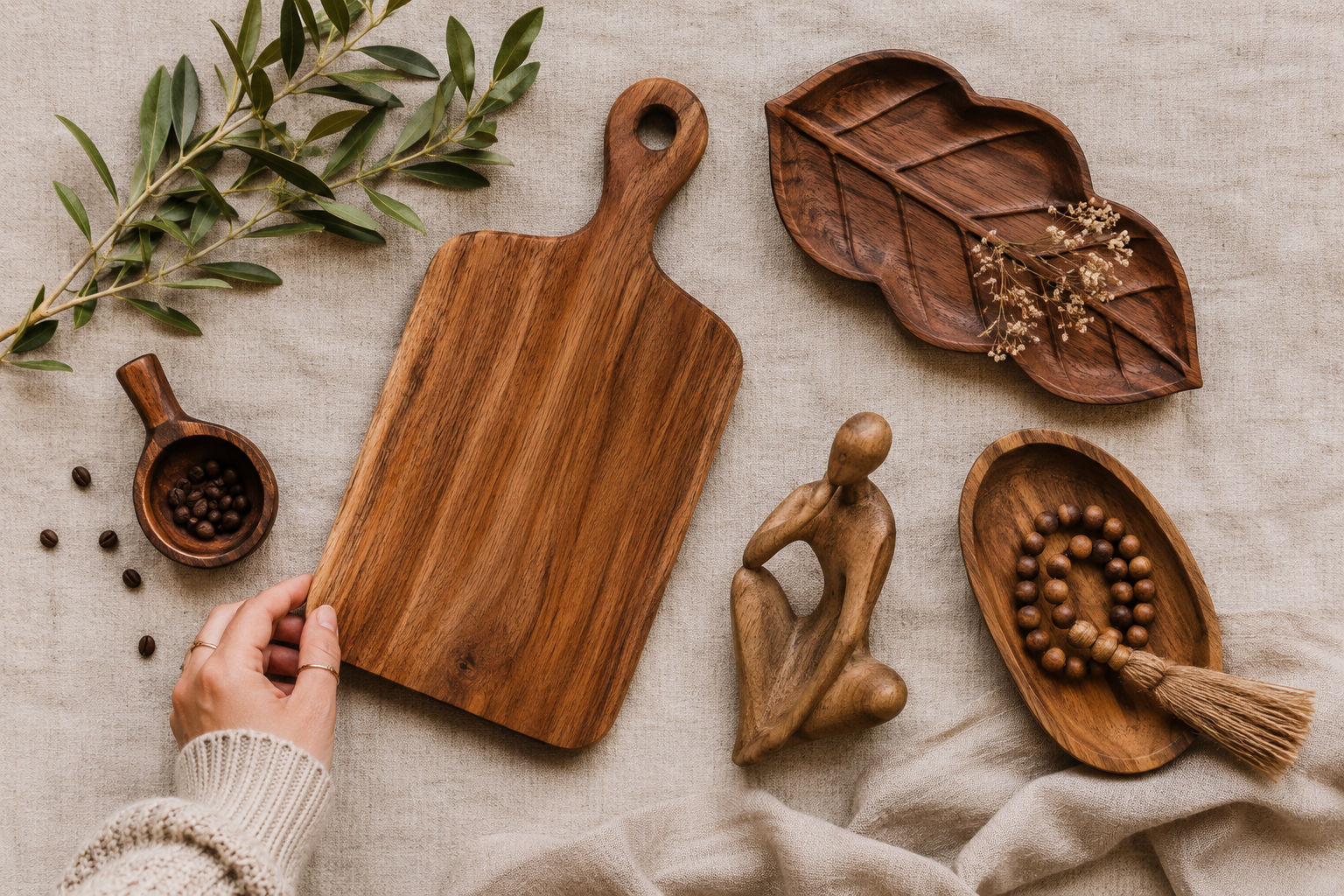
- Clean and Intentional Backgrounds: A busy background distracts from your craftsmanship. Use plain, neutral backdrops like a solid colored wall, a simple linen fabric, or a rustic wooden surface that complements, rather than competes with, your item.
- Showcase Detail and Texture: Handmade woodcraft often boasts intricate details, unique grain patterns, and tactile finishes. Take close-up shots that highlight these elements. Macro lenses can be invaluable here. Consider shots that emphasize joinery, carving, or the smooth finish of a piece.
- Multiple Angles and Context: Provide a comprehensive view of your product.
- Full Product Shot: A clear, well-lit image of the entire item.
- Detail Shots: Close-ups of unique features, wood grain, or craftsmanship.
- Lifestyle Shots: Show the item in its intended environment. A handcrafted cutting board on a kitchen counter or a wooden wall clock gracing a living room wall helps customers visualize it in their own space. Check out our guide on Handcrafted Wooden Wall Clocks: Designs That Blend Narrative Interiors with Modern Mechanics for inspiration.
- Scale Reference: Include an everyday object (e.g., a hand, a book, a coffee cup) next to the woodcraft to help buyers understand its actual size.
- Professional Editing (Subtle is Key): Use editing software (Lightroom, Snapseed, Photoshop Express) to adjust brightness, contrast, white balance, and sharpen images. Avoid over-editing or using heavy filters that distort the natural colors and textures of the wood. The aim is to enhance, not alter, reality.

“High-quality photography is the silent salesperson for handmade woodcraft online. It communicates the artistry and quality before a single word is read.”
Photography Equipment Considerations
You don’t need a high-end DSLR to start. Many modern smartphones have excellent cameras capable of producing stunning product photos.
| Equipment Type | Beginner Recommendation | Advanced Recommendation | Key Benefit |
|---|---|---|---|
| Camera | Smartphone (iPhone 13+, Google Pixel) | DSLR or Mirrorless (Sony A7, Canon R5) | Sharpness, low-light performance |
| Lighting | Window light, softbox | LED light panels, strobe lights | Consistent, controlled illumination |
| Tripod | Basic smartphone tripod | Sturdy professional tripod | Eliminates blur, consistent framing |
| Backdrops | Craft paper, fabric, wood planks | Seamless paper rolls, textured surfaces | Professional presentation, minimizes distractions |
| Editing App/Software | Snapseed, Lightroom Mobile | Adobe Lightroom Classic, Photoshop | Color correction, sharpening, cropping |
For showcasing intricate details of your work, such as the precision of dovetail joints, consider exploring resources on Mastering Dovetail Drawers for Cabinets to help you understand what elements to highlight in your photography.
Storytelling: Weaving Narratives into Your Handmade Woodcraft
Beyond the visual appeal, the story behind your woodcraft is what truly connects with buyers. In a competitive market, authentic narratives differentiate your brand and foster loyalty. People don’t just buy a wooden item; they buy into the passion, the process, and the person who made it.
Elements of Effective Woodcraft Storytelling
- The Maker’s Journey: Share your personal connection to woodworking. What inspired you? What challenges have you overcome? What does woodworking mean to you? This humanizes your brand.
- The “Why” Behind the Wood: Why did you choose this particular wood? What is its origin? Is it reclaimed, sustainable, or locally sourced? For example, if you’re working with reclaimed wood, you might share the history of the original material. This resonates with buyers interested in sustainability and unique narratives. Learn more about Reclaimed Wood Restoration to enhance your storytelling.
- The Crafting Process: Pull back the curtain and show the magic of creation.
- From Raw Material to Finished Piece: Document key stages: selecting wood, cutting, carving (e.g., using advanced wood carving techniques), sanding, finishing.
- Tools of the Trade: Showcase your hand tools or specialized machinery. This highlights the skill and effort involved.
- The “Imperfections” that Tell a Story: A knot in the wood, a hand-planed surface – these aren’t flaws, but rather unique characteristics that affirm authenticity.
- The Product’s Purpose and Impact: How will your woodcraft enrich the buyer’s life? Is it a functional piece for daily use, a decorative accent, or a heartfelt gift? Emphasize the emotional or practical benefits.
Crafting Your Narrative Across Platforms
- Etsy: Use your “About” section to tell your brand story. In product descriptions, weave in details about the wood, the creation process, and any special features. Etsy buyers are often seeking unique, handcrafted items with a story.
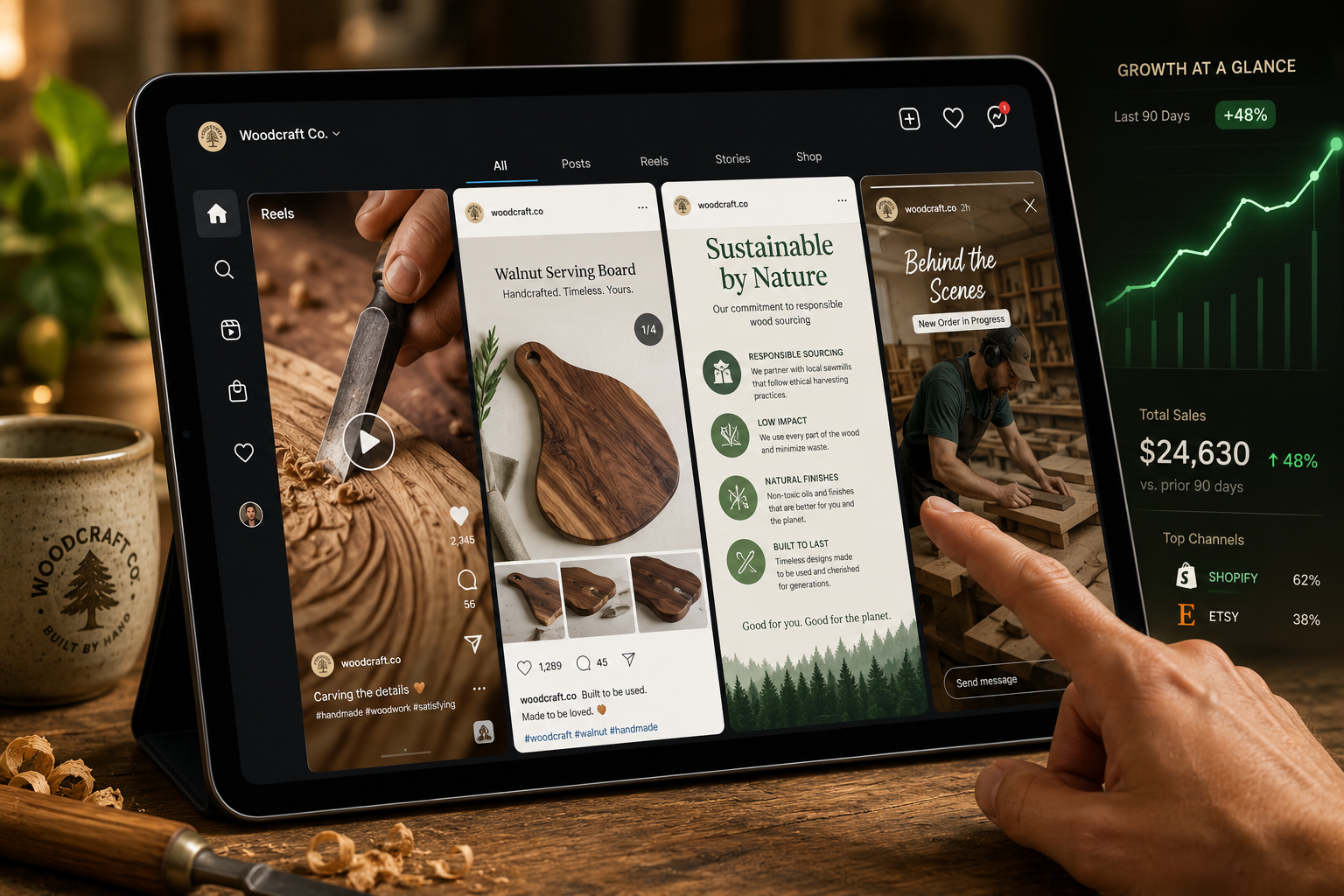
- Instagram: Ideal for visual storytelling. Use captions to expand on your photos and videos. Instagram Stories and Reels are perfect for quick, engaging behind-the-scenes content.
- Facebook: Share longer-form posts, blog links, and engage in community discussions about craftsmanship.
- TikTok: Embrace short, engaging videos showcasing quick cuts of the making process, satisfying ASMR sounds of woodworking, or unique “before & after” transformations.
Content Strategies for Marketing Handmade Woodcraft on Social Media: Photography, Storytelling, and Content Strategies That Showcase Craftsmanship and Drive Sales for Etsy and Direct-to-Consumer Channels
An effective social media strategy for woodcraft extends beyond just posting pretty pictures. It involves a thoughtful mix of content types designed to educate, entertain, and inspire your audience, ultimately driving sales. The key is to blend high-quality photography with compelling storytelling in a consistent manner.
Diverse Content Pillars
- Process-Oriented Content:
- Time-Lapse Videos: Show the transformation of raw wood into a finished product.
- “How It’s Made” Reels/Shorts: Quick, engaging videos demonstrating specific steps (e.g., carving, joinery, finishing).
- Tool Showcases: Feature a specific tool (like a Japanese hand saw) and explain its role in your craft.
- Behind-the-Scenes Photos: Candid shots of your workshop, tools, or even your design sketches.
- Product-Focused Content:
- High-Quality Product Photography: As discussed, showcase items from multiple angles, with close-ups and lifestyle shots.
- “Shop the Look” Posts: Curate a collection of your items styled together or paired with other complementary decor.
- Custom Order Spotlights: Share photos and the story behind unique custom pieces you’ve created. This encourages others to inquire about personalized orders.
- Educational/Informative Content:
- Wood Type Spotlights: Educate your audience about different types of wood, their characteristics, and best uses. (e.g., Sapele for Cutting Boards).
- Care Guides: Share tips on how to care for wooden products (e.g., oiling a cutting board, cleaning a wooden clock).
- Sustainability Practices: Discuss your commitment to sustainable sourcing or eco-friendly finishes.
- Engagement-Driven Content:
- Polls & Questions: Ask your audience for their preferences on wood types, finishes, or new product ideas.
- “This or That” Posts: Present two different designs or finishes and ask followers to vote.
- Contests & Giveaways: A great way to boost engagement and reach new audiences.
- User-Generated Content (UGC): Encourage customers to share photos of your products in their homes and repost them (with permission).
Platform-Specific Optimization
- Etsy: Optimize product listings with relevant keywords in titles and tags. Use all available image slots. Leverage Etsy Ads for targeted reach. Encourage reviews to build social proof.
- Instagram: Use high-quality visuals. Craft engaging captions with a clear call to action (e.g., “Link in bio to shop”). Utilize relevant hashtags (#handmade #woodcraft #etsy #woodworking #sustainablewood). Explore Instagram Shopping features.
- Pinterest: A visual search engine ideal for handmade items. Create beautiful pins linking directly to your Etsy shop or direct-to-consumer website. Focus on lifestyle boards (e.g., “Rustic Home Decor,” “Unique Gifts”).
- TikTok: Short-form video is king. Embrace trends, use popular audio, and create quick, captivating content that showcases the “making” process or reveals finished pieces with dramatic flair.
- Facebook: Build a community. Join relevant woodworking groups to share your expertise (but avoid spamming). Use Facebook Marketplace for local sales.
Building a Consistent Online Presence
Consistency is key to brand recognition. Maintain a consistent visual style (e.g., lighting, color palette, editing style) and brand voice across all your social media channels and your Etsy shop. Regular posting schedules, even if it’s just a few times a week, keep your audience engaged and your brand top-of-mind. Interact with comments and messages promptly to build a strong, loyal community. Remember, your social media presence is an extension of your craftsmanship, meticulously built piece by piece.
Conclusion
Successfully Marketing Handmade Woodcraft on Social Media: Photography, Storytelling, and Content Strategies That Showcase Craftsmanship and Drive Sales for Etsy and Direct-to-Consumer Channels is an art form in itself. It demands a keen eye for detail, a commitment to authentic storytelling, and a strategic approach to content creation. By mastering high-quality photography, you visually communicate the inherent value of your craft. Through compelling narratives, you forge emotional connections that transcend a mere transaction. And with a diverse, platform-optimized content strategy, you can transform curious scrollers into loyal customers. In 2026, the digital landscape offers unparalleled opportunities for artisans to share their passion and products with a global audience. Embrace these strategies to not only showcase your craftsmanship but to truly drive sustainable growth for your woodcraft business.
Actionable Next Steps:
- Audit Your Current Visuals: Review your existing product photos and social media content. Identify areas for improvement in lighting, background, and detail showcasing.
- Develop Your Brand Story: Clearly articulate your “why,” your process, and the unique aspects of your woodcraft.
- Plan Your Content Calendar: Map out a diverse content strategy for your chosen platforms, incorporating process, product, educational, and engagement-driven posts.
- Experiment with Video: Start creating short-form videos showcasing your craft – even a simple time-lapse can be highly engaging.
- Engage Consistently: Dedicate time each day or week to interact with your audience, respond to comments, and build community.
SEO Meta Title: Woodcraft Social Media Marketing: Photo, Storytelling & Sales Guide SEO Meta Description: Master marketing handmade woodcraft on social media. Learn photography, storytelling & content strategies to drive sales for Etsy & direct channels in 2026.