
The average household in 2026 dedicates a significant portion of its budget to home improvements and furnishings, often grappling with the fundamental question: Handyman or DIY? When to Build Your Own Wood Furniture vs. Hiring Help for Installations. While the allure of crafting your own unique wooden furniture is strong, promising custom pieces and personal satisfaction, the reality of complex installations, heavy built-ins, or large wall units frequently pushes homeowners towards professional assistance. Understanding when to confidently tackle a woodworking project yourself and when to call in a skilled handyman can save both time and money, ensuring a successful outcome tailored to your home’s specific needs. This article aims to demystify that decision-making process, providing clarity on the projects best suited for the home workshop and those that truly benefit from expert hands.
Key Takeaways
- DIY is ideal for smaller, freestanding furniture projects where precision is less critical and weight is manageable.
- Hiring a handyman is often necessary for large, heavy built-ins, wall-mounted units, or complex installations requiring structural knowledge.
- Assess your skills, available tools, and time commitment before deciding on DIY or professional help.
- Consider a collaborative approach: build the furniture yourself and hire a handyman for the specialized installation.
- Safety should always be the top priority, especially with heavy or high-mounted installations.
Handyman or DIY? Assessing Your Capabilities for Wood Furniture Projects
The decision to embark on a DIY woodworking project or enlist professional help for wood furniture installations hinges on a frank assessment of several factors: the project’s complexity, your personal skill set, available tools, and the time you can realistically commit. Building your own wood furniture can be an incredibly rewarding experience, offering the satisfaction of creating something unique and precisely suited to your space. Projects like a custom nightstand, a simple coffee table, or even a DIY Home Office Ergonomics Building Custom Wooden Monitor Stands And Keyboard Trays are often excellent starting points for home woodworkers.
However, certain projects quickly exceed the capabilities of even an experienced DIY enthusiast, especially when they involve significant weight, require precise integration with existing structures, or demand specialized tools and knowledge. When contemplating Handyman or DIY? When to Build Your Own Wood Furniture vs. Hiring Help for Installations, consider the following matrix:
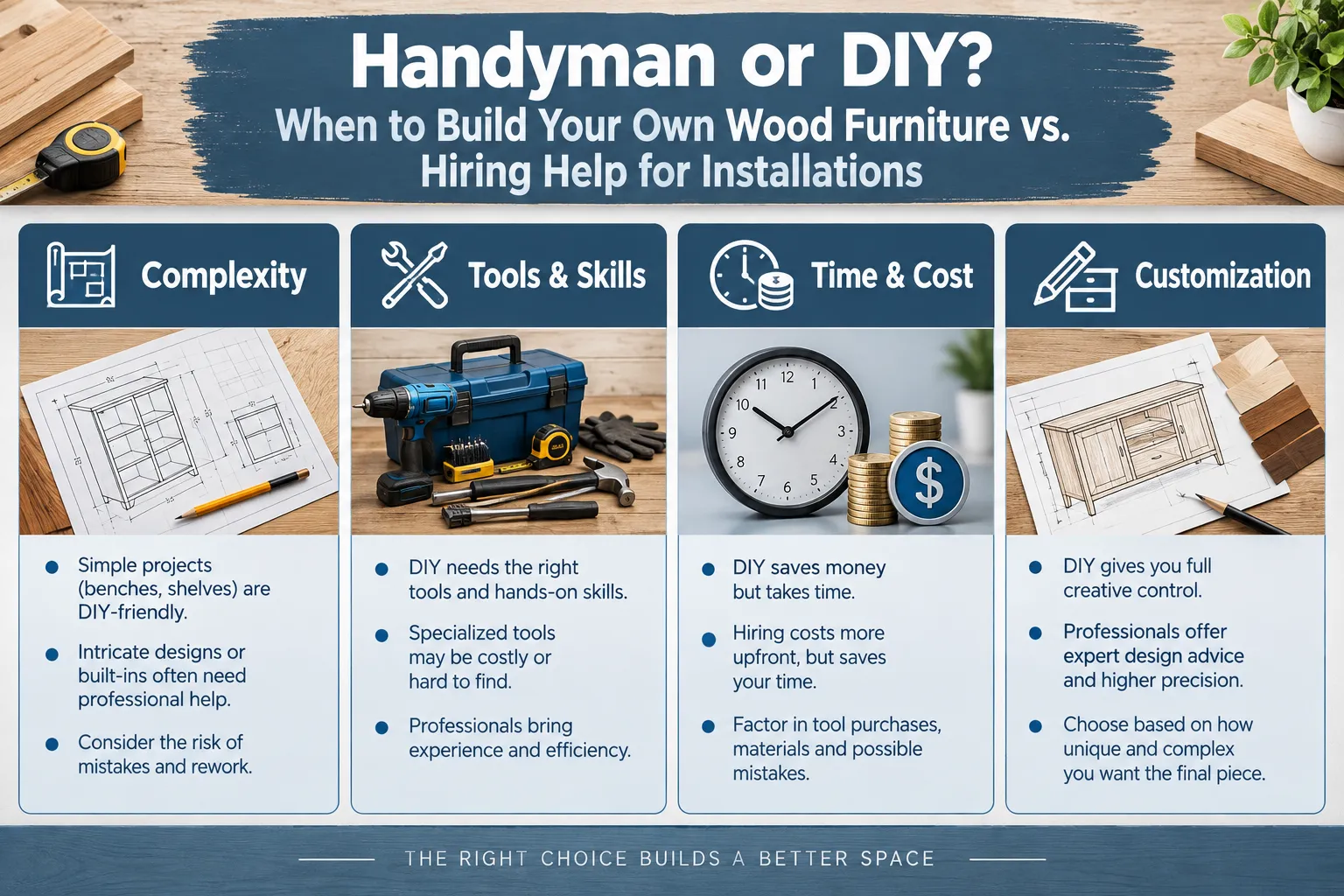
Project Complexity: When DIY Shines vs. When a Handyman is Essential
Simple, freestanding pieces are often perfect for DIY. These include items like a Crafting Your Perfect Woodworking Nightstand A Comprehensive Guide For 2026, a small bookshelf, a storage chest, or even decorative items. The stakes are relatively low; if a measurement is slightly off, it typically won’t compromise structural integrity or safety. You have the freedom to experiment with unique wood finishing techniques or explore different hand tool joinery for visible wood joints dovetails mortise and tenon and box joints as design features in furniture and small projects.
Conversely, projects that are large, heavy, or require integration into your home’s structure often necessitate professional help. This includes:
- Built-in Cabinetry and Shelving: These pieces must be perfectly plumb, level, and securely anchored to wall studs, often requiring modifications to baseboards or crown molding for a seamless look.
- Large Wall Units or Entertainment Centers: Beyond their sheer size and weight, these frequently involve routing for cables, integrating lighting, and ensuring structural support that can safely bear the load.
- Heavy Wood Mantels or Floating Shelves: Installing a substantial custom wooden mantels sourcing rough hewn timbers and balancing organic warmth with contemporary fireplaces or long floating shelves requires finding robust wall studs, using specialized anchors, and ensuring the weight distribution is safe. Miscalculation here can lead to property damage or injury.
- Custom Doors or Frames: Achieving a perfect fit, smooth operation, and correct hanging for custom wooden doors or intricate door frames demands a high level of precision and specific tools.
Tools and Skills Required
For basic DIY wood furniture projects, a modest set of tools might suffice: a circular saw or miter saw, a drill, sanders, clamps, and measuring tools. As projects become more complex, the tool list grows significantly. Creating seamless joints, precise cuts for built-ins, or working with large, heavy lumber often requires:
- Specialized Saws: Table saws for ripping long boards, track saws for accurate sheet goods, or jigsaws for intricate curves.
- Advanced Joinery Tools: Routers for dados and rabbets, biscuit joiners, or pocket hole jigs.
- Heavy-Duty Fastening Equipment: Impact drivers, stud finders, and various specialized anchors.
- Leveling and Squaring Tools: Long levels, laser levels, and precision squares are crucial for built-ins.
Moreover, the skills needed extend beyond basic carpentry. You might need to understand structural elements of your home, electrical wiring for integrated lighting, or plumbing for custom vanity installations. A handyman often brings years of experience and a full suite of professional-grade tools to the table, making light work of tasks that would be frustrating or impossible for a DIYer.
When to Hire a Handyman for Installations in 2026
When considering Handyman or DIY? When to Build Your Own Wood Furniture vs. Hiring Help for Installations, certain situations clearly lean towards professional assistance. While building a sturdy wooden frame might be within your grasp, the intricate dance of fitting a custom piece perfectly into an existing alcove or securely anchoring a multi-tiered shelving unit to a plaster wall often calls for a seasoned professional.
Here are key scenarios where hiring a handyman in 2026 is the prudent choice:
- Large or Heavy Built-ins: Think floor-to-ceiling bookshelves, sprawling entertainment centers, or elaborate mudroom storage units. These are heavy, require precise measurements to fit existing spaces, and must be securely fastened to wall studs to prevent tipping, a serious safety hazard. A handyman has the experience to locate studs accurately, use appropriate anchors, and ensure the structure is plumb and level.
- Wall-Mounted Furniture and Shelving: While a small floating shelf might be a DIY task, installing multiple, heavy floating shelves or complex wall-mounted desks requires significant expertise. Misjudging weight distribution or anchor strength can lead to significant damage. A professional ensures these are installed safely and aesthetically.
- Custom Cabinetry Installation: Whether it’s a kitchen island with custom wood panels or bespoke bathroom vanities, cabinet installation is exacting work. It often involves precise scribing to uneven walls, careful leveling, and seamless integration with countertops, plumbing, and electrical outlets.
- Integrated Lighting or Electrical Components: If your custom furniture includes integrated LED lighting strips, charging stations, or other electrical elements, a handyman with electrical experience (or a licensed electrician they can coordinate with) is crucial for safe and compliant installation.
- Time Constraints or Lack of Specialized Tools: If you’re short on time, lack the specific tools (like a powerful miter saw for precise cuts on large stock or a track saw for perfectly straight cuts on sheet goods), or simply prefer to avoid the learning curve, hiring a handyman is a practical solution. The cost of renting or buying specialized tools for a single project can quickly outweigh the cost of professional labor.
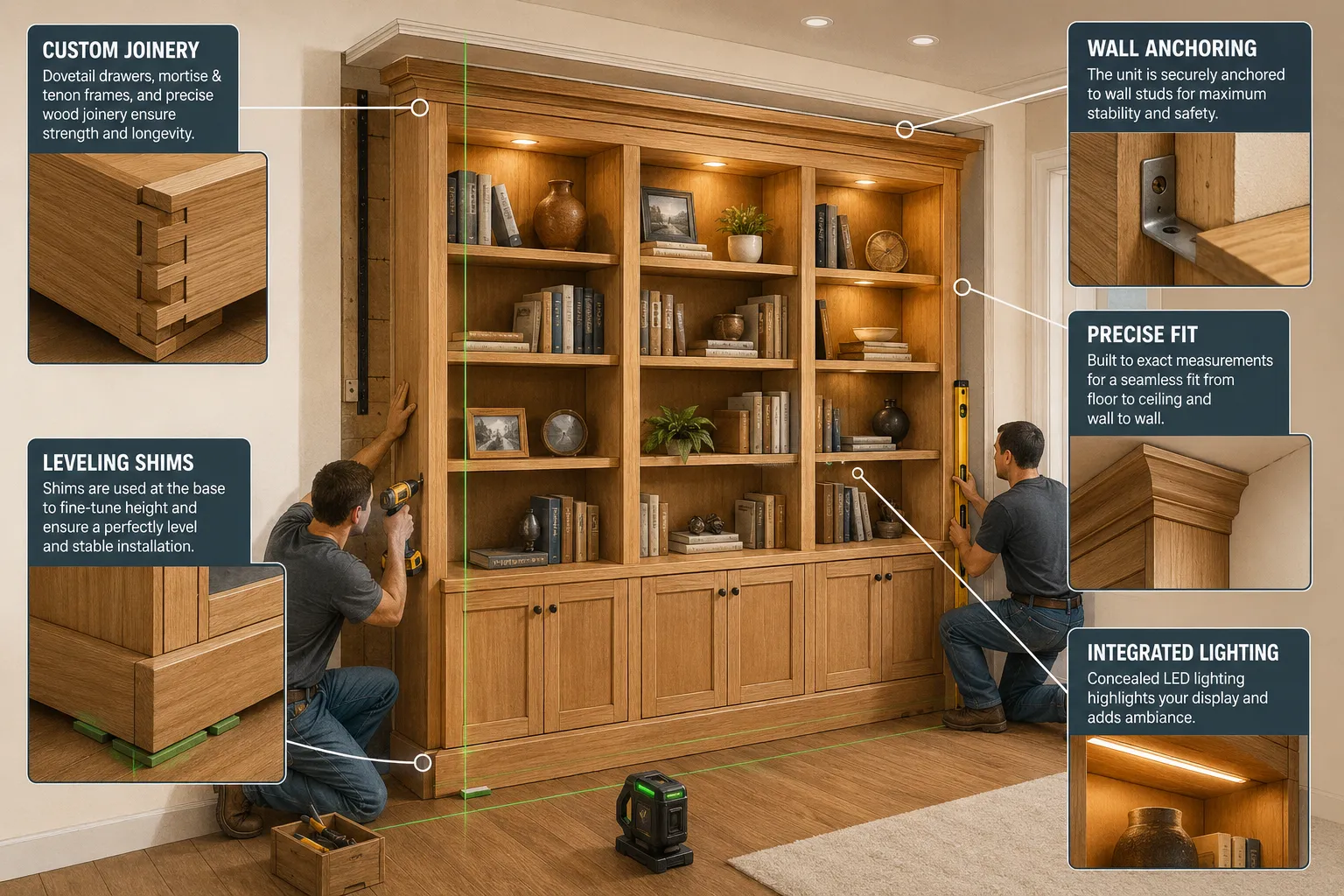
The Value of Professional Expertise and Efficiency
A skilled handyman brings not just tools, but invaluable experience. They understand common pitfalls, can troubleshoot unexpected issues, and typically work with greater efficiency. For example, installing barnwood accent walls professional installation techniques for rustic modern spaces or building box beams for ceilings transform your home on a budget looks deceptively simple, but achieving a truly professional, durable finish requires specific techniques that a DIYer might only learn through trial and error.
Consider this: A handyman’s hourly rate might seem high, but their efficiency often means the project is completed in a fraction of the time it would take a DIYer, reducing overall stress and potential for costly mistakes. Moreover, their insurance often covers any accidental damage, offering peace of mind.
Collaborating with a Handyman for Custom Wood Furniture Projects
The decision between Handyman or DIY? When to Build Your Own Wood Furniture vs. Hiring Help for Installations isn’t always an either/or proposition. For many ambitious homeowners, a hybrid approach offers the best of both worlds: you handle the creative construction, and a professional manages the complex or heavy installation. This collaboration allows you to indulge your passion for woodworking while ensuring the final, critical installation phase is executed flawlessly.
This approach is particularly beneficial for custom pieces where your unique design vision is paramount but the sheer size, weight, or integration into your home’s structure makes DIY installation risky. Imagine you’ve spent weeks meticulously crafting a stunning live edge wood slabs from forest to finished furniture dining table, or a bespoke wooden mantelpiece. The last thing you want is for an improper installation to compromise its beauty or stability.
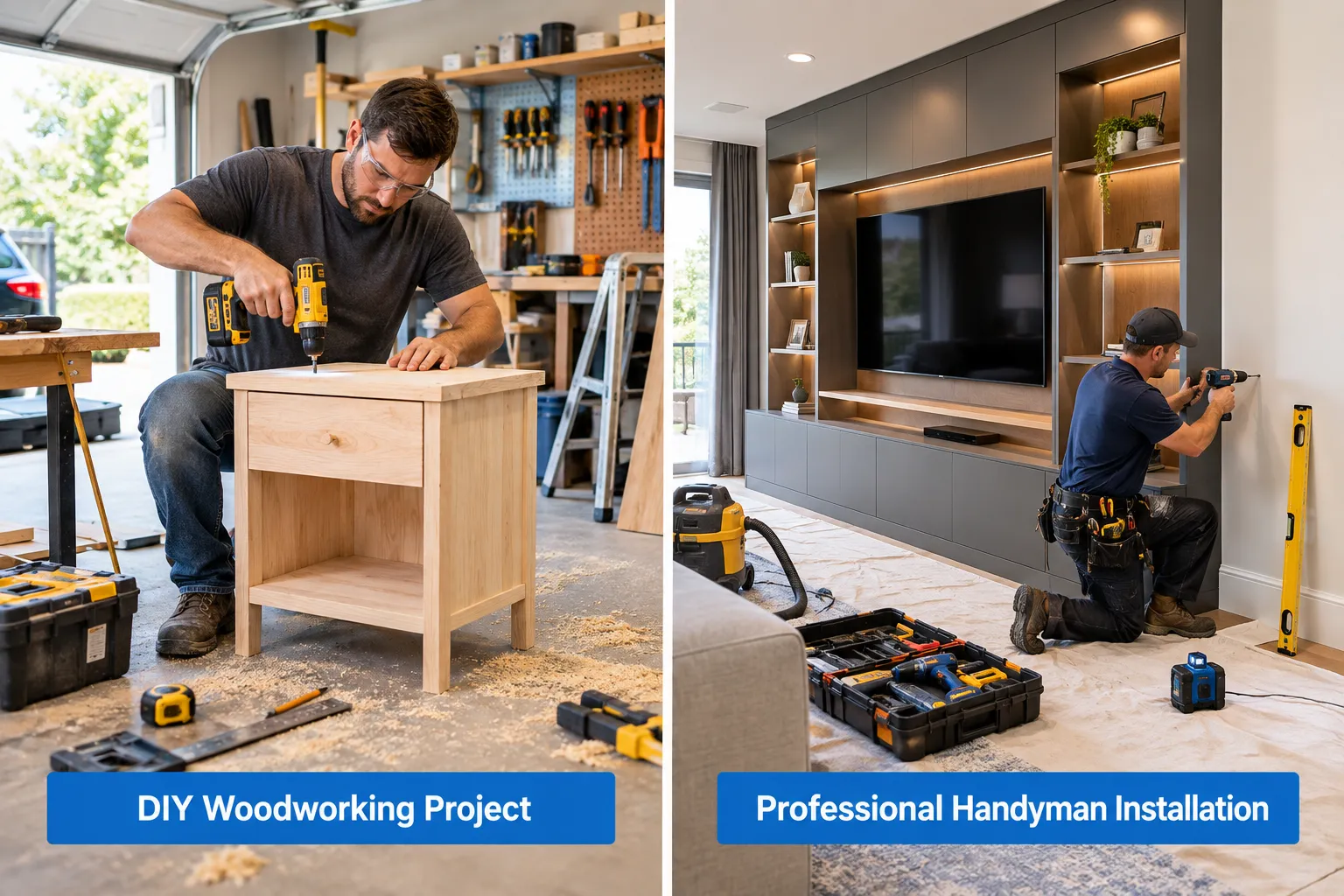
Defining Roles in a Hybrid Project
Successful collaboration hinges on clear communication and defining roles from the outset:
Your Role (DIY Woodworker):
- Design and Fabrication: You are responsible for the aesthetic design, wood selection (e.g., selecting the right wood for outdoor projects durability weather resistance and aesthetics), and the actual construction of the furniture piece. This includes cutting, joining (perhaps using mastering woodworking screws your ultimate guide for 2026 or the ultimate guide to wood glue choosing the right adhesive for every woodworking joint and project), sanding, and applying finishes (like reclaimed wood finishing techniques).
- Measurements: Provide precise measurements of the finished furniture, especially if it’s a built-in designed for a specific space. Double-check these measurements, as accuracy is paramount for a professional installation.
- Preparation: Ensure the piece is ready for installation, possibly disassembled into manageable sections if it’s very large, and clearly labeled.
Handyman’s Role (Professional Installer):
- Consultation: A good handyman can offer valuable input during your design phase, advising on structural requirements, anchoring points, and any potential challenges for installation.
- Site Preparation: They will prepare the installation area, which might include locating studs, reinforcing walls, or ensuring surfaces are level.
- Installation: This is their core competency. They will expertly position, secure, and finish the furniture piece, ensuring it is level, plumb, and structurally sound. For heavy items, they bring the necessary lifting equipment and expertise.
- Finishing Touches: This could involve scribing (fitting the piece perfectly against uneven walls), minor trim work, or touching up any nicks that occur during installation.
Tips for Effective Collaboration
- Communicate Early and Often: Share your design plans with the handyman early in the process. Their insights can save you from designing something that is overly complex or impossible to install.
- Get a Detailed Quote: Ensure the handyman understands the scope of work for the installation and provides a clear quote.
- Be Flexible: Be open to suggestions from the handyman, especially regarding structural requirements or minor adjustments needed for a perfect fit.
- Prepare the Space: Clear the installation area before the handyman arrives to allow for efficient work.
- Document Everything: Keep records of your design, materials, and any agreements with the handyman.
By carefully considering your project, skills, and the benefits of professional assistance, you can confidently navigate the choice between Handyman or DIY? When to Build Your Own Wood Furniture vs. Hiring Help for Installations to achieve stunning, lasting results in your home.
Conclusion
The choice between tackling a wood furniture project yourself or enlisting professional help for installations in 2026 is a nuanced one, heavily dependent on the specific project, your skill level, and available resources. While the satisfaction of crafting a piece with your own hands is undeniable, especially for smaller, freestanding items, the complexities of large, heavy, or integrated installations often demand the precision, tools, and experience of a skilled handyman. Recognizing when to shift from DIY enthusiast to a collaborative client is crucial for safety, structural integrity, and achieving a truly professional finish.
For intricate built-ins, wall-mounted units, or any installation that requires structural knowledge and heavy lifting, a handyman is an invaluable resource. This doesn’t mean abandoning your woodworking passion; rather, it encourages a strategic partnership where your creative vision meets professional execution. By clearly defining roles, communicating effectively, and leveraging the strengths of both approaches, you can successfully enhance your home with custom wood furniture that is not only beautiful but also safely and securely installed.
Actionable Next Steps:
- Assess Your Project Honestly: Determine its complexity, weight, and integration needs.
- Evaluate Your Skills and Tools: Be realistic about your capabilities and equipment.
- Consider a Hybrid Approach: Plan to build the furniture yourself, then budget for a handyman to install it.
- Seek Professional Quotes: If hiring is an option, get multiple quotes and discuss the scope of work thoroughly.
- Prioritize Safety: Never compromise on safety, especially for heavy or high installations.
SEO Meta Title: Handyman or DIY? Build Furniture vs. Hire Installers SEO Meta Description: Decide Handyman or DIY for wood furniture. Learn when to build your own pieces and when to hire professionals for complex installations like built-ins in 2026.