
The average homeowner in 2026 seeks more than mere decoration; they desire an authentic connection to their living spaces, an expression of individuality that transcends mass-produced accents. This demand has fueled a significant resurgence in handcrafted elements, particularly within the realm of wall art. Far from traditional rustic carvings, Crafting Modern Wooden Wall Art: Abstract Designs and Dimensional Sculptures for Contemporary Homes offers a unique opportunity to infuse warmth, texture, and sophisticated artistry into modern interiors. These pieces move beyond flat canvases, transforming wood into dynamic visual statements that capture attention and spark conversation.
Key Takeaways
- Modern wooden wall art embraces abstract and dimensional forms, moving beyond traditional carvings.
- Selecting the right wood species and utilizing precise cutting techniques are fundamental to achieving contemporary designs.
- Advanced finishing methods like ebonizing, liming, and layering polyurethanes can dramatically enhance visual appeal and durability.
- Dimensional sculptures add significant depth and tactile quality, requiring careful planning and assembly.
- Integrating smart lighting and strategic placement optimizes the impact of wooden wall art in contemporary homes.
Embracing Abstract Designs in Modern Wooden Wall Art
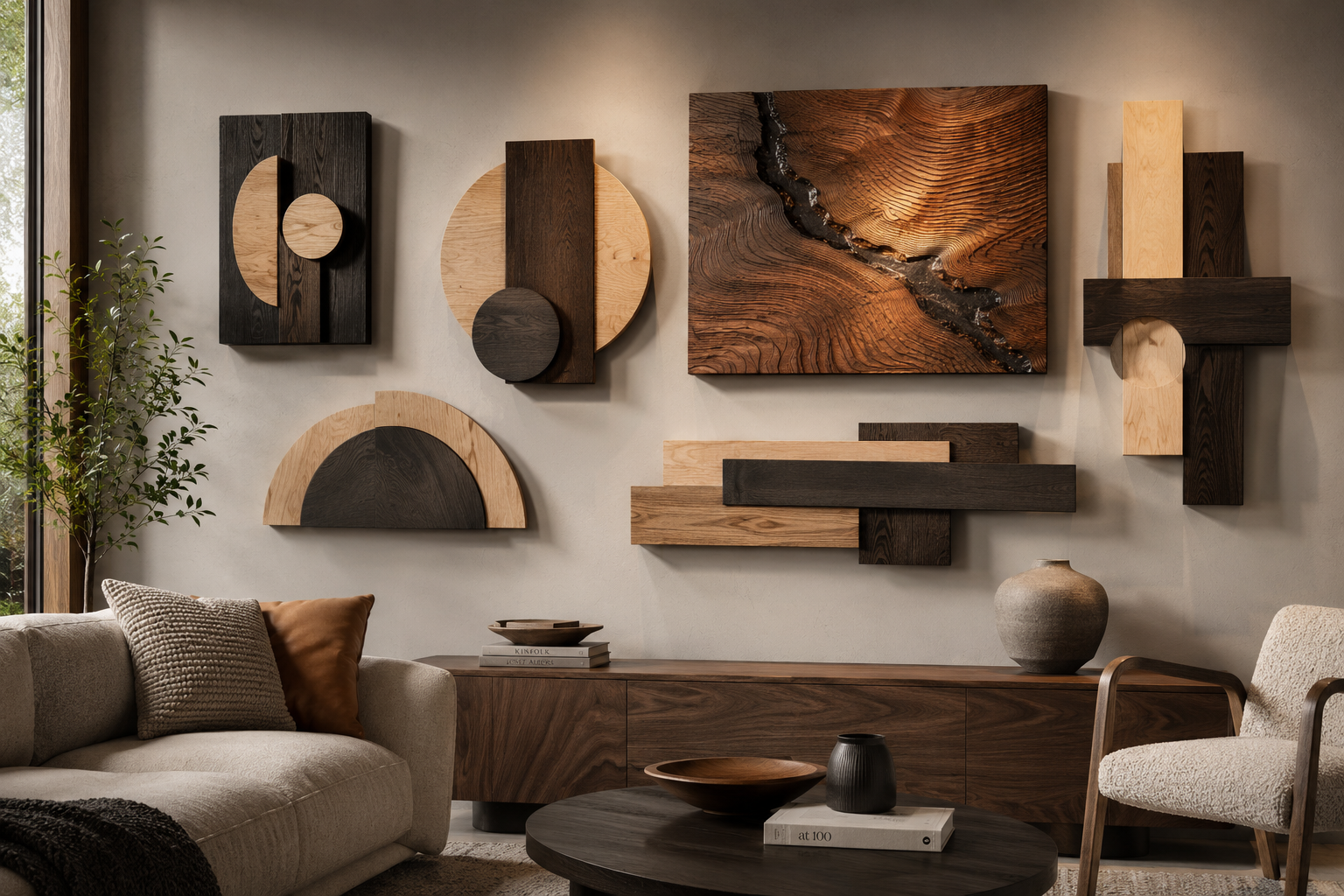
Modern design often prioritizes clean lines, geometric precision, and a minimalist aesthetic. Abstract wooden wall art aligns perfectly with these principles, allowing for boundless creativity without being constrained by literal representation. The inherent beauty of wood—its grain patterns, color variations, and tactile warmth—becomes the subject itself, manipulated into compelling forms.
Geometric Precision and Organic Flow
Creating abstract designs often begins with a strong concept rooted in geometry. Think about repeating patterns, interlocking shapes, or dynamic compositions that draw the eye. Common techniques include:
- Segmented Panels: Cutting various wood species into geometric shapes (squares, triangles, hexagons) and arranging them into larger, cohesive patterns. The contrasting grains and colors create visual interest.
- Layered Reliefs: Stacking thin sheets of wood, each cut with a unique pattern, to create a subtle three-dimensional effect. This technique can produce intricate shadow play.
- Slat Art: Arranging thin strips or slats of wood in varying lengths, angles, and depths to create texture and movement. This approach is particularly effective in large-scale installations, reminiscent of mixed-width barnwood accent walls.
- Freeform Sculptural Pieces: While still abstract, these designs lean into organic curves and irregular shapes, often inspired by nature but executed with modern sensibility. This might involve live edge wood projects where the natural contours of the wood are incorporated into the abstract composition.
Selecting Wood Species and Materials
The choice of wood greatly influences the final aesthetic. Different species offer distinct grain patterns, colors, and workability.
| Wood Species | Characteristics | Best For |
|---|---|---|
| Maple | Light color, fine grain, takes stain well | Clean, minimalist designs, excellent for painting |
| Walnut | Rich dark brown, striking grain, luxurious feel | High-contrast pieces, sophisticated abstract forms |
| Oak | Prominent grain, durable, versatile | Textured designs, rustic-modern blends |
| Cherry | Warm reddish-brown, smooth grain, ages beautifully | Elegant, refined abstract art |
| Poplar | Pale, even grain, good for painting or light staining | Budget-friendly, intricate cuts, layered work |
| Reclaimed | Unique character, imperfections, sustainable | Textured, story-driven pieces, rustic-modern |
Beyond solid wood, consider incorporating other materials to add contrast and intrigue:
- Metals: Thin strips of brass, copper, or aluminum can be inlaid or overlaid, providing a sleek, industrial edge.
- Acrylic: Clear or colored acrylic sheets can be layered behind or within wood segments to create translucent effects or vibrant color pops.
- Resin: Epoxy resin can be used to fill voids, create smooth surfaces, or encapsulate objects, adding a modern, glossy finish.
Essential Tools and Techniques for Abstract Forms
Precision is paramount in abstract woodworking. Key tools include:
- Table Saw: For accurate rip and crosscuts, essential for geometric shapes.
- Miter Saw: For precise angle cuts, crucial for creating intricate patterns.
- Band Saw: Excellent for cutting curves and irregular shapes, especially in thicker stock.
- Router: For creating dados, rabbets, chamfers, and decorative edges.
- CNC Router/Laser Cutter: For highly intricate designs, repetitive patterns, and flawless precision in cutting various materials. This significantly reduces manual effort and increases design complexity.
- Sanding Equipment: Orbital sanders, detail sanders, and hand sanding blocks are vital for achieving smooth, professional finishes.
When Crafting Modern Wooden Wall Art: Abstract Designs and Dimensional Sculptures for Contemporary Homes, mastering various joinery techniques is also crucial. From simple butt joints reinforced with screws or dowels to more complex spline joints for strength and aesthetics, the integrity of the piece relies on secure connections. Using the right wood glue is essential for long-lasting adhesion. Our guide on the ultimate guide to wood glue offers comprehensive insights.
Developing Dimensional Sculptures for Contemporary Homes
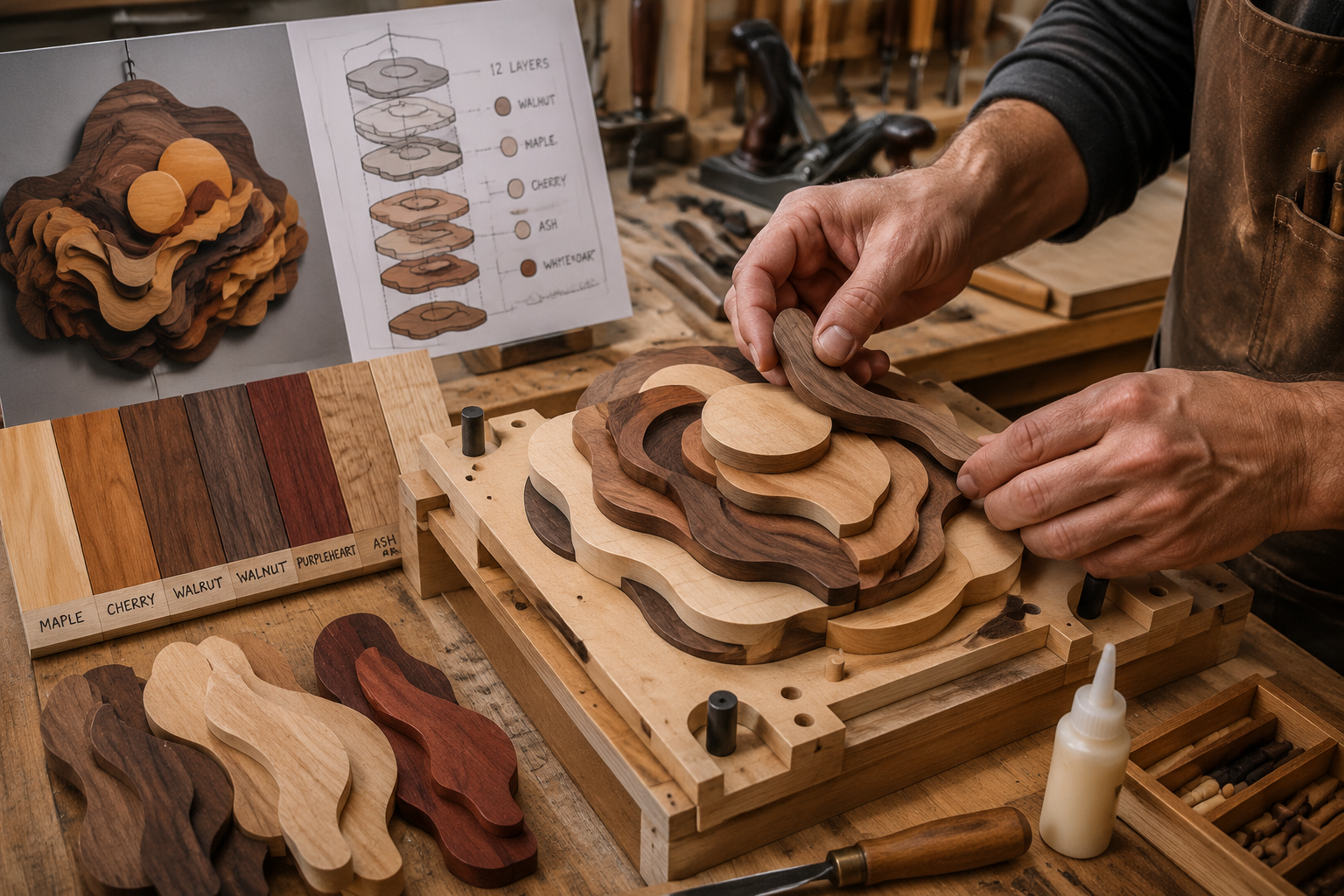
Dimensional wooden wall art goes beyond surface-level aesthetics, creating sculptures that extend into the viewer’s space, inviting interaction and offering varied perspectives from different angles. These pieces transform a flat wall into a dynamic canvas.
The Art of Layering and Stacking
Creating depth is central to dimensional sculptures. This often involves layering multiple pieces of wood, each contributing to the overall form.
- Contour Sculptures: Using topographic map principles, layers of wood are cut to varying sizes and stacked to create undulating, organic forms that mimic natural landscapes or abstract waves.
- Modular Systems: Designing individual wooden modules that can be arranged and re-arranged in various configurations, allowing for customization and adaptability. These often employ simple interlocking or peg-and-hole joinery.
- Shadow Boxes and Recessed Forms: Creating depth by embedding elements within a wooden frame or by cutting out sections of a thicker panel to reveal underlying layers or colors.
- Dynamic Geometric Protrusions: Extending geometric shapes outwards from a base layer, creating sharp angles and architectural interest. This might involve complex angles and precise cuts to ensure seamless integration.
Texturing and Carving for Tactile Appeal
While abstract, dimensional sculptures often benefit from tactile finishes that enhance their presence.
- Router-Applied Textures: Using various router bits to create consistent patterns, grooves, or channels across the surface of the wood.
- Hand Carving: For smaller areas or specific details, hand chisels and gouges can add unique, organic textures that power tools cannot replicate. This harkens back to advanced wood carving techniques for decorative furniture accents.
- Wire Brushing: Removing softer wood fibers to highlight the harder grain, creating a naturally weathered or distressed look.
- Sandblasting: A more aggressive technique that deeply etches the grain, producing a highly textured surface, particularly effective on softwoods.
Joinery and Assembly for Dimensional Stability
The structural integrity of dimensional sculptures is paramount. Given their often complex forms, robust joinery is essential.
- Dowel Joints: Simple and effective for aligning and joining multiple layers or modules.
- Biscuits/Splines: Provide strong, hidden connections, especially useful when joining wider panels or edge-to-edge components.
- Lap Joints: Used when pieces overlap, offering good surface area for glue adhesion and structural support.
- Hidden Fasteners: Brackets, French cleats, or specialized hardware ensure the sculpture hangs securely while maintaining a clean, minimalist aesthetic. When building something like robust floating shelves, similar considerations for hidden support are vital.
Careful planning, often involving digital design software, is crucial for mapping out layers, cuts, and assembly sequences. Templates and jigs can significantly improve accuracy and repeatability.
Finishing and Installation: Bringing Your Vision to Life
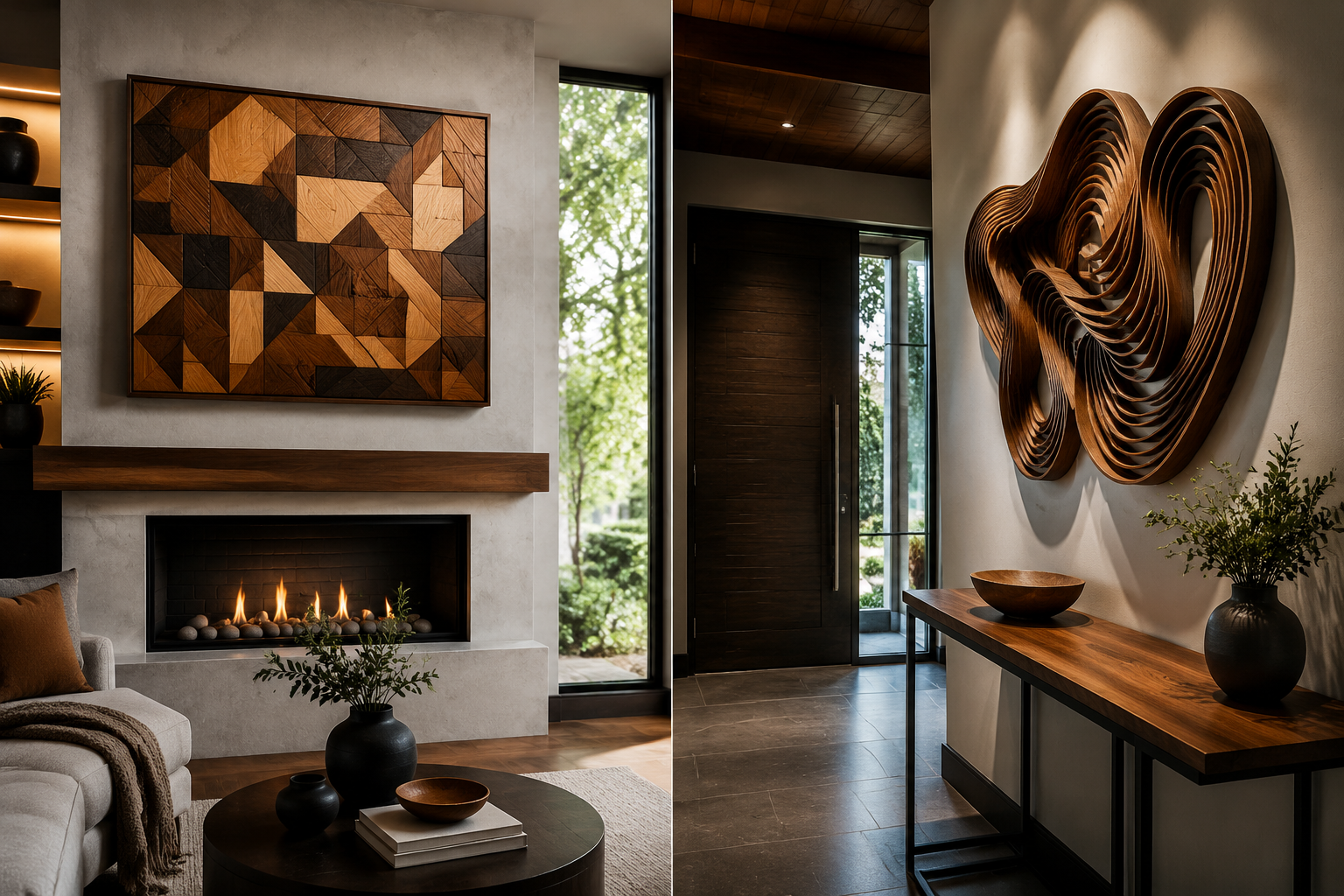
The finishing process is where the true character of your modern wooden wall art emerges. It protects the wood, enhances its natural beauty, and adds to the overall aesthetic. Proper installation ensures the piece is securely displayed and optimally showcased.
Enhancing Aesthetics with Modern Finishes
Beyond standard stains and clear coats, contemporary finishes offer exciting possibilities for Crafting Modern Wooden Wall Art: Abstract Designs and Dimensional Sculptures for Contemporary Homes.
- Ebonizing Wood: A process that uses a chemical reaction (iron acetate) to turn wood (especially woods rich in tannins like oak or walnut) a deep, rich black. This creates a dramatic, modern look. Is ebonized wood food safe? While often used for decorative purposes, understanding its properties is important, as explored in our guide, is ebonized wood food safe?.
- Liming Wax: Applied to open-grained woods (like oak), this wax settles into the grain, creating a beautiful white-washed or “pickled” effect that highlights the texture while softening the wood’s natural color.
- Bleaching: Using wood bleach to lighten dark woods or create a more uniform, pale appearance, which can be ideal for minimalist or Scandinavian-inspired designs.
- Oil Finishes: Penetrating oils (like Danish oil or tung oil) enhance the wood’s natural color and grain, offering a matte or satin finish that feels luxurious and protects from within.
- High-Gloss Polyurethane: For a sleek, contemporary look, multiple coats of sprayable water-based polyurethane or traditional polyurethane can create a mirror-like finish, adding a protective, durable layer. Comparing gloss vs. semi-gloss poly can help determine the ideal sheen.
- Color Blocking/Painting: Selectively painting certain sections or layers of the wooden art can introduce vibrant color or stark contrasts, adding a graphic element to abstract designs.
A Quick Comparison of Finish Types
| Finish Type | Appearance | Durability | Application | Notes |
|---|---|---|---|---|
| Ebonizing | Deep black, matte/satin | Moderate | Chemical | Reacts with wood, not a surface coating |
| Liming Wax | White-washed grain | Low-moderate | Rub on | Highlights grain, soft, traditional |
| Oil Finish | Natural, rich, matte | Moderate | Rub on/Brush | Penetrates wood, easy to repair |
| Polyurethane | Clear, glossy/satin | High | Brush/Spray | Forms a protective film, very durable |
| Acrylic Paint | Opaque color, matte/satin | Varies by paint | Brush | Full coverage, limitless color options |
Installation Best Practices
Secure and visually appealing installation is crucial for showcasing your artwork.
- Weight Assessment: Accurately determine the weight of your finished piece to choose appropriate mounting hardware. Large, dimensional sculptures can be surprisingly heavy.
- Wall Anchors: Use robust wall anchors (toggle bolts for drywall, expansion anchors for masonry) if studs are not available or sufficient.
- French Cleats: An excellent system for heavy, flat pieces. Two interlocking wood strips distribute weight evenly and allow for easy, secure hanging.
- Stand-offs: For pieces with inherent depth or layered elements, stand-offs (metal or acrylic spacers) can create a floating effect, adding to the contemporary aesthetic.
- Leveling: Always use a level to ensure the artwork is perfectly straight. Even a slight tilt can detract from a modern design.
Integrating with Modern Interiors
The placement of your wooden wall art can dramatically impact its effect.
- Focal Point: Position a large, striking piece above a sofa, bed, or dining table to serve as the main focal point of a room.
- Accent Lighting: Install recessed lighting, track lighting, or picture lights to highlight the texture and depth of dimensional pieces, creating dramatic shadows and enhancing their presence, similar to how DIY wooden candle holders add ambience.
- Color Palette Harmony: Ensure the wood tones and finishes complement the existing color scheme of the room. Warm woods can add inviting contrast to cool-toned rooms, while ebonized pieces can enhance a monochromatic or industrial aesthetic.
- Negative Space: Consider the surrounding wall space as part of the composition. Modern designs often benefit from ample negative space, allowing the artwork to breathe and stand out.
Conclusion
Crafting Modern Wooden Wall Art: Abstract Designs and Dimensional Sculptures for Contemporary Homes offers a deeply rewarding journey for woodworkers and interior design enthusiasts alike. By combining precise woodworking techniques, an understanding of wood’s inherent qualities, and a vision for modern aesthetics, it is possible to create truly unique and impactful pieces. From the intricate geometry of abstract patterns to the commanding presence of multi-layered sculptures, wooden wall art provides a timeless way to add warmth, texture, and sophistication to any contemporary living space. Embrace the challenge, experiment with different woods and finishes, and allow your creativity to transform a simple piece of wood into a compelling statement.
To further explore advanced techniques and ensure your creations are structurally sound and beautifully finished, consider delving into specific resources on wood finishing techniques or mastering advanced joinery.
SEO Meta Title: Crafting Modern Wooden Wall Art: Abstract Designs for Homes SEO Meta Description: Explore techniques for crafting modern wooden wall art, from abstract geometric designs to dimensional sculptures, enhancing contemporary homes with unique wood artistry in 2026.