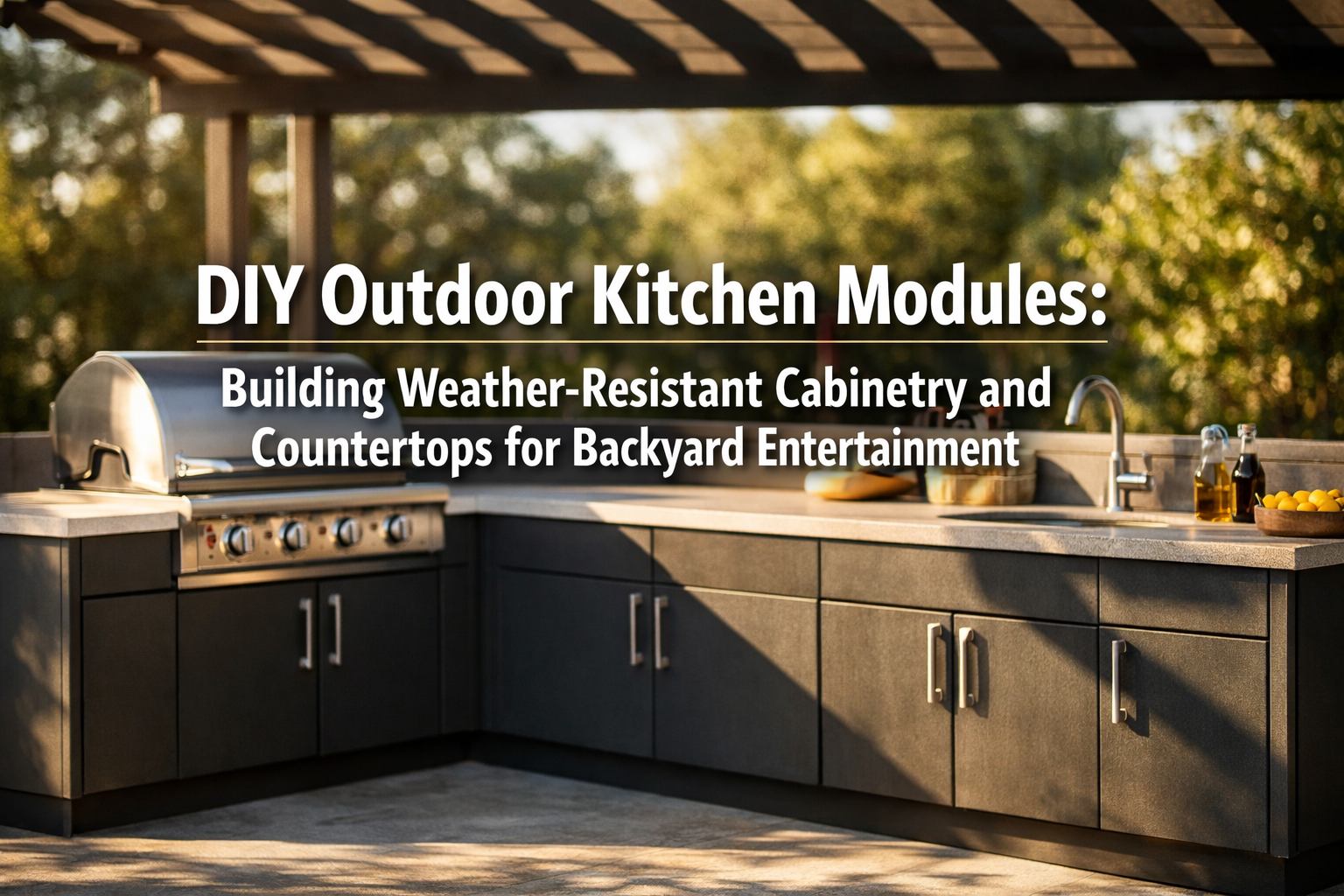

Transforming your backyard into an outdoor entertaining oasis has never been more appealing, especially with the rising popularity of integrated outdoor living spaces. Imagine effortlessly grilling and hosting gatherings without shuttling food and supplies back and forth from your indoor kitchen. This dream is entirely achievable through the creation of DIY Outdoor Kitchen Modules: Building Weather-Resistant Cabinetry and Countertops for Backyard Entertainment. This comprehensive guide will empower woodworkers to design and construct durable, functional, and aesthetically pleasing outdoor kitchen components that stand up to the elements and elevate any outdoor gathering in 2026.
Building your own outdoor kitchen offers significant cost savings and the immense satisfaction of a custom creation tailored precisely to your needs and backyard aesthetic. This article delves into material selection, construction techniques, and finishing options to ensure your modules are not only beautiful but also built to last.

Key Takeaways
- Material Selection is Paramount: Choose inherently weather-resistant materials like marine-grade plywood, HDPE, or stainless steel for longevity.
- Design for Durability: Incorporate features like sloped surfaces, drip edges, and proper ventilation to prevent moisture damage.
- Weatherproof Construction: Utilize robust joinery, waterproof adhesives, and stainless steel fasteners.
- Protect and Preserve: Apply appropriate sealants, stains, or paints to shield surfaces from UV rays, rain, and temperature fluctuations.
- Plan for Integration: Consider appliance dimensions, utility hookups, and overall layout during the design phase.
Designing and Selecting Materials for Weather-Resistant Cabinetry
The foundation of any successful outdoor kitchen lies in its design and the meticulous selection of materials. When building DIY Outdoor Kitchen Modules: Building Weather-Resistant Cabinetry and Countertops for Backyard Entertainment, every choice, from the frame material to the fasteners, must prioritize resilience against sun, rain, temperature swings, and humidity.
Key Design Considerations
Before cutting the first piece of material, a thorough design process is essential.
- Layout and Functionality: Sketch your desired layout, considering the “work triangle” of grill, sink, and refrigerator. Think about storage needs, prep space, and serving areas. How many modules will you need? What appliances will be integrated?
- Dimensions and Modularity: Design modules that are easy to build, move, and potentially reconfigure. Standard kitchen cabinet depths (24-25 inches) often work well, but adjust heights and widths to suit your appliances and ergonomic needs. For tips on creating ergonomic workspaces, you might find inspiration in “Creating Ergonomic Workshop Furniture: Building Custom Workbenches” (https://woodcraftwiz.com/creating-ergonomic-workshop-furniture-building-custom-workbenches-stools-and-storage-to-prevent-strain-and-increase-productivity/).
- Ventilation and Drainage: Proper ventilation is critical for gas grills and refrigerators. Ensure adequate air circulation. Design countertops with a slight slope for water run-off and include drip edges to prevent water from pooling or running down cabinet fronts.
- Access for Utilities: Plan for electrical outlets, gas lines, and plumbing connections. These need to be accessible for installation and maintenance, yet safely protected from the elements.
Selecting the Right Materials
Choosing materials that can withstand the harsh outdoor environment is the most critical step.
Cabinetry Materials
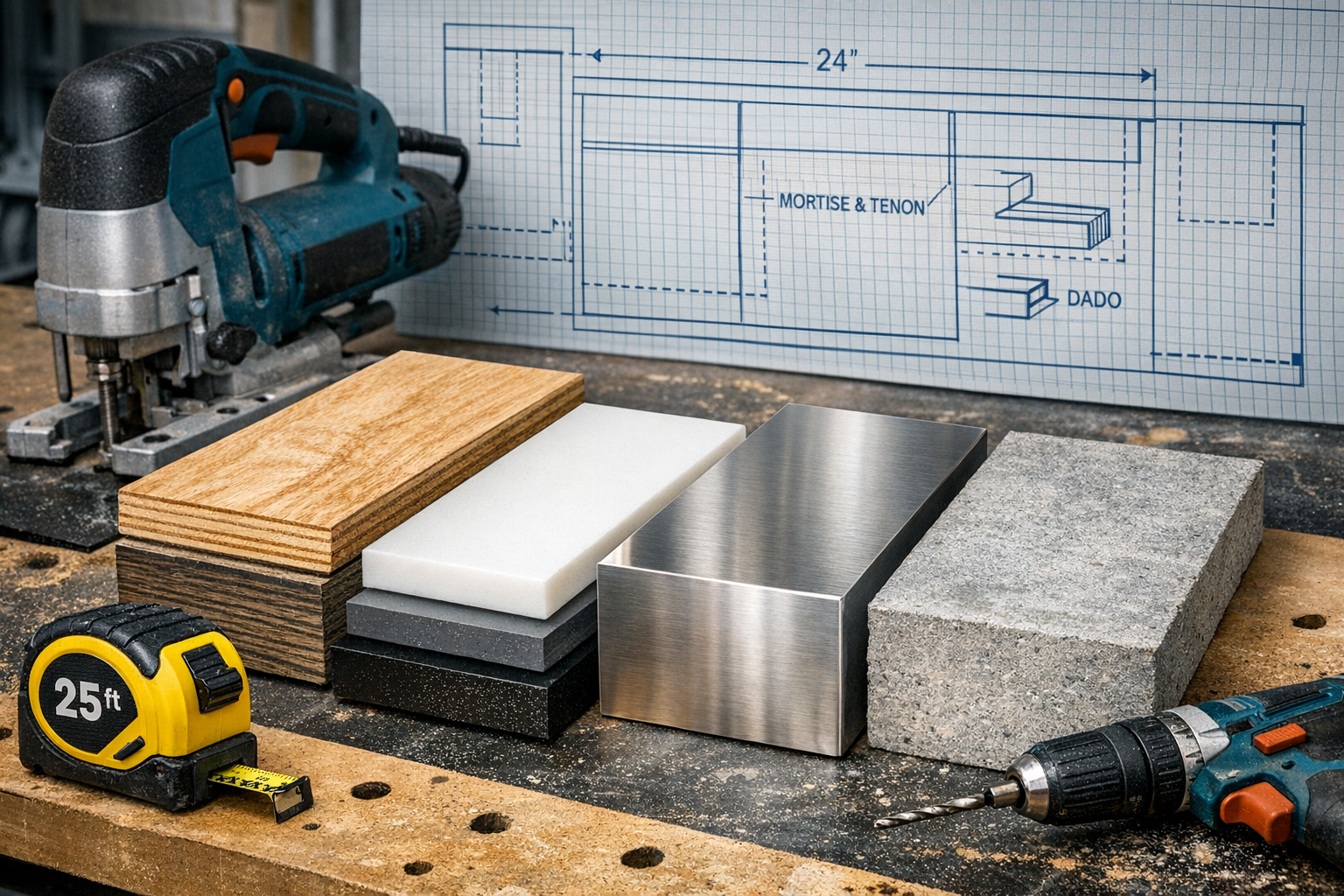
- Marine-Grade Plywood: A popular choice for DIY projects due to its strength and resistance to moisture. Unlike standard plywood, marine-grade plywood uses waterproof glue and has no voids in its core, preventing delamination. It still requires proper sealing and finishing.
- High-Density Polyethylene (HDPE): A robust plastic sheet material that is completely waterproof, UV-resistant, and won’t rot, splinter, or delaminate. It’s available in various colors and easy to clean, making it an excellent, low-maintenance option. However, it can be more expensive and requires specific cutting and joining techniques.
- Cement Board: Often used as a substrate for tile, cement board can also form the core of cabinets. It is highly resistant to moisture and rot but needs a decorative and protective finish (like stucco, stone veneer, or tile).
- Stainless Steel: The gold standard for outdoor kitchens. Stainless steel offers unparalleled durability, corrosion resistance, and a professional aesthetic. While often seen in pre-made units, DIYers can fabricate stainless steel frames or use panels for cabinet fronts. It’s pricier and requires specialized tools for fabrication.
- Exterior-Grade Lumber (e.g., Cedar, Teak): While beautiful, solid wood requires significant ongoing maintenance (sealing, oiling) to prevent warping, cracking, and rot when exposed to continuous outdoor conditions. If opting for wood, consider species naturally resistant to decay and insects, and integrate robust strategies for “Understanding Wood Movement: How to Design and Build Furniture That” lasts (https://woodcraftwiz.com/understanding-wood-movement-how-to-design-and-build-furniture-that-lasts-through-seasonal-changes/).
Countertop Materials
- Concrete: Versatile and durable, concrete countertops can be poured in place or precast. They offer excellent heat resistance but require proper sealing to prevent staining and freeze-thaw damage.
- Natural Stone (Granite, Soapstone): Highly durable and aesthetically pleasing. Granite is very hard and heat-resistant but needs sealing to prevent stains. Soapstone is softer but naturally non-porous and develops a beautiful patina over time. Both are heavy and often require professional fabrication.
- Porcelain Slabs or Tile: Extremely durable, non-porous, UV-resistant, and available in a vast array of colors and patterns. Tiles can be applied over a cement board substrate.
- Compact Laminate (Phenolic Resin): An engineered material designed for outdoor use, offering excellent weather resistance, UV stability, and minimal maintenance. Available in various finishes.
- Composite Decking (PVC/Plastic): While primarily for decking, some premium composite materials can be used for countertops, especially for prep areas away from direct heat. They are highly weather-resistant and low maintenance.
Hardware and Fasteners
Always use stainless steel (304 or 316 grade) screws, hinges, drawer slides, and handles. Regular steel will rust and degrade quickly outdoors. For joinery, consider waterproof construction adhesives alongside mechanical fasteners.
Constructing Weather-Resistant Cabinetry and Countertops
Once your design is finalized and materials are sourced, the construction phase begins. Precision, proper joinery, and meticulous sealing are paramount to ensure the longevity of your DIY Outdoor Kitchen Modules: Building Weather-Resistant Cabinetry and Countertops for Backyard Entertainment.
Building the Cabinet Frames
Regardless of the primary material chosen, the basic principles of cabinet construction apply, with an added emphasis on weatherproofing.
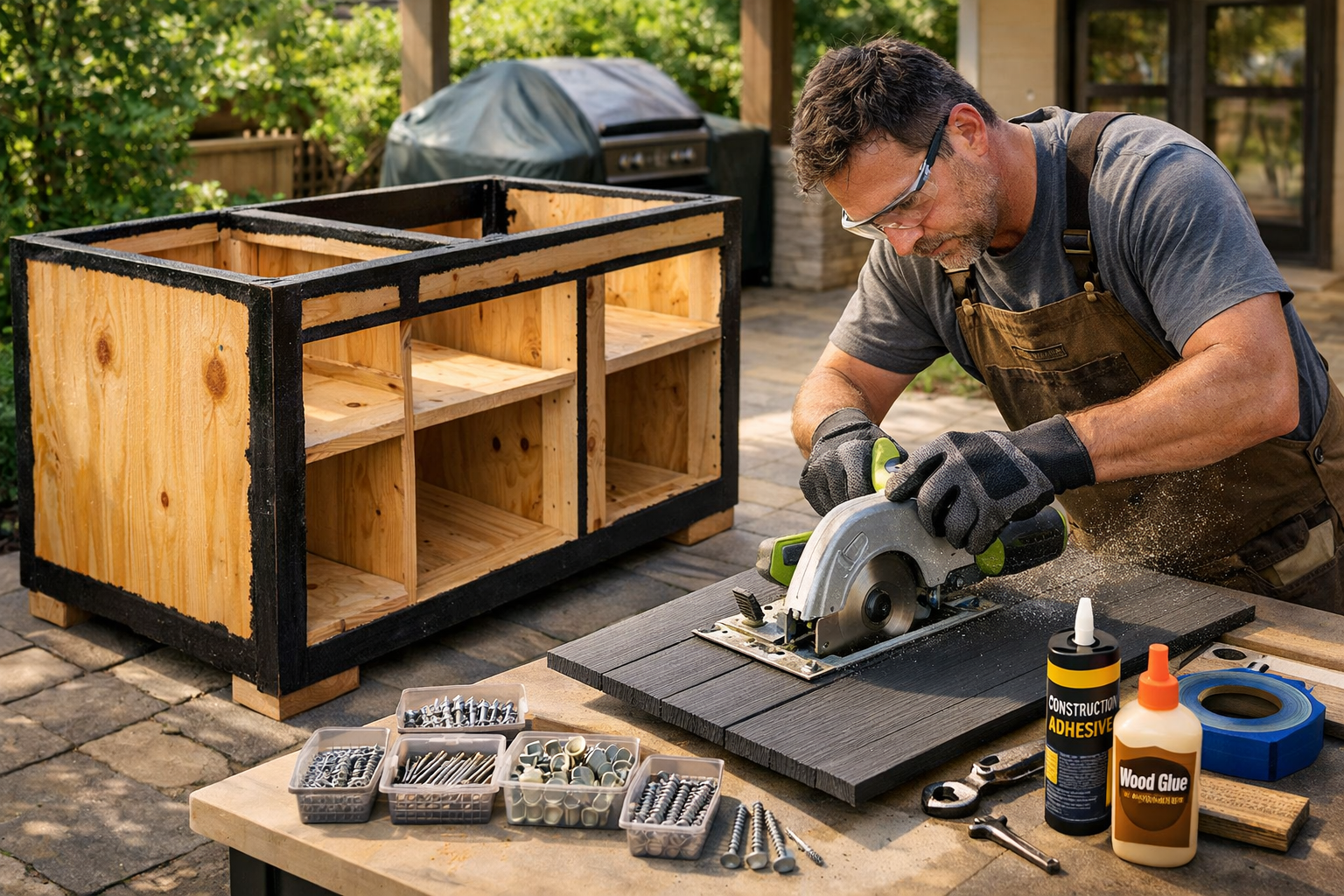
- Cut Components: Accurately cut all panels for sides, tops, bottoms, and shelves according to your design. For marine-grade plywood, use sharp blades to prevent tear-out.
- Joinery: Robust joinery is essential. For wood-based frames, consider using dado joints, rabbets, or mortise and tenon joints, reinforced with waterproof polyurethane glue and stainless steel screws. For detailed information on various joints, refer to “Beginner’s Guide to Essential Woodworking Joints: When to Use Which” (https://woodcraftwiz.com/beginners-guide-to-essential-woodworking-joints-when-to-use-which-and-how-to-master-them/). If working with HDPE, specialized welding or mechanical fasteners designed for plastics will be necessary.
- Assembly: Assemble the cabinet boxes, ensuring they are square and plumb. Use clamps to hold components firmly while glue dries. Drill pilot holes for all screws to prevent splitting.
- Edge Banding/Sealing (for wood): If using marine-grade plywood, all exposed edges must be thoroughly sealed. Apply multiple coats of epoxy resin or an exterior-grade sealant to prevent any moisture ingress into the plywood layers. This is a critical step for durability.
- Finishing Touches: Install stainless steel hinges and drawer slides. For drawers, consider “Mastering Dovetail Joinery for Drawers: Hand and Router Methods for Cabinet Builders” (https://woodcraftwiz.com/mastering-dovetail-joinery-for-drawers-hand-and-router-methods-for-cabinet-builders/) to create strong, lasting joints.
Fabricating and Installing Countertops
The countertop is a focal point and high-wear surface, demanding careful construction and weatherproofing.
Concrete Countertops
- Form Building: Construct sturdy forms from melamine-coated particle board, ensuring smooth surfaces for the concrete. Integrate knock-outs for sinks and appliance cutouts.
- Reinforcement: Place steel rebar or wire mesh within the form for added strength.
- Pouring and Curing: Mix and pour high-strength concrete, vibrating it to release air bubbles. Allow sufficient curing time (typically 28 days) before removing forms.
- Grinding and Sealing: Grind and polish the surface to achieve your desired finish, then apply multiple coats of a penetrating concrete sealer specifically designed for outdoor use.
Tiled Countertops
- Substrate Preparation: Ensure your cabinet tops are level and sturdy. Install a cement board substrate, screwing it securely to the cabinet frame with corrosion-resistant screws. Seal all seams with fiberglass mesh tape and thin-set mortar.
- Layout and Tiling: Plan your tile layout carefully. Apply exterior-grade thin-set mortar with a notched trowel and lay tiles, maintaining even grout lines.
- Grouting and Sealing: Once the thin-set cures, apply a high-quality exterior grout. After the grout cures, apply a penetrating grout sealer to protect against moisture and stains.
Other Countertop Materials
- Compact Laminate/HDPE: These materials typically arrive as large sheets. Cut them to size using appropriate saw blades (fine-tooth for laminate, plastic-specific for HDPE). Edges can be smoothed or routed for decorative profiles. Fasten from underneath using stainless steel screws.
- Natural Stone/Pre-fabricated: For granite, soapstone, or porcelain slabs, it’s often best to have them professionally fabricated and installed due to their weight and fragility during handling. Ensure the underlying cabinet structure can support the weight.
Appliance Integration and Utility Routing
- Appliance Housings: Build custom housings or frames within your modules to fit specific outdoor appliances like grills, smokers, mini-fridges, or pizza ovens. Ensure adequate clearances for heat dissipation and ventilation according to manufacturer specifications.
- Utility Channels: Create discreet channels or conduits within or behind your modules for electrical wiring, gas lines, and plumbing. These should be protected from moisture and physical damage.
- Sink Installation: If including a sink, ensure proper drainage is routed away from the cabinetry. Use marine-grade silicone sealant for all sink and faucet installations.
Finishing and Protecting Your Outdoor Kitchen Modules
The final stage in building DIY Outdoor Kitchen Modules: Building Weather-Resistant Cabinetry and Countertops for Backyard Entertainment is applying the protective finishes that ensure their longevity and enhance their aesthetic appeal. This step is critical for shielding your hard work from the elements.
Finishing Wood Cabinetry
If you’ve opted for marine-grade plywood or naturally weather-resistant wood, proper finishing is paramount.
- Sanding: Begin with thorough sanding, progressing through grits from 80 to 220, ensuring all surfaces are smooth.
- Stain or Paint:
- Exterior Stain: A good quality exterior stain (oil-based or water-based) penetrates the wood, providing UV protection and moisture resistance while allowing the wood grain to show through. Apply multiple coats as directed.
- Exterior Paint: For a solid color finish, use a high-quality exterior primer followed by two to three coats of exterior-grade paint. Look for paints formulated for decks or outdoor trim, offering excellent mildew and UV resistance.
- Topcoat (Optional but Recommended): For added protection, especially for surfaces experiencing direct sun and rain, consider an exterior-grade spar varnish or polyurethane with UV inhibitors. These create a durable, clear coat over stain or paint. For more on advanced finishing, explore “Mahogany Wood Finishing Techniques” (https://woodcraftwiz.com/mahogany-wood-finishing-techniques-2/) though specific products would need to be outdoor-rated.
Sealing and Maintaining Countertops
Each countertop material requires specific sealing and maintenance.
- Concrete: Reseal concrete countertops annually with a penetrating concrete sealer to prevent staining and protect against weather.
- Natural Stone (Granite): Apply a quality stone sealer every 1-3 years, depending on product recommendations and exposure. This helps prevent absorption of liquids that could stain.
- Tile/Grout: Reapply grout sealer annually, especially in high-traffic or high-moisture areas, to maintain water resistance.
- Compact Laminate/HDPE: These are largely maintenance-free regarding sealing. Regular cleaning with mild soap and water is usually sufficient.
- Composite Decking: While low maintenance, a periodic cleaning with a composite deck cleaner can help remove grime and prevent mildew growth.
Final Touches and Long-Term Care
- Weatherstripping: Apply weatherstripping around cabinet doors and drawer fronts to further seal out moisture and insects.
- Ventilation: Ensure that any enclosed areas housing appliances (like refrigerators or trash bins) have adequate ventilation to prevent heat buildup and condensation.
- Covers: Invest in high-quality, weather-resistant covers for your grill and the entire outdoor kitchen area, especially during prolonged periods of non-use or harsh weather. This significantly extends the life of your modules.
- Regular Cleaning: Routine cleaning is essential. Wipe down surfaces regularly to remove dirt, pollen, and food spills before they can cause damage.
- Winterization (if applicable): In colder climates, properly winterize your outdoor kitchen. This includes disconnecting water lines, draining sinks, and covering all components.
By carefully planning, constructing with durable materials, and applying the right finishes, your DIY Outdoor Kitchen Modules: Building Weather-Resistant Cabinetry and Countertops for Backyard Entertainment will provide years of enjoyment and become the envy of your neighborhood in 2026. This investment in your outdoor living space will not only enhance your home’s value but also create countless memories with family and friends.
Conclusion
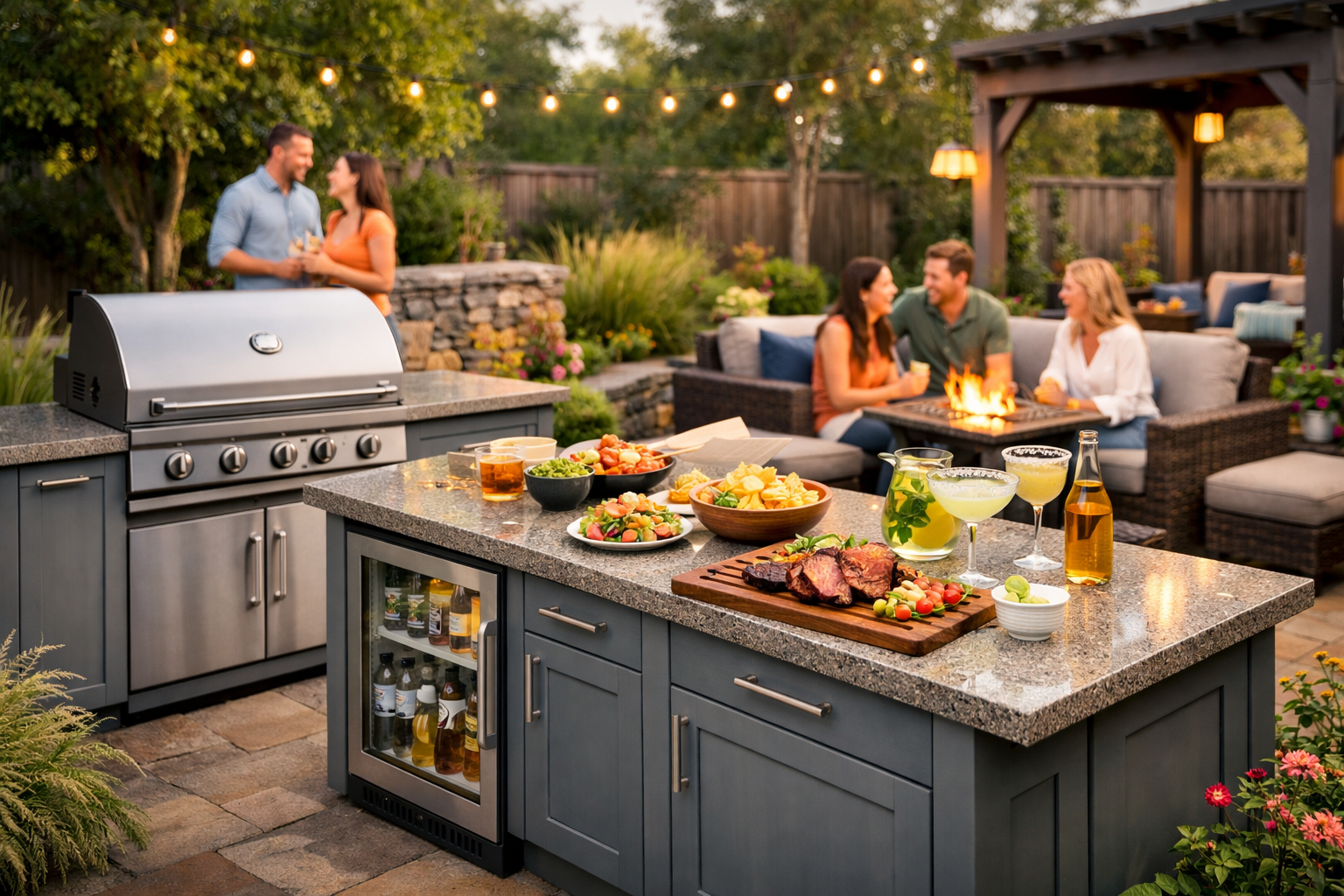
Building DIY Outdoor Kitchen Modules: Building Weather-Resistant Cabinetry and Countertops for Backyard Entertainment is a rewarding project that significantly enhances your home’s outdoor living capabilities. By prioritizing weather-resistant materials, employing sound construction techniques, and applying meticulous finishes, you can create a durable and beautiful outdoor kitchen that stands up to the elements and provides years of enjoyment. Remember, the key to longevity lies in thoughtful design, quality materials, and consistent protection against moisture and UV exposure.
Take the time to plan your layout carefully, research the best materials for your climate and budget, and execute each step with precision. The satisfaction of cooking and entertaining in a space you built yourself is unmatched. Start planning your outdoor kitchen project today and look forward to countless memorable gatherings in your newly transformed backyard oasis in 2026.