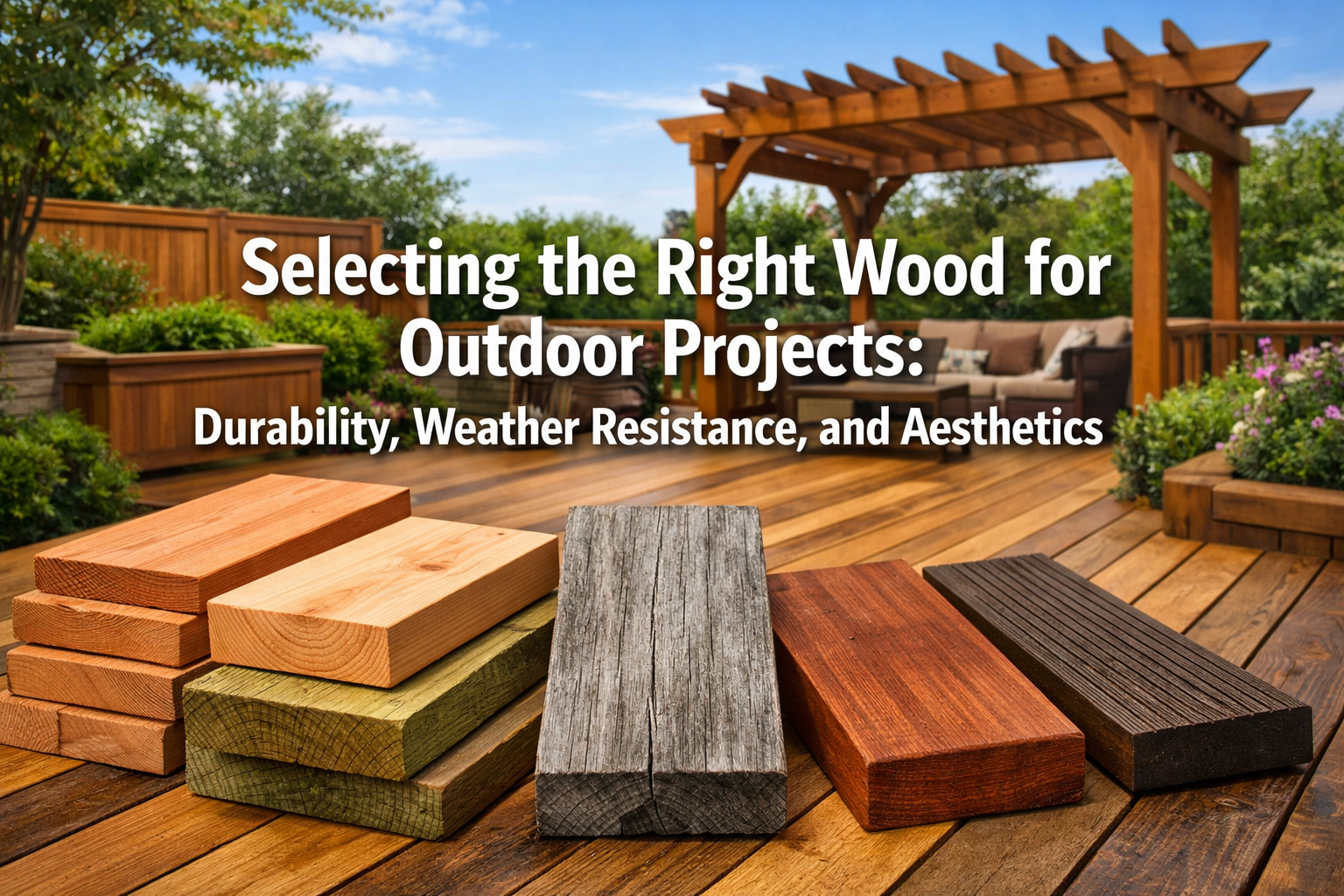

Crafting beautiful and long-lasting outdoor structures, from inviting decks to charming garden furniture, begins with a crucial decision: selecting the right wood for outdoor projects: durability, weather resistance, and aesthetics. The elements—sun, rain, snow, and even insects—can be relentless, making your choice of material paramount. This comprehensive guide will navigate you through the best wood options, comparing their natural resistance, treatment requirements, and visual qualities to ensure your outdoor creations stand the test of time while enhancing your property’s appeal.
Choosing the ideal wood isn’t just about initial cost; it’s an investment in longevity, maintenance, and the overall look of your project. A well-informed decision upfront can save countless hours and dollars in repairs and replacements down the line. Let’s delve into the world of exterior woodworking and empower you to make the smartest choices for your next build in 2026.
Key Takeaways
- Natural Resistance Matters: Certain wood species like Cedar, Redwood, and Ipe possess inherent resistance to rot, decay, and insect infestation, making them superior for outdoor use.
- Treatment is Crucial for Many Woods: For non-naturally resistant woods like pine or fir, pressure treatment is essential to withstand outdoor conditions, greatly extending their lifespan.
- Durability and Hardness Vary: Hardwoods generally offer greater structural integrity and resistance to wear, while softwoods are easier to work with but may require more protection.
- Aesthetics Influence Design: Consider the wood’s natural color, grain pattern, and how it will age or accept finishes to complement your outdoor design vision.
- Maintenance Extends Life: Regardless of the wood chosen, proper finishing and routine maintenance are vital for preserving durability, weather resistance, and aesthetics.
Understanding Durability and Natural Weather Resistance
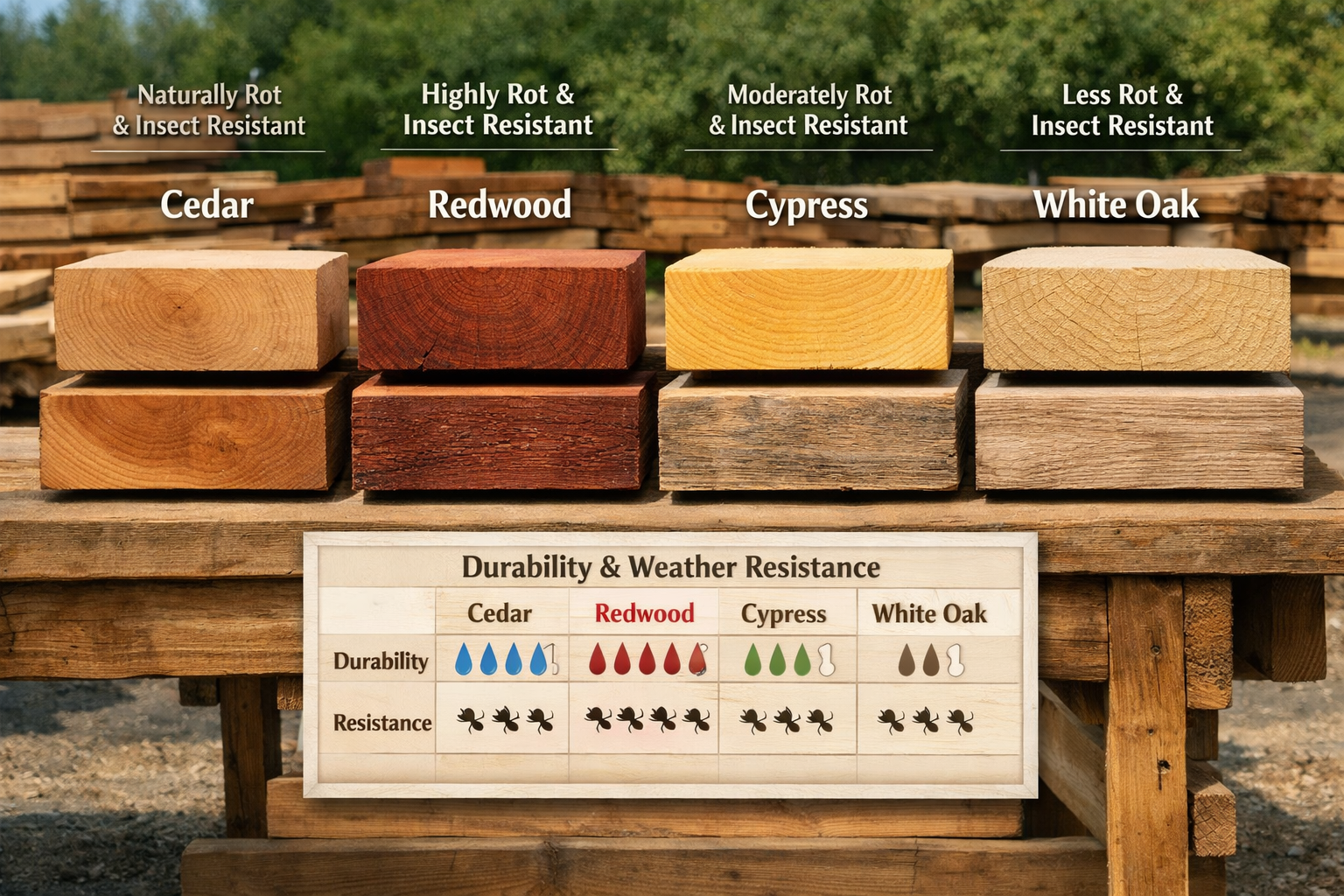
When selecting the right wood for outdoor projects: durability, weather resistance, and aesthetics, the first consideration must be how well the wood naturally stands up to the harsh realities of the outdoors. This involves resistance to moisture, fungal decay (rot), and insect attacks. Woods are generally classified by their natural resistance to these factors, which can significantly influence a project’s lifespan and maintenance needs.
Inherent Resistance: What Makes Wood Last?
Certain wood species contain natural compounds, primarily extractives, that act as fungicides and insecticides. These natural defenses make them inherently more suitable for outdoor applications without extensive chemical treatments.
Table 1: Common Outdoor Woods and Their Natural Resistance
| Wood Species | Natural Decay Resistance | Insect Resistance | Hardness/Durability | Common Uses |
|---|---|---|---|---|
| Cedar | High | High | Soft to Medium | Decking, Siding, Fencing, Furniture |
| Redwood | High | High | Soft to Medium | Decking, Siding, Planters |
| Cypress | High | Medium | Medium | Decking, Docks, Furniture |
| Ipe (Brazilian Walnut) | Very High | Very High | Very Hard | Decking, Boardwalks, Furniture |
| Teak | Very High | Very High | Medium to Hard | Decking, Boat Building, High-end Furniture |
| White Oak | Medium to High | Medium | Hard | Furniture, Timbers, Boat Building |
| Pressure-Treated Pine | Chemically Enhanced | Chemically Enhanced | Medium | Decks, Fences, Structural Elements |
- Cedar (Western Red Cedar, Eastern Red Cedar): Renowned for its aromatic properties and beautiful grain, cedar contains natural oils that deter rot and insects. It’s relatively soft, making it easy to work with, but can dent more easily than hardwoods. Its color ranges from reddish-brown to pinkish, fading to a silvery-gray if left untreated. Many choose to let their cedar naturally weather for a rustic aesthetic.
- Redwood: Similar to cedar in its natural resistance, redwood is highly prized for its rich color and impressive stability. It resists warping and checking, making it an excellent choice for decking and siding. However, sustainable harvesting is a key consideration when sourcing redwood.
- Cypress: This beautiful wood grows in wet conditions, lending it natural resistance to moisture and decay. Cypress offers a unique grain pattern and a range of colors from pale yellow to reddish-brown. It is often chosen for its stability and aesthetic appeal in outdoor furniture and boat building.
- Ipe (Brazilian Walnut): A dense, incredibly hard tropical hardwood, Ipe is in a league of its own when it comes to durability. It boasts exceptional resistance to rot, insects, scratches, and fire. Its dark, rich brown color is stunning, though it can be challenging to work with due to its density. Ipe is a premium choice for high-traffic decks and demanding environments.
- Teak: Another high-performance tropical hardwood, teak is famous for its luxurious golden-brown color and incredible longevity. Its high oil content makes it naturally resistant to water, decay, and pests. Teak is often used in marine applications and high-end outdoor furniture, though its cost can be prohibitive for larger projects.
- White Oak: While less common for general decking than cedar or treated pine, white oak offers good natural resistance to decay due to its closed cell structure, making it suitable for certain outdoor applications, especially where strength is paramount.

Softwoods vs. Hardwoods for Outdoor Use
The distinction between softwoods and hardwoods is often misunderstood. It doesn’t solely relate to physical hardness but to the tree’s reproductive characteristics. However, in practical terms for woodworking, hardwoods are generally denser and more durable.
- Softwoods: (e.g., pine, spruce, fir) are typically faster-growing and less dense. While untreated, they have low natural resistance to decay and insects. However, softwoods are more affordable and easier to cut, shape, and fasten. For outdoor use, these almost always require pressure treatment.
- Hardwoods: (e.g., oak, maple, walnut, ipe, teak) are generally slower-growing, denser, and more expensive. Many hardwoods offer superior natural durability and strength, making them excellent choices for demanding outdoor projects. However, their density can make them harder to work with and may require specialized tools.
For projects like building a sturdy wooden storage bench, a naturally durable hardwood or treated softwood will be a wise choice.
Wood Treatment Options and Their Impact on Longevity
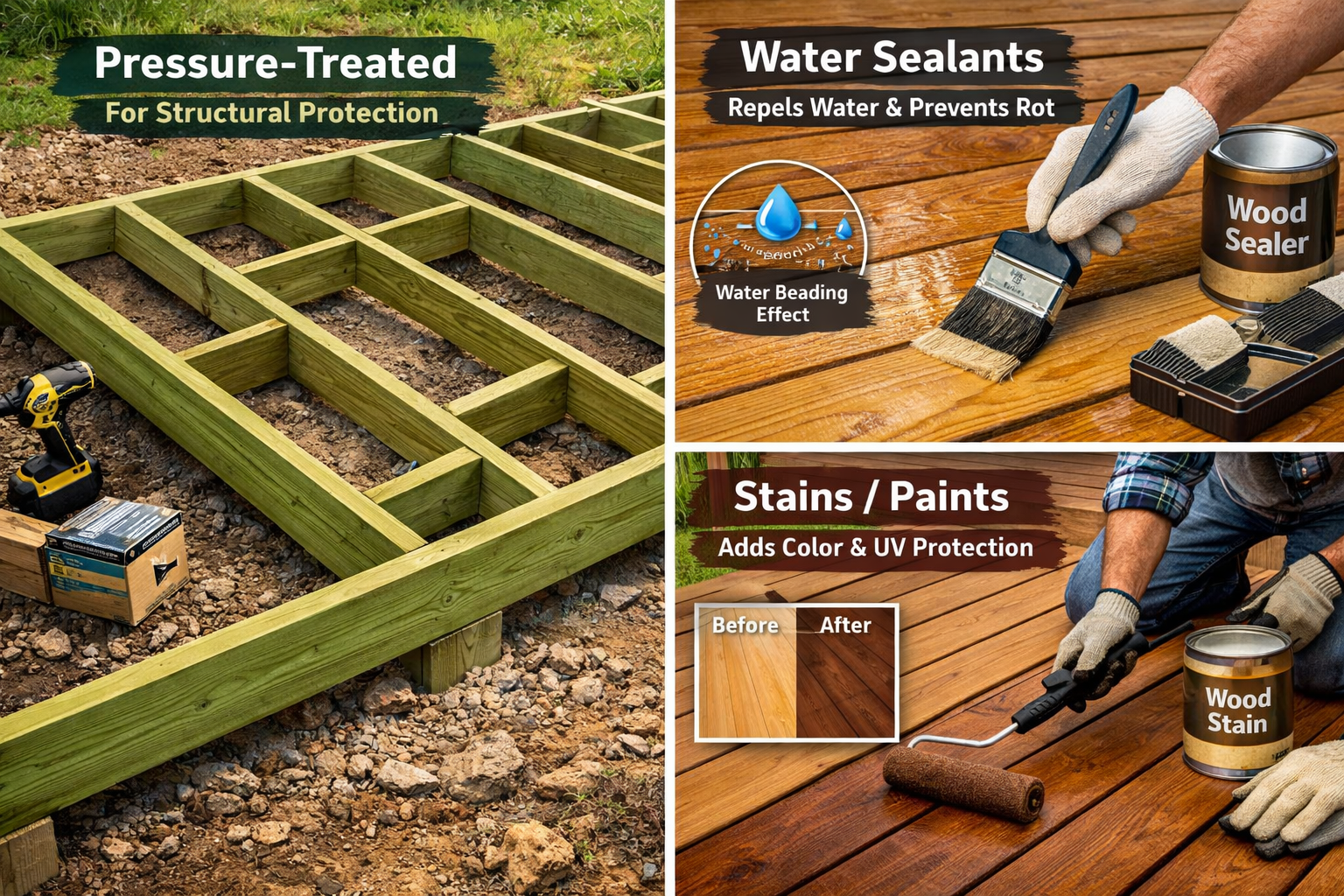
Even the most naturally resistant woods benefit from proper finishing, and many common, affordable woods require chemical treatment to survive outdoors. Understanding these options is key to selecting the right wood for outdoor projects: durability, weather resistance, and aesthetics.
Pressure-Treated Lumber
Pressure-treated lumber, typically pine or fir, has chemicals forced deep into its fibers under pressure. This process makes otherwise susceptible woods highly resistant to rot, fungal decay, and insect infestation. It’s a cost-effective and widely available option for structural components of decks, fences, and playground equipment.
- Chemicals Used: Historically, chromated copper arsenate (CCA) was common, but due to environmental concerns, it has largely been replaced by alkaline copper quat (ACQ), copper azole (CA), and micronized copper azole (MCA) for residential use. Always check the treatment type for safety and environmental considerations.
- Ground Contact vs. Above Ground: Treated lumber is rated for different applications. “Ground Contact” rated wood is suitable for direct contact with soil or fresh water, while “Above Ground” is for applications where the wood will not be in constant contact with moisture.
- Appearance: Pressure-treated wood often has a greenish tint when new, which fades to a honey-brown or gray over time. It can be stained or painted once dry to achieve a desired aesthetic.

Sealants, Stains, and Paints
These topical treatments protect the wood surface from UV damage, moisture absorption, and mildew, while also significantly impacting aesthetics.
- Water Sealants: Clear or lightly tinted sealants primarily protect against moisture penetration, reducing warping, cracking, and decay. They allow the wood’s natural grain and color to show through while preventing it from absorbing water. These need regular reapplication, often annually or bi-annually.
- Stains: Stains penetrate the wood fibers, adding color while still allowing some grain visibility. They offer varying degrees of UV and moisture protection, depending on whether they are transparent, semi-transparent, or solid. Solid stains offer the most protection and cover the most grain. Staining is an excellent way to refresh the look of a deck or fence. You can find more information on various wood finishing techniques to enhance your project.
- Paints: Paint forms an opaque film on the wood surface, offering the highest level of protection against the elements and UV radiation. It completely covers the wood grain and allows for a vast array of color choices, transforming the look entirely. Paint requires proper surface preparation and can chip or peel over time, necessitating recoating.
- Penetrating Oils: For hardwoods like Ipe or Teak, penetrating oils are often preferred. They soak into the wood, nourishing it and enhancing its natural color, while providing some water repellency. They offer a more natural look and feel but require regular reapplication. For specific guidance on tropical woods, consider “How to Finish Mahogany for Outdoor Use: Best Tips and Techniques” – https://woodcraftwiz.com/how-to-finish-mahogany-for-outdoor-use-best-tips-and-techniques/
Factors Influencing Treatment Choice:
- Budget: Pressure-treated lumber is generally the most economical choice for basic outdoor structures.
- Desired Look: Do you want to highlight the natural wood grain, add a pop of color, or achieve a uniform finish?
- Maintenance Commitment: Clear sealants require more frequent reapplication than solid stains or paints.
- Project Type: Structural elements often benefit most from pressure treatment, while furniture might prioritize a beautiful stain or penetrating oil.
When considering the long-term viability of materials, remember that even reclaimed wood needs attention to its finish. Exploring reclaimed wood finishing techniques can offer valuable insights into preserving repurposed materials.
Aesthetic Considerations and Project Suitability
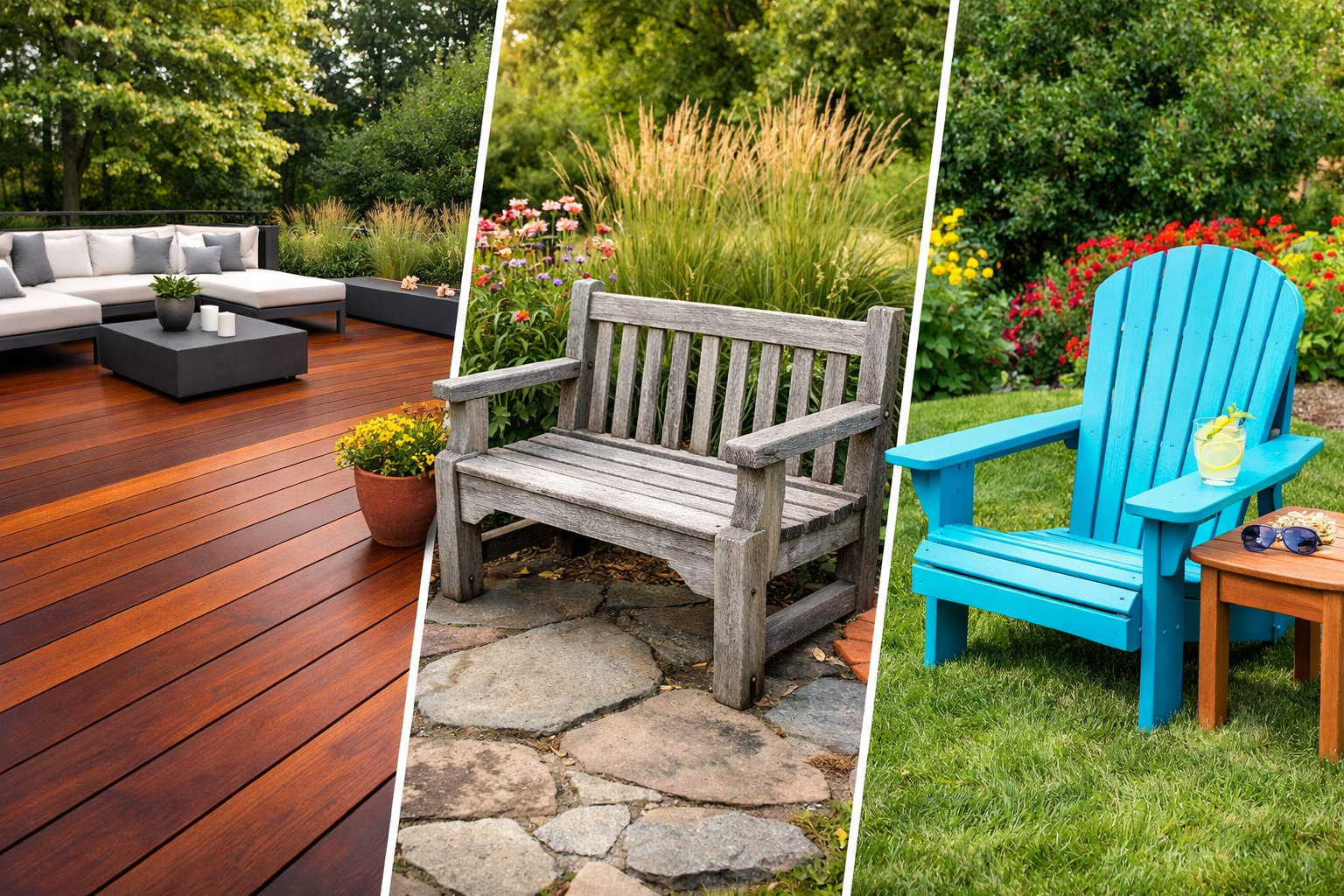
The visual appeal of your outdoor project is just as important as its structural integrity. Selecting the right wood for outdoor projects: durability, weather resistance, and aesthetics means balancing practical needs with your design vision. The wood’s natural color, grain pattern, texture, and how it ages will profoundly impact the final look and feel of your space.
Natural Color and Grain
Each wood species possesses a unique aesthetic fingerprint:
- Cedar: Often a beautiful reddish-brown, fading to silver-gray. Its straight, fine grain offers a clean, classic look.
- Redwood: Known for its deep, rich reddish-brown hues. It has a similar straight grain to cedar, exuding warmth and elegance.
- Cypress: Ranges from pale yellowish-brown to a darker reddish-brown, often with distinctive knots that add character.
- Ipe: A luxurious dark brown, often with subtle olive undertones, and a fine, interlocking grain that creates a smooth, sophisticated surface.
- Teak: Golden-brown when new, mellowing to a beautiful silver patina if left untreated. It has a straight grain and a slightly oily sheen.
- Pressure-Treated Pine: Initially greenish, then fading to a light brown or gray. The grain is more pronounced and can be less uniform than premium woods.
Consider how these natural colors will complement your home’s exterior, landscaping, and existing outdoor decor. Do you prefer a vibrant, warm tone or a more muted, weathered look?
How Wood Ages
Wood changes over time, and understanding this process is crucial for long-term satisfaction.

- UV Exposure: Sunlight causes wood to lighten, then eventually gray or silver. This is a natural process for all wood species.
- Moisture: Cycles of wetting and drying can lead to checking (small cracks), warping, and fungal growth if not properly protected.
- Patina: Many woods, especially cedar, redwood, and teak, develop a beautiful silvery-gray patina when left untreated to weather naturally. This can be a desirable aesthetic for a rustic or minimalist look. If you prefer to maintain the original color, regular cleaning and reapplication of UV-protective finishes are necessary. For inspiration, explore concepts of warm minimalism in woodworking.
Project-Specific Suitability
The best wood choice also depends on the specific project:
- Decks: For decking, high durability and slip resistance are key. Ipe, composite, or pressure-treated pine are common. Cedar and redwood are also excellent choices for their beauty and natural resistance. For those building larger outdoor features, consider how different wood types integrate with elements like exposed beam installation.
- Outdoor Furniture: Comfort and aesthetics often take precedence. Cedar, teak, and cypress are popular for their beauty and resistance. Hardwoods like white oak or even treated pine, well-finished, can also create beautiful pieces. Think about projects like building an Adirondack chair.
- Fencing: Cost-effectiveness and weather resistance are paramount. Pressure-treated pine is a common and affordable choice, while cedar offers superior aesthetics and natural pest resistance.
- Garden Structures (Pergolas, Arbors): Structural integrity combined with aesthetic integration into the garden. Pressure-treated lumber, cedar, or redwood are frequently used.
- Raised Garden Beds: The wood should be safe for plants and soil. Untreated cedar or redwood are excellent choices, or food-grade safe composites. Avoid traditional pressure-treated wood where food will be grown, as chemicals can leach into the soil.
Always consider the environmental impact and sustainability of your chosen wood. Certifications like FSC (Forest Stewardship Council) ensure the wood comes from responsibly managed forests.
Conclusion
Selecting the right wood for outdoor projects: durability, weather resistance, and aesthetics is a foundational step towards creating enduring and beautiful outdoor spaces. By understanding the inherent qualities of various wood species, the protective benefits of different treatments, and how aesthetic choices align with your project goals, you can make an informed decision that pays dividends for years to come.
Whether you prioritize the natural resilience and beauty of cedar, redwood, or Ipe, or opt for the cost-effectiveness and treated strength of pine, remember that proper planning, construction, and ongoing maintenance are crucial. Invest time in research, consider your local climate, and align your wood choice with your design vision and budget. With the right wood and a commitment to care, your outdoor projects in 2026 will not only withstand the elements but also enhance the beauty and value of your home for a lifetime.