
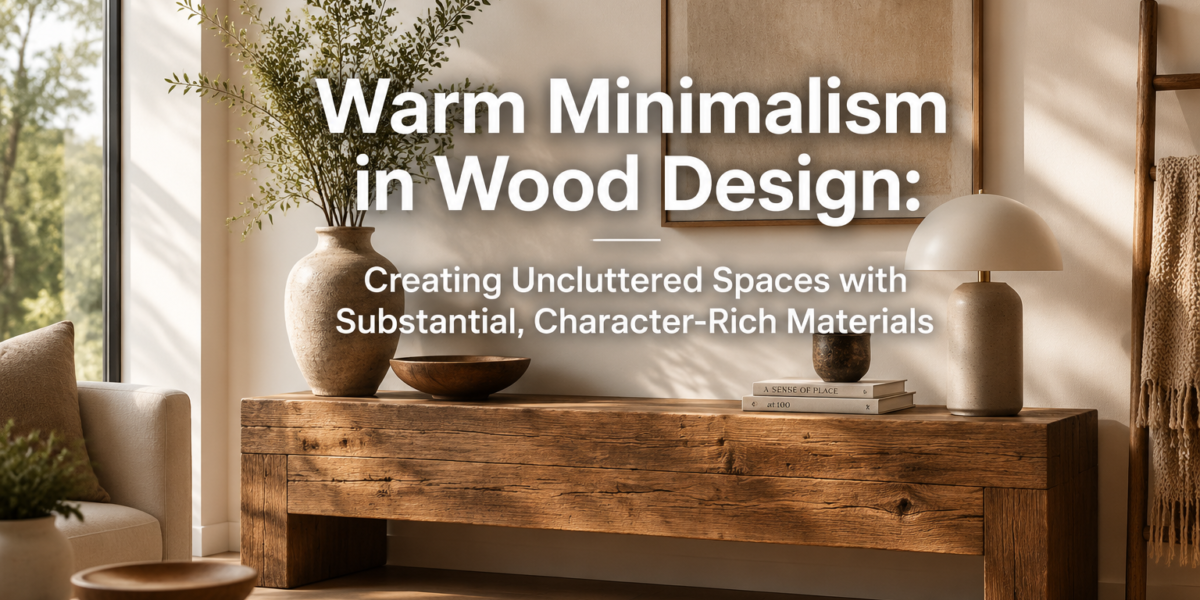
The prevailing trend in contemporary design, often seen as cold and austere, overlooks a profound human desire: the need for warmth, texture, and authenticity. This is where “Warm Minimalism in Wood Design: Creating Uncluttered Spaces with Substantial, Character-Rich Materials” emerges not merely as a style, but as a design philosophy. It’s an approach that deliberately balances the clean lines and visual simplicity of minimalism with the inherent tactile beauty and inviting nature of real wood. This fusion creates environments that feel intentional, serene, and deeply comforting, rather than stark or sterile.
Key Takeaways
- Warm minimalism fuses minimalist aesthetics with natural, character-rich wood, prioritizing substantial materials over excessive ornamentation.
- This design philosophy focuses on creating uncluttered spaces that feel inviting and authentic, avoiding sterile environments.
- Material selection is crucial, emphasizing woods with prominent grain, natural imperfections, and tactile qualities that tell a story.
- Craftsmanship and joinery become integral design elements, celebrating the skill involved in working with substantial timbers.
- Achieving warm minimalism requires a deliberate approach to furniture design, material finishing, and thoughtful accessorizing.
Understanding Warm Minimalism in Wood Design: Creating Uncluttered Spaces with Substantial, Character-Rich Materials
Warm minimalism challenges the conventional perception that minimalism must be devoid of personality. Instead, it advocates for a pared-down aesthetic that is rich in texture, depth, and comfort. Wood, with its infinite variety of grains, hues, and tactile properties, is perfectly positioned to be the cornerstone of this design movement. It offers a natural counterpoint to the sharp edges and monochromatic palettes often associated with traditional minimalism, injecting a vital sense of life and history into a space.
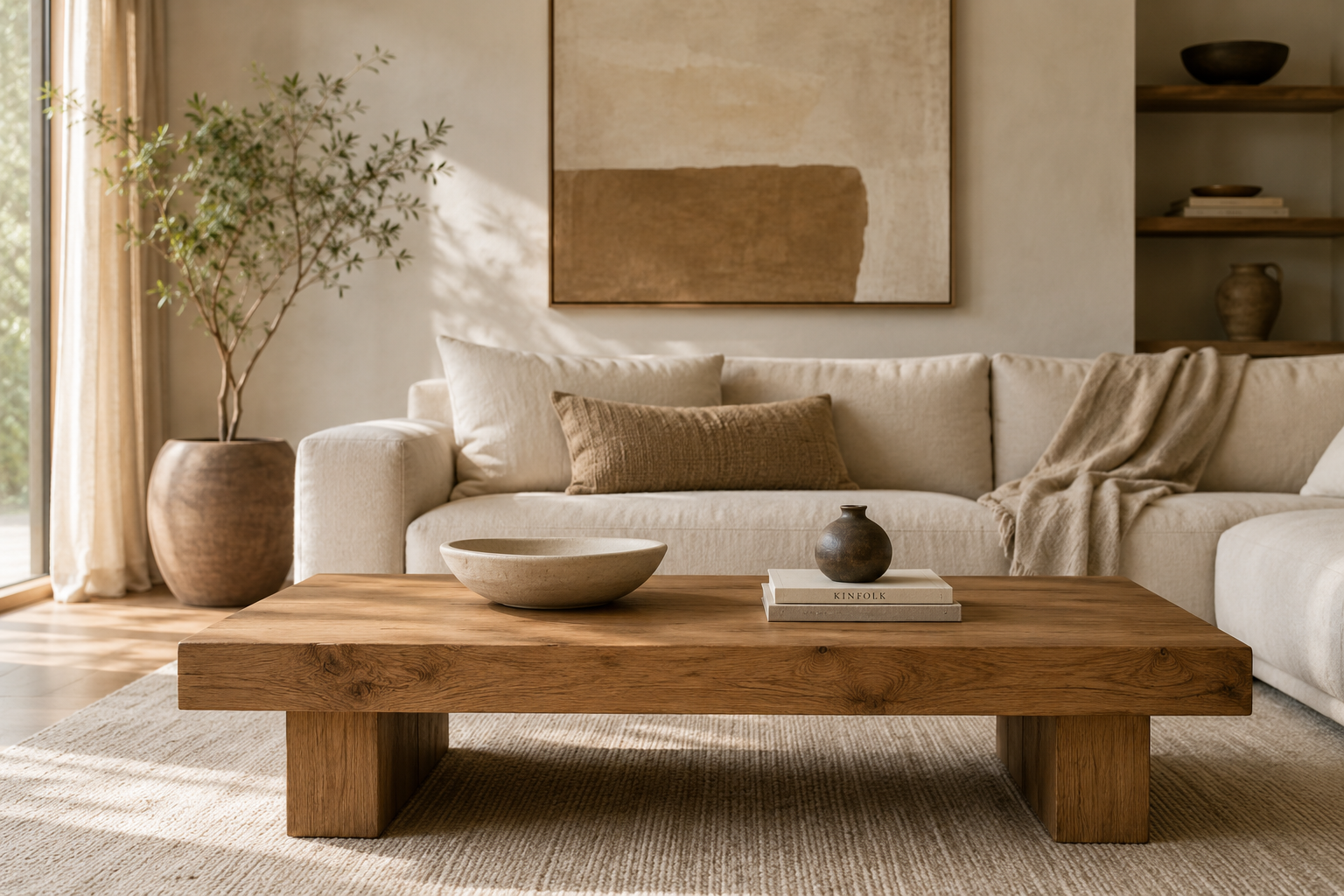
The essence lies in selection and execution. It means choosing a solid walnut console table with a captivating, organic grain pattern over a particleboard unit with a veneer. It’s about showcasing a hand-crafted white oak dining table with visible, robust joinery rather than a sleek, industrially produced piece. The beauty is in the inherent character of the material itself – the knots, the growth rings, the subtle variations in color that speak to the wood’s journey from forest to furniture. These “imperfections” are not flaws; they are badges of authenticity, adding a layer of narrative that mass-produced items simply cannot replicate.
This approach consciously moves away from the sterile, often unwelcoming feel of extreme minimalism. By embracing the warmth of natural wood, a space maintains its uncluttered appearance while gaining an inviting and grounding quality. It’s about fewer items, yes, but each item is chosen for its quality, its story, and its ability to contribute to an overall sense of tranquility and well-being.
Core Principles of Warm Minimalism
To truly embody “Warm Minimalism in Wood Design: Creating Uncluttered Spaces with Substantial, Character-Rich Materials,” several key principles must be observed:
- Substantial Materials: Prioritize solid wood over engineered alternatives. Look for pieces with a reassuring weight and presence.
- Character-Rich Textures: Embrace woods with distinctive grain patterns, natural variations, and even minor natural imperfections. These elements provide visual interest and tactile appeal.
- Clean Lines, Soft Forms: While lines should remain clean and uncluttered, avoid overly sharp or aggressive angles. Incorporate subtle curves or softened edges to enhance comfort.
- Natural Finishes: Opt for finishes that protect the wood while allowing its natural beauty to shine through. Oils, waxes, or matte lacquers are often preferred over high-gloss, synthetic coatings.
- Intentionality: Every piece of furniture or decor should serve a purpose and contribute meaningfully to the overall aesthetic. There’s no room for clutter or extraneous items.
- Balance with Other Materials: While wood is central, it should be balanced with other natural, tactile materials such as wool, linen, ceramic, stone, and subtle metals to create a layered, rich environment.
The Role of Material Selection in Character-Rich Wood Design
The success of warm minimalism in wood design hinges significantly on the judicious selection of wood species and how they are treated. Not all woods are created equal when aiming for that elusive blend of simplicity and substance.
Preferred Wood Species for Warm Minimalism
Certain woods naturally lend themselves to the warm minimalist aesthetic due to their inherent beauty, durability, and character.
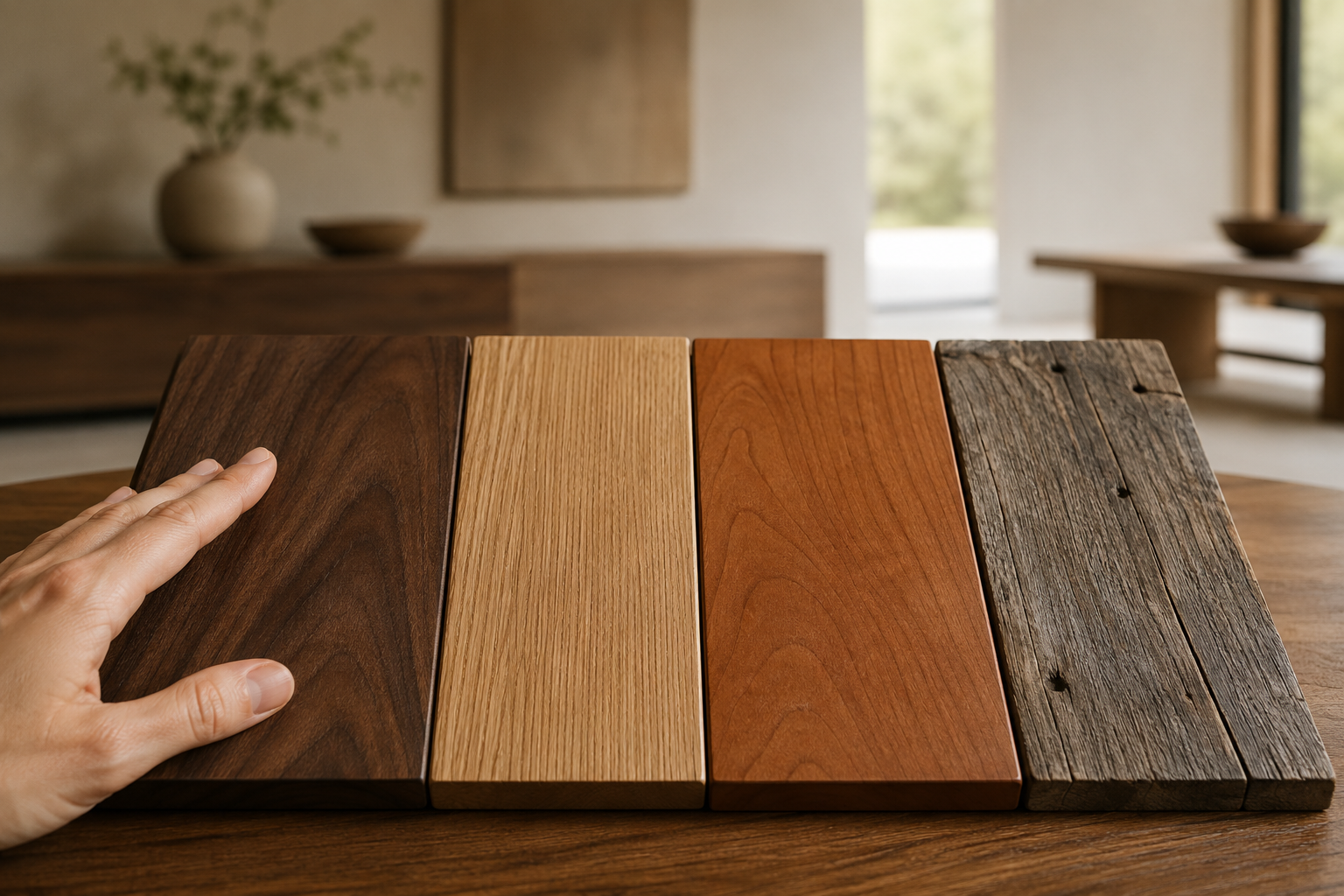
- White Oak: A perennial favorite, white oak boasts a prominent, open grain that accepts a variety of finishes beautifully, from natural to lightly stained. Its robustness and timeless appeal make it ideal for substantial furniture pieces.
- Walnut: Known for its rich, deep brown tones and often dramatic grain patterns, walnut exudes luxury and warmth. It stands out in minimalist settings without needing much embellishment.
- Maple: While often having a more subtle grain, maple offers exceptional durability and a clean, light appearance. Birdseye or curly maple varieties can add unique character without overwhelming the minimalist aesthetic.
- Ash: Similar to oak in its open grain structure but often lighter in color, ash provides a contemporary yet warm feel.
- Reclaimed Wood: Perhaps the epitome of character-rich materials, reclaimed wood brings history, unique textures, and often a beautiful patina. Each piece tells a story, making it perfect for bespoke furniture that grounds a minimalist space. Discover more about reclaimed wood restoration for adding narrative and soul.
Embracing Natural Finishes and Imperfections
In warm minimalism, the finish is not meant to disguise the wood but to enhance its innate qualities.
| Finish Type | Characteristics | Warm Minimalist Appeal |
|---|---|---|
| Natural Oil/Wax | Penetrates wood, enhancing grain; matte to satin sheen; repairable. | Most authentic, tactile feel; deepens wood’s natural color. |
| Matte Lacquer | Durable, clear protective layer; low sheen. | Protects while allowing wood texture to show; clean look. |
| Soap Finish | Lightens wood; creates a soft, chalky, raw wood appearance. | Extremely minimalist and Nordic-inspired; preserves raw feel. |
| Bleached/Lye | Lightens wood to very pale tones; accentuates grain. | Creates a serene, airy feel; highlights texture. |
Embracing the wood’s natural imperfections – a knot, a slight variation in color, an interesting grain swirl – is fundamental. These aren’t flaws to be hidden but features to be celebrated. They provide authenticity and prevent a space from feeling overly polished or artificial. This philosophy extends to projects like custom wooden mantels, where rough-hewn timbers add organic warmth.
Crafting Uncluttered Spaces: Furniture Design and Application
The true art of “Warm Minimalism in Wood Design: Creating Uncluttered Spaces with Substantial, Character-Rich Materials” is revealed in the design and construction of furniture and architectural elements. This isn’t just about selecting beautiful wood; it’s about how that wood is shaped, joined, and integrated into a living environment.
Furniture as Sculptural Elements
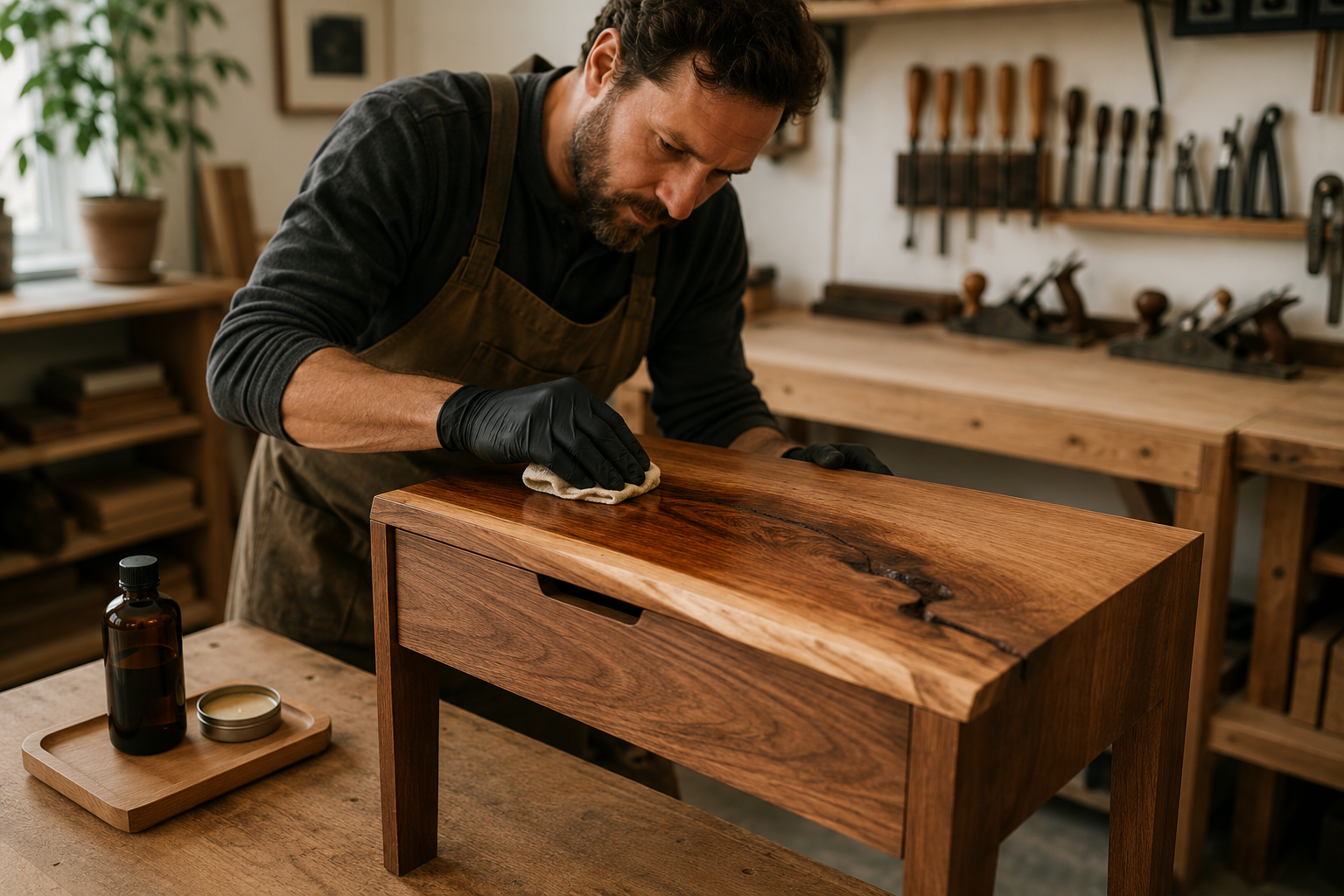
In a warm minimalist setting, furniture pieces often serve a dual purpose: functional utility and sculptural beauty. Each item is chosen or crafted to be a focal point, its substantial form and rich material speaking volumes without needing elaborate ornamentation.
Consider a dining table:
- Design: Simple, robust slab top with clean, solid legs.
- Wood: Live-edge walnut or thick white oak, showcasing natural grain.
- Joinery: Visible, well-executed joinery like through tenons or dovetailed breadboard ends, celebrated as part of the design. Techniques for mastering dovetail joints with hand tools can elevate such pieces.
- Finish: Natural oil to highlight the wood’s texture and color.
The goal is to create pieces that feel timeless and durable, meant to be lived with and cherished for generations. This means focusing on quality construction and materials, moving away from disposable trends.
Architectural Integration and Storage Solutions
Beyond standalone furniture, warm minimalism extends to how wood integrates with the overall architecture of a space.
- Built-in Cabinetry: Sleek, handle-less cabinetry made from light maple or dark walnut can offer abundant storage without visual clutter. The wood becomes the dominant design feature.
- Wall Paneling: Subtle wood paneling, perhaps with a vertical slat design, can add warmth and texture to an otherwise stark wall, creating a serene backdrop.
- Open Shelving: Thoughtfully placed open shelves in substantial wood provide an opportunity to display a few carefully curated items, rather than being laden with objects. Explore mastering shelf woodworking for elegant solutions.
- Hidden Storage: Incorporating clever hidden storage solutions, such as custom wooden key holders with hidden compartments or under-bench storage, helps maintain an uncluttered aesthetic while keeping essentials accessible.
For small items, consider beyond the basic box: advanced joinery for unique wooden gift boxes which can serve as elegant storage or decorative accents.
Creating an Uncluttered Ambiance
Achieving an uncluttered ambiance with substantial, character-rich materials involves more than just selecting beautiful wood. It’s about a holistic approach to design.
- Edit Relentlessly: Only keep items that are beautiful, functional, or hold significant sentimental value. This is the cornerstone of minimalism.
- Consider Scale: In a minimalist space, larger, more substantial pieces often work better than many small, fussy ones. A single, grand wooden dining table will make more impact than a collection of delicate items.
- Lighting: Natural light is paramount. Supplement with warm, diffused artificial lighting to enhance the wood’s glow and create a cozy atmosphere.
- Textile Integration: Soften the wood’s solidity with natural textiles like wool rugs, linen curtains, or cashmere throws. These add layers of texture and comfort without introducing visual chaos.
- Greenery: A few well-placed plants can add life and a touch of organic color, complementing the natural elements of the wood.
By embracing these principles, designers and homeowners can create spaces that are not only visually simple and serene but also deeply inviting and rich in character. This is the enduring appeal of warm minimalism in wood design.
Conclusion
Warm Minimalism in Wood Design offers a compelling pathway to creating living environments that are both visually tranquil and deeply inviting. By intentionally choosing substantial, character-rich wood materials and pairing them with clean, thoughtful design, we can craft uncluttered spaces that resonate with authenticity and warmth. This philosophy moves beyond transient trends, favoring enduring quality, natural beauty, and a purposeful approach to every element within a room.
Embracing this style means celebrating the unique story inherent in each piece of wood, from its grain patterns to its tactile surface, and allowing these stories to enrich the minimalist canvas. For those looking to infuse their homes with a sense of serene comfort and understated elegance, the principles of warm minimalism in wood design provide a timeless and deeply satisfying framework.
Start by evaluating your existing furniture. Can a few high-quality, character-rich wooden pieces replace multiple less substantial items? Explore different wood species and natural finishes to understand their impact on mood and aesthetics. Consider custom-built solutions where wood’s natural beauty can be highlighted through skillful joinery and clean lines. The journey to a warm minimalist space is one of thoughtful curation, deliberate choice, and a profound appreciation for the substantial beauty of wood.