
The average Furnished Finder rental property turns over every 90 days, a churn rate that puts immense strain on furniture designed for residential use. This rapid turnover necessitates furniture that is not merely attractive but exceptionally durable and easy to maintain. Addressing this specific market, the practice of Woodworking for Rental Properties: Building Furnished Finder-Style Furniture for Durability & Appeal offers a strategic advantage to property owners. By crafting bespoke pieces, landlords can ensure their furnishings withstand the rigors of frequent use while simultaneously elevating the aesthetic appeal of their units, attracting and retaining high-quality tenants.
Key Takeaways
- Prioritize Durability: Select high-grade, dense woods and robust joinery techniques to ensure furniture longevity against frequent tenant turnover.
- Aesthetic Appeal: Design pieces with clean lines and versatile styles that appeal to a broad demographic, enhancing the property’s marketability.
- Low Maintenance Finishes: Apply resilient, easy-to-clean finishes that protect against spills and wear, reducing upkeep costs and time.
- Modular and Repairable Designs: Consider designs that allow for easy replacement of individual components or straightforward repairs, extending furniture life.
- Cost-Effectiveness: While initial investment may be higher, custom-built, durable furniture significantly reduces long-term replacement costs and downtime.
Selecting the Right Materials for Woodworking for Rental Properties: Building Furnished Finder-Style Furniture for Durability & Appeal
The foundation of durable rental property furniture lies in material selection. Unlike furniture for personal homes, pieces destined for a rental environment must endure diverse users, varying levels of care, and often, frequent relocation or rearrangement. Therefore, choices in wood type, fasteners, and hardware are paramount.
Hardwoods vs. Softwoods
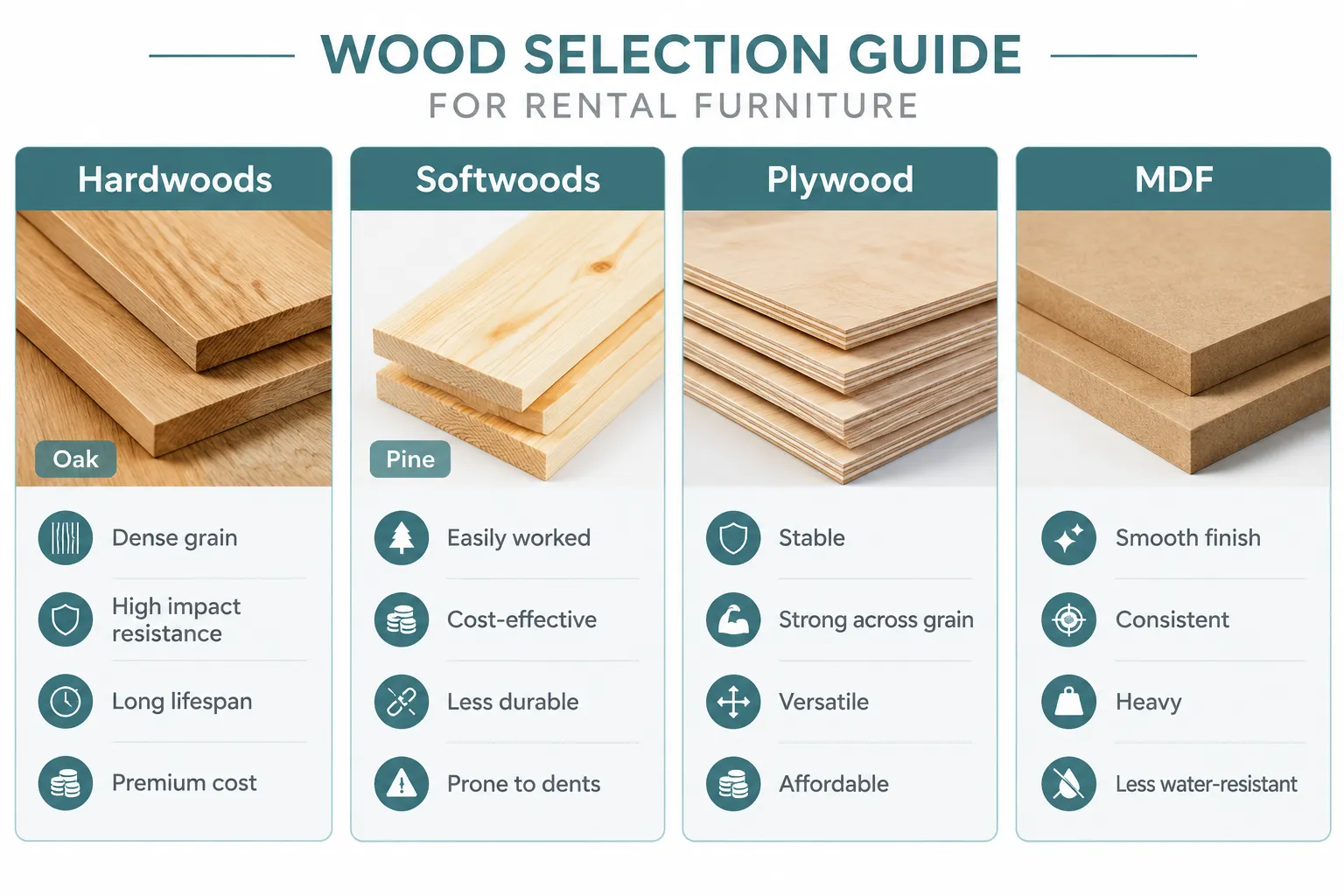
For rental properties, hardwoods are generally the superior choice due to their density and resistance to dents, scratches, and overall wear. Oak, maple, and cherry are excellent options, offering both strength and a pleasing aesthetic.
- Oak: Known for its distinctive grain and exceptional hardness, oak is highly resistant to impacts and wear. It is ideal for tabletops, chair frames, and bed frames. Red oak is slightly less dense than white oak but both are strong choices.
- Maple: A very hard and dense wood with a fine, even grain. Maple is excellent for high-traffic items like dining tables and desks where a smooth, resilient surface is crucial.
- Ash: Similar to oak in strength and appearance, ash offers good shock resistance, making it suitable for chairs and benches.
- Cherry: While slightly softer than oak or maple, cherry offers a beautiful natural color that deepens with age. It can be used for less impact-prone pieces like dressers or nightstands, but careful finishing is required.
Softwoods like pine, while more economical and easier to work with, are generally not recommended for primary structural components or high-contact surfaces in rental furniture. They dent easily, show wear quickly, and will likely require replacement much sooner, negating any initial cost savings. However, treated softwoods or specific species might be suitable for hidden internal structures or specific accents if budget is a critical constraint.
Engineered Wood Products
When solid wood is not feasible or desirable for certain applications, engineered wood products can offer viable alternatives, provided they are chosen carefully.
- Plywood: High-quality hardwood plywood, especially Baltic birch or cabinet-grade plywood, is an excellent choice for panels, drawer boxes, and structural supports. It is dimensionally stable, strong, and less prone to warping than solid wood boards. For more insights on wood selection, consider this guide on selecting the right wood for outdoor projects, which shares principles relevant to indoor durability as well.
- MDF (Medium-Density Fiberboard): While smooth and uniform, MDF lacks the strength and moisture resistance required for most rental furniture applications. It is susceptible to swelling if exposed to water and fasteners can pull out easily. It might be acceptable for very specific, low-stress applications like drawer bottoms (if reinforced) or decorative panels in an extremely dry environment.
Hardware and Fasteners
The longevity of rental furniture heavily depends on the quality of its hardware and fasteners. Skimping here is a false economy.
- Screws: Use high-quality, corrosion-resistant screws (e.g., stainless steel or zinc-plated) that are appropriately sized for the wood thickness and joint type. Pre-drilling pilot holes is essential to prevent splitting and ensure a strong hold.
- Bolts and Barrel Nuts: For knockdown furniture or components that may need to be disassembled and reassembled, bolts with barrel nuts or threaded inserts offer superior strength and repeat assembly capability compared to screws.
- Drawer Slides: Opt for heavy-duty, full-extension drawer slides, preferably ball-bearing versions. These ensure smooth operation even with heavy loads and are far more durable than basic epoxy-coated slides.
- Hinges: Choose robust, full-overlay or concealed European-style hinges for cabinet doors. These are adjustable and less prone to sagging or breaking.
- Adhesives: High-quality wood glue (e.g., Titebond III for moisture resistance) should be used in conjunction with mechanical fasteners for all structural joints.
Designing for Durability and Furnished Finder Appeal
The design phase for Woodworking for Rental Properties: Building Furnished Finder-Style Furniture for Durability & Appeal is where functionality meets aesthetics. The goal is to create pieces that not only withstand abuse but also look appealing and contribute to a comfortable, inviting living space that appeals to the transient tenant market.
Robust Joinery Techniques
Strong joinery is the backbone of durable furniture. For rental pieces, prioritize joints that offer maximum mechanical strength and resistance to racking and loosening over time.
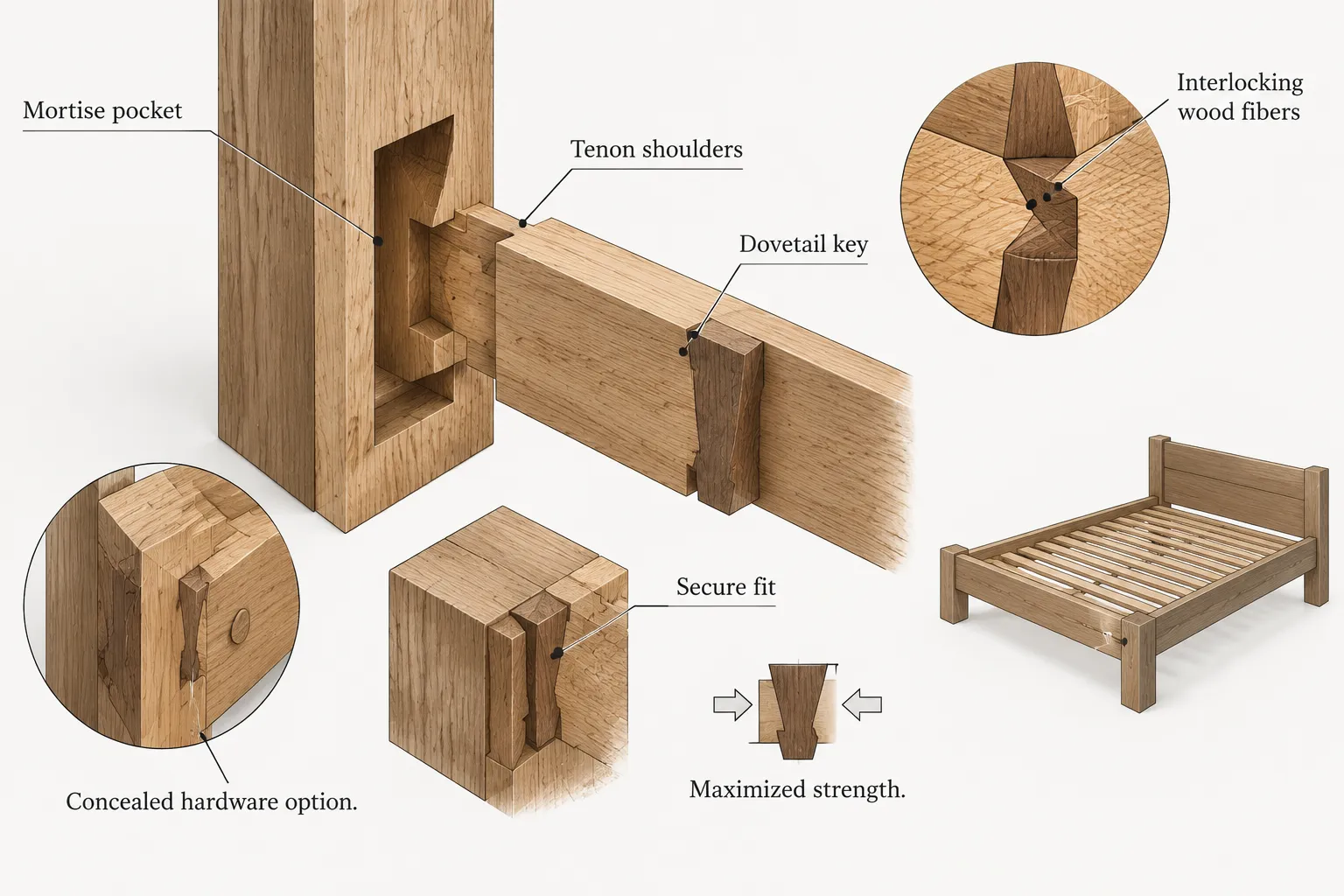
- Mortise and Tenon Joints: These are among the strongest and most reliable joints for constructing frames (e.g., bed frames, chair frames, table legs). They provide excellent resistance to twisting and pulling forces. When paired with high-quality wood glue, they form an incredibly stable connection.
- Dovetail Joints: Ideal for drawer boxes, dovetails offer superior strength against pull-out forces, crucial for heavily used drawers. Hand-cut or precisely machine-cut dovetails are a hallmark of quality.
- Pocket Hole Joinery: While convenient, pocket holes should be used judiciously and preferably reinforced with glue or other joinery for load-bearing applications in rental furniture. They are suitable for non-structural connections or for quickly securing panels. For more on strong connections, exploring hand tool joinery for visible wood joints can provide excellent inspiration.
- Reinforced Butt Joints: For panel construction or simple boxes, butt joints should always be reinforced with dowels, biscuits, or splines in addition to glue and screws.
- Corner Blocks: Adding glued and screwed corner blocks to the inside corners of cabinets, tables, and bed frames significantly increases their rigidity and lifespan.
Aesthetic Considerations for Furnished Finder Style
Furnished Finder properties cater to a diverse demographic, including traveling nurses, corporate professionals, and students. Therefore, the furniture style should be broadly appealing, versatile, and convey a sense of comfort and quality.
- Clean Lines and Minimalism: Contemporary or modern minimalist designs tend to have the widest appeal. Avoid overly ornate or highly specific styles that might alienate potential tenants. Focus on clean lines, simple forms, and functional elegance. Warm minimalism in woodworking offers a great balance between style and practicality.
- Neutral Palette: While solid wood furniture brings its own natural warmth, complementing it with neutral finishes or upholstery (if applicable) allows tenants to personalize the space with their own accents. Natural wood tones, whites, greys, and muted earth tones are safe bets.
- Comfort and Functionality: Furniture should not only look good but also be genuinely comfortable and functional. This includes appropriate dimensions for seating, ample storage solutions, and sturdy surfaces. For instance, a coffee table with a lower shelf or drawers can offer much-needed storage in a small rental unit.
- Consistent Design Language: Strive for a cohesive look across all pieces within a unit. This doesn’t mean everything has to match perfectly, but rather that the overall style and material choices create a harmonious environment.
Finishing and Maintenance for Long-Term Appeal
The final stages of Woodworking for Rental Properties: Building Furnished Finder-Style Furniture for Durability & Appeal involve finishing and establishing a maintenance strategy. A well-applied, durable finish is crucial for protecting the wood and facilitating easy cleaning, directly impacting the furniture’s lifespan and the property’s attractiveness.
Durable Finishes for High-Traffic Furniture
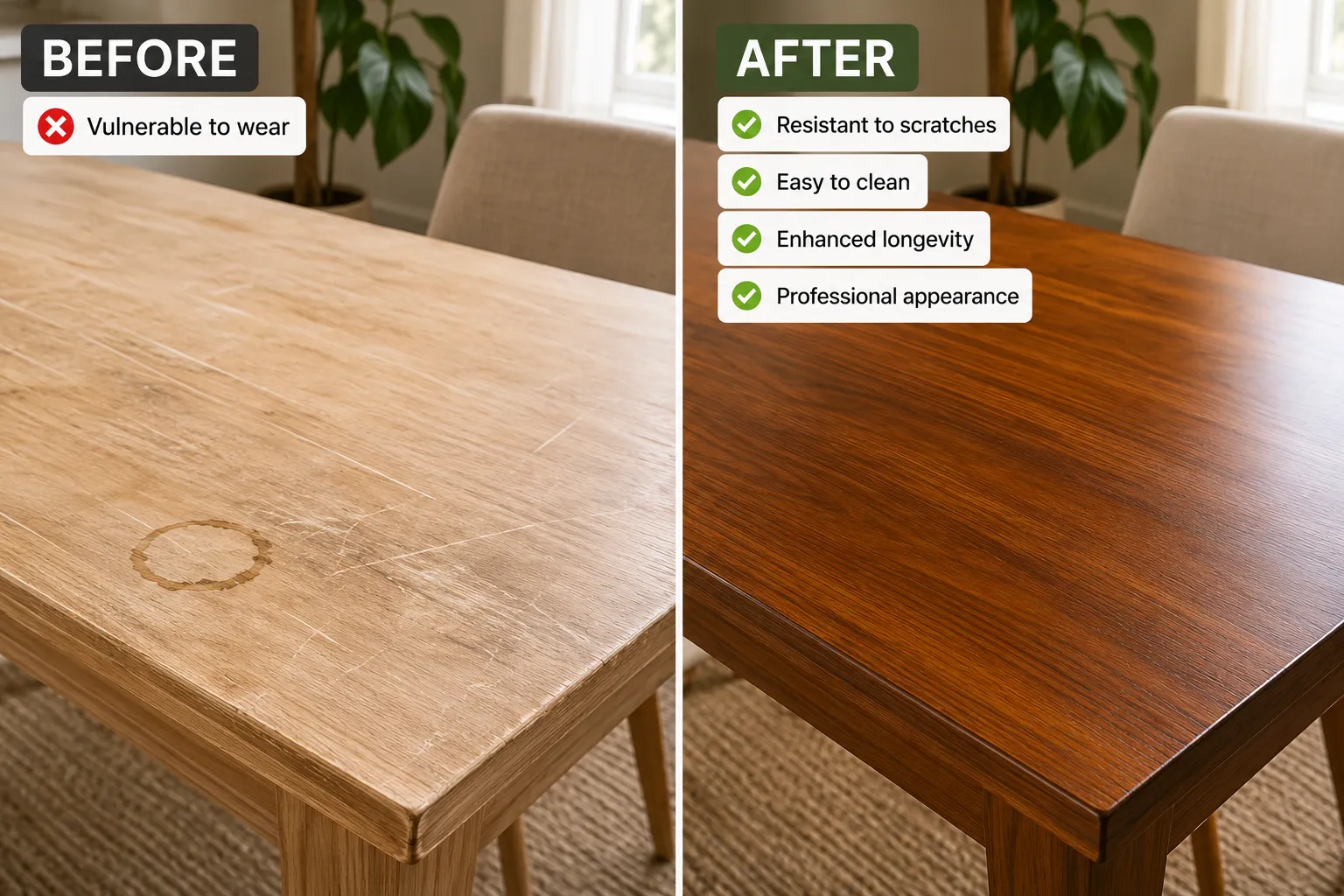
The ideal finish for rental furniture provides excellent protection against abrasion, moisture, chemicals, and UV light, while also being easy to repair or reapply if necessary.
- Polyurethane (Oil-based or Water-based): This is often the top choice for rental properties due to its exceptional hardness, water resistance, and durability. Oil-based polyurethane offers a warmer amber tone and greater abrasion resistance, while water-based versions dry faster, emit fewer VOCs, and remain clear. Apply multiple thin coats, sanding lightly between coats for optimal adhesion and smoothness.
- Conversion Varnish: A professional-grade finish known for its superior hardness and chemical resistance. It requires specialized equipment and application techniques, but offers outstanding protection against almost anything a rental tenant might throw at it.
- Epoxy Finishes: While less common for general furniture, clear epoxy can create an incredibly hard, waterproof, and heat-resistant surface, particularly suitable for tabletops or bar tops that will see heavy use.
- Hardwax Oils: Products like Osmo Polyx-Oil or Rubio Monocoat offer a more natural look and feel, penetrating the wood while also providing a surface film. They are durable and relatively easy to repair in sections, which is a significant advantage for rental properties. They may require more frequent reapplication than polyurethane in high-traffic areas.
- Paint: For certain pieces, high-quality, durable paint (e.g., alkyd or enamel paints) can offer excellent protection and a refreshed look. Choose paints designed for high-traffic surfaces and apply a clear protective topcoat for added resilience.
Avoid delicate finishes like shellac or natural oils that offer minimal protection against wear and moisture for primary rental furniture. While beautiful, they require too much ongoing care.
Maintenance and Repair Considerations
Even with the most durable materials and finishes, rental furniture will eventually show signs of wear. Designing for easy maintenance and repair is a proactive approach to extending the life of your investment.
- Modular Design: Consider building furniture in a modular fashion where components can be easily replaced. For example, a sofa with removable, washable cushion covers or a table with a replaceable top.
- Standardized Parts: Using standardized fasteners, hardware, and wood dimensions across multiple pieces can simplify inventory and make repairs quicker and more cost-effective.
- Surface Protection: Advise tenants to use coasters, placemats, and furniture pads. While durable, no finish is completely impervious to extreme abuse.
- Touch-Up Kits: Keep small quantities of the original stain/paint and finish for quick touch-ups of minor scratches or dings between tenants.
- Refinishing: For more significant wear, a full refinishing might be necessary every few years. Choose finishes that can be sanded and reapplied without extensive chemical stripping. Knowing about restoring antique wooden furniture can offer valuable insights into long-term care, even for new pieces.
- Professional Cleaning: Schedule professional deep cleaning for upholstered furniture annually or as needed to maintain hygiene and appearance.
Investing time in Woodworking for Rental Properties: Building Furnished Finder-Style Furniture for Durability & Appeal by carefully planning materials, joinery, and finishes translates directly into reduced long-term costs, fewer tenant complaints, and a superior product that stands out in a competitive market.
Conclusion
The strategic approach to Woodworking for Rental Properties: Building Furnished Finder-Style Furniture for Durability & Appeal transcends simple construction; it’s about crafting an investment that continually pays dividends. By meticulously selecting durable hardwoods, employing robust joinery, and applying resilient finishes, property owners can create furniture that not only withstands the inevitable wear and tear of frequent tenant turnovers but also consistently enhances the aesthetic and functional appeal of their units. This commitment to quality minimizes maintenance costs, reduces replacement cycles, and ultimately attracts a higher caliber of tenants seeking comfortable, well-appointed temporary homes. Embracing custom woodworking allows landlords to differentiate their properties in the competitive Furnished Finder market, securing long-term tenant satisfaction and profitability.
To begin, assess your existing rental units for furniture needs, prioritizing high-traffic items like dining tables, bed frames, and living room pieces. Research wood types and joinery methods that align with your budget and skill level. Consider starting with a simpler project to hone your techniques before tackling more complex builds. Invest in quality tools and materials, as these will directly impact the durability and finish of your pieces. Finally, commit to a robust finishing process and plan for ongoing maintenance to maximize the lifespan of your handcrafted furniture. This journey into specialized woodworking promises both practical advantages and the satisfaction of creating lasting value.