
In an era increasingly dominated by mass-produced uniformity, the demand for interiors that resonate with authenticity and personal significance has never been higher. Homeowners and designers alike are moving beyond mere aesthetics, seeking furniture and fixtures that possess soul, history, and a unique tale to tell. This growing trend underscores the profound importance of Narrative Interiors Through Woodworking: Sourcing and Crafting Story-Driven Pieces in 2026. This article explores how woodworkers can meet this demand by creating pieces that not only serve a function but also evoke emotion, connect with a deeper past, and tell a compelling story, from the selection of raw materials to the final finishing touches.
Imagine a dining table crafted from timber salvaged from an old family barn, or a mantelpiece carved from a fallen tree with a documented history. These aren’t just pieces of wood; they are tangible fragments of time, holding memories and a narrative that transforms a house into a home. By embracing story-driven woodworking, artisans can carve a distinctive niche in the market, offering clients not just furniture, but heirlooms imbued with character and meaning.
Key Takeaways
- Embrace Provenance: Prioritize sourcing wood with a documented history and unique origin to imbue pieces with intrinsic narrative value.
- Master Storytelling: Learn to articulate the history and journey of each material and finished piece, creating an emotional connection with clients.
- Focus on Reclaimed & Sustainable: Leverage reclaimed and urban-harvested wood not only for its character but also for its environmental appeal.
- Refine Craftsmanship: Utilize techniques that highlight the wood’s natural characteristics and preserve its historical integrity.
- Strategic Marketing: Position and market story-driven pieces to clients who value uniqueness, sustainability, and emotional resonance.
Sourcing Wood with a Story: The Foundation of Narrative Interiors in 2026

The journey of creating a narrative interior piece begins long before the first cut – it starts with the wood itself. In 2026, finding and selecting materials with a compelling history and verifiable provenance is paramount. This approach transforms raw timber into a canvas for a story, enhancing its value and appeal.
Identifying and Acquiring Historically Rich Materials
Sourcing materials for Narrative Interiors Through Woodworking: Sourcing and Crafting Story-Driven Pieces in 2026 requires a keen eye for history and a commitment to responsible practices. Here’s how woodworkers are finding their narrative-rich materials:
- Reclaimed and Salvaged Wood: This is perhaps the most direct route to finding wood with a story. Old barns, industrial buildings, deconstructed homes, and even sunken logs offer timbers steeped in history. Each nail hole, saw mark, or weathered groove tells a part of its past life. Resources like architectural salvage yards, demolition companies, and specialized reclaimed wood suppliers are excellent starting points. For more on this, explore “Sourcing and Restoring Urban-Harvested and Reclaimed Wood: Quality, Character, and Sustainability“.
- Urban-Harvested Timber: Trees removed due to storms, disease, or urban development often possess beautiful grain patterns and a localized story. Partnering with arborists or municipal forestry departments can provide access to these unique resources. Documenting the tree’s location and the reason for its removal adds depth to the narrative.
- Fallen and River-Recovered Logs: Nature itself can be a source of historical timber. Logs fallen in forests or recovered from riverbeds and lakes often have remarkable character and age, carrying tales of the wilderness or forgotten logging eras.
- Family Provenance: Sometimes, the most powerful stories come from direct connections. Clients may have their own historical wood, perhaps from an old tree on their property or timbers from a childhood home. Crafting a piece from these materials creates an unparalleled personal connection.
Table: Sources for Story-Driven Wood
| Source Type | Key Characteristics | Narrative Potential | Example Origin |
|---|---|---|---|
| Reclaimed Timber | Aged, weathered, historical markings, unique patinas | Industrial past, rural heritage, forgotten homes | Old barn beams, factory floorboards |
| Urban-Harvested | Unique grain, local significance, sustainable | Community landmarks, natural events, city history | Storm-felled oak from a city park |
| River/Lake Recovered | Dense, mineral-rich, often dark coloration, unique character | Ancient forests, submerged logging routes, forgotten eras | Sunken cypress from a southern river |
| Personal Client Wood | Sentimental value, direct family connection | Childhood memories, family legacy, personal history | Tree from a family property, wood from an ancestral home |
Documenting the Wood’s Journey
To effectively weave a narrative into a piece, the woodworker must meticulously document the material’s history. This includes:
- Origin Story: Where did the wood come from? What was its previous life?
- Species and Age: Knowing the type of wood and its estimated age adds to its historical richness.
- Unique Features: Documenting specific marks, holes, or discolorations that tell part of its story.
- Processing Notes: How was the wood salvaged, milled, and prepared? This adds to the craftsmanship narrative.
This documentation serves as a verifiable history, a certificate of authenticity that clients will deeply appreciate. It transforms a piece of furniture into a historical artifact, a conversation starter that transcends its functional purpose.
Crafting Story-Driven Pieces: Techniques and Design in 2026
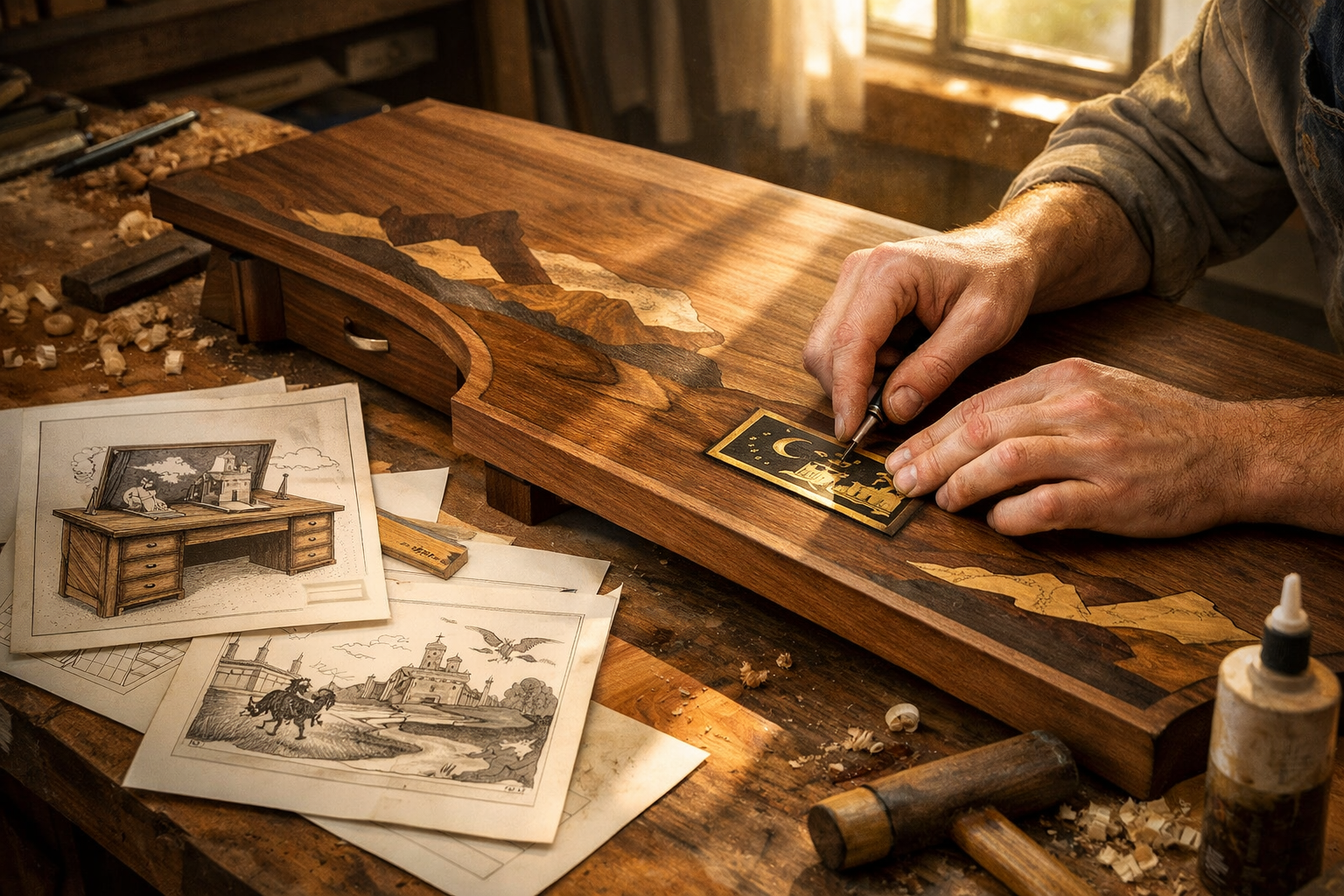
Once the narrative-rich wood is sourced, the art of crafting begins. This involves techniques that not only shape the wood but also honor its history, allowing its inherent story to shine through.
Design Principles for Narrative Woodworking
Crafting Narrative Interiors Through Woodworking: Sourcing and Crafting Story-Driven Pieces in 2026 demands a design philosophy that prioritizes character over pristine perfection.
- Highlighting Imperfections: Embrace the wood’s “flaws” – knots, wormholes, saw marks, and variations in grain. These are not defects but markers of its past. Judicious use of “Reclaimed Wood Restoration: Adding Narrative and Soul to Modern Spaces” can further enhance these features.
- Form Follows History: Let the shape and size of the salvaged timber inspire the design. A naturally curved beam might become a unique console table, or a wide board from an old floor might form a stunning desktop. Consider how the wood’s original context can inform the new piece’s function or aesthetic.
- Minimalist Intervention: Often, the most powerful narrative pieces are those where the wood is allowed to speak for itself. Minimalist designs that celebrate the material’s natural beauty and texture can be incredibly impactful. For example, a simple design for a woodworking nightstand might let the wood’s character be the star.
- Incorporating Visible Joinery: Techniques that showcase the joinery, like dovetails or mortise and tenon joints, add another layer of craftsmanship and transparency, reinforcing the story of how the piece was made. For insights on material choices that highlight joinery, check out “Wood Species Selection for Visible Joinery: Choosing Materials that Showcase Hand-Cut Joints in Contemporary Designs“.
Crafting Techniques to Preserve and Enhance Narrative
The choice of woodworking techniques significantly influences how a story-driven piece is perceived.
- Careful Preparation: When working with reclaimed wood, proper cleaning and stabilization are crucial to prevent further degradation while preserving its unique patina.
- Finishing with Integrity: Selecting finishes that protect the wood without obscuring its history is vital. Natural oils, waxes, or low-VOC sealants often allow the wood’s character to remain visible and tactile. Consider exploring “Sustainable Finishes for Reclaimed Wood: Low-VOC Recipes and Application Tutorials” for eco-friendly options. For general guidance on wood finishing techniques or “reclaimed wood finishing techniques“, these resources offer valuable insights.
- Sensitive Repairs: If repairs are needed, they should be done in a way that respects the wood’s age and character. This might involve using period-appropriate materials or making visible, deliberate repairs that become part of the new narrative.
- Hand Tool Integration: Incorporating hand tool work can leave a subtle mark of the artisan, connecting the modern maker to historical craftsmanship, further enriching the piece’s story.
💡 “Every knot, every grain, every imperfection in reclaimed wood is a whisper from the past, waiting for a skilled hand to transform it into a resonant story for the present.”
Marketing and Connecting with Clients in 2026

Crafting beautiful, story-rich pieces is only half the equation. Effectively communicating their narrative value to clients is essential for success in Narrative Interiors Through Woodworking: Sourcing and Crafting Story-Driven Pieces in 2026.
Building the Narrative and Engaging Clients
- Storytelling as a Core Offering: Don’t just sell a table; sell the story of the old growth redwood it was made from, salvaged from a forgotten logging camp, or the barn it once supported. This narrative should be integrated into your branding, website, and every client interaction.
- Visual Documentation: Provide clients with photos and details of the wood’s journey – from its origin point to your workshop. This visual proof enhances the authenticity and allows them to feel part of the story.
- Certificates of Provenance: A physical document detailing the wood’s history, species, and the craftsmanship involved adds a tangible element to the narrative, making the piece feel like an official heirloom.
- Personalized Consultations: Offer one-on-one sessions where you share the story of potential materials and discuss how they can be transformed into a piece that aligns with the client’s own history and vision.
- Showcasing the Emotional Connection: Highlight testimonials from clients who appreciate the unique history of their pieces. Emphasize how these items become focal points and conversation starters in their homes.
Marketing Channels for Story-Driven Woodwork
In 2026, reaching clients who value unique, story-driven pieces requires targeted marketing.
- Online Presence: A visually rich website and strong social media presence (Instagram, Pinterest) are crucial. Use high-quality photography and video to tell the story of your materials and processes.
- Collaborations: Partner with interior designers, architects, and stylists who specialize in bespoke and sustainable interiors. Their clients are often the ideal audience for narrative woodworking.
- Local Artisan Markets & Galleries: Participating in high-end craft fairs or exhibiting in galleries that feature unique artisan work can expose your pieces to a discerning clientele.
- Educational Workshops: Offer workshops where participants can learn about woodworking with reclaimed materials or the art of storytelling through wood. This builds community and raises awareness of your craft.
- Public Relations: Seek opportunities for features in design magazines, blogs, or local news outlets that focus on craftsmanship, sustainability, and unique home aesthetics.
By focusing on the narrative, woodworkers can differentiate themselves in a competitive market, creating not just furniture, but lasting legacies that clients cherish for generations.
Conclusion
The pursuit of Narrative Interiors Through Woodworking: Sourcing and Crafting Story-Driven Pieces in 2026 represents a profound shift in how we perceive and value the objects within our living spaces. It moves beyond fleeting trends, embracing a desire for authenticity, history, and emotional connection. For woodworkers, this is an exciting opportunity to elevate their craft, transforming simple timber into powerful storytellers.
By diligently sourcing materials with rich histories, employing techniques that honor their past, and articulating their unique narratives, artisans can create pieces that resonate deeply with clients. The year 2026 is ripe for woodworkers who are prepared to not just build furniture, but to craft legacies, one story-driven piece at a time. Embrace the challenge, hone your storytelling skills, and watch as your creations become cherished parts of people’s lives.
Actionable Next Steps
- Identify Local Sources: Research local architectural salvage yards, arborists, and demolition companies for potential reclaimed or urban-harvested wood.
- Start a “Wood Journal”: Begin documenting the origin and unique characteristics of every piece of wood you acquire.
- Practice Narrative Communication: Draft short stories for existing pieces or raw materials, focusing on compelling details.
- Experiment with Finishes: Explore natural and sustainable finishes that enhance wood’s character without masking its history.
- Refine Your Online Portfolio: Ensure your website and social media visually tell the story behind your work.
References
- Duvall, M. (2018). Reclaimed Wood: A Guide to the Art and Craft of Repurposing Timber. Storey Publishing.
- Peters, S. (2020). The Art of Woodworking: Mastering the Fundamentals of the Craft. Taunton Press.
- Greenwood, C. (2015). The Wood-Burning Handbook: The Ultimate Guide to Wood-Burning and Wood Carving for Beginners. Createspace Independent Publishing Platform.