
Embarking on a woodworking journey can be incredibly rewarding, especially when it turns passion into profit. For new makers looking to enter the online marketplace, the key lies in identifying projects that are relatively simple to produce, require minimal specialized tools, and have high market demand. This guide focuses on exactly that: Profitable Beginner Woodworking: Picture Frames, Cutting Boards, and Kitchen Products That Sell Fast. By leveraging accessible materials, efficient production techniques, and smart online selling strategies, even beginners can establish a thriving woodworking business in 2026.
This article provides a business-focused roadmap, guiding you from material sourcing and production efficiency to effective pricing and platform selection, ensuring your handcrafted items not only look good but also sell quickly.
Key Takeaways
- Start Simple, Scale Smart: Focus on small, high-demand items like picture frames, cutting boards, and kitchen utensils that require basic tools and skills, allowing for quick production and sales.
- Leverage Scrap and Reclaimed Wood: Minimize material costs and enhance product appeal by utilizing scrap wood, offcuts, and reclaimed lumber, which also supports sustainable practices.
- Master Production Efficiency: Implement batch production, create jigs, and develop repeatable processes to significantly reduce build times and increase output, maximizing your hourly profit.
- Strategic Pricing is Crucial: Price your products competitively by factoring in material costs, labor (your time), overhead, and market value. Don’t undersell your craftsmanship.
- Diversify Your Online Presence: Utilize platforms like Etsy, Shopify, and social commerce (Instagram, Facebook) to reach a broader audience, build brand recognition, and streamline sales.
Building a Foundation: Tools, Materials, and Efficiency in Profitable Beginner Woodworking
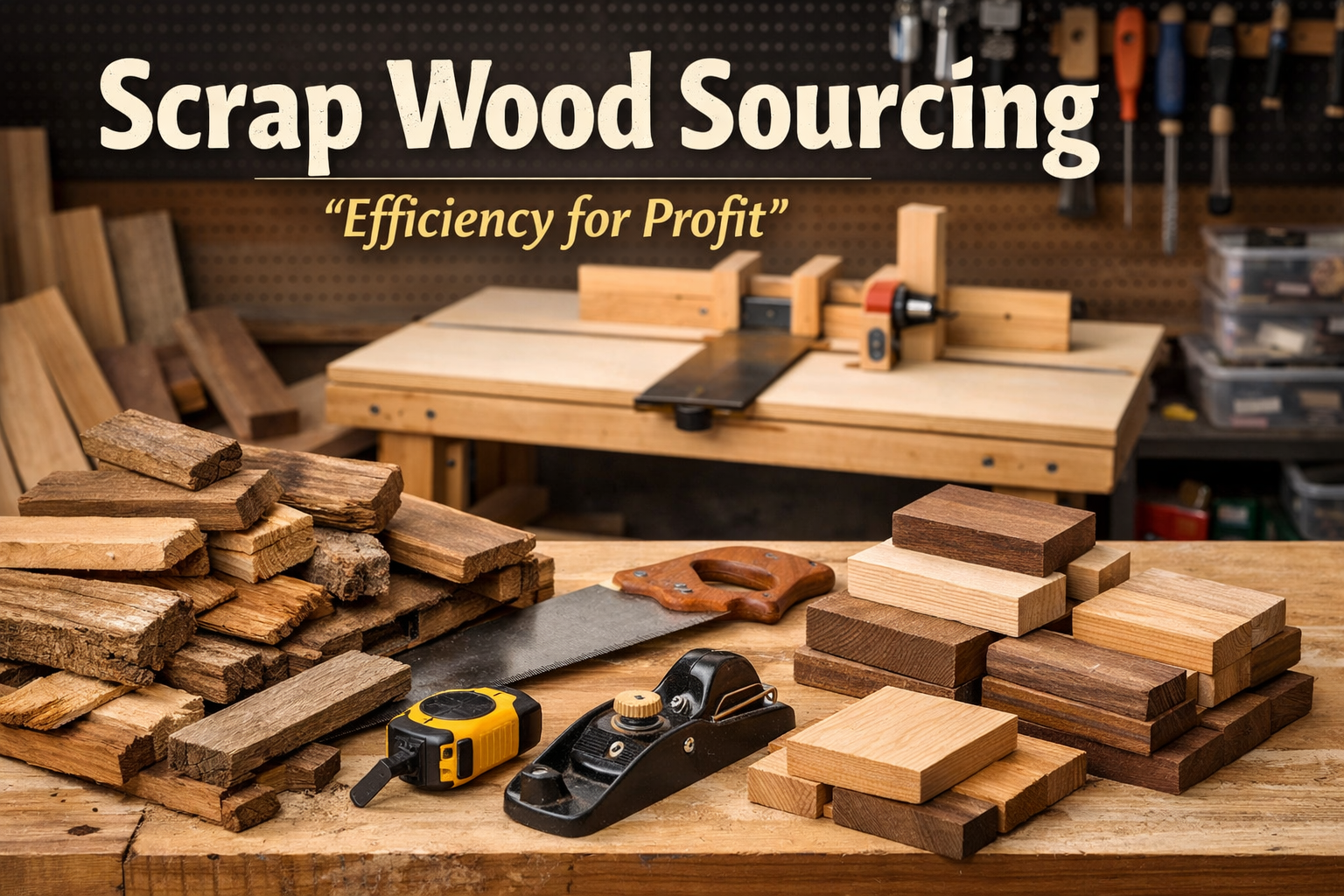
The journey into Profitable Beginner Woodworking: Picture Frames, Cutting Boards, and Kitchen Products That Sell Fast begins with a solid foundation. This involves understanding essential tools, smart material sourcing, and efficient production methods that save time and reduce costs.
Essential Tools for Beginners
One of the most appealing aspects of starting with smaller items is the minimal tool investment required. While a fully equipped workshop is a dream, you can begin with just a few fundamental tools:
- Measuring and Marking Tools: Tape measure, ruler, combination square, marking knife/pencil. Precision is paramount in woodworking.
- Cutting Tools:
- Hand Saw: A good quality handsaw is versatile for crosscuts and rip cuts.
- Miter Saw: (Optional but highly recommended) A miter saw makes precise angle cuts for picture frames incredibly fast and repeatable. Even a basic model can significantly boost efficiency. Consider setting up your miter saw for optimal miter saw table height for comfort and accuracy.
- Jigsaw or Bandsaw: Useful for curves and more intricate shapes, especially for certain kitchen product designs.
- Shaping and Smoothing Tools:
- Hand Planes: Block plane and smoothing plane for fine-tuning dimensions and achieving smooth surfaces.
- Sanders: Orbital sander for quick material removal and fine-grit sanding for a smooth finish. A sanding block with various grit sandpaper is also essential for detail work.
- Clamping: Essential for holding pieces together during glue-ups and while drying. Bar clamps, F-clamps, and spring clamps are all useful.
- Safety Gear: Safety glasses, hearing protection, and dust mask are non-negotiable.
Material Sourcing: Maximizing Profit with Minimal Cost
The secret to highly profitable beginner woodworking often lies in material acquisition. Instead of buying expensive new lumber, consider these cost-effective strategies:
- Scrap Wood & Offcuts: Many larger workshops or construction sites are happy to give away or sell cheaply their offcuts. These pieces are often perfect for small projects like picture frames, small cutting boards, or kitchen utensils.
- Reclaimed Wood: Old pallets, barn wood, or discarded furniture can be goldmines. Reclaimed wood often has character and a story, which adds value to your products. Learn more about sourcing and restoring urban-harvested and reclaimed wood.
- Local Sawmills: Sometimes you can find unique species or discounted “shorts” (shorter lengths of lumber) at local sawmills that are perfect for smaller projects.
- Sustainable Choices: Focus on domestic, readily available wood species. For cutting boards, prioritize hardwoods like maple, cherry, or walnut, which are durable and food-safe. If using exotics, ensure they are ethically sourced. Sapele, for instance, offers great characteristics for cutting boards. For more details on this, explore Sapele for Cutting Board: Characteristics, Benefits, and Maintenance Tips.
Pull Quote: “The most profitable woodworkers aren’t just craftsmen; they’re smart material managers. Your profit margin often begins with where and how you acquire your wood.”
Production Efficiency: Building More, Faster
Efficiency is key to scaling a small woodworking business. For Profitable Beginner Woodworking: Picture Frames, Cutting Boards, and Kitchen Products That Sell Fast, embrace these techniques:
- Batch Production: Instead of making one item at a time, cut all the pieces for 5-10 picture frames at once, then assemble them in a dedicated session, then sand them all. This streamlines your workflow.
- Jigs and Templates: Create simple jigs for repeatable cuts, accurate drilling, or consistent shaping. For example, a miter sled for your table saw or a template for routing cutting board handles.
- Standardized Sizes: Offer a few standard sizes for picture frames (e.g., 5×7, 8×10, 11×14) and cutting boards. This reduces waste and simplifies production.
- Optimized Workspace: Keep your tools organized and your workspace clean. A cluttered shop leads to wasted time searching for tools.
High-Demand Products for Profitable Beginner Woodworking: Picture Frames, Cutting Boards, and Kitchen Products That Sell Fast
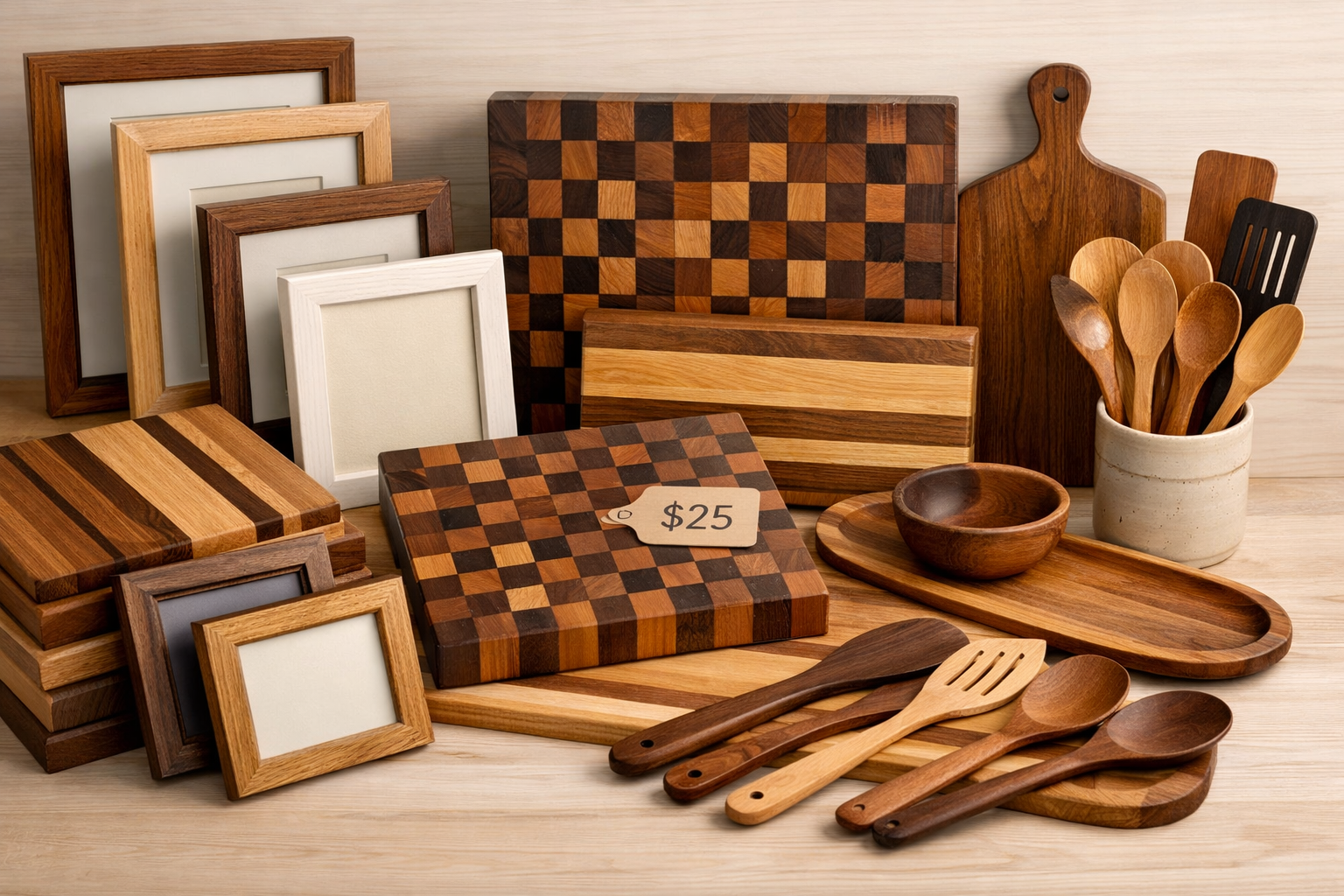
When aiming for Profitable Beginner Woodworking: Picture Frames, Cutting Boards, and Kitchen Products That Sell Fast, selecting the right projects is paramount. These three categories offer excellent entry points due to their popularity, relatively simple construction, and broad appeal.
Picture Frames: Crafting Memories
Picture frames are a perennial best-seller. They are relatively straightforward to make and have a high perceived value.
Why they sell fast:
- Universal Appeal: Everyone has photos, art, or mirrors that need framing. Consider expanding into mastering the woodworking mirror in 2026.
- Customization Potential: Offer different wood species, finishes, and sizes.
- Relatively Low Material Cost: Especially when using scrap wood.
Tips for making and selling:
- Miter Joints: Master the 45-degree miter joint for clean, strong frame corners. Precision with your miter saw or miter box is crucial.
- Finishes: A simple oil finish (like tung oil or mineral oil) or a clear lacquer can highlight the wood’s natural beauty. Ensure a smooth finish through diligent sanding.
- Hardware: Include appropriate hanging hardware and backing for ease of use.
- Bundling: Offer sets of frames in complementary sizes or finishes.
Cutting Boards: Functional Art for the Kitchen
Cutting boards are another fantastic entry point for profitable woodworking. They are practical, can be highly decorative, and appeal to a wide range of customers, from home cooks to culinary enthusiasts.
Why they sell fast:
- High Utility: A staple in every kitchen.
- Design Versatility: From simple edge-grain designs to intricate end-grain patterns. For in-depth knowledge, check out the Ultimate Guide to Wooden Cutting Boards: End-Grain Patterns.
- Gift Item: Excellent for housewarmings, weddings, and holidays.
- Food-Safe Finishes: Use mineral oil or a beeswax/mineral oil blend, which are easy to apply and maintain.
Tips for making and selling:
- Wood Selection: Use dense, closed-grain hardwoods like maple, cherry, walnut, or beech. Avoid open-grain woods like oak.
- Edge-Grain vs. End-Grain: Start with edge-grain boards as they are simpler. As your skills grow, venture into more complex and highly sought-after end-grain boards.
- Finishing: Sand thoroughly to at least 220 grit, then apply multiple coats of food-safe finish. Include care instructions with each board.
- Unique Features: Add juice grooves, rubber feet, or handle cutouts for enhanced functionality and aesthetic appeal.
Kitchen Products: Expanding Your Culinary Craft
Beyond cutting boards, the kitchen offers a plethora of profitable beginner woodworking projects. These can include:
- Spatulas and Serving Utensils: Relatively small, requiring minimal material, and can be shaped with hand tools or a band saw.
- Coasters: Simple squares or rounds, excellent for using up small offcuts.
- Salt Cellars/Bowls: Can be turned on a lathe (if you expand your tools) or carved by hand.
- Trivets: Protect countertops from hot dishes, offering design flexibility.
- Napkin Holders: Simple box constructions or decorative shapes.
Why they sell fast:
- Everyday Use: High demand for functional household items.
- Complementary Sales: Can be sold alongside cutting boards or as gift sets.
- Small Footprint: Easy to ship and store.
Tips for making and selling:
- Food-Safe Finishes: Absolutely critical for anything that touches food.
- Comfort and Ergonomics: For utensils, ensure handles are comfortable to hold.
- Design Aesthetics: Aim for clean lines and natural finishes that appeal to modern kitchens. Consider offering matching sets.
- Packaging: Simple, attractive packaging can elevate the perceived value of these smaller items.
Marketing and Sales Strategies for Your Woodworking Business in 2026
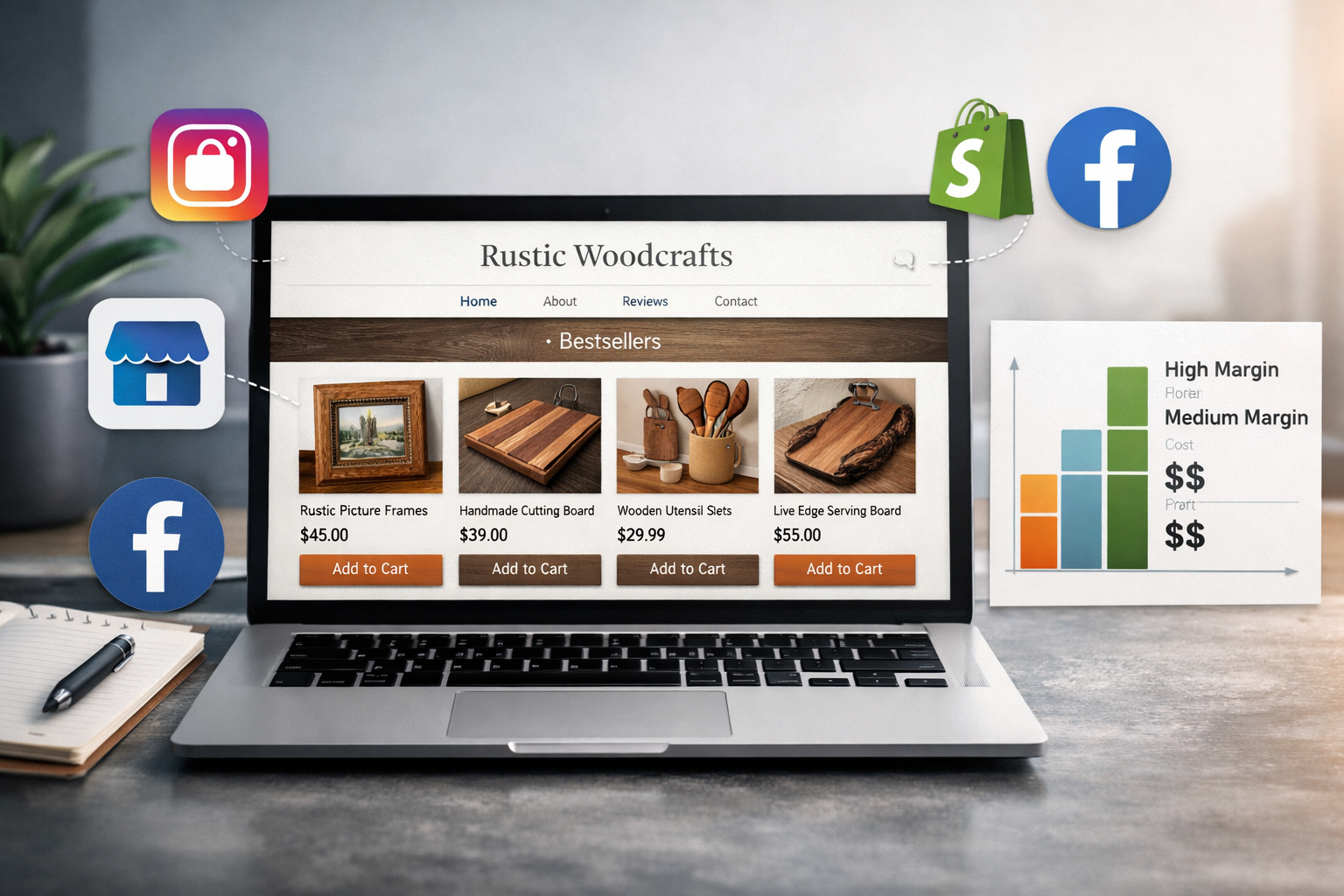
Once your shop is set up and your products are ready, the next step is getting them into the hands of customers. For Profitable Beginner Woodworking: Picture Frames, Cutting Boards, and Kitchen Products That Sell Fast, a strong online presence and smart pricing are essential. This section covers pricing, platform selection, and effective marketing tactics for the current year, 2026.
Pricing Your Woodwork for Profit
Many new woodworkers undervalue their creations, leading to burnout. Pricing strategy is critical for long-term sustainability.
Formula for Success: Your Price = (Material Cost + Labor Cost) x 2 to 3 (or more, depending on perceived value) + Overhead
- Material Cost: The actual cost of the wood, glue, finish, and hardware for one item.
- Labor Cost: This is your hourly rate multiplied by the time it takes to make one item. Be honest about your time! Even if you’re a beginner, your time has value.
- Overhead: A portion of your fixed costs (electricity, workshop rent, tools, marketing fees) allocated per item.
- Multiplier: The ‘x 2 to 3’ factor accounts for profit margin, potential wholesale discounts, and covering unexpected costs. High-end, unique items can command a higher multiplier.
Example Pricing Scenario:
- Cutting Board (Edge-Grain):
- Material Cost (Maple, glue, finish): $10
- Labor Cost (2 hours @ $25/hour): $50
- Overhead (estimated): $5
- Base Cost: $65
- Retail Price (x 2.5 multiplier): $162.50
Key Considerations:
- Market Research: Look at what similar items are selling for on Etsy, local craft fairs, and boutique stores. Don’t be the cheapest; aim for competitive value.
- Perceived Value: High-quality craftsmanship, unique designs, and excellent customer service justify higher prices.
- Discounts & Sales: Build enough margin to occasionally offer promotions without losing money.
Platforms for Selling Your Woodworking Products
In 2026, multiple online channels offer excellent opportunities for woodworkers.
- Etsy:
- Pros: Built-in audience looking for handmade goods, easy to set up, good analytics.
- Cons: High competition, transaction fees.
- Strategy: Focus on clear, high-quality photos, compelling descriptions, and relevant tags. Highlight unique features.
- Shopify (or similar e-commerce platform):
- Pros: Full control over your brand, higher profit margins (no transaction fees per sale), scalability.
- Cons: Requires more effort for marketing and driving traffic, monthly subscription fee.
- Strategy: Once you have a consistent product line and some sales history, establishing your own storefront can boost professionalism and brand loyalty.
- Social Commerce (Instagram, Facebook Marketplace):
- Pros: Reach a large audience, direct interaction with customers, low barrier to entry.
- Cons: Less formal, can be time-consuming for customer service, limited payment/shipping integration.
- Strategy: Use high-quality photos and videos, engage with followers, run targeted ads, and utilize features like Instagram Shopping. Tell the story behind your craftsmanship!
- Local Markets/Craft Fairs:
- Pros: Direct customer feedback, build local connections, often higher prices due to direct interaction.
- Cons: Time-consuming, booth fees, requires physical setup.
- Strategy: A great way to supplement online sales and get real-world feedback on your Profitable Beginner Woodworking: Picture Frames, Cutting Boards, and Kitchen Products That Sell Fast products.
Marketing Your Craft: Telling Your Story
In a crowded marketplace, differentiation is key.
- High-Quality Photography: This cannot be stressed enough. Clear, well-lit photos showcasing your product from multiple angles are vital. Include lifestyle shots.
- Compelling Descriptions: Don’t just list dimensions. Tell the story of the wood, the care taken in crafting, and the benefits to the customer.
- Brand Story: What makes your woodworking unique? Is it sustainable sourcing? Unique finishes? Your personal touch? Share your journey.
- Customer Reviews: Actively encourage reviews. Positive feedback is gold for building trust and driving future sales.
- Social Media Engagement: Post behind-the-scenes content, share your process, and interact with your audience. Show the human touch behind your handcrafted goods.
- Email List: Capture customer emails for future promotions and product launches.
“For more detailed strategies on selling your handmade items, explore our guide on Woodworking Projects That Sell: A Beginner’s Guide to Profit.”
Conclusion
The world of Profitable Beginner Woodworking: Picture Frames, Cutting Boards, and Kitchen Products That Sell Fast is ripe with opportunity in 2026. By starting with manageable projects, embracing cost-effective material sourcing (especially scrap and reclaimed wood), and focusing on production efficiency, new makers can quickly turn their passion into a thriving business. Strategic pricing that values your time and skill, combined with a diverse online sales presence on platforms like Etsy, Shopify, and social media, will set you up for success.
Remember, every master woodworker started as a beginner. With patience, practice, and a business-savvy approach, your handcrafted picture frames, cutting boards, and kitchen products can find eager buyers, allowing you to grow your skills and your enterprise.
Actionable Next Steps:
- Inventory Your Tools: Identify any gaps and prioritize purchases based on your first project.
- Scout for Materials: Begin looking for scrap wood or reclaimed lumber in your area.
- Choose Your First Product: Decide whether to start with picture frames, cutting boards, or a simple kitchen utensil.
- Practice Makes Perfect: Make a few prototypes to refine your process and identify potential issues.
- Set Up Your First Online Listing: Take high-quality photos and write a compelling description for your chosen selling platform.