
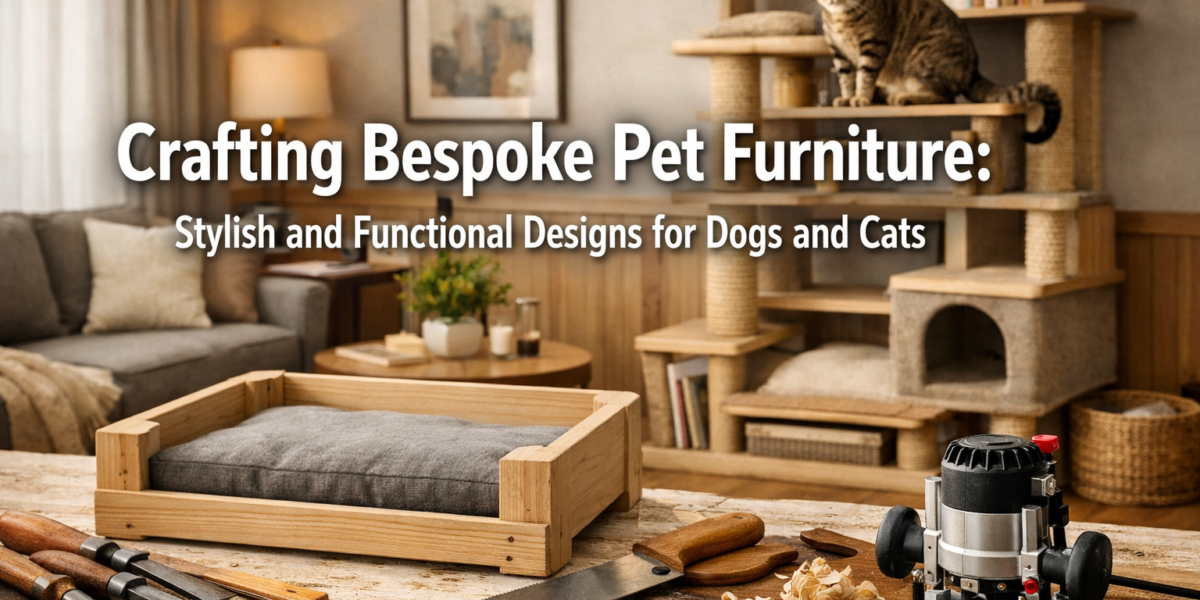
The modern pet owner understands that their furry companions are more than just pets; they are cherished family members deserving of comfort, style, and functional living spaces. In 2026, the demand for personalized pet solutions has surged, moving beyond generic plastic beds and basic bowls to truly integrated designs. From elevated feeding stations to custom pet beds and sophisticated scratching posts, homeowners are exploring how to design and build durable, pet-safe wooden furniture that seamlessly integrates into their home decor while catering to their furry friends’ unique needs. This comprehensive guide delves into the art and craft of Crafting Bespoke Pet Furniture: Stylish and Functional Designs for Dogs and Cats, providing insights into creating pieces that enhance both your pet’s life and your home’s aesthetic.
Key Takeaways
- Bespoke pet furniture offers tailored comfort and functionality, designed specifically for individual pet needs and home aesthetics.
- Prioritizing pet-safe materials and finishes is crucial for the health and well-being of dogs and cats.
- Integrating pet furniture seamlessly into existing home decor requires careful design, material selection, and understanding of modern styles.
- From elevated feeders to multi-level cat trees and dog crates, a wide array of functional designs can be customized.
- Strategic planning, precise joinery, and thoughtful finishing are key to creating durable and stylish pieces.
The Rise of Bespoke Pet Furniture: Blending Functionality with Home Aesthetics
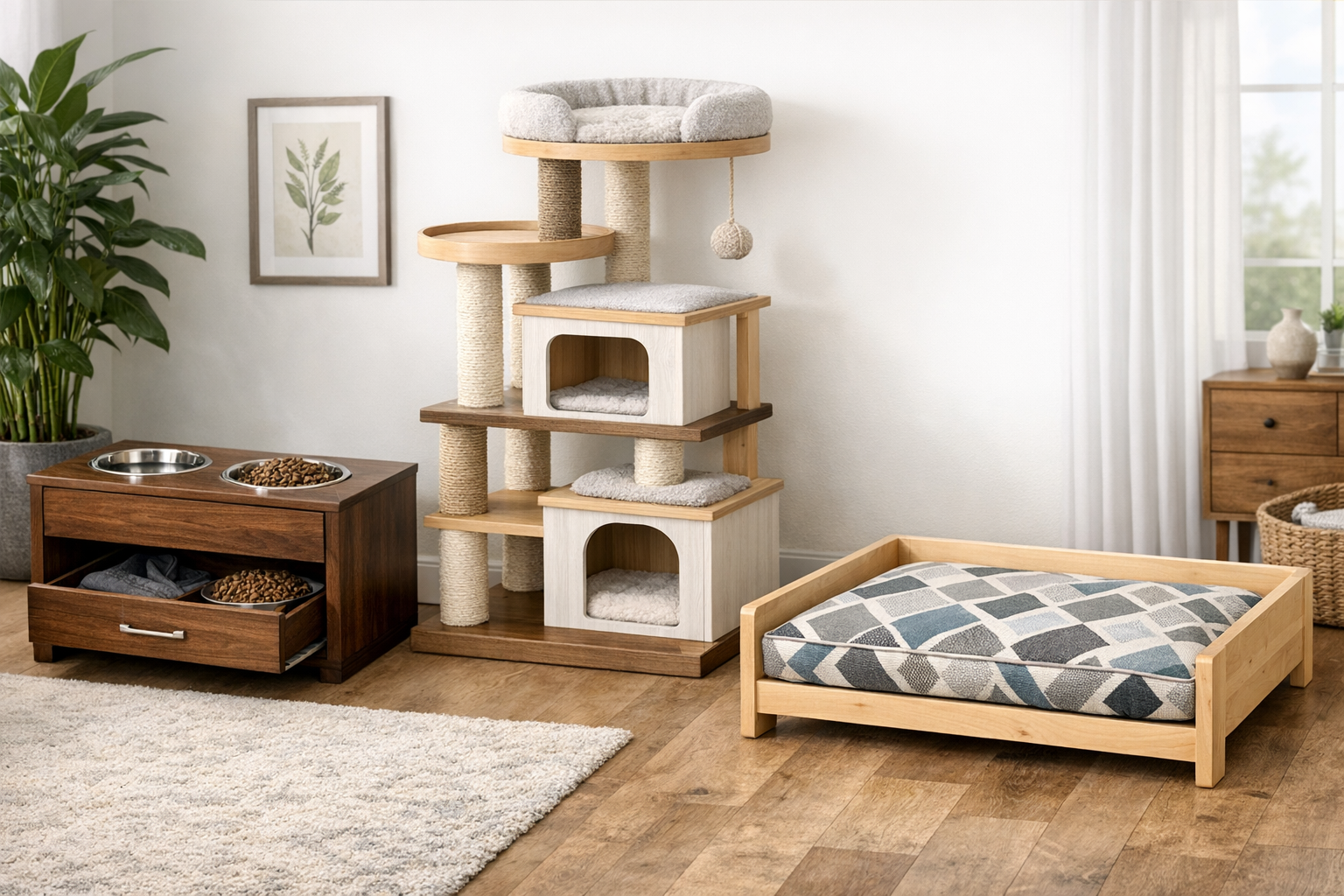
Gone are the days when pet accessories were relegated to utilitarian corners, often clashing with interior design. Today, Crafting Bespoke Pet Furniture: Stylish and Functional Designs for Dogs and Cats means creating pieces that are extensions of your home’s character. This trend reflects a deeper understanding of pet psychology and ergonomics, recognizing that an animal’s environment profoundly impacts its happiness and health. Custom-made furniture provides specific benefits that off-the-shelf products often lack:
- Tailored to Pet Size and Needs: A small chihuahua requires different considerations than a large Great Dane. Similarly, an elderly cat with arthritis benefits from easily accessible platforms, while a playful kitten needs climbing and scratching opportunities. Bespoke furniture ensures perfect fit and optimal comfort.
- Harmonious Integration: Custom pieces can be designed to match your existing decor, whether it’s farmhouse rustic, minimalist modern, or classic traditional. This prevents your pet’s items from becoming eyesores and instead transforms them into cohesive elements of your living space.
- Enhanced Durability and Safety: When you build bespoke furniture, you control the quality of materials and construction. This means selecting non-toxic woods, pet-safe finishes, and employing robust joinery techniques that stand the test of time and enthusiastic pet use.
Essential Considerations for Designing Pet Furniture
Before cutting the first piece of wood, thoughtful planning is paramount. Here are critical aspects to consider:
Pet-Specific Needs:
- Size & Weight: Crucial for structural integrity and comfort.
- Age & Health: Puppies/kittens might need chew-resistant materials; older pets benefit from lower entry points or supportive beds.
- Behavior: Does your dog chew? Does your cat scratch excessively? Does your pet prefer privacy or open spaces?
Home Integration:
- Style Match: Consider wood species, stain colors, and hardware that complement your home. For example, a sleek mid-century modern home might benefit from walnut or teak, while a farmhouse style might call for reclaimed pine.
- Space Optimization: Multi-functional pieces, like dog crates that double as end tables or cat trees with integrated storage, are excellent for smaller homes.
- Traffic Flow: Ensure the furniture doesn’t impede movement or create hazards.
Material Selection & Safety:
- Wood Species: Hardwoods like oak, maple, and cherry are durable and resistant to scratches. Pine and poplar are more affordable but softer. Always consider non-splintering woods.
- Finishes: Opt for non-toxic, pet-safe finishes. Water-based polyurethanes, natural oils (like tung oil or linseed oil), or food-grade waxes are excellent choices. Avoid finishes with high VOCs.
- Fabrics: For beds or cushions, choose durable, washable fabrics like canvas, denim, or specialized pet upholstery. Ensure they are free of harmful chemicals.
- Hardware: Use sturdy, rust-resistant hardware. Conceal sharp edges or small parts that could be ingested.
“Bespoke pet furniture is an investment in your pet’s comfort and your home’s harmony. It’s about designing with purpose and craftsmanship, ensuring every piece is both a haven for your pet and a statement of style.”
For those interested in building sturdy and attractive furniture that blends into home aesthetics, exploring techniques for Crafting Profitable Wooden Benches can offer valuable insights into joinery and finishing that translate well to pet furniture.
Designing Functional Pet Furniture: From Elevated Feeders to Multi-Level Cat Sanctuaries
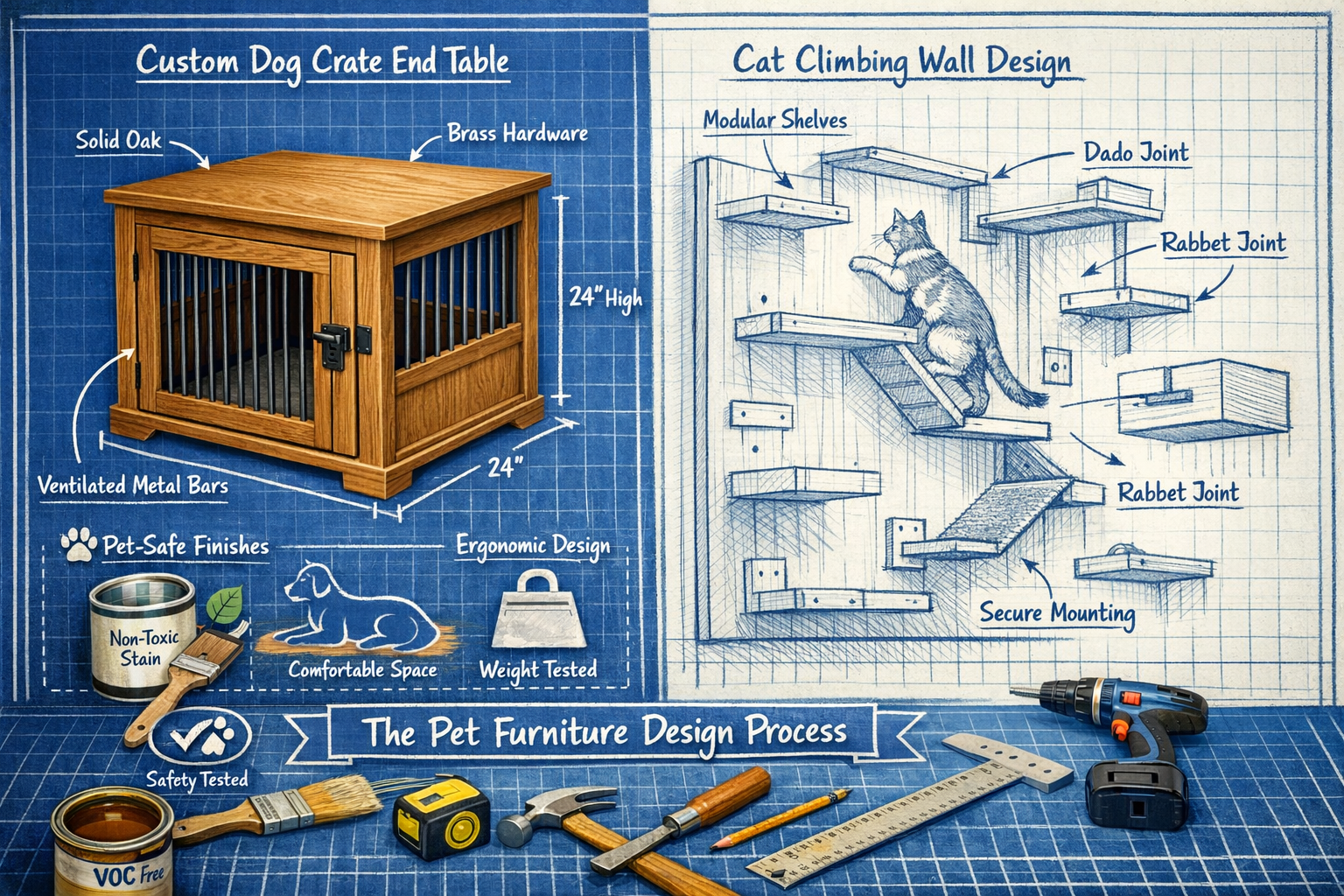
The beauty of Crafting Bespoke Pet Furniture: Stylish and Functional Designs for Dogs and Cats lies in the endless possibilities for customization. Let’s explore some popular functional designs and how to approach their construction.
1. Elevated Feeding Stations for Dogs
Elevated feeders offer several health benefits, particularly for larger breeds or older dogs, by promoting better posture and digestion.
Design Considerations:
- Height: Crucial for ergonomics. The top of the bowl should be roughly at your dog’s chest height when standing.
- Stability: A wide, heavy base prevents tipping.
- Bowl Integration: Recessed holes for stainless steel bowls prevent spills and keep bowls secure.
- Storage: Consider adding drawers or shelves for food storage, treats, or leashes.
Construction Tips:
- Use solid wood for durability. Hardwoods like oak or maple are ideal.
- Employ strong joinery: dadoes, rabbets, or mortise and tenon joints for robust construction. Doweling jigs can also be incredibly useful here for precise and strong connections.
- Seal the wood thoroughly, especially around the bowl openings, to protect against water damage.
| Material | Pros | Cons | Ideal For |
|---|---|---|---|
| Oak | Very durable, beautiful grain, stable | Heavy, expensive, harder to work | Large, active dogs |
| Maple | Hard, smooth finish, good for painting | Can be pricey, can burn when routed | Modern, clean designs |
| Pine | Affordable, easy to work, lightweight | Softer, dents easily, less durable | Budget-friendly projects, smaller dogs |
| Plywood (Baltic Birch) | Stable, strong, consistent | Edges may need treatment, less natural look | Modern designs, hidden components |
2. Custom Dog Beds and Crates
Moving beyond standard wire crates, bespoke dog crates can serve as stylish end tables or console tables, integrating seamlessly into living spaces. Custom beds offer superior comfort and support.
Design Considerations:
- Size: The crate must be large enough for your dog to stand up, turn around, and lie down comfortably.
- Ventilation: Ensure adequate airflow with slats, openings, or mesh panels.
- Door Mechanism: Secure latches are crucial. Consider a sliding or hinged door for convenience.
- Bed Frame: A raised bed frame keeps pets off cold floors and provides a structured base for a comfortable mattress.
- Cushion: Opt for high-density foam with a washable, durable cover.
Construction Tips:
- For crate-style furniture, use robust frame-and-panel construction.
- Employ strong joinery like bridle joints or pocket screws for the main frame.
- Consider adding a removable bottom tray for easy cleaning.
- For a truly unique piece, techniques for Crafting Profitable Wooden Benches can inspire intricate leg designs and durable seating surfaces for a combined bench-and-crate unit.
3. Multi-Level Cat Trees and Scratching Posts
Cats thrive on vertical space, and a well-designed cat tree offers opportunities for climbing, scratching, resting, and observing.
Design Considerations:
- Stability: Absolutely critical to prevent tipping. A wide, heavy base or wall-mounting options are essential.
- Scratching Surfaces: Incorporate sisal rope, carpet remnants, or corrugated cardboard at various angles.
- Perches & Hiding Spots: Include multiple levels, cozy enclosed boxes, and soft perches.
- Accessibility: Ensure platforms are reachable, especially for older or less agile cats.
- Integration: Design can mimic bookshelves or custom floating shelves for a less obtrusive look.
Construction Tips:
- Use plywood for platforms and boxes, as it’s stable and strong.
- Solid wood posts wrapped in sisal rope are durable scratching surfaces.
- Secure all connections with screws and wood glue.
- Consider modular designs for flexibility and easier cleaning/replacement of parts.
- For a truly engaging design, think about creating structures similar to DIY Wooden Birdhouses but scaled for feline exploration, with multiple entrances and exits.
4. Hidden Litter Box Enclosures
These ingenious designs conceal unsightly litter boxes while offering cats privacy and containing odors.
Design Considerations:
- Size: Must comfortably fit the litter box, allowing the cat to enter, exit, and maneuver inside.
- Access: A strategically placed opening for the cat, and a larger access door for owners for cleaning.
- Ventilation: Incorporate small vents or even a small fan to reduce odor.
- Aesthetics: Design as a cabinet, credenza, or end table that matches your decor.
Construction Tips:
- Use sealed wood or laminate interiors for easy cleaning.
- Employ strong hinges and magnetic catches for access doors.
- Consider adding a shelf above the litter box for storage of scoops or bags.
Crafting Techniques and Finishing Touches for Pet-Safe Furniture
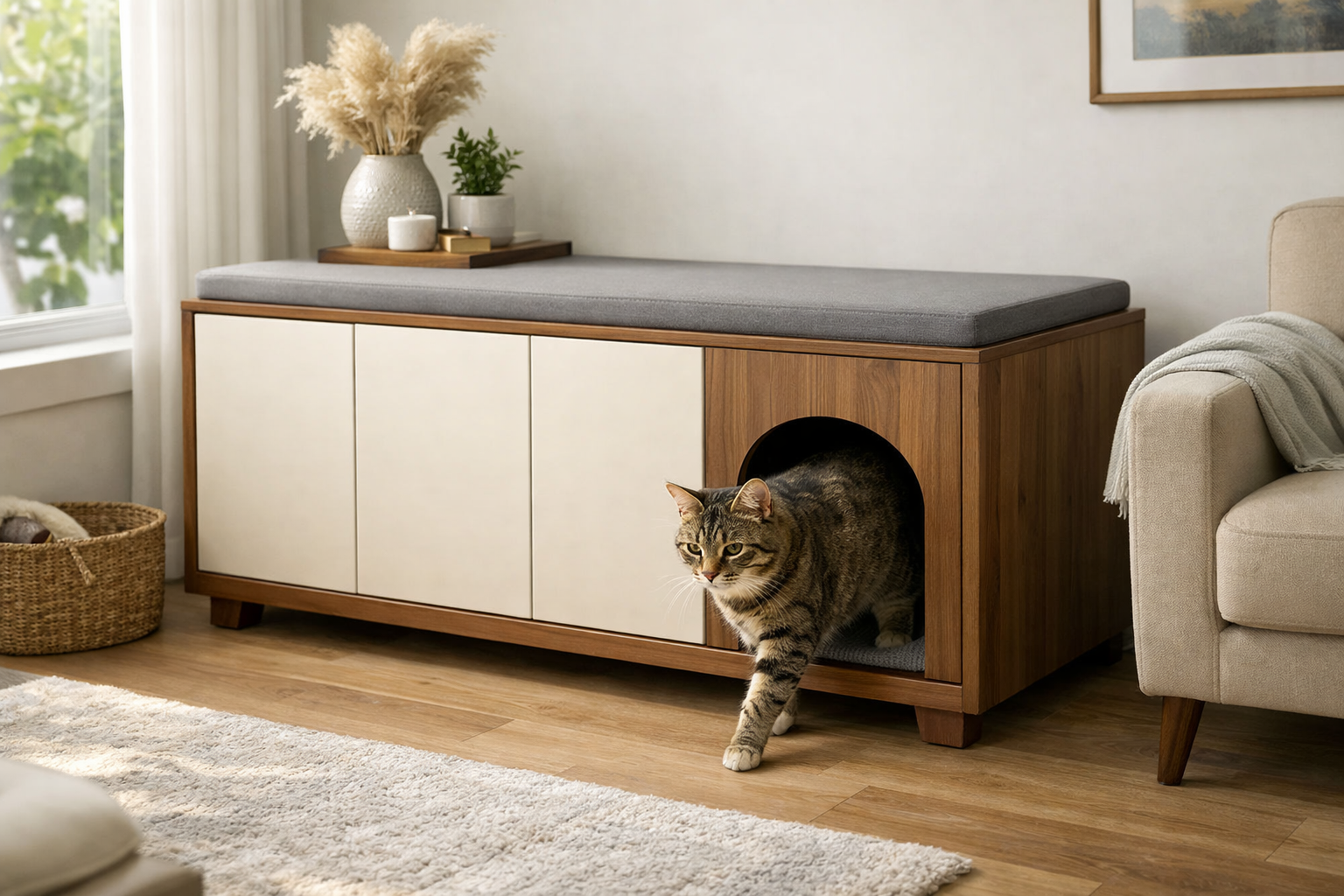
The execution of your designs is where durability and style truly come to life. Crafting Bespoke Pet Furniture: Stylish and Functional Designs for Dogs and Cats demands attention to detail in woodworking techniques and finishing.
Woodworking Techniques for Durability
- Joinery: Avoid simple butt joints with nails or screws alone. Opt for stronger techniques:
- Dadoes and Rabbets: Excellent for shelves, box construction, and securing panels.
- Mortise and Tenon: Extremely strong for frames and legs, offering exceptional longevity.
- Dovetails: Ideal for drawers or visually appealing box corners, providing immense strength and beauty. For more on advanced joinery, our guide on Ultimate DIY End Tables offers valuable insights into creating robust pieces.
- Pocket Hole Joinery: A quicker alternative for strong connections, but ensure screws are counter-sunk and filled.
- Sanding: Thorough sanding is crucial. Start with coarse grits (80-100), progress through medium (120-150), and finish with fine (180-220) to ensure a smooth, splinter-free surface. This is especially important for areas pets will contact.
- Edge Treatment: Round over all sharp edges with a router bit (e.g., a roundover bit) or sand them smooth. This prevents injuries to pets and makes the furniture more pleasant to the touch.
Pet-Safe Finishes and Protections
The finishing stage is critical for both aesthetics and safety. Choosing the right finish protects the wood, makes cleaning easier, and ensures your pet isn’t exposed to harmful chemicals.
- Natural Oils & Waxes:
- Tung Oil / Linseed Oil: Penetrate the wood, offering a natural, durable, and food-safe finish. Multiple coats are required for best protection.
- Beeswax / Carnauba Wax: Can be applied over oil finishes for added protection and a soft sheen.
- Water-Based Polyurethanes:
- Offer excellent durability and scratch resistance.
- Low VOCs (volatile organic compounds) make them a safer choice. Ensure it’s fully cured before pet use (check manufacturer’s recommendations, usually several days to a week).
- They come in various sheens, from matte to gloss.
- Milk Paint / Chalk Paint:
- Often zero-VOC, these paints are safe once cured.
- They can provide a rustic or distressed look, which can then be sealed with a pet-safe topcoat or wax.
- Avoid: Finishes with strong solvents, lead-based paints (though rare today, check vintage items), or finishes that chip easily, as pets may ingest flakes.
Ensuring Long-Term Durability
Beyond initial construction and finishing, consider these aspects:
- Moisture Protection: Apply multiple coats of finish, especially in areas prone to spills (e.g., around elevated feeders). Consider silicone mats under bowls for extra protection.
- Scratch Resistance: While no finish is entirely scratch-proof, harder woods combined with durable finishes like polyurethane offer better resistance. For scratching posts, sisal rope is key.
- Easy Cleaning: Design surfaces that are easy to wipe down. Removable cushions and linings are essential for hygiene.
For those looking to expand their woodworking skills and ensure high-quality finishes across various projects, including pet furniture, exploring different unique wood finishing techniques can be highly beneficial. Additionally, understanding specific finishes like Danish oil vs. linseed oil can help in selecting the best option for your pet’s furniture.
Conclusion
Crafting Bespoke Pet Furniture: Stylish and Functional Designs for Dogs and Cats is a rewarding endeavor that benefits both pets and their owners. By carefully considering your pet’s specific needs, integrating designs seamlessly into your home aesthetic, and employing sound woodworking techniques with pet-safe materials, you can create pieces that are not only beautiful but also durable, comfortable, and healthy for your furry family members.
From the first sketch to the final coat of finish, each step in the process offers an opportunity to express creativity and provide unparalleled comfort for your pets. As the trend towards personalized pet care continues to grow in 2026, investing time and skill into bespoke pet furniture proves to be a valuable addition to any home.
Actionable Next Steps:
- Assess Your Pet’s Needs: Document your pet’s size, age, health conditions, and behavioral patterns.
- Evaluate Your Home Space: Identify potential locations for new furniture and note existing decor styles and colors.
- Sketch & Plan: Draw out your design ideas, including dimensions and desired features.
- Research Materials: Select appropriate wood species, pet-safe finishes, and hardware.
- Gather Tools & Resources: Ensure you have the necessary woodworking tools and consult guides for joinery and finishing techniques.
- Start Building: Take your time, prioritize safety, and enjoy the process of creating something truly special for your beloved companion.