

The average apartment size in major global cities has shrunk by nearly 20% over the last decade (Urban Living Trends Report, 2024). This stark reality underscores a pressing need for ingenious solutions to maximize every square inch of living space. For those residing in compact urban dwellings, the ability to adapt their environment to various activities – from dining to working to relaxing – is not merely a luxury but a necessity. This article delves into the art and science of Crafting Modular and Reconfigurable Furniture for Small Apartments: Maximizing Space and Functionality, exploring innovative woodworking designs that empower individuals to create versatile and dynamic living areas.
Key Takeaways
- Modular and reconfigurable furniture is essential for optimizing limited space in small apartments.
- Successful designs blend aesthetics with multi-functional capabilities and adaptability.
- Key principles include embracing modularity, multi-functionality, and clever storage integration.
- Material selection, joinery techniques, and hardware are critical for durability and smooth operation.
- DIY approaches offer customization and cost-effectiveness for creating personalized solutions.
The Imperative of Modular and Reconfigurable Design in 2026
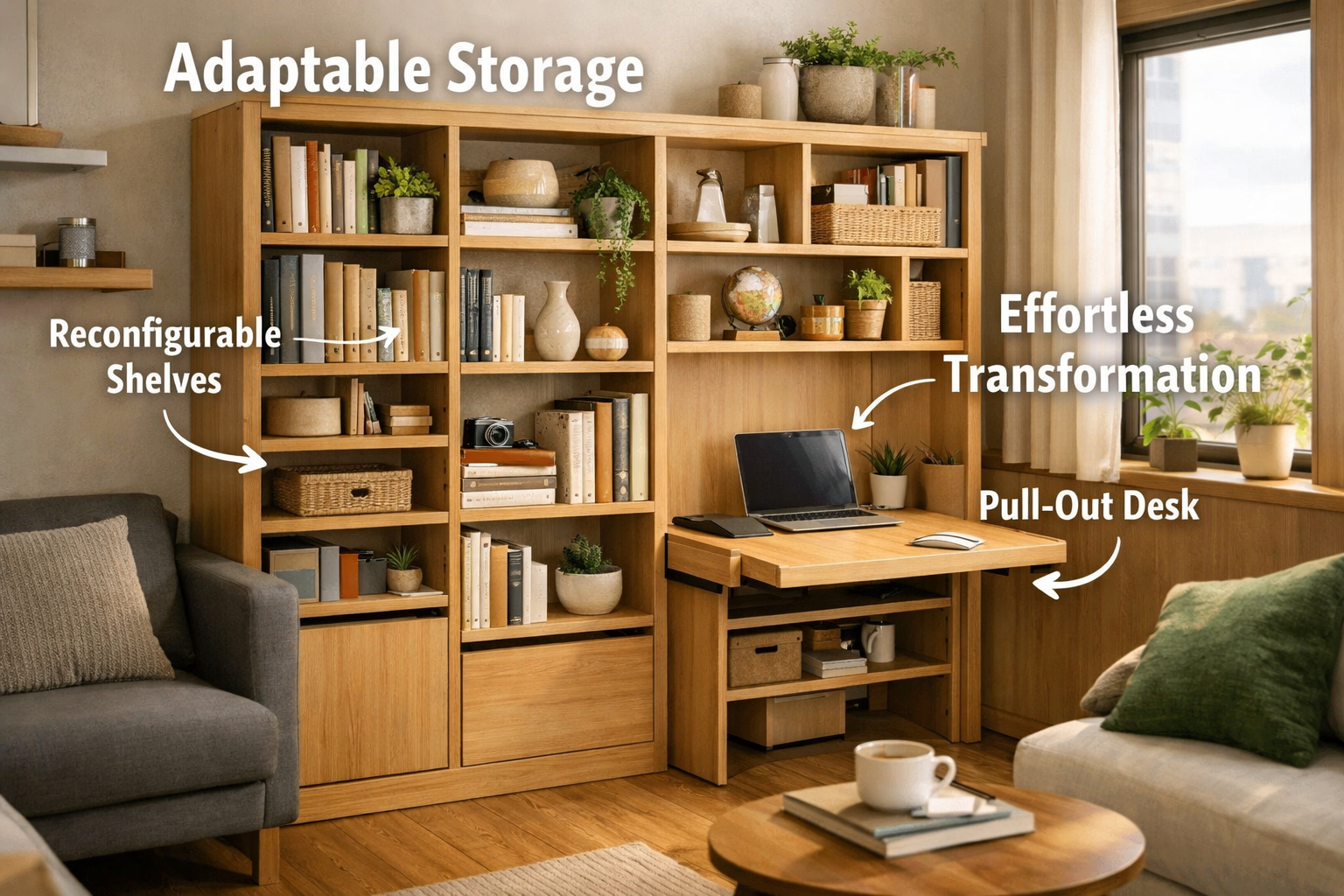
In an era defined by urbanization and increasing population density, small apartments are becoming the norm rather than the exception. The conventional approach to furniture, with single-purpose items occupying fixed footprints, often leads to cluttered, inefficient spaces. This is where Crafting Modular and Reconfigurable Furniture for Small Apartments: Maximizing Space and Functionality truly shines. Modular furniture consists of independent units that can be combined or rearranged in various configurations to suit different needs. Reconfigurable furniture, on the other hand, transforms its shape or function, often featuring moving parts like pull-out tables, fold-down beds, or expanding storage.
The demand for such adaptable pieces is driven by several factors:
- Space Optimization: The most obvious benefit, allowing a single room to serve multiple purposes.
- Cost-Effectiveness: Investing in fewer, more versatile pieces can reduce overall furniture expenditure.
- Flexibility & Adaptability: Furniture can evolve with changing lifestyle needs, apartment layouts, or even daily routines.
- Sustainability: Thoughtfully designed and crafted pieces encourage longevity and reduce waste.
- Aesthetic Appeal: Modern modular designs often boast sleek lines and minimalist aesthetics, perfectly complementing contemporary small living spaces.
Consider a studio apartment where the living area needs to transform into a dining room for guests and then into a bedroom at night. Traditional furniture struggles with this dynamic requirement. However, a modular sofa that converts into a bed, paired with a nesting coffee table that expands into a dining table, provides seamless transitions. This transformative capacity is the cornerstone of intelligent small-space living.
Principles of Effective Modular Furniture Design
Effective modular and reconfigurable furniture isn’t just about making things smaller; it’s about making them smarter. Several core principles guide the successful design and creation of these pieces:
- Modularity: Designing units that can be easily connected, stacked, or separated. This might involve interlocking mechanisms, magnetic attachments, or simple peg-and-hole systems.
- Multi-functionality: Each component should ideally serve more than one purpose. A bench can be seating, storage, or a low table. A desk can integrate shelving or fold away entirely.
- Scalability: Pieces should be able to expand or contract. For example, a console table that extends to seat six or a shelving unit that can grow with your book collection.
- Ease of Reconfiguration: The process of transforming or rearranging the furniture should be intuitive and require minimal effort or tools.
- Integrated Storage: Small spaces often lack dedicated storage. Furniture should incorporate hidden compartments, pull-out drawers, or integrated shelving.
- Durability and Stability: Given their dynamic nature, modular pieces must be robust enough to withstand frequent manipulation and maintain stability in various configurations.
By adhering to these principles, woodworkers can create pieces that are not only practical but also durable and visually appealing. For more insights into creating adaptable designs, exploring “modular furniture design for woodworkers” can provide valuable inspiration.

Innovative Approaches to Crafting Modular and Reconfigurable Furniture for Small Apartments
The landscape of small apartment living demands ingenuity in furniture design. Crafting Modular and Reconfigurable Furniture for Small Apartments: Maximizing Space and Functionality involves embracing innovative woodworking techniques and design concepts that push the boundaries of traditional pieces. From transforming tables to versatile seating, the possibilities are vast.
Transforming Tables: More Than Just a Surface
Tables are central to most living spaces, but in small apartments, a single-purpose table is a luxury. Innovative designs allow tables to adapt:
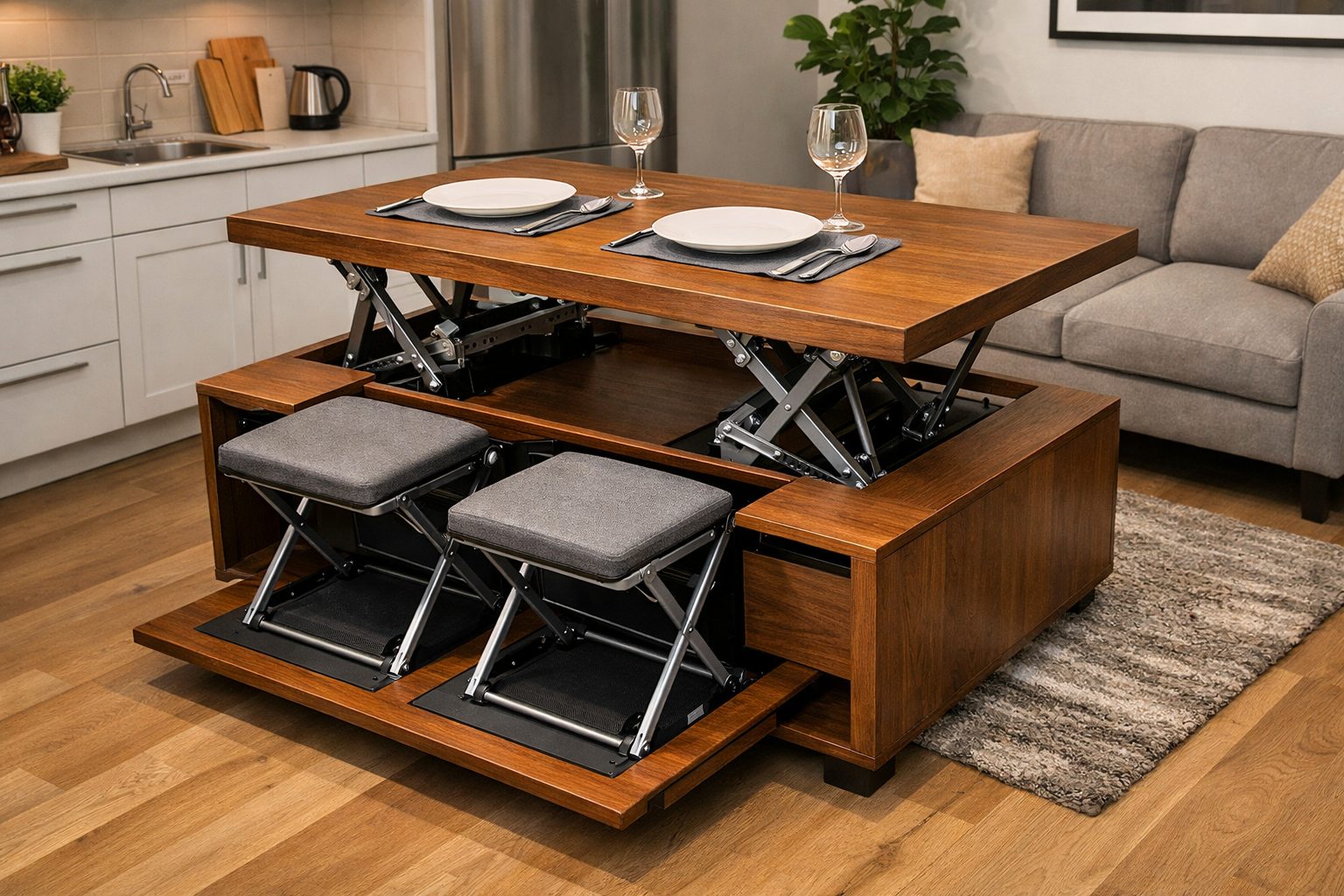
- Coffee Table to Dining Table: Many designs feature a lifting and extending mechanism, allowing a low coffee table to rise to dining height and expand its surface area. Some even hide chairs within their base.
- Console Table to Desk/Dining: A narrow console against a wall can pull out and unfold into a larger dining table or a dedicated workspace. This is especially useful for entryways or hallways.
- Nesting Tables: A set of tables of varying sizes that fit perfectly one inside the other. They can be separated for multiple uses or neatly tucked away to save space.
- Wall-Mounted Fold-Down Tables: These tables hinge from the wall, folding down for use and up flat against the wall when not needed, freeing up significant floor space.
Versatile Seating and Storage Solutions
Seating often takes up the most floor space. Reimagining seating means integrating multiple functions:
- Modular Sectionals: Couches composed of individual modules that can be rearranged into different sofa configurations, separate chairs, or even combined with ottomans to form a daybed.
- Storage Ottomans & Benches: Seating that doubles as storage for blankets, books, or toys. Some benches can even pull apart into individual stools or act as room dividers.
- Sofa Beds & Wall Beds (Murphy Beds): While traditional, modern iterations are sleeker and easier to operate, turning a living room into a bedroom seamlessly.
- Stackable Stools/Chairs: Perfect for entertaining, these can be pulled out when needed and easily stacked and stored in a corner or closet.
Dynamic Shelving and Cabinetry
Storage is paramount in small spaces. Modular shelving and cabinetry provide customizability and adaptability:
- Cubic Storage Systems: Interlocking cubes that can be arranged vertically or horizontally, serving as bookshelves, room dividers, or even as bases for benches or desks.
- Adjustable Shelving: Systems with movable shelves or components that can be reconfigured to accommodate items of different sizes, from books to décor.
- Hidden Compartments: Cabinets or shelves with secret drawers or pull-out sections that offer discreet storage without adding bulk.
- Wall-Mounted Units: Floating shelves or cabinets that free up floor space, providing vertical storage solutions. For tips on creating sturdy wall-mounted items, you might find guidance on crafting magazine racks or building robust floating shelves.

Materials, Joinery, and Crafting Techniques for Durability
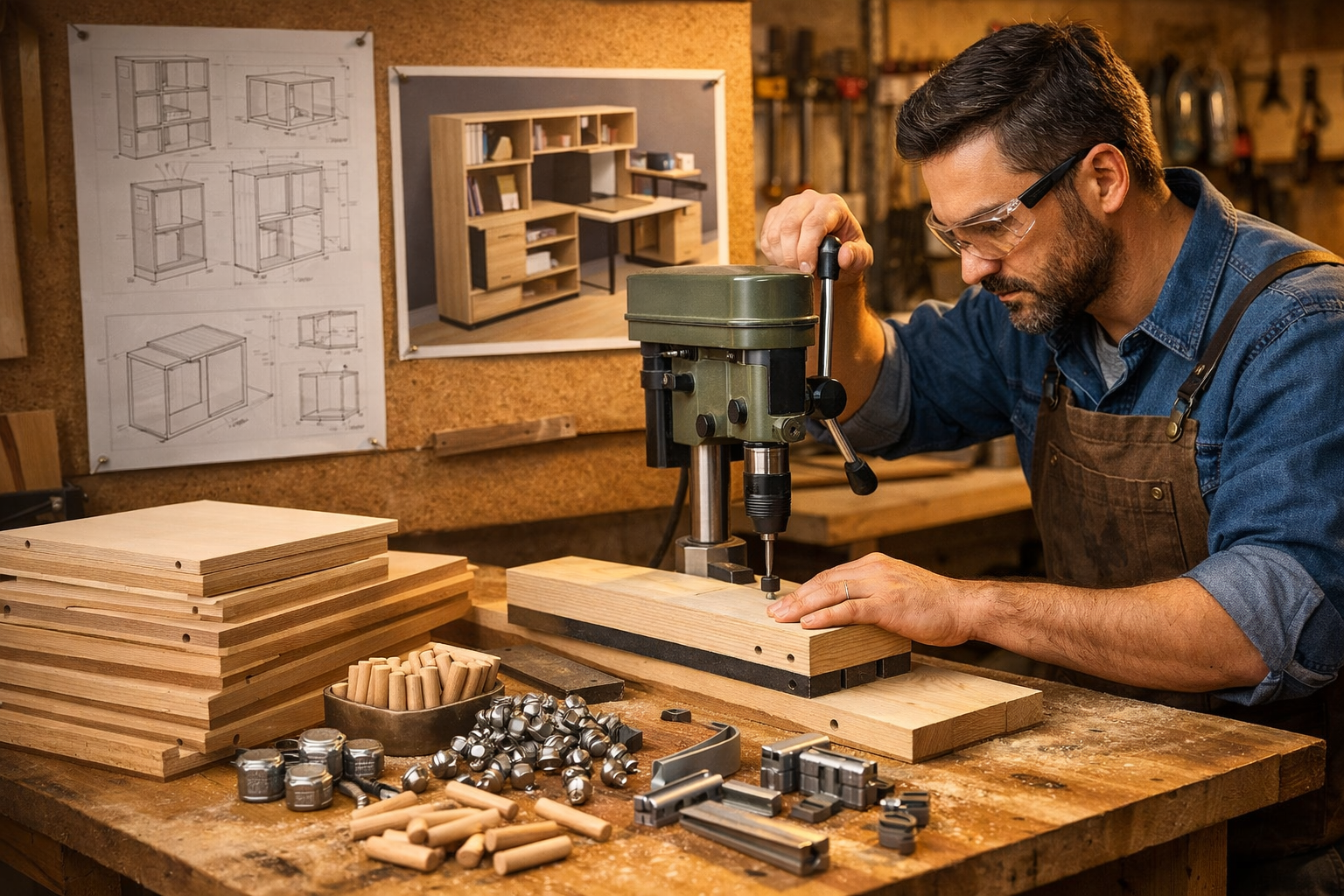
The success of Crafting Modular and Reconfigurable Furniture for Small Apartments: Maximizing Space and Functionality hinges on meticulous material selection, precise joinery, and appropriate crafting techniques. These elements ensure not only the aesthetic appeal but also the longevity and smooth operation of dynamic furniture pieces.
Material Selection: Balancing Aesthetics and Performance
Choosing the right materials is crucial for modular and reconfigurable furniture, which often undergoes more stress than stationary pieces.
- Hardwoods: Oak, maple, walnut, and cherry are excellent choices for their durability, strength, and beautiful grain. They resist warping and wear, essential for moving parts and frequently handled surfaces.
- Plywood & MDF (Medium-Density Fiberboard): These engineered wood products offer stability and cost-effectiveness. High-quality Baltic birch plywood, for instance, provides excellent strength-to-weight ratio and takes finishes well. MDF is ideal for painted surfaces where a smooth finish is desired, but less suitable for structural components unless reinforced.
- Metal Components: Steel or aluminum can be integrated for structural support, legs, and mechanisms. Their strength allows for thinner profiles, contributing to a lighter visual footprint.
- Hardware: High-quality slides, hinges, casters, and locking mechanisms are non-negotiable. Soft-close hinges, heavy-duty drawer slides, and robust swivel casters are vital for smooth, quiet operation and long-term reliability.
Essential Joinery Techniques
Strong, reliable joints are the backbone of any furniture, but especially for pieces that will be regularly moved, expanded, or transformed.
- Dovetail Joints: Known for their exceptional strength and resistance to pulling forces, dovetails are perfect for drawers, boxes, and any component that needs to withstand repeated stress. Learning to master dovetail drawers for cabinets can significantly enhance the durability of your modular storage solutions.
- Mortise and Tenon Joints: A classic, incredibly strong joint ideal for connecting rails to legs or frames, providing a robust structural connection.
- Dado and Rabbet Joints: Excellent for shelving and carcass construction, these provide strong mechanical connections and can be easily reinforced with glue and fasteners.
- Pocket Hole Joinery: While often debated, pocket holes offer a quick and strong method for attaching components, especially when combined with glue, for applications where the joint isn’t under extreme stress.
- Cam Locks and Connecting Hardware: For modular units that need to be easily assembled and disassembled, specialized connecting hardware like cam locks or threaded inserts with machine screws can provide sturdy yet reconfigurable connections.
Crafting Techniques and Tools
Precision is key when building modular furniture. Modern woodworking tools and techniques facilitate accuracy and efficiency.
- Accurate Cutting: A high-quality table saw with a precise fence and crosscut sled, or a track saw, is essential for square and dimensionally accurate cuts.
- Router Usage: Routers are indispensable for creating dados, rabbets, profiles, and precise joinery. Understanding router bits is fundamental to achieving clean, consistent results.
- Jigs and Fixtures: Building jigs for repetitive cuts, drilling, or assembly ensures consistency and accuracy across multiple modular units. A beginner’s guide to essential woodworking jigs can be a great starting point for improving accuracy.
- Finishing: A durable finish like polyurethane, lacquer, or a hard wax oil is crucial for protecting surfaces that will see frequent use and movement. For more on wood finishes, you might explore topics like the benefits of oil on pine or spar urethane compatibility.
Pro Tip: When designing for reconfigurability, always prototype the mechanisms. Create small-scale models or test fittings of the moving parts to ensure they operate smoothly and safely before committing to the final build. This iterative process is vital for successful Crafting Modular and Reconfigurable Furniture for Small Apartments: Maximizing Space and Functionality.

Conclusion
The challenge of maximizing space in small apartments is expertly met through the innovative application of modular and reconfigurable furniture design. By embracing the principles of adaptability, multi-functionality, and integrated storage, woodworkers and DIY enthusiasts can transform confined living areas into dynamic, efficient, and aesthetically pleasing environments. The journey of Crafting Modular and Reconfigurable Furniture for Small Apartments: Maximizing Space and Functionality is one that combines thoughtful design with precise execution, utilizing robust materials and proven joinery techniques to create pieces that truly enhance urban living.
As apartment sizes continue to trend downwards, the demand for smart, adaptable furniture will only grow. Investing time in understanding these concepts, practicing precise woodworking skills, and exploring innovative hardware solutions will equip you to create furniture that not only serves its purpose but also elevates the living experience. Whether you’re building a transforming coffee table, a modular shelving system, or a sofa that converts to a bed, the impact on a small apartment’s livability is profound.
Actionable Next Steps:
- Assess Your Space: Measure your apartment thoroughly and identify key areas where multi-functional furniture would have the greatest impact.
- Sketch & Plan: Begin sketching design ideas, focusing on how pieces can transform or combine. Consider existing modular furniture on the market for inspiration.
- Research Materials & Hardware: Explore durable hardwoods, high-quality plywoods, and specialized hardware like heavy-duty slides and robust locking mechanisms suitable for dynamic furniture.
- Practice Joinery: Hone your skills in essential joinery techniques such as dovetails and mortise and tenons, crucial for the strength and longevity of reconfigurable pieces.
- Start Small: Begin with a smaller, simpler modular project, such as a set of nesting tables or a storage ottoman, to gain confidence before tackling more complex transforming pieces.
By taking these steps, you can confidently embark on Crafting Modular and Reconfigurable Furniture for Small Apartments: Maximizing Space and Functionality, creating custom solutions that truly make a difference in compact urban dwellings.