
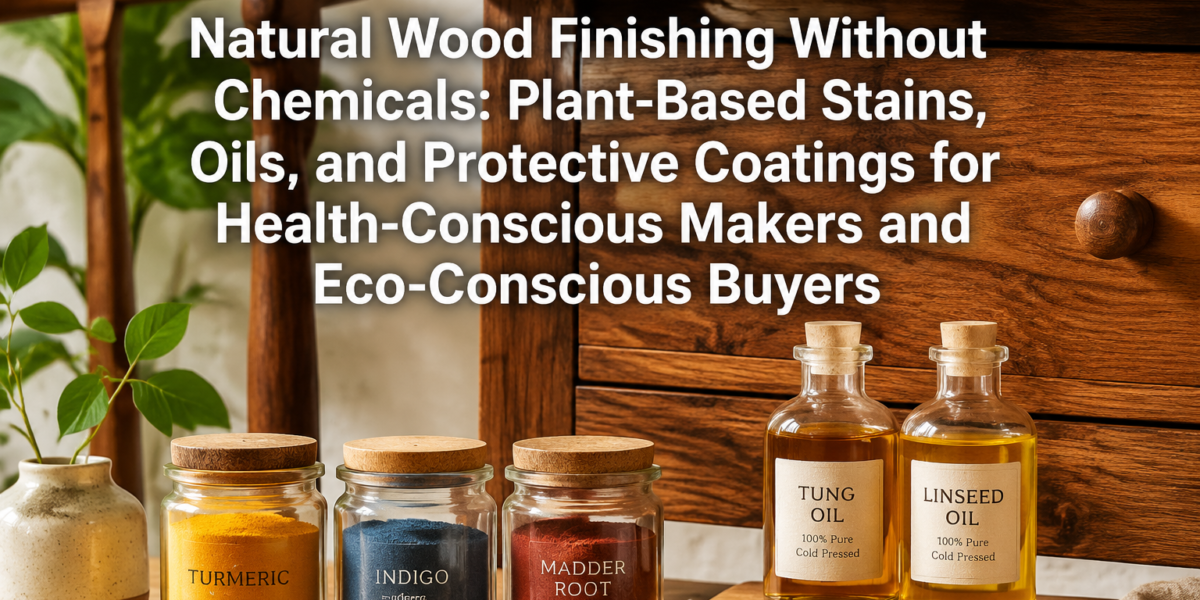
The scent of volatile organic compounds (VOCs) has long been synonymous with fresh finishes in woodworking, yet this pervasive aroma signals a significant health and environmental trade-off. In 2026, an increasing number of makers and consumers are actively seeking alternatives, driving a robust demand for Natural Wood Finishing Without Chemicals: Plant-Based Stains, Oils, and Protective Coatings for Health-Conscious Makers and Eco-Conscious Buyers. This shift represents more than a trend; it’s a fundamental re-evaluation of how we interact with materials in our homes and workshops, prioritizing well-being and ecological stewardship. For the health-conscious maker, this means a safer working environment and products free from harmful substances. For the eco-conscious buyer, it offers peace of mind, knowing their purchases align with their values of sustainability and non-toxicity. This article explores the compelling reasons behind this movement and the practical, effective solutions available.
Key Takeaways
- Traditional wood finishes often contain VOCs and other hazardous chemicals, posing health risks and environmental concerns.
- Plant-based stains offer a wide range of natural colors derived from botanical sources, free from synthetic dyes.
- Natural oils like linseed and tung oil penetrate wood fibers, providing durable, water-resistant, and repairable finishes.
- Beeswax, shellac, and other natural protective coatings offer excellent sealing and aesthetic benefits without harsh chemicals.
- Adopting natural finishing methods enhances product appeal, reduces environmental impact, and creates a healthier workspace.
The Imperative for Natural Wood Finishing Without Chemicals: Plant-Based Stains, Oils, and Protective Coatings for Health-Conscious Makers and Eco-Conscious Buyers
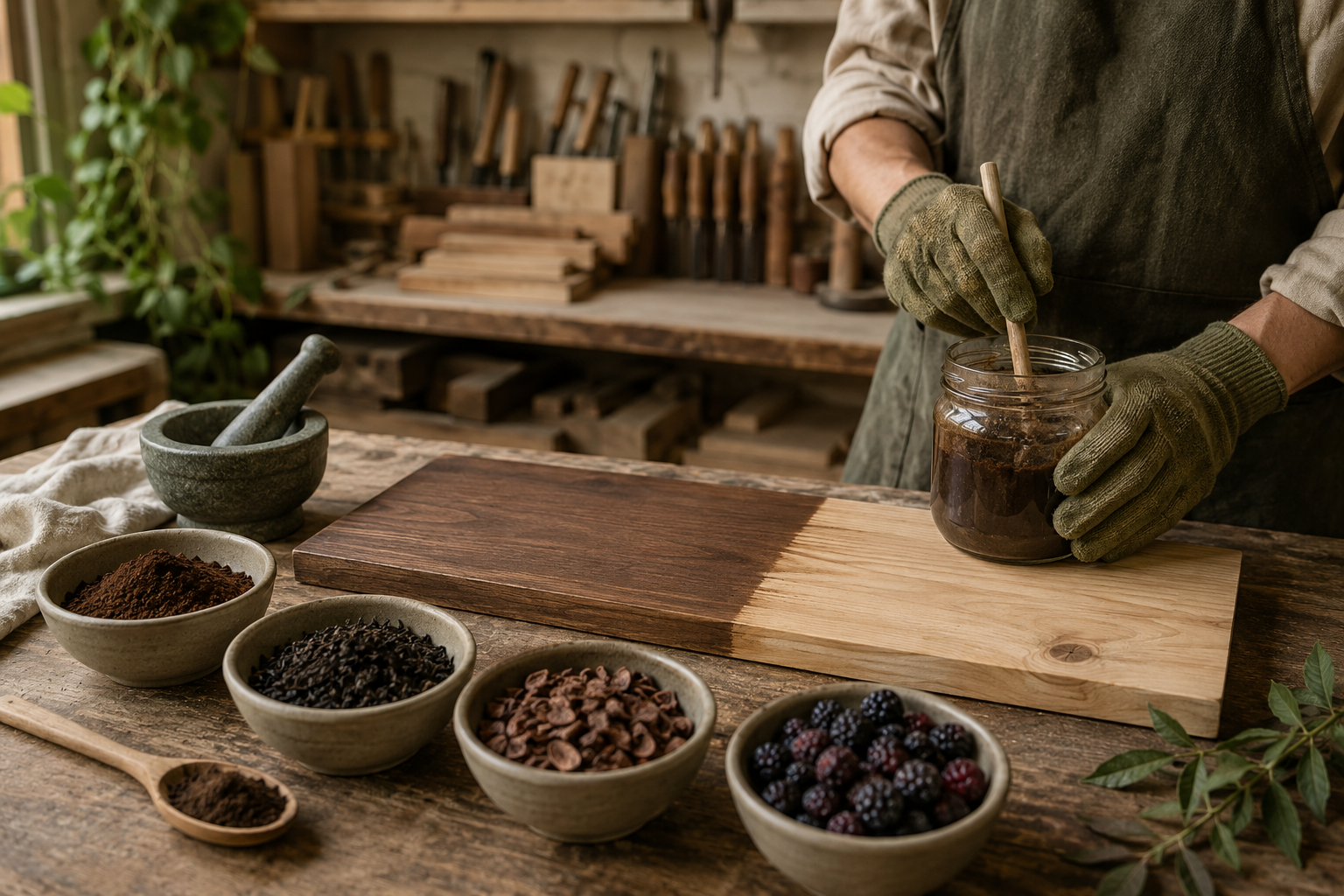
The allure of wood lies in its natural beauty, warmth, and sustainability. However, conventional wood finishes often introduce a paradox. Many commonly used varnishes, lacquers, and polyurethane coatings contain petroleum-based solvents and resins that release VOCs into the air during application and for years afterward. These chemicals can contribute to indoor air pollution, leading to respiratory issues, headaches, and other health problems for both makers and occupants. Furthermore, the manufacturing and disposal of these chemical-laden products have significant environmental footprints.
In response, the market for natural, non-toxic alternatives is expanding rapidly. This demand is fueled by heightened consumer awareness regarding product safety, environmental impact, and the desire for healthier living spaces. For woodworkers, embracing these natural finishes means not only contributing to a healthier planet but also creating a distinct market advantage. Products finished with plant-based stains, natural oils, and protective coatings are increasingly seen as premium items, appealing to a discerning clientele that values craftsmanship, authenticity, and ecological responsibility. This aligns well with principles of sustainable wood sourcing for the modern woodworker, ensuring a holistic approach to eco-friendly woodworking.
Understanding the Risks of Conventional Finishes
Traditional finishes achieve their durability and aesthetic qualities through synthetic polymers and solvents. While effective, their chemical composition raises concerns:
- Volatile Organic Compounds (VOCs): These airborne chemicals are released during application and curing, contributing to smog and indoor air pollution. Health effects range from eye and respiratory irritation to more serious long-term conditions.
- Heavy Metals: Some conventional stains and paints may contain heavy metals used as pigments or drying agents, which are toxic to humans and the environment.
- Formaldehyde: A known carcinogen, formaldehyde can be found in some finishing products and can off-gas for extended periods.
By choosing Natural Wood Finishing Without Chemicals: Plant-Based Stains, Oils, and Protective Coatings for Health-Conscious Makers and Eco-Conscious Buyers, makers demonstrate a commitment to safety and sustainability, differentiating their work in a competitive landscape.
The Power of Plant-Based Stains and Natural Oils
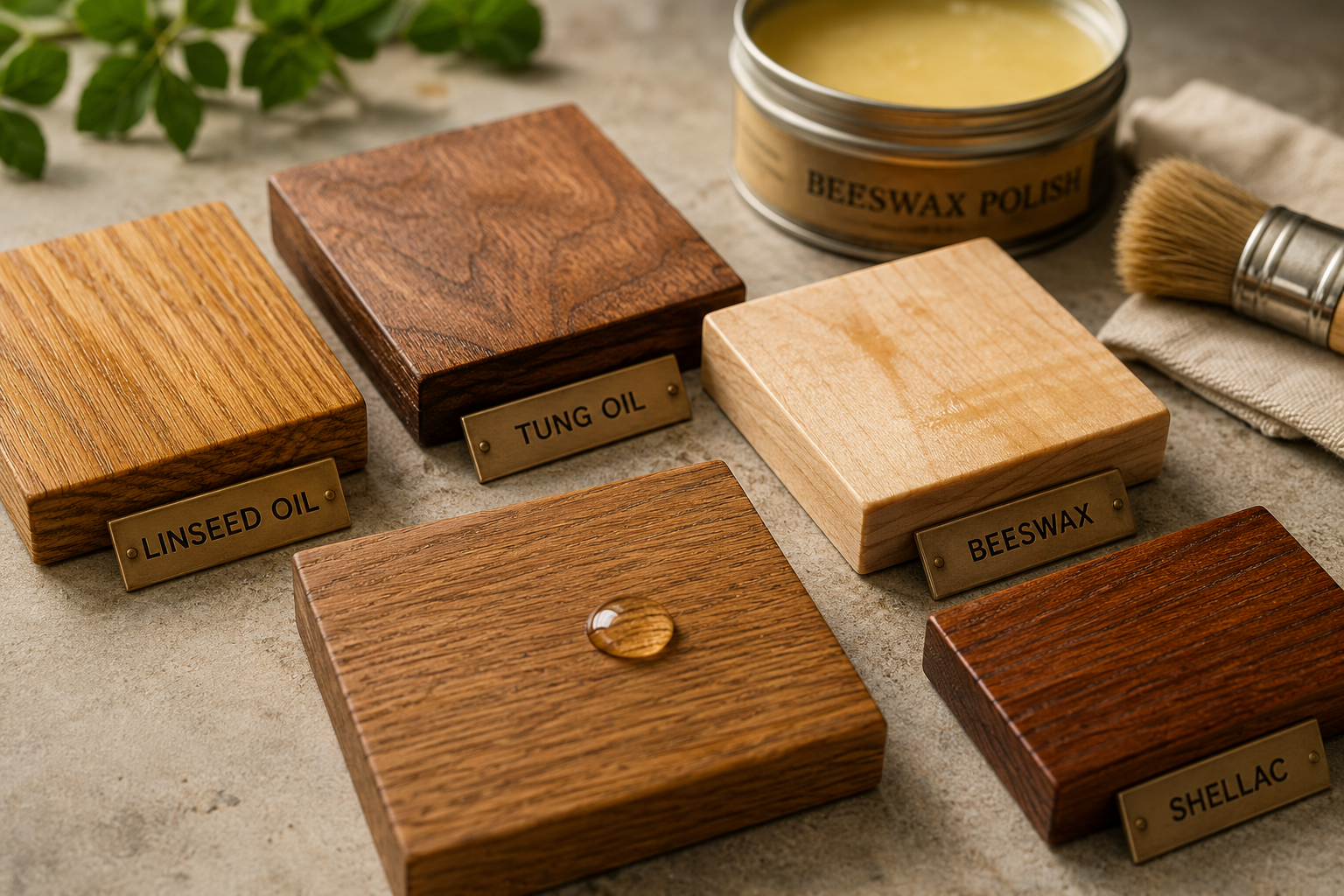
The journey into chemical-free wood finishing begins with color and protection. Plant-based stains offer a vibrant palette derived directly from nature, while natural oils provide deep penetration and lasting durability.
Exploring Plant-Based Stains
Botanical dyes have been used for millennia to color textiles and wood. Today, they offer a non-toxic alternative to synthetic pigments, allowing makers to achieve beautiful, nuanced hues.
Sources of Plant-Based Stains:
- Coffee and Tea: Brewed coffee and strong black tea can create warm brown tones, varying in intensity with concentration and application layers.
- Walnut Hulls: Crushed black walnut hulls produce rich, deep brown stains. They are incredibly potent and can be used to achieve striking dark finishes, often seen in projects like building a custom wood workbench.
- Berries (Mulberry, Elderberry): Juices from various berries can yield purples, blues, and reds, though their lightfastness may vary.
- Turmeric: Creates bright, sunny yellow tones.
- Madder Root: Produces a range of reds, from soft rose to deep brick.
- Indigo: Yields blues.
Application Techniques:
Plant-based stains are typically applied as water-based solutions. The wood should be clean and sanded to the desired grit. Multiple coats can deepen the color. Since these are natural pigments, results can vary slightly based on wood type, porosity, and application method, adding a unique character to each piece.
The Benefits of Natural Oils (Linseed, Tung, Hemp)
Natural oils are perhaps the most popular choice for chemical-free wood finishing due to their ability to enhance the wood’s natural beauty while offering protection. Unlike film-forming finishes that sit on the surface, oils penetrate the wood fibers, polymerizing within the pores to harden and protect from within.
- Linseed Oil (Flaxseed Oil): Extracted from flax seeds, raw linseed oil penetrates deeply but takes a long time to cure. Boiled linseed oil (BLO) contains metallic dryers to speed up curing but may not be entirely chemical-free. Look for “polymerized linseed oil” or “oxidized linseed oil” as truly natural, faster-drying alternatives. Linseed oil provides a warm, slightly amber hue and a soft, satin finish.
- Tung Oil: Derived from the nuts of the tung tree, pure tung oil is highly water-resistant, durable, and food-safe once cured. It offers a clear, matte finish that doesn’t significantly alter the wood’s natural color. Tung oil builds a protective layer that is flexible and less prone to scratching than film finishes. It’s an excellent choice for items like engraved wooden coasters or cutting boards.
- Hemp Seed Oil: A newer player in the natural finishing world, hemp seed oil is non-toxic, food-safe, and provides a beautiful, soft luster. It’s easy to apply and has a relatively fast drying time, making it suitable for furniture and decorative items.
Application Tips for Oils:
Apply thin coats, allowing each to penetrate for 20-30 minutes before wiping off excess. This prevents a gummy surface. Multiple coats (3-5 or more) build increasing protection and depth. Proper ventilation is still important, as oils cure through oxidation.
Natural Protective Coatings and Waxes for Enhanced Durability

While plant-based stains offer color and natural oils provide foundational protection, natural waxes and other coatings add an extra layer of durability, water resistance, and a pleasing tactile quality. These options further solidify the commitment to Natural Wood Finishing Without Chemicals: Plant-Based Stains, Oils, and Protective Coatings for Health-Conscious Makers and Eco-Conscious Buyers.
Beeswax and Carnauba Wax
Waxes are typically applied over an oil finish or directly to bare wood for a soft, low-luster protective layer. They repel water and offer a pleasant feel.
- Beeswax: A natural wax produced by honeybees, beeswax provides a wonderful, soft sheen and offers good water resistance. It’s often mixed with a small amount of oil (like mineral oil or linseed oil) to create a paste wax that is easier to apply. It’s especially popular for items requiring a smooth, natural feel, such as DIY wooden toys and games.
- Carnauba Wax: Derived from the leaves of the carnauba palm, this vegetable wax is much harder than beeswax and provides a higher gloss and greater durability. It’s often used in combination with beeswax or oils for enhanced protection.
Application of Waxes:
Apply a thin layer of wax with a clean cloth, allow it to haze, then buff vigorously with a clean, soft cloth to achieve a beautiful sheen. Reapplication may be necessary over time, depending on wear.
Shellac: Nature’s Resinous Finish
Shellac is a natural resin secreted by the lac bug, dissolved in denatured alcohol. It’s a remarkably versatile and natural finish that has been used for centuries.
Key Characteristics of Shellac:
- Fast Drying: Shellac dries incredibly quickly, allowing for multiple coats in a single day.
- Non-Toxic (when pure): Once the alcohol evaporates, cured shellac is considered food-safe and non-toxic. Ensure the shellac is “dewaxed” if it will be top-coated with other finishes, though for a pure natural finish, waxed shellac offers a slightly softer sheen.
- Barrier Coat: It’s an excellent sealer, preventing issues with sap or silicone contamination.
- Repairable: Unlike synthetic finishes, shellac can be easily repaired by simply dissolving the old layer with more alcohol and re-applying.
While shellac provides a beautiful, clear, and durable finish, it is not as water-resistant as tung oil or modern polyurethane. It’s an excellent choice for interior furniture and decorative items, and it can be layered over plant-based stains to seal them in.
Case Studies in Natural Wood Finishing
Consider the application of these techniques in various woodworking projects:
- Children’s Furniture: For a beginner’s guide to building a simple wooden bookshelf, a natural oil-wax blend ensures a completely safe surface for little hands, avoiding any concerns about off-gassing.
- Kitchenware: Wooden cutting boards and utensils benefit immensely from food-safe tung oil or hemp seed oil, which protect against moisture without introducing chemicals that could leach into food. This approach is ideal for profitable beginner woodworking projects like cutting boards.
- Decorative Items: Pieces that might see less heavy wear, such as a DIY wooden wall clock, can be beautifully finished with shellac or a beeswax polish for a classic, natural aesthetic.
By integrating these chemical-free approaches, makers can elevate their craft, meet growing consumer demand, and contribute to a healthier environment, solidifying their position as premium producers in 2026.
Conclusion
The movement towards Natural Wood Finishing Without Chemicals: Plant-Based Stains, Oils, and Protective Coatings for Health-Conscious Makers and Eco-Conscious Buyers is more than a fleeting trend; it is a conscious decision reflecting a deeper understanding of health, sustainability, and craftsmanship. In 2026, both producers and consumers are increasingly rejecting the compromises of chemical-laden finishes in favor of natural alternatives that celebrate the inherent beauty of wood while protecting our well-being and the planet.
For woodworkers, embracing these techniques offers a compelling opportunity to differentiate products, command premium prices, and operate in a safer, more enjoyable environment. For buyers, it provides the assurance of bringing truly wholesome and environmentally sound pieces into their homes. From the rich hues of plant-based stains to the deep protection of natural oils and the soft luster of waxes, a world of chemical-free possibilities awaits. Experimentation, patience, and an appreciation for the subtle variations that natural materials offer are key to mastering this rewarding aspect of woodworking. Start your journey into natural wood finishing today and discover the profound difference it can make for your craft and your impact.
About the Author
This article was written by a content strategist and senior editor with extensive experience in the woodworking and sustainable crafting industries, providing expert insights into eco-friendly practices and market trends.
SEO Meta Title: Natural Wood Finishing: Plant-Based Stains & Oils for Health
SEO Meta Description: Discover chemical-free natural wood finishing methods for health-conscious makers & eco-conscious buyers. Explore plant-based stains, oils, & protective coatings.