
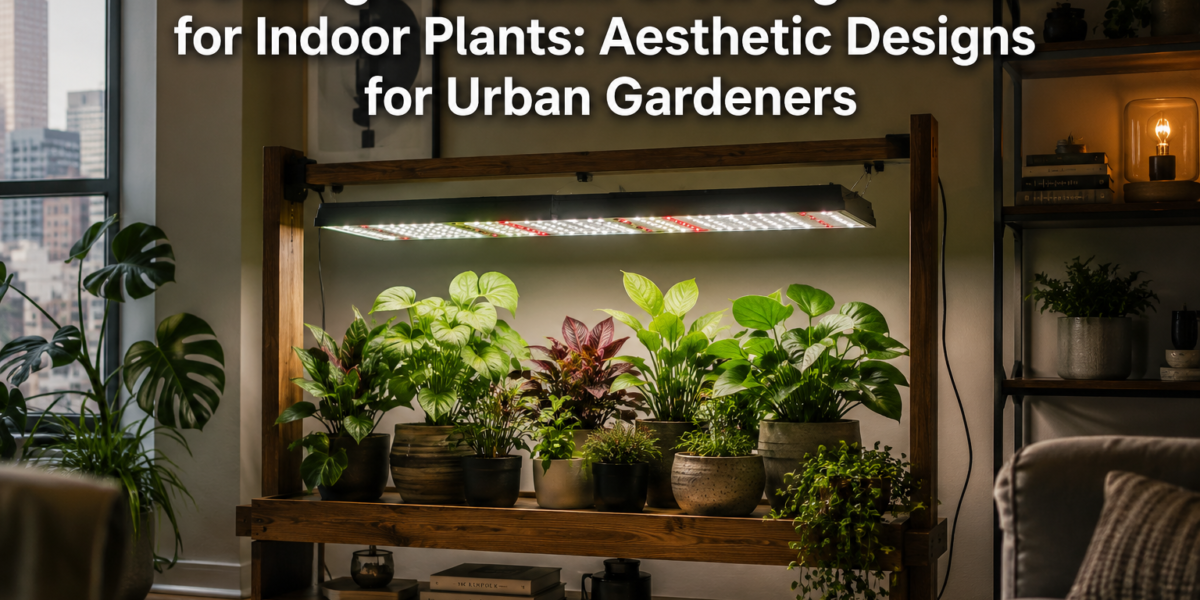
The profound satisfaction derived from nurturing indoor plants is often tempered by the utilitarian appearance of necessary grow lights. For urban gardeners in 2026, the challenge isn’t merely to keep plants alive, but to seamlessly integrate their green companions into sophisticated living spaces. This article delves into the art and craft of Building a Custom Grow Light Stand for Indoor Plants: Aesthetic Designs for Urban Gardeners, transforming functional plant supports into intentional pieces of home decor. We will explore design principles, material choices, and construction techniques that elevate indoor gardening from a hobby to an integral part of interior design.
Key Takeaways
- Custom grow light stands combine plant support with aesthetic integration, enhancing urban living spaces.
- Careful material selection, joinery, and finishes are crucial for durability, moisture resistance, and visual appeal.
- Adjustable lighting and shelving systems are essential for plant health and design flexibility.
- Effective cable management and integrated watering solutions contribute to a clean, functional design.
- Embrace diverse design styles, from minimalist to rustic, to match existing home decor.
Designing Your Custom Grow Light Stand: Blending Form and Function
The cornerstone of Building a Custom Grow Light Stand for Indoor Plants: Aesthetic Designs for Urban Gardeners lies in a thoughtful design process that marries horticulture with interior aesthetics. A well-designed stand not only provides the necessary light for plant growth but also complements the surrounding decor, becoming a focal point rather than an eyesore.
Consider the following design elements:
- Footprint and Scale: Before any cuts are made, assess the available space. A slender, vertical design might suit a tight corner, while a wider, tiered structure could command attention against a prominent wall. The stand should be proportionate to the room and the plants it will house.
- Plant Type and Requirements: Different plants have varying light needs and growth habits. Design shelves to accommodate mature plant sizes and ensure grow lights can be adjusted in height. Consider integrating specialized compartments for herbs, succulents, or larger foliage plants.
- Aesthetic Integration: This is where the “aesthetic designs” truly come into play. Your grow light stand should echo the existing style of your home.
- Minimalist: Clean lines, simple geometry, and light-colored woods (e.g., maple, birch) or sleek metal frames.
- Mid-Century Modern: Tapered legs, organic shapes, and warm wood tones (e.g., walnut, teak).
- Industrial: Exposed metal piping, reclaimed wood, and utilitarian details.
- Rustic/Farmhouse: Distressed wood, natural finishes, and sturdy construction.
- Bohemian: Intricate carvings, mixed materials, and vibrant accents.
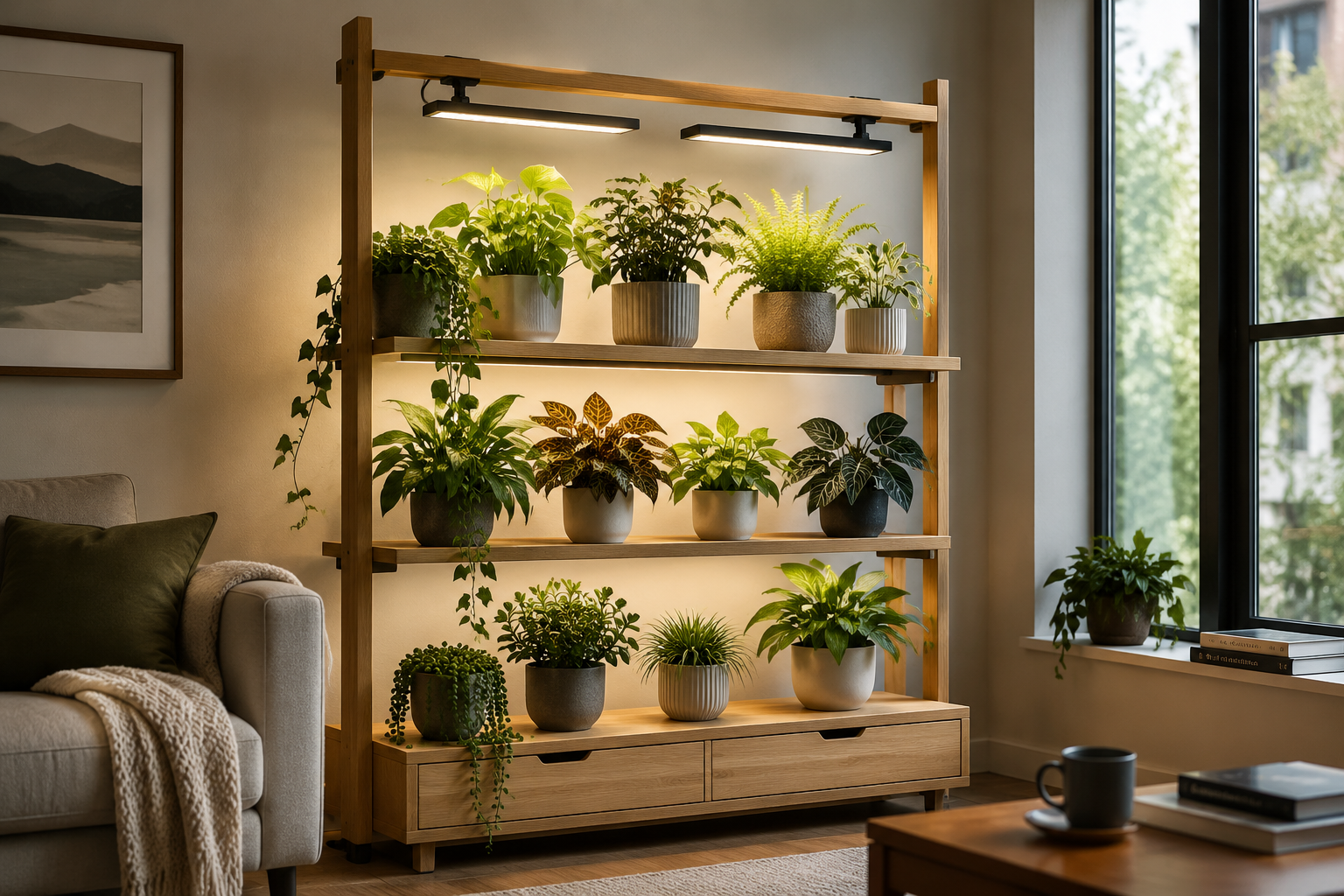
A crucial aspect of aesthetic design is the choice of materials. Wood is a popular choice for its workability and natural warmth. Hardwoods like oak, cherry, or walnut offer durability and rich grain patterns, while softwoods like pine or spruce are more budget-friendly and easier to work with, though they may require more protective finishes. For those interested in sustainable options, sourcing and restoring urban-harvested and reclaimed wood can add unique character and an eco-conscious touch to your project. Metal, such as steel or aluminum, can provide a contemporary or industrial edge and is excellent for structural support. Combining wood and metal often yields sophisticated results.
Incorporating Key Features for Optimal Growth and Visual Appeal
Beyond the basic structure, a truly custom grow light stand integrates features that support both plant health and human enjoyment.
- Adjustable Grow Light Mounting: The ability to raise and lower grow lights is paramount for catering to different plant stages and species. This can be achieved using chains, wire ropes with S-hooks, or sliding track systems. Ensure the mounting mechanism is robust enough to hold the lights securely.
- Water-Resistant Surfaces: Indoor plants require watering, and spills are inevitable. Incorporate water-resistant finishes on all surfaces that will hold pots. Marine-grade varnishes, epoxy coatings, or even a simple polyurethane can protect your wood. For added protection, consider recessed trays or removable plastic liners on shelves.
- Integrated Cable Management: Grow lights require power, and visible cords can detract from an otherwise beautiful design. Plan for hidden channels, cable clips, or integrated power strips within the stand’s structure. This not only improves aesthetics but also enhances safety.
- Ventilation and Airflow: Good air circulation is vital for plant health, preventing mold and fungal issues. Design shelves with slatted bottoms or ensure adequate spacing between shelves to allow air to move freely around plants.
- Mobility (Optional): If you anticipate moving your plant collection, consider adding heavy-duty casters to the base of the stand. Choose casters that lock to ensure stability.
By meticulously planning these elements, your custom grow light stand will be both a practical horticultural tool and a stylish piece of furniture.
Construction Techniques and Material Choices for a Durable Stand
Once the design is finalized, the actual construction of your custom grow light stand begins. The integrity and longevity of the stand depend heavily on the chosen materials and the joinery techniques employed. For Building a Custom Grow Light Stand for Indoor Plants: Aesthetic Designs for Urban Gardeners, durability and moisture resistance are critical.
Selecting the Right Wood and Finishes
- Wood Type: As discussed, hardwoods offer superior durability and resistance to warping, making them ideal for a long-lasting grow light stand. If using softwoods, choose clear, knot-free pieces for better strength and appearance. Consider restoring antique wooden furniture techniques for inspiration on working with and finishing wood effectively.
- Moisture Protection: This cannot be overstressed. Indoor plants mean water, and water is wood’s enemy.
- Sealants: Apply multiple coats of a waterproof sealant. Marine-grade polyurethane or spar varnish provides excellent protection. Epoxy resin can create an extremely durable, waterproof surface, particularly for shelf bottoms.
- Paint: High-quality exterior-grade paint can offer good water resistance, especially if a solid color finish is desired. Always prime properly.
- Liners/Trays: Even with sealed wood, placing plastic trays or liners beneath pots adds an extra layer of protection against spills and condensation.
Essential Joinery for Stability
Strong joints are fundamental to a stable and lasting grow light stand. While screws and fasteners are often used, incorporating traditional joinery significantly enhances structural integrity and aesthetic appeal.
- Mortise and Tenon Joints: Excellent for connecting rails to legs, providing substantial strength and a clean appearance. For more on advanced joinery, explore Hand Tool Joinery for Visible Wood Joints: Dovetails, Mortise and Tenon, and Box Joints as Design Features in Furniture and Small Projects.
- Dovetail Joints: While more complex, dovetails create incredibly strong and beautiful connections, often used for drawer boxes or more refined shelving details. Mastering Dovetail Joints with Hand Tools: A Step-by-Step Guide for Flawless Wood Joinery can guide you.
- Pocket Hole Joinery: A simpler, effective method for connecting pieces, especially for beginners. It involves drilling angled holes and using specialized screws. While less traditional, it can be very strong when executed correctly.
- Dado and Rabbet Joints: Ideal for securing shelves into vertical supports, offering good support and preventing sagging.
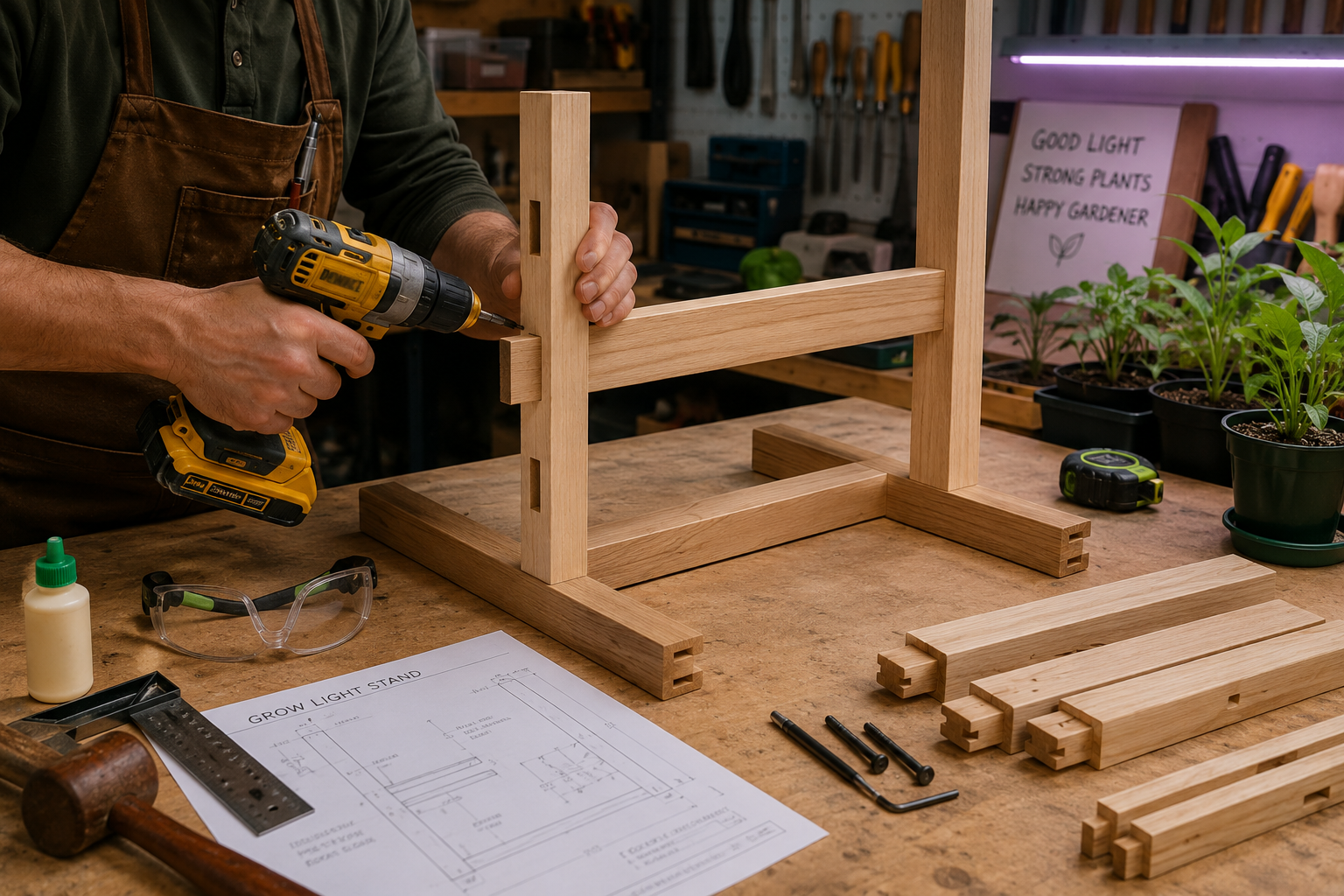
When choosing joinery, consider your skill level and available tools. Precision is key, regardless of the method. For a sturdy workbench to support your woodworking, refer to Creating Ergonomic Workshop Furniture: Building Custom Workbenches, Stools, and Storage to Prevent Strain and Increase Productivity.
Hardware and Lighting Components
- Grow Lights: Select full-spectrum LED grow lights appropriate for your plants’ needs. LED lights are energy-efficient and produce less heat than traditional bulbs. Consider strip lights for even coverage across shelves.
- Adjustable Fixtures: Use eye bolts, S-hooks, small chains, or braided wire rope with crimps and thimbles for adjustable light suspension. Ensure these components are rated for the weight of your lights.
- Timers: An essential accessory for automated lighting schedules. Smart timers can be integrated with home automation systems for ultimate convenience.
- Fasteners: High-quality wood screws, bolts, and threaded inserts for attaching legs or assembling larger sections. Stainless steel hardware is recommended for areas exposed to moisture to prevent rust.
- Shelving Supports: Metal shelf pins, cleats, or brackets can be used for adjustable or fixed shelving.
Always pre-drill pilot holes to prevent wood splitting, especially when working with hardwoods or near edges. Sand all surfaces thoroughly before applying finishes for a professional look and smooth feel.
Integrating Smart Solutions and Aesthetic Embellishments
The final stage of Building a Custom Grow Light Stand for Indoor Plants: Aesthetic Designs for Urban Gardeners involves adding those thoughtful touches that elevate it from a basic structure to a truly integrated piece of home decor. This includes smart technology, advanced finishing techniques, and decorative elements.
Smart Lighting and Environmental Controls
Modern urban gardening often embraces technology to optimize plant growth and simplify care.
- Smart Grow Lights: Many contemporary LED grow lights offer smart features, allowing control via smartphone apps. This includes adjusting light intensity, color spectrum, and scheduling, which can be invaluable for mimicking natural light cycles and tailoring light to specific plant needs.
- Environmental Sensors: Integrate small hygrometers and thermometers into your stand to monitor humidity and temperature. Some smart systems can even trigger fans or humidifiers based on these readings, ensuring optimal conditions.
- Automated Watering Systems: For the truly hands-off gardener, consider incorporating a small, discreet automated drip irrigation system for consistent watering. This can be integrated into the stand’s design with hidden tubing and a small reservoir.
Finishing Techniques for Enhanced Aesthetics and Durability
The finish you choose significantly impacts the stand’s appearance and its ability to withstand moisture.
- Staining: If using a beautiful wood like oak or walnut, a stain can enhance the grain and provide a desired color tone. Always test stains on scrap wood first. Follow with multiple coats of a protective sealant.
- Painting: For a modern, clean look, painting offers endless color possibilities. Use a high-quality primer and at least two coats of durable, water-resistant paint.
- Oil Finishes: Penetrating oil finishes (like tung oil or linseed oil) provide a natural, matte look and enhance the wood’s inherent beauty. While they offer some water resistance, they may require more frequent reapplication than varnishes or polyurethane, especially on surfaces exposed to water. For guidance, see “Can You Stain Over Linseed Oil? Or Ultimate Guide to Achieving Desired Finish”
- Distressing/Aging: For a rustic or industrial aesthetic, consider distressing the wood or applying techniques to make it appear aged. This can involve sanding edges, using specific tools to create marks, or applying specialty glazes.
- Clear Coats: A satin or semi-gloss polyurethane or spar varnish will provide a durable, clear protective layer over stains or bare wood, offering excellent water and scratch resistance.
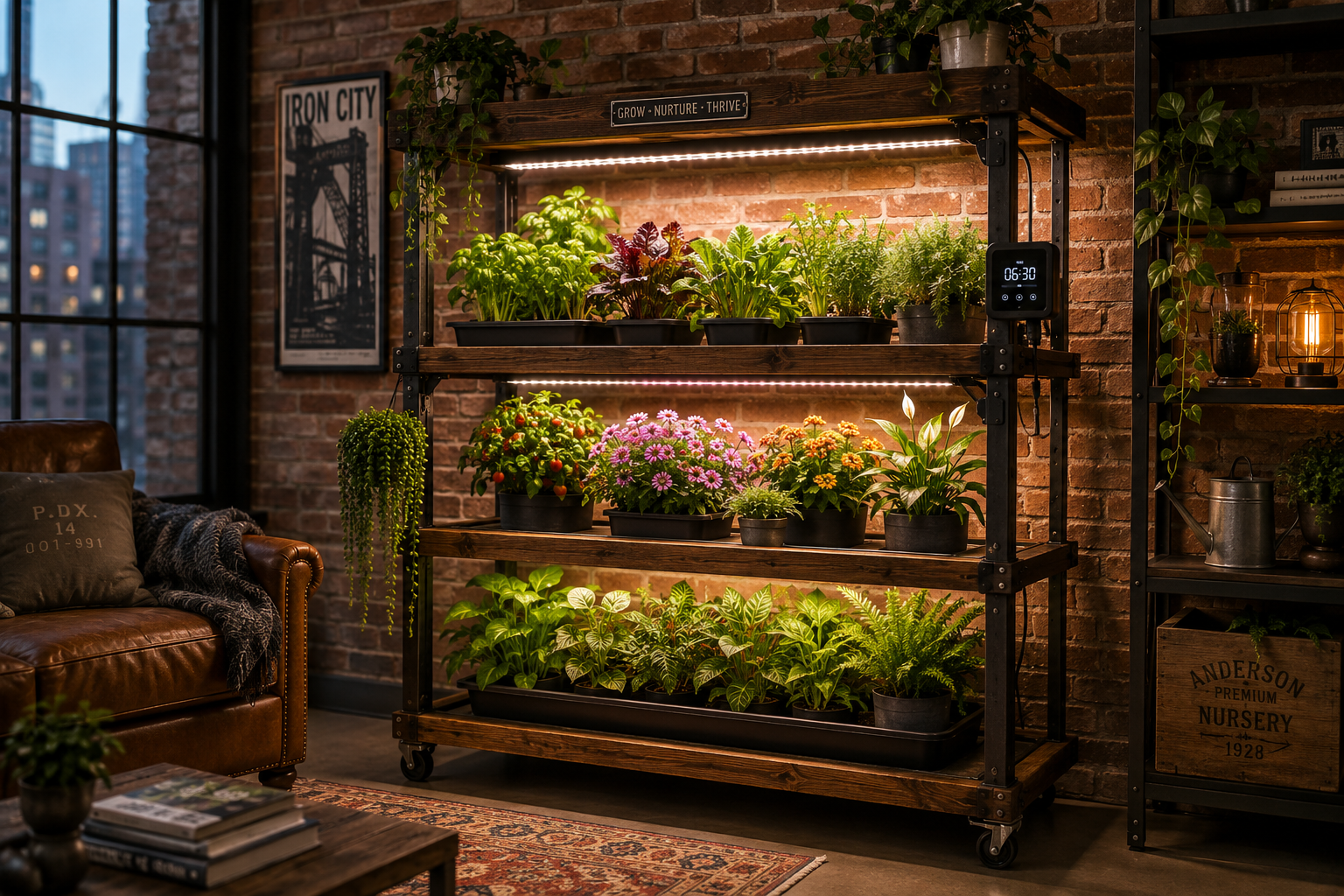
Decorative Accents and Integration
- Built-in Storage: Small drawers or a lower cabinet can be integrated for storing gardening tools, fertilizers, or extra pots. This can mirror designs from Building Custom Wooden Key Holders: Wall-Mounted Designs wit for concealed compartments.
- Decorative Paneling: Add decorative wood panels, perhaps with geometric cutouts or textured surfaces, to the sides or back of the stand for visual interest.
- Under-Shelf Lighting (Ambient): Beyond the grow lights, consider adding subtle LED strip lighting under shelves for ambient illumination, highlighting the plants and adding warmth to the room in the evenings.
- Mirror Backing: A mirror panel at the back of the stand can reflect light, increasing the effective illumination for plants and creating a sense of depth.
By carefully considering these smart solutions and aesthetic embellishments, your custom grow light stand will become more than just a plant support—it will be a sophisticated, functional, and beautiful addition to your urban living space.
Conclusion
Building a custom grow light stand for indoor plants is a rewarding project that combines the satisfaction of woodworking with the joy of cultivating indoor greenery. For urban gardeners in 2026, the opportunity to create a piece that is both highly functional and deeply aesthetic is invaluable. By carefully considering design principles, selecting durable and moisture-resistant materials, employing robust joinery techniques, and integrating smart technologies and thoughtful embellishments, you can construct a stand that not only supports thriving plants but also enhances your home’s interior design.
The journey from initial concept to a flourishing, custom-built indoor garden stand empowers you to personalize your green spaces like never before. Take the time to plan, choose your materials wisely, and don’t shy away from incorporating features that truly cater to your plants’ needs and your home’s style. The result will be a unique, long-lasting structure that serves as a testament to your craftsmanship and your passion for indoor gardening.
SEO Meta Title: Build a Custom Grow Light Stand: Aesthetic Urban Plant Designs SEO Meta Description: Craft a custom grow light stand for indoor plants in 2026. Discover aesthetic designs, durable materials, and smart features for urban gardeners.