
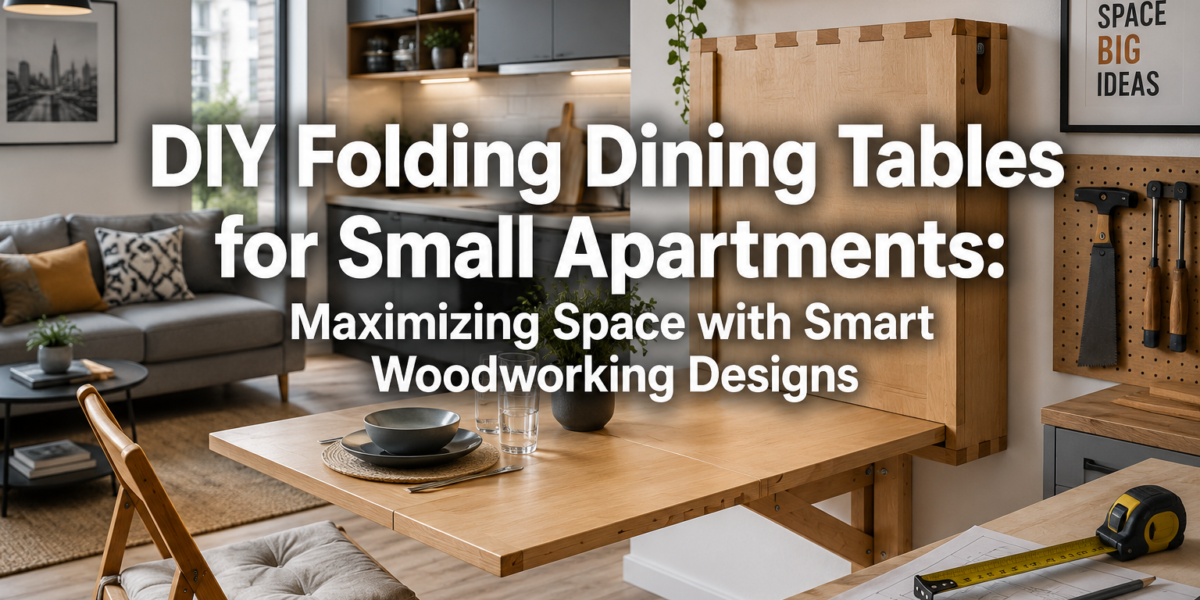
Living in a small apartment often presents a paradox: the desire for functional living spaces clashes with the reality of limited square footage. For many, this means sacrificing the communal experience of a dining table, relegated to eating on a sofa or at a cramped counter. However, with smart woodworking designs and a bit of ingenuity, it’s entirely possible to reclaim this essential piece of furniture. This guide will delve into the world of DIY Folding Dining Tables for Small Apartments: Maximizing Space with Smart Woodworking Designs, offering practical solutions for crafting a table that adapts to your needs and significantly enhances your living area in 2026.
Key Takeaways
- DIY folding dining tables are an excellent solution for maximizing space in small apartments, allowing for flexible dining and living arrangements.
- Careful selection of materials and innovative hinge mechanisms are crucial for creating sturdy, durable, and easily foldable tables.
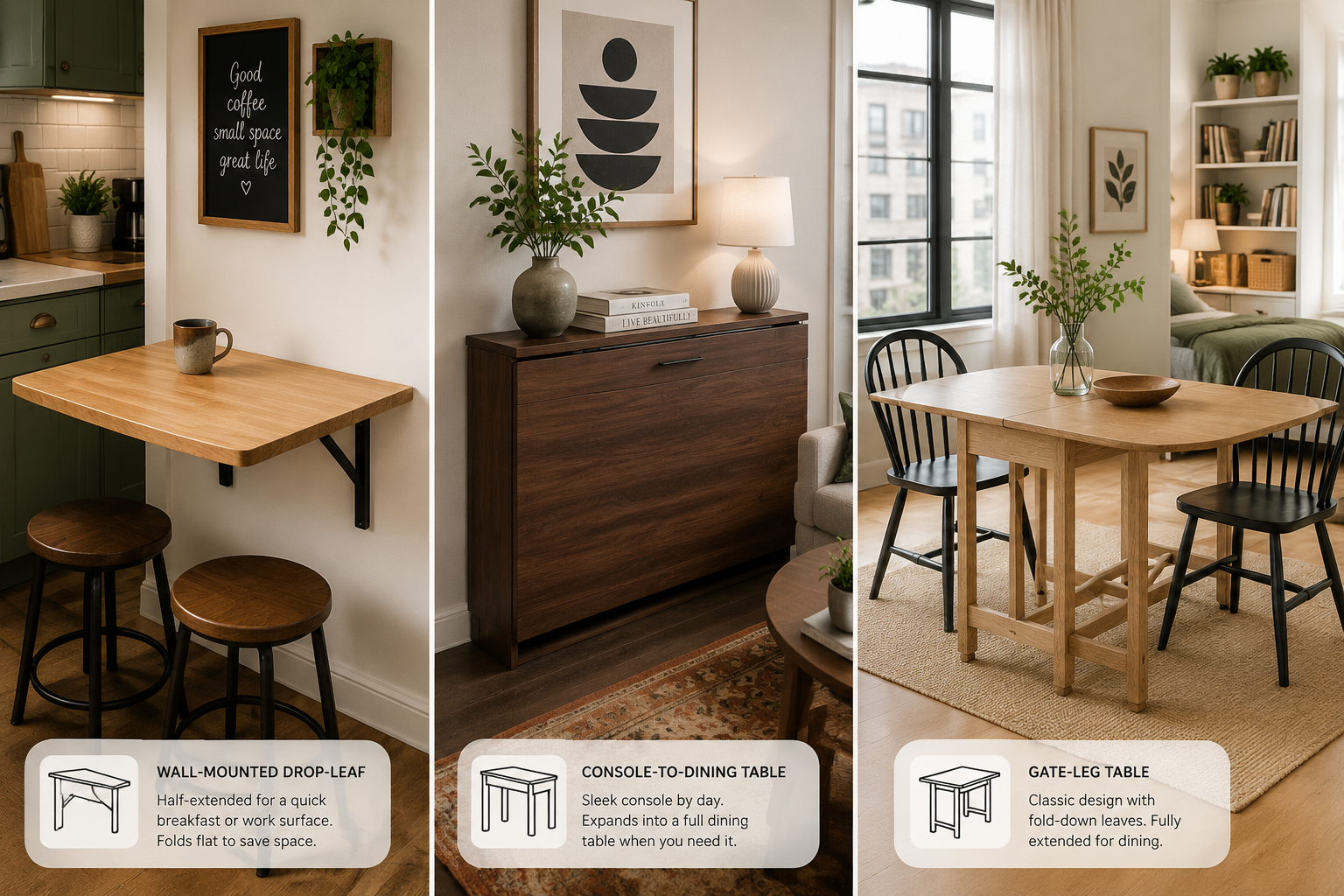
- Popular designs include wall-mounted drop-leaf, gate-leg, and console-to-dining tables, each offering unique space-saving benefits.
- Proper planning, precise measurements, and adherence to safety guidelines are essential for a successful woodworking project.
- Finishing touches and maintenance are key to ensuring the longevity and aesthetic appeal of your handcrafted table.
The Foundation of Flexibility: Mechanisms and Materials for DIY Folding Dining Tables for Small Apartments: Maximizing Space with Smart Woodworking Designs
The core of any successful folding dining table lies in its ability to transform effortlessly while maintaining stability. This depends heavily on the chosen mechanisms and materials. Understanding these components is the first step in creating robust and functional DIY Folding Dining Tables for Small Apartments: Maximizing Space with Smart Woodworking Designs.
Essential Folding Mechanisms
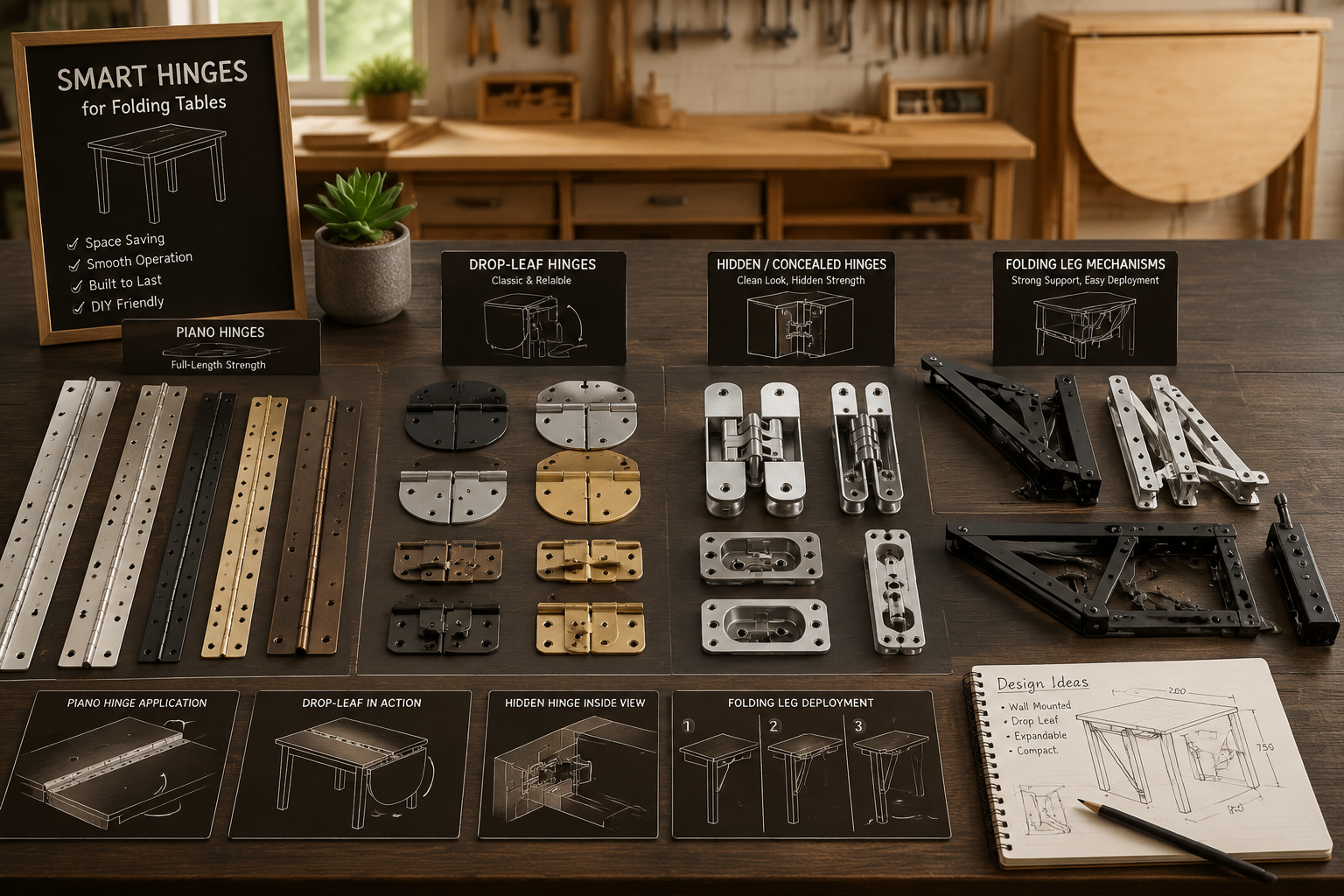
The right hardware is paramount. Not all hinges are created equal, and selecting the appropriate type will dictate your table’s functionality and aesthetic.
- Piano Hinges: These long, continuous hinges are excellent for supporting long spans, like the fold-down leaf of a wall-mounted table or the joint between two table sections. They distribute weight evenly, making them very strong.
- Drop-Leaf Hinges: Specifically designed for tables with leaves that drop down, these hinges are robust and often feature a stop mechanism to hold the leaf flat when extended. They are ideal for creating a table that can expand from a compact console to a full dining surface.
- Gate-Leg Hinges: Used in traditional gate-leg tables, these hinges allow a leg to pivot out to support an extended leaf. They are crucial for designs where the legs themselves fold away to make the table more compact.
- Flush Mount and Hidden Hinges: For a seamless, minimalist look, flush mount or hidden hinges can be incorporated. These require more precise joinery but offer a cleaner appearance when the table is both open and closed.
When working with hinges, precision is key. For guidance on creating strong, concealed joints, consider exploring resources on Hand Tool Joinery for Visible Wood Joints: Dovetails, Mortis.
Selecting the Right Wood and Hardware
The choice of wood impacts not only the table’s appearance but also its weight, durability, and cost.
- Hardwoods (Oak, Maple, Walnut): These are exceptionally durable and resistant to dents and scratches. They offer beautiful grain patterns but are heavier and generally more expensive. For a premium, long-lasting piece, hardwoods are an excellent choice.
- Softwoods (Pine, Fir): Lighter and more affordable, softwoods are easier to work with, making them ideal for beginners. However, they are more prone to dents and require a good protective finish.
- Plywood (Baltic Birch, Cabinet Grade): A stable and strong option, plywood is less prone to warping and offers consistent thickness. It can be a cost-effective choice, especially for larger table surfaces, and can be edged with solid wood for a refined look.
- Reclaimed Wood: For a table with character and a story, reclaimed wood is an excellent choice. It’s eco-friendly and often has unique imperfections that add to its charm. Just ensure the wood is properly treated and free of pests. Learn more about Sourcing Reclaimed and Salvaged Wood: Quality Assessment, Re.
Hardware, beyond hinges, includes latches, clasps, and slides that secure the table in its open or closed position. Look for heavy-duty options that can withstand repeated use. Stainless steel or brass hardware not only provides strength but can also add to the aesthetic appeal.
Smart Woodworking Designs for Maximizing Space
The true brilliance of DIY Folding Dining Tables for Small Apartments: Maximizing Space with Smart Woodworking Designs lies in their adaptable forms. Several popular designs offer unique advantages for compact living.
Wall-Mounted Drop-Leaf Tables
This is perhaps the most space-efficient design. A table surface is attached to the wall with robust hinges, allowing it to be folded flat against the wall when not in use.
- Pros: Frees up floor space entirely, offers a minimalist aesthetic.
- Cons: Fixed location, requires a sturdy wall for mounting.
- Design Considerations:
- Support Brackets: Use strong, foldable support brackets underneath the table surface. These can be simple wooden arms or spring-loaded metal supports.
- Tabletop Size: Consider the wall space available and the number of people you typically host. A common size for two people is 24×36 inches, while larger options can accommodate more.
- Integration: These tables can be designed to blend seamlessly with existing decor, perhaps painted the same color as the wall or crafted from a complementary wood. For a warm, minimalist aesthetic, choose materials and finishes that align with Warm Minimalism in Woodworking: Balancing Clean Lines with T.
Gate-Leg Tables
A classic design, the gate-leg table features leaves on either side that can be extended, supported by legs that pivot out like a gate. When folded, the table becomes a narrow console.
- Pros: Highly versatile, can seat many when fully extended, compact when folded.
- Cons: More complex joinery, can be heavy.
- Design Considerations:
- Leg Mechanism: The “gate” legs need to swing smoothly and lock securely in place.
- Leaf Size: Ensure the leaves are proportionate to the central fixed section to maintain stability.
- Balance: Proper weight distribution is essential, especially when only one leaf is extended.
Console-to-Dining Tables
These ingenious tables appear as narrow consoles or sideboards when closed but expand significantly to become a full-sized dining table. This transformation typically involves a sliding mechanism for the tabletop and additional hidden legs.
- Pros: Elegant, serves a dual purpose, can be quite large when extended.
- Cons: Can be mechanically complex, potentially more expensive due to specialized hardware.
- Design Considerations:
- Extension Slides: High-quality table extension slides are crucial for smooth operation.
- Hidden Legs: Design the frame to conceal additional support legs that deploy when the table is extended.
- Aesthetics: When closed, the console should function as an attractive piece of furniture. For ideas on creating functional and aesthetically pleasing pieces, consider designs for Ultimate DIY End Tables: Versatile Designs from Nightstands to Side Tables with Dovetail Drawers.
Other Innovative Designs
- Coffee Table to Dining Table: Some designs allow a coffee table to elevate and expand, providing a dining surface at a comfortable height. This often involves scissor lift mechanisms.
- Bookshelf Integration: A table surface can pull out or fold down from a bookshelf unit, offering integrated storage and dining.
- Cabinet Fold-Out: A dining table can be concealed within a cabinet or wardrobe, pulling out and unfolding when needed.
The Woodworking Process: Tools, Techniques, and Finishing
Embarking on a woodworking project, especially one as practical as a dining table, requires careful planning and execution. This section will guide you through the essential tools, techniques, and finishing steps for your DIY Folding Dining Tables for Small Apartments: Maximizing Space with Smart Woodworking Designs.
Essential Tools and Safety
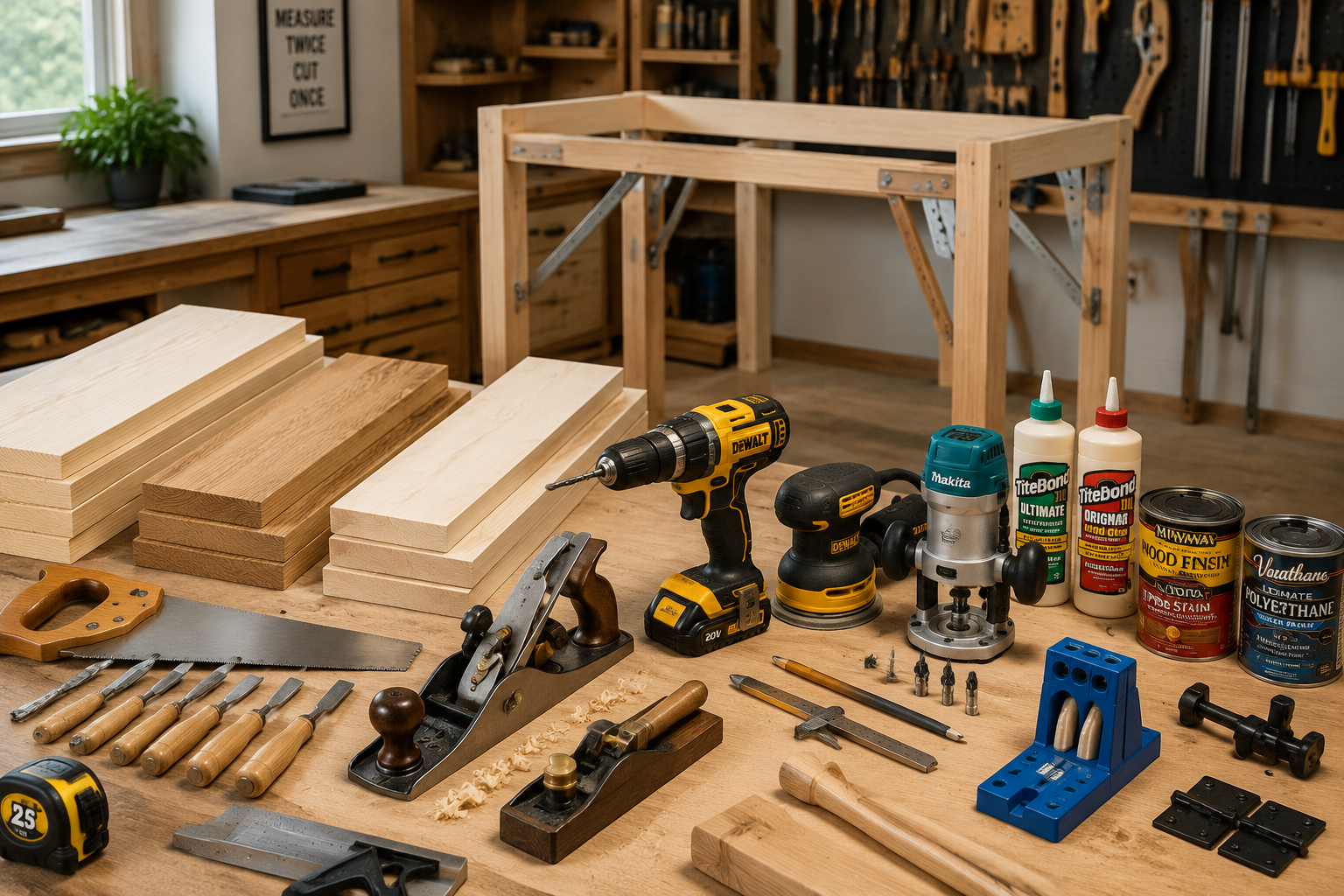
While specific tools depend on your chosen design, some are universally helpful:
- Measuring and Marking Tools: Tape measure, ruler, square, marking knife, pencil. Accuracy here prevents frustration later.
- Cutting Tools: Hand saw, circular saw, miter saw, jigsaw, or a table saw. A Craftsman 137248 table saw or similar can make precise cuts for tabletop and leg components.
- Drilling Tools: Cordless drill, drill bits, countersink bit.
- Fastening Tools: Clamps, screwdrivers, mallet.
- Sanding Tools: Orbital sander, sanding blocks, various grit sandpaper.
- Router: Useful for creating decorative edges, dados, or rebates for flush hinges. Mastering the router table can significantly enhance your project quality. See Mastering the Router Table: Essential Jigs, Safety, and Advanced.
Safety First: Always wear safety glasses, hearing protection, and a dust mask when operating power tools. Keep your workspace clean and organized.
Step-by-Step Construction Overview
- Design and Plans: Sketch your design, considering dimensions, folding mechanisms, and how it will fit into your space. Create a detailed cut list.
- Material Selection and Preparation: Purchase your chosen wood. Allow it to acclimate to your apartment’s humidity for a few days to prevent warping. Understand Understanding Wood Movement: How to Design and Build Furniture That to prevent future issues.
- Cutting Components: Precisely cut all wood pieces according to your plan. Double-check all measurements before cutting.
- Joinery: Assemble the fixed frame and tabletop sections. Use strong joinery techniques appropriate for your design, such as mortise and tenon or pocket hole joints.
- Attaching Folding Mechanisms: Carefully install hinges and other folding hardware. Test the folding action frequently to ensure smooth operation and proper alignment.
- Legs and Supports: Build and attach the legs or support structures. Ensure they are sturdy and lock securely when the table is open.
- Sanding: Sand all surfaces thoroughly, starting with a coarser grit (e.g., 80-100) and progressing to finer grits (e.g., 180-220) for a smooth finish.
- Finishing: Apply your chosen stain, paint, or protective finish. Multiple thin coats are usually better than one thick coat. A durable topcoat is essential for a dining surface. Consider options like polyurethane or varnish for long-lasting protection. Learn about Unique Wood Finishing Techniques for inspiration.
Customization and Personalization
This is where your table truly becomes yours.
- Stains and Paints: Match your table to your existing decor or make it a statement piece with a vibrant color.
- Edge Details: Routered edges, chamfers, or round-overs can add a touch of elegance and improve safety.
- Storage Integration: Incorporate small drawers or shelves into the closed console design for added functionality. For example, a hidden compartment for Mastering Wooden Napkin Holders: Foldable Designs with Brass would be a practical touch.
- Hardware Choice: The style and finish of your hinges, latches, and pulls can significantly impact the table’s overall look.
By focusing on meticulous craftsmanship and smart design choices, your DIY folding dining table will not only serve its purpose but also become a cherished piece of furniture that reflects your personal style and ingenuity.
Conclusion
The pursuit of functional elegance in small living spaces is a perpetual challenge, yet with the strategic application of woodworking skills, it becomes an achievable reality. DIY Folding Dining Tables for Small Apartments: Maximizing Space with Smart Woodworking Designs offer a powerful solution, transforming cramped quarters into versatile, inviting homes. From selecting the most appropriate hinges and wood to meticulously crafting each joint and applying the perfect finish, every step in this DIY journey contributes to a piece of furniture that is both supremely practical and aesthetically pleasing.
By embracing designs such as wall-mounted drop-leaf, gate-leg, or console-to-dining tables, you gain the flexibility to adapt your living area to various needs, seamlessly transitioning from a private workspace to a communal dining hub. The satisfaction of building a custom piece that perfectly fits your unique space, while also reflecting your personal style, is unparalleled. As you embark on or continue your woodworking endeavors, remember that precision, patience, and a commitment to quality will yield a durable and beautiful folding dining table that enriches your small apartment for years to come.
Meta Title: DIY Folding Dining Tables for Small Apartments: Maximize Space Meta Description: Learn to build DIY folding dining tables for small apartments in 2026. Maximize space with smart woodworking designs and clever hinge mechanisms.