
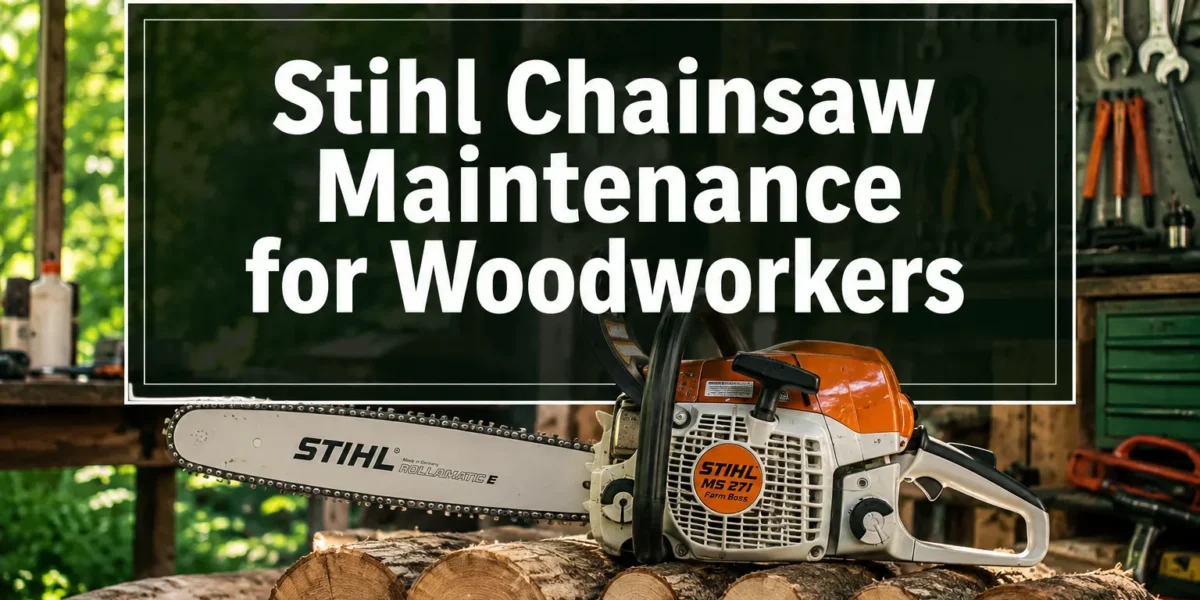
The difference between a woodworking project that flows smoothly and one riddled with frustrating delays often hinges on the condition of your power tools. For woodworkers who rely on a Stihl chainsaw to fell trees, buck logs, or mill slabs, neglecting its care isn’t just inefficient, it’s a pathway to compromised safety and costly repairs. This comprehensive guide delves into Stihl Chainsaw Maintenance for Woodworkers: Essential Care, Sharpening, and Troubleshooting Tips, ensuring your saw remains a reliable and powerful asset in your shop or out in the field.
Maintaining your Stihl chainsaw isn’t merely about extending its lifespan; it’s about optimizing its performance, guaranteeing clean cuts, and, most importantly, ensuring your safety. A dull chain or a poorly maintained engine can transform a productive task into a dangerous struggle, leading to kickback, bogging down, or premature wear on critical components. By adhering to a diligent maintenance schedule, you empower yourself to tackle even the most demanding woodworking tasks with confidence and precision in 2026.
Key Takeaways
- Routine Cleaning is Paramount: Regular cleaning of the air filter, cooling fins, and chain brake components prevents overheating and maintains optimal engine performance.
- Sharpening for Performance and Safety: A sharp chain is crucial for efficient cutting, reduced strain on the saw, and preventing dangerous kickback. Master proper filing techniques and angles.
- Fuel and Oil Quality Matters: Use fresh, correctly mixed fuel and high-quality bar and chain oil to protect the engine and lubrication system from wear and damage.
- Chain Tension and Bar Maintenance: Correct chain tension is vital for safety and cutting performance. Regularly inspect the guide bar for wear and keep its groove clean.
- Proactive Troubleshooting: Familiarize yourself with common issues like starting problems, poor cutting, or excessive smoke, and know how to address them quickly.
Essential Care for Your Stihl Chainsaw: Daily and Seasonal Maintenance
Proper care begins with consistent habits. Just as a craftsman meticulously cares for their hand tools, a power tool like a Stihl chainsaw demands attention before, during, and after each use. This section focuses on the fundamental aspects of Stihl Chainsaw Maintenance for Woodworkers: Essential Care, Sharpening, and Troubleshooting Tips, detailing what to clean, check, and monitor to keep your machine in peak condition.
Daily Checks and Cleaning
Before you even think about starting your Stihl, perform these quick checks:
- Fuel and Oil Levels: Always check your fuel and bar oil tanks. Ensure you’re using fresh, correctly mixed fuel (Stihl recommends a 50:1 fuel-to-oil ratio with high-quality two-stroke oil). For the bar, use a good quality bar and chain oil to ensure proper lubrication.
- Chain Tension: The chain should be snug but still allow you to pull it around the guide bar with gloved hands. If it’s too loose, it can derail; too tight, and it causes excessive wear on the bar and chain, and strains the engine.
- Chain Sharpness: A sharp chain makes all the difference. Check for dull, bent, or broken teeth. A dull chain will produce sawdust instead of wood chips and require excessive force to cut.
- Chain Brake: Verify the chain brake engages and disengages properly. This is a critical safety feature.
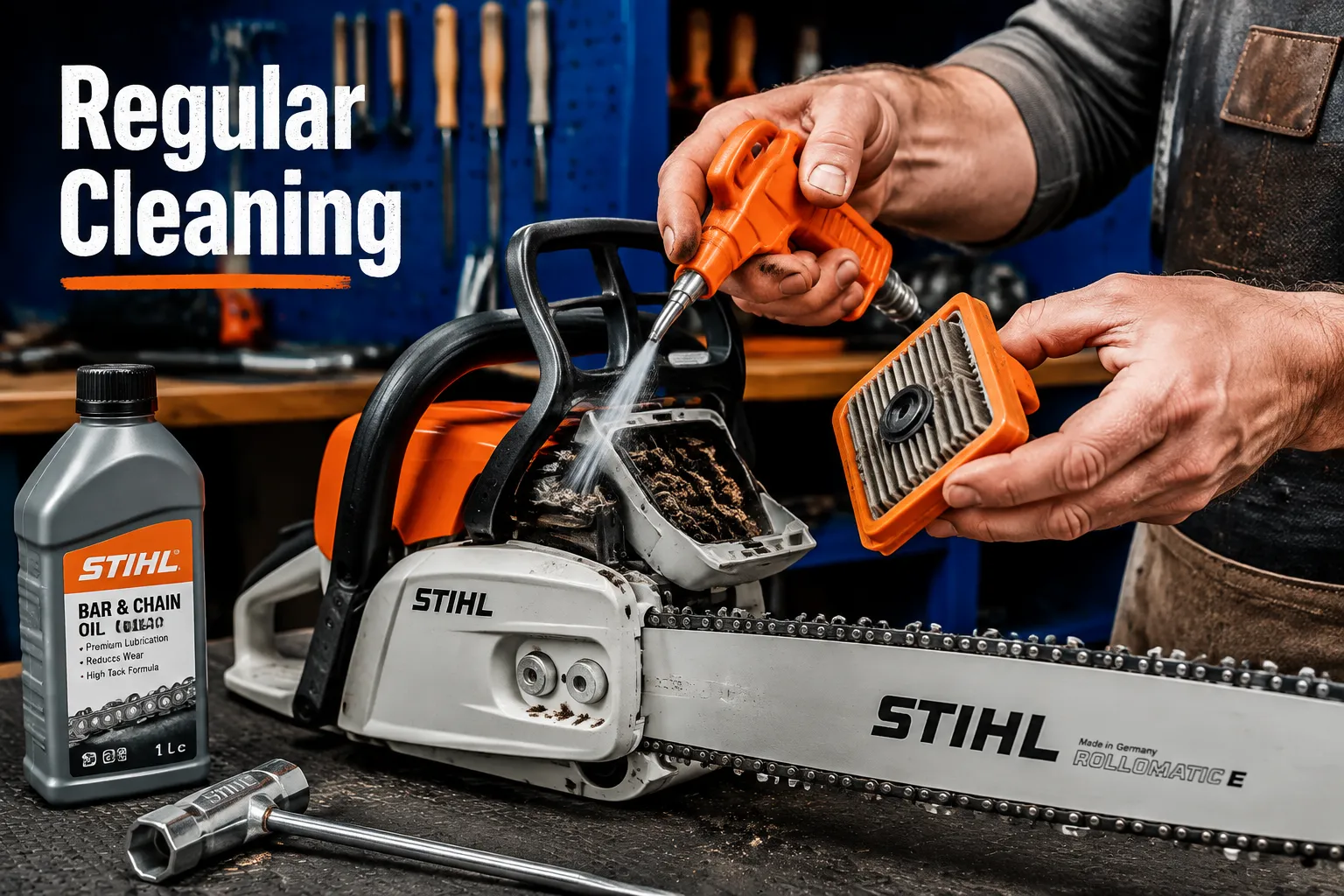
- Air Filter: A clogged air filter restricts airflow to the engine, leading to reduced power and overheating. Remove and clean it after every few hours of use, or more frequently in dusty conditions. Use warm soapy water for foam filters, or compressed air for nylon filters.
- Cooling Fins: The engine’s cooling fins need to be clear of sawdust and debris to prevent overheating. Use a brush or compressed air to clean them.
- Guide Bar Groove: The groove on your guide bar can accumulate sawdust and debris, hindering chain lubrication. Use a bar groove cleaner or a thin screwdriver to clear it out.
Weekly/Bi-Weekly Checks
For regular users, these deeper dives into maintenance should be part of your routine:
- Spark Plug: Remove the spark plug and inspect it. A clean, light brown electrode indicates proper fuel mixture and ignition. If it’s fouled, clean it with a wire brush or replace it. Ensure the gap is set correctly according to your Stihl manual.
- Fuel Filter: The fuel filter prevents debris from entering the carburetor. It’s located inside the fuel tank. Replace it if it appears clogged or discolored, typically every 3-6 months.
- Guide Bar Flip and Deburr: To ensure even wear, regularly flip your guide bar over. Also, check the rails for burrs, which can develop from chain friction. Use a flat file to deburr the rails. This also helps with consistent chain lubrication.
- Clutch Drum and Sprocket: Inspect the clutch drum and drive sprocket for wear. A worn sprocket can damage your chain. Replace these components as needed.
Seasonal/Annual Maintenance
At least once a year, or before extended periods of storage, perform a thorough overhaul:
- Carburetor Adjustment: If your saw isn’t running smoothly, struggles to idle, or lacks power, the carburetor may need adjustment. This is often best left to a qualified Stihl service technician unless you are experienced.
- Cylinder and Piston Inspection: For advanced users, inspect the cylinder and piston for scoring or wear.
- Professional Servicing: Consider taking your Stihl to an authorized dealer for a professional tune-up. They can perform checks and adjustments that might be difficult for the average user.
Stihl Chainsaw Chain Sharpening: Techniques and Best Practices for Woodworkers
A dull chain is arguably the most common culprit behind poor chainsaw performance and increased operator fatigue. Mastering the art of chain sharpening is a fundamental skill for any woodworker utilizing a Stihl chainsaw. This section will guide you through the techniques and best practices for achieving a razor-sharp edge, enhancing both efficiency and safety. For general hand tool sharpening principles that also apply to various woodworking blades, you might find our guide on The Essential Guide to Hand Tool Sharpening and Maintenance: Keep useful.
Understanding the Chainsaw Chain Anatomy
Before sharpening, it’s crucial to understand the key parts of a cutting tooth:
- Cutting Edge: The sharpened part of the tooth that slices the wood.
- Top Plate: The flat surface on top of the tooth.
- Side Plate: The vertical surface on the side of the tooth.
- Depth Gauge (Raker): The small hump in front of each cutting tooth that determines the depth of cut.
Tools for Sharpening
You’ll need a few specialized tools for effective sharpening:
- Round File: The correct diameter for your chain’s pitch (Stihl manuals specify this).
- Flat File: For lowering the depth gauges.
- Filing Guide (File Holder): This tool helps maintain the correct angle and depth for your round file. Stihl offers specific filing guides for their chains.
- Depth Gauge Tool: Used to check and lower the depth gauges accurately.
- Vise: To securely hold the guide bar while sharpening.
- Work Gloves: For safety.
Step-by-Step Sharpening Process
- Secure the Guide Bar: Clamp the guide bar firmly in a vise. This prevents movement and allows for precise filing.
- Identify the Shortest Tooth: Locate the most worn or shortest cutting tooth on your chain. This tooth will dictate how much material you remove from all other teeth to ensure consistent cutting depth.
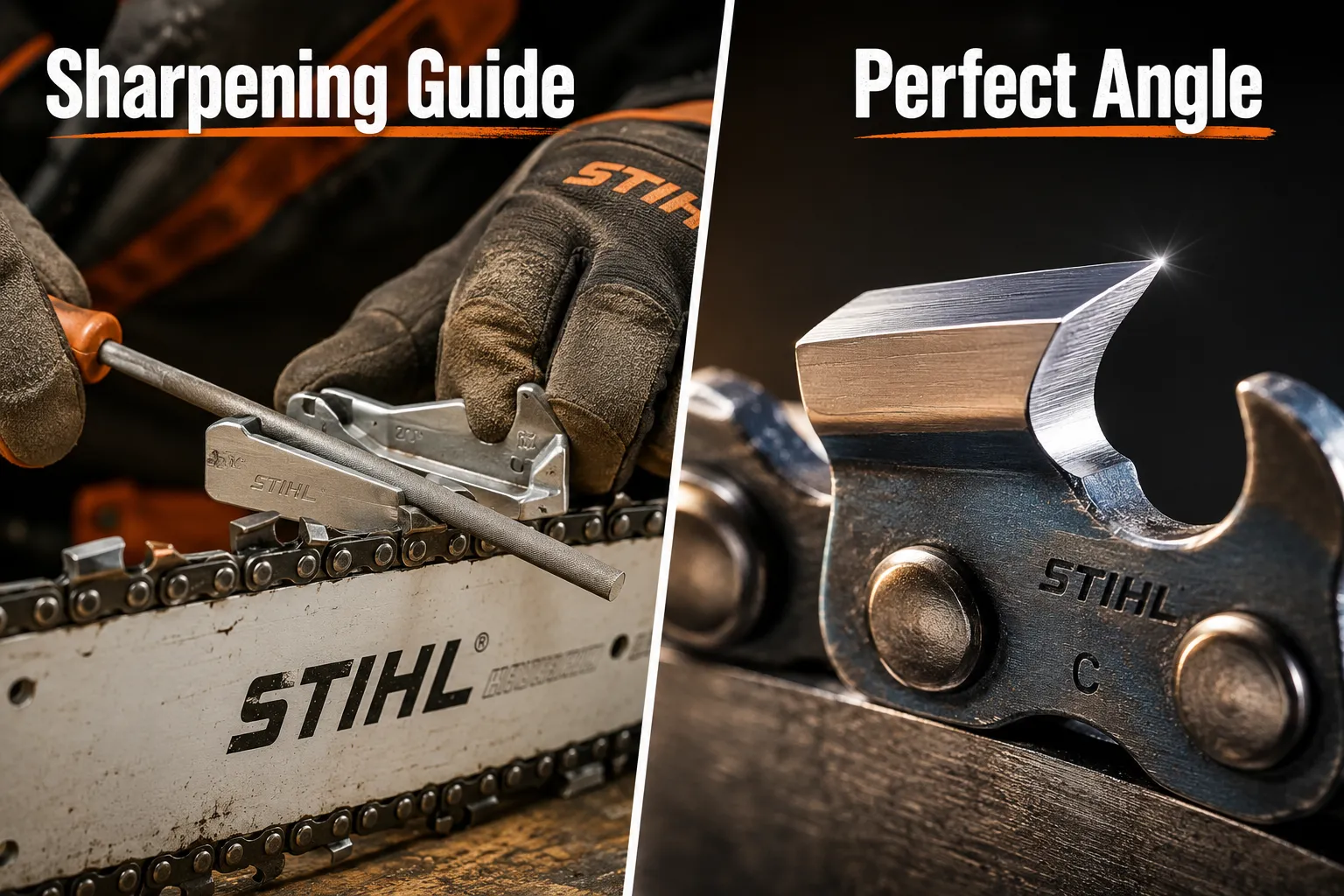
- Position the Filing Guide: Place the filing guide over the cutting tooth. Ensure the marks on the guide align with the chain. The guide will help maintain the correct top plate filing angle (usually 25-30 degrees, check your Stihl manual) and the proper file height.
- File Each Tooth: Using smooth, consistent strokes, file from the inside of the tooth towards the outside. Apply pressure only on the forward stroke. Lift the file on the return stroke. File each tooth with the same number of strokes (e.g., 3-5 strokes) until it is sharp and has a clean, shiny edge. Always file all the teeth on one side first, then flip the saw and file the teeth on the other side.
- Tip: A good sign of sharpness is the appearance of a small burr on the back edge of the tooth, which can then be gently removed.
- Check and Lower Depth Gauges (Rakers): After sharpening all cutting teeth, check the depth gauges. If they are too high, the chain won’t cut efficiently. Use the depth gauge tool as a template. Place it over the chain and use a flat file to file down any part of the depth gauge that protrudes above the tool. Round off the leading edge of the depth gauge slightly. This ensures a smooth cut and prevents the chain from “grabbing” the wood.
- Clean and Re-Oil: After sharpening, clean off any metal filings and apply a small amount of bar and chain oil to the chain to prevent rust before storage or next use.
When to Sharpen
Sharpen your chain at the first sign of dullness:
- Sawdust vs. Chips: A sharp chain produces clean, consistently sized wood chips. A dull chain produces fine sawdust.
- Excessive Pressure: If you have to push the saw through the wood, your chain is dull. A sharp chain should pull itself through.
- Crooked Cuts: A chain with unevenly sharpened teeth will pull to one side, resulting in crooked cuts.
- Smoking: If the chain is smoking excessively, it’s likely dull and creating too much friction.
Regular, light sharpening is more effective than waiting until the chain is completely dull and requiring extensive material removal.
Troubleshooting Common Stihl Chainsaw Issues for Woodworkers
Even with diligent maintenance, issues can arise. Knowing how to diagnose and address common problems quickly can save time, frustration, and potential repair costs. This section provides essential troubleshooting tips specific to Stihl Chainsaw Maintenance for Woodworkers: Essential Care, Sharpening, and Troubleshooting Tips. For broader advice on maintaining workshop tools, refer to our article on Restoring Vintage Woodworking Hand Tools.
Starting Problems
| Symptom | Possible Cause | Solution |
|---|---|---|
| Engine won’t start | No fuel or stale fuel | Ensure the fuel tank has fresh, correctly mixed fuel. Old fuel (over 30 days) can cause starting issues. Drain and refill if stale. |
| Clogged fuel filter | Replace the fuel filter. | |
| Fouled or wet spark plug | Remove, clean, dry, and re-gap the spark plug. If damaged, replace it. | |
| Flooded engine | If you’ve pulled the starter cord too many times with the choke on, the engine might be flooded. Remove the spark plug, turn the saw upside down, pull the cord a few times to clear excess fuel, then reinstall. | |
| Clogged air filter | Clean or replace the air filter. | |
| Improper starting procedure | Review your Stihl manual for the correct starting sequence (e.g., choke settings, decompression valve). | |
| Engine starts then dies | Clogged fuel filter | Replace the fuel filter. |
| Carburetor needs adjustment | Carburetor settings might be too lean. Consult your manual or a professional. | |
| Dirty spark plug | Clean or replace the spark plug. | |
| Loose spark plug wire | Ensure the spark plug wire is securely connected. |
Poor Cutting Performance
| Symptom | Possible Cause | Solution |
|---|---|---|
| Sawdust, not chips | Dull chain | Sharpen the chain as described in the previous section. |
| Crooked cuts | Unevenly sharpened teeth | Re-sharpen the chain, ensuring all teeth are filed to the same length and angle. |
| Worn guide bar rails | Flip the guide bar to distribute wear. If severely worn, replace the guide bar. | |
| Incorrect depth gauges (rakers) | Check and lower the depth gauges evenly. | |
| Chain jams/binds | Chain too loose | Adjust chain tension to the correct specification. |
| Improper cutting technique | Ensure you’re using proper felling and bucking techniques, allowing the saw to do the work. | |
| Bent guide bar | Inspect the guide bar for damage; replace if bent. | |
| Pitch of chain doesn’t match sprocket | Ensure the chain, guide bar, and sprocket have matching pitches. |
Engine and Lubrication Issues
| Symptom | Possible Cause | Solution |
|---|---|---|
| Excessive smoke from exhaust | Too much oil in fuel mix | Ensure you are using the correct 50:1 fuel-to-oil ratio. |
| Old or incorrect two-stroke oil | Use fresh, high-quality two-stroke oil. | |
| Clogged exhaust/muffler | The spark arrestor screen may be clogged. Clean it. | |
| Saw “bogs down” under load | Dull chain | Sharpen the chain. |
| Clogged air filter | Clean or replace the air filter. | |
| Clogged fuel filter | Replace the fuel filter. | |
| Carburetor needs adjustment | Carburetor settings may be too rich or too lean. Adjust or have serviced. | |
| Engine overheating | Clean cooling fins. Ensure proper fuel mix. | |
| No bar oil flow | Empty oil tank | Refill with bar and chain oil. |
| Clogged oil filter/pick-up body | Clean or replace the oil filter in the oil tank. | |
| Clogged oil port on guide bar | Remove the guide bar and clean the oil delivery hole. | |
| Worn oil pump | If other solutions fail, the oil pump may need replacement. This is a job for a professional. |
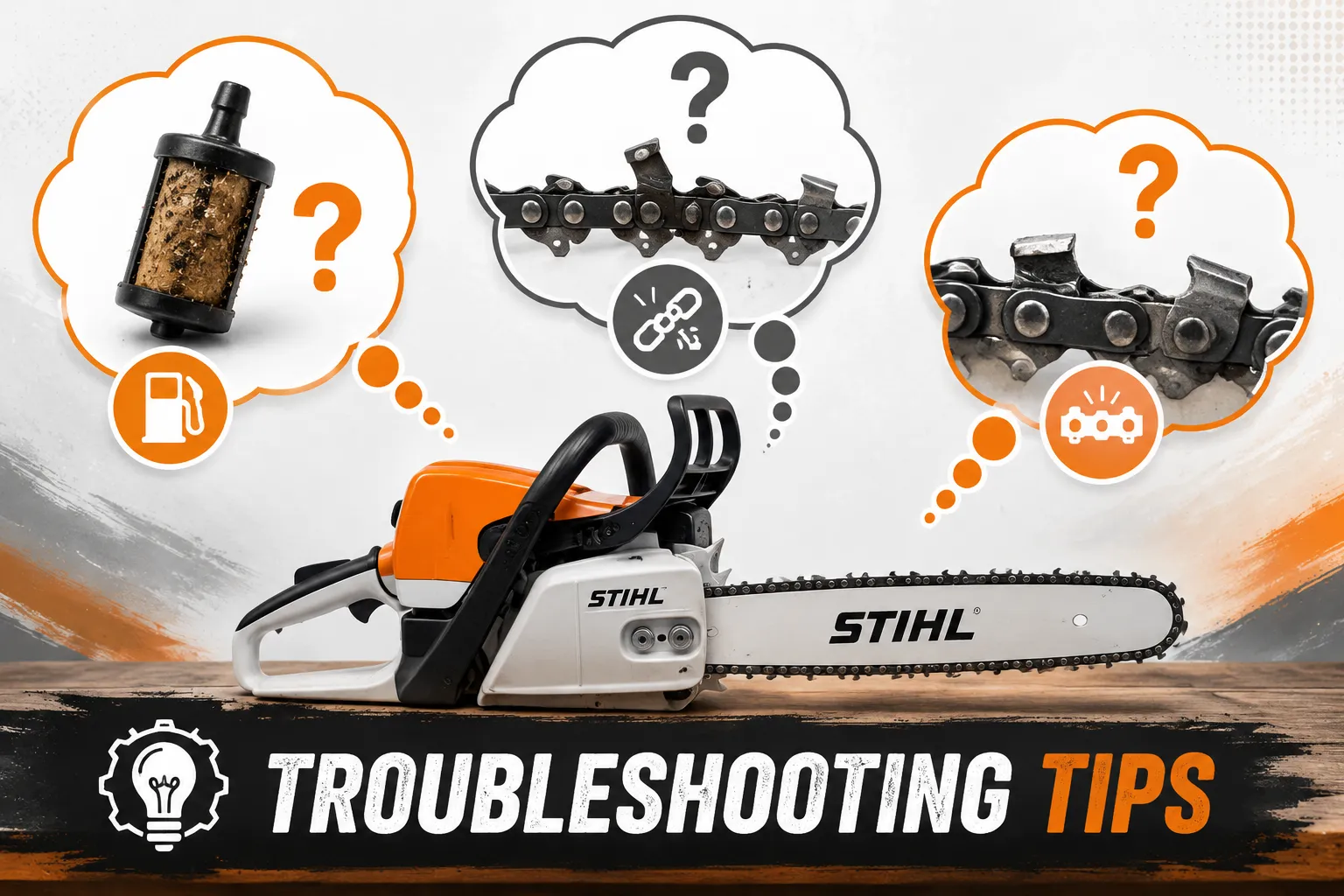
Remember, always consult your Stihl owner’s manual for specific maintenance schedules and troubleshooting steps for your particular model. If you’re unsure about a repair, especially those involving engine components, it’s always best to seek assistance from an authorized Stihl service technician. Investing in quality accessories like filing guides and cleaning tools will significantly ease your maintenance tasks and keep your Stihl running like new. For woodworkers looking into other heavy-duty equipment, understanding options like Husqvarna Chainsaws for Woodworkers can also be beneficial.
Conclusion
Mastering Stihl Chainsaw Maintenance for Woodworkers: Essential Care, Sharpening, and Troubleshooting Tips is not merely a chore; it is an investment in your safety, productivity, and the longevity of a vital woodworking tool. A well-maintained Stihl chainsaw cuts more efficiently, reduces operator fatigue, and minimizes the risk of accidents. By adopting a routine of diligent cleaning, precise sharpening, and proactive troubleshooting, you ensure your chainsaw is always ready to tackle demanding tasks, from felling logs to preparing slabs for furniture in 2026.
Regular attention to your Stihl will not only extend its life but also enhance the quality of your work, providing cleaner, more consistent cuts crucial for woodworking projects. Embrace these maintenance practices, and your Stihl chainsaw will remain a powerful, reliable partner in your workshop for years to come.
Actionable Next Steps:
- Print a Checklist: Create a laminated checklist based on the daily, weekly, and seasonal maintenance tasks outlined here and keep it near your chainsaw.
- Gather Your Tools: Ensure you have the correct round file, flat file, filing guide, and depth gauge tool for your specific Stihl chain pitch.
- Schedule Sharpening Practice: Dedicate time to practice sharpening a dull chain. Consistency is key.
- Review Your Manual: Re-read your Stihl owner’s manual to familiarize yourself with model-specific maintenance guidelines and safety procedures.
References
- Stihl Inc. (n.d.). Owner’s Manuals. Retrieved from https://www.stihlusa.com/information/know-your-stihl/owner-manuals/ (Accessed July 2024)
- Stihl Inc. (n.d.). How to sharpen a chainsaw chain. Retrieved from https://www.stihlusa.com/WebContent/CMSFileLibrary/how-to-library/STIHL-How-to-Sharpen-a-Chainsaw-Chain.pdf (Accessed July 2024)
SEO Meta Title: Stihl Chainsaw Maintenance: Care, Sharpening & Troubleshooting SEO Meta Description: Master Stihl chainsaw maintenance for woodworking success. Learn essential care, precise sharpening, and troubleshooting tips for peak performance in 2026.
Stihl chainsaw maintenance, chainsaw sharpening, woodworking tools, chainsaw troubleshooting, Stihl care, chain tension, guide bar, fuel mix, spark plug, air filter