
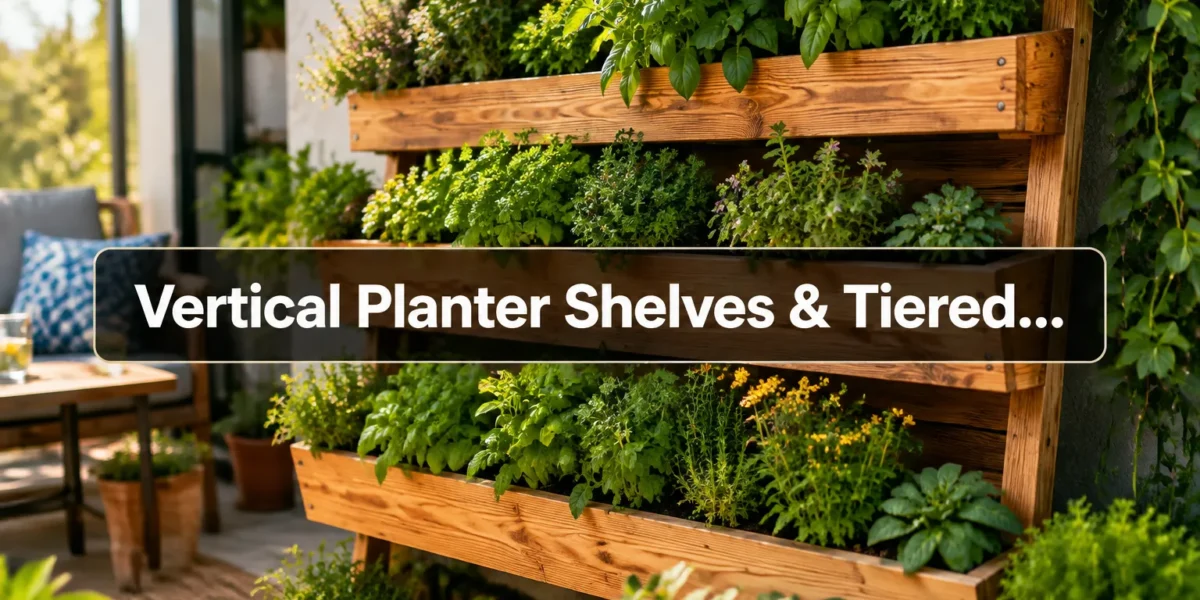
The average household in urban areas worldwide possesses less than 1,000 square feet of outdoor space, often none at all (UN-Habitat, 2020). This stark reality has driven a profound shift in home gardening, pushing enthusiasts towards innovative, space-saving solutions. Enter Vertical Planter Shelves and Tiered Garden Stands: Indoor-Outdoor Woodworking for Home Gardening Trends, a movement that perfectly merges the timeless craft of woodworking with the burgeoning desire for sustainable, accessible home-grown produce and vibrant green spaces. These versatile wooden structures are transforming balconies, patios, and even interior rooms into productive and aesthetically pleasing gardens, proving that a lack of sprawling acreage is no barrier to a thriving green thumb in 2026.
Key Takeaways
- Space Maximization: Vertical planter shelves and tiered stands are essential for optimizing greenery in confined indoor and outdoor areas.
- Design Versatility: Woodworking allows for custom designs that fit specific aesthetics and plant needs, from rustic reclaimed wood to sleek modern styles.
- Skill Development: Building these garden solutions offers practical woodworking experience, enhancing craftsmanship and tool proficiency.
- Sustainable Living: DIY vertical gardens promote growing your own food, contributing to environmental sustainability and fresher produce.
- Enhanced Well-being: Incorporating vertical gardens improves air quality, reduces stress, and adds natural beauty to living spaces.
The Rise of Vertical Planter Shelves and Tiered Garden Stands: Indoor-Outdoor Woodworking for Home Gardening Trends
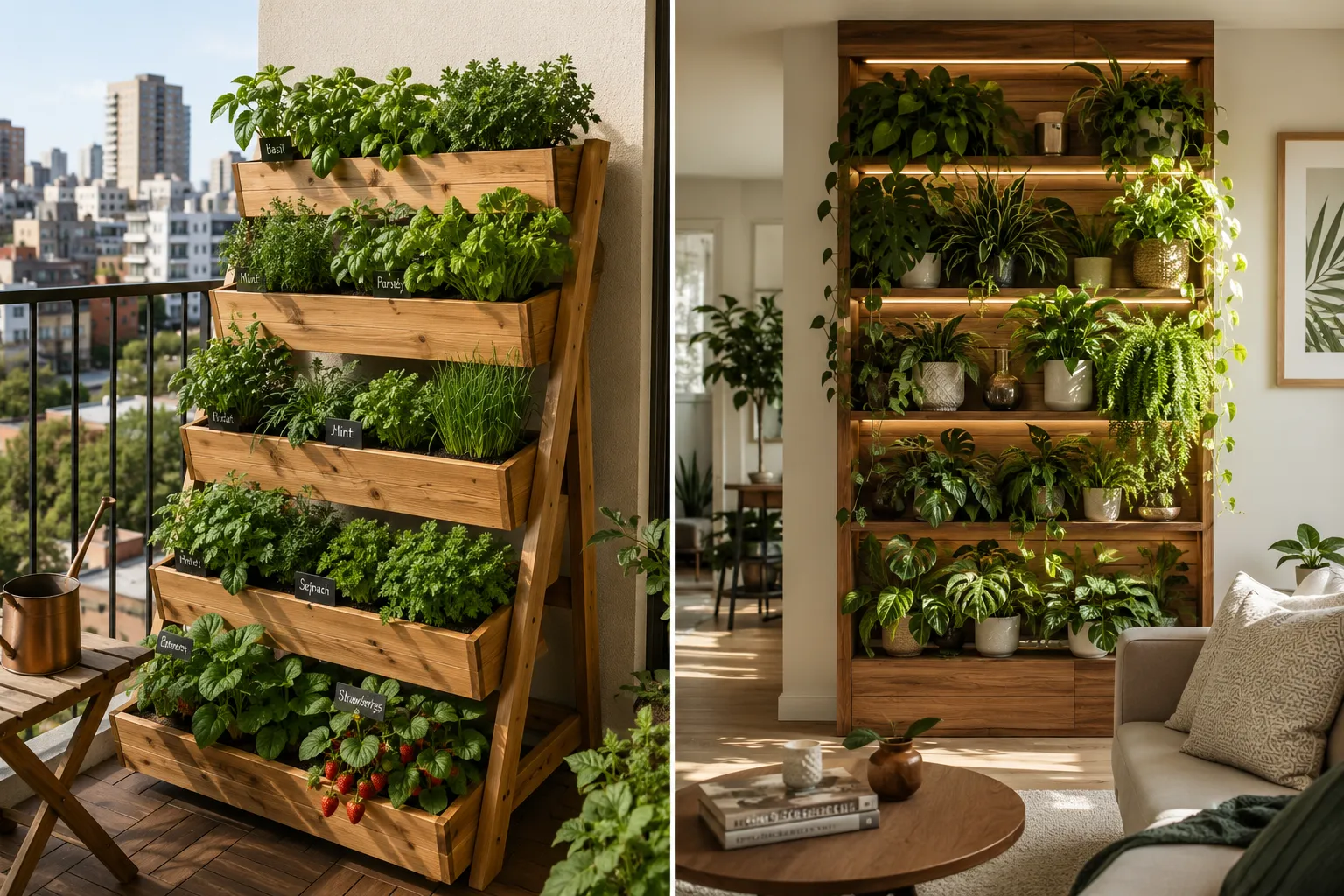
The enthusiasm for home gardening has surged in recent years, fueled by a desire for fresh, organic produce, a deeper connection to nature, and the therapeutic benefits of tending to plants. However, limited space, especially in urban environments, often poses a significant challenge. This is where Vertical Planter Shelves and Tiered Garden Stands emerge as game-changers, offering ingenious solutions to cultivate lush gardens without requiring extensive horizontal footprint.
These structures are not just functional; they are becoming prominent design elements, blending seamlessly with both contemporary and traditional home aesthetics. From quaint herb gardens on a kitchen windowsill to robust vegetable patches on a patio, woodworking offers an unparalleled opportunity to create customized, durable, and beautiful vertical garden solutions. The ability to craft these pieces by hand also adds a layer of personal satisfaction and allows for the selection of sustainable materials, reflecting a broader trend towards conscious consumption and DIY empowerment. In 2026, building your own garden stands is not just a hobby; it’s a lifestyle choice.
Why Wood is the Material of Choice for Vertical Gardens
Wood is arguably the most preferred material for constructing vertical planter shelves and tiered garden stands due to its natural beauty, workability, and sustainable properties. Different wood types offer varying characteristics that cater to specific needs and budgets:
- Cedar: Naturally resistant to rot, decay, and insect infestation, making it ideal for outdoor use. Its appealing aroma and reddish hue also add to its charm.
- Redwood: Similar to cedar in durability and resistance, redwood boasts a beautiful grain and natural oils that protect it from the elements.
- Treated Pine: A more budget-friendly option, pressure-treated pine is chemically treated to resist rot and insects, suitable for outdoor applications, though often less aesthetically pleasing than cedar or redwood.
- Cypress: Known for its water resistance and durability, cypress is another excellent choice for outdoor gardening projects.
- Reclaimed Wood: Environmentally friendly and rich in character, reclaimed wood offers a unique, rustic aesthetic. It requires careful selection to ensure it’s free from harmful chemicals or excessive deterioration. Check out our guide on finishing reclaimed wood for 2026 to bring out its best.
When selecting wood, consider its exposure to moisture and sunlight. Proper sealing and finishing are crucial, especially for outdoor stands, to extend their lifespan and maintain their appearance.
Designing and Building Your Custom Vertical Planter Shelves and Tiered Garden Stands
The beauty of woodworking lies in its flexibility, allowing you to tailor your vertical garden system precisely to your space and plant selection. Whether you’re a seasoned woodworker or just starting, crafting these stands is a rewarding project.
Planning Your Project: Considerations Before You Cut
Before you begin sawing and assembling, a well-thought-out plan is essential:
- Location and Space: Measure your chosen indoor or outdoor area meticulously. Consider height, width, and depth constraints. Will it be against a wall, in a corner, or freestanding? How much sunlight does the area receive?
- Plant Selection: What will you be growing? Herbs, small vegetables, succulents, or flowering ornamentals? Different plants have different needs regarding pot size, drainage, and light, which will influence shelf spacing and design.
- Weight Capacity: Plants, soil, and water can be heavy. Design your shelves to be sturdy enough to support the full weight.
- Drainage: Ensure adequate drainage for each pot to prevent root rot. This might involve slatted shelves or individual trays beneath pots.
- Watering System: How will you water your plants? A drip system might be suitable for larger setups, while smaller ones might rely on hand watering. Consider how water runoff will be managed.
- Aesthetics: Match the style of your vertical garden to your home’s decor. Rustic, modern, minimalist, or elaborate, the design possibilities are endless.
For inspiration on maximizing greenery in small spaces, explore building a DIY vertical garden planter.
Essential Woodworking Techniques and Joinery
Building robust and appealing vertical planter shelves requires a grasp of fundamental woodworking techniques. Even for beginners, simple joinery methods can yield strong and durable structures.
- Basic Cuts: Accurate crosscuts and rip cuts are the foundation of any project. A miter saw or circular saw with a guide can help achieve precision.
- Drilling: Drilling pilot holes prevents wood splitting, especially when working close to edges.
- Sanding: Proper sanding prepares the wood for finishing, ensuring a smooth, splinter-free surface.
- Joinery:
- Screws and Glue: The most common and accessible method for beginners. Use exterior-grade screws for outdoor projects and waterproof wood glue for added strength. Our guide on choosing the right adhesive can help.
- Pocket Hole Joinery: A popular technique that creates strong, concealed joints. It requires a pocket hole jig, which is an excellent investment for many woodworking projects.
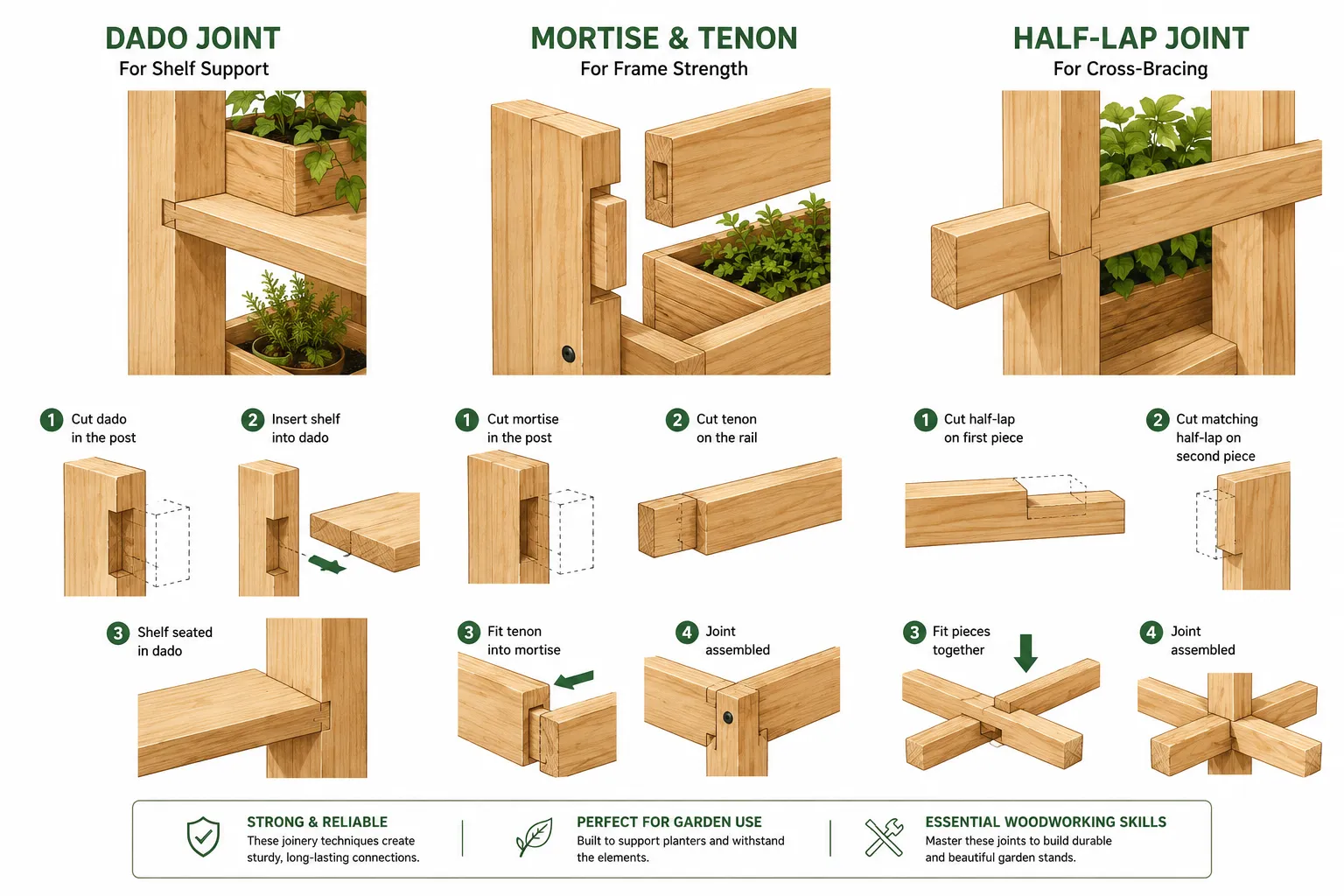
- Dado and Rabbet Joints: These cut-out joints offer excellent strength and support for shelves. They require a router or table saw with a dado stack.
- Mortise and Tenon Joints: A more advanced, traditional joinery method known for its exceptional strength and aesthetic appeal.
- Half-Lap Joints: Ideal for creating strong, flush intersections, often used for cross-bracing or frame construction.
Finishing Your Woodwork
Finishing protects the wood and enhances its appearance. For outdoor applications, choose finishes that offer UV protection and water resistance.
- Stains: Can alter the wood’s color while allowing the grain to show through.
- Sealants/Waterproofers: Essential for outdoor use, preventing moisture absorption and rot.
- Oils (e.g., Tung Oil, Linseed Oil): Penetrate the wood, providing a natural, durable, and water-resistant finish that’s easy to reapply.
- Paints: Offer complete color coverage and can provide excellent protection, though they obscure the natural wood grain.
Explore our budget-friendly wood finishing guide for more options.
Inspiring Designs and Advanced Woodworking for Your Green Oasis

Beyond basic tiered stands, the world of Vertical Planter Shelves and Tiered Garden Stands: Indoor-Outdoor Woodworking for Home Gardening Trends offers a spectrum of creative possibilities. Advanced designs can incorporate various features, transforming simple plant holders into statement pieces.
Popular Styles and Features
- Ladder-Style Stands: Simple, elegant, and easy to build, these stands lean against a wall, offering multiple tiers for pots.
- Freestanding Tiered Shelves: Versatile units that can be placed anywhere, often with a pyramid or A-frame structure for stability and visual interest.
- Wall-Mounted Planter Systems: Integrate plants directly into your wall decor, perfect for creating a living green wall. For more detailed plans, see our guide on building a custom vertical garden wall system.
- Modular Systems: Designed to be expanded or reconfigured, offering ultimate flexibility as your gardening needs evolve.
- Integrated Grow Lights: For indoor vertical gardens, incorporating LED grow lights directly into the shelves ensures optimal plant growth, regardless of natural light availability. Learn more about building a custom grow light stand.
- Hydroponic Integration: Advanced woodworking projects can incorporate hydroponic systems, allowing plants to grow in nutrient-rich water without soil.
Crafting Techniques for Enhanced Aesthetics and Functionality
For woodworkers looking to elevate their projects, several techniques can add sophistication and durability:
- Precision Joinery: Employing dovetails, mortise and tenon joints, or other intricate joinery methods not only strengthens the structure but also adds a touch of artisan craftsmanship, often becoming a design feature itself. See our article on hand tool joinery for visible wood joints.
- Routing and Edge Profiling: Using a router, you can add decorative edges to your shelves or frame components, softening sharp lines and creating a more refined look.
- Inlay and Veneer Work: For truly unique pieces, consider adding wood inlays or veneers to create intricate patterns or contrasting textures.
- Customization for Specific Plants: Designing shelves with varying heights and depths to accommodate plants of different sizes and growth habits. For example, deeper shelves for root vegetables or taller spacing for climbing plants.
- Mobility: Incorporating casters into the base of larger stands allows for easy relocation, whether for sunlight optimization or seasonal changes.
Embracing these woodworking trends not only provides functional green spaces but also allows for a deeper engagement with the craft. From selecting premium woods to mastering complex joinery, each step in creating vertical planter shelves and tiered garden stands is an opportunity for skill development and creative expression.
Conclusion
In 2026, the intersection of woodworking and home gardening continues to flourish, with Vertical Planter Shelves and Tiered Garden Stands leading the charge. These practical yet beautiful structures offer an accessible pathway for anyone, regardless of space limitations, to cultivate a green oasis indoors or out. By combining thoughtful design with quality craftsmanship, woodworkers can create not just plant holders, but enduring pieces of functional art that enhance living spaces and promote sustainable practices. Embarking on a vertical garden project is more than just building; it’s an investment in a greener home, a healthier lifestyle, and a rewarding creative journey.
Take the next step and begin planning your own vertical garden project. Measure your space, consider your plant choices, and sketch out a design. Source sustainable wood, gather your tools, and enjoy the process of bringing your green vision to life. Whether you aim for a simple herb stand or an elaborate multi-tiered system, the satisfaction of growing your own plants in a structure you built yourself is unmatched.