
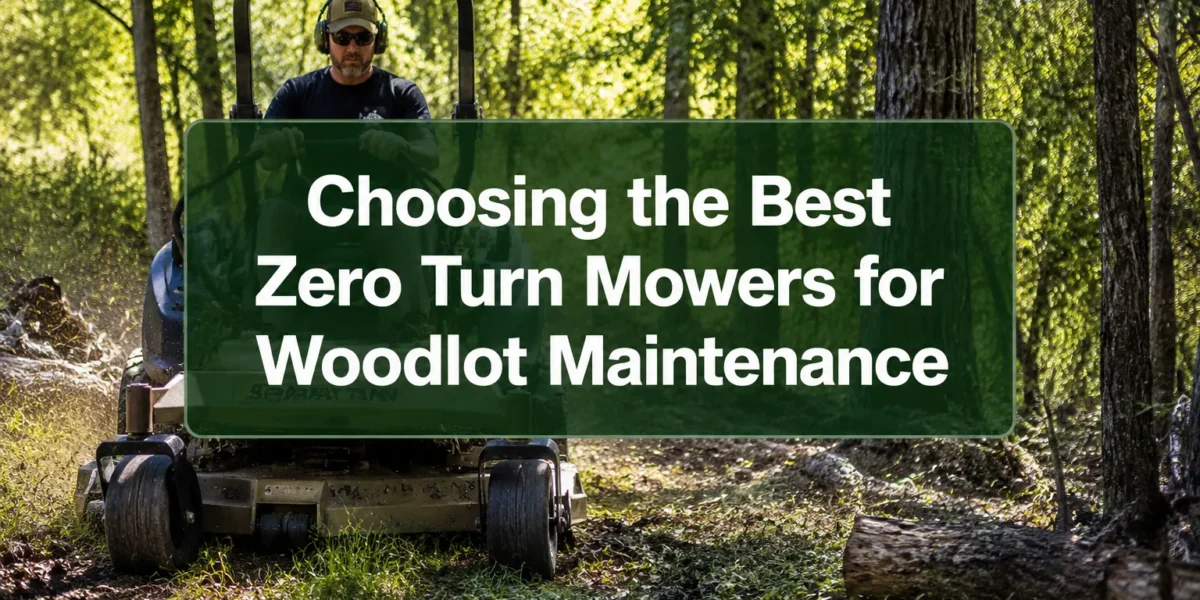
Property owners with wooded lots face a unique challenge: maintaining open areas while navigating dense obstacles, uneven terrain, and coarse debris. A conventional lawn tractor often falls short, struggling with the agility required and lacking the durability for such demanding conditions. This is precisely where the specialized design of a zero-turn mower excels, offering unparalleled maneuverability and efficiency. This article is dedicated to Choosing the Best Zero Turn Mowers for Woodlot Maintenance: Power, Maneuverability, and Deck Options, guiding you through the essential considerations to ensure your investment stands up to the rigors of your property.
Key Takeaways
- Zero-turn mowers are ideal for woodlot maintenance due to superior maneuverability around obstacles.
- Engine power is critical; commercial-grade engines and higher horsepower are necessary for tough terrain and thick brush.
- Maneuverability features like responsive steering and durable tires are essential for navigating tight spaces and uneven ground.
- Deck construction (fabricated steel preferred), cutting width, and blade type significantly impact performance and longevity in challenging environments.
- Consider additional features like ROPS, heavy-duty frames, and comfort elements for safety and productivity during extended use.
Understanding the Demands of Woodlot Maintenance
Maintaining a woodlot isn’t just about cutting grass; it’s about managing undergrowth, clearing paths, and keeping firebreaks clear. This environment presents several challenges that standard residential mowers simply aren’t built to handle:
- Obstacles: Trees, stumps, rocks, fallen branches, and dense brush require a mower that can turn on a dime.
- Uneven Terrain: Slopes, dips, and roots demand a robust suspension and stable platform.
- Debris: Small sticks, pine cones, and tough weeds can quickly damage weaker decks and blades.
- Thicker Vegetation: Compared to a typical lawn, woodlots often feature tougher grasses and saplings that require more power to cut effectively.
For these reasons, Choosing the Best Zero Turn Mowers for Woodlot Maintenance: Power, Maneuverability, and Deck Options becomes a strategic decision that prioritizes durability, strength, and agile performance over sheer speed on flat ground.
Power: Engine Horsepower and Commercial-Grade Performance
The engine is the heart of any zero-turn mower, and for woodlot maintenance, you need a robust one. A powerful engine ensures consistent blade speed when cutting through thick vegetation, prevents bogging down on inclines, and withstands the continuous stress of demanding work.
Engine Types and Horsepower Ratings
Zero-turn mowers typically use V-twin engines from manufacturers like Kawasaki, Kohler, and Briggs & Stratton. For woodlot applications, consider the following:
- Horsepower (HP): While residential mowers might get by with 18-22 HP, woodlots often demand 23 HP or more. Commercial-grade engines, usually 25 HP and above, offer the torque and durability needed to tackle dense brush without faltering. Look for models in the 25-35 HP range for optimal performance.
- Engine Displacement (cc): Higher cubic centimeters (cc) generally indicate a larger, more powerful engine. A larger displacement engine typically runs cooler and lasts longer under heavy loads.
- Commercial vs. Residential Engines: Commercial engines are built with heavier-duty components, advanced filtration systems, and often feature pressurized lubrication, making them more resilient and extending their lifespan when subjected to rigorous use. These engines are designed for hours of continuous operation in tough conditions.
When evaluating power, don’t just look at the peak HP. Consider the engine’s construction, warranty, and reputation for reliability. A well-built engine from a reputable brand will make a significant difference in long-term performance and maintenance.
Fuel Type and Capacity
Most zero-turn mowers run on gasoline. For extended work in a woodlot, a larger fuel tank capacity is a significant advantage, reducing the need for frequent refueling. Some commercial models may offer diesel options, which provide excellent torque and fuel efficiency but come with a higher upfront cost.
Hydrostatic Transmissions
The transmission system is equally as important as the engine. Zero-turn mowers rely on hydrostatic transmissions (hydrostats) that independently power each drive wheel. For woodlots, look for commercial-grade hydrostats, such as those from Parker or Hydro-Gear, specifically models like the ZT-3100, ZT-3400, or even larger. These transmissions offer:
- Durability: Built to withstand higher torque and continuous heavy loads.
- Smooth Operation: Provide precise speed control and effortless transitions, critical for navigating tight spaces and varying terrain.
- Serviceability: Commercial units are often designed for easier maintenance and repair, contributing to lower downtime.
Table: Engine and Transmission Considerations for Woodlots
| Feature | Residential (Typical) | Woodlot (Recommended) | Why it Matters for Woodlots |
|---|---|---|---|
| Engine HP | 18-22 HP | 25-35+ HP | More power for thick brush, saplings, and inclines. |
| Engine Type | Standard V-twin | Commercial-grade V-twin | Enhanced durability, better filtration, longer lifespan. |
| Fuel Capacity | 2-4 gallons | 6-12+ gallons | Fewer refueling stops, especially for larger properties. |
| Transmission | Entry-level Hydro-Gear | Commercial Hydro-Gear (e.g., ZT-3400) | Withstands heavy loads, offers precise control, and is more durable. |
| Air Filtration | Basic paper filter | Heavy-duty, dual-element | Protects engine from dust and debris in harsh environments. |
Maneuverability: Navigating Obstacles and Uneven Terrain
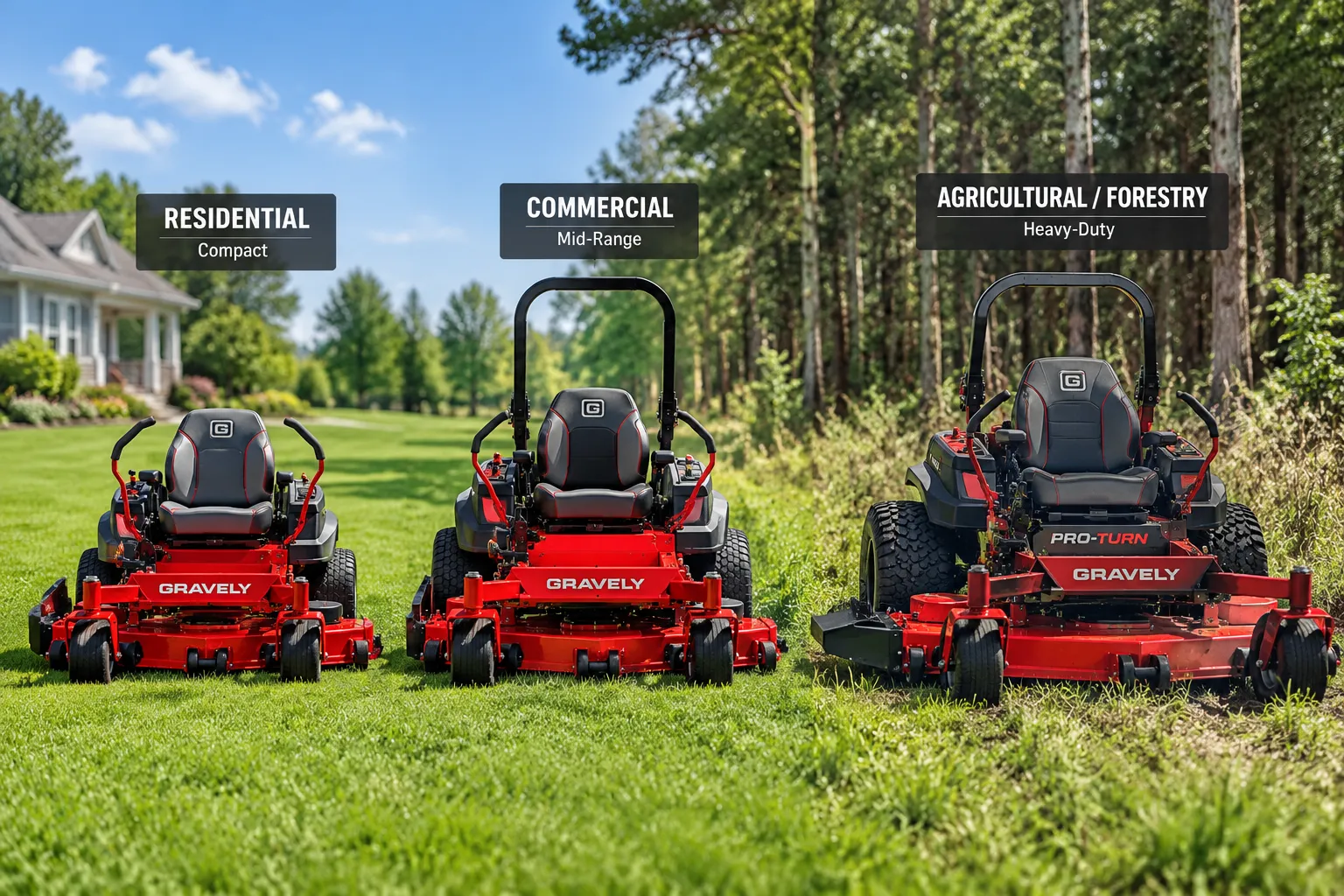
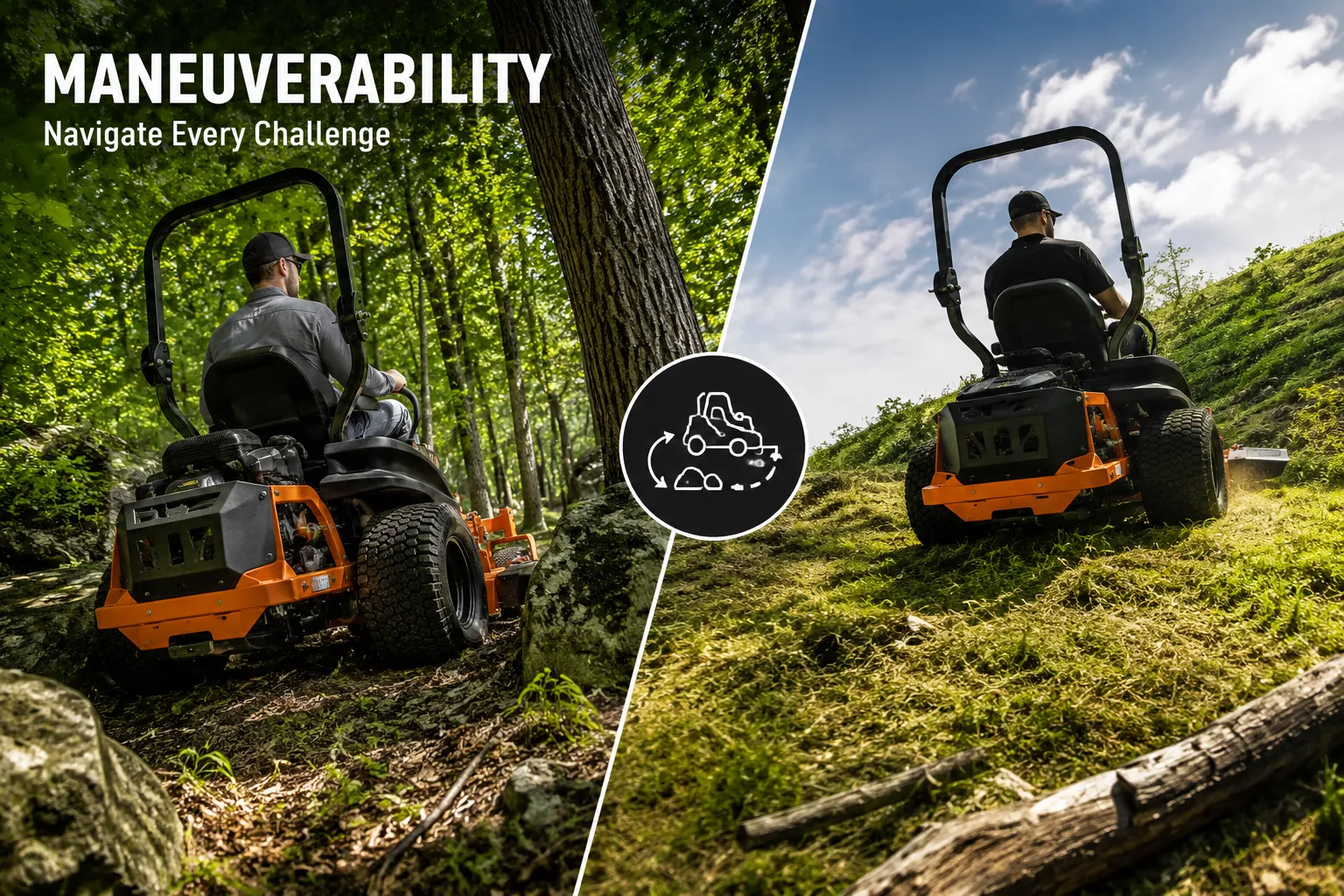
The core advantage of a zero-turn mower is its ability to turn on a dime, making it indispensable for properties with numerous trees, garden beds, or irregular boundaries. In a woodlot, this capability translates into efficient cutting around obstacles and tight pathways.
Steering and Control
Zero-turn mowers operate using lap bars, joysticks, or a steering wheel (less common for true zero-turns).
- Lap Bars: The most common control system, lap bars offer intuitive and precise steering. Pushing both forward moves the mower straight; pushing one forward and pulling the other back turns the mower sharply. Mastering lap bars allows for extremely tight turns and intricate maneuvering around trees, stumps, and rocks.
- Response and Sensitivity: High-quality steering systems will offer precise control without excessive play. This is crucial when operating near obstacles or on uneven ground, where a slight miscalculation could lead to damage.
Tire Selection and Traction
Tires play a critical role in maneuverability, traction, and stability, especially on the varied surfaces of a woodlot.
- Rear Tires: Look for aggressive tread patterns, often called “turf tires” with deeper lugs or “bar tires” that provide superior grip on soft soil, slopes, and through light mud. Avoid smooth turf-saver tires common on residential models, as they will struggle for traction in these conditions. Larger diameter rear tires can also improve stability and ride comfort.
- Front Caster Wheels: These freely rotating wheels are essential for the zero-turn capability. For woodlots, they should be heavy-duty, pneumatic (air-filled) rather than solid, and feature a sturdy yoke and bearings. Pneumatic tires absorb shocks better and provide a smoother ride over rough ground, reducing fatigue.
Suspension Systems and Ride Comfort
Woodlots are rarely billiard-table flat. A good suspension system can significantly enhance operator comfort and reduce fatigue during long mowing sessions.
- Suspension Seats: Many commercial zero-turn mowers offer suspension seats that dampen vibrations and impacts. These can range from spring-based systems to full air-ride suspensions.
- Integrated Suspension: Some advanced models feature suspension systems built into the frame or front caster assemblies, further isolating the operator from the bumps and jolts of uneven terrain. While these add to the cost, they are invaluable for properties with significant undulations.
- Frame Construction: A heavy-duty, fully welded steel frame is vital. It provides the structural integrity needed to withstand impacts and stresses from operating in challenging environments. A robust frame prevents twisting and flexing, ensuring components remain aligned and durable.
Maneuverability in a woodlot is not just about turning radius; it’s about the holistic design that allows the operator to control the machine safely and comfortably through varied and often unforgiving conditions.
Deck Options: Durability, Cutting Width, and Blade Performance
The cutting deck is the part of the mower that interacts directly with the challenging vegetation in your woodlot. Its construction, size, and blade configuration are paramount for effective and durable performance.
Deck Construction: Stamped vs. Fabricated
This is arguably one of the most critical distinctions for woodlot maintenance.
- Stamped Decks: Typically found on residential mowers, stamped decks are formed from a single sheet of steel. They are lighter and cheaper to produce but are less durable and more susceptible to bending, cracking, and damage from impacts with stumps or rocks. They generally feature a less efficient airflow, which can lead to poorer cut quality in thick grass.
- Fabricated Decks: Constructed from multiple pieces of heavy-gauge steel that are cut, welded, and reinforced, fabricated decks are significantly stronger and more resistant to damage. They often feature internal baffling for improved airflow and discharge, which is crucial for handling dense and tall vegetation without clumping. For woodlot maintenance, a fabricated deck (typically 10-gauge steel or thicker) is highly recommended. Some even include reinforced leading edges and impact bars for added protection.
Cutting Width and Efficiency
The cutting width, or deck size, impacts how quickly you can complete your work.
- 48 to 60 inches: For most private woodlots, a deck in this range strikes a good balance between efficiency and maneuverability. A wider deck covers more ground faster, but a narrower one might be easier to navigate through tighter gaps between trees.
- Wider Decks (60+ inches): If you have large, relatively clear areas within your woodlot, a wider deck can save considerable time. However, be mindful of any extremely tight spaces where a smaller deck might be necessary.
- Side Discharge vs. Mulching: Most zero-turns come with side discharge capabilities. For woodlots, this is often preferred as it disperses cuttings widely, preventing clumping in heavy growth. Mulching kits are available, but in very thick, tall grass, they can sometimes lead to excessive clumping or bogging down.
Blade Types and Toughness
The blades are what do the actual cutting, and their design and material are vital for performance in rugged environments.
- Standard Blades: Good for general mowing, but may dull quickly on tough woody material.
- High-Lift Blades: Designed to create more suction, lifting grass blades for a cleaner cut. Can be beneficial for taller, tougher grasses but may consume more power.
- Mulching Blades: Specially designed to cut and re-cut clippings into finer pieces. While useful, they may not be ideal for extremely tall, dense woodlot growth where discharge is more important.
- Heavy-Duty Blades: Consider blades made from thicker, more durable steel alloys. These can better withstand impacts with small debris and hold an edge longer, reducing the frequency of sharpening or replacement.
- Number of Spindles: Decks typically have 2 or 3 spindles, each with a blade. More spindles generally mean better cut quality and distribution of power across the cutting width. Ensure the spindles themselves are heavy-duty, with greaseable bearings for longevity.
When Choosing the Best Zero Turn Mowers for Woodlot Maintenance: Power, Maneuverability, and Deck Options, the deck’s ability to withstand punishment, efficiently process tough vegetation, and maintain blade integrity is non-negotiable.
Additional Features and Safety Considerations
Beyond the core components, several other features can enhance the performance, safety, and longevity of a zero-turn mower used for woodlot maintenance in 2026.
Safety Features
Operating a mower in a woodlot comes with inherent risks, making safety features paramount.
- Roll Over Protection System (ROPS): Essential if operating on slopes or uneven terrain. ROPS can prevent serious injury in the event of a rollover. Many commercial mowers come with foldable ROPS.
- Seatbelts: Always use a seatbelt when a ROPS is present.
- Operator Presence System: Ensures the engine and blades disengage if the operator leaves the seat.
- Headlights: Useful for early morning or late evening work, or if navigating shaded, dense areas.
Durability and Maintenance
The challenging woodlot environment demands a mower built to last and easy to maintain.
- Heavy-Duty Frame: As mentioned, a fully welded, thick-gauge steel frame is crucial for structural integrity.
- Protected Components: Look for designs where vital components like hydraulic lines, electrical wiring, and the engine itself are well-protected from impacts and debris.
- Easy Access for Maintenance: Features like easy-to-remove deck shields, accessible grease zerks, and straightforward engine compartments simplify routine maintenance. Regular maintenance is key to extending the life of your equipment. For those interested in woodworking, understanding basic maintenance for power tools like mowers is akin to knowing how to care for your Milwaukee power tools for woodworking.
- Warranty: A strong warranty, especially on the engine and transmission, provides peace of mind.
Comfort and Ergonomics
Long hours of mowing can be taxing. Features that enhance operator comfort contribute to productivity and safety.
- Adjustable Seat: A comfortable, adjustable seat, ideally with some form of suspension, reduces fatigue.
- Ergonomic Controls: Well-placed and responsive lap bars or steering wheel.
- Cupholders and Storage: Small conveniences that improve the overall user experience.
Attachments and Versatility
While the primary use is mowing, some zero-turn mowers can accommodate attachments.
- Tow Hitch: Allows for towing small trailers for hauling debris, firewood, or tools. This can be particularly useful in a woodlot setting.
- Light-Duty Snow Blades or Spreaders: While not their primary function, some commercial zero-turns can be adapted for winter tasks if equipped with the right attachments.
Ultimately, when Choosing the Best Zero Turn Mowers for Woodlot Maintenance: Power, Maneuverability, and Deck Options, consider your specific woodlot conditions, the amount of time you’ll spend mowing, and your budget. Investing in a higher-quality, commercial-grade machine might have a higher upfront cost but will likely pay dividends in durability, efficiency, and reduced maintenance over time. Just as selecting the right wood for a project is crucial, like choosing between hardwoods vs. softwoods, selecting the right mower for your woodlot is about matching the tool to the task.
Top Brands and Models for Woodlot Maintenance (2026 Focus)
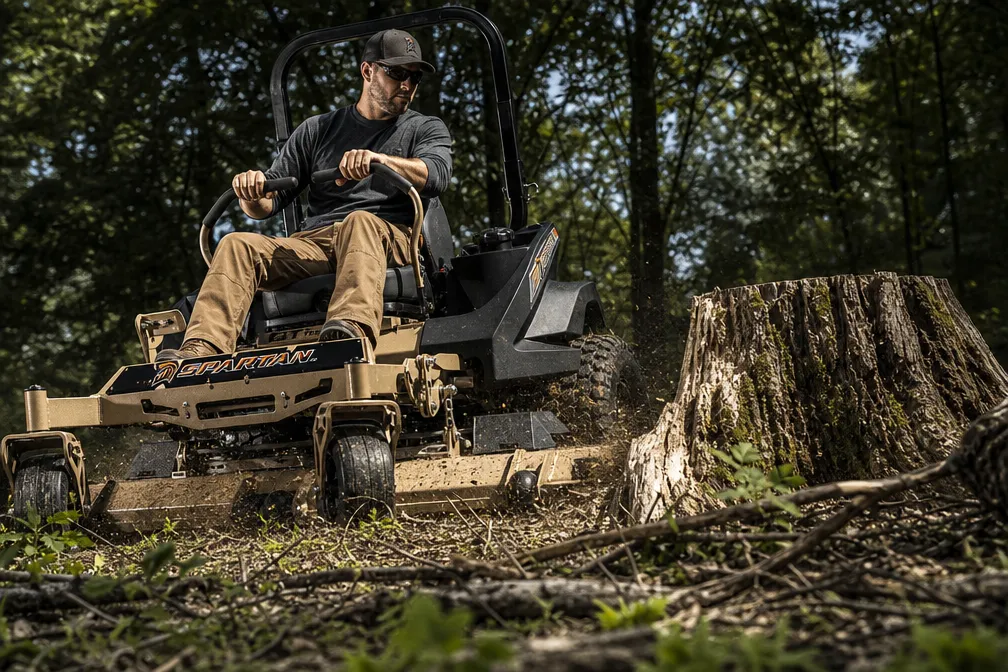
As of 2026, several manufacturers stand out for producing zero-turn mowers well-suited for the demanding nature of woodlot maintenance. While specific models and features evolve, these brands consistently offer robust options.
Leading Brands to Consider
- Kubota: Known for their diesel engines and heavy-duty construction. Kubota’s ZD-series and ZG-series are popular choices, offering excellent power, durability, and often include features like shaft-driven decks which are more robust than belt-driven systems for harsh conditions.
- John Deere: Offers a range of commercial zero-turns in their ZTrak series that are capable of handling tough terrain. Look for models with fabricated decks and higher horsepower engines.
- Exmark: A premium brand synonymous with commercial landscaping. Exmark mowers, particularly models like the Lazer Z series, are built for extreme durability, long hours of operation, and superior cut quality. They typically feature heavy-duty fabricated decks and high-performance engines.
- Scag: Another top-tier commercial brand, Scag produces incredibly robust machines like the Cheetah and Tiger Cat II. Their decks are renowned for their strength and ability to process tough vegetation.
- Ferris: Ferris mowers are unique for their patented suspension systems, which offer unparalleled ride comfort on uneven terrain. This can be a huge advantage in a woodlot, reducing operator fatigue. Their IS® series is highly regarded.
- Toro: Toro offers a strong lineup of commercial zero-turns under their Grandstand and Z Master series. These models are built with durability in mind and often incorporate innovative features for efficiency.
When researching specific models for Choosing the Best Zero Turn Mowers for Woodlot Maintenance: Power, Maneuverability, and Deck Options, focus on the commercial or professional lines of these brands, rather than their entry-level residential offerings. These will invariably feature the fabricated decks, powerful engines, and heavy-duty transmissions required.
Evaluating Specific Model Features
Beyond brand reputation, dive into the specifications of individual models:
- Engine Model: Don’t just look at HP; research the specific engine model (e.g., Kawasaki FX series, Kohler Command Pro) to understand its commercial grading and reputation.
- Deck Gauge: Confirm the steel gauge of the fabricated deck. 7-gauge or 10-gauge are excellent.
- Spindle Construction: Look for cast-iron or heavy-duty aluminum spindles with large, greaseable bearings.
- ROPS and Safety: Ensure the model includes a foldable ROPS if you have overhead clearance issues.
- Fuel Capacity: Consider how long you can mow on a single tank.
A good approach is to visit local dealerships and physically inspect the mowers. Sit on them, check the deck construction, and ask about specific features relevant to your woodlot. Don’t hesitate to ask for demonstrations if available.
Budget Considerations
Zero-turn mowers suitable for woodlot maintenance represent a significant investment.
- Residential Grade (Not Recommended for Woodlots): $3,000 – $6,000
- Prosumer/Light Commercial: $6,000 – $10,000 (Some models in this range might be adequate for smaller, less intense woodlots if carefully selected).
- Commercial Grade (Recommended for Most Woodlots): $10,000 – $20,000+ (This is where you’ll find the durability, power, and features truly needed for demanding woodlot work).
Consider the long-term cost of ownership, including fuel, maintenance, and potential repairs. A cheaper mower that frequently breaks down will cost more in the long run than a durable, commercial-grade machine.
Remember, the goal is to find a machine that not only cuts well but can withstand the unique stresses of a woodlot, providing reliable service for years to come. This strategic choice is an investment in your property and your time.
Conclusion
Choosing the Best Zero Turn Mowers for Woodlot Maintenance: Power, Maneuverability, and Deck Options is a decision that significantly impacts the efficiency and enjoyment of managing your property. The unique challenges of a woodlot, dense vegetation, uneven terrain, and numerous obstacles, demand a specialized machine far beyond what a standard residential mower can offer.
Prioritize models featuring robust, commercial-grade engines with 25 HP or more, paired with heavy-duty hydrostatic transmissions for consistent power and precise control. Exceptional maneuverability, facilitated by responsive steering and aggressive, durable tires, is critical for navigating tight spaces and varied landscapes. Most importantly, invest in a mower with a fabricated steel deck (10-gauge or thicker) and tough, high-quality blades designed to withstand impacts and effectively cut through dense growth. Don’t overlook crucial safety features like ROPS and ergonomic considerations for operator comfort during extended use.
While the upfront cost for a truly capable zero-turn mower for woodlot maintenance might be higher, the long-term benefits of durability, efficiency, and reduced downtime make it a worthwhile investment. By carefully evaluating these factors and considering reputable commercial brands, you can select a zero-turn mower that will reliably transform your woodlot maintenance tasks for years to come.
Meta Title: Best Zero Turn Mowers for Woodlot Maintenance: Power, Maneuverability, Deck Options Meta Description: Choose the best zero-turn mower for woodlot maintenance in 2026. Prioritize power, maneuverability around obstacles, and durable deck options for tough conditions.